







10 Animals That Live on Mount Everest and the Khumbu Region
Mount Everest, also known as Sagarmatha in Nepali,is known to be the highest mountain on Earth. Whenever people think of Everest, they tend to imagine snow, ice, and rocks that are steep. It may appear as a place where nothing may live. The air is so thin, the cold is so great, and there are scarcely any plants in many places. Therefore, it is easy to assume that wildlife will not be able to survive in this place.
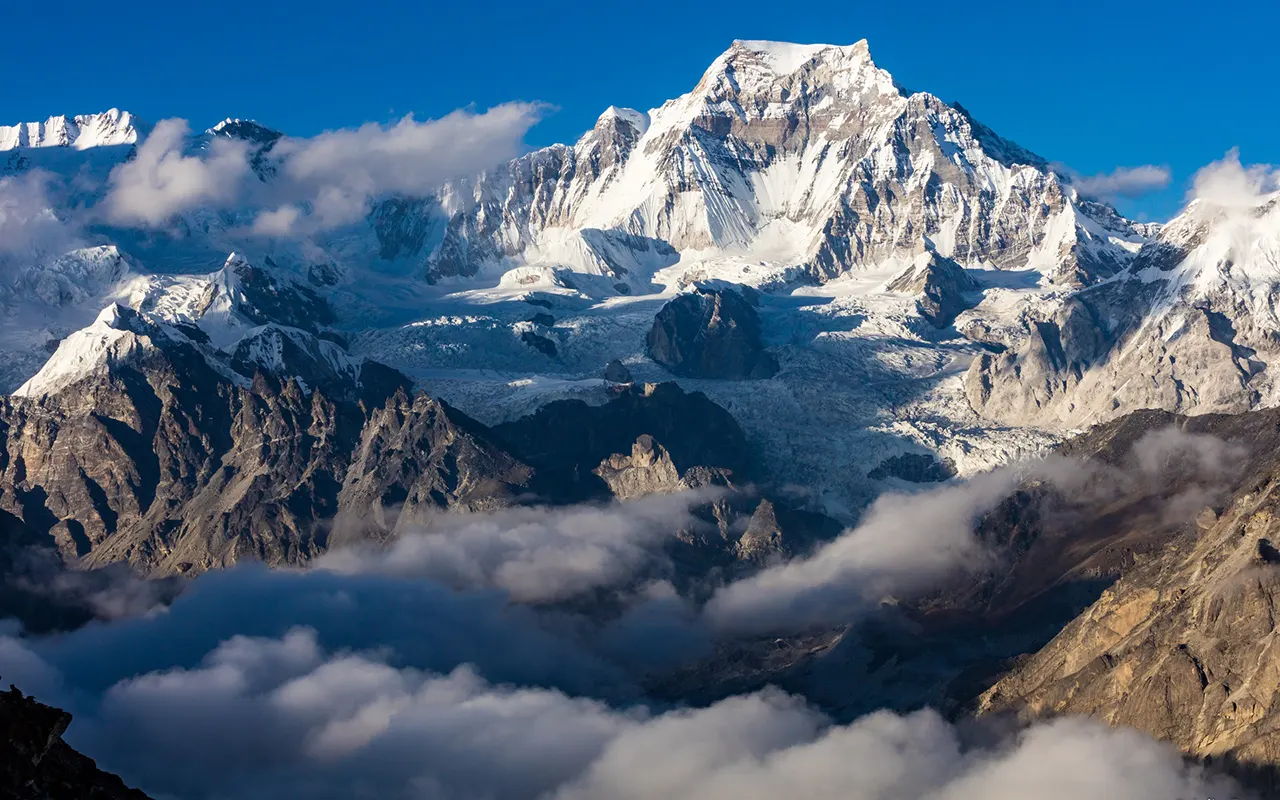
But the truth is surprising. There are numerous well-adapted and powerful animals around the Khumbu region that surrounds Everest and most of Sagarmatha National Park. The landscape is changing rapidly as you travel over the area. The forests in lower valleys are of pine, fir and rhododendron. As you go higher, the vegetation ceases, and you encounter the open alpine meadow, rocky slopes and glaciers. These regions offer a varying environment to various species.
With time, the animals around the Everest region have evolved their own survival mechanisms. Some animals havethick fur or feathers to withstand freezing winds. Others are more efficient in the use of oxygen. Most of them migrate downwards in winter, and some sleep in holes or pass the cold months away.
You will know about 10 animals that inhabit the mountain Everest and the Khumbu area in this article. You will also find out the places where you can find them as you trek, and how to observe animals in this delicate habitat in an environmentally friendly manner.
The Khumbu Region: Location and Extreme Wildlife Adaptations
The Khumbu is a region in northeastern Nepal, on the slopes of Mount Everest, and the border between Nepal and Tibet (China). It comprises such well-known locations as the Dudh Kosi valley, Gokyo Lakes and the Khumbu Glacier.
The Khumbu is unique in that it is a vast region in height, with an approximate height of 2,800 meters in villages such as Lukla and Monjo, and reaching 8,848.86 meters at the Everest peak.
Due to this, the scenery is constantly shifting as the terrain shifts with the ascendancy. The pine and rhododendron forest on the lower areas is replaced by fir and birch woods on the higher areas, and by the open alpine meadows on the higher areas, and by bare rock, glaciers, and permanent snow above approximately 5,500 meters.
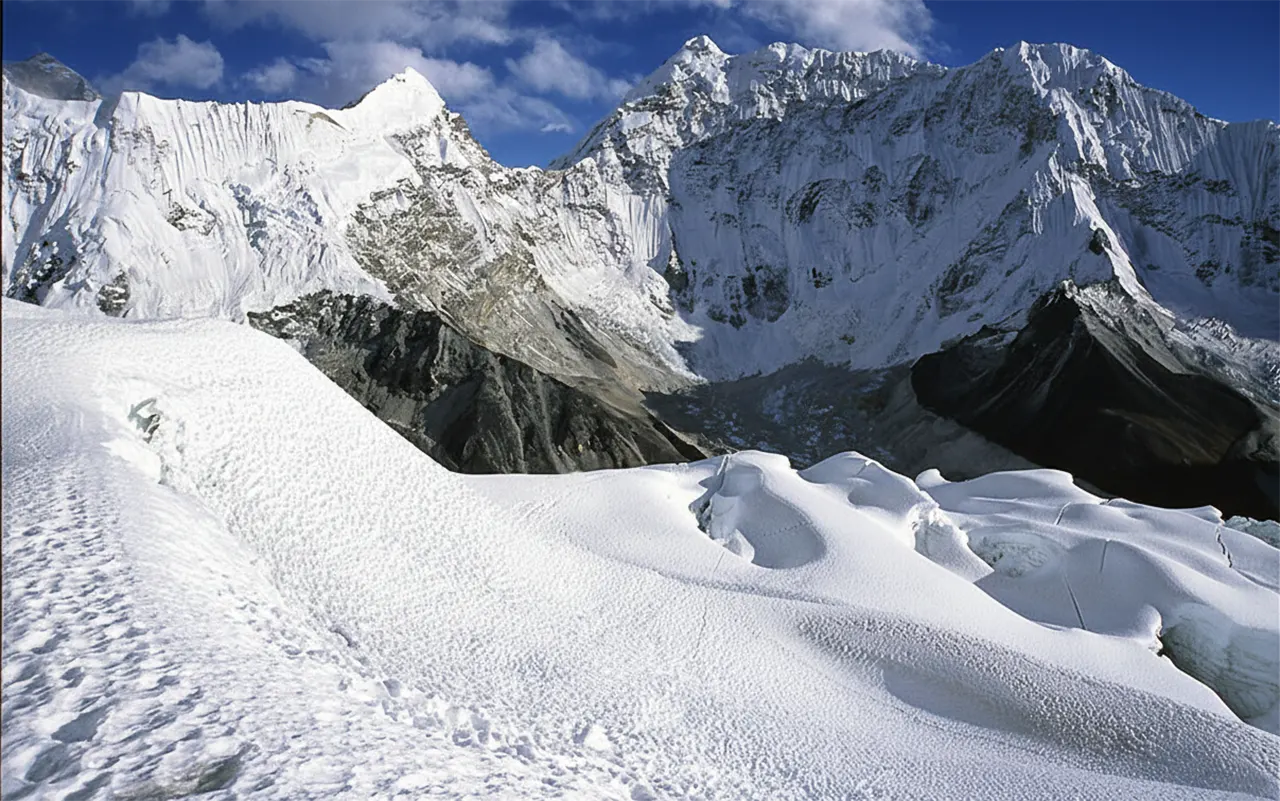
In the beginning, this mountainous terrain seems too frozen and cruel to the livestock. It becomes hotter, colder, the sun is more intense, and winters fall to -30 °C. Nevertheless, wildlife in this area still survives since most species here are extremely adapted.
There are animals with bigger lungs or more red blood cells to utilise the limited oxygen. Most of them have thick fur or feathers to keep them warm, and their bodies are usually compact to minimise heat loss.
It is also a matter of survival inbehaviour. Some animals migrate to the lower valleys during the winter, and those animals that hibernate for months during the winter, such as marmots. Pikas and other small animals hoard and store the dry plants in summer to consume them in winter.
Such natural features and survival skills contribute to the Khumbu region being one of the most interesting high-altitude ecosystems on the earth, where life still exists even near the Everest Base Camp.
10 Animals That Live on Mount Everest and the Khumbu Region
Although the Everest and Khumbu region is highly barren, cold and with thin air, with rugged terrain, a wide range of wildlife is found there. Huge mountain predators and little animals hiding among rocks and forests.
The following are ten outstanding animals that can be found in and around Mount Everest, each possessing its own distinctive traits that aid it to survive in one of the most inhospitable environments on the planet.
- Snow Leopard – The Ghost of the Himalayas
One of the most popular animals that may be found in the Everest and Khumbu area is the snow leopard. It inhabits high mountain ranges between cliffs and snowy slopes, which are normally above 3,000 meters. It makes this big cat extremely difficult to see as its grey and spotted fur colour powerfully blends with rocks and snow.Snow leopards are powerful predators and they primarily feed on beasts such as the Himalayan tahr. They possess dense fur, huge paws to walk on the snow and a long tail to maintain balance and warmth. The snow leopard, a strong image of wildlife that survives in the extreme environment of the Himalayas, is rarely observed. - Himalayan Tahr – Master of Steep Cliffs
Himalayan tahr is a wild goat, which is frequently observed on the mountain precipice in the Khumbu area. It inhabits the forests and the high alpine regions, typically between 2500 and 4500 meters.Tahrs are short-legged, powerful climbers who have rubber-like hooves. They are shielded against cold winds, particularly during winter, due to their heavy fur. They are primarily herbivores and generally eat grass and plants and provide a significant food source to snow leopards.The tahr grazing on the cliffs around Namche Bazaar and Tengbocheis a common occurrence among trekkers and demonstrates the extent to which the animals can become comfortable with life in the mountains. - Yak – The Iconic High-Altitude Animal
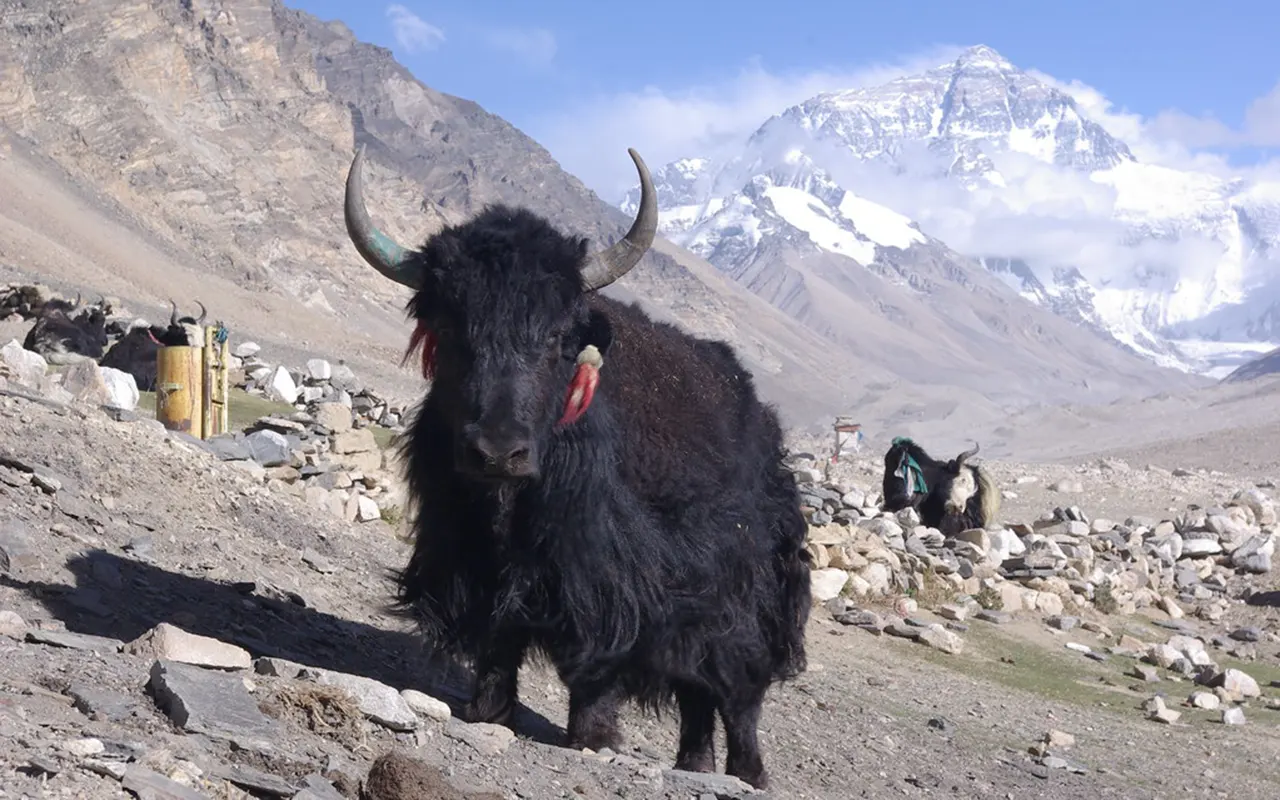
 The most popular and significant animals in the Everest area are yaks. They are huge and hairy creatures which can comfortably survive above 3,000 meters, as many other animals would not be able to do. Yaks are very thick, well-endowed with strong lungs, and their bodies are sturdy, helping them cope with cold weather and low oxygen.In Khumbu, the majority of the yaks are tamed, and they aid Sherpa societies by carrying loads on the trekking paths. They are also a source of milk, meat, wool and fuel from dried dung. Life and travel to the high Himalayas would be extremely hard without the presence of yaks.
 - Himalayan Musk Deer – The Shy Forest Dweller
The Himalayan musk deer inhabits the silent woodland of the lower Khumbu, typically 2500 to 4300 meters. It is little, timid, and generally active at daybreak and dayfall. It is deprived of antlers like other deer, and male ones bear long fang-like teeth. The musk gland is common among males, and this is what made the musk deer the victims of illegal hunting in the past.Now they are safeguarded, yet they are threatened. They live in densely growing forests where they conceal themselves in undergrowth and move silently, hence making them extremely hard to notice by the trekkers. - Himalayan Wolf – Apex Predator of the Region
The Himalayan wolf is a strong predator which lives in more remote and high parts of Khumbu. It inhabits the open alpine areas above the villages and preys on such animals as marmots, pikas and occasionally livestock.These wolves are fitted for cold and thin air, with their thick fur and powerful lungs. They live in small packs, and their habitat is also very uncommon, but it is significant to have one to balance the ecosystem. Himalayan wolf demonstrates that large predators can be able to survive in the harsh climate of Everest. - Red Panda – Rare Resident of Lower Khumbu
The red panda is a cute and endangered animal that can be found in the lower forests of the Khumbu region. It is found in altitudes of between 2,800 and 3,800 meters, particularly in forests with bamboo.Red pandas are arboreal animals, and they move about early in the morning and in the evening. They feed on fruits and insects, but mainly on bamboo. They are warm because of their thick fur and furry feet. Red pandas are vulnerable and extremely shy, and as such, they are rarely seen. - Himalayan Marmot – The Whistling Guardian
The marmots inhabit open alpine meadows above the treeline, typically between 3,500 and 5,200 meters. They are very bulky rodents commonly sitting on the rocks erectly to watch over danger.Marmots bore holes and inhabit underground colonies. They emit loud whistling when they feel threatened to alert other people. Marmots spend many months underground in an attempt to survive long winters.During the summer, they consume flowers and grass and develop fats. Marmots are readily visible in such areas as Dingboche and Pheriche. - Pika – The High-Altitude Survivor
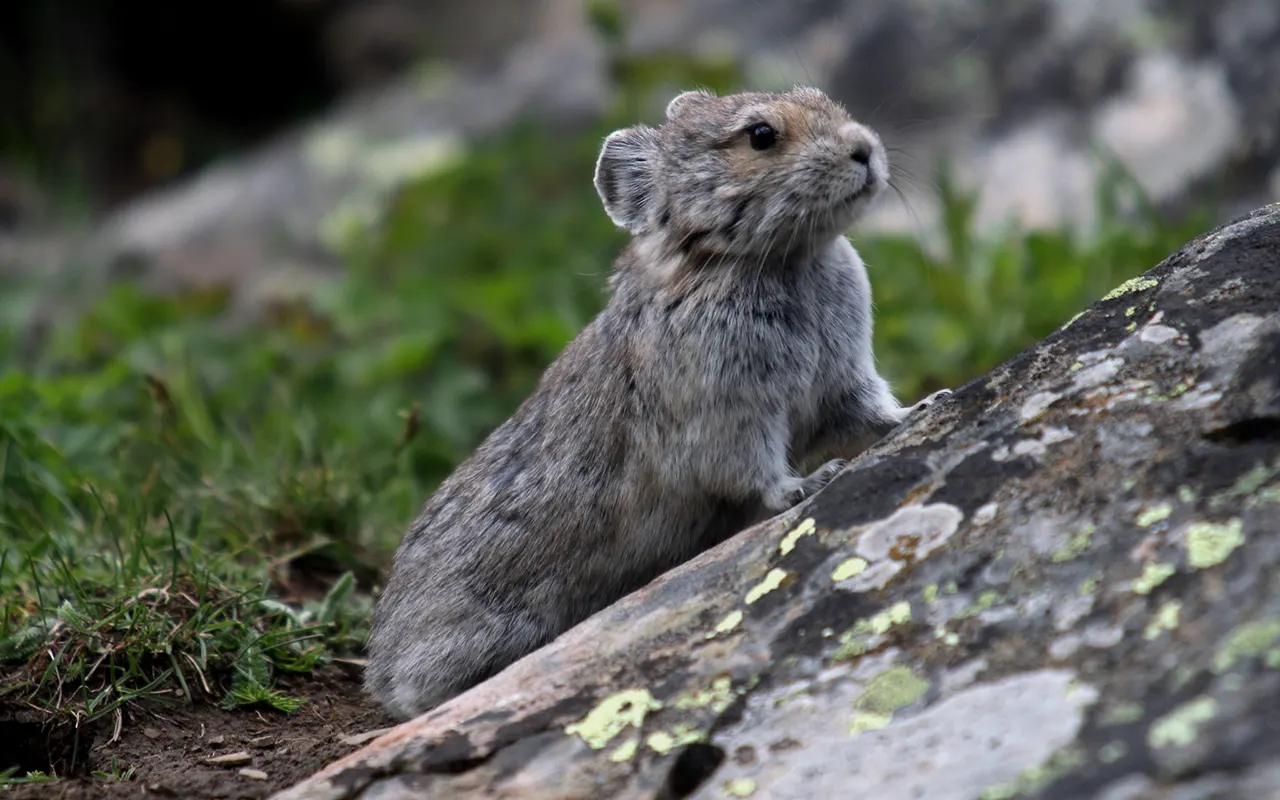
The Himalayan pika is a small creature which inhabits the rocks and stone walls of the Everest region, which is usually above 3,000 meters. It resembles a little bunny and lacks an apparent tail.Pikas do not hibernate; they hoard grass and plants during summer and save them as winter food. This action is referred to as haying. Their dense fur keeps them warm even when the temperatures are at the freezing point. Pikas are usually heard first before being seen, and they squeak sharply. They are very small but are fit to live in extreme mountains. - Yellow-Billed Chough – Everest’s High-Flying Bird
The yellow-billed chough is a black bird, and the beak is bright yellow in colour, frequently found flying all around the Everest Base Camp. It is among the high-flying birds in the world and can survive over 6,000 meters.These are powerful fliers, and they utilise mountain winds to fly with ease. They feed on seeds, insects and even food remnants left by climbers. Choughs are sociable, and they are frequently heard in flocks, where they make merry calls. These birds can survive in high altitude conditions because they have the capacity to fly and survive in thin air. - Himalayan Monal – Nepal’s National Bird
One of the most colourful birds in the Khumbu region is the Himalayan monal, also referred to as the national bird of Nepal, the Danphe. It inhabits forests and alps in altitudes of 2,100-4,500 meters.The feathers of the male monals are shiny in color blue, green and copper, whereas the female monals are brown and well-camouflaged. They subsist on the roots, insects, and seeds which they dig up in the soil.In Sagarmatha National Park, monals are safeguarded, and they are commonly found in forests near Tengboche. They provide colour and life to the rough terrain of Everest with their beauty.
 The most popular and significant animals in the Everest area are yaks. They are huge and hairy creatures which can comfortably survive above 3,000 meters, as many other animals would not be able to do. Yaks are very thick, well-endowed with strong lungs, and their bodies are sturdy, helping them cope with cold weather and low oxygen.In Khumbu, the majority of the yaks are tamed, and they aid Sherpa societies by carrying loads on the trekking paths. They are also a source of milk, meat, wool and fuel from dried dung. Life and travel to the high Himalayas would be extremely hard without the presence of yaks.
 The Himalayan pika is a small creature which inhabits the rocks and stone walls of the Everest region, which is usually above 3,000 meters. It resembles a little bunny and lacks an apparent tail.Pikas do not hibernate; they hoard grass and plants during summer and save them as winter food. This action is referred to as haying. Their dense fur keeps them warm even when the temperatures are at the freezing point. Pikas are usually heard first before being seen, and they squeak sharply. They are very small but are fit to live in extreme mountains.
Where Wildlife Is Spotted: Everest Base Camp to Extreme Altitudes
Wildlife does get scarcer, but it does not disappear altogether, even between the Everest Base Camp and the top of the mountain. There are many things that, on the surface, might be considered as lifeless, such as Everest Base Camp, which at elevations of approximately 5,300- 5,400 meters can be seen as being composed of only rocks, ice, and glaciers. But in the summer months, one may still find here a few tough animals.
Birds are the most common. The choughs, of yellow bill, are often seen flying about the camp or hopping about in search of scraps. Himalayan Ravens, alpine accentors, and snow pigeons are also found in the area of Gorak Shep and Base Camp. Above that, bearded vultures and Himalayan griffon vultures can be flying without any noise, searching the glacier.
In the mammal kingdom, pikas are the most frequently observed species at Base Camp and can be found among the rock piles, making sharp calls in the mornings when there is no other noise. Himalayan marmots are slightly lower and are located around places such as Lobuche and Gorak Shep, particularly during summer.
There are rare cases of small rodents and even the minute Himalayan jumping spider being reported by climbers, and it is known to be the highest permanent resident animal of the Everest region.
The seasons vary in the activity of wildlife around Base Camp. During winter, the majority of animals will move down to lower levels or hide. During the spring and the autumn, the birds come back, and the movement of animals is more common at the beginning of the morning and at the end of the afternoon.
In the areas past Base Camp, there are very few animals. More than 8,000 metres high, where there is a so-called Death Zone, no animals can survive permanently because there is no oxygen or food. Nonetheless, there are rare bird flights and small animals that demonstrate that life takes its limits even in the most extreme heights of our planet.
Threats to Wildlife and Conservation Efforts in the Khumbu Region
Thousands of years of extreme cold, thin air and rough mountains have seen the wildlife of the Khumbu region survive. Nonetheless, in the modern world, such animals have new enemies, which are primarily human activity and global warming.
Global warming is one of the biggest challenges. The Himalayas are also warming at a rate that is higher when compared to other regions of the world. Change in snowfall, melting of glaciers and erratic weather impacts both the animals and plants.
Due to temperature change, forests and grasslands are gradually shifting upwards, which leaves less room to high-altitude animals such as snow leopards, Himalayan tahr, and pikas. Certain species might be driven to the top until they have no further places to occupy.
There is also pressure caused by tourism and trekking. The Everest region receives thousands of trekkers every year. Although tourism promotes local livelihood, it may disrupt the wild animals by means of noise, trail development, trash, and human intrusion. Food and litter waste may cause damage to the animals or alter their natural behaviour. Moreover, there are instances where predators such as snow leopards and Himalayan wolves attack livestock, causing several conflicts with local herders.
In a bid to conserve wildlife, there are vigorous conservation measures. The centre of such work is Sagarmatha National Park, created in order to preserve nature and local culture. Hunting and poaching are prohibited, the forests are protected, and the development is controlled. The local Sherpa communities are very much involved in conservation, and it is led by the cultural reverence for nature.
Organisational waste is also taken care of, responsible tourism is encouraged, trees are planted, and the use of clean energy is encouraged. The Khumbu region is striving to make sure that the unique wildlife survives on Mount Everest through the collaboration of communities, park authorities, and visitors.
When and How to Spot Wildlife Responsibly in the Khumbu Region
Wildlife sightseeing in the Khumbu area is an enjoyable process, yet it needs appropriate timing and proper conduct. Spring (March to May) and autumn (late September to November) are the most ideal times of the year to see animals. These have been the clear seasons, and most of the animals are on the move during these seasons.
During springtime, melting snow and an abundance of new plant growth draw such animals as Himalayan tahr and musk deer to the higher elevations, and such birds as the Himalayan monal are busy feeding and mating. Autumn is also wonderful, because the animals are preparing to go through winter, and the young animals are usually found with their parents.
Early morning or late afternoon is the most appropriate time of the day to see wildlife. Most of the activity of animals occurs at such silent hours. Many of the animals would move into forests or rocky areas as the day becomes busier with trekkers. The winter and monsoon seasons are more difficult, and sometimes, a few visitors can provide patient trekkers a rare sight.
As important as what you watch is how you watch it. Always maintain a safe distance and never pursue or feed animals. Use designated paths in order not to destroy habitat, and keep noise to a minimum. Take photos using binoculars or a zoom lens rather than moving. Dispose of everything in designated areas, since food and plastic can kill the animals.
By responsibly watching wildlife, you save the delicate Himalayan ecosystem and have more natural and memorable experiences in one of the most extraordinary regions of the world.
Conclusion
Mount Everest and the Khumbu valley are commonly perceived as an icy, rocky, and adventurous land for humans. However, they also, as this blog demonstrates, harbour a very remarkable diversity of wildlife that has adapted to live in one of the most inhospitable habitats on Earth.
The snow leopard is silent and cunning, sliding without sound up and down the rocky ridges, and the pikas are minute creatures hoarding some food between the rocks, but all of them have a significant role in this delicate mountain ecosystem. Life still goes on in unexpected ways even in the locations close to the Everest Base Camp, which proves that nature can surprise us to a great extent.
These animals are not just exotic sightseeing items for the trekkers. They are signals of the well-being of the Himalayas. When the wildlife is healthy, it is an indication that forests, grasslands and alpine zones continue to operate as they are expected to.
Nevertheless, these natural systems are being pressured by climate change, tourism and human activity that is gaining momentum. Increasing temperatures, alterations of the weather patterns, and disruption of the habitat imply that a lot of the species are now struggling with the problems which they did not evolve to manage.
The positive aspect is that there is a solid conservation going on in the Khumbu region. The collaborators in the work to preserve wildlife are Sagarmatha National Park, local Sherpas, and conservation groups using laws, education and responsible tourism to preserve wildlife.
Another role is played by visitors. Through contemplative walking, animal courtesy, proper waste disposal, and adherence to the park rules, the traveller contributes to the preservation of wildlife that they long to see.
Finally, Mount Everest is not only the highest peak in the world, but it is also a living landscape. Conservation of the animals within the Khumbu region is a guarantee that this remarkable location will be wild, balanced and inspiring to future generations.
