








Bardiya National Park- Nepal Hidden Wildlife Park
Bardiya National Park is the undisturbed, wildlife and nature lovers paradise hidden in the remote western part of Nepal in Terai. However, although Nepal is known as a land with high Himalayan mountains, Bardiya demonstrates another face of the state, namely subtropical jungles with wildlife everywhere. Being one of the largest lowland Nepali national parks (almost 1,000 square kilometers), Bardiya has not been heavily affected by mass tourism. It provides a close up wilderness adventure that does not follow the common tourist paths. Bardiya National Park is a real life location that meets the expectations of eco tourists, backpackers, and wildlife photographers who want something different. This is an incredible jungle full of biodiversity, wilderness safari experiences, a unique indigenous culture, and an incredible conservation success story, which is all the ingredients of a memorable jungle experience.
Bardiya’s Rich Biodiversity
Bardiya National Park is home to many different plants and animals, making it one of the most biodiverse regions in Nepal. Approximately 70 percent of the park is densely covered with sal forest, with open grasslands and forests near the rivers. Such diverse habitats sustain a diversity of wildlife. The park is home to dozens of mammal species, hundreds of bird species, dozens of reptile species and fish in the rivers of the park.
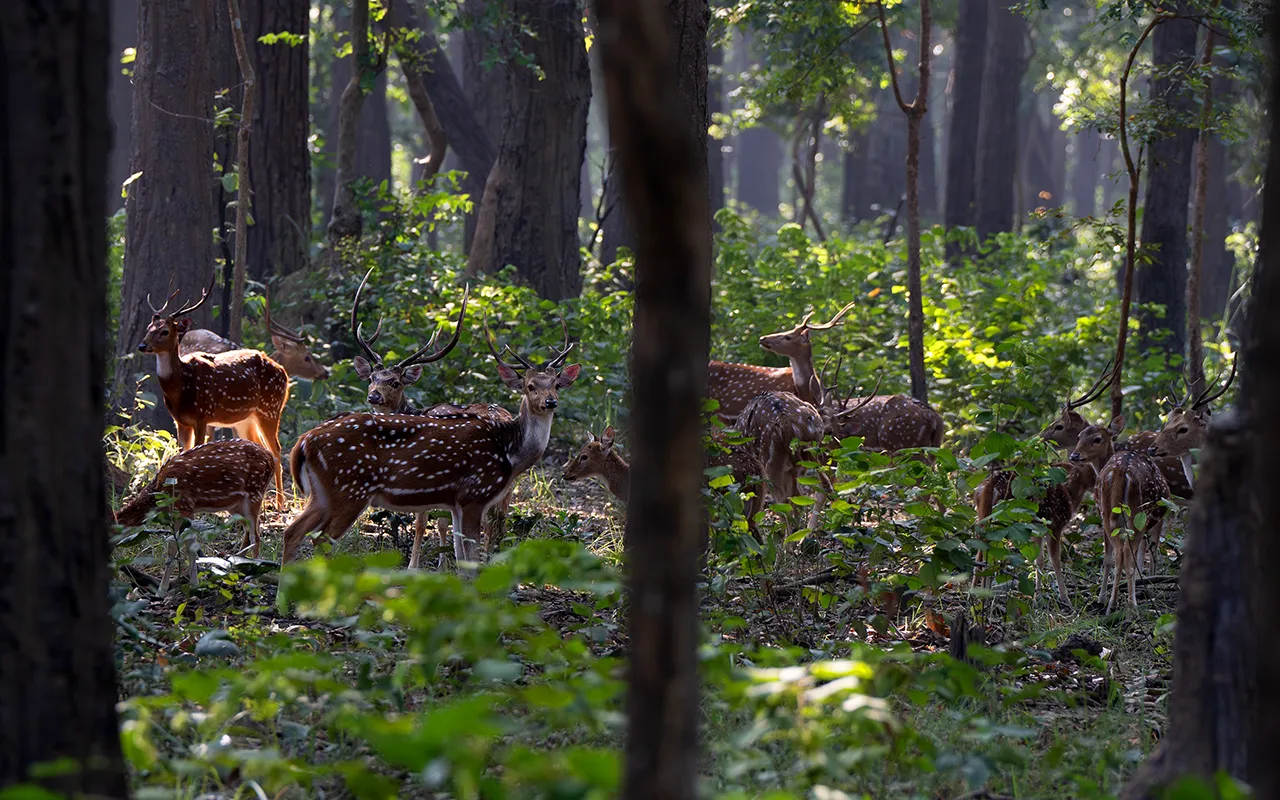
Travelers who explore the wilderness in Bardiya can experience a beautiful diversity of animals. Deer species such as spotted deer (chital) and the rare swamp deer walk around the grasslands with troops of the monkeys swinging above. The Karnali and Babai rivers in the park are home to marsh crocodiles and the rare Gangetic river dolphins, which sometimes appear with a gentle splash. More than 400 bird species have been noted in Bardiya – with colourful peacocks, large great hornbills, and rare Bengal floricans and sarus cranes. This is a diverse habitat with a background of pure jungles, and thus each safari is in a position to make special wildlife experiences.
The ecosystems in Bardiya have been preserved so well due to robust conservation efforts. The park was opened in the late 20th century and it was expanded to secure important habitats. Decades ago, the area was home to local villages, which were relocated, enabling forests and wildlife to restore. Consequently Bardiya is now really wild. The human activity is minimal far in the park and visitors have an opportunity to enjoy a Himalayan jungle as it could have been in the remote past, beautiful, vibrant and wild.
Tigers, Rhinos, and Other Wildlife Highlights
The best attractions of Bardiya are Royal Bengal tigers and one horned rhinoceroses. The tiger population in Bardiya has recovered remarkably; the park currently sustains about 120–125 tigers (as of 2022). Such a great recovery makes it a possibility to see tigers (however, never a guarantee). Although you might not see one, you might have come across new paw tracks on a path or heard a roar in the distance at night.
The one horned rhinos which were reintroduced here many decades ago, now drop to a few dozen. They are not as frequently seen as in Chitwan, but seeing a rhino in the peaceful grasslands at Bardiya is a particularly satisfying experience. With a little patience, especially in the early morning or evening, you might spot a large rhino grazing in the wild which is an unforgettable sight.
The park is also home to many other amazing animals besides tigers and rhinos. Wild Asian elephants sometimes pass through Bardiya (mostly during the summer months), causing huge footprints and broken branches as evidence of their passing. These forests also have dangerous leopards and sloth bears but they are rarely spotted. You can easily see herds of animals like spotted deer and hog deer, which are the main prey for large predators.
The rivers are also full of life: you may see a crocodile resting on a sandbank or some river dolphin momentarily breaking the surface. This diversity of wildlife means that each adventure in Bardiya presents the possibility of a memorable experience. You might see otters playing in a stream or catch a flash of blue as a kingfisher flies past.
Top Activities in Bardiya National Park
A visit to Bardiya National Park is full of adventure and close meet with nature. These are just some of the most popular things to do in the park:
Walking Safari (Jungles Walks)
Walk through the jungle with a knowledgeable guide. When you are strolling silently through the forest, your guide will also assist you to observe the traces of the wildlife like footprints or any other marks left on the trees. You can even view a rhino or tiger at a safe distance. Walking safaris are a wonderful way to connect closely with the wild beauty of Bardiya National Park.
Rafting on the Karnali River
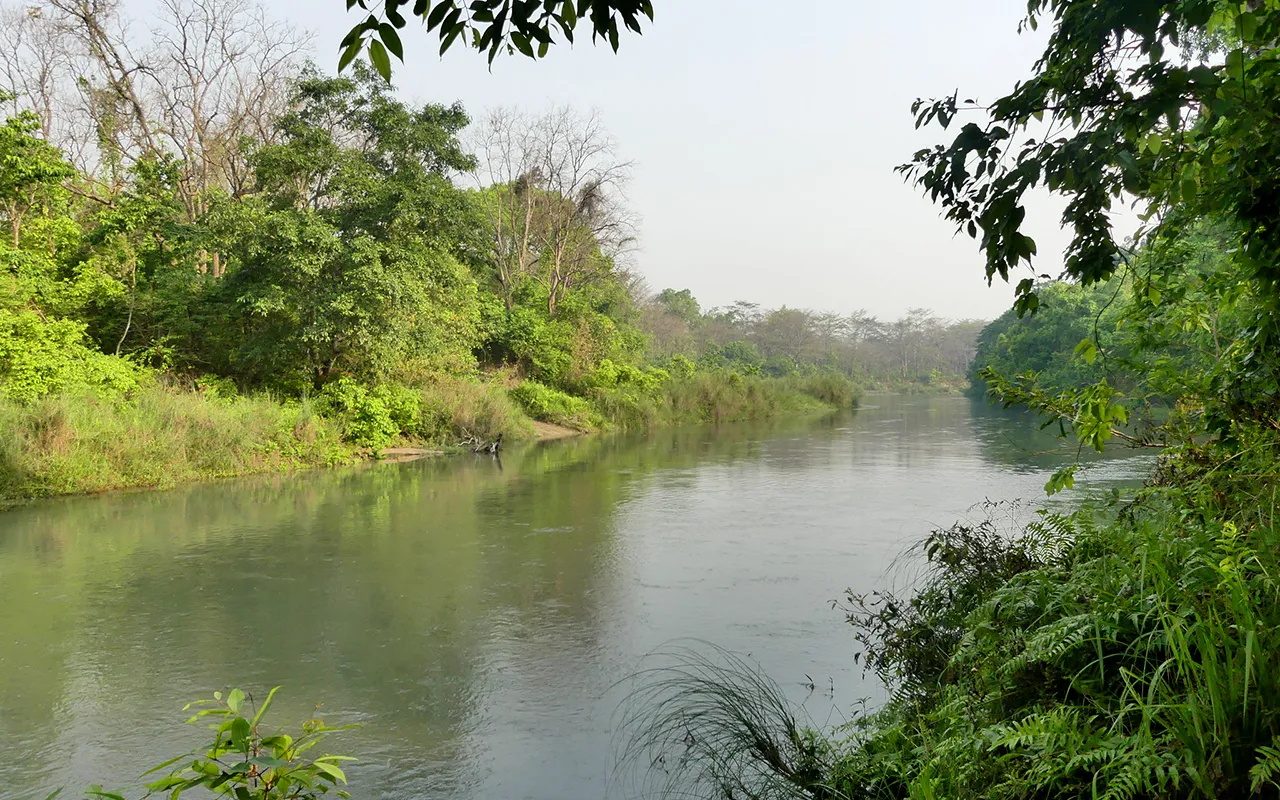
Enjoy a peaceful rafting or canoe trip along the Karnali River for a different view of Bardiya National Park. You can observe how animals come to drink the water at the edge of the river as you sail with it. The animals that are always visible are deer, crocodiles and water birds and on a good day, the Ganges river dolphin which is a rare species. The rafting in this area is mild and peaceful, and it is ideal to see the wild animals and have a glimpse of the green jungle landscape.
Bird watching
Bardiya National Park is a paradise for bird lovers. The most appropriate time to watch birds is in the early mornings and late afternoons. You may watch peacocks dancing, great hornbills flying through the treetops or colored kingfishers along the river. You might also see rare birds such as the Bengal florican or spot owls resting in the trees with the assistance of a guide. Even if you’re not a bird expert, the amazing variety of birds in Bardiya National Park will surely amaze you.
Local Tharu Culture and Community
The Tharu people are the indigenous community living around Bardiya National Park, adding a rich cultural touch to your visit. They have been residing in the Terai region of Nepal and have grown up having very close relationships with the jungle. They have a traditional lifestyle that you can experience and even participate in in neighboring villages such as Thakurdwara.
The houses of Tharu are constructed of mud and thatch and the majority of the families rely on farming and fishing in the same way as their forebears. A stroll or a bicycle ride through a Tharu village will provide an overview of rural life in the village – women who wear colourful garments and work on the fields, men who create wooden tools or take care of animals, and children who play under the trees. Tharu are friendly and hospitable people. In eco tourism, many of them are currently employed as guides, lodge owners, or employees and they are very proud of their culture and knowledge of the forest to give foreigners.
There are also the Tharu cultural dances performed to the guests in the evenings. The dancers wear traditional clothes and are energetic performers of stick dances and folk songs that show the strong connection that they have with nature. The sound of the drums and rhythm of the sticks in the open air make the atmosphere joyful.
Another place to visit is the small Tharu Museum at the park headquarters exhibiting the traditional tools and ornaments, and the household items that have demonstrated how the Tharu have coexisted with nature. To get an even more recognized adventure, meet a Tharu homestay – get ready to dine in their home, learn about their traditions, and provide the local community directly.
A Conservation Success Story
Bardiya National Park stands as one of Nepal’s greatest conservation success stories. Several years ago, poaching and loss of habitat posed serious threats to the park, driving the populations of tigers and rhinos to a serious downward spiral. Nevertheless, the intensive conservation campaign by the government, conservation groups, and local people has made Bardiya a successful wildlife park.
Nepal has made a commitment to 2022 to ensure that it doubles the number of wild tigers in the country, with Bardiya having a significant role to play. With anti-poaching patrols and improved protection, the population of tigers in the park has increased tremendously. The same can be said about one horned rhinos where the protection and relocation schemes have made the population shoot up, even registering zero poaching in some years.
The program of the buffer zone in the park is sharing the tourism income with the local communities, which have an incentive to protect wildlife. Numerous locals are currently employed as rangers or guides and the former poachers have become conservation advocates. Due to such collaborations, poaching has reduced significantly, and animals are flourishing in the world once again. The visitors can now observe tiger tracks, herds of deer or even rhinos in their stay.
Bardiya National Park proves that with teamwork and dedication, nature can recover and flourish — a true example of hope and conservation success for the world.
Tourism Transport and Travel Hints
Planning ahead will make your trip to Bardiya National Park smooth and enjoyable. The following are easy and useful travel tips:
Getting There
Bardiya is situated in far-western Nepal hence it takes a bit of time to reach it. The shortest route is to fly Kathmandu to Nepalgunj (approximately 1 hour), followed by a 230km drive to Bardiya, near the village of Thakurdwara. Another long-distance route is Kathmandu or Pokhara to Ambassa, a highway station approximately 14 -15 hours distant. It is 40 minutes drive between Ambassa and Thakurdwara.
Accommodation
There are a majority of accommodation options in or near Thakurdwara village. Simple homestays, guesthouses and eco- lodges, with clean rooms and local meals are found. Although the lodge accommodation is few in comparison to other tourist destinations, they are well furnished and warm. It is prudent to reserve ahead of time and so during the season (October-March). Staying in a community-based lodge or homestay will benefit the local families and will also provide a more traditional cultural experience.
Permits and Guides
All tourists visiting Bardiya are required to pay a park entry fee (per day) and they are not allowed to enter the park without a licensed guide. Both can be easily arranged at your lodge. Local guides are familiar with the jungle and will assist you in sightseeing wildlife and have got your back. Never ignore your guide instructions, they are trained to deal with animal interactions and keep all people safe.
Preparation and Responsible Travel
Bring necessities such as insect repellent, sunscreen, a hat, and long-sleeved, neutral-coloured clothing, but pack lightly. Easy to wear shoes or boots are needed. Remain quiet when viewing wildlife; maintain a distance of animals. Adopt green-friendly behavior: pick up your own trash, fill up your own water bottle, and observe the local culture by dressing appropriately and seeking permission to take photos. You can save the wildlife and culture of Bardiya by visiting the local businesses and travelling in a responsible manner.
Best Time to Visit Bardiya National Park
The best time to visit Bardiya National Park is from October to early April, during the dry season. The day will be is sunny and wildlife is easier to see because plants will be thin.
October-November: It will be warm during the days but cooler during the nights and the landscapes are green following the rains, which are ideal to the scenery and wildlife.
December-January: It will be colder weather, foggy morning, sunny and comfortable day.
February-March: Weather will be warm and excellent birdwatching, with lots of migratory birds coming in.
April-May: It will be very hot (up to 40o C/104 F) but good to see tiger in water bodies.
The monsoon season (June-September) should be avoided due to heavy rains that flood the park and close lodges. To the majority of the visitors, the period between October and March is the best time to enjoy the comfort, the scenery and the confidence of viewing wildlife.
Bardiya vs Chitwan: Nepal Wildlife Parks Comparison
Many travelers compare Bardiya National Park with Chitwan National Park, Nepal’s most famous safari destination. Both are great, and each has a character.
Remoteness and Atmosphere
Bardiya is more distant and quiet and it provides peaceful jungle experience and fewer tourists. You may be on a Bardiya safari and spend the whole day in the wilderness without seeing another party. Chitwan is, however, less challenging to access, and there is an extensive variety of hotels and tour services, which makes it an excellent choice to plan to visit in the short term and have good comfort in the wilderness. Visit Chitwan to be more convenient or visit Bardiya to have a more adventurous off-the-beaten-path experience.
Wildlife and Activities
The tigers, rhinos, elephants, and hundreds of species of birds can be found in both parks. The bigger rhino population of Chitwan means that it is near-certainty that a visitor will see one, whereas Bardiya is a better bet to see a tiger due to its increasing population and lack of visitors. Bardiya activities such as full-day jungle walks and river rafting are more personal and wild whereas Chitwan safari is shorter and more organized.
In brief, Chitwan will appeal to the families and first-time visitors, whereas Bardiya will appeal to the adventure tourists who want to stay close to the nature and feel the silence and peaceful environment. The two parks are significant in the preservation of wildlife in Nepal.
Conclusion
Bardiya National Park may be less famous than Chitwan National Park, but that’s what makes it special. This is a perfect blend of wildlife, nature and culture. You can follow tigers, you can watch the rhinos graze, you can raft on the Karnali River at sunset, and each minute links you with the wild.
Your trip becomes even more meaningful after you meet the Tharu people and understand their culture. For nature lovers, photographers, and eco-tourists, Bardiya National Park assures a safari experience that is both thrilling and heartwarming.
When you are willing to go a bit further and visit a more secret part of Nepal, Bardiya will be able to make you remember all the good moments with unbelievable memories and the real soul of the wild.
