






Dashain Festival in Nepal: A Complete Guide to Traditions and Celebrations
The largest and most important festival in Nepal, celebrated by all the families and communities in the country, is the Dashain Festival in Nepal. It is a joyful festival characterized by cultural practices that reflect Nepal’s rich heritage.
An auspicious festival that is held once a year in Nepal, Dashain Festival stretches fifteen days in celebration of the defeat of evil and the triumph of the goddess Durga. It is thus a festival of power, protection, and blessings that dates to deep ancient Hindu myth and Nepalese overall cultural value.
Dashain Festival in Nepal has a crucial role in society as the festival stimulates unity and revival. In the process, humans come home and are blessed by their elders, and spend their time on traditional customs, which is a cherished event that binds families and the culture.
Historical and Religious Significance
The historical and religious impacts that surround Dashain revolve around the victory of Goddess Durga over the demon called Mahishasura. She is an allegorical figure of divine power, fighting against injustice and bringing peace and fairness back to the universe.
It is said that Durga’s triumph over Mahishasura symbolizes how good has triumphed over evil. Her victory invites adherents to oppose negativity through virtue in accordance with the symbolism of the festival.
According to Hindu folklore, Dashain marks such triumph of gods and venerates the power and patronage of Durga. It generates rituals and prayers to request blessings of prosperity, bravery, and overcoming personal hardship.
Dashain festival in Nepal strongly shapes Nepali culture, marking a bold assertion of Nepali tradition, family values, and public unity. It reaffirms commonalities in people, so gathering reminders of what is morally just is enduring, and there is a sense of hope that the local community can survive amidst the corruption of influence in Western institutions.
When is Dashain Festival in Nepal Celebrated?
Dashain festival in Nepal occurs annually in September and October based on the lunar calendar. The dates fluctuate year to year, during the bright lunar half-moon of the months of Ashwin and Kartik according to the Nepali calendar.
This festival is 15 days long, which makes Dashain one of the longest and awaited events in Nepal. Each of these 15 days of the festival has its importance, significance, cultural traditions, and activities that lay out more of the story and progression with blessings.
Major Nepali auspicious days to celebrate during Dashain in Nepal are the Ghatasthapana, Fulpati, Maha Ashtami, Maha Navami, and Vijaya Dashami. This period is critical to practice special prayers, the application of tika, and enjoying with family members and friends.
Major Rituals and Traditions of Dashain Festival in Nepal
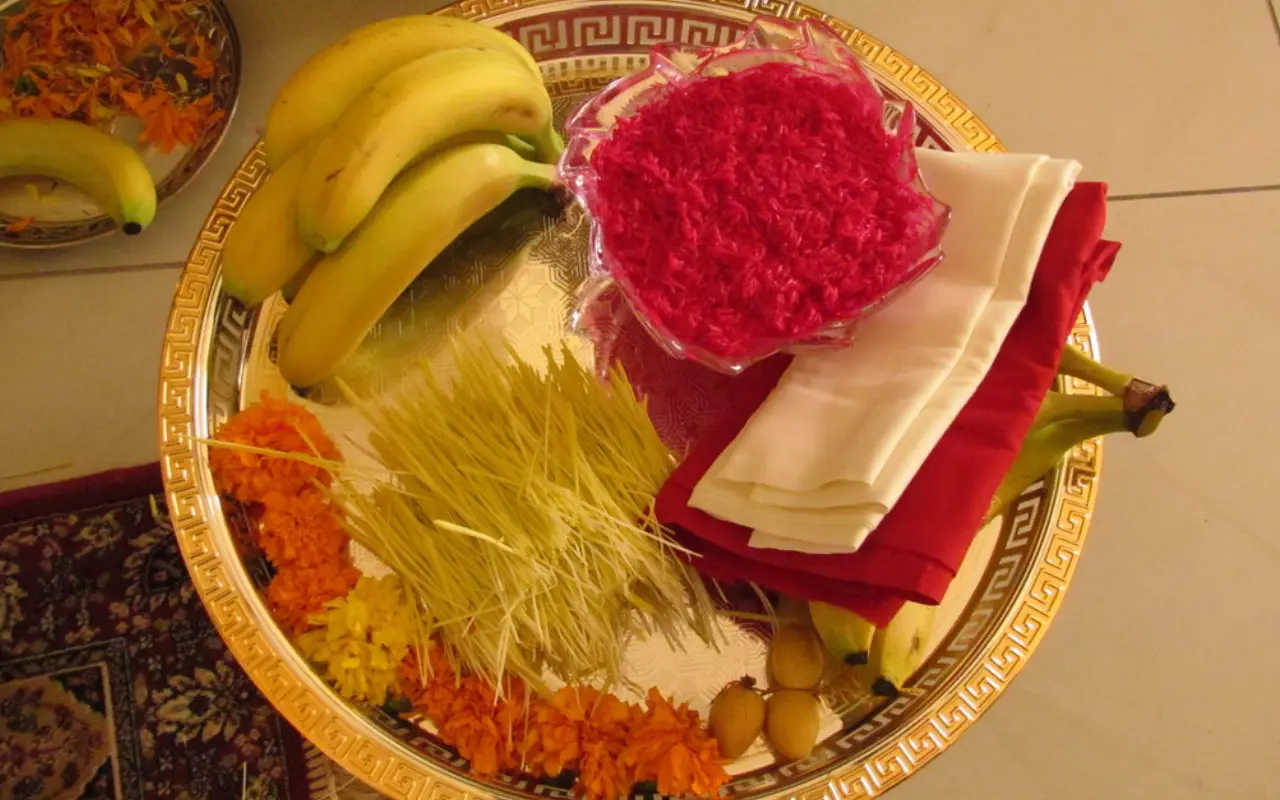
Ghatasthapana, or the first day of the Dashain festival in Nepal, is when people plant jamara seeds. Jamara is are very sacred grass that symbolizes life itself and is planted for auspiciousness and protection. This marks the beginning of the rituals of Dashain and the onset of spiritual preparations.
In Nepal, offerings of holiness, including barley, flowers, and leaves, are carried into houses on the seventh day of Dashain, known as Fulpati. They are placed in worshipping room on a special platform to recognize the goddess’s blessings for the family.
The eighth day of the Dashain festival in Nepal is called Maha Ashtami, and this day is when the majority of animal sacrifices and prayers are made to the goddess Durga. This is the day for assurance and support of Goddess Durga. This is a very important day, with an intensity of prayers and procedure.
The ninth day of the Dashain festival in Nepal is considered Maha Navami, or the day when our tools, vehicles, and weapons should be worshipped, indicating respect and gratitude towards the means of our livelihood and protection throughout the year.
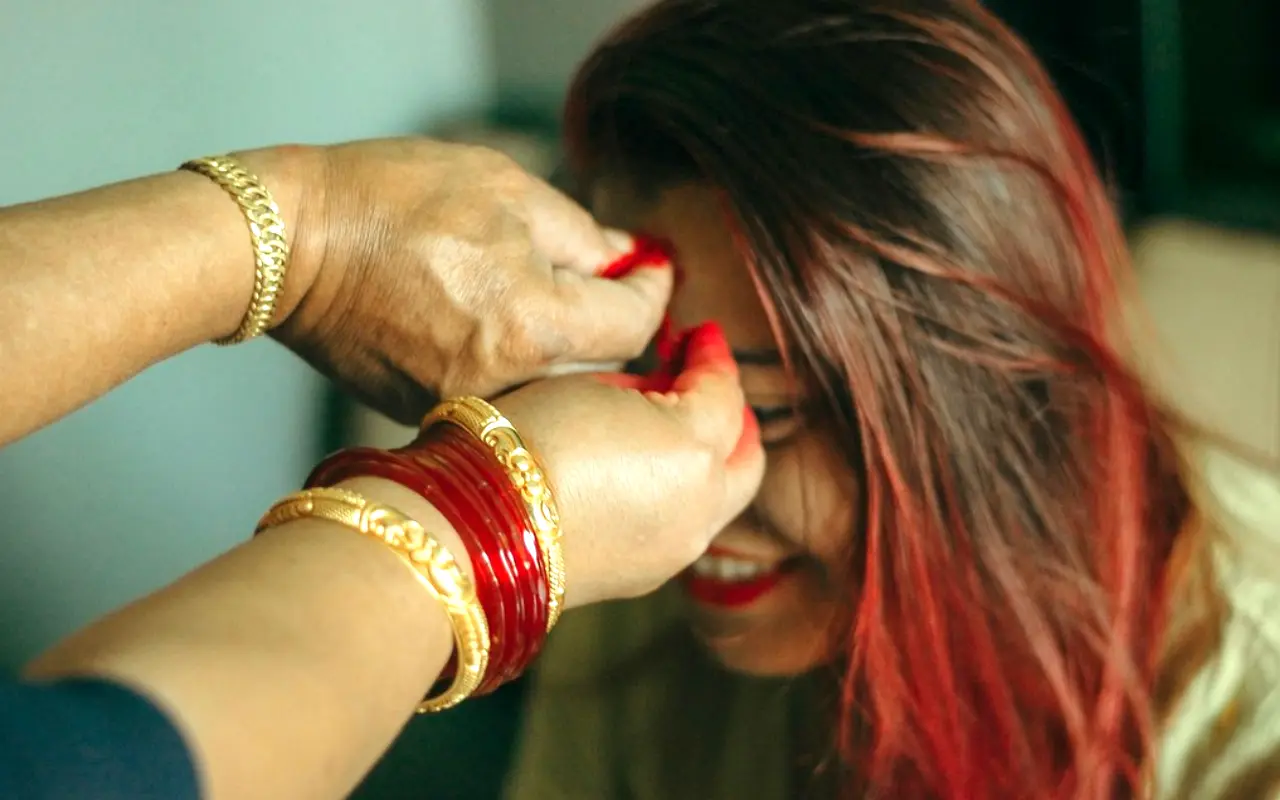
The tenth day of the Dashain festival in Nepal is called Vijaya Dashami, where the elders of families put tika and jamara on the heads of younger members, blessing them with health, wealth, and success in the coming year.
Kojagrat Purnima, or the last day of the Dashain festival in Nepal, is the conclusion to the festival. People remain awake all night praying to Goddess Lakshmi for wealth and prosperity, and marking the end of the festival with the last rituals and gatherings with family, children, and friends.
How Nepali Families Celebrate the Dashain Festival in Nepal
In Nepal, Dashain brings families together who are separated by huge distances, as it is a reason to unite in their celebrations and tie together bonds with rituals and happy reunions. This feast is a happy period of getting to see relatives again and getting blessings from elders.
Among the major practices of Dashain, receiving tika and jamara from elders is one of them in Nepal. This is representative of protection, good fortune, and respect, which spawns a sense of extreme family unity and tradition.
The exchange of gifts and wearing of new clothes are the important aspects of Dashain in Nepal. Individuals purchase and exchange gifts to their loved ones and stressing the generous spirit and merry mood, wearing bright things to celebrate the event.
During the celebration of the Dashain festival in Nepal, special foods are very crucial. Traditional food as goat curry, rice pudding, and sel roti, is made and served up to impress the whole family as well as the guests, and make the event more festive.
Food and Feasts of the Dashain Festival in Nepal

Goat meat curry, sel roti, and beaten rice are popular foods during the Dashain festival in Nepal. Families make special preparations for these foods, enjoying them together; these foods symbolize abundance and celebration.
Part of the meaning of the Dashain Festival in Nepal comes from feasting. Feasting creates occasions for people to come together in joy and hospitality. The common dinner helps tighten relationships and the culturally relevant values of generosity and communality that are expressed during the festival.
The culinary practices surrounding the Dashain Festival in Nepal also celebrate agricultural blessings and abundance. Food is much more than simply consumption, with the sharing of special dishes evoking an important sense of belonging and connection to the past, community, and each other during the festival. The foods of Dashain bring a festive spirit to life throughout the celebration.
Dashain in Villages vs. Cities
Dashain festival in Nepal has different meanings in its villages and towns. Villages typically focus more on traditional rites of passage, with community celebrations and more outdoor activities, preserving age-old practices with cultural significance.
In the villages, there are bamboo swings and kite flying, and other activities that foster good fun and communal spirit. The towns have more of a mix of festivities and traditional practices in adapting to urban lifestyles while keeping the essence of the festival.
Dashain and Tourism in Nepal
Nepal is one of the countries where travelers may enjoy rich cultural rituals, family visits, and celebrations such as kite flying and traditional feasts during Dashain. The festival presents an exclusive experience of the Nepalese culture, which explains why it is a fascinating period for visitors.
The advantages of visiting Nepal in Dashain are the clear weather of autumn, as well as the changing colors of leaves, and witnessing the real celebrations. Travelers, however, must know about high local traffic and possible lack of services since it is a family reunion and celebration.
During the time of the Dashain festival in Nepal, tourists are given guidance to book rooms and even transportation arrangements ahead of time. To make the trip more enjoyable, local customs should be respected, cultural events should be joined, and one should explore beyond cities during this celebratory period.
Dashain festival in Nepal is a mixture of natural attractiveness and cultural richness. Prominent trekking trails and heritage sites are full of festivals, which can provide a traveler with not only the view of adventure but also a vivid cultural experience with the most significant celebration in Nepal.
Dashain Festival Activities and Fun

Kite flying as a tradition and symbol of freedom and happiness makes Dashain, a much-loved festival in Nepal. The festivities incorporate everyone, with people of all ages coming out to enjoy by sending kites filled with color in the skies, and this creates a festive, colorful, and lively light in the events.
In rural areas, bamboo swings (ping, in the Nepali language) are a popular Dashain activity in Nepal. Such big swings unite communities by providing entertainment and enjoyment as well as conserving a cultural activity that is highly valued during the festival.
The Dashain festival in Nepal also has cultural dances. Different ethnical groups present customary dances, with colorful costumes, rhythmic steps, and speech telling about the diverse cultural heritage of Nepal.
Dashain music is predominantly dynamic and lively. The Nepali traditional instruments accompany dance and other traditional rituals, and music sets the overarching mood for the celebration, making it easy to participate collectively in the spirit of joy.
Dashain vs. Tihar: Nepal’s Two Grand Festivals
Dashain, which is known to be the longest festival in Nepal, describes the triumph of goddess Durga over the demon Mahishasura, and the victory of good over evil in accordance with the Hindu mythology. It takes place during 15 days and consists of family reunions, rites, blessings, as well as in feast, the profound religious meaning of which is observed.
Tihar, or the festival of light, is next in line after Dashain and is a five-day festival. It worships Goddess Laxmi, animals, and nature with special emphasis on money, prosperity, and building relationships between brothers and societies with the help of colorful lighting and cultural dances.
Nepal is culturally incomplete without both Dashain and Tihar. Dashain examines a sense of spiritual victory and family togetherness, while Tihar emphasizes thanks and community with celebrations strengthened with light and joy to fill the color and culture of Nepalese society.
Travel Tips for Experiencing Dashain Festival in Nepal
The most appropriate places to enjoy the Dashain festival in Nepal are Kathmandu Valley, Pokhara, Bandipur, and rural villages. Such places present colourful culture, cultural practices, flying kites, and new markets, marking the cultural spirit of the Dashain.
When spending Dashain festival in Nepal, tourists ought to respect the local culture by dressing decently, asking permission before inviting themselves to rituals, and respecting family traditions. Sensitive participation proves to be a better experience, as well as respecting the Nepalese culture.
There are holiday closures of shops, offices, and crowded travel routes as people travel home to meet family in Nepal. One has to ensure in advance how they are going to get to where they are going and where they will sleep during the festive season.
Conclusion
Dashain festival in Nepal is considered the unity, culture, and happiness festival that brings families, communities together to celebrate. It displays the ancient customs and religious traditions that make the social relationships and cultural pride in the whole country.
This is the ideal festival to have a firsthand exposure to Nepali culture. Having pleasing rituals and festivals and evergreen traditions, tourists get a special access to the Nepali heart and soul of its rich culture.
