







Dolma La Pass – The Hardest but Holiest Day of the Kailash Trek
Introduction
Kailash is one of the most sacred mountains of Hinduism, Buddhism, Jainism, and Bon in Tibet. Many thousands of pilgrims participate in the Kailash Mansarovar Yatra every year, believing they can cleanse themselves and achieve enlightenment through the invigorating experience of the holy yatra.
The Kailash Mansarovar Yatra is a pilgrimage that has two principal destinations: Mount Kailash and Lake Mansarovar. The pilgrimage symbolizes liberation and self-purification. It has great significance for not only Hindus, Buddhists, Jains, and Bon, but the actual physical act of pilgrimage offers ritualistic activities that priests and families lead pilgrims along a spiritual path toward spiritual renewal.
The high Dolma La Pass was the most difficult part of the trek. At 5,635 m, its highest point is depicted in the circle at the top of the last section. Dolma La should be included in the trek, as there are several day-to-day challenges, such as steep climbs, thin air, snow and rain, and harsh winds. It will push a person’s limits physically and mentally.
Although arduous and dangerous, Dolma La is priceless from a spiritual perspective. At this point, pilgrims believe they have shed their sins and received blessings from the mountain, making that view a physical milestone that represents faith, sacrifice, and the promised ultimate spiritual reward associated with the Kailash trek.
What is Dolma La Pass?
As the highest and most difficult point of the Kailash Kora, Dolma La Pass is an integral section of the three-day circumnavigation of Mount Kailash that tests pilgrims with physical challenges and takes on a sacred meaning during the journey.
With an elevation of 5,635 meters (18,471 feet), Dolma La requires both acclimatization and stamina to cross it safely. At high altitudes, trekkers are influenced by thin air and cold weather, so good preparation and resilience are crucial.
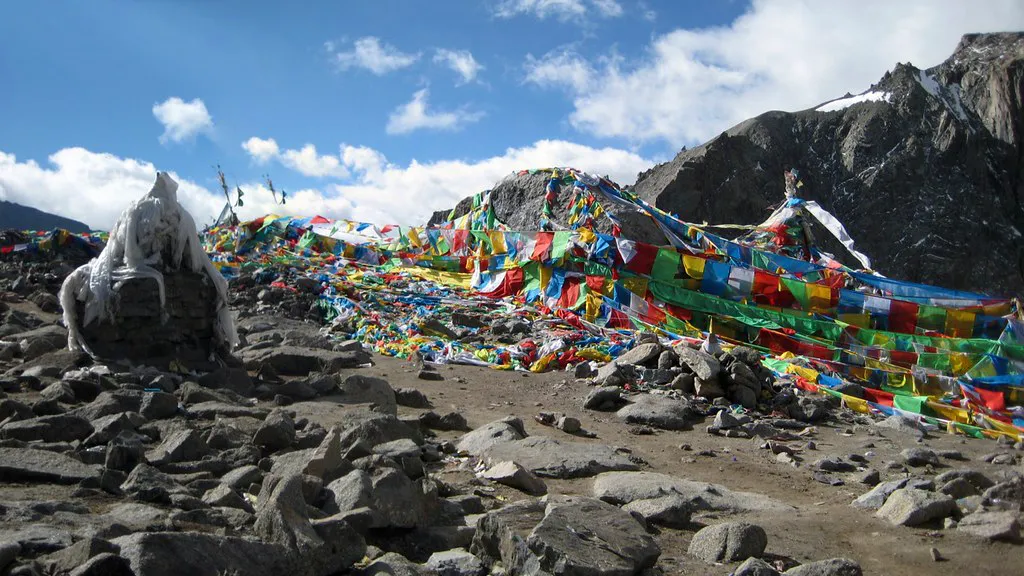
The pass is dedicated to Dolma or Tara, a goddess of Buddhism, meaning compassion and protection. One of the goals is to pray for blessings from Dolma to overcome obstacles and receive the spiritual strength to continue in the difficult climb and descent.
Dolma La, like Mount Kailash and Lake Mansarovar, is of very old spiritual value in multiple faiths. It represents, among other things, divine compassion, mercy, and the sacred threshold to spiritual purification on the sacred path of Kailash in the eyes of Hindus, Buddhists, Jains, and Bon followers.
Crossing Dolma La Pass is more than a physical feat; it is an act of transformation in which the conditions of one’s physical body communicate symbolic spiritual meaning. Pilgrims undertake the task of negotiating this sacred pass for the hope of its blessings, for forgiveness of sins, and for blessed spiritual merit that will last long after their Kailash Mansarovar pilgrimage.
The Hardest Day of the Kailash Trek
The hardest day of the Kailash trek starts from Dirapuk Monastery at 4,950 meters. Pilgrims have to climb through a rocky, steep ascent on rocky terrain, turning in sharp angles. At this high altitude, only 21% fraction of the oxygen is available, increasing the risk of altitude sickness. Headaches, dizziness, and nausea add to the exertion of the climb, requiring a mix of stamina and ascent acclimatization strategies to gain the ridge.
On that day, one may never know what the weather can “give”. Unexpected sudden snowfalls followed by freezing temperatures or strong winds ask for continuous caution in this terrain. More experienced pilgrims and trekkers will dress in multiple layers of clothing, while being mindful.
Exhaustive physical demands or characteristics add to mental stress. One’s own exhaustion will question determination. Many pilgrims will question their goal in this physical exertion or, at some point, question their desire to continue. But the shared challenge of the goal brings confidence and camaraderie to the solitude of fellowship between travelers.
That day is considered the “testing point” on the Kailash pilgrimage. Understanding that you have passed Dolma La Pass or are shaping it means that you have worked through physical suffering to meet the challenge, just as inner devotion to the divine concedes another step toward ultimate spiritual transformation, liberation, and freedom.
The Holiest Experience on the Pass
Pilgrims at the top of Dolma La Pass leave prayer flags, coins, and personal offerings as tokens of devotion and gratitude. These are prayers that praise the divine and ask for protection and spiritual advancement on their journey
It is said that crossing Dolma La is a symbol of spiritual renewal and purification. The suffering that pilgrims believe in cleanses their sins and enables them to forget all the negativity of the past and re-wash their inner beings using the power of God and forgiveness.
The pass is above the sacred Gauri Kund (5,608 m), a lake associated with Goddess Parvati, aka Gauri. This religious place strengthens the spiritual importance of the pass. Pilgrims come to the place and conduct rituals to get blessings and the approval of God.
There are endless tales and myths surrounding Dolma La, and its great spiritual forces. These stories evoke belief and worship about miracles, protective gods, and supernatural events that occurred to the pilgrims of the past on this holiest ascent.
That is why the meeting of faith, nature, and challenge at Dolma La makes the sacred experience of the Kailash trek. When pilgrims go away, they come back with a powerful spiritual force that keeps their faith and continues to nourish their lifelong devotion to Mount Kailash.
Practical Tips for Crossing Dolma La Pass
Acclimatization
The slow adaptation to the elevation above Dolma La Pass is important to avoid altitude sickness. The body will adjust safely to lower oxygen levels when it spends several days at intermediate elevations.
Prior acclimatization enhances energy, lowers the sense of dizziness, and makes the entire process much safer. To successfully get past the high Pass, pilgrims must listen to their bodies, not hurry, and allow their bodies to rest to visit Kailash. This means carrying rest days along.
Fitness preparation
The heart and lungs are prepared by cardiovascular training for the intense effort of climbing Dolma La. Regular endurance training, such as hiking, running, or cycling, is also important for steep ascent.
Deep, controlled breathing techniques maximize oxygen uptake and ensure that one stays calm when exercising. Weighted hikes of the legs can help to maintain the location in inequalities beyond 5,000 meters.
Best season
The months of May-June and September-October would give the best chances to cross the Dolma La Pass without the danger of falling off. There is a slight amount of snow and ice, which causes less risk of slipping.
These are also the months when the weather is somewhat predictable and the days are longer and warmer. Pilgrims can enjoy better views and gentler weather, and the climb is a lot less intimidating than when it rains.
Gear essentials
Warm clothes are extremely necessary since there is a drop in temperature at the cold level, particularly in early mornings and evenings. The base layers and the jackets having insulation make sure that heat of the body is stored.
Hiking poles will be used to give supplementary support and balance over the steep and rocky climbs. The use of waterproof boots encourages feet to be wet and cold, whereas energy snacks help increase strength throughout the entire climb, ensuring you do not feel tired and develop a cramp.
Mental readiness
It is important to stay psychologically strong to break the burden of the tough conditions of Dolma La. Meditations and mindfulness sessions may help pilgrims to tackle stressful situations on the pass.
Slow and gradual walking not only saves energy but also regulates breathing. When a positive attitude prevails, backed by faith and positive peer support, resilience is developed.
Dolma La Pass in Pilgrim Narratives
The devotees refer to Dolma La Pass as the ultimate moment of the Kailash Yatra. It marks the peak of physical and emotional strain, where belief will converge into great meaning and revelation.
Numerous pilgrims tell how they changed, shed tears of relief, gratitude, and enjoyed crossing the pass. This is a moment of reincarnation, a getting rid of the shackles of the past, and a strong relationship with the Kailash divine energy.
The pilgrimage along Dolma La passes through acute struggle and divine rewards. The pilgrims face the constraints, but are blessed by the spirit, which provides fresh dedication and tranquility of the heart via an experience with this sacred process.
Dolma La is a staple pilgrimage experience that most people will always remember. It reinvigorates faith, sheds light, and power towards further pursuit of their spiritual journey with boldness and dedication outside the yatra.
Conclusion
Dolma La Pass is the hardest but holiest day of the Kailash trek. Dolma La Pass is a combination of steepness, elevation, and unpredictable weather with profoundly symbolic spirituality and ritual along the trail of Mount Kailash.
Both physical stamina as well as mental determination are tested on this day, offering great spiritual rewards to one who endures. The pilgrims come out transformed with blessings and renewal of spirit over the sacred challenge conquered at Dolma La.
Being much more than a journey, Dolma La is a pilgrimage of life. It invites pilgrims to believe, sacrifice, and serve, making the Kailash pilgrimage a memorable event of spiritual awakening and inner self-reconstruction.
FAQs
- How difficult is Dolma La Pass?
The Dolma La Pass is the hardest part of the Kailash trek. Crossing Dolma La involves a steep climb to 5,635 meters, followed by a challenging 7-10 hour descent.
- Can elderly pilgrims cross it?
With the correct acclimatization and support, elderly pilgrims can cross Dolma La Pass.
- What is Gauri Kund’s significance?
A sacred lake at the bottom of the pass, Gauri Kund, is spiritually significant for pilgrims as the deity Parvati is associated with it, and many pilgrims perform purification activities in this sacred lake.
