






From Kathmandu to Everest Base Camp Trek by Road: A Less-Traveled Adventure
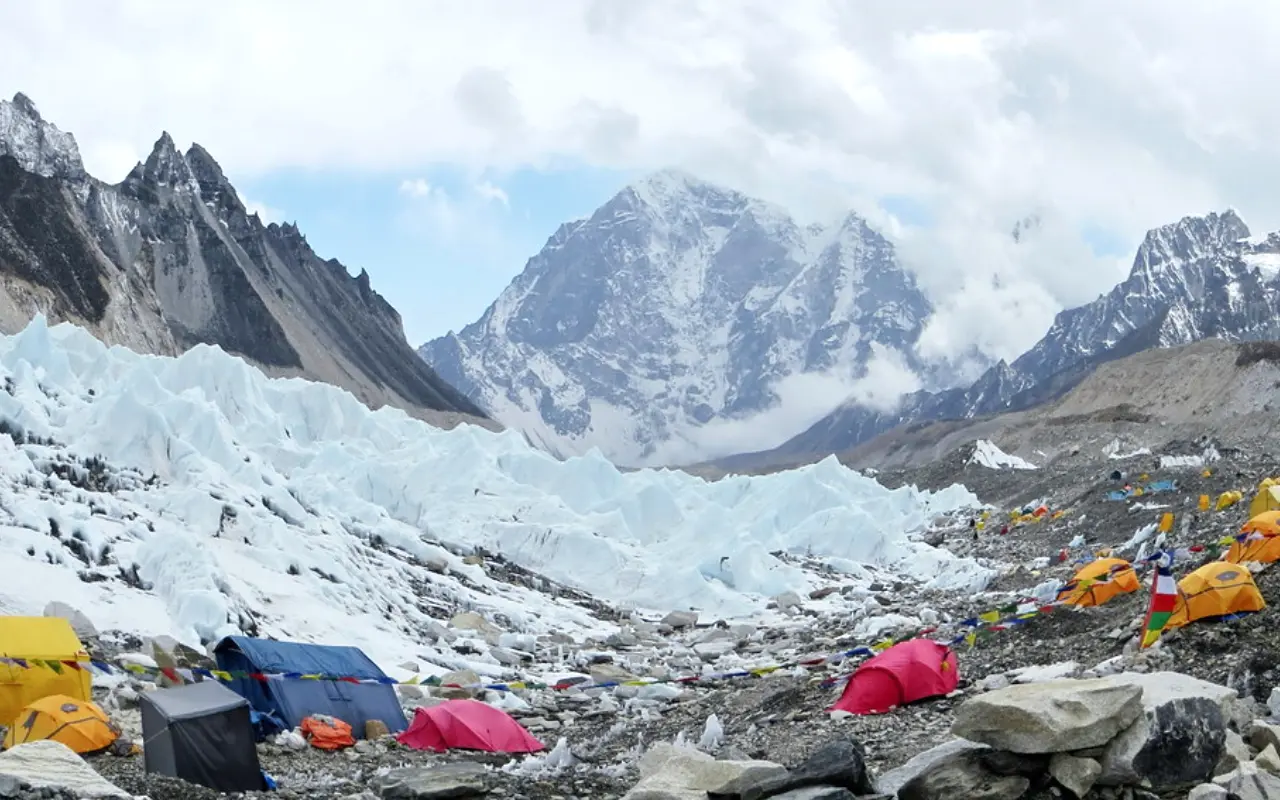
Everest Base Camp (EBC) is an aspirational trekking destination and has continued to call people from all over the world with its epic mountainous backdrops and associated spirituality. Usually, the journey begins with a flight to Lukla.
But there is another adventure that is lesser known—the Everest Base Camp trek by road. This land option is becoming popular for those who don’t want the standard experience of flying to Lukla but want to take their time and see some off-the-beaten-path little places and sights along the way.
This blog will be your complete guide to the Everest Base Camp trek by road. We will outline the unique advantages and disadvantages of such a trek, and give you some pragmatic advice and pointers on how to plan the ultimate off-the-beaten-path trek to the heart of the Himalayas.
Expect nothing less than a true account of the experience—both the difficulties and experiences, and how this journey is probably unlike most of your past trips. If you are searching for an ample amount of adventure over the mundane, your Everest Base Camp trek by road is waiting for you.
Why Choose the Road Route Over the Flight to Lukla?
By selecting the Everest Base Camp trek by road, you can avoid the inconveniences of the Lukla flight delays and cancellations that often occur with the unpredictability of mountain weather, because the overland travel makes it more likely you´ll commence the trek as expected.
Trekking to Everest Base Camp by road is a more cost-effective and secure option. You can skip the expensive flight to Lukla and continue with your Himalayan experience, hopefully less complicated.
Not only will you get to experience more rural and authentic Himalayan villages through overland travel, but the Everest Base Camp trek by road follows fewer treks. Therefore, you have greater cultural experiences and a better sense of local life in the mountains.
The Everest Base Camp trek by road is for those who love this type of adventure and use their spare time wisely. It is also for someone who wants an experience with a pill of tourism, and without being rushed. For an amazing trip like this, you will transform what you expect into a true Himalayan odyssey.
Route Options for Everest Base Camp Trek by Road
A. Kathmandu to Salleri Route
The Everest Base Camp trek by road using the Kathmandu to Salleri route takes an incredible 8-10 hours of scenic driving through the hills and countryside of Nepal. Salleri is the modern and trendy option for people who are choosing to travel by road rather than in the air.
The Salleri route is much easier than before due to reformed road access. Most of the drive is on paved roads, albeit with a few bumpy spots. This route suits trekkers who want to seek comfort, flexibility, or a minimal budget.
Once you reach Salleri, you will join the main trekking route so that you won’t have to walk through extensive crowds as experienced on the popular trails from Namche Bazaar. The Everest Base Camp trek by road through Salleri gives you greater opportunities for acclimatization and organic interactions with remote Himalayan villages.
B. Kathmandu to Jiri Route (The Classic Route)
From Kathmandu, the road trip to Everest Base Camp via Jiri starts with a 9–12-hour journey. Jiri is historic as the original trek before trekking ever began regarding Everest expeditions; indeed, early expeditions made by Hillary and Tenzing began from Jiri.
This journey is longer but provides the opportunity to travel through lush forests, terraced fields, and remote Sherpa and Rai villages. Each expedition brings you different cultural encounters and superb natural scenery, which will certainly highlight Jiri as historically and culturally important, although more time-consuming.
With fewer crowds, the Jiri route also allows for a gradual period of acclimatization and satisfaction for those who want a traditional and immersive experience on an Everest Base Camp trek by road.
Day-by-Day Itinerary Sample (Salleri Route – 15 Days)
Day 1 is an 8-10 hour drive from Kathmandu to Salleri, the roadhead for your EBC trek by road. There will be some nice views along the way, and you will start to prepare for your trek.
On days 2 and 3, you will trek from Salleri to Ringmo and Nunthala with spectacular villages and terraced fields. This section will allow your body to acclimatize very gradually while integrating the culture during your EBC trek by road.
On days 4 and 5, you will trek from Nunthala to Kharikhola and Surkhe, hiking over some suspension bridges and through the rhododendron forests. The trails will be quiet and include Sherpa and Rai villages on your EBC trek by road.
Days 6 and 7 on your EBC trek by road will join the main Everest trail at Phakding and trek to Namche Bazaar. You will hike through the pine forests in Sagarmatha National Park and arrive at the dynamic Sherpa town of Namche Bazaar.
Day 8 is an acclimatization day in Namche Bazaar. You will be able to shop at local markets and take treks to viewpoints, while your body adjusts to the early stages of acclimatization, which is essential for your safe EBC trek by road.
Days 9 to 11 will trek from Tengboche, Dingboche, and Lobuche with alpine scenery and monastery visits. These days will demonstrate the increasing altitude on your EBC trek by road.
On day 12, you will arrive at Gorakshep, the last settlement before hiking to Everest Base Camp. Consider this to be a cause for celebration of this incredible accomplishment that is possibly the highlight of your EBC trek by road.
Day 13 will involve an early climb up to Kala Patthar to take in the breathtaking sunrise views over Everest and then descend to a lower altitude to continue your EBC trek by road.
Lastly, your trek will be your journey back via the same route to Salleri over days 14 and 15, or you may opt to fly out from Lukla. You have now completed your amazing EBC trek by road.
Road and Trail Conditions
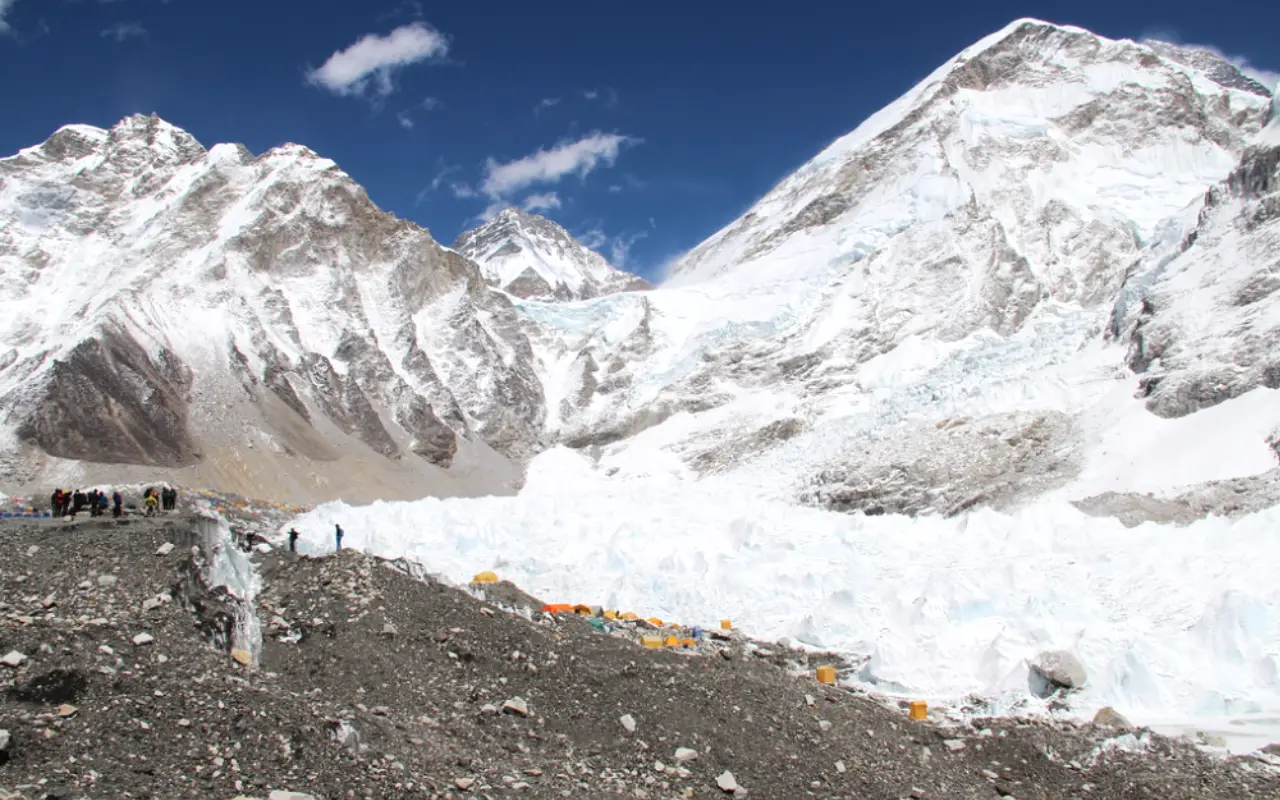
The Everest Base Camp trek route from Salleri is filled with bumpy, winding Himalayan roads. You have to travel for several hours on unpaved roads. However, you will have some amazing scenic views along the way.
After Salleri or Jiri, the EBC trek by road includes a combination of stone steps, mountain trails through forests, and exhilarating suspension bridges across rivers. Your trail will have a combination of ascents and descents while including remote Sherpa villages and breathtaking valleys.
The seasonal weather largely affects the journey to the Everest region. Because of the muddy and slick roads during the monsoon season and the ice roads during the winter, the car trip to Everest Base Camp is challenging.
Logistics and Permits Required
Sagarmatha National Park permit and Khumbu Pasang Lhamu Rural Municipality Permits are what you will need during the Everest Base Camp trek by road. These permits can be obtained in Kathmandu, at the hiking location, or through a trekking agency.
While this permit is typically obtained en route (e.g., in Lukla or Monjo), some agencies in Kathmandu may facilitate the process in advance. If you intend to travel from Jiri or Salleri via road, you will need to get a Gaurishankar Conservation Area Permit.
Accommodation and Food
The EBC trek by road provides basic tea houses as the normal form of accommodation. Family-run lodges house basic but clean rooms, usually with twin beds and shared bathrooms. At the end of the day, these lodges provide a warmer place to rest than a tent.
You can get simple menu options in these tea houses from Nepali staple Dal Bhat to noodles, momos, and varieties of soups. The food is freshly cooked, filling, and provides nutrition for trekkers in the high Himalayas.
The options for luxury accommodation and dining are limited along the trek to EBC, kept in check in comparison to the roads to Lukla. Your hosts are genuine, and the warmth and hospitality would be considered primitive compared to lodges supporting the Lukla roads, while the experience is both comfortable and provides a window into the culture of the area.
Pros and Cons of the Road Route
Pros:
- No risky flight delays to Lukla, making it safer
- More opportunities for cultural engagement and interaction in remote villages
- A less busy trail means trekking in a quieter and more peaceful environment.
- Gradual ascent to altitude provides an easier acclimatization process and a lower chance of experiencing altitude sickness.
- Cheaper than flying to get to the trek, and usually more planning is required in organizing the trip.
Cons:
- Adds several days to the journey, so makes it longer
- You can feel the sandy, rough, and uneven roads.
- You may get limited accommodation options and medical help along the way.
- Needs more stamina due to long-distance trekking
- Increased chances of road blockages or travel disruptions because of landslides or weather, especially in the monsoon or winter months.
Best Time to Go
To enjoy the surrounding scenery to the fullest, plan your Everest Base Camp trek by road in March to May. These months offer clear skies, comfortable trekking temperatures, and vibrant wildflowers and rhododendrons along the way, making the landscape colorful.
Another time for the enjoyable trips can be obtained from September to November. The weather is ideal, offering unobstructed views of Everest and the surrounding peaks. The trails are also dry and well-maintained, perfect for trekking.
It is better to avoid the EBC trek by road in the monsoon (June to August), as the roads can become muddy and hazardous. Also, avoid deep winter (December to February), as snow can block trails and make travel difficult.
Final Tips for a Successful Everest Base Camp Trek by Road
- To get the most out of each travel day, start each day of your road trip to EBC early in the morning to take advantage of the light and possible delays.
- Flexibility is key on your trek to EBC; road conditions and trail conditions can change quickly.
- It’s a good idea to have plenty of cash; after Salleri or Jiri, you will no longer find ATMs.
- Think about hiring a guide or porter to assist you in selecting appropriate paths and to explain cultural values.
- On your road trip to EBC, you must adequately acclimate to prevent altitude sickness.
- Ensure your essential gear, such as snacks, warm clothes, and a first aid kit, is easily accessible.
- Always check weather reports and prepare mentally for poor weather conditions during your Everest Base Camp Trek by road.
Conclusion
The Everest Base Camp Trek by road is a singular and fun experience that allows deeper engagement with the incredible Himalayas than simply flying to the trek start point. It is an experience of culture, challenge, and natural wonder.
For trekkers who feel comfortable with walking to their destination, the less-traveled route to Everest Base Camp allows you to interact with real local culture and have the luxury of being alone on the trail. The slower pace allows adequate time for acclimatization as well as exploring meaningful options in the departing and arriving locations.
The walking route choice to EBC incorporates cultural engagement and physical and mental challenge together. Therefore, the Everest Base Camp trek transforms into a holistic experience, represented in each step taken, reflecting Nepal’s culture and geography, and offering personal discovery through physical challenge.
