








How Difficult is the Everest Base Camp Trek? A Realistic Guide for Trekkers
Everest Base Camp Trek is one of the bucket list treks in the world that brings you to the base of Mount Everest, located at a height of 5,364 meters. The trek is 12-14 days long and will take you about 130 kilometers through beautiful forests, Sherpa villages, and stunning alpine scenery.
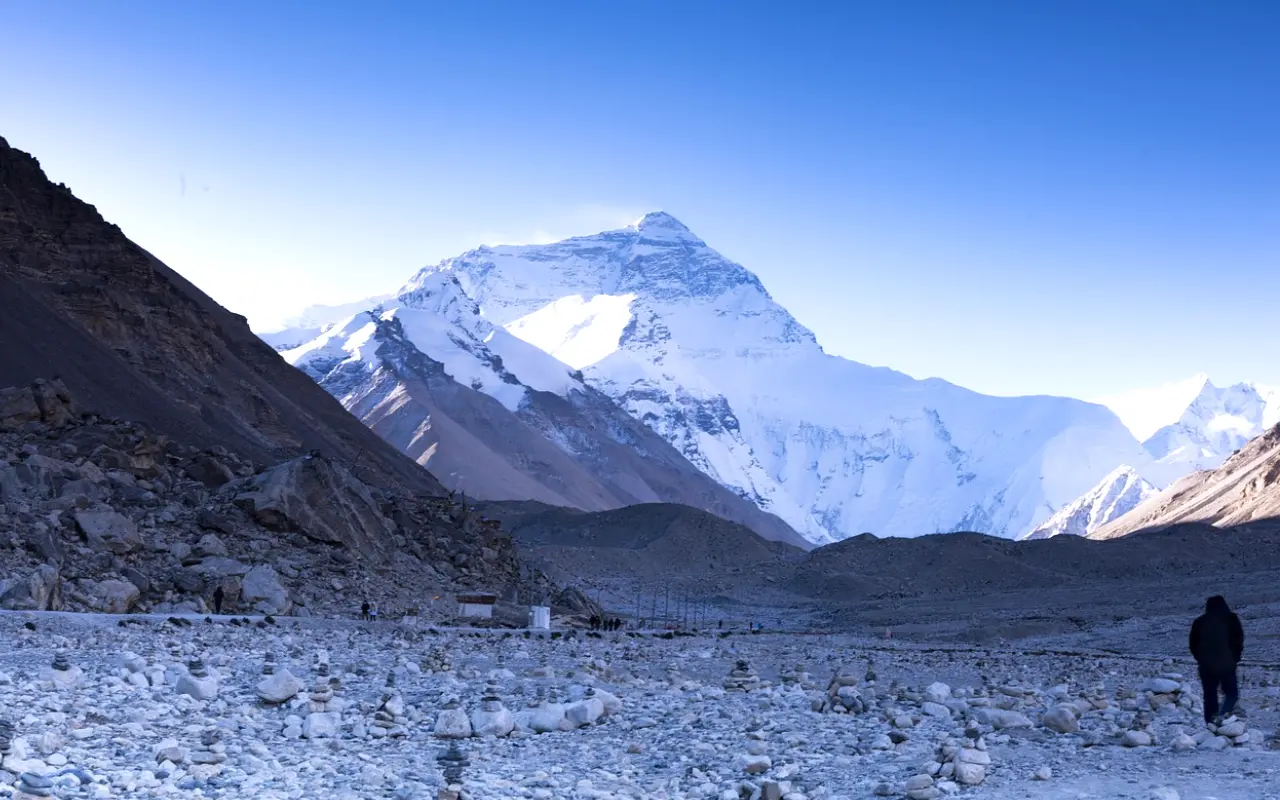
Although the trek offers amazing scenery and a rewarding experience, it has considerable difficulties during the hikes. Many trekkers describe the trek as accessible and demanding. The difficulty comes from the long day trek combined with the high altitudes, unpredictable weather, and rugged trails. There are also worries about altitude sickness and physical endurance to keep climbing in the tough conditions.
This blog is created for first-time climbers and for those wondering about the Everest trek. If you are physically fit and willing to prepare for the trek, then the Everest Base Camp trek is possible for you, even for beginners who have never hiked at altitude.
In this blog, we will break down the reasons why the Everest Base Camp is challenging, what you can expect on the trek on a day-to-day basis, and the preparation you need before and during the trek. Whether you are dreaming of the Himalayas or have already hatched a plan to trek to Everest Base Camp, this blog intends to provide practical and honest advice for trekkers.
Quick Answer: Is the Everest Base Camp Trek Difficult?
Although the Everest Base Camp trek is not a technical climb, it is considered moderately difficult. Trekkers don’t need mountaineering skills or technical gear, but good fitness and motivation are essential. Trekking on Everest can be strenuous as trekkers have to hike for a long day at high altitudes and rugged terrain; nevertheless, it is just a tough high-altitude walk.
Even beginners and average hikers can complete this trek with reasonable fitness and proper preparation. The best way to prepare for the trek is to train yourself before three to six months of the trek. To effectively finish the trek, you must improve your muscular endurance and cardiovascular fitness.
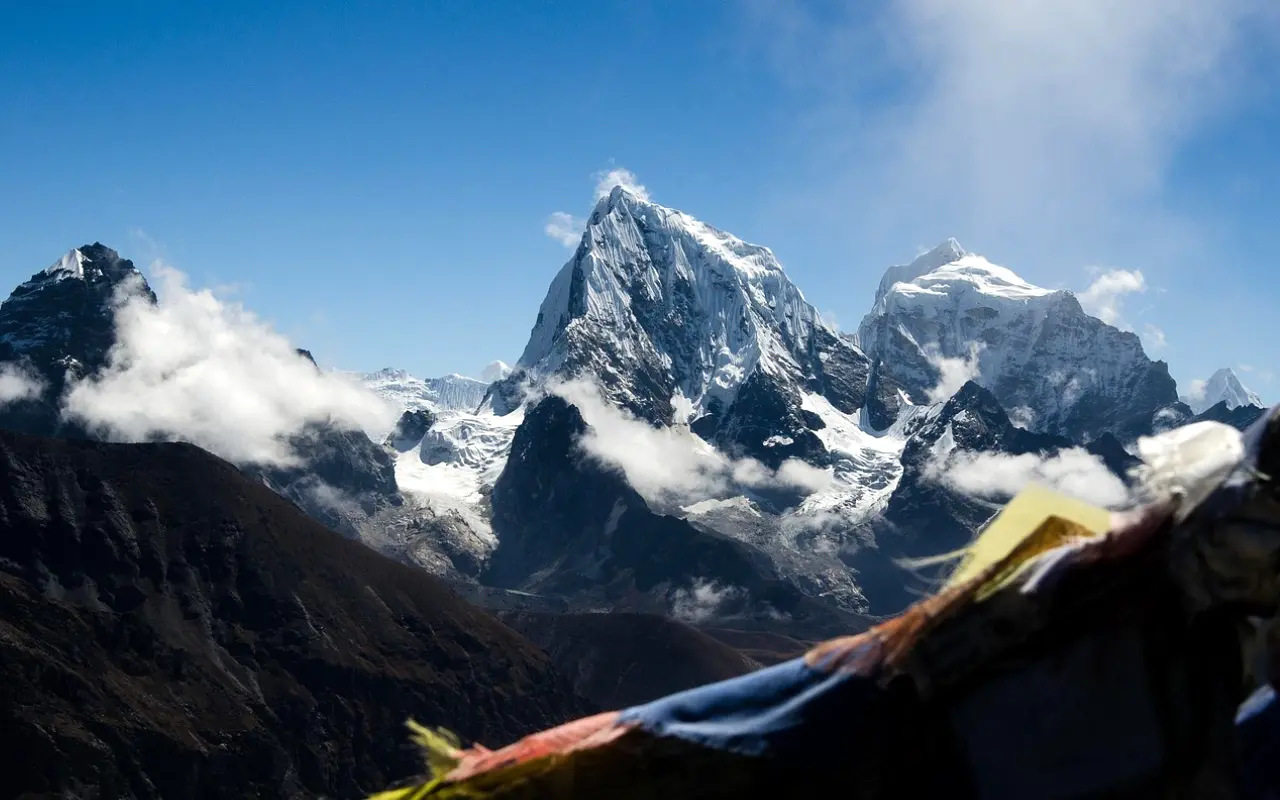
The main challenge during the trek is the length of time you spend walking each day during the trail, which may range from five to eight hours per day. During the walk, you have to navigate steep ascents and high altitudes, which can make breathing difficult, resulting in fatigue. However, the acclimatization days worked into the itinerary along with a steady pace, enabling most of the trekkers to adjust throughout the trek.
Additionally, the trek up to Base Camp doesn’t require technical climbing skills and ropes; therefore, the trek is open to non-climbers. The success rate for reaching Everest Base Camp is high, varying between 85% and 90% for trekkers who are well-prepared and acclimatized.
Key Factors That Affect Difficulty
a. Altitude
During the Everest Base Camp trek, trekkers will gain a maximum altitude of 5,364 meters at Everest Base Camp and 5,545 meters at Kala Patthar, where the oxygen levels are extremely low. Getting up to the height is not easy even for the most experienced trekkers because the thinner air makes it difficult for your body to use oxygen efficiently.
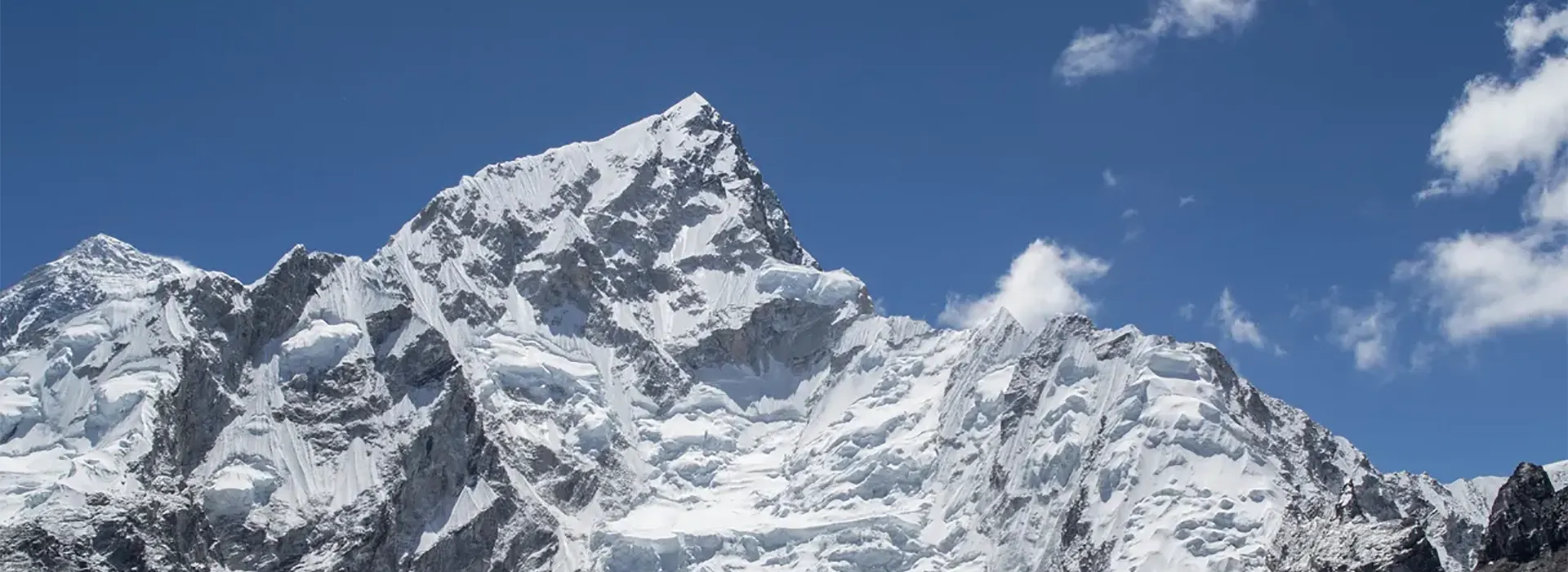
You need to be aware of altitude sickness during the walk, which comes with symptoms like headaches, nausea, shortness of breath, and dizziness. So, acclimatization is important to adapt to changes in oxygen levels and for rest.
Namche Bazaar and Dingboche are two key acclimatization stops during the Everest Base Camp, which help to reduce the risk of developing more serious altitude sickness conditions like HAPE OR HACE.
b. Length & Duration
The typical Everest Base Camp trek takes about 10 to 12 days from Lukla and includes acclimatization stops. The slow ascent helps the body adapt to altitude, although it can still impact your overall fitness and energy levels.
You will walk on average between 8 and 20 kilometers per day, for a duration of about 5 to 8 hours per day. Although the distances are relatively short, and the duration doesn’t include time for resting, the daily time length and effort required on every trek day, especially at and above base camp altitude, is tiring.
c. Terrain and Trail Conditions
As you trek from Lukla, the trail will transition from wooden paths and stone steps to rocky moraines, glacier edges, and scree near the Base Camp. The steep ascents, especially near the Namche Bazaar and Tengboche, will test your leg strength and stamina.
At many points along the trail, you will be crossing suspension bridges, which span deep river gorges, making it an interesting adventure. As you hike higher, the trail may become rockier, steeper, and exposed. There may also be snow and ice, especially in winter months, to increase the challenge.
d. Weather & Season
The weather will significantly impact the difficulty of the trek. Biting winds, cold temperatures, and unforeseen snowstorms can make trekking risky and challenging. Trekking after the post-monsoon, in one of the pre-identified seasons of spring (March-May) and autumn (September–November) will make your trekking easier because there will be more stable conditions, sunlight, and improvements in visibility.
Wintertime weather, with snow and ice, can be hazardous. While in the lower altitudes, the rains associated with the monsoon periods can bring rain, mud, and leeches. Choosing the right staging season will significantly improve the discomfort and risks associated with the trek.
e. Fitness Level Required
Given that the journey consists of several days of climbing for hours at altitude, a respectable degree of cardiovascular fitness and leg strength is advised. Trekking is on trails, and even beginners can do the trek, provided that you have all prepared sufficiently in terms of stamina, hill walking, and endurance in the months leading up to the trip.
It is worth mentioning that although prior trekking experience is valuable, it is not detrimental if you train well and approach the trek with determination. Mental fitness is equally as important because sometimes it will be a long, cold day, and you will be living in basic conditions, but be sure that you consider taking the trek with the proper mindset. I think the EBC trek is achievable for all reasonably fit hikers.
Mental Challenges
Coping with mental challenges during the trek is equally challenging as the physical aspects of the trek itself. Because of basic rooms, amenities, and cold nights, you may find the trek difficult. After several long days of hiking in which even short days can be exhausting, fatigue can build up. Coupled with all of this is the often isolating nature of staying in remote villages in the Himalayas, where you may be the only Westerner for many kilometers.
Therefore, a positive mindset and motivation are important to overcome these mental difficulties. Mindfulness, meditation and even visualization techniques help to maintain focus and calm the mind. Setting achievable expectations will also help to maintain your mental energy and morale, especially when the trek seems long or mostly unchanging.
Managing discomfort is a matter of accepting the simple nature of life, paying attention to how beautiful the scenery is, and riding the assorted highs and lows of both the journey and your emotions. All of these feelings help to build mental endurance, which is a key mental preparation strategy before you start the trek.
Ultimately, it is mental toughness that will get you moving after fatigue is setting in, or you feel like your progress is very slow. Breaking the trek into mentally manageable parts, patience, and a sense of purpose will help you make sure that the mental difficulties overcome during your trek become a part of the overall experience, rather than an obstacle to achieving success.
Trek Logistics That Can Make It Easier or Harder
Choosing the correct itinerary plays a large role in minimizing the difficulty of the Everest Base Camp Trek. A good itinerary gives the trekker rest days, usually on the two acclimatization days in Namche Bazaar and Dingboche, to help lessen the chance of suffering altitude sickness. Most itineraries slot in between 10 -12 days total. This takes into account enough treks and acclimatization in between.
If trekkers hired a guide and porter, the trek would be less strenuous. The porter would lighten the load enough to be able to save physical endurance for the most difficult task, while the guide would offer assistance and support for navigation.
Accommodation opportunities will also impact difficulty as sleeping in a lodge offers a basic level of warmth, meals, and fellowship after a long day on the trail, which is important to recovery. If you want to sleep in a tent, then you have to be prepared to carry extra gear and bear the cold and discomfort. Although food and sleeping conditions can vary quietly, good food and sleep offer better endurance and acclimatization efforts.
Who Should Avoid This Trek?
In general, we advise individuals with serious heart or lung conditions not to undertake the Everest Base Camp trek. You will experience extreme altitude and sub-optimal oxygen when you go above about 3000m. At high altitudes and low oxygen levels, your cardiovascular and respiratory systems are under stress. Although you may feel fine once you start on medication, the risk of altitude sickness and other complications for these trekkers is significantly higher.
As a rule of thumb, absolute beginners with no hiking background are also advised not to attempt the trek. While the route is considered to be non-technical, it challenges your physical stamina. It takes a lot of effort, endurance, and strength to cope with continuous walking for about 10-12 hours per day for 9-14 days in unpredictable conditions over varying terrain. Inexperienced and beginner generally have a higher risk of injury and exhaustion.
Tips to Make the Trek Easier
Focused training is essential for an easier Everest Base Camp trek. Running and cycling will improve your cardiovascular fitness, while squat work will strengthen muscle power. The best way to ensure your body is accustomed to long physical days and altitude would be to practice hiking with a loaded backpack.
Packing light and smart is one way to lessen the fatigue factor associated with carrying a bag on your trek. While packing your bag, consider packing multi-use layered clothing, waterproof gear, and comfortable boots. Avoid unnecessary items as much as possible and carry essentials that will motivate you to move quicker while wasting little time and energy during the trek.
Stay hydrated by sipping water regularly and maintain a slow but steady pace during your trek. Ideally, being well hydrated will act as an aid for acclimatization and delay fatigue. Walking steadily and slowly saves energy and gives your body time to adjust to the higher altitude.
Alternative Easier Options
If you are looking for an easier option to do the full Everest Base Camp trek, the most popular option today is an Everest Base Camp trek with a helicopter return. This allows you to trek the trail on the way up, and fly back so you don’t have to endure the long and tiring return trek. This option gives you back some valuable time and energy for exploration at base camp.
Another option is the short Everest View Trek. This trek is perhaps the easiest option, and you will also be rewarded with spectacular views of the Himalayas without much of the strain that a full EBC route puts on your body. It is perfect for those who want to experience the Himalayas in a short amount of time or those who may not have as much fitness, as it gives you an impression of the grandeur of Everest, with less ascent and shorter walking distance.

Additionally, if you look at the Gokyo Lakes trek instead as an alternative to Everest Base Camp, this is a trek without the crowds, with equally majestic scenic value. This trek includes beautiful turquoise lakes and a panoramic view of the mountain ranges, including Everest from another angle. As well, the Gokyo Lakes trek is often considered to be less demanding, so it allows for a picturesque trek while getting away from the busy EBC trail.
Conclusion
The Everest Base Camp trek is certainly difficult, but doable for most healthy and prepared people. With a decent level of physical fitness, mental preparedness, and a thoughtful trekking itinerary, you will be able to trek to this symbolic base. The secret ingredient to success is respecting the altitude and paying attention to your body throughout the trek.
Preparation is vital – both physical and mental preparation to deal with the stresses of trekking long distances, rugged terrain, and altitude. The challenge along the trekking route is well worth it once you get the view of Everest, and encounter the truly unique culture of the Himalayas. Being at the base of the highest mountain in the world is a truly rewarding experience, and it is the adventure of a lifetime, worth the effort required to do it.
