








Top 10 Cultural Heritage Sites of Nepal You Must Visit in 2026
Cultural Heritage Sites of Nepal represent this country´s incredible Hindu and Buddhist traditions, older forms of art, and stunning architecture. Every site from Pashupatinath to Changu Narayan presents a spiritual and historical richness within Nepal’s culture.
Among the various cultural heritage sites of Nepal, Kathmandu Valley alone is home to seven UNESCO heritage sites, which include Kathmandu Durbar Square, Pashupatinath Temple, Swayambhunath Stupa, etc. In sites like Bhaktapur and Patan Durbar Square, you can witness beautiful wooden architecture, attracting many people.
Boudhanath Stupa and Lumbini, Buddhism’s sacred birthplace, are key landmarks of the cultural heritage sites of Nepal. These sacred places also express the complement, and contrasting fusions of Hindu-Buddhist traditions and rituals, festivals, and place all of these traditions into the synchronicity of spirituality, peace, and each cultural significance and richness of one place in the global community.
The cultural heritage sites of Nepal are also set to attract visitors in 2026 with more robust economic rebuilding, enhanced infrastructure, and a revitalized tourism experience. It is the ideal year to experience the temples and stupas, together with the ancient historic squares and cultural and spiritual living memory of Nepal.
Top 10 Cultural Heritage Sites of Nepal
1. Kathmandu Durbar Square (Hanuman Dhoka)

A significant piece of cultural heritage of Nepal, Kathmandu Durbar Square was the royal residence of the Malla and Shah dynasties. The site has amazing artwork from the Licchavi to Malla period, incorporating both religious and royal implications.
This cultural heritage site of Nepal has many things to see and experience. This includes the Taleju Temple constructed for the royal goddess, the Kumari Ghar for the living goddess Kumari, and Kasthamandap (a wooden building to show the architectural style).
The architecture of the square shows wood-carved windows, stone sculptures, and courtyards like Nasal Chowk, where they used to coronate kings. Overall, it represents centuries of craftsmanship that show spiritual tradition for all cultural heritage sites of Nepal.
Events like Indra Jatra usually occur in the square that embraces both Buddhism and Hinduism. The durbar square remains alive with the vibrant cultural heritage of Nepal and is a bustling area where people come for a historical and festive experience.
2. Patan Durbar Square
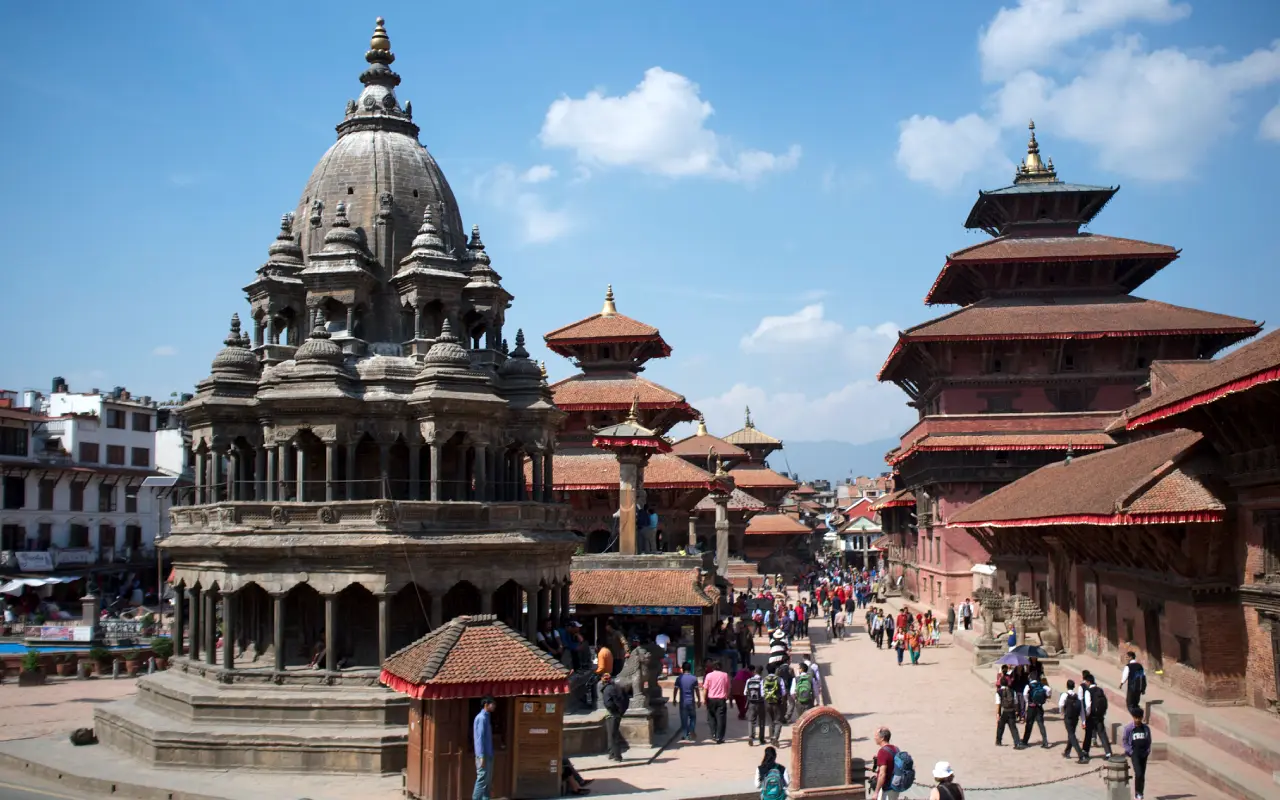
One of the most important cultural heritage sites of Nepal, Patan Durbar Square is known for its beautiful Newar architecture and metalwork. The site is inscribed as a UNESCO World Heritage Site in Lalitpur and showcases Nepal’s past and cultural heritage artistry.
There are many aspects of this cultural heritage site of Nepal, such as the Krishna Mandir, known for its detailed carvings, and the Hiranya Varna Mahavihar (Golden Temple). Whereas, Patan Museum is known for its unique arts and religious practices.
Patan Durbar Square has substantial artistic and spiritual heritage, fusing Hindu and Buddhist traditions. Temples, palaces, and courtyard areas have significant wood carvings and metalwork representing hundreds of years of craft.
This cultural heritage site of Nepal remains an actual place, still vibrant with festivals and traditional Newari life. Visitors will be welcomed with open arms into Nepal’s rich cultural heritage and architectural wonders.
3. Bhaktapur Durbar Square
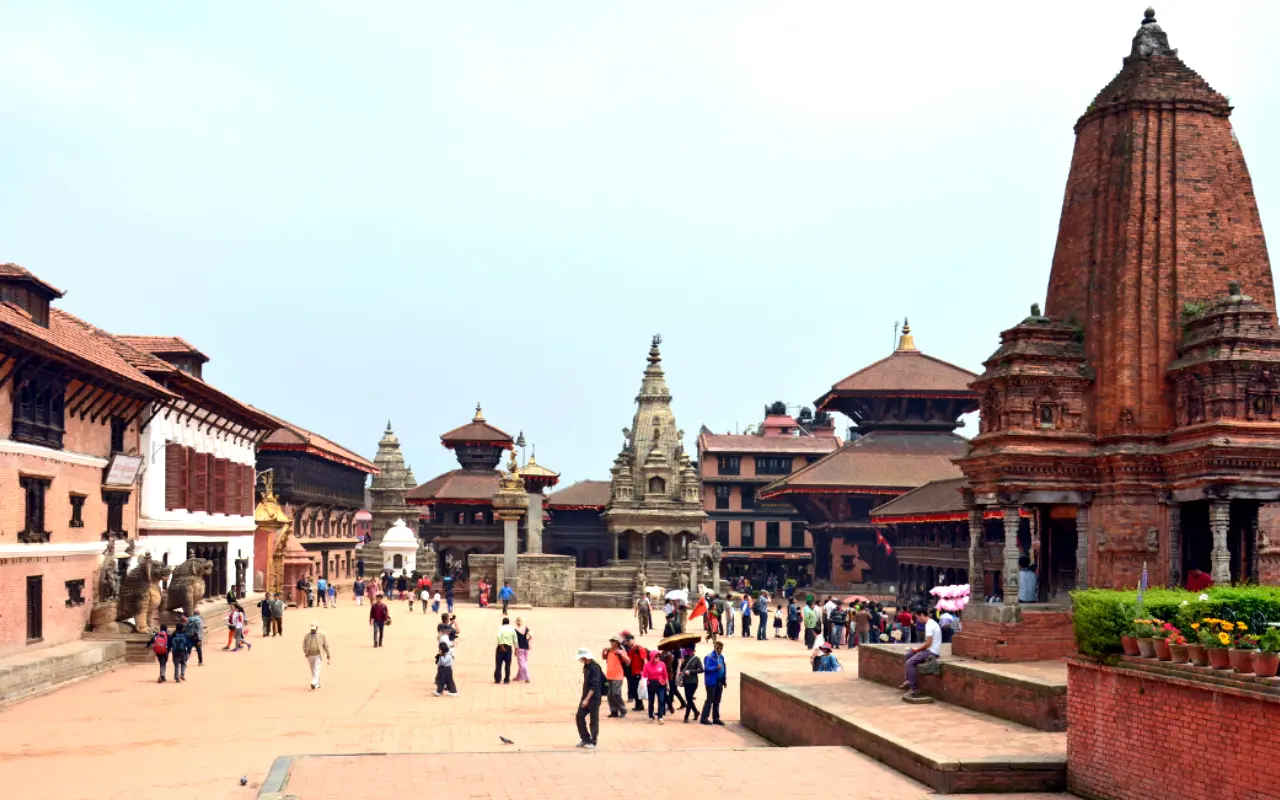
Bhaktapur Durbar Square, a World Heritage Site of Nepal, is celebrated as the best preserved medieval city with extraordinary Newari architecture in Nepal. It represents the glory of the Malla dynasty, superb craftsmanship, and urban heritage.
Magnificent features like the Nyatapola structure, a five-tiered pagoda structure that represents power and determination, may be seen at this cultural heritage site of Nepal. The three-storey, 55-window Palace presents intricate woodwork that represents royal history at its core.
Another notable structure at this cultural heritage site of Nepal is the Vatsala Temple, dedicated to the sacred stone architecture of Nepal, along with its remarkable size silver bell. The distinctively rich religious, artistic, and cultural traditions of Nepal’s Newar people are vibrantly displayed in the Square.
Bhaktapur Durbar Square is a living museum of Newari culture, tea shops, living local pottery & weaving, and annual festivals representing the region within Bhaktapur. It is again an animated heritage site of Nepal where visitors to Nepal can take advantage of the medieval urban environment.
4. Swayambhunath Stupa (Monkey Temple)
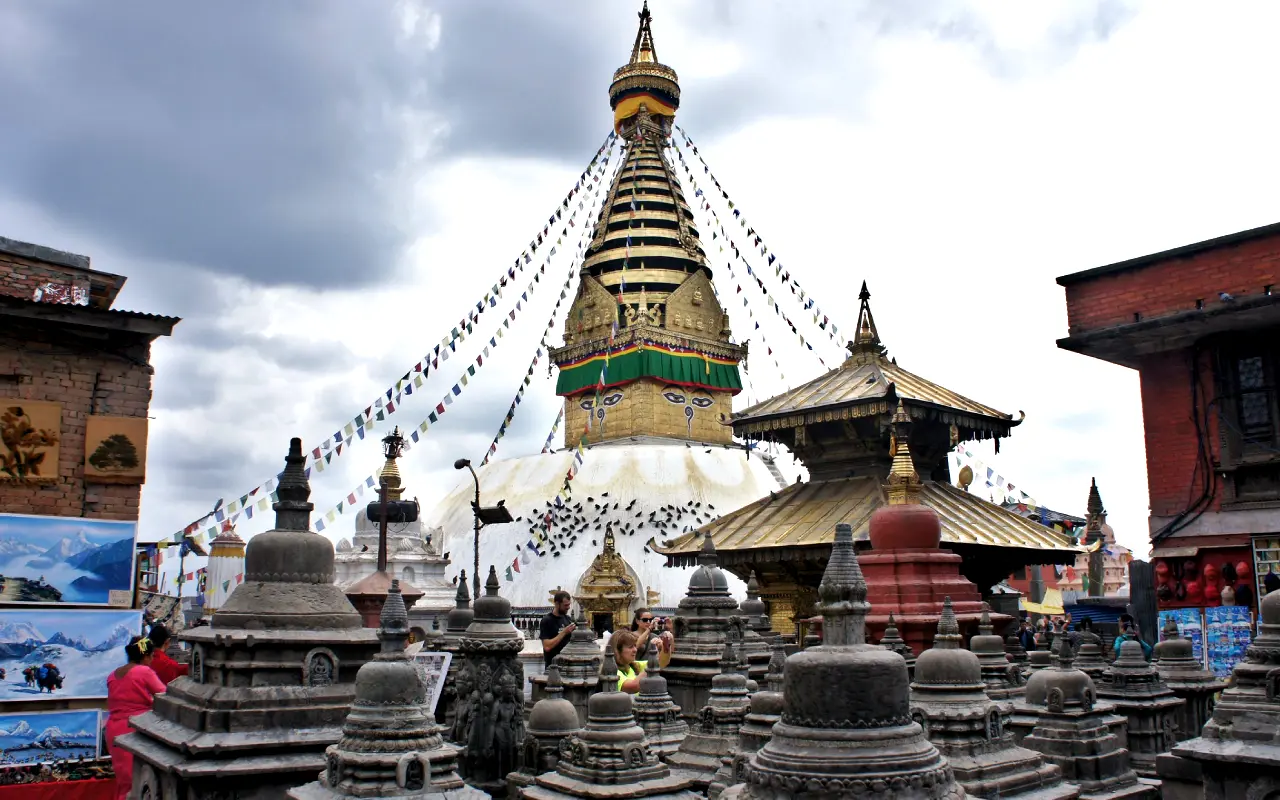
Swayambhunath Stupa is a cultural heritage site of Nepal and the oldest Buddhist stupa in Kathmandu, with a history of more than 1,500 years. It represents the self-begotten nature of enlightenment and remains a spiritual compass for the valley.
This cultural heritage site of Nepal gives the best views of Kathmandu from a hilltop. It is a site of cultural and architectural significance, being layered with Hindu religious and Buddhist symbols; both are uniquely blended into the architecture, highlighting the religious solidarity in Nepal and the depth of the spiritual legacy of the valley.
The cultural heritage site of Nepal is known as the Monkey Temple and offers a high level of peace and meditative atmosphere. Visitors can enter this sacred space of the valley, which is occupied by a myriad of prayer wheels, statues, and stupas. Many people simply come to appreciate and enjoy the beauty of this sacred and spiritual space.
5. Boudhanath Stupa
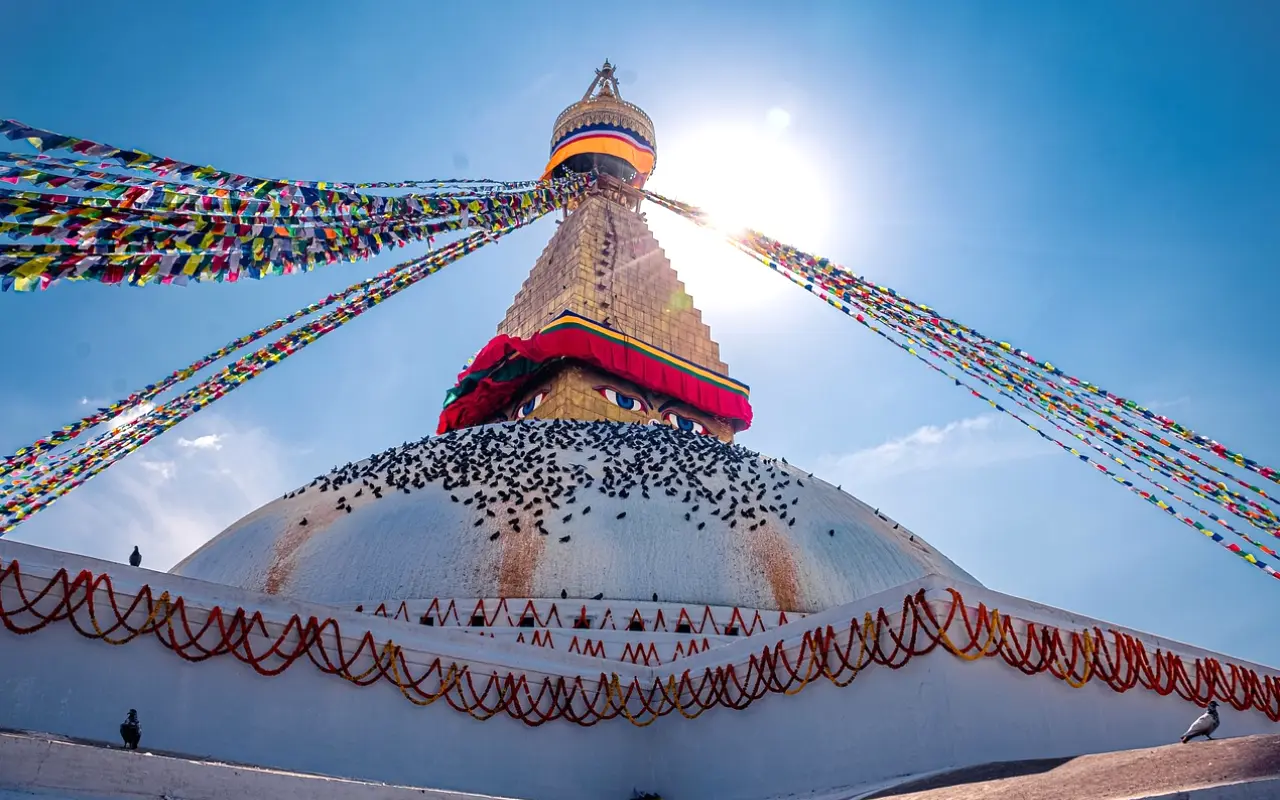
Boudhanath Stupa, an important cultural heritage site of Nepal, is among the largest spherical stupas in the world and a UNESCO World Heritage Site since 1979. This place symbolizes peace, spirituality, and enlightenment consistent with Buddhist traditions.
There are many monasteries in this cultural heritage site of Nepal because it is in the center of the Kathmandu valley. The Boudhanath Stupa is a massive mandala, with Buddha’s eyes, representing wisdom and compassion; it draws many pilgrims and tourists.
Prayer wheel rituals and kora, which is circumambulation (clockwise) while chanting the mantra of “Om Mani Padme Hum,” occur every day at this cultural heritage site of Nepal. The site has a peaceful spiritual atmosphere and is embellished with exuberant festivals and devotion.
6. Pashupatinath Temple
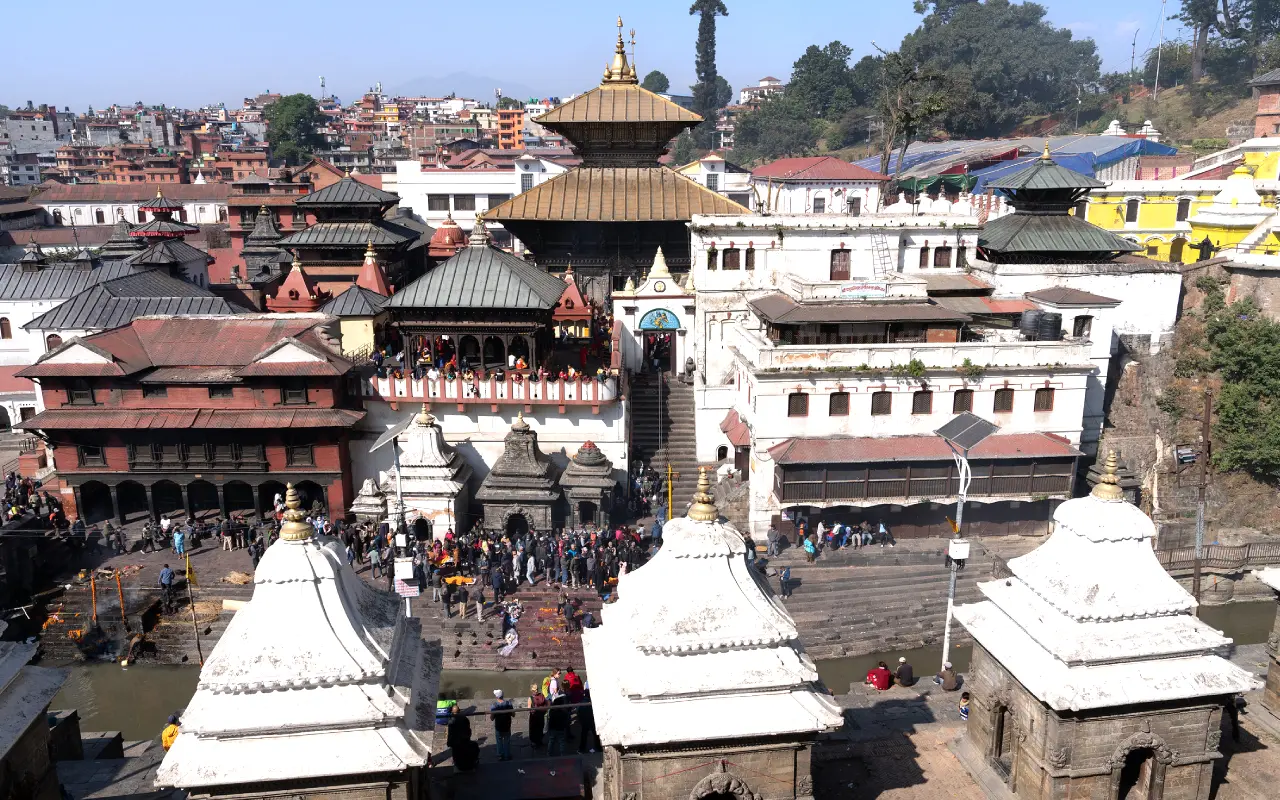
Pashupatinath Temple, a prestigious cultural heritage site of Nepal, dedicated to Lord Shiva, is located on the sacred Bagmati River. It is one of the most significant Hindu temples in the Kathmandu Valley and reflects the spiritual richness of Nepal.
This cultural heritage site of Nepal represents a very large complex of the main pagoda-style temple with 500+ shrines, ashrams, and temples, which showcases intricate wood carvings and traditional Nepali art.
As a major spiritual site for cremation, this cultural heritage site of Nepal consists of extensive religious funerary rituals along the Bagmati River, considered purifying and sacred. The temple precincts see pilgrims year-round, and the religious significance is most evident during the festivals and Maha Shivaratri celebrations.
Maha Shivaratri sees thousands of devotees attend this cultural heritage site of Nepal, where all-night prayers and ceremonies are conducted in honor of Lord Shiva. The connection to Hindu mythology and religious pilgrimage significance makes this particular cultural heritage site of Nepal a major cultural and religious center.
7. Lumbini – Birthplace of Lord Buddha
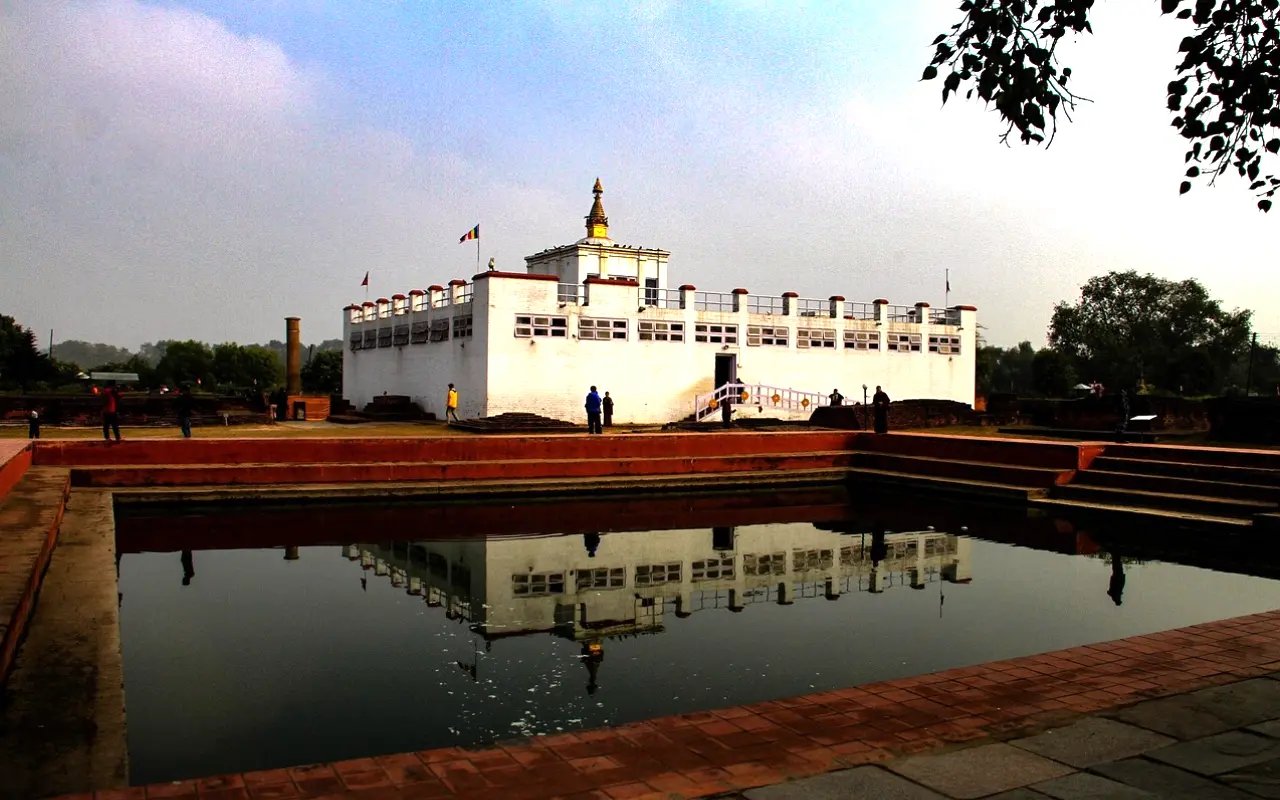
Lumbini is the birthplace of Lord Buddha, and an important Cultural Heritage site of Nepal was declared a UNESCO World Heritage site in 1997. Because of its religious and historical importance, this place attracts a large number of pilgrims.
This cultural heritage site of Nepal has the Maya Devi Temple, the place of Buddha, and the Ashoka Pillar. There are also a large number of monasteries representing Buddhist traditions and cultures.
Lumbini has a calm spiritual atmosphere, with peaceful gardens and monuments that encourage reflection and meditation. This cultural heritage site of Nepal represents peace on a universal level and a continued legacy of Buddhism. It is a well-known pilgrimage site and cultural heritage site for many from around the world, and continues to have a peaceful tranquility within its botanical gardens.
8. Changunarayan Temple
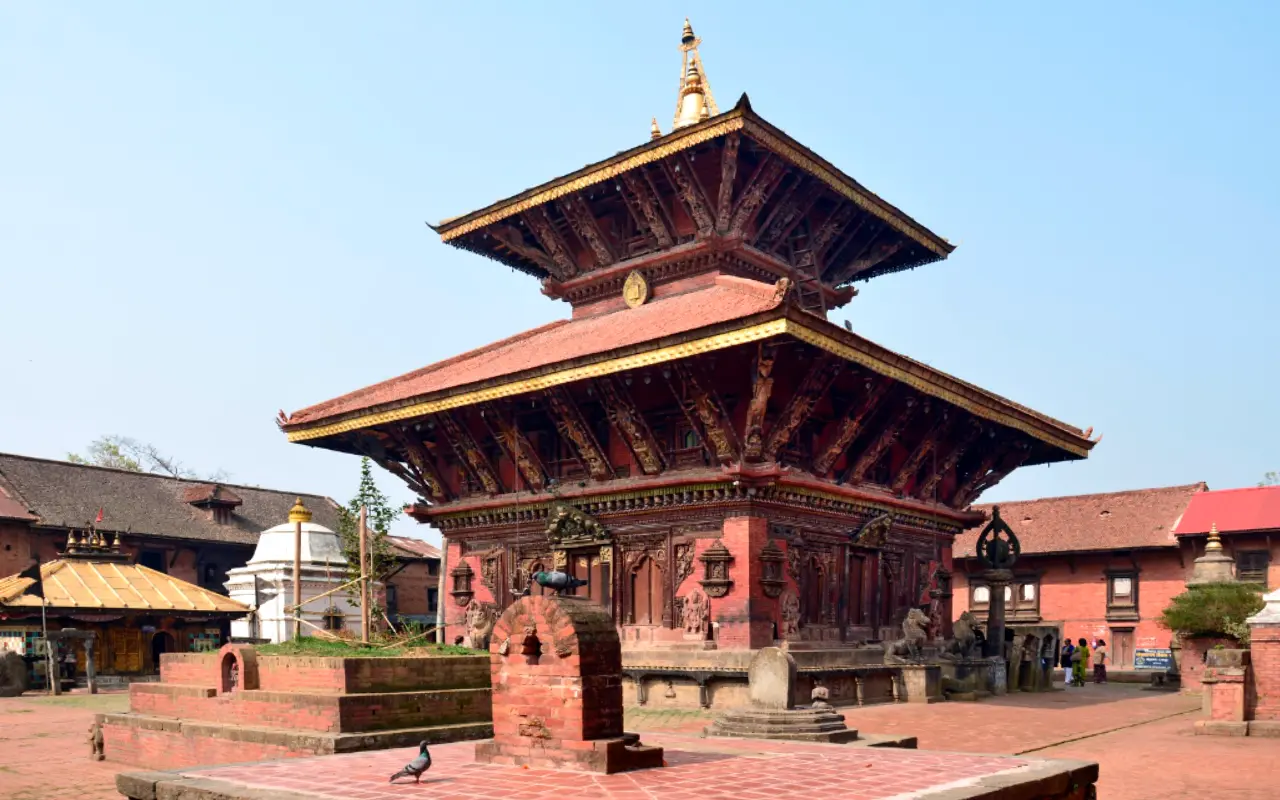
Changunarayan Temple, recognized as a Cultural Heritage Site of Nepal, is the oldest Hindu temple in operation. Because it originated in the 4th century, it displays Nepal’s ancient spiritual and cultural traditions.
This Cultural Heritage Site of Nepal, dedicated to Lord Vishnu (Narayana), has a fantastic two-tiered pagoda roof. The exterior and interior of the temple have fantastic stone and wood carvings that illustrate Lord Vishnu’s ten avatars and other Hindu deities.
Changunarayan temple has a unique style of Nepali architecture, containing elements of the Licchavi period. It includes elaborately carved wooden struts, gilded doorways, stone pillars, and engravings containing Sanskrit inscriptions, with some of the oldest inscriptions to have been made in Nepal.
As a Cultural Heritage Site of Nepal, Changunarayan Temple is a living worship and cultural celebration space, and continues to attract worshippers and visitors interested in reflecting on the temple’s heritage, art history, and spirituality.
9. Janaki Temple, Janakpur
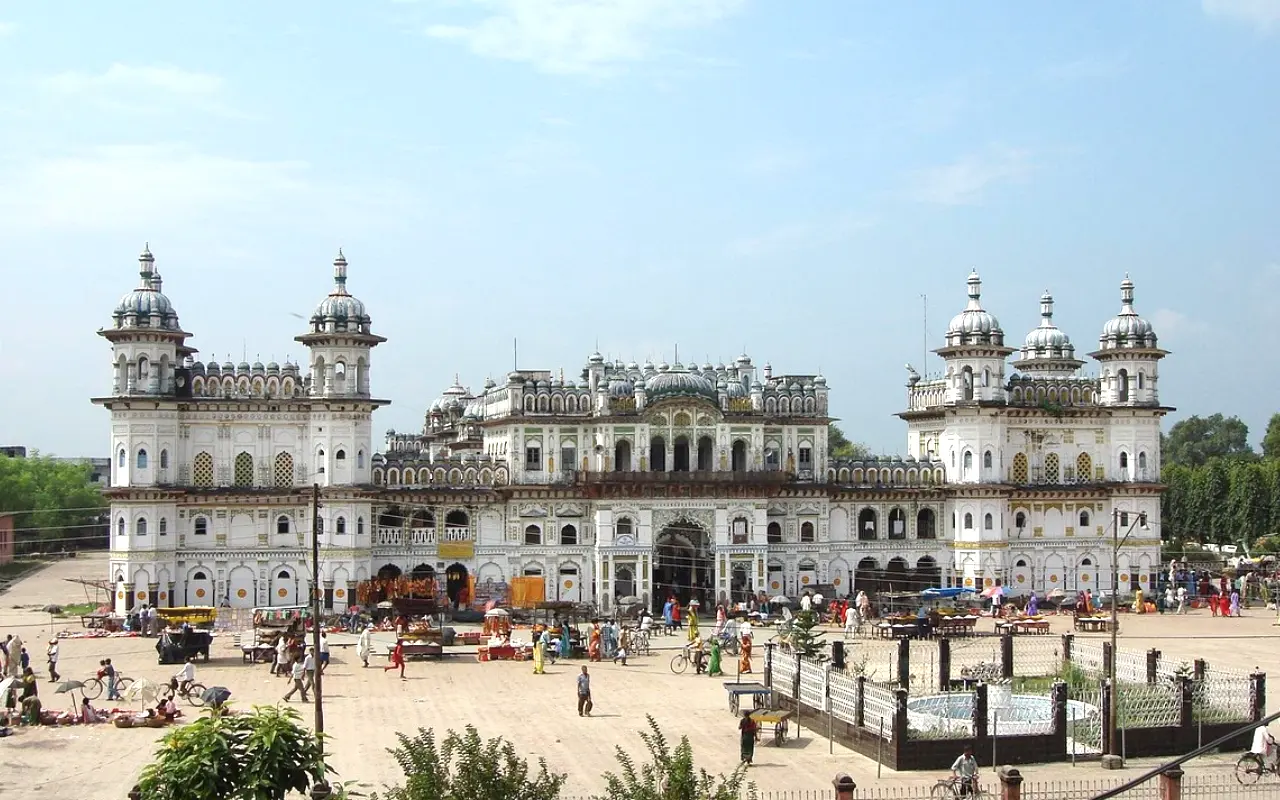
Janaki Temple in Janakpur, Nepal, is a magnificent cultural heritage site featuring Goddess Sita. Built in 1910 by Queen Vrisha Bhanu of Tikamgarh, it represents a unique section of Hindu-Koiri and Mughal architecture, composed of white stones and modern marble.
With 60 rooms covering a large area and decorated with Madhubani painting, colored glass, and lattices in the windows, and carvings, it is a cultural heritage site of Nepal that remembers the divine story of Sita, which is also important for Hindu pilgrims.
Ancient Hindu stories are the source of Janaki Temple’s spiritual significance. It is thought that Sita was born in Janakpur, where she also had her swayamvara with Lord Rama. Within the grounds of the temple are monuments for Rama, Lakshmana, and other associated figures of this significant history.
Janaki Temple represents both Nepali and Indian culture, and is often a place where numerous celebrations of festivals occur, primarily during the celebration of Vivah Panchami, which reflects the divine marriage of Rama and Sita. Pilgrims and tourists can access religious and cultural experiences at this site of worship.
10. Bonus: Tansen Palpa (Optional Add-on)
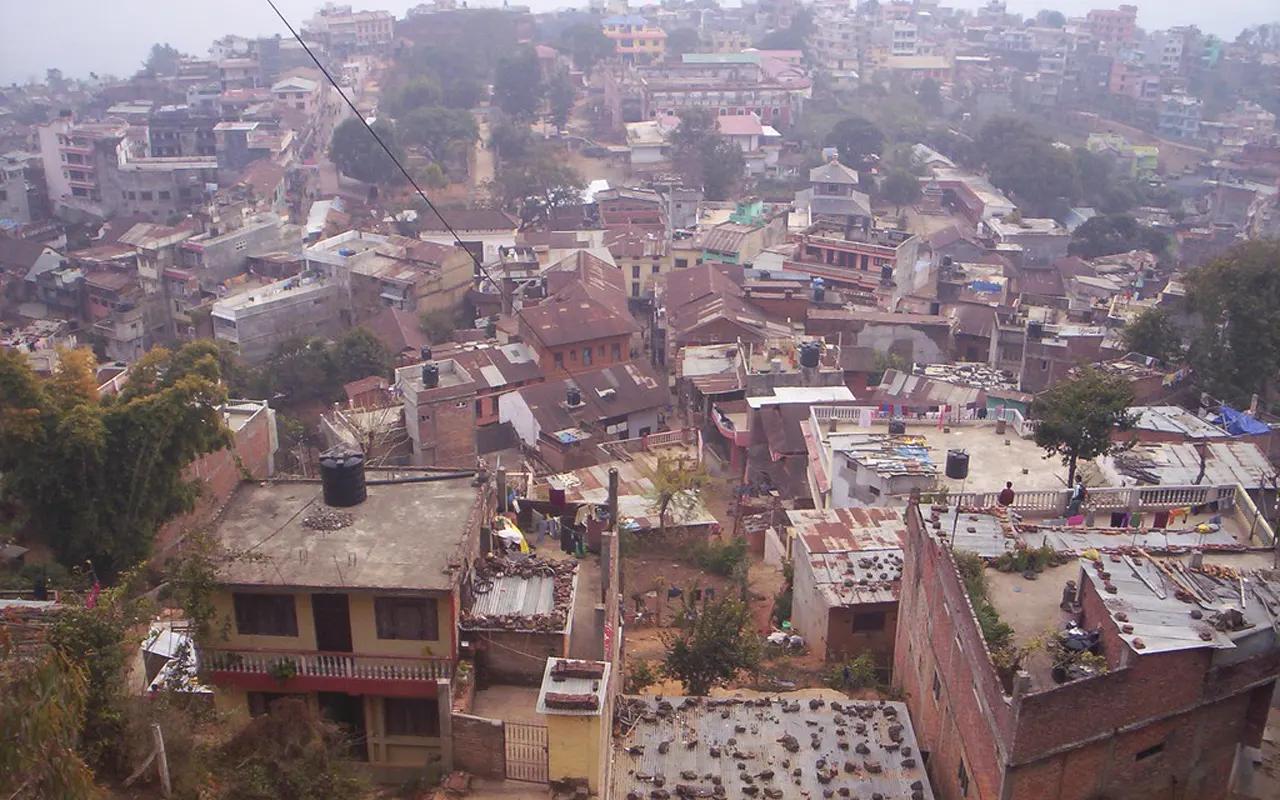
Tansen Palpa, an important cultural heritage site of Nepal, is an ancient hill town representing Newar, Magar, and Muslim heritage. The site provides a curated mix of architecture and customs resulting from centuries of cultural hybridity and strategic significance in western Nepal.
This cultural heritage site of Nepal has beautiful cobbled lanes and traditional Newari houses, ruins of subsequent dynasties, and interesting sites like Rani Mahal. It is known as the “Taj Mahal of Nepal,” and visitors from all over the world come to see this incredibly rare structure because of its rich history and stunning location.
In addition, Tansen Palpa’s cultural heritage sites of Nepal include antiquated temples, palaces, and forts in the shape of Tansen Durbar, Bhairab Temple, and Srinagar Durbar, among others. Despite being in a perilous position on several accounts, there are places of beauty in taking in the artistic, religious, and architectural legacies, possessing a vivid image of Nepal’s history stemming from the medieval era.
Travel Tips for Visiting Heritage Sites in 2026
- Consider visiting during the spring (March-May) or fall (September-November) for temperate weather.
- When visiting sacred or religious places, dress conservatively compared to North American dress.
- Respect local customs, traditions, and ritual practices. Check the admission price and hours of the site before your visit.
- Always remove shoes and hats when entering temples or sacred places.
- Local guides can enrich your understanding and experience.
- Always get a person’s permission before photographing him or her, and it is advisable to get permission if you are photographing a religious ceremony.
FAQs
1) Do I need permits to visit the heritage sites in Nepal?
Most cultural heritage sites in Nepal (particularly UNESCO World Heritage sites) have an entry fee or permit for tourists. The entry or permit fee goes toward site conservation. Trekking areas may require more permits; however, the majority of cultural heritage sites do not require special trekking permits.
2) Do I have to choose from the ten heritage sites in Nepal?
Most cultural heritage sites, particularly UNESCO-designated World Heritage sites, require an entry fee or permit for tourists to enter. The fee is likely being used for site conservation. More expensive trekking permits may be necessary if you are visiting remote trekking areas; however, generally, heritage sites do not need specially designated trekking permits.
3) Can I visit all 10 sites in one trip?
Yes, you can see the top 10 cultural heritage sites of Nepal in one trip, but with planning and time. Many of them are located in or just outside the Kathmandu Valley, while others, like Lumbini and Janakpur, require travel, but are doable in a 2-3 3-week itinerary.
4) Are the sites safe for families?
Yes, most cultural heritage sites are suitable for family visits. Most families, young children, and learning experiences are suitable for young children. For example, durbar squares, stupas, and temples all allow younger children to visit as long as their adults look after the safety of the children.
5) Are these sites safe and being restored after the earthquake?
Since the earthquake in 2015, there have been vast restoration efforts in place for the cultural heritage sites of Nepal. Most major sites like the Kathmandu Durbar Square and Patan Durbar Square are safe and restored, and conservation work is ongoing, so visitors can be confident of safety and of preserving cultural integrity.
Conclusion
Cultural heritage sites in Nepal reveal a timeless legacy of rich history, religion, and artistry infused with Hinduism, Buddhism, and local traditions. They embody the essence of Nepal’s increasingly diverse cultural identity and spiritual heritage.
It is essential to put experiencing these cultural heritage sites of Nepal on your 2026 itinerary, as there will never be another opportunity to see ancient palaces, sacred temples, and colorful festivals, with travel being more honorable and enhanced once it is restored. They create opportunities for visitors to establish connections to living cultural pasts in Nepal.
Visitors are encouraged to take care to access these heritage sites of Nepal as responsible and respectful tourists, honor the diversity of local traditions, and enhance the integrity of the cultural heritage sites for future generations. Further, it is ever more important in a globalized world to engage with mindful travel and for Nepal’s cultural heritage sites to be discovered, visited, and still inspire the world.
