








Top 12 National Parks in Nepal You Must Visit
Introduction
Bound by the Himalaya and the Indian plains, national parks in Nepal feature one of the most diverse ecosystems in the world. These parks preserve everything possible including the tropical grasslands that are home to rare mammals to the alpine valleys with ice-clad peaks.
They protect the last populations of one-horned rhinoceros and habitation of Royal Bengal tigers, and forests that harbor red pandas as they forage among rhododendron blossoms. Long ago monasteries that are buried in these terrains are still rooting with Buddhist incantations. Each park is a sanctuary of rare animals, the entrance to famous trekking routes, and an intensive portal to traditional mountain culture.
Sustainable tourism is being undertaken in national parks of Nepal. The co-management of these locations entails the management of local communities, where local communities lead tourists on jungle safaris, rafting, and hiking expeditions at high altitudes, as well as preserving the sacred cultural sites. The fees collected on the entry fees and conservation permits are used for trail maintenance, anti-poaching patrols and community development work. Along with experiencing untouched natural environments and authentic cultural experiences, travelers will also make a lasting contribution to preservation.
In 2025, these amazing parks will provide the perfect time to visit them. The tourism infrastructure has been enhanced, lodges and homestays are ready to receive the visitors and new guided tours and community-based experiences are designed in that regard.
We live in a world where sustainable travel is increasingly becoming a global concern and by traveling to Nepal in 2025, you can explore wild outstanding nature in a sustainable way, contributing to conservation and the local economy. This guide will assist you in planning your trip and taking optimal advantage of the time in Nepal in the most stunningly beautiful conservation areas the country has to offer.
Quick Facts About National Parks in Nepal
Number and distribution: The 12 national parks in Nepal plus other conservation areas comprise 34,000 km². These parks extend from the high-altitude Himalayan mountains to the floodplains of the subtropical Terai. In addition to hundreds of animal and bird species, they are home to over 6,500 plant species.
UNESCO World Heritage Sites: Nepal has two national parks which are UNESCO World Heritage Sites. In terai or the low plain lands in the South, there is the Chitwan National Park which is home to one horned rhinoceros and Bengal tiger. Sagarmatha National Park is in the northeastern Himalaya region, a park including Mount Everest and greatest alpine sceneries of the world.
Entry permit and fees: All visitors are required to acquire an entry permit be it national park or conservation area. Fees vary according to each place, months and nationality, for example the foreign visitors are required to pay USD 15-30 to visit Chitwan or Sagarmatha. Restricted regions like the Upper Dolpo come under the special permit category that can cost up to USD 500 or more.
These charges go directly to maintain the park, local activities and to preserve the environment. Visitors should always carry copies of passports and photographs when making applications to the permits.
The Top 12 National Parks in Nepal
Chitwan National Park
Chitwan National Park, Nepal’s first national park, was established in 1973 and designated a UNESCO World Heritage Site in 1984. home to more than 750 one-horned rhinoceroses (2021 census) and it harbors a population of Royal Bengal tigers and gharial crocodiles which are thriving.
Dense sal forests and tall elephant grass make it the home of elephants, sloth bears, and around 640 bird species have been recorded. Visitors often see rhinos grazing or crocodiles basking during jeep, canoe, or elephant safaris in jeep rides, rides in elephants or canoes along the Rapti and Narayani Rivers.
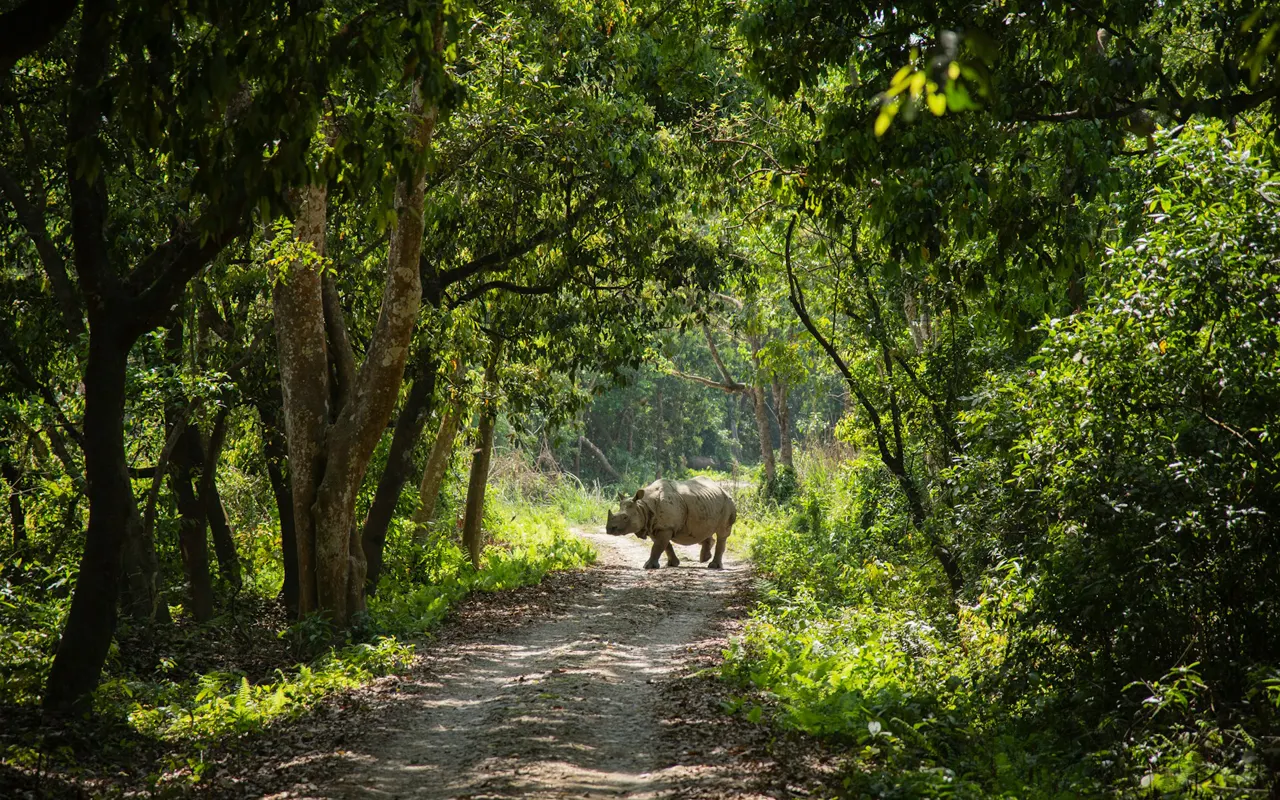
Other than wildlife, Chitwan has diversified cultures. Local Tharu villages in the area have evening programs of traditional stick dancing and jumps over the fire. By taking guided forest walks, travellers learn about medicinal plants and animal tracks, whereas, homestays enable travellers to take part in rice farming or cooking lessons. Being one of the most accessible Nepal national parks, Chitwan makes a good initial destination on an itinerary in 2025.
Bardia National Park
It is the one national park located in far-western Nepal that little people know about: Bardia national park (968 km2). It was founded in 1988 and remains home to Royal Bengal tiger, wild Asian elephants and swamp deer in a sal forest, riverine grass and savannah habitats.
Since it does not get as many visitors as Chitwan, wildlife experiences are more personal. Jeep safaris are used to spot herds of blackbuck antelope, boar and occasionally the rare Gangetic dolphin on the Karnali River. More than 300 species can be seen by the birdwatchers including the endangered Bengal florican and great hornbill.
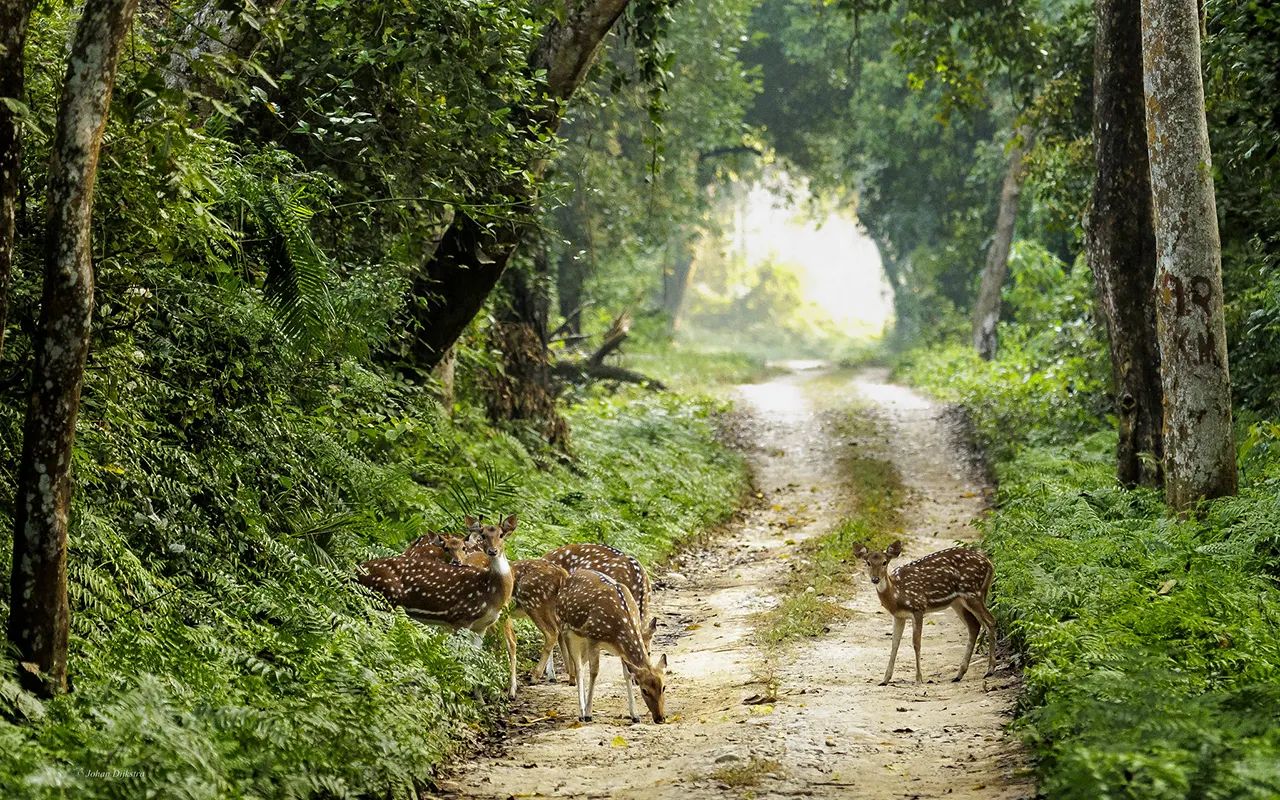
Bardia also calls to adventurers, with rafting or kayaking on the Karnali, Tharu village visits, and community homestays. the community have established are options available to travellers. In 2025, tiger-tracking walks guided by park rangers will make this impeccable national park in Nepal even more rewarding as the trackers will be direct beneficiaries of conservation.
Sagarmatha National Park
Sagarmatha National Park (1,148 km²) in Khumbu region comprises the Mount Everest and is a UNESCO World Heritage Site. It varies in elevations between 2,845 m at Monjo and the summit elevations of 8,848 m, rising from pine and oak forests to glaciers and alpine meadows. Snow leopards, Himalayan tahrs and black bears are among the creatures which wander here and in the avian category include the Himalayan monal and blood pheasant.
The park’s Sherpa culture is equally famous. The villages of Namche Bazaar and Tengboche, where monastic festivals are held and prayer wheels turn, are connected by the treks to Everest Base Camp and Gokyo Lakes. The permit fees paid by trekkers are what are used to fund conservation and infrastructure at the local level. By using eco-lodges and reducing the quantity of plastic waste you make during your trip to Nepal in 2025, you help ensure that one of the country’s most visited national parks remains sustainable for upcoming generations.
Langtang National Park
The Langtang National Park (1,710 km²) just north of Kathmandu, provides a combination of alpine meadows, glacier-carved valleys, holy lakes, and mountains covered in snow. Set up in 1976, It is renowned for the Langtang Valley trek and the sacred Gosaikunda Lakes. Over 1,043 plant species grow here as well as orchids and rhododendrons along with red pandas, snow leopards, and Himalayan tahrs that live in bamboo and pine forests.
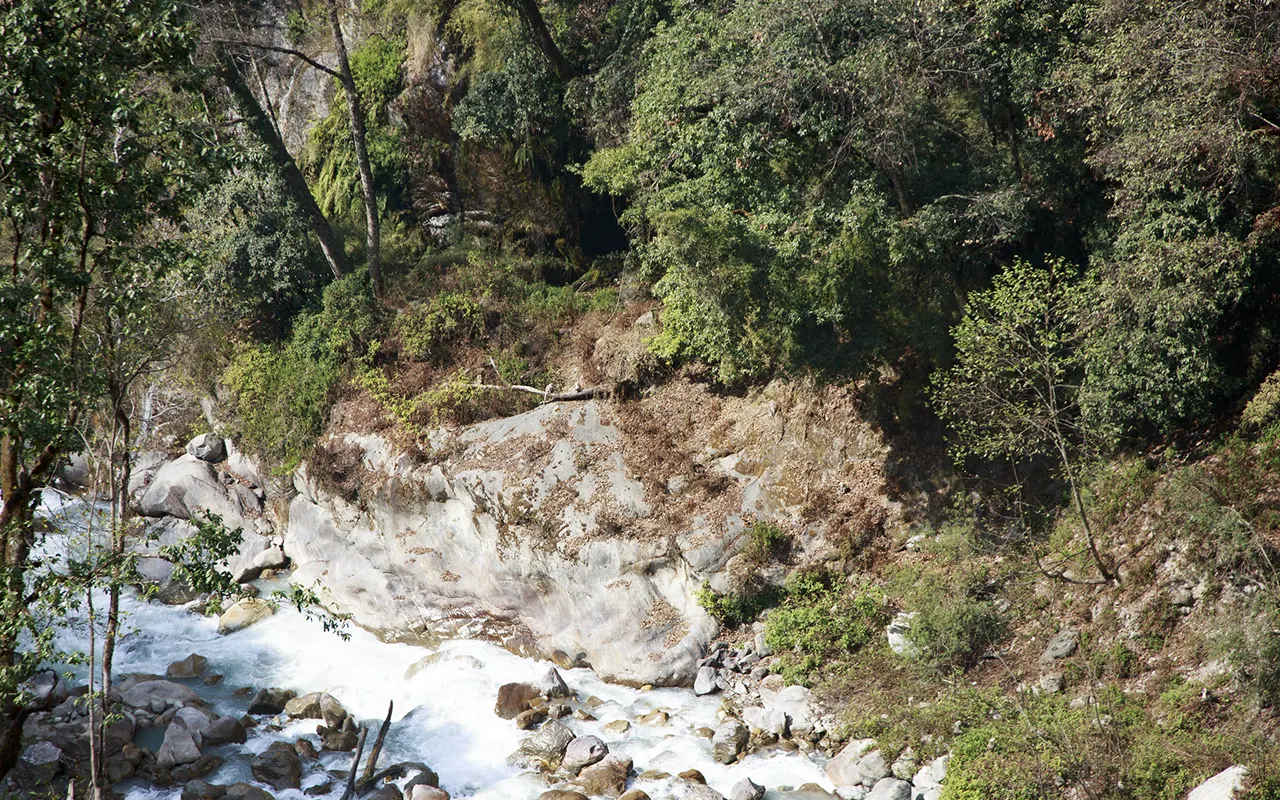
In places like Kyanjin Gompa (Tamang village) one gets to experience the tradition of yak herding, production of cheese and Buddhism festivals. Trekkers on mountains such as Kyanjin Ri build up panoramas of Langtang Lirung and the Ganesh Himal. In 2025, the Tamang Heritage Trail will be easier to access due to the new lodges built in the national park in Nepal, yet, they will not disrupt the cultural authenticity of the location.
Rara National Park
Rara National Park is Nepal’s smallest but also one of its most beautiful parks. covering 106 km². On its territory, there is the largest lake-Rara Lake, a natural lake at 2,990 m, surrounded by pine, juniper and spruce forests. In spring and fall, creatures visit the clear waters that reflect the snow-covered hills. Red pandas, Himalayan black bears, and musk deer are among the wildlife.
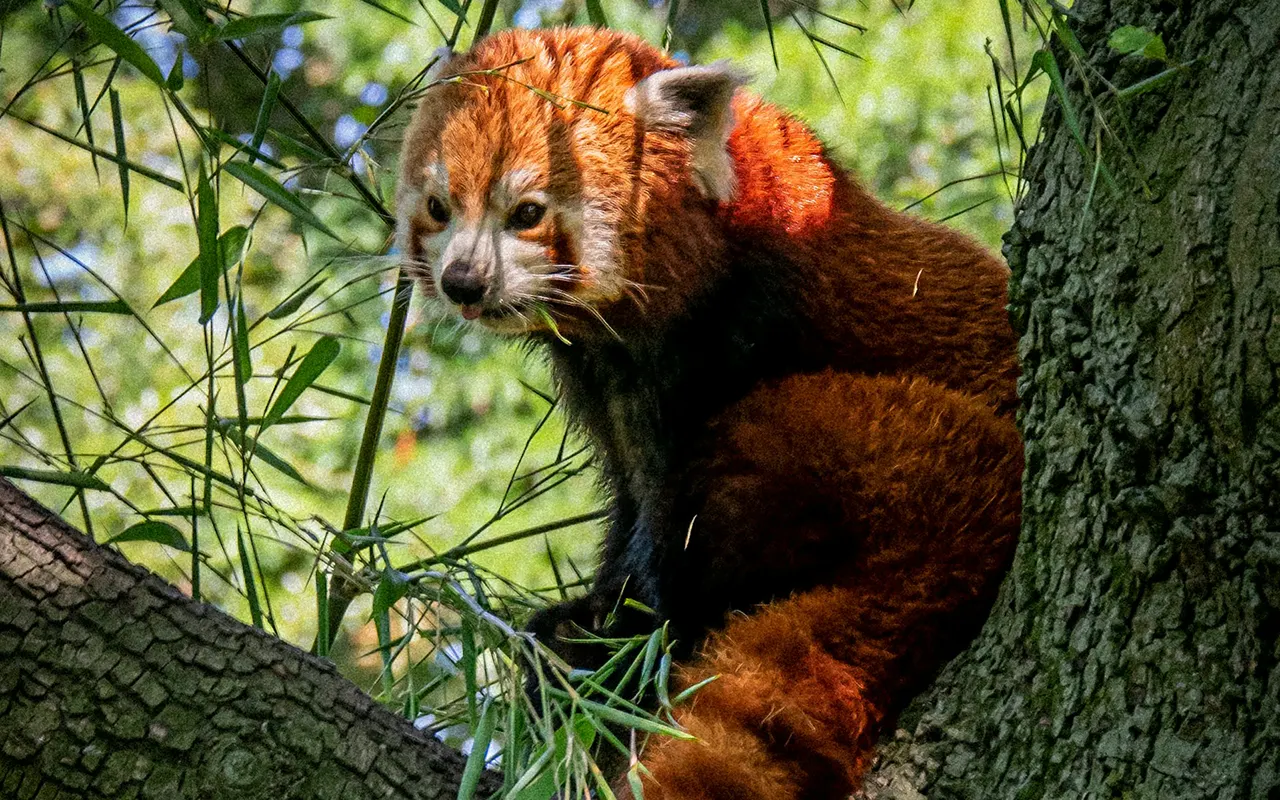
To get to Rara one has to fly to Jumla or Talcha and then trek through villages where the only frame of reference left is the distant mountains. The attraction of it is also enhanced by this quietness, as well as the camping by the stationary lake too, with jackals in the night no less. Improved trails and campsites will also simplify access to Rara but all the beauty will remain as untouched as it is now in 2025. Among the national parks in Nepal, Rara remains a true hidden gem.
Shey Phoksundo National Park
Shey Phoksundo is Nepal’s largest national park and is situated in Dolpo that features some of the most dramatic scenery of Nepal. Its most striking feature is the Phoksundo Lake whose bright turquoise waters are flanked by cliffs. The park also harbors the Shey Gompa and the 900-year-old Thashung Monastery, the Tibetan Buddhist history the area being deep-rooted.
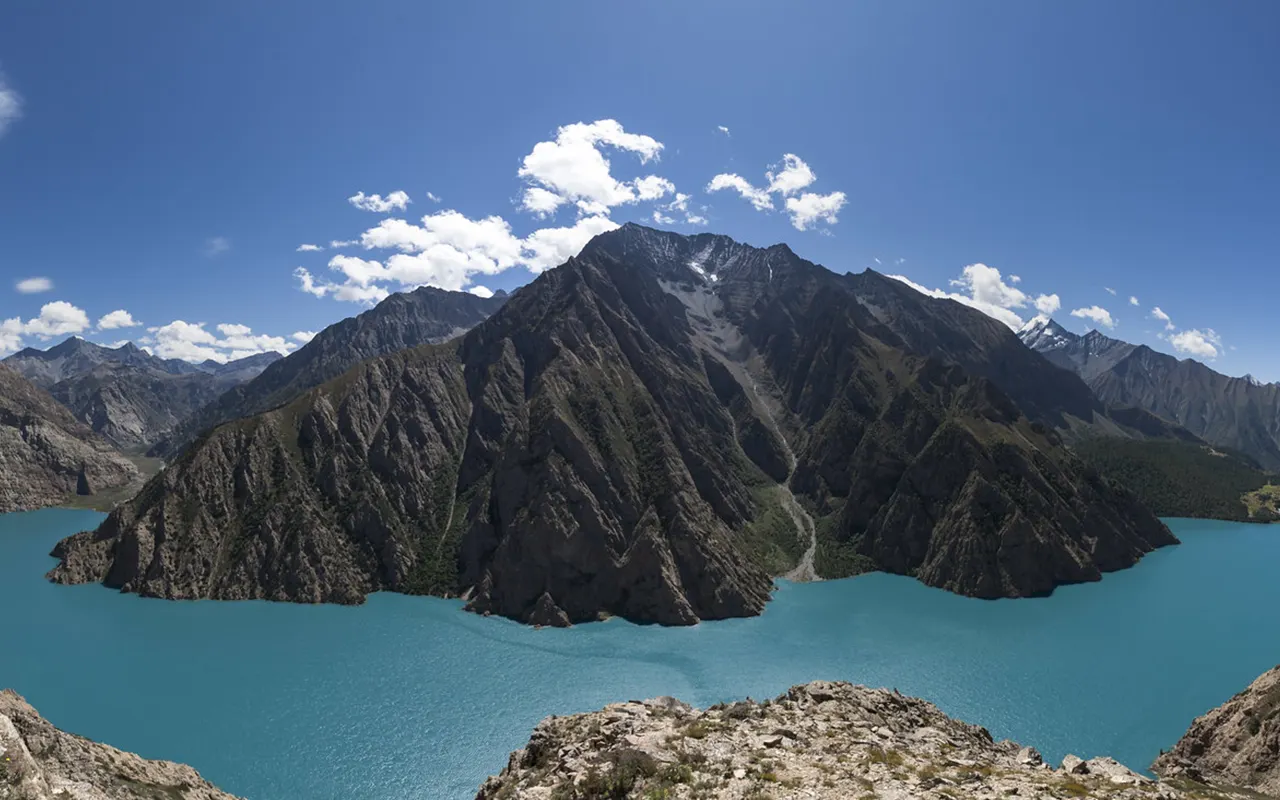
Snow leopards, blue sheep, musk deer and grey wolves are sheltered in the park. There are over 200 bird species and 300 healing plant species. The Upper Dolpo Treks offer a glimpse into ancient customs as they ascend high passes and remote communities. For travellers in 2025, Shey Phoksundo promises solitude, cultural immersion, and some of the most breathtaking scenery of all the national parks in Nepal.
Makalu Barun National Park
Among Nepal’s national parks, Makalu Barun National Park (1,500 km2) is special because it protects the deepest valleys and the highest peaks of the eastern Himalaya. It is the only designated area in the whole world where the altitudes range from 435 m in the Arun Valley to over 8,000 m at Mount Makalu.
The park include tropical lowlands around the lower Arun River up to high mountains that freeze including the fifth-highest mountain, Mount Makalu (8,463 m), and adjacent mountains including Chamlang and Baruntse. The various species of rhododendron and orchids that grow here are 25 and 47 respectively, and have dozens of the rare plants.
Wildlife includes snow leopards, red pandas, musk deer, and hundreds of bird species. The treks to Makalu Base Camp require passing through distant Sherpa, Rai and Shingsawa settlements where people engage in long-term sustainable use of forests and pastures. Strict permits and restricted lodges preserve the nature of the wilderness. In 2025, guided expeditions will allow travellers to support conservation while experiencing one of the most spectacular national parks in Nepal.
Khaptad National Park
Khaptad National Park (225 km 2 ), in the far-western part of Nepal, is not only a bird sanctuary and a place of beyond importance but needs to be explored. The park is named after the hermit, Khaptad Baba, who practiced meditation here decades together. The park includes meadows, rich forests and hermitages. The altitude ranges between 1,400 and 3,300 m, and these densities provide alpine fields, full of wildflowers during spring as well as dense chir pine, oak, and rhododendron forests. Wildlife: red pandas, Himalayan black bears, leopards, and barking deer can be found.
Pilgrims come to Khaptad Baba shrine and performing meditation at the forest ashrams. There are hiking tracks through field and across hilltop villages, and views of the Himalayas as well as true cultural encounters in the people. More than 270 species of birds can be spotted by the birdwatchers, including pheasants and eagles. By 2025, there will be eco-camping sites and new interpretive trails to give access to this serene national park in Nepal without degrading its ecological and spiritual heritage.
Shivapuri Nagarjun National Park
On the border of Kathmandu Valley is Shivapuri Nagarjun National Park (159 km²) which is a quick getaway into the natural habitat. Reaching its highest point of 2,732 m on Shivapuri Peak, the park provides almost 40 per cent of Kathmandu drinking water. Its trees, of oak, pine and rhododendron are home to more than 300 species of bird and mammals, the barking deer and the Himalayan black bear. Famous routes take hikers to Baghdwar (the source of the sacred Bagmati River), Bishnudwar and Jamacho Gumba on top of a hill where refreshing sceneries of the city and Langtang range are seen.
The Nagarjun part retains cave temples and an ancient Jamacho Monastery where mystics saturated into a trance centuries ago. Ideally situated to help an individual acclimatize or as a day trip, Shivapuri is very convenient regarding accessibility due to its proximity to the capital. By 2025, the reforestation combined with the anti-poaching initiative will help keep this nearby national park in Nepal a source of fresh air and clean water to millions of people.
Parsa National Park
Parsa National Park (627 km²), which borders Chitwan to the east, protects subtropical jungle in the Terai lowlands. It was designated a wildlife reserve in 1984 and upgraded to a national park in 2017. The park is dominated by sal forests, with riverine woodlands along the Rapti and Bagmati rivers. More than 500 bird species, including giant hornbills and kingfishers, thrive here.
Since compared to Chitwan, Parsa has fewer visitors, the safari in this region is very quiet and not crowded. Watch towers provide glimpses of deer, peacocks and wild elephants and there are also historic temples on Kailas Bhata hill which are attractions to pilgrims. Elephant camps around Amlekhgunj will give the traveller to observe the domesticated elephants in natural environment. In 2025, Parsa will emerge as a quieter alternative among national parks in Nepal, perfect for travelers seeking off-beat wildlife adventures.
Banke National Park
Established in 2010, the 550 km2 Banke National Park is a crucial wildlife conservation area. This interconnection enables tigers and elephants to move in their habitats and helps maintain genetic diversity. Sal and hardwood forests, grasslands, and oxbow lakes in the park have 34 mammal species and over 300 species of bird. Large animals include Bengal tigers, sloth bears, leopards, wild elephants, and blue bulls that graze the open meadows.
Travelers can experience wildlife up close and unspoiled in Banke, which is still largely unexplored. Visitors can get up close and personal with rare birds and mammals on jeep and elephant safaris, and otters and crocodiles can be found in wetlands. You can actively support Nepal’s newest protected area and explore one of the country’s least-visited but most promising national parks by traveling to Banke in 2025.
Koshi Tappu Wildlife reserve (Mentions)
Despite being a wildlife reserve, Koshi Tappu (176 km2) is frequently mentioned when talking about Nepal’s national parks because of its significance for birds worldwide. It is located on the floodplains of Sapta Koshi River and defends the last wild population of Arna (Asiatic water buffalo). It is also home to hog deer, blue bull and aquatic fauna including gangetic dolphins and crocodiles.
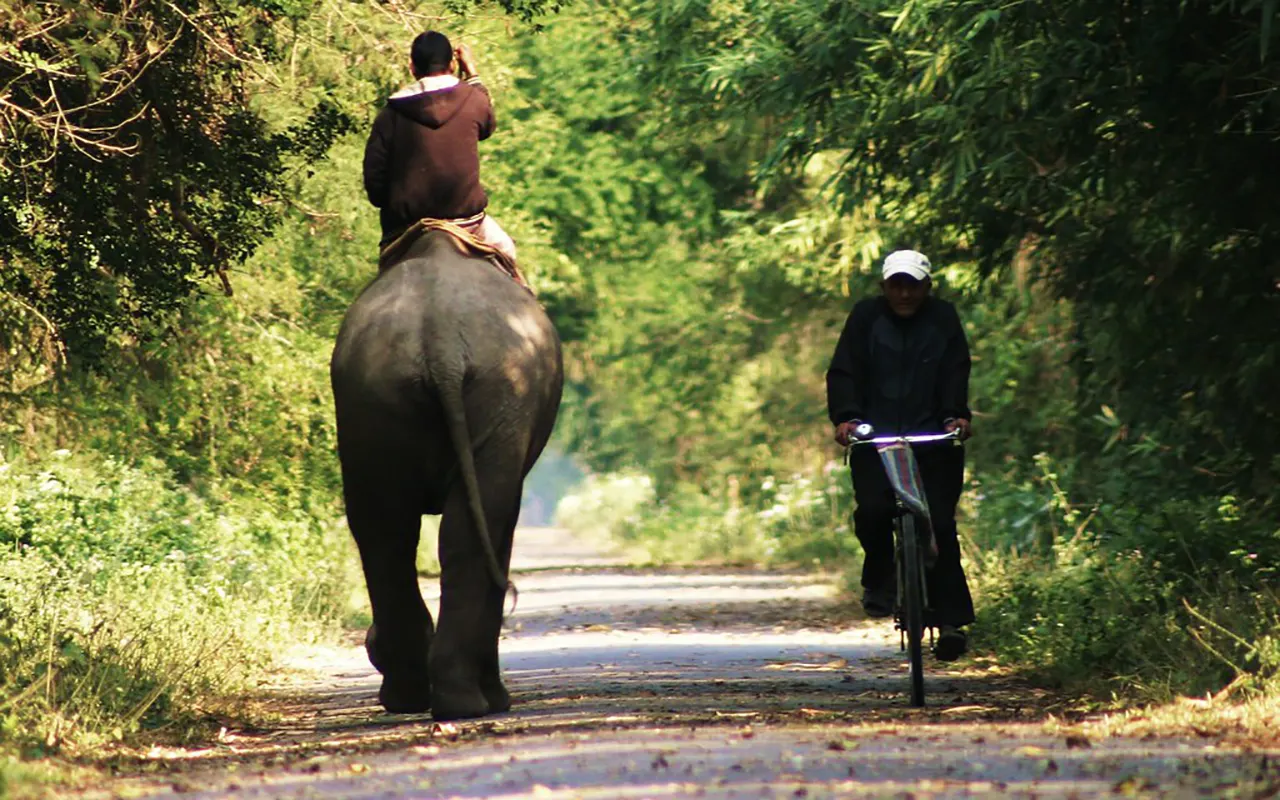
According to Birdwatchers, there are over 440 species have been recorded here, including the rare Bengal floricans, ibises and swamp partridges. During winter, wetlands are covered with migratory ducks and geese which offers some spectacular scenic photos. It is a Ramsar site of international importance, and proposed as a World Heritage Site, so it is well worth a visit in 2025 by any enthusiast of wetlands and waterfowl and birds, or interested in conservation and successful conservation efforts in the natural world.
Best Time to Visit National Parks in Nepal
Most national parks in Nepal experience distinct seasons shaped by altitude and geography.
Spring (March to May): Spring is the most popular time, with warm days, cool nights, rhododendron blooms, and excellent visibility. Chitwan and Bardia offer excellent chances to spot rhinos and tigers, and the trails in Langtang incorporate mountains of flowers. It is the season when migratory birds fly to visit Koshi Tappu and Rara Lake.
Autumn (September to November): Stable weather and clear skies make the trekking in Sagarmatha and Makalu Barun and Shey Phoksundo the best one. There are also their Terai safaris, which are rewarding. Autumn tours in Nepal are also coloured by the biggest festivals in Nepal, Dashain and Tihar.
Monsoon (June to August): Nepal becomes green in monsoon. Although trekking tracks are muddy with leeches and sometimes landslides, rivers become turbulent, which makes Bardia rafting as well as canoeing in Chitwan exciting. Parks are quieter, but you cannot see wildlife in forests.
Winter (December to February): There is heavy snow and cold, restricting the high pass treks such as Larkya La or Thorong La whereas lower altitude national parks remain open. The winter turns Rara and Khaptad into enchanted winter paradises and Koshi Tappu into a birdwatcher’s paradise. Cleared skies at times are very good mountain viewing opportunities
Activities to Try in Nepal’s National Parks
Jungle Safaris
Take an elephant safari (in certain places), a jeep safari, or a canoe safari through Nepal’s wild national parks. Jungles and grasslands in Chitwan and Bardia present the best jeep safaris in sal forests where sloth bears, tigers and rhinos can be sighted. A canoe ride on the Rapti or Karnali Rivers presents crocodiles (gharials and mugger crocodiles), and sparkling kingfishers. In ethical travel, choose operators that prioritise animal welfare.
Trekking & Hiking
Himalaya regional parks provide world level trekking. Sagarmatha has the famous Everest Base Camp and Gokyo lakes trails and Langtang has the Langtang Valley, Gosaikunda, and Tamang Heritage trail. Far parks which include Shey Phoksundo and Makalu Barun are those visited by adventurous people. To make the hikes less demanding, Shivapuri Nagarjun, Khaptad and Rara are recommended as peaceful trails with no high altitudes involved. Always acclimatize and contemplate hiring such local guides.
Camping & Boating
Camping overnight at Rara Lake, Phoksundo Lake, or Khaptad lets you sleep under Himalayan stars. Select camping areas that are designed to have no trace of travelers and use portable stoves. There is boating on Rara and it was possible on Phoksundo on dry seasons, Stay warm at all times and wear life jackets since glacial lakes are cold and windy.
Birdwatching & Photography
With habitats ranging from subtropical wetlands to alpine tundra, national parks in Nepal are a birder’s paradise. Koshi Tappu is now synonymous to migratory waterfowl. Hornbills and kingfishers can be found in Chitwan and Bardia with Langtang and Khaptad also supporting pheasants, eagles, and sunbirds. Photographers will be inspired endlessly-the color of the waters of Phoksundo, the reflections of the Rara Lake as well as the mountains Everest and Makalu.
Cultural Encounters
All national parks of Nepal are an integration of nature and culture. Sagarmatha allows tea-sharing with families of the Sherpas and ancient monasteries. Chitwan and Bardia point to Tharu culture by means of dances and homestays. Langtang, Makalu Barun and Shey Phoksundo offer the visitor to a Tibet influenced culture, monasteries and yak based lifestyles. Khaptad attracts pilgrims to hermitages and Shivapuri and Parsa have maintained old Shrines. Being respectful in dealing with locals is not only making the trip a more interesting one, but also contributing to sustainable tourism.
Travel Tips for Visiting Nepal’s National Parks
Permits & Fees
Most national parks in Nepal require entry permits, which vary by park, nationality, and trip duration. In Sagarmatha and Chitwan, the permits can be purchased at entry gates or Kathmandu. Special permits may also be needed to visit such far-off parks as Shey Phoksundo or Makalu Barun, and occasionally even a communication officer is needed. Treks that traverse several conservation areas, eg Annapurna or Manaslu also require conservation area permits. Always have copies of the passport and photographs when one is applying and retain all the checks slips on the way.
The responsible travel and eco-guidelines
The ecosystems within national parks in Nepal are fragile, so travel responsibly. Use designated trails, Do not litter; carry out all non-biodegradable waste. Stay away and keep a safe distance to the wildlife and never feed the wild animals.
Mind the cultural practices: walk in a clockwise direction around stupas and prayer wheels, in villages and monasteries; dress decently; Before taking a picture of a local, always ask them. Please practice conservation by purchasing locally made goods, encouraging the use of local guides, and avoiding staying at lodges that are not eco-friendly.
Packing Essentials
Pack according to the park you visit. In the low land parks like Chitwan, Bardia and Koshi Tappu, lightweight, breathable light-coloured clothing to blend with the terrain is recommended. Things to bring include insect repellent, binoculars, sun protection and a reusable water bottle. In the Himalayan parks, take layer clothing, a down jacket, fleece, and waterproof clothing, sturdy boots, and trekking poles. Other necessities are gloves, hat, sun cream that they can use in the high altitude, first-aid kit, medications to overcome the effects of altitude, and purification tablets. Carry sufficient cash, as ATMs are rare in remote regions.
Hiring Local Guides
Employment of local guides and porters enhances your visit. Guides that can help negotiate parks like Sagarmatha, Makalu Barun and Shey Phoksundo are available to guide, manage cultural understanding and altitude risk. Local employees will also enhance your opportunities to see rare wildlife and guarantee some kind of safe communication with isolated communities. Whenever possible, one should pick guides that are certified by Trekking Agencies Association of Nepal (TAAN) or advised by reputable operators as this is an indication of professionalism. In the process, you provide direct benefits to the livelihoods of the people.
Conclusion
From the steamy jungles of the Terai to the icy glaciers of the Himalaya, national parks in Nepal capture the country’s incredible ecological and cultural diversity. All parks have their different stories to share Chitwan with its rhinos and Tharus, Bardia with its tiger trails, Sagarmatha with its Sherpas and the towering Everest, Langtang with the red pandas and the yak herders, Rara with her mirror lake, Shey Phoksundo with her turquoise depth and Makalu Barun with her rugged wilderness.
Khaptad has the sense of spiritual reflection, Shivapuri is a quick city escape, whereas Parsa and Banke preserve tigers and elephants. Koshi Tappu is a buffer zone, which although a reserve is full of birds and wild buffaloes, and no less memorable.
In driving towards your visit in 2025, keep in mind that it is important that every action counts. Use refillable water bottles, be sensitive to local customs, employ local staff, and be a responsible traveller. By responsibly going around these landscapes, you will help in the preservation of these lands so future generations can enjoy the beauty, wilderness, and heritage of Nepal’s national parks. Visiting national parks in Nepal is not just a journey into nature, it is a contribution to conservation and community well-being.
Frequently Asked Questions (FAQs)
Which is the best national park in Nepal for wildlife?
The most popular national parks for wildlife are Chitwan and Bardia. They contain rhinos, Bengal tigers, elephants and many birds. Chitwan has better infrastructure, while Bardia is quieter and wilder.
How much is the entry fee for Chitwan National Park?
As of 2024, foreign visitors pay NPR 2,000 ( USD 15) and SAARC nationals pay NPR 1,000. Always check updated rates before travelling.
Can I see tigers in Bardia or Chitwan?
Yes. Both parks are the preserve of Royal Bengal tigers Sighting are never assured, but in Bardia there are greater chances owing to the fewer tourists in the park and in Chitwan there are expert guides giving you higher probabilities of getting a sighting.
Which national park is best for short treks near Kathmandu?
Shivapuri Nagarjun National Park is ideal on a day hike with spectacular views of the valley and Himalaya. Langtang National Park, a bit more distant, has the possibility to spend multi-day treks to Kyanjin Gompa.
Are permits required for all national parks in Nepal?
Yes. Every park requires an entry permit. Some, like Sagarmatha or Makalu Barun, also require special permits for restricted areas. Always obtain permits through authorised offices or trekking agencies.
What’s the best season to visit Sagarmatha National Park?
The best time to visit is the spring (March-May) and autumn (September-November), as there is a clear sky and pleasant temperatures. In winter, extreme cold can be experienced and the monsoon season usually shrouds views on the mountains.
Is Rara Lake trek suitable for beginners?
Yes. It is of the average level with easy trails but the isolated location and lack of services should be considered before taking this trek. It is not a challenging hike especially when accompanied by a guide even though beginners with basic fitness can do it without problems.
Can I camp inside Nepal’s national parks?
Camping in certain parks, like Rara, Shey Phoksundo, and Khaptad is also authorized only at specific camps. Tourists usually lodge in lodges or homestays in the majority of the areas. Check the rules of the park in case you can make camping there
Which parks are good for birdwatching?
Koshi Tappu is Nepal’s premier bird sanctuary, with over 440 species recorded. Other attractions to birdwatchers particularly during spring and autumn migrations are Chitwan, Bardia, Langtang and Khaptad.
Which is the most Remote Nepalese national park?
The most remote, unreachable except on foot or by air, is Shey Phoksundo in Dolpo. Makalu Barun is also an adventurous trek that offers remote wilderness away from crowds.
