








Wildlife Reserve in Nepal: A Complete Guide for Nature Enthusiasts
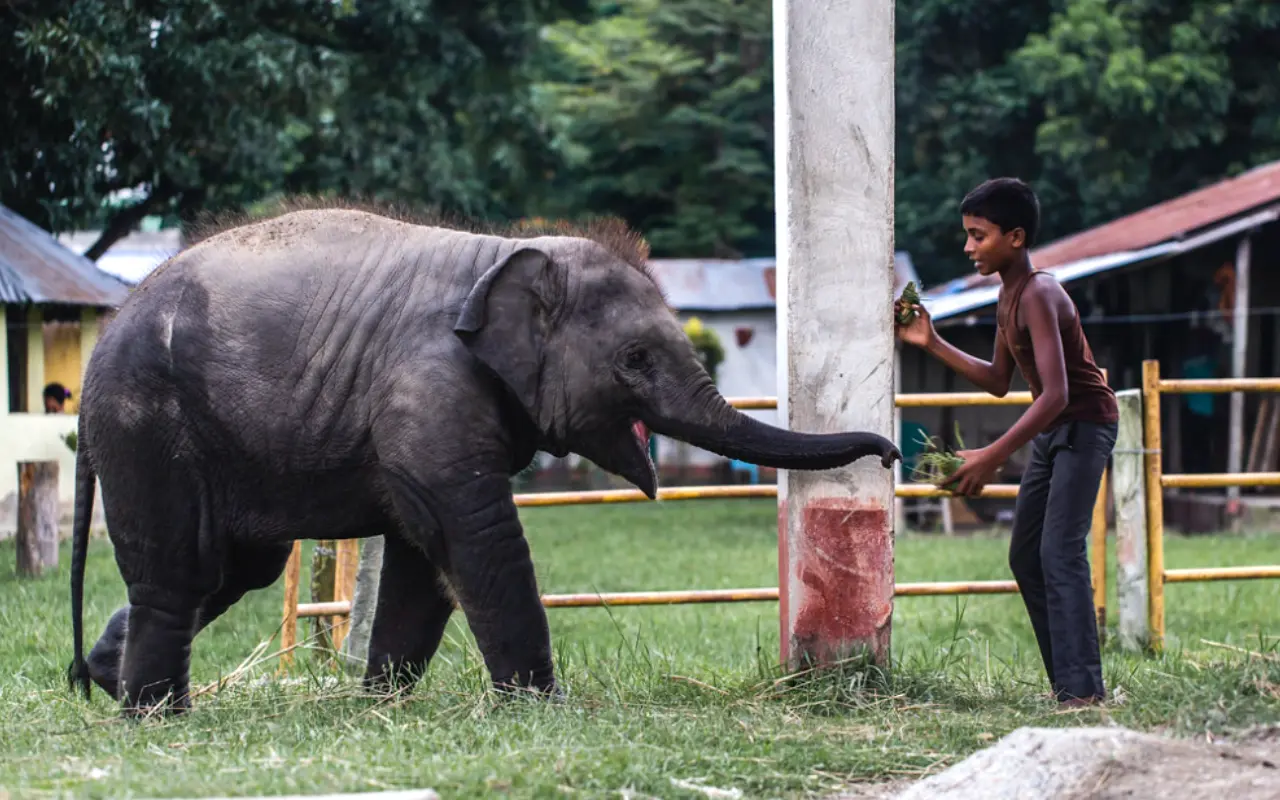
The wildlife reserves of Nepal are full of an enormous array of flora and fauna that show evidence of the diversity of biological makeup in Nepal, which is to be envied. The presence of endangered species that inhabit the wildlife reserves is important to the local ecological equilibrium and natural heritage continuum, but the wildlife reserves preserve wilderness, species, ecosystems, landscapes, and habitats.
Wildlife reserves are a human endeavor to preserve the habitat of endangered and vulnerable species in a threatened state of decline. Wildlife reserves in Nepal foster eco-tourism that promotes appropriate CGI tours that allow sustainable activities within local communities, while generating goodwill towards wild and animal land conservation.
For all nature lovers, experiencing a wildlife reserve in Nepal will create some of the most enduring memories in their lives. Getting close to rare animals in the wild, meadow and mountain views of unblemished landscapes, and fostering the love of wilderness and nature will surely be a special memory of a wildlife reserve in Nepal.
What is a Wildlife Reserve in Nepal?
A wildlife reserve in Nepal is a reserved area where the country aims to protect the wildlife and biodiversity habitats. Most of the wildlife reserves are open areas where the goal is wildlife protection with limited human activities.
Some of the reserves also act like national parks where the emphasis is not only on wildlife but also on the recreation of the people. Protected zones in Nepal generally provide a more sustainable utilization of the resources as well as conservation.
There has been a history with regard to the creation of the wildlife reserves in Nepal so as to conserve their highly important habitats of some endangered species of animals, the wild Asian elephant, the Bengal tiger, and others.
Parsa Wildlife Reserve is one of the examples, as it was set up in 1984 to preserve these species and their environments. Such reserves supplement the national parks that give additional protection to key wildlife corridors and other undisturbed habitats.
Wildlife reserves in Nepal are meant to preserve endangered species and their habitat to achieve a balance in the ecosystem. They offer refuge to a variety of flora and fauna, facilitate ecosystem services, and reduce human and wildlife conflict. These reserves also contribute towards conservation of biodiversity and ecotourism, with the benefits of supporting the local people and conservation of the reserves.
Major Wildlife Reserves in Nepal
1. Koshi Tappu Wildlife Reserve

Koshi Tappu Wildlife Reserve covers about 176 km², and is the home to Nepal’s last remaining wild water buffalo and a variety of endangered species. It is paradise for bird lovers with the bird life characterized by over 400 species recorded, mainly migratory as well as resident species such as Bengal florican and Sarus crane.
In addition to this, its wetland ecosystem supports a variety of wildlife such as gharial crocodiles, river dolphins, and various deer species, especially, making this very crucial for conservation and an eco-tourism site.
2. Parsa Wildlife Reserve
Parsa Wildlife Reserve is famous for its forested areas and is home to many types of mammals. It is a key habitat for the Bengal tiger, Asian elephant, gaur, and many more. It is an important site for forest conservation and the protection of endangered mammals in Nepal’s low-lying Terai region.
The thick forest area of the reserve supports various wildlife, which enhances biodiversity and ecological balance. It also supports the income of local people through escalating eco-tourism and sustainable natural resource use, cementing conservation and community relations.
3. Shuklaphanta Wildlife Reserve
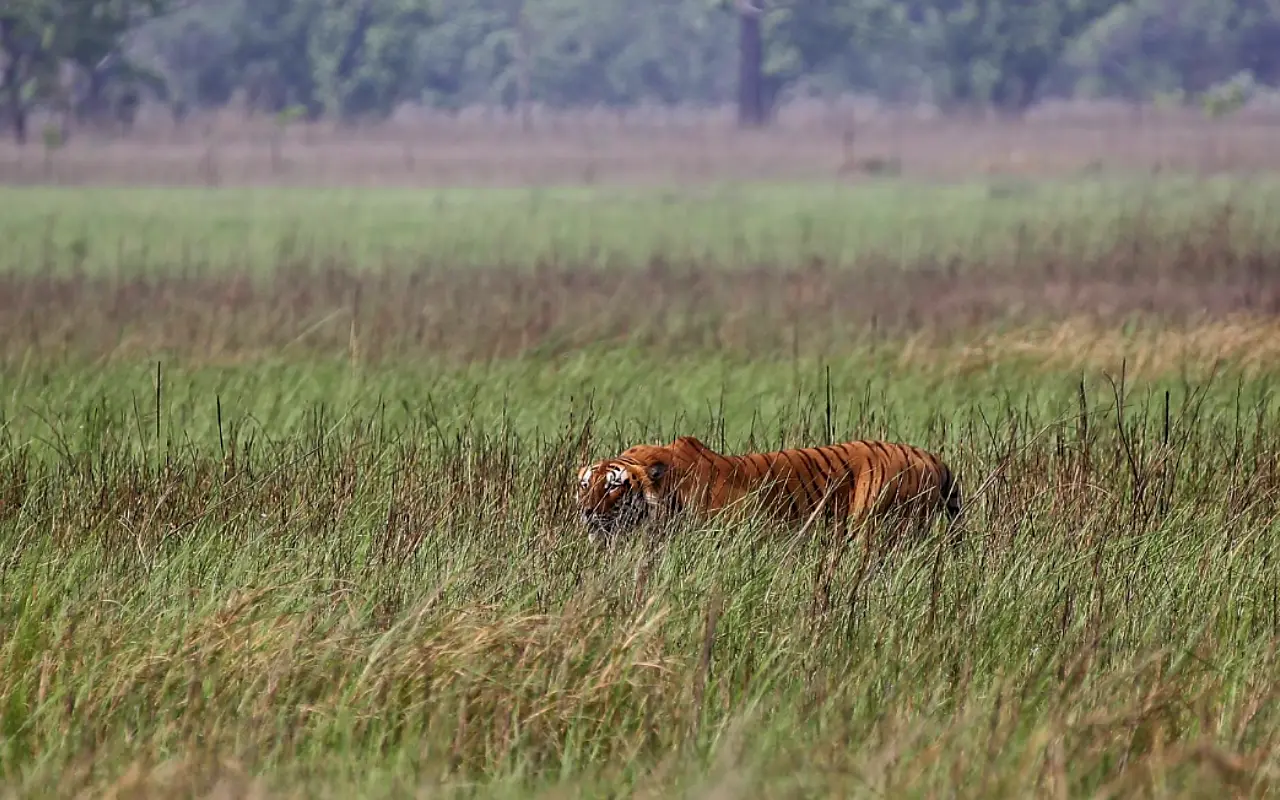
The wetlands and grasslands of Shuklaphanta Wildlife Reserve make it the perfect habitat for swamp deer, which contains the biggest reserves of swamp deer in Nepal. It contains a good diversity of wild animals while encouraging the grassland ecosystem to survive.
The grassland sections, where migratory birds and mammals can attain their necessary habitats to survive, support the health of the entire ecosystem. Eco-tourism is also fostered in Shuklaphanta, which engages visitors in wildlife viewing and promotes awareness and value to the economies of communities.
There are many notable wildlife reserves in Nepal, including the National Park, Babai Wildlife Reserve, and Khaptad National Park. These areas protect rare habitats and species that are part of the entire biodiversity resource conservation of Nepal.
Wildlife and Flora in Nepal’s Reserves
Bengal tiger, one-horned rhinoceros, Asian elephant, Ganges river dolphin, etc., are some of the endangered species preserved in wildlife reserves in Nepal. These wildlife play an important role in maintaining the ecosystem.
Numerous resident and migratory birds can be found in Nepal’s wildlife reserves. Such reserves as the Koshi Tappu bird reserves are famous due to more than 400 species of birds, including some unique migratory birds such as the Bengal florican. These habitats give vital resting places to the migrating birds.
The reserves have unique flora, unique forest types, including dense Terai forests, grassland, and wetland ecosystems. These also accommodate a wide variety of plant species, which help sustain rich wildlife, both tropical hardwoods and alpine shrubs, which allow a wide array of ecological niches.
Top Activities in a Wildlife Reserve in Nepal
Jeep safaris and escorted wildlife tours offer an adventurous experience of travelling in the thick woods and grasslands, spotting everything in the wild, including the Bengal tigers and one-horned rhinoceros. Skilled guides give comments concerning the animals and their habitat to enrich the safari tour.
Birdwatching trips enable visitors to see more than 400 species of resident and migratory birds, especially in the wetlands such as Koshi Tappu Wildlife Reserve. These tours are suited to the leisure bird fancier as well as the more serious ornithologist in search of scarcer species.
Photography sessions and nature walks bring people closer to nature, and because it consists of wildlife, plants, and insects of lesser size, one can get up close and personal with them. The beautiful scenarios in Nepal present photographers with the opportunity to capture some magnificent shots of the various flora and fauna.
River boating/canoeing offers an exclusive view of water-life, including crocodiles, dolphins, and water birds that are found at reserves where there are rivers like Koshi Tappu and Chitwan. This is a peaceful exercise that adds some color to the safari experience and provides exciting wildlife sightings.
Going out in the local communities, visiting Tharu villages close to Koshi Tappu, makes the wildlife reserve visit rich in local cultural information on local ways of life and customs. Such experiences create an understanding of the symbiotic nature of the interaction between indigenous heritage and nature conservation.
Best Time to Visit a Wildlife Reserve in Nepal
November to April is the drier period, and wildlife viewing and bird watching are best during that time, with animals being concentrated around the few water sources. Winter (December to February) is less touristy, with agreeable climatic conditions in Terai, and spring (March to April) is pleasant with tinged flowers.
Summer (May to June) is usually hot and humid, so the temperatures may reach 40 °C, which makes seeing the wildlife more problematic. There is a rainy season in the months of monsoon (July to September), and there is a lack of activities outdoors due to heavy rain and high humidity. Therefore, visiting Nepal wildlife reserves is best during the main portion of late autumn to the early days of the spring season to observe animals and see the birds.
Accommodation Options
Accommodation within a wildlife reserve in Nepal contains eco-lodges and luxury safari camps. They provide pleasant stays with immersion in nature, personal service, and directed wildlife experiences in impeccable settings.
There are also budget guesthouses, located at the entrance to wildlife reserves in Nepal. It can also serve as a fine choice when someone is intending to spend considerable hours around the reserve and the neighborhood village and only needs a mere place to reside. These guesthouses are the basic accommodation at a low cost.
Camping is an excellent activity that enables an adventurous traveler to have contact with nature. In some wildlife reserves in Nepal, camping can only be done in areas that are already designated, and this must be approved by the appropriate authority.
Permits and Entry Fees
Any tourist visiting a wildlife reserve in Nepal is required to acquire an entry permit, yet the prices differ among the nations. Depending on his or her nationality, international visitors are charged much more than SAARC nationals and Nepali nationals. Permits allow people access to hunting areas where they make payments to fund conservation.
In Nepal, the wildlife reserve has permits that are procured at the park’s main entry gate or the Nepal Tourism Board Kathmandu office. Once you have acquired a permit, you will be required to keep it with you while in the reserve.
Within a wildlife reserve in Nepal, the laws that one must abide by include no plant and wildlife disturbance, appropriate waste management, limited walking hours, and guides being mandatory in activities like walking through the jungle in order to conserve nature.
Travel Tips for Visiting a Wildlife Reserve in Nepal
- Pack breathable clothing that can be layered for changing weather and a rain jacket.
- For hiking the wildlife reserves in Nepal, bring good sturdy trekking shoes and moisture-absorbing socks.
- Pack a hat, sunglasses, and repellent for sun and insect protection.
- Take the wildlife reserve guides seriously and do not tease or feed animals.
- Use eco products and discard single-use plastics to have less environmental impact.
- Remember to dispose of waste material, but not in the reserve, and also do not disturb the flora and fauna.
- To spot wildlife and provide expertise on the content and culture of the place, hire local guides, and contribute to the community via their local wildlife protection.
Conclusion
A remarkable variety of flora and fauna that observed within the native habitats awaits in the wildlife reserves in Nepal, and it is one of the best chances to witness them worldwide. Moreover, one can visit the wildlife reserves in Nepal to have some cultural experiences and biological diversity, in an excellent, exotic, and untouched environment.
Responsible travel will assist in making sure these fragile ecosystems are taken care of, aid in making sure we leave their cultural traditions intact, and be considerate of their participation in conservation. Your visit provides partial support to a sustained tourism activity, which in turn supports the wildlife and also the locals in or around these reserves.
