noti-icon

Unbeatable Holiday Offers - Save Up to 20% on Your Next Adventure!

Ghandruk Village, A Gateway to the Annapurna Himalayas

In the Annapurna region of Nepal, Ghandruk village is a quaint Gurung community. This village is known for amazing close-up mountain views and cultural interaction, making it a regular stop for trekkers who are trekking in the Himalayas.

Ghandruk village represents the Gurung culture in beautiful houses, museums, cultural experiences, and temples. Here, visitors will enjoy the local hospitality and amazing views of Annapurna South, Machhapuchhre, and Hiunchuli peaks, which make Ghandruk village a top spot for tourists.
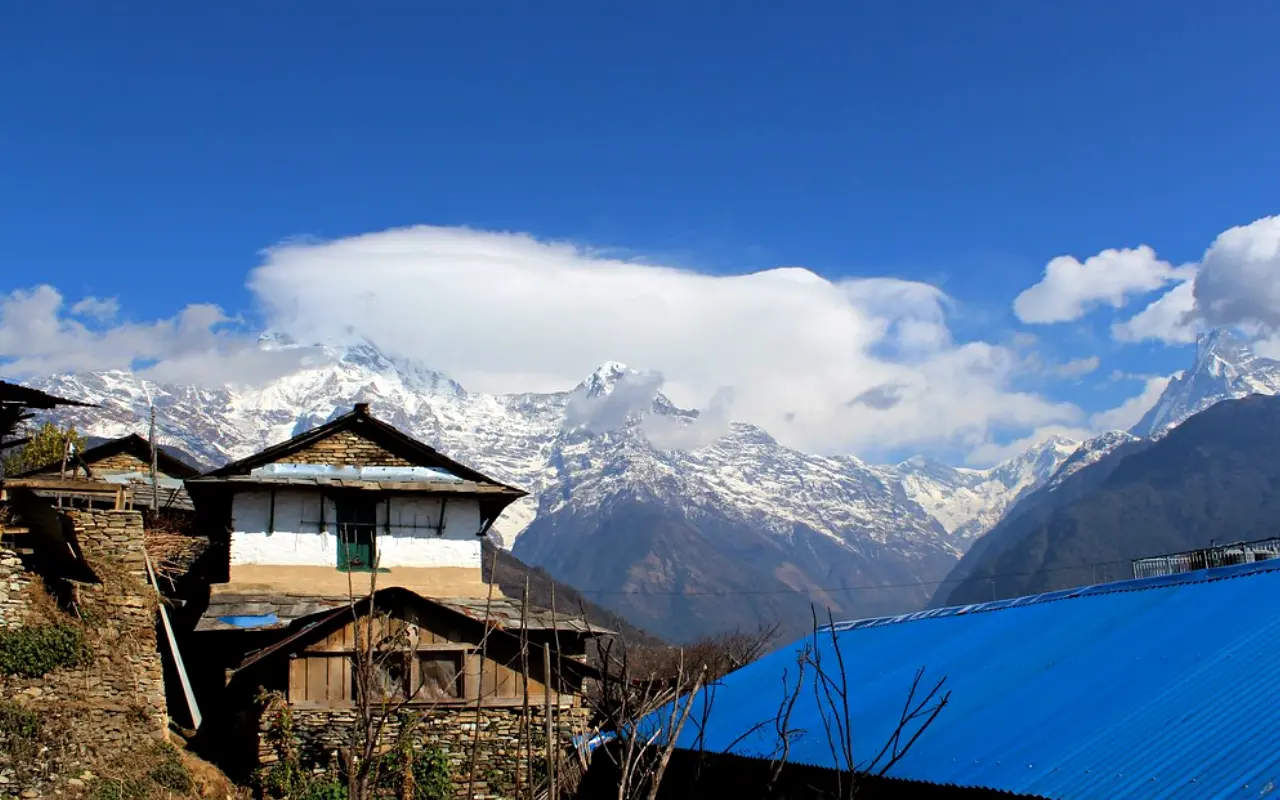
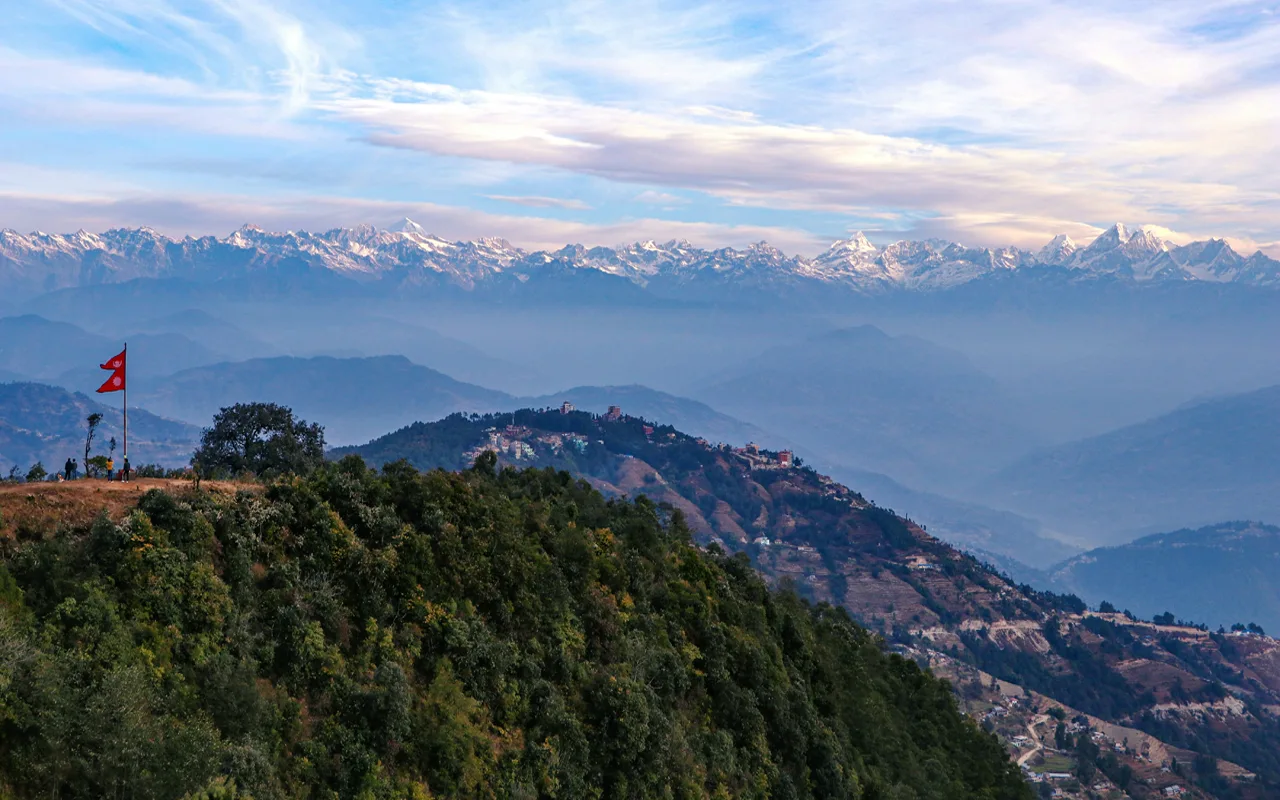
Scenic View from Ghandruk Village

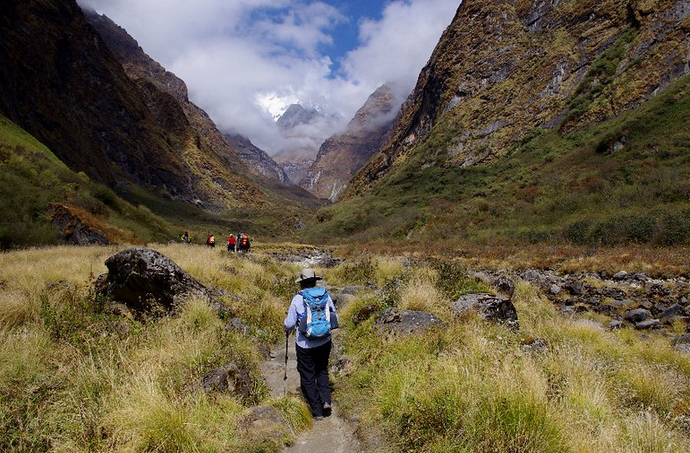
Ghandruk village, which is roughly four to five hours distant from Pokhara, is fairly accessible. Numerous trekking trails in the Annapurna region pass through this settlement. In this area, there are many scenic hikes through forests, terraced fields, wrapped amongst the Annapurna Himalayas.

The purpose of this guide is to provide you with information about Ghandruk village. We will provide information related to the best time to visit Ghandruk, trekking options from Ghandruk, staying options in Ghandruk village, etc. After reading this blog, you will be able to know all the information to plan your trip to Ghandruk village.

Where is Ghandruk Village Located?

Ghandruk village is located in the Kaski District of the Annapurna region of Nepal. It is situated at a height of roughly 1,940 meters above sea level. This place offers a perfect blend of food and cultural heritage, reflecting its deep connection with natural beauty.

Ghandruk village sits near some of the amazing Himalayan peaks, including Annapurna South, Hiunchuli, and Machapuchare. These mountains provide you with spectacular views and panoramic backdrops, making them an important starting point for trekking in the Annapurna Sanctuary.

How to Reach Ghandruk Village
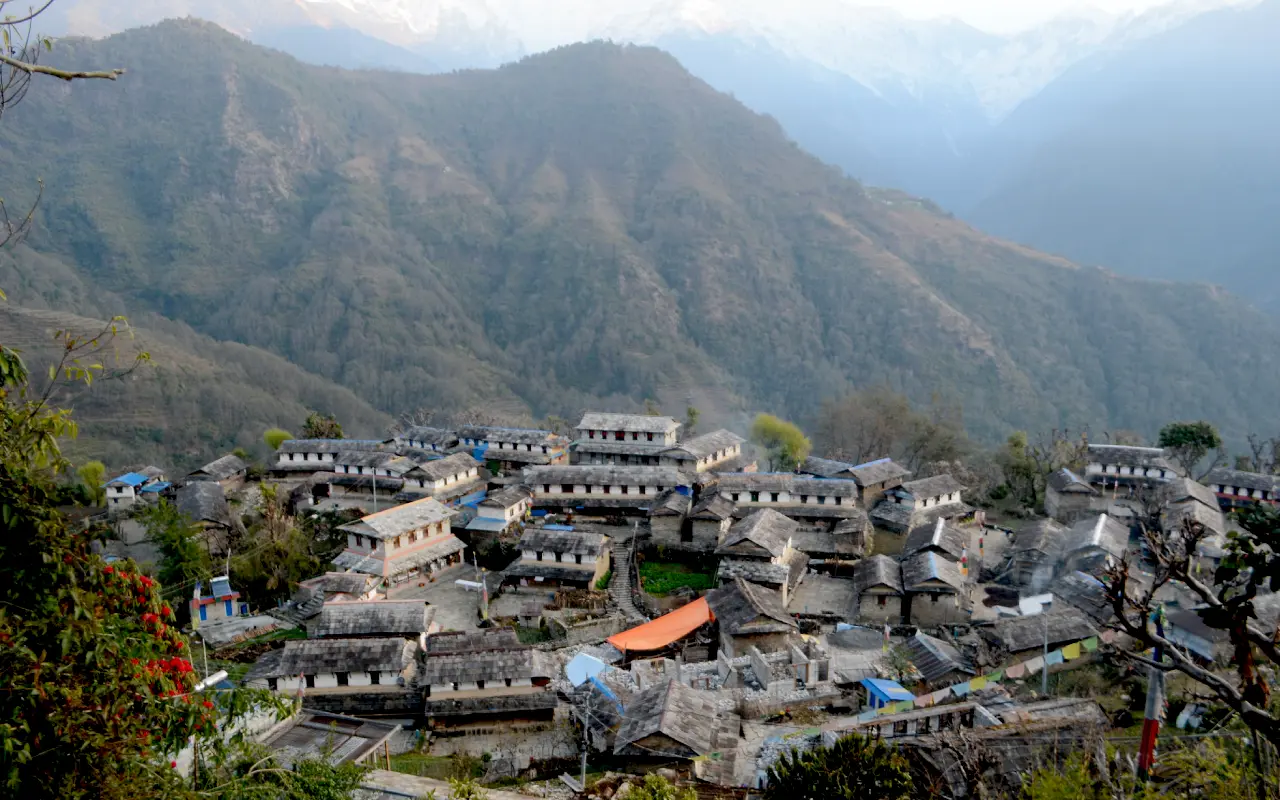
Ghandruk Village, a hidden gem in the Annapurna region

By Road from Pokhara

To travel to Ghandruk village by road from Pokhara, you will first need to travel by Road to Nayapul, which is 42km away and will take approximately 1.5 to 2 hours by bus/private vehicle. Nayapul is the main access point into Ghandruk and the surrounding treks.

From Nayapul, you have the option of renting a 4WD jeep, which will take you to Ghandruk, which is a further 23km away. The jeep ride will likely take 2 to 3 hours total, depending on the road conditions. Taking the jeep will be a faster and much more comfortable option than trekking the entire distance.

By Trekking

Generally, the walk from Nayapul to Ghandruk village will take around 4 to 5 hours as you are going 8.6 kilometers (5.3miles) along the trail through Birethanti, Chimrung, and Syauli Bazaar. In general, the trek will be a slow, gradual uphill to Ghandruk village, among rice terraces and forests, making it an easy trek for beginners and nature lovers.

The trek provides many beautiful views, from villages and the lush countryside, to close-up views of Annapurna South, Hiunchuli, and Machhapuchhre peaks. In addition to the views, the trek provides cultural experiences as you stay with the Gurung people and take in their hospitality in Ghandruk village, which is an important experience for adventure in the Annapurna region.

From Kathmandu

It takes about 25 to 30 minutes to fly from Kathmandu to Pokhara is the fastest and easiest option. There are multiple flights per day on this route, and prices start from around USD 104 for foreign tourists.

If you want to travel overland, there is a bus service that takes about 6 to 8 hours to travel from Kathmandu to Pokhara. Several tourist buses run from Kathmandu that offer comfortable and low-cost services. VIP and deluxe buses run daily from the bus parks in Kathmandu. Upon reaching Pokhara, you can take a bus or trek to Ghandruk village.

Why Ghandruk is the Gateway to the Annapurna Himalayas

Ghandruk village is referred to as “the gateway to the Annapurna Himalayas.” It is one of the most prominent trailheads for trekkers visiting popular treks of Annapurna region such as Annapurna Base Camp, Poon Hill, and Mardi Himal. Many trekkers either begin their journey from Ghandruk or use it as a resting point during longer treks through the Annapurna Himalayas.

Ghandruk is at the centre of the Annapurna trekking map, hence its location provides access for multiple routes. It also serves as a prime base for exploring multiple routes, as many of the trails interconnect at various points in the Base Camp region of Annapurna.

Ghandruk has easy access to wonderful views of Annapurna South, Hiunchuli, and Machapuchare, and the elevation presents the experience of seeing very high peaks without the risks associated with very high altitude.

Trekkers will have the benefit of trekking experiences of varying duration, distances, and experience levels to incorporate some points of interest into their trekking itinerary, along with superlative views of the Himalayan mountains.

Ghandruk village offers good access to the Annapurna region and brings with it its unique knowledge and experiences, such as Gurung culture and Gurung hospitality. Visitors can look forward to two cultural experiences of interest, displaying immense natural beauty and unique culture, which makes Ghandruk a gateway to the Annapurna Himalayas.

Culture and Tradition of Ghandruk Village

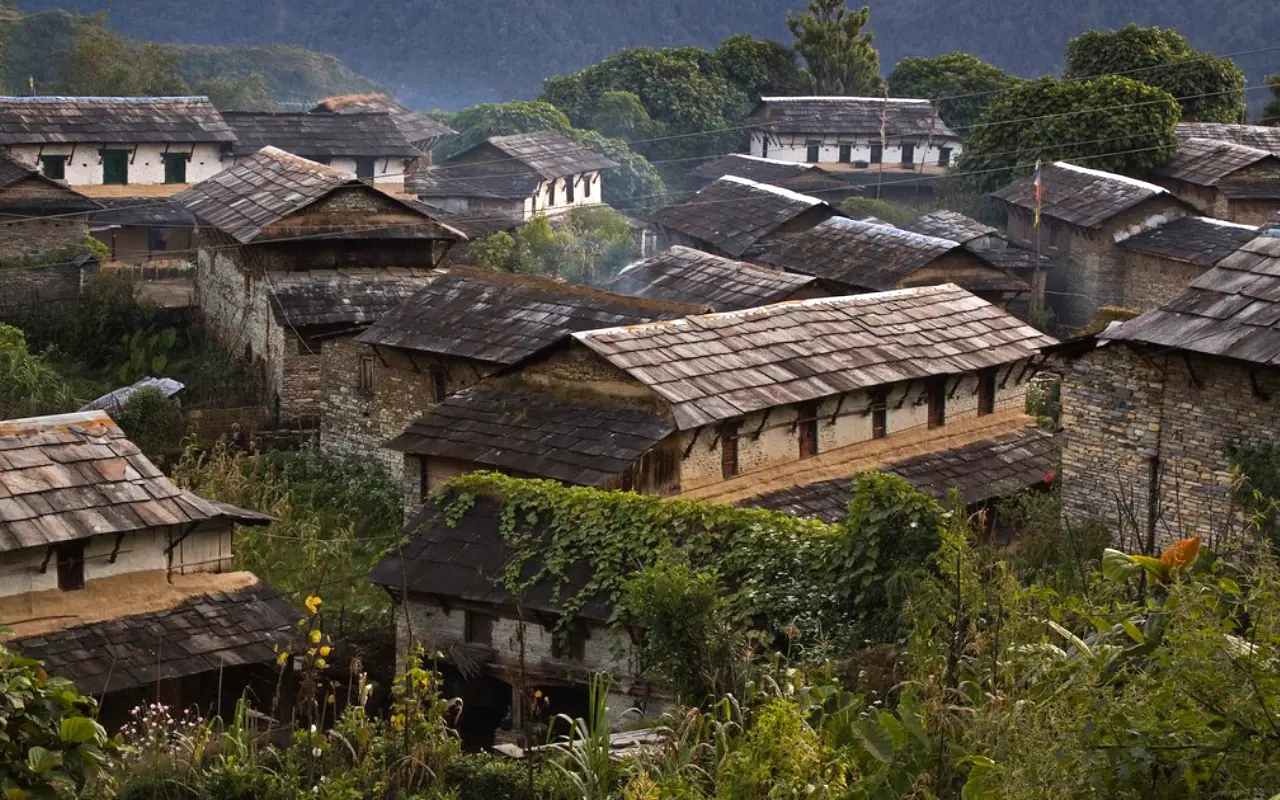
Ghandruk village is mainly a Gurung community, known for its cultural heritage and craftsmanship. The traditional Gurung houses are stylistically built in stone and are identifiable by their exquisitely carved wooden windows and doors.

You can visit the Gurung Museum in Ghandruk. You will find traditional clothes, agricultural tools, handicrafts, and relevant information on the value of Gurung vestiges. Visitors are also invited to join with the locals for participatory programs that include local traditions of warmth and hospitality, taking part in cultural programs, and opportunities to observe their traditional dances.

The women weavers of Ghandruk are adept at weaving intricate patterns on their woven looms to construct beautiful textiles that are directly linked to Gurung artistry. The Gurung continue to practice many customs passed down, from festivals to types of music and dance, including the Rodhi, which enriches your cultural experience.

When you stay in Ghandruk, you can experience the daily Gurung lifestyle if you elect to stay in homestays. You will have direct experience with local Gurung farming practices and local dishes, and engage with their local traditions of socializing. Despite the increasing presence of tourists in Ghandruk, the village continues to retain its identity as a culturally vibrant Gurung community.
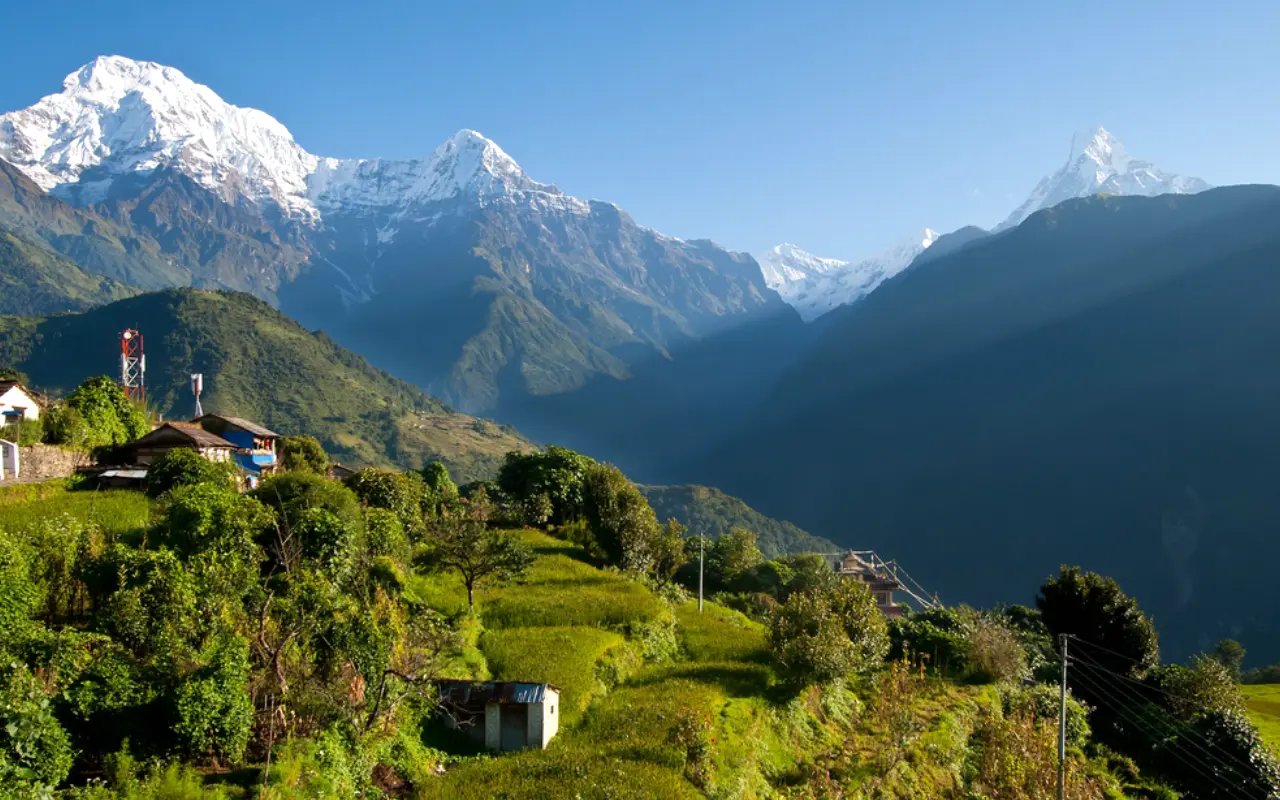
Ghandruk village
Ghandruk village

Natural Beauty and Himalayan Views

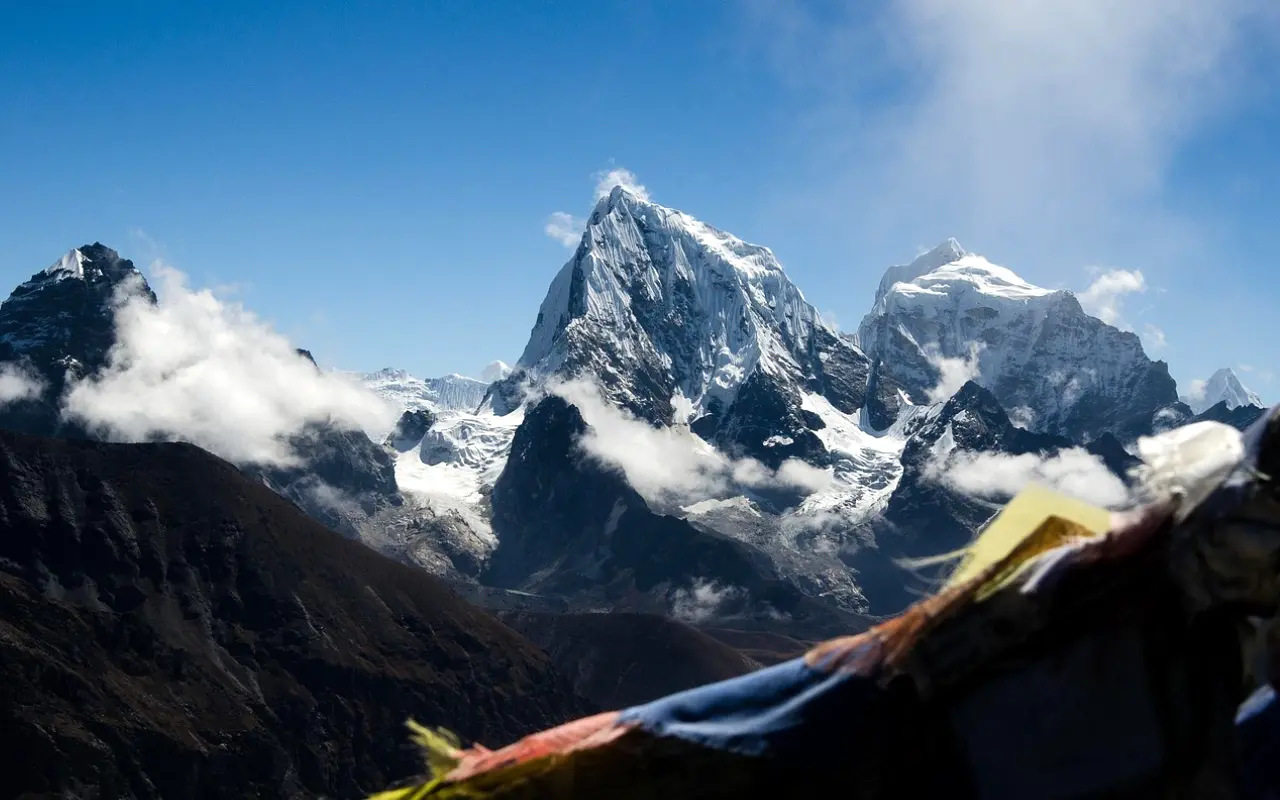
Ghandruk village, situated in the Annapurna Region, provides unobstructed, awe-inspiring views of the iconic Himalayan peaks of Machapuchare (Fishtail), Annapurna South, and Hiunchuli. Their majesty creates allure for trekkers and lovers of nature to visit the village.

Also, the vegetation is comprised of lush forests, terraced farms, and the beautiful, bright colors of springtime, Rhododendron flowers. All of which makes for scenic, natural beauty in every direction.

The combination of the stunning mountain scenery and the peace and tranquility of rural life make Ghandruk a lovely place to visit in the Annapurna region.

Trekking Options from Ghandruk Village

Ghandruk village is the starting point of the popular Annapurna Base Camp trek. The route is amazing with beautiful scenery, and it passes the terraced fields, beautiful rhododendron forests, and other Gurung villages. It provides amazing mountain views along the trek route to the base camp while making a gradual ascent to the base camp.

If you are looking for combining Ghandruk with other short duration trek, then combining Ghorepani Poon Hill can be a good options. Ghorepani Poon Hill trek is shorter and less strenuous trek. This trek offers a spectacular sunrise view of Annapurna and the Dhaulagiri mountain range, perfect for travelers with less time.

Families with children, and those simply wanting to hike for a short time, have plenty of opportunities to hike to many cultural sites offered as a family-friendly trek from Ghandruk. The Ghandruk Loop Trek is a simple and easy trail at a very relaxed pace that would take approximately 5 days, with the trail passing through the nearby villages of Dhampus and Landruk.

With all of these trekking options available, Ghandruk can be a fantastic base for a myriad of options in the Annapurna region, whether that be for trekking for the trek to the Annapurna Base Camp, or enjoying a few gentle cultural walking treks. Ghandruk offers all of Nepal’s most beautiful landscapes, scenery, and the authentic experiences of life in the mountains.

Where to Stay in Ghandruk

Ghandruk village has several teahouses and homestays, providing comfortable accommodation to trekkers and travelers. You will obtain a traditional experience with modern facilities in Ghandruk village, and that will make the stay authentic and comfortable.

However, some lodges and homestays offer modern facilities, including hot showers and western food options. After a hard day trekking in the mountains, you will be happy to feast on a variety of meals and watch amazing traditional dances.

Some lodges and guesthouses have fabulous mountain viewpoints for guests to sit in their rooms and enjoy the views of Annapurna South, Hiunchuli, and Machapuchare peaks. Those views and warm hospitality make staying in Ghandruk worthwhile, as many travelers have discovered.

Best Time to Visit Ghandruk Village

Spring and autumn are the best times to visit Ghandruk village. These seasons offer the best weather conditions with blooming flowers and a colorful forest along the way. In winter, Ghandruk is cold but clear with beautiful mountain views.

If you are looking for solitude, then winter travel is for you. Avoid visiting Ghandruk village in the monsoon because of heavy rain, slippery trails, and poor visibility. Monsoon can ruin your trekking plan and opportunity to see the village and the surrounding area.

Essential Travel Tips

  • Don’t forget to secure the Annapurna Conservation Area Permit and the Trekkers Information Management System permit before you begin your trek.
  • Layer up in warm clothes to be comfortable during the chilly mornings and nights.
  • Bring enough money in cash form because there will be no ATMs in Ghandruk.
  • Put on Proper hiking shoes, which are good for the rough ground.
  • Follow local customs and treat locals with respect.

Frequently Asked Questions (FAQs)

How far is Ghandruk Village from Pokhara?

The distance from Pokhara to Ghandruk village is between 32 and 54 kilometers northwest. The duration is about 1.5 to 2 hours by road.

Is Ghandruk Village suitable for families or beginner trekkers?

Yes, Ghandruk is suitable for families and beginner trekkers because it offers cultural interaction with amazing surrounding scenery.

Do I need permits to visit Ghandruk?

Yes, you need to get an Annapurna Conservation Area Permit (ACAP) and a Trekkers Information Management System (TIMS) card to go to Ghandruk, including the Annapurna region.

Can I reach Ghandruk Village by jeep?

Yes, you need an Annapurna Conservation Area Permit (ACAP) and a Trekkers Information Management System (TIMS) card. The jeep journey from Nayapul to Ghandruk will last approximately 2 to 3 hrs, depending on the condition of the road.

What altitude is Ghandruk Village at?

About 1,940 meters above sea level is where Ghandruk is situated.

What are the main trekking routes from Ghandruk?

The primary pathways from Ghandruk are the track to Annapurna Base Camp, the Ghorepani Poon Hill trek, and several short cultural or family friendly trips around the village.

Is there a mobile network and Wi-Fi in Ghandruk?

Yes, in Ghandruk, several tea houses and lodges have WiFi and mobile network coverage. However, it is important to understand that it might be slower and less reliable than in the city.

What are the best months to visit Ghandruk Village?

The optimal period for a trip to Ghandruk is the spring season (March to May) and in the fall (September to November) when the sky is clear and the scenery is breathtaking.

Can I visit Ghandruk as a day trip from Pokhara?

Yes, it is feasible to make day trips from Pokhara to Ghandruk. However, it might be a bit challenging because of the travel time. The majority of tourist extend their stay in Ghandruk for at least one night so that they can have a complete experience of the village and the trek.

What kind of food and lodging is available in Ghandruk?

Ghandruk has many tea houses and homestays that serve local Nepali dishes, including Dal Bhat. They also have lodging, which usually means hot showers and Wi-Fi at the accommodations, providing trekkers with some comfort.

Conclusion

Ghandruk village is a Himalayan highlight, offering a unique combination of amazing mountain views, in particular Annapurna South, Hiunchuli, and Machapuchare, along with a variety of rich Gurung culture and hospitality set in the stunning Annapurna area.

Ghandruk is a good base for both short culturally rich experiences or for serious trekking adventures, including reaching Annapurna Base Camp or Poon Hill. In addition, it is easily accessible and has trekking opportunities that suit all traveler types, irrespective of your skill level and duration.

Don’t miss the chance to visit this enchanting village on your next trip to Nepal. Ghandruk offers magical experiences, which you do not want to miss – it is a must-see location while exploring the compelling Annapurna Himalayas!
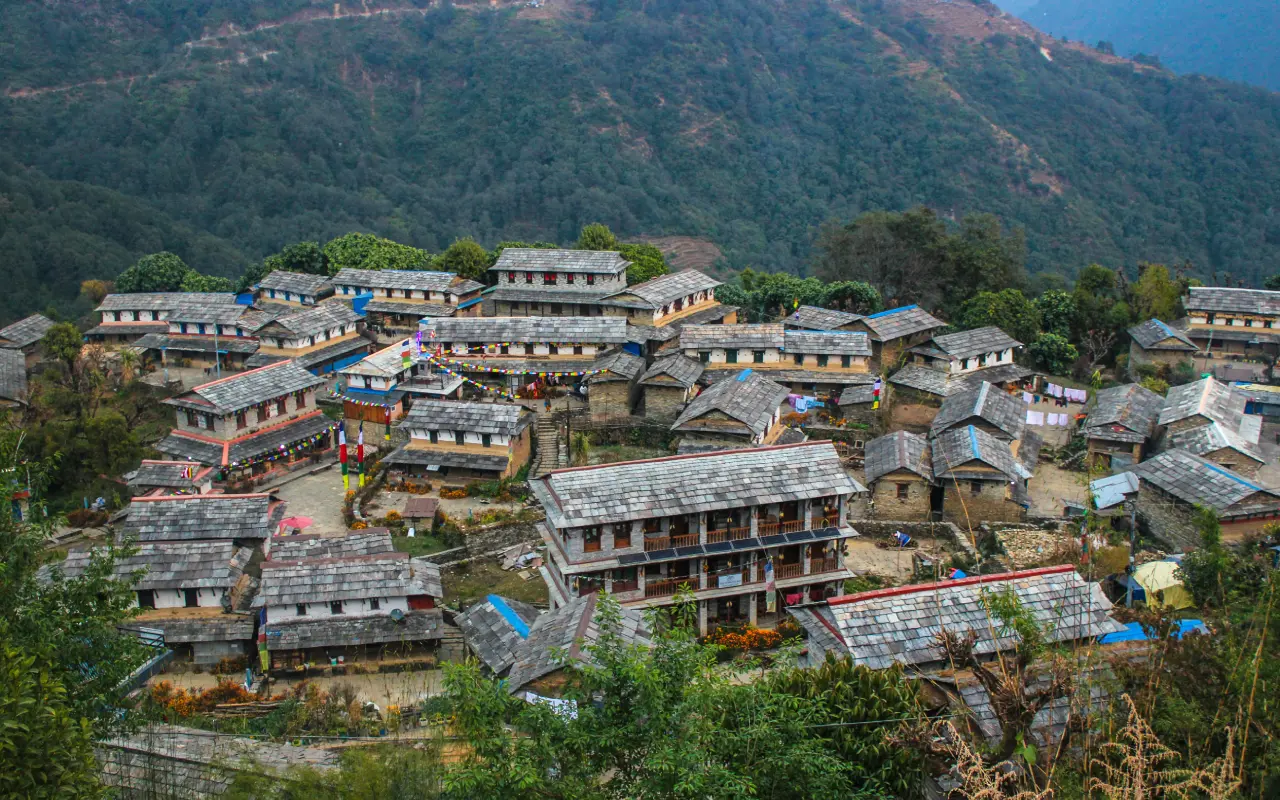
Pokhara to Ghandruk Distance by Road and Trek A Complete Guide

Ghandruk is a trekking village in the Annapurna region that has gained popularity for its great Himalayan views and Gurung culture. This village is an essential stop on trekking routes such as the Annapurna Circuit but also a launching off point for treks of shorter duration, like the Ghorepani Poon Hill trek.

The route to Ghandruk from Pokhara is a good option for short treks because of its ease of access and variety of scenery. In just a few days, trekkers can visit cultural villages, wander through lush forests, and enjoy spectacular mountain views, which is ideal for trekkers with time limitations.

This guide will focus on the Pokhara to Ghandruk distance by road and trekking and will present the travel options by private vehicle, bus, and jeep ride as well as trekking routes, including the typical Nayapul to Ghandruk distance. The guide will also include some general advice to help trekkers have a safe and enjoyable trip.

By understanding the Pokhara to Ghandruk distance and methods of travel, trekkers can begin to prepare their treks better. Whether you take a Jeep ride, which is around 42 to 52 kilometers, or a multi-day trek to Ghandruk depends on your interests. With the information in this guide, you have everything you need to prepare for your trip.

Pokhara to Ghandruk Distance
Beautiful Ghandruk Village

Where Is Ghandruk Located?

Ghandruk is a traditional Gurung village, located in the Kaski District of Nepal, and it has the characteristics of Villages found throughout the Annapurna region. Ghandruk is about 32 kilometers northwest of Pokhara via road and represents a manageable distance from Pokhara, to help the traveler digest the Pokhara to Ghandruk journey.

Ghandruk is located at about 2,012 meters, which contributes to the initial cool mountain climate and also gives trekkers some time to acclimatize to the altitude of the Himalayas, viewing experience.

Ghandruk is known for its Gurung culture, unique stone-and-mud traditional houses, Gurung cultural museums, and thriving local traditions, providing trekkers with a cultural base to experience real mountain village life.

From Ghandruk, you can enjoy top scenic views of Annapurna South, Machapuchare (Fishtail), Gangapurna, and Hiunchuli; all of which give another reason to visit the village. Because of the easy distance from Pokhara, Ghandruk is a major destination for both short and cultural trekking options.

Distance from Pokhara to Ghandruk

The Pokhara to Ghandruk distance on the road is around 55 to 60 km in total, depending on road conditions. The jeep or private vehicle option takes about 1.5 to 2 hours, and buses take about 3 to 5 hours due to stops and slow progress.

For trekking distance, it would depend on where you start from. The trek generally starts at Nayapul and is about 9 to 15 km to reach Ghandruk. The trek from Nayapul to Ghandruk takes about 4 to 6 hours, depending on fitness and conditions.

There are different combinations of road and walking from Pokhara up to Nayapul or Kimche, which allows you the comfort of a Motor Vehicle with the adventure of starting a trek. You really can handle the Pokhara and Ghandruk distance in a day or two from Pokhara.

The Pokhara to Ghandruk distance will not be much different if you travel via road or trek. The jeep ride will give you access in a shorter time frame than the trek or foot, and give you the opportunity to observe some sense of nature and culture, so which option you select, the travel time is either 2 hours in a motor vehicle or a full day walking distance.

Pokhara to Ghandruk Distance by Road

Ghandruk is roughly 53 to 57 kilometers away from Pokhara via car. You will begin your journey in Pokhara and go to Ghandruk, Nayapul, and Kimche. This route is common among tourists going to the Annapurna region and has some nice mountain views along the road.

The road conditions vary. Access to the jeep to Kimche or Ghandruk depends on the weather and maintenance of the road. During monsoon or road construction, vehicles may only go to Kimche or Vikash Danda, which means you need to take a short trek into Ghandruk.

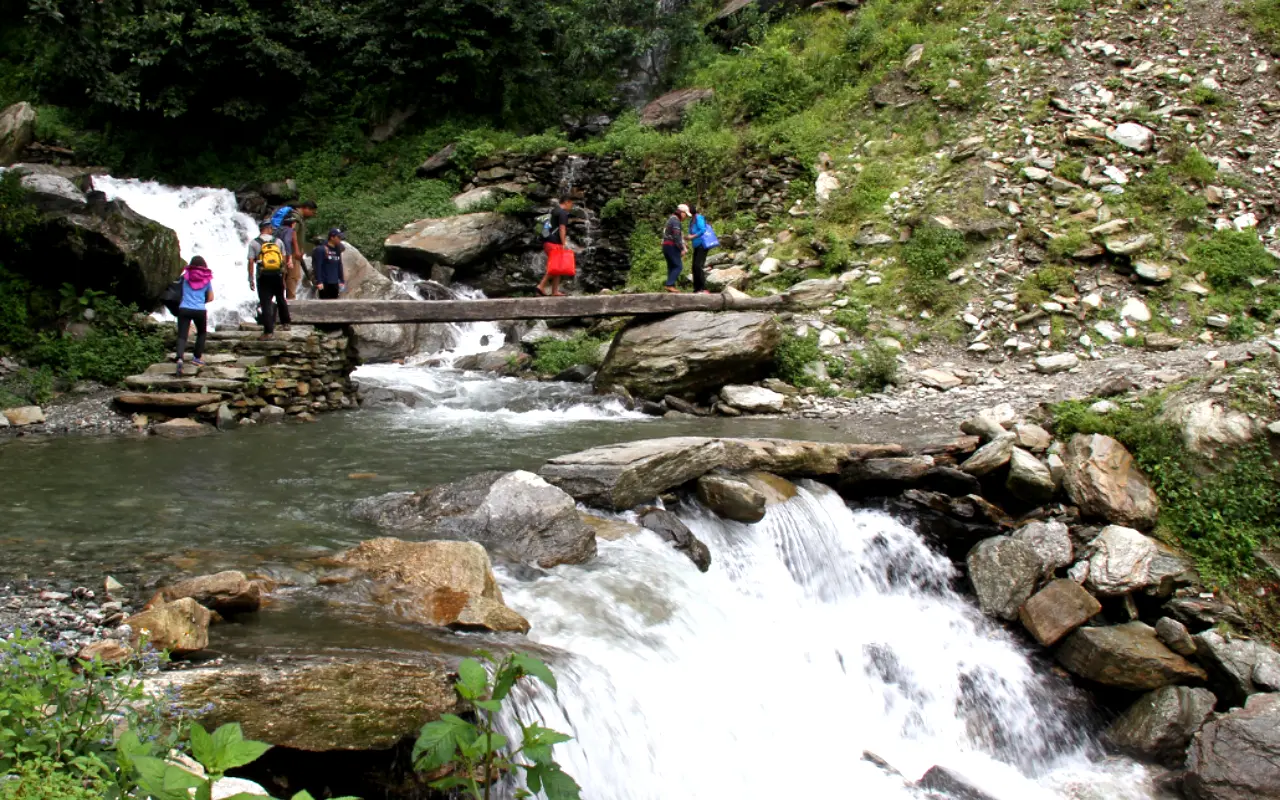
People crossing a man-made wooden bridge over the waterfalls in Ghandruk

Transport options are private jeeps, shared jeeps, and public buses. Private jeeps are a lot quicker and more comfortable to travel in and usually take about 1.5 to 2 hours. Buses are cheaper but slower, taking between 3 to 5 hours, as the buses have to make many stops, not always in the best road conditions.

The length of the journey depends on the vehicle and the condition of the roads. A private jeep usually takes about 1.5 to 2 hours from Pokhara to Ghandruk, while a public bus will take longer, about 3 to 5 hours.

Overall, the distance by road from Pokhara to Ghandruk provides a good variety of travel options. Whether you take a quick ride in a jeep or a slower journey on a bus, you will always have an excellent jumping point to visit Ghandruk, which highlights its cultural and natural attractions and is a perfect opening point for trekkers and travelers.

Pokhara to Ghandruk Trekking Route Distance

While the Pokhara to Ghandruk trekking route is relatively straightforward, there are two regular choices for reaching this beautiful Gurung village. The first is a convoluted hike that leads to Ghandruk via Birethanti and Nayapul. This option will have trekkers walking approximately 9 to 15 kilometers before reaching their destination.

On the other hand, the second option is to drive by jeep or vehicle from Pokhara to Kimche and then trek for 1 to 2 hours to reach Ghandruk. This option is great for trekkers who want less stress of carrying a heavier backpack or can plan their time more wisely to enjoy the natural scenic trek without the long-haul hike.

Both trekking options are relatively easy to moderate for beginner trekkers and families. In terms of the distance from Pokhara to Ghandruk, both routes have easy walking terrain and gentle uphills.

On both routes, trekkers will anticipate some great highlights such as natural cascading waterfalls, rolling terraced fields, and epic mountain views of Annapurna South and Machapuchare. The experience of walking through traditional villages and interacting with locals is appreciated too.

Finally, the Pokhara to Ghandruk distance by trekking is an amazing blend of culture, nature, and unbelievable landscapes. The longer trek from Nayapul or the Kimche route offers trekkers a memorable experience for sure when in the Himalayas.

Trekking Duration and Itinerary

The trek from Nayapul to Ghandruk takes 4 to 5 hours (8.6 kilometers in distance), and it is a pleasant trek for beginners and families. While trekking from Nayapul to Ghandruk you will see terraced fields, forests, and small villages along the way, and the trail is fun and interesting.

Trekking from Kimche takes less time and a maximum of 1 to 2 hours. Kimche is the closest point for a motorcycle ride to Ghandruk so many travelers will motorbike to Kimche and hike the remaining distance. This is a good option for those who want to enjoy a quick trek during the day with a light backpack.

You could also trek the Pokhara to Ghandruk distance in 2 days or 3 days as a short trek. This way you will have time to spend in Ghandruk village, enjoy the mountain views of the Annapurnas, and see how the local people live without feeling rushed. As a start for beginners or families wanting to go slow, this is a good option.

Overall, the Pokhara to Ghandruk distance trekking options are easy to moderate, and the trails are well-marked with beautiful views. It is also a nice combination of nature, culture, and manageable trek time. It is an ideal short trek for a popular destination in the Annapurna region.

Best Time to Visit Ghandruk

The ideal seasons to visit Ghandruk are the spring and autumn seasons, when the weather allows for clear, stunning views of the mountains. Since both seasons would be the best choices for the weather, depending on what overnight stays can be enjoyed the best, both seasons offer ideal weather conditions where trekking is pleasant and visitors can see nature.

Ghandruk: Where Tradition Meets the Mountains

Winter can still be a good time to visit for those who want to experience seeing Ghandruk covered in snow. Although winter can be cold, the crisp, conducive traveling air and beautiful snow can be an experience of its own for travelers.

It is not advisable to plan any trek between June to August based on the traction of trails and debris in the season, as it changes to journeys whereby the journey to Pokhara to Ghandruck looks like a potential risk.

Overall, spring and autumn are safe for trekking the Pokhara to Ghandruk distance, considering it is more than comfortable weather, the road conditions should remain stable, and witnessing the stunning views of the mountains is something for chirping visitors.

Where to Stay in Ghandruk

Accommodations in Ghandruk primarily consist of teahouses and guesthouses that are basic but comfortable for trekkers. Many of the teahouses and guesthouses in Ghandruk provide food, which is welcomed by trekkers.

Additionally, visitors can stay with the Gurung family through a local homestay program, where they can eat traditional local meals with the family and learn about the village traditions, and how to become engaged in village life, which enhances the trekking experience.

Firstly, nice and popular lodges like Hotel Gurung Cottage and Hotel Milan get excellent reviews for cleanliness, hospitality, and mountain views. Several lodges offer hot showers and cozy rooms after undertaking some of the Pokhara to Ghandruk distance trails.

If you are going trekking during peak seasons such as spring and autumn, it is highly advised to book your accommodation in advance to secure the lodging you want. Many teahouses and guesthouses will accept walk-ups, especially if you were to choose off-peak trekking, which allows for more flexibility for free-spirited travelers.

Permits Required for Ghandruk

To trek in the Annapurna region, including Ghandruk, you are required to obtain an Annapurna Conservation Area Permit (ACAP). This permit enables the conservation efforts and management of the area and is required for all trekkers entering the Annapurna Conservation Area (ACA).

In addition to the ACAP, trekkers must also obtain a Trekker’s Information Management System (TIMS) card. The TIMS card allows authorities to track the number of trekkers for safety and management purposes. Both permits are non-transferable and need to be on you throughout your trek.

You can obtain these permits in the Nepal Tourism Board office, the Department of National Parks and Wildlife Conservation, or the Tourism Board office. As permits can only sometimes be obtained at trekking entry points, it would be very strongly recommended to obtain permits before going on your trek, so there will be no delay or additional expenses.

At some trekking entry points, permits may be issued, but there will likely be an increased fee and an increased chance of delays. If we prepare documents such as passport copies, passport-sized photos, and the details of your trip, your application will be completed and submitted to facilitate the application for all routes in the Annapurna region.

Tips for the Journey to Ghandruk from Pokhara

As you set out on your journey from Pokhara to Ghandruk, don’t forget to take enough cash with you. There are a limited number of ATMs in Ghandruk and surrounding villages, so if you take enough cash with you, you won’t have to worry about paying for accommodation, food, or any permits.

Trekkers should travel light for maximum comfort along the way. Traveling in layers is a good option to be able to adjust for changes in temperature along the route. Warm clothing for cold mornings and evenings, and breathable short or long-sleeve shirts for during the day can be beneficial. Good trekking boots are also a good idea, along with a raincoat during unpredictable weather months.

Starting your travel early in the day is also recommended so you can avoid any possible delays because of traffic, unexpected weather, and poor road conditions. Early travel times will also ensure that you’ll arrive at your destination with enough daylight to continue your trek safely and enjoyably on the Pokhara to Ghandruk distance route.

Hiring a local guide or porter is optional but highly recommended for the added benefit of an enhanced experience on the trail. A local guide will share significant knowledge of the local Gurung culture and describe the local flora and fauna you will encounter. A porter is also recommended because they can help you carry some of your heavy loads, thereby allowing you to have an easier and much more comfortable trek.

Also, be sure that you take care of the weather considerations at a time of year when there may be significant showers, especially during the monsoon season when trails become slippery and potentially dangerous. Checking forecasts tells you what to expect, but planning your trek in the best trekking seasons will enhance your safety and enjoyment, which are much better in spring or autumn.

Finally, you should adhere to the practices of respect for local customs and for the environment. Ghandruk is a culturally rich village. It is important to respect the environment so that we preserve the natural state.

Conclusion

A traveler has a choice of whether to travel via road or trek in order to get to Ghandruk. The road travel will be quicker and more comfortable, as it will take around 3-5 hours to travel approximately 55-60 kilometers.

A traveler can also choose to travel via trekking, starting from Nayapul or Kimche. Trekking from Nayapul or Kimche provides a more immersive experience, and the various routes may range in distance from 9 km to 15 km, with the varying time being from several hours to all-day treks.

Ghandruk is a must-see and a must-experience place for people who love nature and culture. Ghandruk provides excellent views and the Gurung culture, which showcases everything this area has to offer. Nothing else compares to the unique scenic landscapes, the beauty of the architecture, and the authenticity of the Gurung community.

You will remember your experience with the exceptional hospitality and overall experience for a lifetime. Ghandruk is a great gateway to short treks and cultural experiences in the Annapurna region.

10 Religious Places of Nepal You Must Visit

Nepal is a country full of religious places including temples, monasteries, and a sacred mountain where spirituality melds with nature. Religious places of Nepal are deeply rooted in antiquity which offer travelers the opportunity to explore Nepal’s rich culture and spirituality. These sacred sites are often surrounded by stunning scenery, enhancing the appeal of exploring Nepal.

As a multi-religious country, Nepal has several important religious sites The beautiful Pashupatinath Temple and Bouddhanath Stupa are among them, which are sacred spaces rich in mythology and devotion. Religious places of Nepal represent many centuries of spiritual or religious practice and cultural exchange through the embodiment of their unique architectural spaces.

Exploring religious places of Nepal is a rewarding experience because it involves both cultural and spiritual engagement. Whether you see the beautiful array of rituals, architecture, or festivals, you will be cultivated with deep knowledge of the people and culture of Nepal. However, for many, these religious places of Nepal may open avenues of understanding about the faith and history.

The spiritual or cultural spaces of Nepal offer options for pilgrims, spiritual seekers, or simply those wanting to explore and reflect on meaning in life. Sacred and religious sites are waiting for people: whether trekking to remoteness, or experiencing ancient temple sites, the religious places of Nepal offer visitors incredible engagements with faith, tradition, and natural beauty.

1. Pashupatinath Temple (Kathmandu)

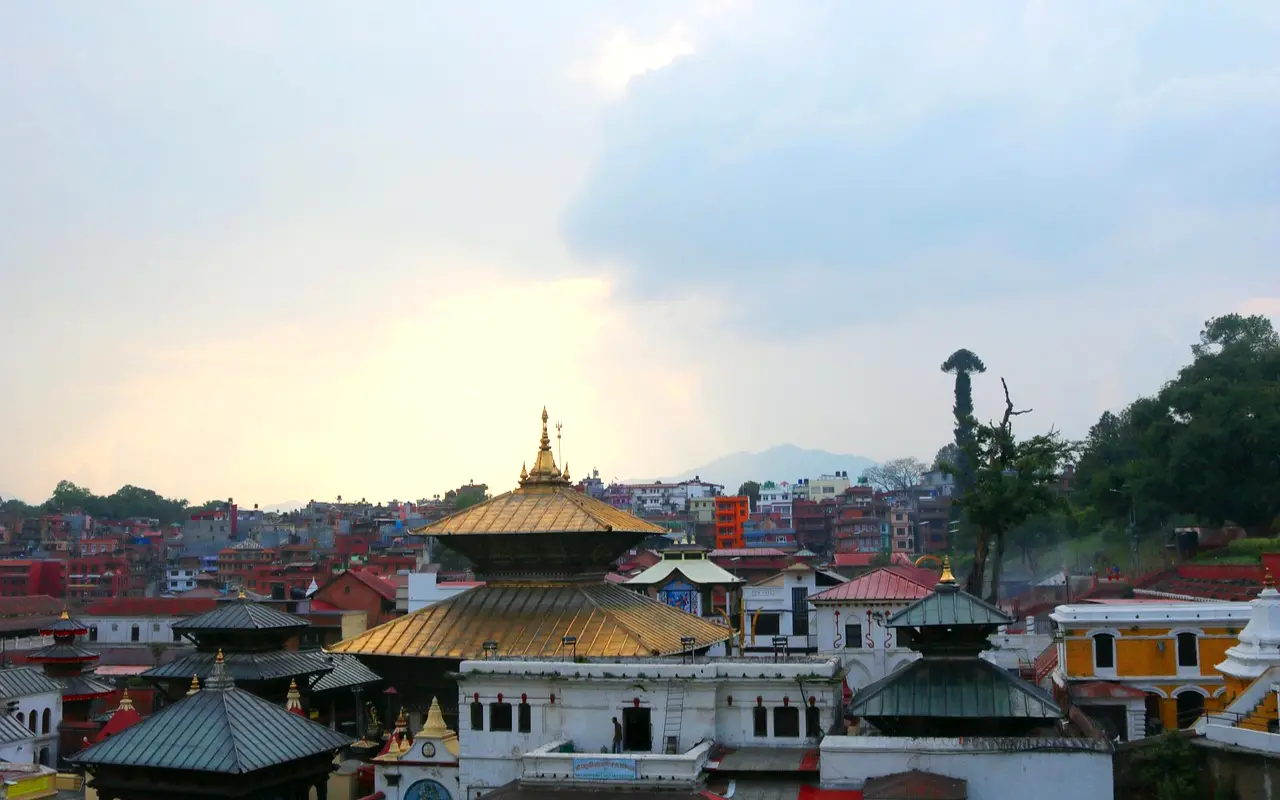
Pashupatinath Temple is one of the holiest religious sites in Nepal located in the center of Kathmandu valley. This temple is dedicated to lord shiva. This religious place in Nepal is said to be of great antiquity, as its establishment was around 400 CE. Pashupatinath is listed as a UNESCO World Heritage Site and is known to be the spiritual center of Hinduism in Nepal.

Pashupatinath is located on the riverbank of the Bagmati River, which also serves as a central space for funeral cremation practices for Hindus. These religious places of Nepal have over 500 shrines and are believed to bless those who visit with moksha.

Pashupatinath Temple

Moksha is liberation from the cycle of rebirth and implies that Pashupatinath holds special significance to Hindu followers as an important pilgrimage site among other religious places of Nepal.

Pashupatinath Temple has Nepalese pagoda-style buildings that display traditional gilding and woodcarving. Pashupatinath is one of the most significant religious places of Nepal as it draws thousands of devotees and visitors each year, especially during Maha Shivaratri.

Pashupatinath Temple in Nepal is viewed as a landmark and has retained its cultural significance for centuries. Pashupatinath Temple offers a true representation of religious places of Nepal for both pilgrims and travelers. The temple offers both a spiritual experience and a cultural context in the vicinity of Kathmandu.

2. Swayambhunath Stupa (Monkey Temple, Kathmandu)

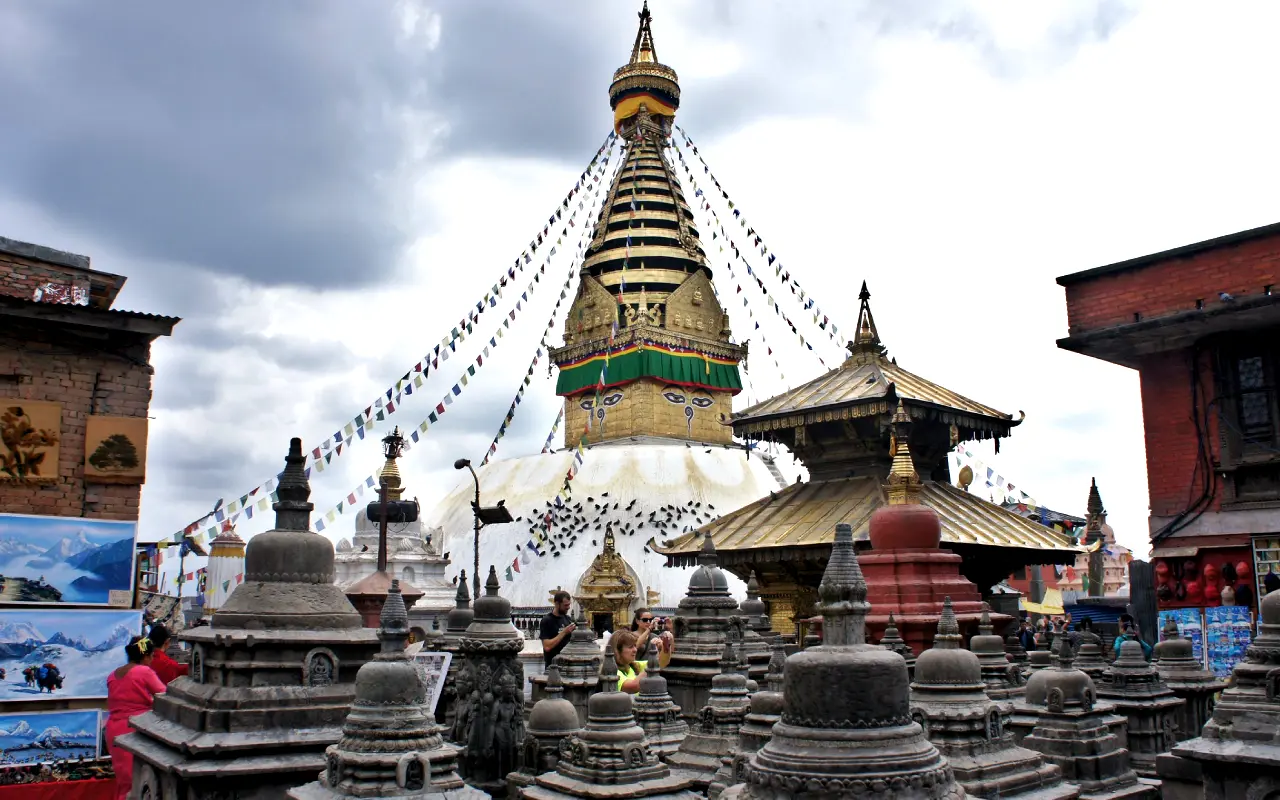
This religious place of Nepal is situated at the top of a hill in the Kathmandu valley. Swayambhunath Stupa symbolizes enlightenment and peace and is a meeting place for Buddhists to improve harmony.

Swayambhunath self-emerged when the Kathmandu Valley emerged as part of pre-history, when a lotus flourished out of a primordial lake, creating one of the most sacred spaces in our world.

Swayambhunath Stupa, also known as Monkey Temple

This becomes suggestive of many forms of mythic and spiritual meaning in elevation and is what makes Swayambhunath distinct when compared to any of the other innumerable religious sites found throughout Nepal.

In addition to the magnificent view of the Kathmandu Valley, the stupa also represents the spiritual climb with a devotee who ascends the stairs surrounding the site.

Although this religious place of Nepal is often described as an excellent example of Nepalese and Tibetan architecture, the stupa collects, incorporates, and flourishes prayer wheels, shrines, and the iconic eyes of Buddha.

Swayambhunath represents the ties and balance between Hinduism and Buddhism and provides a site for pilgrimage, as well as a vision of spirituality, and an overview of one of the most meaningful religious places in Nepal.

3. Boudhanath Stupa (Kathmandu)

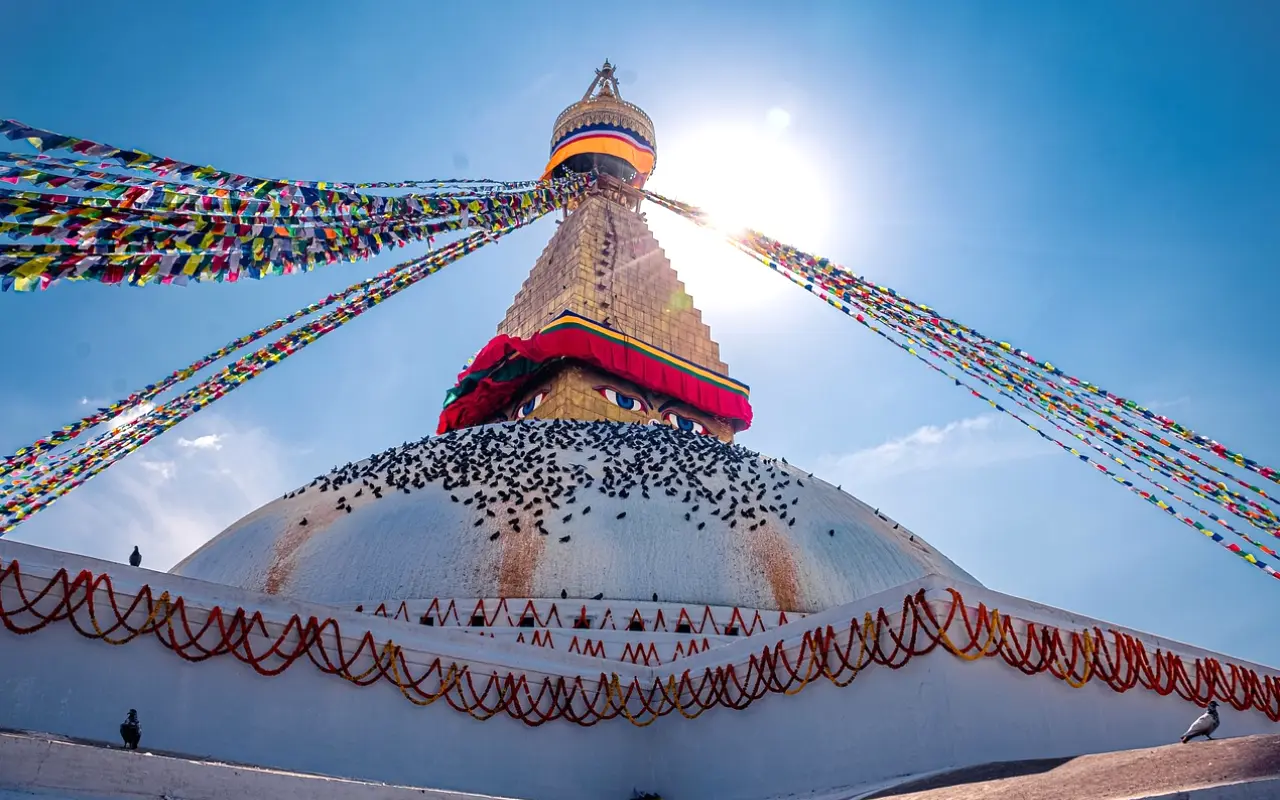
“Boudhanath Stupa,” located in Kathmandu, is one of the sacred religious places of Nepal and is an important pilgrimage location for Tibetan Buddhists because it supposedly contains remains of the “Kassapa Buddha.” The stupa has become a monumental structure symbolizing an embodiment of Buddhist faith and culture in the capital of Nepal.

Boudhanath Stupa
Boudhanath Stupa

The enclave of the Boudhanath stupa is an ancient stupa built as far as the 5th century CE. The structure is famous for being a large spherical sight. It is the size of a large mandala and a stupa. Like many religious places in Nepal, Boudhanath Stupa is still a place for believers to pray, meditate, or spin prayer wheels.

Boudhanath stupa is also a cultural center, Tibetan refugees have built monasteries, guest houses, and shops that have created a reinforcement of a semi-spiritual community. As a UNESCO World Heritage Site, it is still important to the lay of the sights called the religious places of Nepal. Tourists and pilgrims visit the Boudhnath stupa.

4. Lumbini (Rupandehi)

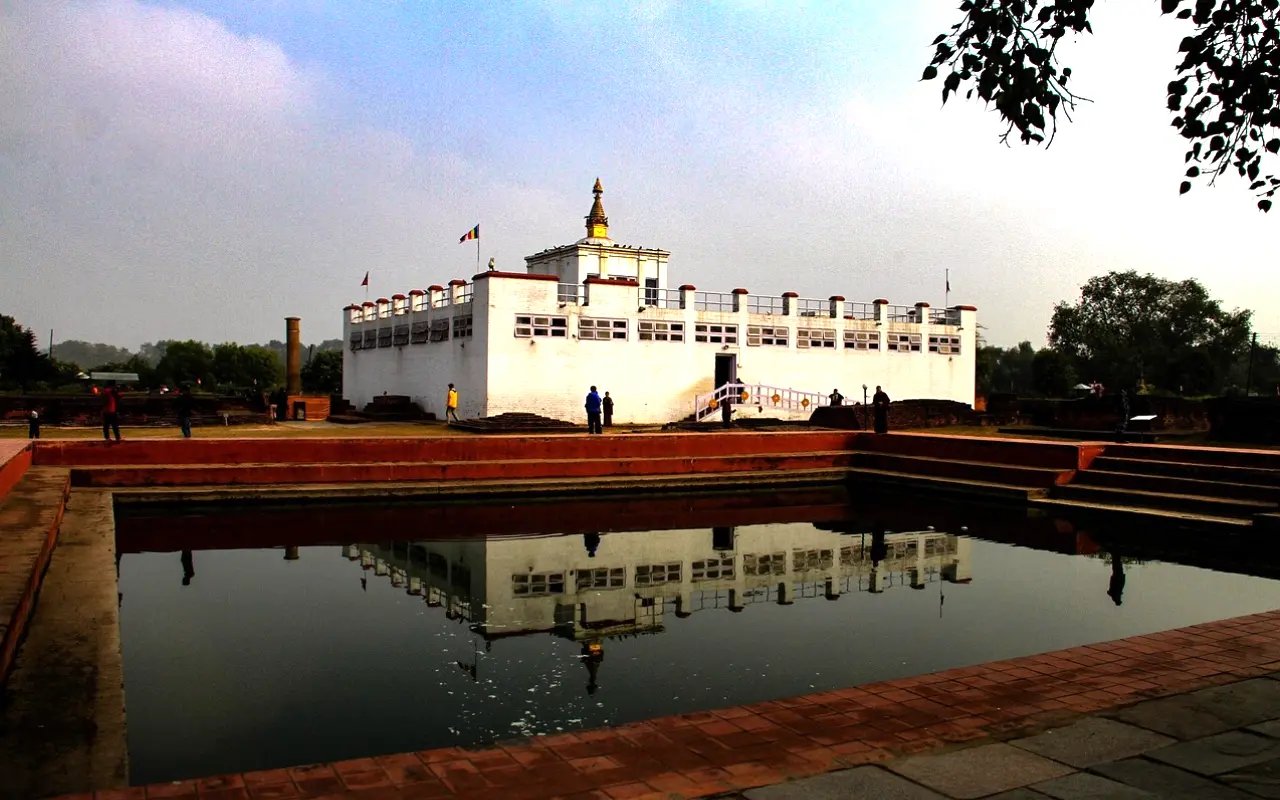
Situated in Rupandehi, Lumbini is one of the esteemed religious places of Nepal because it is the birthplace of Lord Buddha. Lumbini is visited by many pilgrims each year and is known as an important pilgrimage site. Additionally, Lumbini is an important, revered center of spirituality in the whole Buddhist world.

These religious places of Nepal include the sacred Mayadevi temple, where Queen Maya Devi gave birth to Siddhartha. This place is significant among various religious places of Nepal because of the tranquil temple and gardens.

Lumbini, the birthplace of Gautam Buddha

Lumbini has many monasteries built by different countries, demonstrating variations in Buddhist views and practices, as well as differences in architecture.

The establishment of the international monasteries has created a spiritual world in Lumbini, making it a special focal point amidst the countries of the world in this extensive sacred area in the religious places of Nepal.

Lumbini is often referred to as the “Mecca” for Buddhists throughout the world. People come here from all over the world to pray, meditate, and reflect which makes this place a deep spiritual location for spiritual seekers and travelers as one of the religious places in Nepal.

5. Muktinath Temple (Mustang)

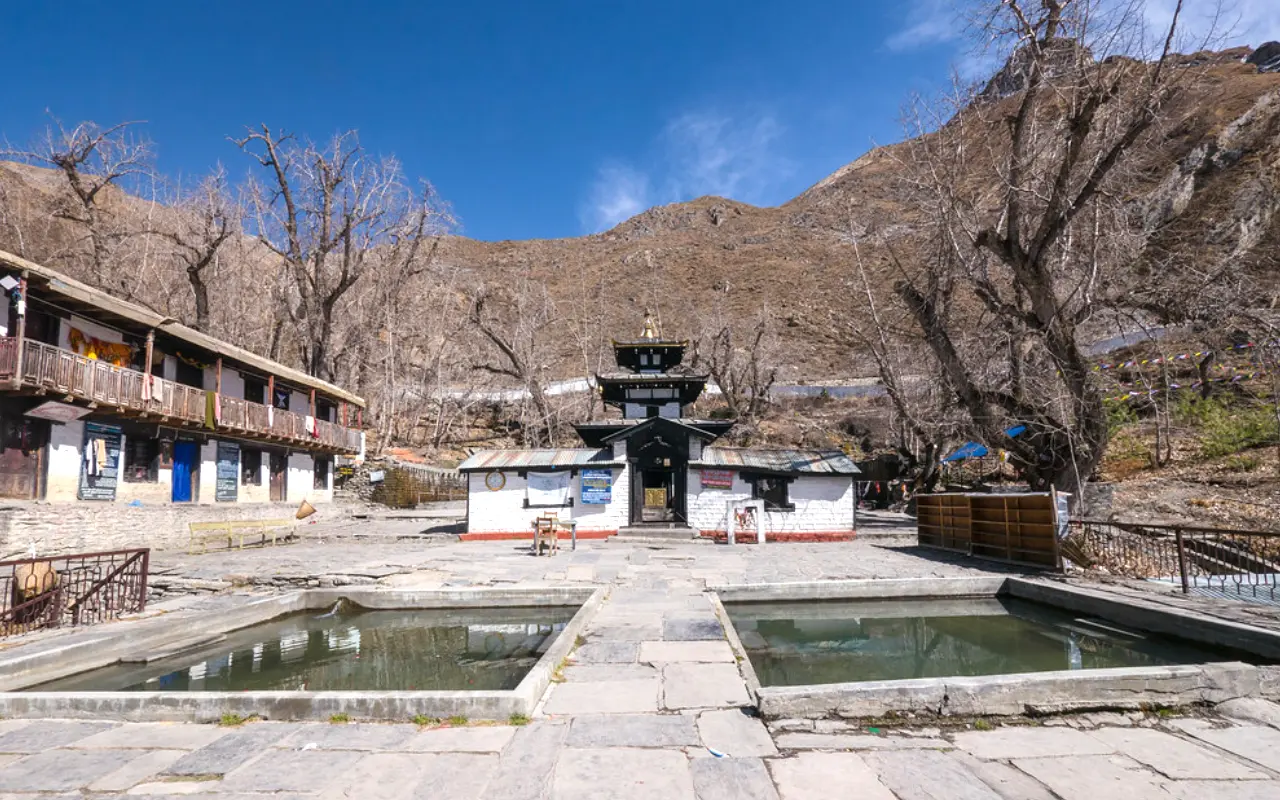
Muktinath Temple is one of the holy religious places of Nepal for Buddhist and Hindu people. Hindus visit Muktinath Temple to worship Lord Vishnu, while Buddhists come to pray to Avalokiteshvara, which makes the temple a center of dual devotion and respect.

Many pilgrims visit this religious place in Nepal with the belief that bathing in 108 natural water spouts will cleanse their sins and purify their souls. This part of the temple signifies a holy and sacred site of religious renewal and cleansing among religious places in Nepal.

Muktinath Temple
Muktinath Temple

Muktinath Temple is presented with a flame that burns at the temple regardless of rain and snow. The eternal flame represents enlightenment. Its eternal flame represents the eternal quality of one’s soul. The existence of the flame helps solidify Muktinath as a place of devotion and worship among religious sites in Nepal.

Muktinath Temple is physically located at a high altitude and is a taxing pilgrimage. Muktinath is remote but offers a perfect blend of remote natural beauty and spiritual depth, making this devout religious temple in Mustang a stopping point for spiritual seekers to the religious places of Nepal.

6. Janaki Temple (Janakpur)

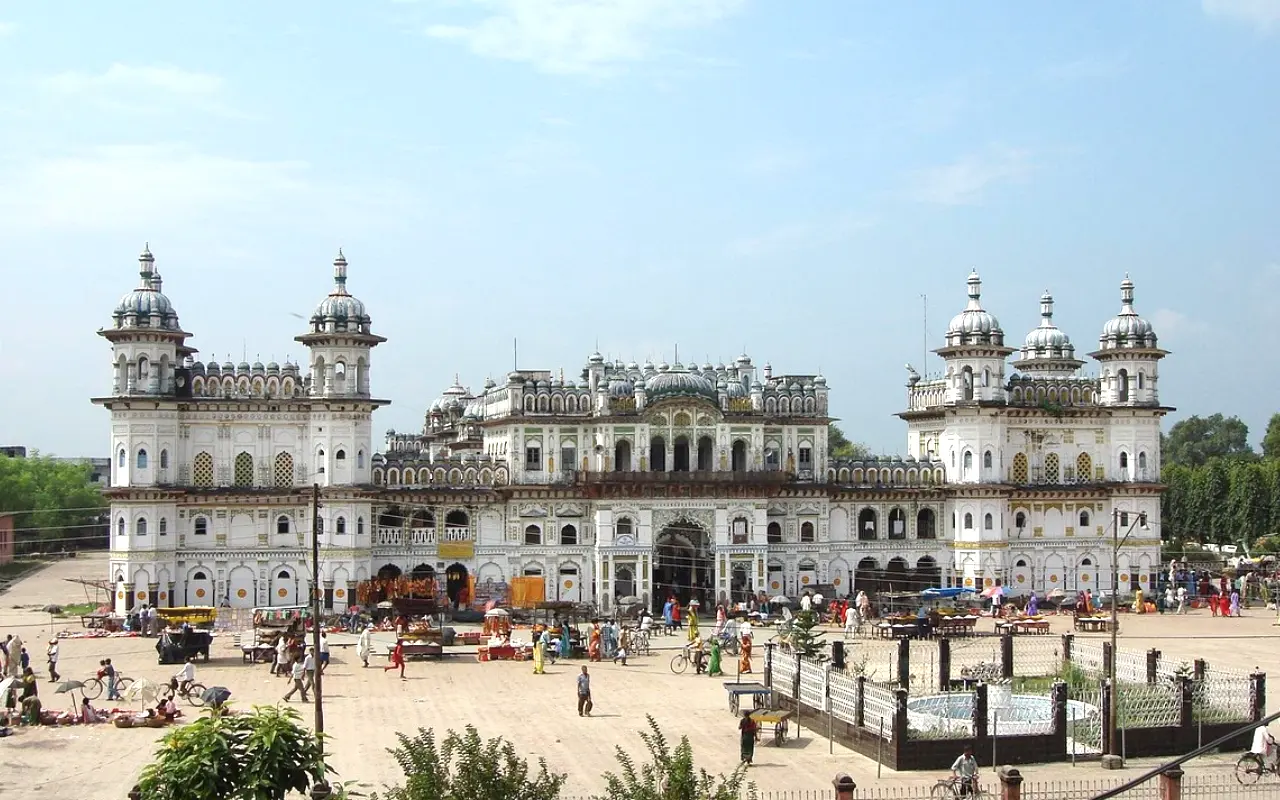
The Janaki Temple in Janakpur is one of the highly regarded religious places of Nepal and the place where Goddess Sita, the wife of Lord Ram, is said to be born. It has great religious significance and is visited by many devotees, mostly during festivals like Ram Navami and Bibaha Panchami.

Janaki Temple was built in 1910 AD (Bikram Sambat 1967). It is also called Nau Lakha Mandir and was created by the Queen of Tikamgarh Vrisha Bhanu. The temple has a great visual and cultural heritage that establishes it as an architectural jewel of Nepal’s Terai region among the religious places of Nepal.

Janaki Temple
Janaki Temple

The Janaki Temple is a reminder of love and virtue, in memory of Sita and Ram. Pilgrims come to Janaki Temple to receive blessings and participate in the rituals that display the commitment of the two, communicating the importance of Janaki Temple among the religious places of Nepal.

As a main pilgrimage site, Janaki Temple provides a place to find peace or solace in prayer, but also an important place to display the traditions of the Mithila region, and ultimately one of the most relevant highlights of faith and culture that we consider when talking about religious places of Nepal. It is an especially essential site to visit for both religious and tourist purposes when traveling to religious places in Nepal.

7. Manakamana Temple (Gorkha)

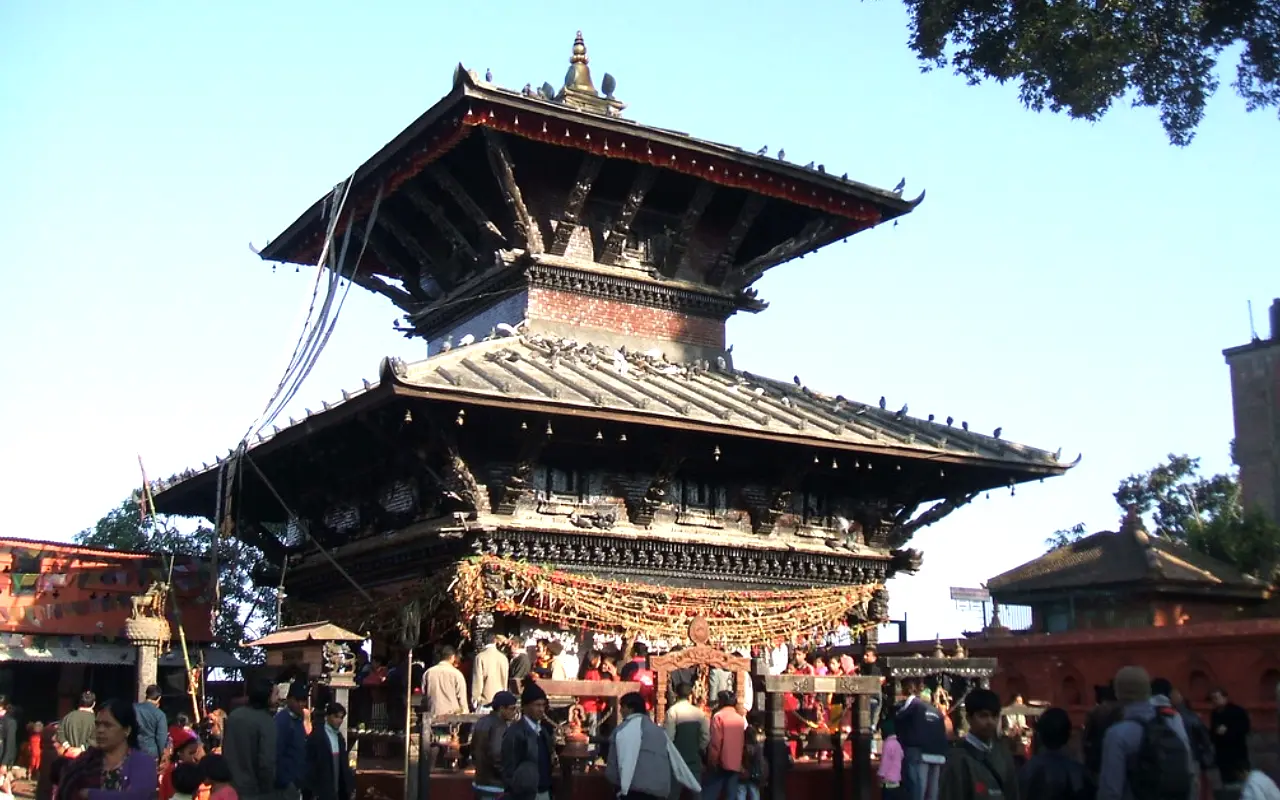
The Manakamana Temple in Gorkha, a famous religious place in Nepal, is built to the Goddess Manakamana. The site holds deep religious and historical narratives, and traditions associated with the 17th-century Gorkha royal family, along with local traditions.

Devotees visit Manakamana to benefit from the blessings, making it one of the most important spiritual sites among many religious places in Nepal. The temple serves priests from the family line of Lakhan Thapa; he is well-known for establishing the shrine because of divine signs, and his signs brought meaning to the cave.

Manakamana Temple
Manakamana Temple

Due to its elevation of 1,302 meters, Manakamana Temple unveils breathtaking views of the Annapurna and Manaslu mountain ranges. The experience is also more enjoyable because the temple can be accessed with a scenic cable car ride that connects the pilgrimage to the broader network of spiritual places of Nepal.

Its spiritual significance and historical importance, beautiful natural views, essence of beauty, and greatness lead to faith and devotion that continues to inspire hundreds of pilgrims and travelers while granting them divine grace in return for fulfilling their wishes.

8. Budhanilkantha Temple (Kathmandu)

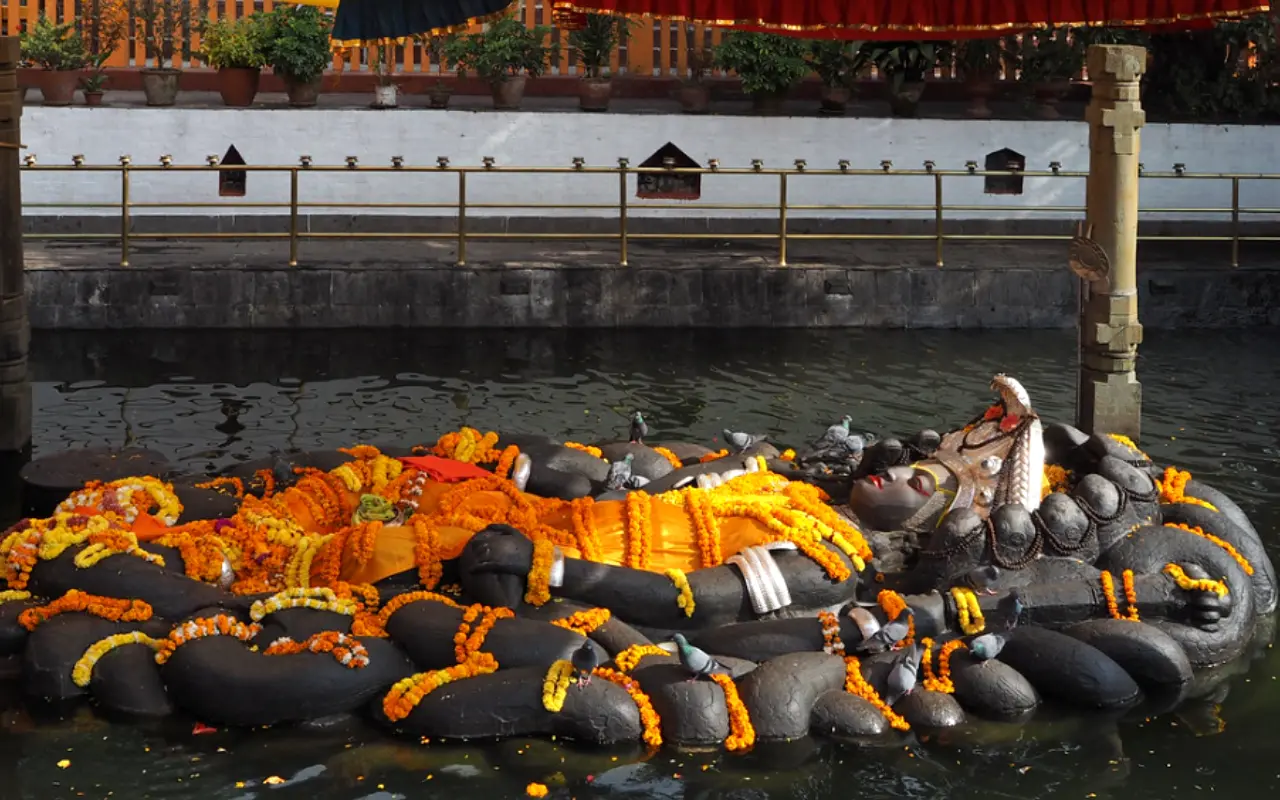
One of the important religious places of Nepal for Hindus is Budhanilakantha Temple, which is known for its representation of Lord Vishnu resting in the coils of the serpent Shesha.

The temple is an open-air structure and has evolved into one of the most powerful places of worship, primarily devoted to Lord Vishnu, both to the local population and visitors to Nepal.

The structure depicts Lord Vishnu’s Ananta-shayana facial posture. Many devotees come to pray in what they believe is a space that removes obstacles and invokes blessings. The idea that the statue floats above the water is a significant spiritual attraction in terms of Budhanilkantha’s role as a spiritual site in the large community of religious monuments in Nepal.

Budhanilkantha (Lord Vishnu) Statue resting in the coils of the serpent Shesha

The temple is filled with myths resembling historical stories, one of them being that no Nepalese King has come to Budhanilkantha since the time of King Pratap Malla (the 17th Century) because of a fear of death foretold by their ancestors.

The legend built around the temple has helped create an element of mythology in the sacred space the temple holds as one of the notable religious sites of Nepal.

The statue sits in a serene pond that is naturally fed by the spring reputed to be connected to the sacred Gosaikunda Lake, providing the illusion that Budhanilkantha is floating on water, which is of great interest to researchers and visitors.

Overall, the Budhanilkantha Temple is an emblematic gathering space for religious places in Nepal and adds to the rich history of religiousness in the country.

9. Gosaikunda Lake (Rasuwa)

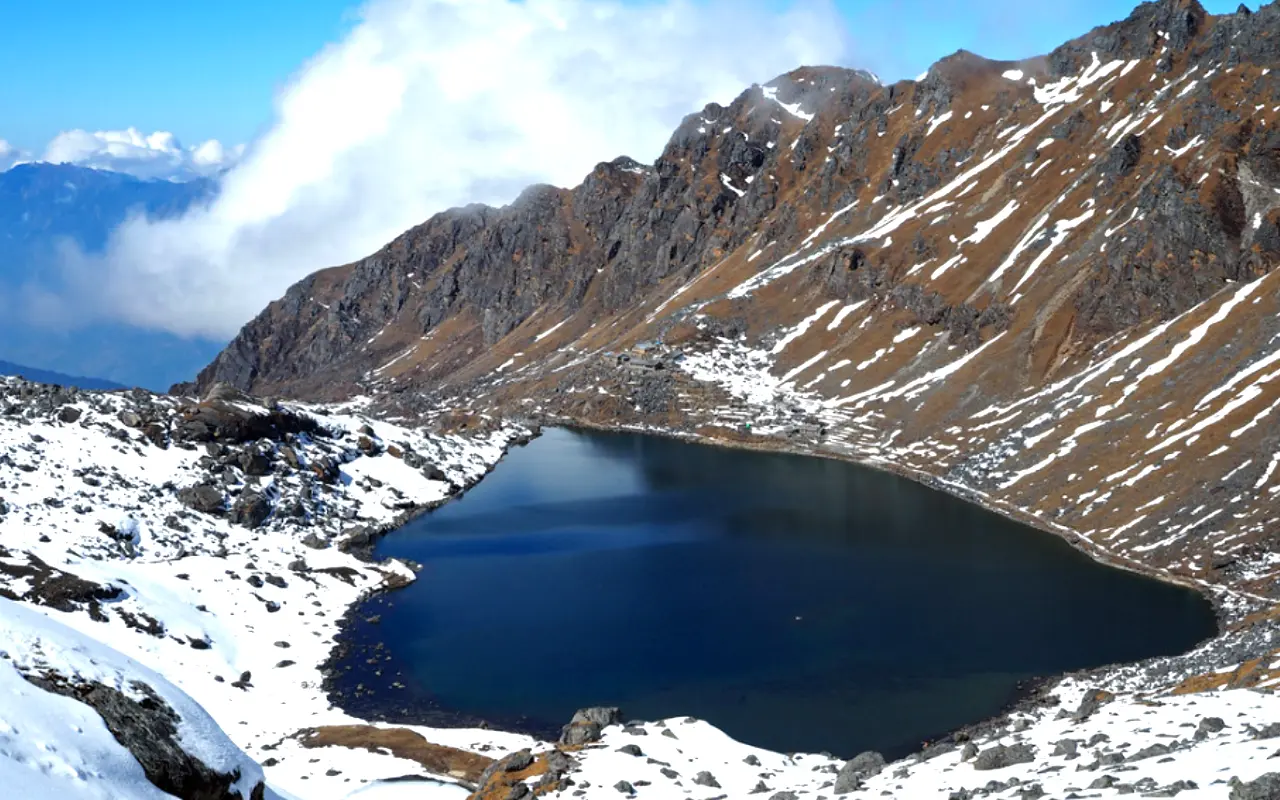
In the Himalayan region of Nepal, Gosaikunda in Rasuwa definitely ranks among the most sacred religious places of Nepal, believed to have been created by Lord Shiva to quench his thirst after swallowing poison.

Pilgrims visit Gosaikunda during the Janai Purnima festival. When devotees enter the cold waters of Gosaikunda Lake for ritualistic washing and bathing. Many believe even just dipping into the frigid water washes away one’s sins, and provides a significant site of purification among religious places of Nepal.

Gosaikunda, The Sacred Himalayan Lake

Gosaikunda is also a high-altitude experience. It provides pilgrims the opportunity to trek and hike to their place of worship, a challenging yet rewarding adventure that brings adventurous trekkers and spiritual seekers to the region.

Gosaikunda Lake and the surrounding areas present a vast and beautiful Himalayan landscape where people can pray and meditate while surrounded by the ice-cold mountain phenomenon.

Considered one of many religious places of Nepal, Gosaikunda is a prime spiritual destination, rich in scenic natural beauty and a sacred experience from a spiritual and cultural perspective.

10. Pathibhara Devi Temple (Taplejung)

Pathibhara Devi Temple in Taplejung is one of Nepal’s most important holy sites to worship Goddess Pathibhara, one of several powerful Shakti Peeths. Many devotees believe that she answers their prayers for children, wealth, and protection, among other things, so the temple is an important pilgrim destination for many, and thus an important part of the spiritual fabric of Nepal.

Pathivara is a popular destination for both Hindu and Limbu communities, although it holds a bigger cultural and religious significance to the Limbu community.

Pilgrims from Nepal and abroad visit Pathibhara as they seek to receive blessings and divine responses to prayers, which solidifies Pathibhara’s status as one of the many important religious places of Nepal.

Getting to Pathibhara involves trekking through the beautiful, lush green hills of Taplejung District, indicating the Hindi spiritual element of physical effort of devotion, and also locating the goddess in a religious place.

The journey of weaving physical activity and faith together, like sport in some subtle way, is part of the way many of Nepal’s religious places represent spiritual movements.

Although the holy atmosphere at Pathibhara is enhanced by the stunning views of the Himalayas, it’s still and sacred atmosphere offers pilgrims both the natural beauty and cultural richness of this part of Nepal, combined with its sacred energy, making it a must-visit religious place of Nepal.

Conclusion

The sacred sites of Nepal reveal the nation’s vast spirituality and cultural diversity. Visitors can scarcely understand the depth of spirituality and deep belief or the thousands of years of Hindu and Buddhist traditions embedded into each sacred site.

When visiting Nepal, it is a unique individual experience. As pilgrims, and during travel adventures, we are transformed, and able to connect spiritually, emotionally, and culturally, and belong even when not practiced as a faith. Therefore, meaning is expressed beyond just a practice.

Knowing and respecting local customs and traditions is important when visiting these areas. Responsible travel not only means preserving the sanctity of these sites; it also allows visitors to consciously engage with the sacred energy in Nepal’s religious places.

How Difficult is the Everest Base Camp Trek? A Realistic Guide for Trekkers

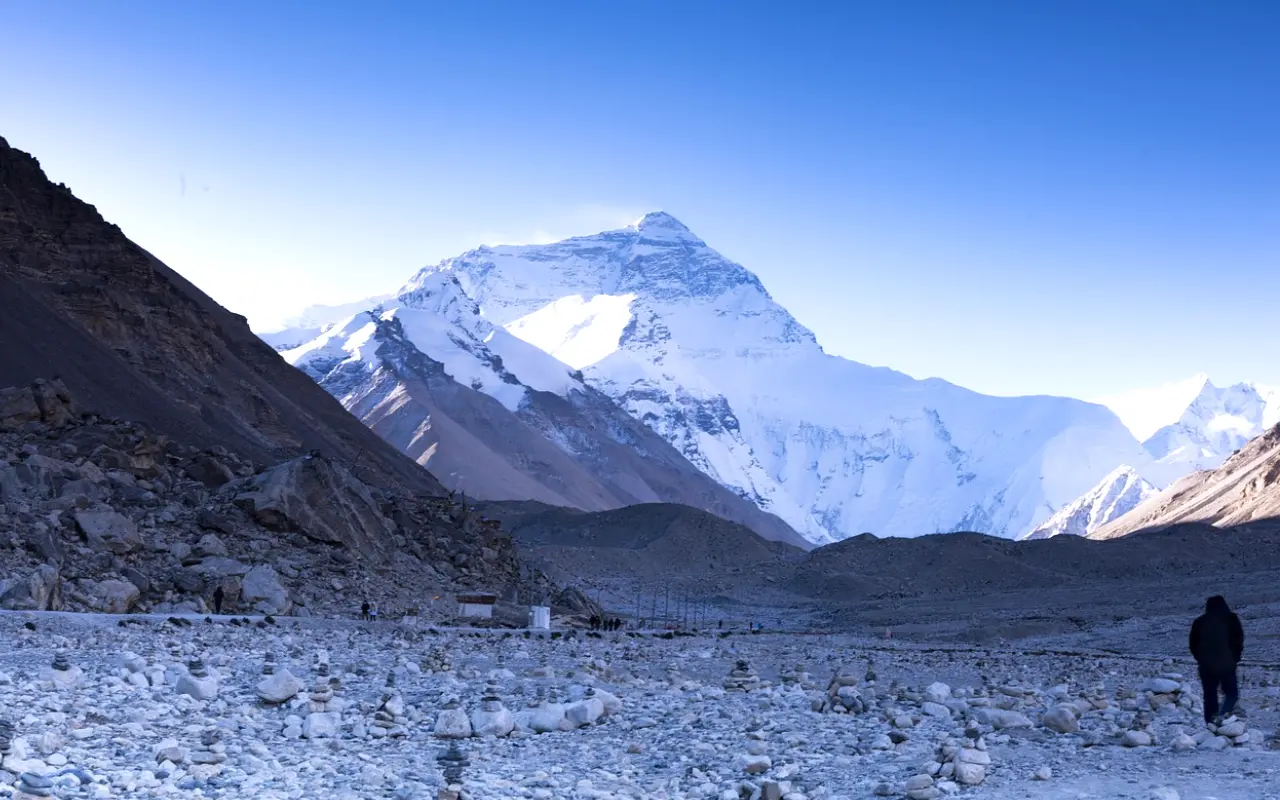
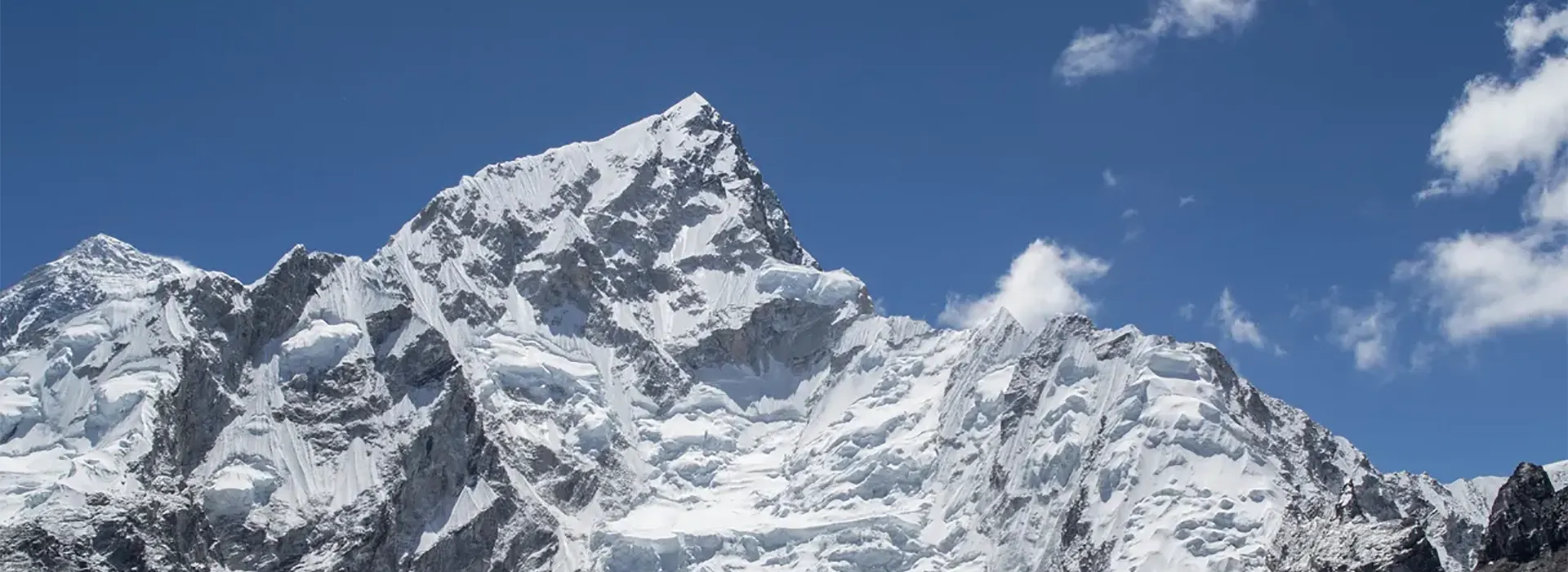
Everest Base Camp Trek is one of the bucket list treks in the world that brings you to the base of Mount Everest, located at a height of 5,364 meters. The trek is 12-14 days long and will take you about 130 kilometers through beautiful forests, Sherpa villages, and stunning alpine scenery.

View from Everest Base Camp
View from the Everest Base Camp

Although the trek offers amazing scenery and a rewarding experience, it has considerable difficulties during the hikes. Many trekkers describe the trek as accessible and demanding. The difficulty comes from the long day trek combined with the high altitudes, unpredictable weather, and rugged trails. There are also worries about altitude sickness and physical endurance to keep climbing in the tough conditions.

This blog is created for first-time climbers and for those wondering about the Everest trek. If you are physically fit and willing to prepare for the trek, then the Everest Base Camp trek is possible for you, even for beginners who have never hiked at altitude.

In this blog, we will break down the reasons why the Everest Base Camp is challenging, what you can expect on the trek on a day-to-day basis, and the preparation you need before and during the trek. Whether you are dreaming of the Himalayas or have already hatched a plan to trek to Everest Base Camp, this blog intends to provide practical and honest advice for trekkers.

Quick Answer: Is the Everest Base Camp Trek Difficult?

Although the Everest Base Camp trek is not a technical climb, it is considered moderately difficult. Trekkers don’t need mountaineering skills or technical gear, but good fitness and motivation are essential. Trekking on Everest can be strenuous as trekkers have to hike for a long day at high altitudes and rugged terrain; nevertheless, it is just a tough high-altitude walk.

Even beginners and average hikers can complete this trek with reasonable fitness and proper preparation. The best way to prepare for the trek is to train yourself before three to six months of the trek. To effectively finish the trek, you must improve your muscular endurance and cardiovascular fitness.

Mount Everest, also known as Sagarmatha in Nepali

The main challenge during the trek is the length of time you spend walking each day during the trail, which may range from five to eight hours per day. During the walk, you have to navigate steep ascents and high altitudes, which can make breathing difficult, resulting in fatigue. However, the acclimatization days worked into the itinerary along with a steady pace, enabling most of the trekkers to adjust throughout the trek.

Additionally, the trek up to Base Camp doesn’t require technical climbing skills and ropes; therefore, the trek is open to non-climbers. The success rate for reaching Everest Base Camp is high, varying between 85% and 90% for trekkers who are well-prepared and acclimatized.

Key Factors That Affect Difficulty

a. Altitude

During the Everest Base Camp trek, trekkers will gain a maximum altitude of 5,364 meters at Everest Base Camp and 5,545 meters at Kala Patthar, where the oxygen levels are extremely low. Getting up to the height is not easy even for the most experienced trekkers because the thinner air makes it difficult for your body to use oxygen efficiently.

Everest Base Camp Trek

You need to be aware of altitude sickness during the walk, which comes with symptoms like headaches, nausea, shortness of breath, and dizziness. So, acclimatization is important to adapt to changes in oxygen levels and for rest.

Namche Bazaar and Dingboche are two key acclimatization stops during the Everest Base Camp, which help to reduce the risk of developing more serious altitude sickness conditions like HAPE OR HACE.

b. Length & Duration

The typical Everest Base Camp trek takes about 10 to 12 days from Lukla and includes acclimatization stops. The slow ascent helps the body adapt to altitude, although it can still impact your overall fitness and energy levels.

You will walk on average between 8 and 20 kilometers per day, for a duration of about 5 to 8 hours per day. Although the distances are relatively short, and the duration doesn’t include time for resting, the daily time length and effort required on every trek day, especially at and above base camp altitude, is tiring.

c. Terrain and Trail Conditions

As you trek from Lukla, the trail will transition from wooden paths and stone steps to rocky moraines, glacier edges, and scree near the Base Camp. The steep ascents, especially near the Namche Bazaar and Tengboche, will test your leg strength and stamina.

At many points along the trail, you will be crossing suspension bridges, which span deep river gorges, making it an interesting adventure. As you hike higher, the trail may become rockier, steeper, and exposed. There may also be snow and ice, especially in winter months, to increase the challenge.

d. Weather & Season

The weather will significantly impact the difficulty of the trek. Biting winds, cold temperatures, and unforeseen snowstorms can make trekking risky and challenging. Trekking after the post-monsoon, in one of the pre-identified seasons of spring (March-May) and autumn (September–November) will make your trekking easier because there will be more stable conditions, sunlight, and improvements in visibility.

Wintertime weather, with snow and ice, can be hazardous. While in the lower altitudes, the rains associated with the monsoon periods can bring rain, mud, and leeches. Choosing the right staging season will significantly improve the discomfort and risks associated with the trek.

e. Fitness Level Required

Given that the journey consists of several days of climbing for hours at altitude, a respectable degree of cardiovascular fitness and leg strength is advised. Trekking is on trails, and even beginners can do the trek, provided that you have all prepared sufficiently in terms of stamina, hill walking, and endurance in the months leading up to the trip.

It is worth mentioning that although prior trekking experience is valuable, it is not detrimental if you train well and approach the trek with determination. Mental fitness is equally as important because sometimes it will be a long, cold day, and you will be living in basic conditions, but be sure that you consider taking the trek with the proper mindset. I think the EBC trek is achievable for all reasonably fit hikers.

Mental Challenges

Coping with mental challenges during the trek is equally challenging as the physical aspects of the trek itself. Because of basic rooms, amenities, and cold nights, you may find the trek difficult. After several long days of hiking in which even short days can be exhausting, fatigue can build up. Coupled with all of this is the often isolating nature of staying in remote villages in the Himalayas, where you may be the only Westerner for many kilometers.

Therefore, a positive mindset and motivation are important to overcome these mental difficulties. Mindfulness, meditation and even visualization techniques help to maintain focus and calm the mind. Setting achievable expectations will also help to maintain your mental energy and morale, especially when the trek seems long or mostly unchanging.

Managing discomfort is a matter of accepting the simple nature of life, paying attention to how beautiful the scenery is, and riding the assorted highs and lows of both the journey and your emotions. All of these feelings help to build mental endurance, which is a key mental preparation strategy before you start the trek.

Ultimately, it is mental toughness that will get you moving after fatigue is setting in, or you feel like your progress is very slow. Breaking the trek into mentally manageable parts, patience, and a sense of purpose will help you make sure that the mental difficulties overcome during your trek become a part of the overall experience, rather than an obstacle to achieving success.

Trek Logistics That Can Make It Easier or Harder

Choosing the correct itinerary plays a large role in minimizing the difficulty of the Everest Base Camp Trek. A good itinerary gives the trekker rest days, usually on the two acclimatization days in Namche Bazaar and Dingboche, to help lessen the chance of suffering altitude sickness. Most itineraries slot in between 10 -12 days total. This takes into account enough treks and acclimatization in between.

If trekkers hired a guide and porter, the trek would be less strenuous. The porter would lighten the load enough to be able to save physical endurance for the most difficult task, while the guide would offer assistance and support for navigation.

Accommodation opportunities will also impact difficulty as sleeping in a lodge offers a basic level of warmth, meals, and fellowship after a long day on the trail, which is important to recovery. If you want to sleep in a tent, then you have to be prepared to carry extra gear and bear the cold and discomfort. Although food and sleeping conditions can vary quietly, good food and sleep offer better endurance and acclimatization efforts.

Who Should Avoid This Trek?

In general, we advise individuals with serious heart or lung conditions not to undertake the Everest Base Camp trek. You will experience extreme altitude and sub-optimal oxygen when you go above about 3000m. At high altitudes and low oxygen levels, your cardiovascular and respiratory systems are under stress. Although you may feel fine once you start on medication, the risk of altitude sickness and other complications for these trekkers is significantly higher.

As a rule of thumb, absolute beginners with no hiking background are also advised not to attempt the trek. While the route is considered to be non-technical, it challenges your physical stamina. It takes a lot of effort, endurance, and strength to cope with continuous walking for about 10-12 hours per day for 9-14 days in unpredictable conditions over varying terrain. Inexperienced and beginner generally have a higher risk of injury and exhaustion.

Tips to Make the Trek Easier

Focused training is essential for an easier Everest Base Camp trek. Running and cycling will improve your cardiovascular fitness, while squat work will strengthen muscle power. The best way to ensure your body is accustomed to long physical days and altitude would be to practice hiking with a loaded backpack.

Packing light and smart is one way to lessen the fatigue factor associated with carrying a bag on your trek. While packing your bag, consider packing multi-use layered clothing, waterproof gear, and comfortable boots. Avoid unnecessary items as much as possible and carry essentials that will motivate you to move quicker while wasting little time and energy during the trek.

Stay hydrated by sipping water regularly and maintain a slow but steady pace during your trek. Ideally, being well hydrated will act as an aid for acclimatization and delay fatigue. Walking steadily and slowly saves energy and gives your body time to adjust to the higher altitude.

Alternative Easier Options

If you are looking for an easier option to do the full Everest Base Camp trek, the most popular option today is an Everest Base Camp trek with a helicopter return. This allows you to trek the trail on the way up, and fly back so you don’t have to endure the long and tiring return trek. This option gives you back some valuable time and energy for exploration at base camp.

Another option is the short Everest View Trek. This trek is perhaps the easiest option, and you will also be rewarded with spectacular views of the Himalayas without much of the strain that a full EBC route puts on your body. It is perfect for those who want to experience the Himalayas in a short amount of time or those who may not have as much fitness, as it gives you an impression of the grandeur of Everest, with less ascent and shorter walking distance.

gokyo lake
gokyo lake

Additionally, if you look at the Gokyo Lakes trek instead as an alternative to Everest Base Camp, this is a trek without the crowds, with equally majestic scenic value. This trek includes beautiful turquoise lakes and a panoramic view of the mountain ranges, including Everest from another angle. As well, the Gokyo Lakes trek is often considered to be less demanding, so it allows for a picturesque trek while getting away from the busy EBC trail.

Conclusion

The Everest Base Camp trek is certainly difficult, but doable for most healthy and prepared people. With a decent level of physical fitness, mental preparedness, and a thoughtful trekking itinerary, you will be able to trek to this symbolic base. The secret ingredient to success is respecting the altitude and paying attention to your body throughout the trek.

Preparation is vital – both physical and mental preparation to deal with the stresses of trekking long distances, rugged terrain, and altitude. The challenge along the trekking route is well worth it once you get the view of Everest, and encounter the truly unique culture of the Himalayas. Being at the base of the highest mountain in the world is a truly rewarding experience, and it is the adventure of a lifetime, worth the effort required to do it.

Is Nepal Safe for Solo Female Travelers? What You Need to Know

Female solo trekker

In recent years, the number of solo female travelers has been increasing globally, with more women seeking freedom and adventure on their own terms. This reflects the women’s wishes for a sense of self-discovery, cultural immersion, and empowerment through travel. Nepal, with its beautiful landscapes and rich culture, continues to be an attractive destination for many solo female travelers.

Nepal’s allure consists of amazing Himalayan views, lively, diverse culture, and local hospitality, along with trekking. There are places like temples and monasteries where trekkers can experience a combination of recreation and spirituality. Additionally, Nepal’s reputation as a safe and respectful place for women has kept it close to the top of countless bucket lists.

This blog will provide an honest and practical safety guide for female solo travelers to Nepal. This guide will address base fears, present honest stories, and provide practical tips for how to safely experience Nepal as a solo female traveler. We want to empower female travelers to discover Nepal using a safe approach and fully recognize the amazing magic that exists in this beautiful country.

This guide is intended to help solo female travelers prepare for their journey by combining information on cultural norms, safety considerations, and travel logistics. Whether you are trekking in the towering Himalayas or roaming around Kathmandu or Pokhara, being knowledgeable about what to expect and how to stay safe during the trek is an important step toward having an unforgettable adventure.

Quick Answer: Is Nepal Safe for Solo Female Travelers?

Yes, Nepal is safe for solo female travelers, whether you go for a trek in popular trekking areas and cities like Kathmandu and Pokhara. But you are required to dress accordingly and be aware of cultural provisions because Nepal is traditionally a conservative country. Dressing moderately and not wearing an exposed dress will help you to cut down unwanted attention.

Most female traveler reviews and other reports suggest there are few serious crimes against tourists in Nepal, although petty crimes such as pickpocketing and scams do occur. Therefore, you have to be alert to these types of people. Tourist precautions generally include not walking alone at night, securing bags and packs, being aware, and using transportation such as taxis that are trusted.

If you are planning to trek in areas like Everest and Annapurna, then they are completely safe for solo female travelers. Because these are the busier routes, there are so many trekkers and teahouses along the way, which adds an extra safety factor for you as a solo woman. For added security and trip navigation, we recommend you use a certified guide or consult a trekking agency.

Safety in Major Tourist Areas

a. Kathmandu & Pokhara

When comparing traveling in the daytime and nighttime, daytime visits in Kathmandu and Pokhara are safe and comfortable because the streets are busy with people and tourists, and you will see police officers nearby. However, nighttime travel can be cautious, so avoid walking alone after dark to ensure your safety and reduce the chances of petty crime and harassment.

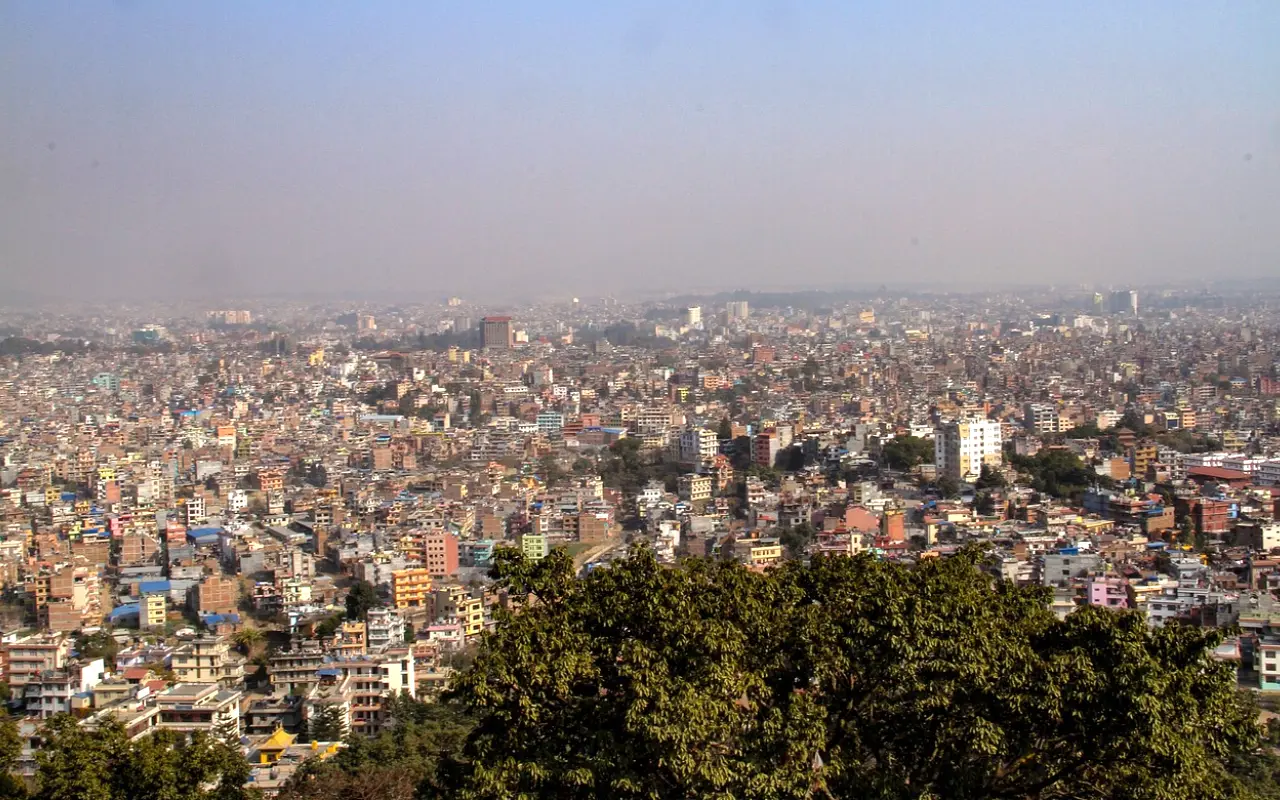
Kathmandu city
Kathmandu city

Try to negotiate a price when you take transportation because street vendors and transport situations can be overwhelming sometimes. Be aware of scams and remember that scams usually happen in tourist areas like Thamel and Lakeside. Additionally, we recommend you take a taxi from a trusted transportation service to ensure a baseline standard of safety and reasonable pricing.

b. Trekking Regions (Everest, Annapurna, Langtang)

The trekking regions of Everest, Annapurna, and Langtang are regarded as safe, with treks in teahouses on major trekking trails much safer. Trekkers can stay with relative security and be social, which adds to the certainty of safety for female trekkers.

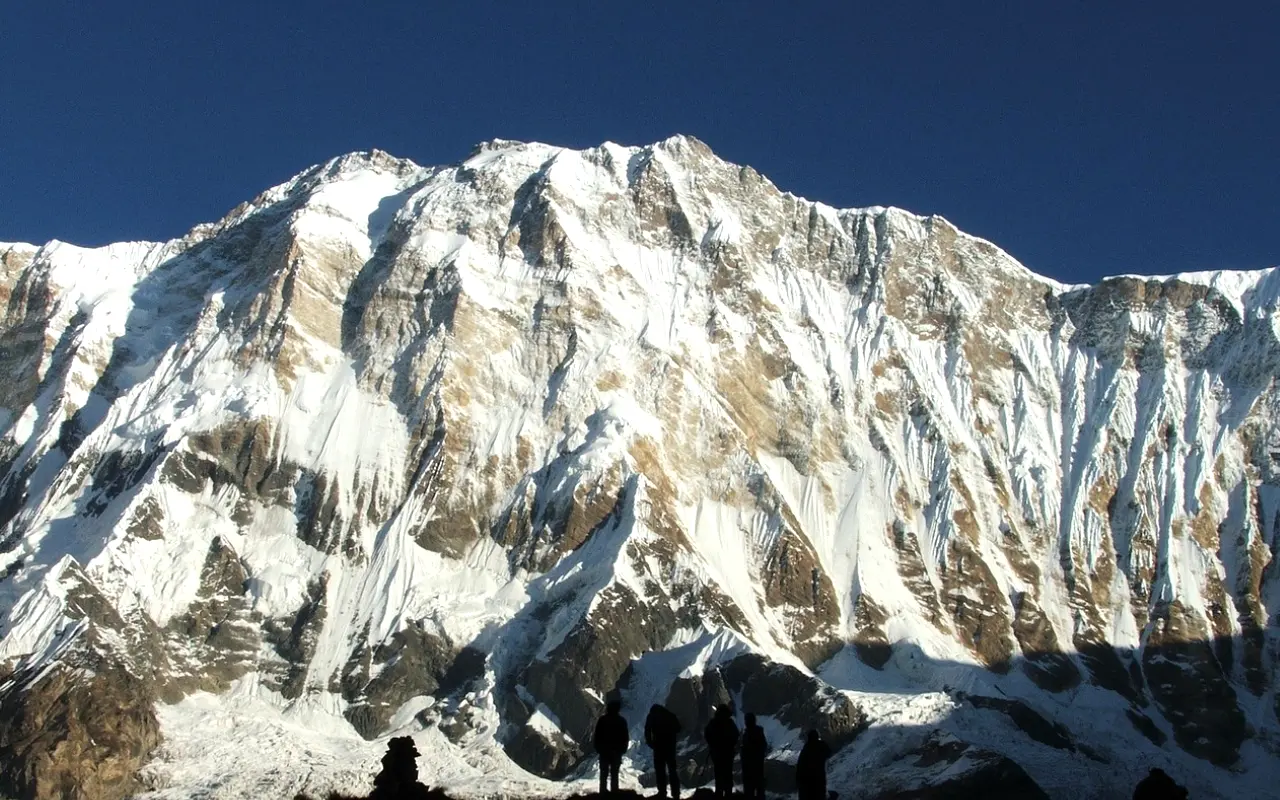
Mount Annapurna
Mount Annapurna

Guided treks allow you to find your way and have safety aspects to consider. Guided treks encourage safer and on-time travel, especially if you do not know the region you are visiting. Solo trekking is an option, but it requires a lot of preparation, knowledge of the local area, and being well aware of conditions, with particular emphasis on the weather in order to stay safe in remote areas.

Local Culture & Gender Norms

Nepal is known for its warm hospitality and conservative gender norms; therefore, solo female travelers are welcomed kindly; however, it’s important to uphold the traditional values. Understanding the cultural norms and positive interactions will reduce the unwanted attention you receive during your visit.

Similarly, dressing with moderately covered knees and shoulders, and avoiding tight and revealing clothing, is important when visiting the temples, villages, and cities in Nepal. Wearing long skirts or pants and scarves would be appropriate to adhere to cultural expectations and show respect.

Cultural rules stress humility and modesty. “Namaste” is a courteous greeting that is acceptable, but open expressions of affection are discouraged. Shouting and confronting, or challenging behavior are unwelcome. Personal space should be respected, as well. Follow the community’s propriety and etiquette to respectfully and safely experience Nepal.

Common Concerns for Solo Female Travelers

a. Harassment or Catcalling

Harassment or catcalling does happen in Nepal, but it’s much less common than in other countries. Harassment or catcalling is usually limited to verbal comments or staring, rather than physical actions. Solo female travelers have reported receiving unnecessary attention but have rarely faced serious harassment.

You have to follow some strategies to handle such conditions, such as staying calm and avoiding verbal confrontations with perpetrators by leaving the scene. You need to dress moderately in order to adhere to local customs and select authorized applications or transportation services in case you have to travel at night time.

b. Accommodation Safety

Be sure to choose accommodations that have good ratings in travel guides and utilize safety measures. We recommend guesthouses or hotels that are in areas of higher population density, and if you plan to trek, the teahouses on the trekking routes are usually safe and they have communal spaces for meals combined with the experiences of the local hosts who are accustomed to serving travelers.
Remember to occupy a room with secure locks and ask staff about the safety protocols. You can book the room in advance to prevent issues and stress that may arise from last-minute booking. Additionally, you can book a female dorm if you feel like requiring additional comfort and safety.

c. Transport Safety (Buses, Taxis, Domestic Flights)

Public transportation buses may be crowded and uncomfortable, and there have been reports of harassment. Avoid using them in the busiest hours whenever possible. It is safer to use registered taxis or rideshare apps for a more reliable transit in general, and at night.

When booking flights domestically, it is best to use a reputable domestic airline and then check your travel route at the time of booking, if an itinerary is provided. Secure personal belongings nearby and be vigilant when using public or shared modes of transportation. Trust your instincts and avoid accepting rides in cars from strangers if possible.

Trekking Alone: Is It Safe?

Solo trekking in Nepal is a very liberating and personal experience but with some risks. Solo trekkers face challenges such as difficulty in navigation, communications, and injuries if immediate assistance is not available.

Guides will provide valuable knowledge on navigation and offer emergency support. Additionally, many female solo travelers report a feeling of security and confidence while trekking with a guide, and it’s a great way to learn about local culture and traditions. Also, trekking with a guide or a group will provide great companionship and remove unwanted attention.

Many solo female trekkers have completed popular routes, like the Annapurna base camp trek and Everest base camp trek routes, and there are great stories of independence and empowerment among solo female trekkers. Many solo female trekkers who have hiked these routes emphasize the importance of preparation, local knowledge, their group trek, or the use of a guide to optimize their safety and establish cultural knowledge.

The Nepal government now requires a guide for trekking in restricted areas, like the Manaslu Circuit, to protect a fragile environment and also to protect the safety of travelers. In popular areas, even though a guide is not required, the support they provide improves the trekking experience, especially with emergencies and cultural insights and support, so guided is the best option for most solo trekkers.

Health & Emergency Services

There are recognized hospitals and clinics in Nepal, mainly in larger cities like the capital, Kathmandu, and Pokhara. There are other smaller health clinics along popular trekking routes, such as Annapurna, Manaslu, Everest, and Langtang that offer basic medical assistance and emergency services.

On arrival, solo female travelers are encouraged to obtain a local SIM card as this will help keep up communications, especially for independent travel, so it is always wise to purchase a local SIM. Local SIMs can help you with emergency calls, navigation, and communication with your guides or family. In general, mobile coverage is good in cities and trekking gateways, but coverage may be limited in remote locations; therefore, planning is important.

When trekking, travel insurance is essential if an injury occurs while trekking and will help cover medical emergencies, evacuations, and disruptions. Many hazards exist in Nepal, including exposure to altitude sickness, and insurance with helicopter evacuations is strongly suggested.

Many remote trekking locations can be and will be limited in medical facilities; therefore, it is wise to obtain full coverage to ensure your access to medical assistance in a timely manner and the appropriate standard of care in case of medical emergencies.

Safety Tips for Solo Female Travelers in Nepal

Traveling alone as a woman in Nepal can be a wonderful experience with the different terrains and inviting culture. Many women can give stories about the thrill of traveling alone abroad, but we presume you would like to be safe. The best way to stay safe is to consider a few practical tips specifically for the local environment and cultural context.

The first tip to stay safe in your solo trek is to dress modestly and respectfully. Nepal is a traditionally conservative country, and dressing modestly reduces unwanted attention and will help you blend in. This may be important when you are visiting temples, villages, and rural areas, where cultural norms are more readily enforced.

When you book with reputable tour companies or hire local guides, you increase your own safety and your own experiences. Certified tour guides can help with logistics, knowledge about current customs and unspoken cultural norms, and help to ease the anxiety of not knowing what you don’t know. When you decide your mode of transportation, try to call a registered taxi ride or a rideshare, rather than agreeing to a taxi from a random stranger.

Avoid walking at night in less crowded areas. If an emergency occurs, then always inform your trusted friend where you are going. Having a Nepali Local SIM will help you keep in touch with families and friends, which adds a level of safety and peace of mind.

Lastly, immerse yourself in the community of “solo female travelers”. Read reliable forums and social media groups for real-time information, support, and companionship. It is a good way to boost your confidence and feel more connected to your travels and engagement with others.

Testimonials from Female Travelers

Many female travelers report positive experiences in Nepal, citing the open culture and comparative safety. One traveler mentioned that even in the busy tourist city of Kathmandu, she experienced no unwanted attention, explaining that it was a blend of history, culture, and impressive scenery that made her trip unique, enjoyable, and without worries.

Travel blogs and forums such as Journey by Backpack can provide invaluable first-hand experiences and useful tips from women who traveled solo to Nepal. All of these sites provide useful insights into aspects of safety, cultural practices, and trekking logistics.

Each of these websites offers supportive communities where solo female travelers connect with other solo travelers and support them through shared experiences and encouragement, ultimately assisting others in successful trip preparation.

Conclusion

Nepal is a welcoming and stunning country to travel solo as a female because the varied geography of the country offers different types of landscapes and experiences. The amazing warmth of hospitality of the Nepalese people to their visitors and the well-known trekking paths for women traveling solo to Nepal only entice women even further to experience the beauty of Nepal.

As long as you are informed and ready, traveling alone in Nepal may be both safe and fulfilling. Traveling smart when you are visiting places to avoid unnecessary stress by dressing modestly, making sure you book the right place to stay, and avoiding walking alone, especially at night, will help make your journey much more pleasurable. Appropriate planning allows you to enjoy the Nepali atmosphere as long as you keep yourself safe as a solo female traveler.

Who Was Green Boots? The Story Behind Everest’s Infamous Climber

Introduction

Mount Everest has gotten the attention and fascination of adventurers and mountaineers from all over due to the beautiful heights and scenery it has. However, besides the glorious scenic landscapes and summits, lie a number of solemn stories. One of which is none other than “Green Boots.”

Green Boots is the preserved body of a climber who died on the Northeast Ridge route to Mount Everest, whose distinct green mountaineering boots made him easily recognizable. Over the past decade, “Green Boots” has become a notorious landmark on Everest, serving as a residual reminder of the mountain’s forces and the toll it takes on climbers who try to achieve perfection.

Green Boots, lying in a small limestone cave at about 8,500 meters, is located on the route used by nearly every climber from the Tibetan side. Many climbers stop at Green Boots not just to catch a breath, but for the sobering realization that a mountain can kill a person.

Among the growing and increasingly well-known climbing community on Everest, the cave where Green Boots lies is often referred to as “Green Boots,” which shows the depth to which this person’s story has firmly established itself in the record of mountaineering. His presence is a constant reminder that even with improved gear, training, and forecasting, Everest is a place where nature overcomes all of the climbers’ preparations.

The story of Green Boots is tragic and speaks about the problematic relationship between human aspirations and nature’s forces. Green Boots is quietly reminding us of the dysfunction of the mountains’ agnostic nature, while many view Everest as the ultimate challenge of endurance and ability. His presence continues to both caution and inspire climbers attempting to summit Everest, and Green Boots will remain not only a geographical marker but an indelible link to the dangers of Everest.

Green Boots is special since it has two roles on Everest. First, the body has become a navigational landmark in the deadly terrain. Climbers use the location of Green Boots as a reference to understand their progress across a deadly terrain. Additionally, Green Boots is an undeniable representation of the risks and sacrifices in high-altitude mountaineering.

The Legend of Green Boots

When climbers mention “Green Boots,” they refer to an unknown climber whose body became one of Mount Everest’s most notorious and identifiable landmarks. The name is derived from the green Koflach boots the climber wore, which were distinct against the snow and made identifiable to those passing on the way up and back down. Over time, “Green Boots” became a grim waypoint as well as a symbol of the dangers of Everest. Every climber on the Northeast Ridge route will see that tragic figure on their ascent.

Green Boots’ body was found curled up in a deep limestone alcove, now referred to as “Green Boots Cave.” That is situated at roughly 8,500 meters on the Northeast Ridge route at the edge of the infamous “death zone,” in which oxygen is low due to which survival possible for a limited hours.

The cave is about 350 meters below the summit and just below the infamous “First Step,” so it is an unavoidable landmark for any climber ascending from the northern side. The cave is full of discarded oxygen bottles, adding yet another expression to the negative nature of the environment.

More than just a piece of gear, the green Koflach boots become a mere object, and the unknown climber is transformed into an enduring symbol. The Green Boots are catchy to the eye because of the luminescent color, made for a sharp contrast against the mountain’s white expanse. They were the recurring reference for navigational cues and a present symbol of the dangers that awaited at high altitude for many seasons on Everest.

The symbolism of Green Boots is lasting not just as a tragic tale, but also a powerful representation of what can happen in Everest’s inhospitable environment and how easily success can turn to defeat on the world’s highest point.

The Identity: Who Was Green Boots on Everest?

There is a consensus that “Green Boots” is Tsewang Paljor, an Indian climber and member of the Indo-Tibetan Border Police (ITBP). This is now the most widely accepted theory among climbers and historians for two reasons: Paljor was wearing distinctive green Koflach mountaineering boots when his died-boots that are exactly like those on “Green Boots” when the body was found in the limestone cave along the Northeast Ridge route of Everest. The connection between Paljor and Green Boots has continued to exist despite debate over the years, as Paljor has become the symbol of the mountain’s dangers and the price of climbing at altitude.

Paljor’s doomed expedition was in May 1996 when he joined the ITBP as part of a small party for an ambitious climb of Everest from the less-traveled Northeast Ridge. The team was composed of six climbers with deep credentials. Each faced powerful weather and technical challenges on their trek to the summit. Without the assistance of Sherpa guides, Paljor, Subedar Tsewang Samanla, and Lance Naik Dorje Morup made their final ascent attempt on May 10, 1996.

The team pressed toward the summit by fixing ice climbing ropes and breaking trails for other climbers. Unsurprisingly, three of the team’s members turned back due to the quickly deteriorating weather on the summit day, Paljor and two party members continued to push onward. According to Radio transmissions, followed by a report of reaching the summit late in the day lost contact and none of the three returned to high camp.

The tragedy of Green Boots occurred during the infamous 1996 Everest disaster, one of the worst seasons in the history of the mountain. Climbers on both the North and South sides were stranded in life-threatening conditions during a ferocious blizzard that resulted in the deaths of eight climbers in two days.

Paljor and his teammates were lost in the storm, adding to the climbing season’s death toll. Paljor’s body, which lay in a small cave located at 8,500 meters, became a landmark for future climbers; a grim reminder of its dangers and history of sacrifice at the summit of Everest while climbing.

The 1996 Everest Tragedy Context

The climbing season in 1996 is often referred to as the deadliest time in the Everest climb, as eight climbers died in three days as a tragic storm hit the mountain. The rush of commercial expeditions and many teams attempting to summit on the same day caused bottlenecks and synchronization nightmares for climbers who mostly relied on guide firms, which are closely linked to the disaster.

The situation illustrated the deadly consequences of congestion, competition between guiding companies for the summit, and the unpredictability of Everest’s death zone. This disaster that happened on Everest in 1996 is always connected with the tale of green boots. Tsewang Paljor became a victim of the brutal storm and made his way to Everest, along with his companions, including the expedition lead Rob Hall and Scott Fischer.

Most climbers on the Northeast Ridge trail accept that Green Boots was Tsewang Paljor, an Indian climber. Some of the points made in Krakauer’s account of the events serve as a reminder of the severity of the situation and the high-altitude hiking in the Himalayas. The 1996 season’s catastrophes ultimately serve as both foreboding reminders of Everest’s lethal nature and a glimpse into the human stories behind some of the world’s coldest locations.

Why Green Boots Remained on Everest

The bodies on Everest, including the Green boots, are often left behind due to the harsh and dangerous nature of high-altitude climbing. The Everest death zone is located at an elevation of 8500 meters, notorious for dangerously low oxygen levels, subzero temperatures, and unpredictable weather patterns.

Moving a frozen body that weighs over 100 kg requires specialized ropes and equipment, a knowledgeable rescuer, and substantial manpower. The risk and safety of rescuers frequently outweigh the recovery of other climbers.

Additionally, helicopters are unable to operate above certain altitudes due to the thin air. It has become a route marker and waypoint for climbers on the Northeast Ridge route. The distinct green Koflach boots and body in a limestone cave are helpful for navigation in the “death zone.”

However, the presence of the body raises ethical questions because the climbers had to deal with the awkward circumstance of passing some of their colleagues who were lying dead in the death zone.  Without question, the primary goal in the death zone is survival, but the sacrifices performed there are meant to save others. The conditions on Everest are harsh and inescapable; neither the trauma nor the unfavorable circumstances.

The Mystery and Debates

For many years, the identity of Green Boots has been a hot topic in the climbing community. There is consensus that Green Boots is either Dorje Morup, another climber on the team, or Tsewang Paljor, an Indian climber who participated in the 1996 Indo-Tibetan Border Police (ITBP) expedition.

This theory was highlighted by P.M. Das in a 1997 Himalayan Journal article that noted reports of Morup being seen badly frost-bitten on the Northeast Ridge route between the First and Second Steps. Morup was last known to be alive but was in bad shape, and some feel that he was the climber who passed away huddled under a boulder near Camp 6 – the location associated with Green Boots.

The story of Green Boots remains unknown due to the unrecovered body and the extreme conditions on Mount Everest. When bodies are found on the mountain, they cannot be identified due to the extreme climate conditions, and no forensic evidence has been able to be used to confirm the identity of Green Boots. Whether Paljor or Morup, Green Boots remains a reminder of Everest’s lethal risks and the fine line between living and dying on the mountain.

The Removal Attempts and Current Status

Green Boots, the climber’s body identified as Tsewang Paljor, remained a well-recognized mark on the Everest North East Ridge route for several years. Body bright green boots made the figure stand out for those climbers traversing the “death zone,” nestled inside a small limestone cave at approximately 8,500m. Some reports from 2014 claim that Green Boots’ body was not found at its assigned spot on Everest.

It is believed that the China Tibet Mountaineering Association, the group that manages the northern side of Everest, possibly moved or dignified the body by covering it, to reduce the psychological impact on climbers. Although Green Boots was removed, it did not completely vanish from Mount Everest. Some climbers have reported seeing the body again around 2017, not in his throning position as a human marker, but further along the cave. Despite Green Boots’ disappearance from view, the caves and slopes are still littered with discarded oxygen containers.

The location remains a somber waypoint for climbers to witness the deadly potential risks of climbing Everest, but the Green Boots are certainly less noticeable now. The decision to move Green Boots symbolizes striking a compromise between the emotional difficulties connected to Everest’s abandoned corpses and the integrity of the deceased. Most bodies are left behind on mountains due to severe weather, challenging terrain, and finite resources like money and safety infrastructure.

The Green Boots incident continues to spark ethical discussions concerning the obligations climbers and authorities have about natural deaths in the death zone. While the ski shell and body remain part of Everest’s tragic history, and its a legacy as a meaningful presence for many climbing the highest peak.

Legacy of Green Boots

The story of Green Boots enhanced the understanding of the dangers and realities of climbing Mount Everest. The frozen body, known as a popular landmark on the Northeast Ridge, forces climbers to confront the lethal hazards of the “death zone” and the psychological difficulties involved in simply staying alive. Green Boots has become a potent reminder to adventurers who complete the Everest trek.

Green Boots’ legacy has appeared in many books, documentaries, and reports, including Jon Krakauer’s Into Thin Air and countless documentaries on mountaineering initiated by the 1996 Everest disaster. Most of these accounts point out not only the human cost of climbing at such high altitudes but also the ethical dilemmas that the climbers found themselves confronted. The story of Green Boots continues to be captive and educate audiences around the world, highlighting the mountain’s ruthlessness and the sacrifices made by those who attempt to reach its summit.

Ultimately, Green Boots is a reminder of Everest’s stark reality. Green Boots are more than a navigation point as they symbolize the edge between life and death, bravery, perseverance, and the tragic fate of climbers who come to the tallest mountain in the world.

Conclusion

The tale of Green Boots is an ongoing mystery lingering in some people’s minds, especially among climbers. While everyone seems to believe that Green Boots is Tsewang Paljor, an Indian climber who died in the calamity of the 1996 Everest disaster, his actual identity has never been officially confirmed, and lost in the harsh realities of the death zone.

At the Northeast Ridge in a small limestone cave, Green Boots became more than a frozen body; it became a popular landmark and a reminder to every climber about the potential risks, encounters, and precarious path any climber faces during the climb to the summit.

Green Boots represent the physical and psychological aspects of high-altitude mountaineering for decades. It’s not just a navigational marker but a reminder of the human cost behind the glory of climbing Everest.

The conversation about identity, ethical quandaries, and stories is unable to assist the complex legend. Even if the body was moved or covered in 2014, its legacy is still profoundly ingrained in Everest’s history and culture.

Ultimately, Green Boots is a powerful symbol that encourages many climbers to think differently: Is it a warning about the deadly consequences of summiting Everest, or is it an icon of human perseverance and determination to summit Everest at all costs?

The mysterious figure embodies both meanings, which serves as a reminder that Everest is a location where ambition meets the greatest challenges in nature. Every stride forward is weighed down by the lives sacrificed and the ambitions pursued.

Annapurna Base Camp Trek in December What to Expect and How to Prepare

Introduction

ABC trek or Annapurna Base Camp Trek is a dream station for every trekkers where the dream of catching the glimpse and touching the Peak of Annapurna Mountain will come true. For trekkers Annapurna base camp trek is the dream destination because of the beauty and the history the Annapurna Mountain holds.

Annapurna2

Annapurna Base Camp trek is one of the most famous treks in world as most of the trekkers prefers this destination. The roads, villages and scenery are the major highlights of this destination but the most eye catching part of this base camp is when the morning and evening sunlight hits the mountain caps.

Annapurna Base Camp Trek is one of the Nepal’s most iconic trekking adventure destination because it is the base of world’s tenth highest peak which also offers the breath taking views of landscapes, mountains, villages, lakes and forests.

Annapurna Base Camp Trek in December is one of the iconic trek because of the temperature and potential snowfall. December is one of the coldest season so the chances of experiencing snowfall is high. You will be able to experience the cold temperature in Himalayas as well as the glaciers. Annapurna Base camp Trek in December helps you to experience clear skies, snow covered peaks without crowd interruption. During December there are chances of having fewer Crowds.

The main purpose of this blog is to help trekkers know more about Annapurna base camp trek in December. To let the trekkers know how is it risky and what are the things that you should consider while visiting Annapurna Base Camp trek in December. What are the things you should expect so that you as a costumer can live up to your expectations and at last what should you prepare while visiting Annapurna Base Camp Trek in December?

If you are planning to trek in Annapurna Base camp then December is best month to experience your trekking journey. Annapurna Base Camp Trek in December will set a footprint in your memories.

Weather Conditions in December

December is one of the coldest month. December month is well known for winter holidays. During December the temperature of Nepal fall down from 17 degree Celsius to 7 degrees but the temperature in region Himalayan falls down to subzero degree Celsius.

The weather in the Annapurna region in December is cold and typically dry, the snowfall is occasional especially in the higher altitude. During day time temperature of lowest part of the region around 1000 meters is at the range of 5 to 15 degree Celsius or 41 to 59 degree Fahrenheit. During night time the temperature is around -10 degree Celsius or even -20 degree Celsius.

During daytime the weather is crisp and sunny, and in night time is cold to freezing cold especially above 3000m.

You can expect snow and icy trails near ABC Annapurna Base Camp due to the high influence of cold weather.  For the trekkers it is important to check daily weather forecasts and being flexible because the temperature of the weather is unpredictable.

Therefore Annapurna Base Camp trek in December is best for the people who wants to experience the adventure. The scenery that you will be able to acknowledge in Annapurna Base Camp trek in December is phenomenal. You should monitor the weather conditions mainly for Manang and Thorong La Pass as the condition change rapidly.

Highlights of Trekking ABC in December

Annapurna base camp trek in December will allow you to experience the natural beauty of Annapurna region and breathe taking views of mountains.

You will be able to acknowledge the clear views of the mountains like Annapurna I, Machapuchare, Hiunchuli and Gangapurna. The winter landscapes are beautiful, with snow covered peaks and soft atmosphere.

The trails aren’t as crowded during December so you will be able to find peaceful trails with fewer trekkers. Due to less trekkers you will be able to have more intimate and serene experience with the nature.

Have you ever seen a beautiful picture of a landscape and thought is this place even real? And felt jealous when you realize that place is real and you haven’t visited it yet so don’t worry Annapurna base camp trek in December will allow you to see the beauty of snow covered landscapes at the higher altitude that feels too good to be true and perfect for photography.

You will have a cozy teahouse evenings with hot meal and firewood stoves with your beloved or even a strangers who are ready to bind with you near the laps of himalays.

The major highlights of Annapurna base camp trekking in December is breathe taking views of mountains, snowfall, cozy tree houses and beautiful landscapes which are perfect for photography.

Challenges to Consider

Mountain region trails are slippery during winter seasons so trekking will be riskier to the trekkers. The chances of you getting better medical treatment is also likely impossible due to lack of hospitals.

The major challenge of Annapurna base camp trek in December is its temperature. It’s risky for those who can’t tolerate the cold temperature. As the temperature in Annapurna base camp at night is -10 degree Celsius. Because of the cold temperature the air pressure will be low causing lack of oxygen and one can fall unconscious.

There is high chances of snow falls and icy trails that may slow your pace. The daylight hours are shorter so you have to start your trek early and on the cold weather it is impose to start your day early.

Some lodges may be closed at higher elevations so you have to plan accordingly.Therefore the main challenges of Annapurna base camp trek in December is the temperature, accommodation and trails.

Packing Essentials for December

The basic things you need to pack to trek in Annapurna region are warm layers of clothes including waterproof jackets, hot gloves, and sunglasses to protect you from the sun and wind.

Warmed layer clothing: major things you need in warmed layer clothing are base layer, insulated jackets down jacket, thermals so you could be protected from heavy winds.

Water proof boots: These types of boots will help you to maintain your grip in slippery mountain trails. It is very essential to have a grip on the trails so that your life won’t be at a risk.

Gloves, beanie, neck gaiter and sunglasses to protect yourself from potential cold and high sunrays. Sleeping bags that are rated for subzero temperatures. Lastly Trekking poles and micro spikes which are optional but might be helpful.

Therefore these are the things you should consider bringing while travelling to Annapurna base camp trek in December.

Accommodation and Food

Tree houses along the trails will provide you basic accommodation where the facilities are limited. The facilities are less than the one you get in the cities. Tree houses are mostly available in lower and mid altitude ranges. Those tree houses are open in the most lower and mid altitude areas but the availability are limited.

The meals that are available in Annapurna base camp are hot meals like Daal Bhat, Soups, Momo, noodles and etc. Since the availability of the resources are less. Availability of hot showers and charging might be limited above Chhomorong.

Trekkers have to carry snacks and a thermos on their own because the availability of the hotels and tree houses are nearly limited. Tree houses might provide you with twin beds, matters, pillow and warm blankets. You have to keep this in your mind while considering Annapurna base camp trek in December.

Trekking Route Options

Annapurna base camp is a trek with in the mountain ranges of central Nepal. The typical routes while travelling to Annapurna Base camp trek is Nayapul to Ghandruk to Chhomrong to Himalaya to ABC and back. The optional add ons routes are Jhinu Danda for hot spring, and Poon Hill for the better sunrise view.

poonhill

This whole trek will take at least 7 to 10 days depending on pace and weather. Annapurna base camp trek in December is challenging so the days to finish your journey will take maximum amount of time then other seasons.

Safety Tips for Winter Trekking

You should beware of the potential for snow and ice and be prepared for delays due to the weather conditions as it changes drastically. Before setting out you must always check trail condition as it is risker part of the whole trek. You should travel with the experienced and licensed guide especially in the winter season.

You should always stay hydrated and acclimatize properly to avoid altitude sickness. If you suffer from altitude sickness then avoid going to the high places. You should have a flexible itinerary in case of weather delays.

Always carry first aid kid and headlamp for emergency. Since the medical options are limited. You should always prioritize your health first.

Why Trek in ABC in December

You should consider Annapurna Base Camp Trek in December as you will be able to enjoy breathe taking scenery with snow covered mountains, clear skies. Nature will be ideal for photographers and solitude seekers. Every side of the nature feels like artistic frame which looks too good to be true.

You can take advantage of the natural beauty and start your blogging journey to, natural beauty always attract the audience from the screen or in person. Are you ready to take advantage of the nature and experience the natural beauty of Annapurna region?

Trekkers will witness breathe taking winter beauty without peak season crowd, in winter season the trekking place is not overly crowded. The winter landscapes are more beautiful in winter season a trekker will able to see the beauty without any distraction.

Though there are lots of ups and down in Annapurna base camp trek in December you will get to learn and experience a lot. You should challenge yourself and enjoy a true winter Himalayan adventure.

Conclusion

While December is cold it’s extremely rewarding. You will have remarkable time in Annapurna base camp trek in December. With the right preparation, gear, and mindset you will have a safe and rewarding journey.

If you have time, consider visiting the historical Muktinath Temple, a sacred place for both Hindus, and Buddhists, located near the base of Thorung La Pass. The landscapes you will acknowledge in December is beautiful with snow covered peaks and tranquil atmosphere.

Abc

December is quieter time for trekking so the crowd will be lesser compared to the peak season. Rather than that you should be aware of the potential snow and ice and be prepared with for delays due to the weather conditions. Monitoring weather conditions are important especially for Manang and Thorong La Pass as condition changes rapidly. Consider the altitude and acclimatize properly to avoid altitude sickness which is crucial for Annapurna Base camp trek in December.

Tea houses along the trails will provide you with basic facilities such as twin beds, mattresses, pillows warm blankets and warm foods. The facilities are not like cities but their efforts and hospitality is more than the luxurious hotels. You can always make more from less.

Annapurna is very popular and best destination for the trekkers who loves scenery, adventure and photography. Every nature feels like the artistic frame that will bow your mind. Annapurna base camp trek in December feels like a dream to every trekkers as it offers facilities as natural beauty. This base camp will make your pain flow with the altitude of the wind. The more the experience is hard the more you will enjoy your adventure.

Meeting up to your own expectation is nearly hard but it’s not impossible. Pack your bags and get ready to be lost in between the laps of mountains and snow .One you craves the natural beauty you should visit Annapurna Base camp trek in December. So plan your Annapurna Base camp trek with an experienced guide or tour operator for smooth winter adventure!

Top 10 Unique Gifts from Nepal

Nepal is a country that boasts a rich cultural heritage, majestic mountains, and timeless traditions; there are several unique gifts carrying representations of its history, spirituality and natural beauty. Be it a short trip or a trek through the Himalayas, taking back a souvenir from Nepal is one definite way of retaining a chunk of that country with you forever.

These are not mere items that you find here, but stories, traditions, and craftsmanship passed down through generations. From vibrant textiles and intricate art forms to delicious local treats and ancient spiritual tools, the gifts of Nepal vary as does its landscape.

Because of the particular position in which Nepal finds itself, bound by Hindu and Buddhist traditions, as well as influenced by its neighbors such as India and Tibet, the various souvenirs truly reflect this in their depth of cultural and religious practices.

What makes gift shopping exciting in Nepal is that you get the chance to support local artisans and communities. Most of the products being sold in markets and shops are handmade by skilled craftsmen who have honed their trade for decades, mostly in family-run businesses. This means everything purchased is not just a gift but a piece of hard work and effort that is put in by the people who made it.

In this blog, we have made a list of the top 10 unique gifts you can take back home from Nepal. These objects epitomize the essence of the nation and thus will make for ideal souvenirs in case you are looking to take something for yourself or a present for that matter for a loved one.

Let’s now delve into these treasures, which will remind you of the magic of Nepal forever.

Top 10 Unique Gifts from Nepal

Himalayan Cliff Honey

One of the best and most special souvenirs you can take back home from Nepal is the Himalayan Cliff Honey. This honey is not the honey you put in your tea or sell in the supermarket; it is harvested through an ages-old exciting process that has been passed on through generations.

The honey is extracted from the hives of giant wild bees that make their nests on cliffs high up in the rugged Himalayas where the terrain is steep and dangerous. Local tribes, renowned for their courage and smartness, scale these cliffs using ropes and ladders to harvest the honey.

The special thing about this honey, besides the process, is the nectar from which it is made. The nectar taken by bees from rhododendrons and wild flowers growing in unspoiled, untouched environment of the Himalayas lends a flavor to honey that is nowhere else found in the world. It has floral and slightly tangy notes.

Moreover, it has a slightly intoxicating effect because of the nectar of some types of wild flowers, which adds another layer of intrigue to this delicacy.

Among these few souvenirs, rare and authentic Himalayan Cliff Honey represents Nepal’s rich cultural heritage and the deep connection between its people and the land. It’s the perfect gift-one filled with wild beauty and ancient traditions of Nepal.

Khukuri

The Khukuri is a culturally traditional Nepalese symbol and military history, known by all due to its unique design and historical importance. This curved, multi-service knife has conventionally been associated with the legendary Gurkha soldiers, who were well-known for their bravery and skill in combat.

khukuri

The Khukuri is not only a weapon but also a tool, utilized by the Gurkhas for many uses that range from chopping wood to cutting meat, even to hunting. Because of its forward-curving blade, it allows for powerful cuts, yet with great precision.

The Khukuri is of immense cultural significance in Nepal, signifying honor, strength, and resilience for the Nepali people. It is closely related to the Nepali army and is one of the most important things used in traditional ceremonies and rituals.

The Khukuri is a gift that symbolizes Nepal’s rich culture and history in both tradition and military heritage. Distinctive and memorable, it is what any foreigner can offer as a souvenir, either being hung on walls or used for practical purposes.

Thangka Paintings

Thangka paintings are one of the traditional Tibetan Buddhist arts, which boast spiritual depth. Normally, these are not just hand-painted paintings for mere decoration; they are created for a purpose, to serve as a tool for meditation and spiritual reflections.

Thanka

Thangkas majorly depict deities, mandalas or some scenes from Buddhist teachings and find their uses in monasteries, mostly for prayer and study. The complex designs and vivid colors reflect the artist’s devotion and the teachings of Buddhism.

Each Thangka is a work of art intended to be tackled with much minute detail, sometimes even taking weeks and months for its completion. The symbols and imagery in Thangkas are carefully chosen to deliver a spiritual message and help during meditation. They are meant to inspire contemplation, inner peace, and mindfulness.

A Thangka as a gift or souvenir offers much more than beauty; it offers a connection to the rich Buddhist heritage of Nepal. A Thangka painting is an exquisite piece of art to adorn your home or use in spiritual practices, bringing a touch of Nepal’s culture and spiritual depth into your life.

Singing Bowls

Singing bowls trace their origin back thousands of years as part of meditation and healing practices in Nepal, Tibet and India. These bowls of metal, when struck or circled with a mallet, can produce some charming sounds and vibrations that may give way to deep relaxation and heightened awareness.

singing bowl

For many years, singing bowls have been an established tool for monks and other spiritual practitioners in deepening meditative states, clearing the mind, and restoring the body and spirit to a state of balance. The sound frequencies created from singing bowls are believed to harmonize the energy of the body, promote inner peace, and foster emotional healing.

Many use them for releasing stress, heightening concentration, and aiding a state of meditation. These bowls produce soothing tones that interact with the body’s vibrational energies and will create calm and peaceful sensations.

The singing bowls are a very unique spiritual gift with deep meaning, especially to those who are into meditation or holistic wellness. Their soothing effects make them a treasured addition to any home or meditation area, hence serving as a long-lasting link to the rich spiritual traditions of Nepal.

Prayer Wheels

Prayer wheels are part of Tibetan Buddhists’ crucial prayer habits, spiritually enriched for centuries. Most of the wheels are inscribed with the mantra “Om Mani Padme Hum” and are spun to invoke blessings and positive energy.

prayer wheels

It is believed that a prayer wheel works just as effectively as saying the mantra out loud with the prayers increasing in multiple with every rotation. This ancient practice is the most powerful way of relating to spiritual teachings and promoting inner peace within one.

These prayer wheels can be found in every temple and monastery within the country and are elaborately designed, showcasing the beauty of craftsmanship. Large wheels may be situated at religious venues, yet small and portable wheels are available for purchase as mementos. The designs and inscriptions on the wheels are so intricate that they are visually appealing.

The prayer wheels offer an unusual and deep way to take a piece of Nepal’s rich cultural and spiritual heritage home. Be it for meditation or simply a display, these will keep reminding them of their connection with the sacred traditions of Nepal.

Mala Beads

Mala beads play a very important role in both Nepalese and Hindu cultures for spiritual matters. These malas are traditionally used for meditation, prayer and chanting. Each mala consists of 108 beads, assisting the practitioner in focusing his mind and centering himself while he repeats mantras or prayers.

mala

Similar to any mantra, the movement of each bead encourages a deep meditative state, thus enabling one to practice deeper and more successfully.

Mala beads have been passed on from generation to generation and thus are very historic and culturally meaningfully filled, symbolizing one’s commitment to his or her spiritual path. The malas are usually made up of wood, seeds, and gemstones, each of which is believed to possess specific healing or energetic properties.

The design and craftsmanship behind it add to the value of the beads, including symbols of spiritual strength and protection.

A beautiful present, the mala beads themselves are deep in personal meaning and could serve as a very special souvenir for people into meditation, spirituality, or the rich cultural heritage of Nepal.

Pashmina Scarves

Pashmina is a luxurious gift, as well as timeless since these scarves were made from the soft and fine wool of Himalayan goats. This prized wool is highly valued, being unimaginably warm and soft at the same time, which makes Pashmina scarves very cozy and light.

pazama swal

Pashmina products can be found in many countries, but it was Nepal that took their craftsmanship to the next level, and a reason why Nepali Pashmina scarves are preferred by many for a sophisticated gift.

Skilled artisans weave it in intricate weaves on looms in Nepal, hence creating a very fine scarf in different colors and designs. Whether worn on a day-to-day basis or at special occasions, Pashmina is a beautiful accessory to keep one comfortable in style, and it’s a thing any wardrobe can cherish.

The Pashmina scarf is more than just a present that keeps one warm and adds beauty; it encompasses a lot of Nepal’s rich heritage in the textile tradition. It really is a gift that actually embodies all that Nepali craftsmanship has to offer-luxurious, thoughtful, and unique.

Nepalese Sweets

Nepalese sweets are very delicious and differ quite a lot from traditional Indian sweets. Though different types of sweets are found all over the world, the flavor and ingredient differ so much in Nepali sweets that they form a class of their own.

sweets

The local ingredients used in these sweet preparations are usually jaggery, sesame, and cardamom, which give these sweets a rich aromatic taste typical of Nepal’s culinary traditions.

Popular Nepalese sweets like Lakhamari, Jerry, Gud-Paak, and Til ko Laddu are highly recommended if one wants to take the taste of Nepal back home. Each sweet is a crafted mixture of traditional recipes with regional modifications. Textures are crunchy and nutty, flavors soft and syrupy; there’s something to suit everyone’s taste.

Souvenirs of Nepalese sweets are the sweet memories of the rich food culture of the country, which you can share with your loved ones. Laced with a different taste and distinct ingredients, they would surely be a very special gift.

Tea

Nepalese tea is a very popular souvenir, highly appreciated for its particularly high quality and unique flavor. Grown in the foothills of the Himalayas, Nepalese tea has the best-growing conditions with altitude, climate, and rich soil to its benefit, adding to its distinct taste.

tea leaf

The most popular varieties include Nepalese black tea, Nepalese green tea and oolong, all offering a gamut of flavors, from floral to fruity and even bold and robust. The leaves are handpicked by skilled farmers to ensure that every batch maintains its quality and freshness.

A perfect taste of the country’s natural beauty and craftsmanship, Nepalese tea comes forth as a souvenir. Whether a soothing cup of green tea or the richness of black tea, bringing home Nepalese tea allows you to taste the true taste of the Himalayas and it is one of the best things to be brought home as a souvenir and gifted to tea lovers.

Dhaka Textiles

Dhaka textiles refer to the traditional handwoven fabric by the Limbu people from eastern Nepal. It is recognized for its bright colors and detailed patterns. It is an example of Nepalese craftsmanship and culture. The weaving tradition has been passed down through generations, and each item reflects the mastery and the aesthetic of the weaver.

Various products, such as clothes, bags, home decor items, and accessories, are made from Dhaka fabrics. Normally, the fabric is done in a catchy design consisting of a geometrical pattern and lively color contrast, making for a unique Nepali souvenir. Fabrics used are generally cotton or wool, which can be strong and comfortable.

While a great part of Nepali culture, Dhaka textiles are more common than some of the other items on this list and could be a meaningful gift that represents the rich cultural heritage of the country.

Nepal is a treasury of unique gifts that beautifully encapsulates the rich cultural heritage, spiritual traditions and natural beauty of the country. From honey which is harvested from the dangerous Himalayan cliffs to intricately woven Dhaka textiles, each souvenir provides an opportunity for a deeper connection to the history and artistry of Nepal. Therefore, by buying this, you take a part of Nepal back home and at the same time support the local artisans and villages that keep such traditions alive.

Easy Treks near Kathmandu You Can Do in 1-3 Days

Introduction

Trekking is one of the most unique ways to keep yourself fit and make yourself busy. In today’s world trekking has gained so much popularity among the individuals. Trekking involves walking, hiking and as well as physical exercise.

Trekking is often challenging and long than typical days hiking. Trekking is actually the longer form of hiking. Trekking takes more than 2 to 4 days while hiking can be finished in just 1 day.

Nepal, one of the beautiful place surrounded by natural beauty. Hills and mountains are the eye catching scenario of Nepal. Due to this Nepal is one of the popular places that offers numerous numbers of trekking opportunities from the longest to the shortest destination.

If you are beginner and are just starting your trekking journey you should look after the short trek options as short treks is less time consuming and easy to access and more over no permits are needed.

Nepal offers short trek options which are ideal for beginners, families, nature lovers, and weekend adventures.

Kathmandu is the main city of Nepal and has one of the best culture traditions and natural scenery. There are lots of short trek options in Kathmandu. From Kathmandu you will be able to see the stunning Himalaya views with low altitude effort.

This place is great warm up destination for long trek adventures. Here are some of the easy option for the beginners who wants to get the taste of trekking.

Top Easy Treks near Kathmandu (1-3 days)

Nagarkot to Dulikhel Trek (1 day)

It is one of the shortest trekking destination in Kathmandu as it takes one day which is less time consuming and easy access since these two places are near to Kathmandu.

nagarkot

The distance you will cover in this trek is only 10 km. The main highlight of Nagarkot to Dulikhel is the sunrise view, ridge walk and quaint Dhulikhel town. This place is ideal for those who are sunrise chaser and photography enthusiasts.

Overall this trek seems to be stress free trekking destination near Kathmandu.

Shivapuri Hike (1 day)

Shivapuri is one of the popular place among the local people as this place covers so much beauty in itself.

shivapuri

Routes you are taking to sivapuri hike are Budanilkantha, Nagi Gumba and Shivapuri peak. You will travel to Budanulkantha to Nagi Gumba to Shiva Peak. The major highlights of this trek destination are Monastery, forest trails, and Kathmandu valley views. This place is ideal for those who are spiritual hikers and day trekkers.

Overall this place offers you the energy that lies in the spiritual powers. Perfect for those who likes to travel during day time.

Phulchowk hike (1 day)

While you are visiting Phulchowk hike you will be able to travel Godawari Botanical Garden as it is the starting point.

The major highlight of this trek are bird watching, flora diversity, panoramic views from the top as Godavari is well known for its greenery and beauty. This trek is best for Nature lovers and quiet escapes.

Therefore, Godawari is famous among the locals. This places offers you the best with 100 types of butterflies spices the local delicacy titaura and the locals who spend their days living in this naturally pleasing place. Marble dada is one of the famous place in Godawari as more than 50 people visit there on the daily basis the sun sets are sun rise are best from marble dada. Godawari is closest to Kathmandu so it will be flexible for you as you might get local bus if you have an emergency to go back.

Namo Buddha Trek (2-3 days)

It is longer trek then the above trekking destination. While visiting Namo Buddha you will be able to visit routes from Panauti to Namobuddha to Balthali to Khaopasi.

Namo Boudha

The major highlight of this destination are the sacred monastery, village homestay, and terraced field. This destination is great for the individual who are looking for peaceful trekking and cultural immersion and peaceful trekking.

Overall Namo Buddha is time consuming then other trekking destination but the knowledge and experience you will gain during the trek is phenomenal. You might as well be able to learn about the Buddhist culture in brief. You will be able to see monks and will be able to question them the things you want to learn.

Chisapani Nagarkot trek (2-3 days)

Routs from Sundarijal to Chisapani to Nagarkot might be one of the best trekking routs out off all of the nearest trekking routs in Kathmandu.

sundarijal

Major highlights of this trekking destination are dense forest trails, mountains trails, mountain views and village life. This place is ideal for those who are beginners, photographers and short escape seekers. The bonus point of this trekking is that your trekking might get extended to Dhulikhel for 3 days circuit.

Overall this trekking destination trek is time consuming then other trek destination mentioned above. You will experience the best natural beauty which is worth your money and time. Sundarijal is famous among locals. It is famous for Sundarijal Military Base Camp, beautiful surroundings and magnificent waterfalls.

What to pack for short treks

There are not much things you need to pack for the short trek but here are some of the things you should consider packing.

Light weight backpack, snacks, water, reusable bottle, Rain jacket or wind breaker, comfortable shoes, sun protection, light layers, camera, and phone with extra batteries.

In case you have an emergency you should carry backup battery charger for your phone.

Best Time to Trek

There is always a best season to visit a place so you can enjoy your travel and your money be worth the visit. Consider the following months while visiting Kathmandu for your next trekking destination.

Spring (march-may) you will be able to acknowledge the beautiful flowers and clear skies. Autumn (Sep -Nov) you will be able to experience Crisp air and great mountain views. Winter (Dec – Feb) you will be able to see clear sky and experience the cold mornings. These seasons are best to visit Kathmandu trekking destinations as there is no risk of slippery trekking trails.

These were the months you should consider but remember you should avoid the peak monsoon season (June – August). Due to the heavy rainfall you will not be able to trek since the trails are slippery. You will mostly find leeches on the forest. Chances of Landslides and heavy traffic are high so avoid visiting on June to August month.

Always consider yourself as a priority. If you have allergies try to consult with your guide first. Always bring first aid kit if anything happens you will get immediate treatment.

Tips to First – Time Trekkers

Your every trek should be meaningful so consider starting your days early for the best views and cooler temperature. Always keep in mind that you should respect the local costumes in villages and monasteries as people are mostly religious and respect their religion for them religion always comes first.

Always carry cash, local products might catch your eyes or you might get hungry. You should not rush remember Pause and enjoy the surroundings.

Conclusion

Kathmandu is well known city of Nepal. It is the central point to start your journey to visit Nepal. Kathmandu is very popular for sacred temples and cultures like Hindu and Buddhist. Ancient places are the major highlights of Kathmandu. From the traffic to greens from huge roads so small footpaths from small temples to large stupas Kathmandu offers you a adventure you might not forget.

People are friendly towards you and respect you so it’s perfect if you accept their friendship and respect their cultures.

Kathmandu offers more than just temples. It is the gateway to serene trekking experiences. Newars and their Newari cultures are the major highlight of Kathmandu. The traditions, jataras, unique dances and the folk dance are so mesmerizing you will feel different level of spirit in yourself. Photography during this festival are chief kiss.

People are welcoming so you might as well be the part of the culture. The delicious delicacy you will be able to taste are on variety from rice to local alcohol.

Whether you have a day or a weekend, there is always a trail that is waiting for you. A short day can offer you numerous of memories, friends and tiredness which feels more like a blessing. Whether you are a casual trekker or regular trekker Kathmandu will serve you the best trekking destination.

If you are planning to visit Kathmandu or planning your next trek in Kathmandu consider the above destination which are beginner friendly, consists of natural beauties, cost friendly and family friendly. Say no to your limitations. If you got no time to trek then that’s ok because this trekking destination will only take minimum one day. You should treat yourself with some clear air and natural beauty.

Pick your route and reconnect with nature where no permit is needed. Say no to long drives and yes to your feet and explore Kathmandu trek with us!