








Best One-Day Hiking Trails near Kathmandu for Beginners
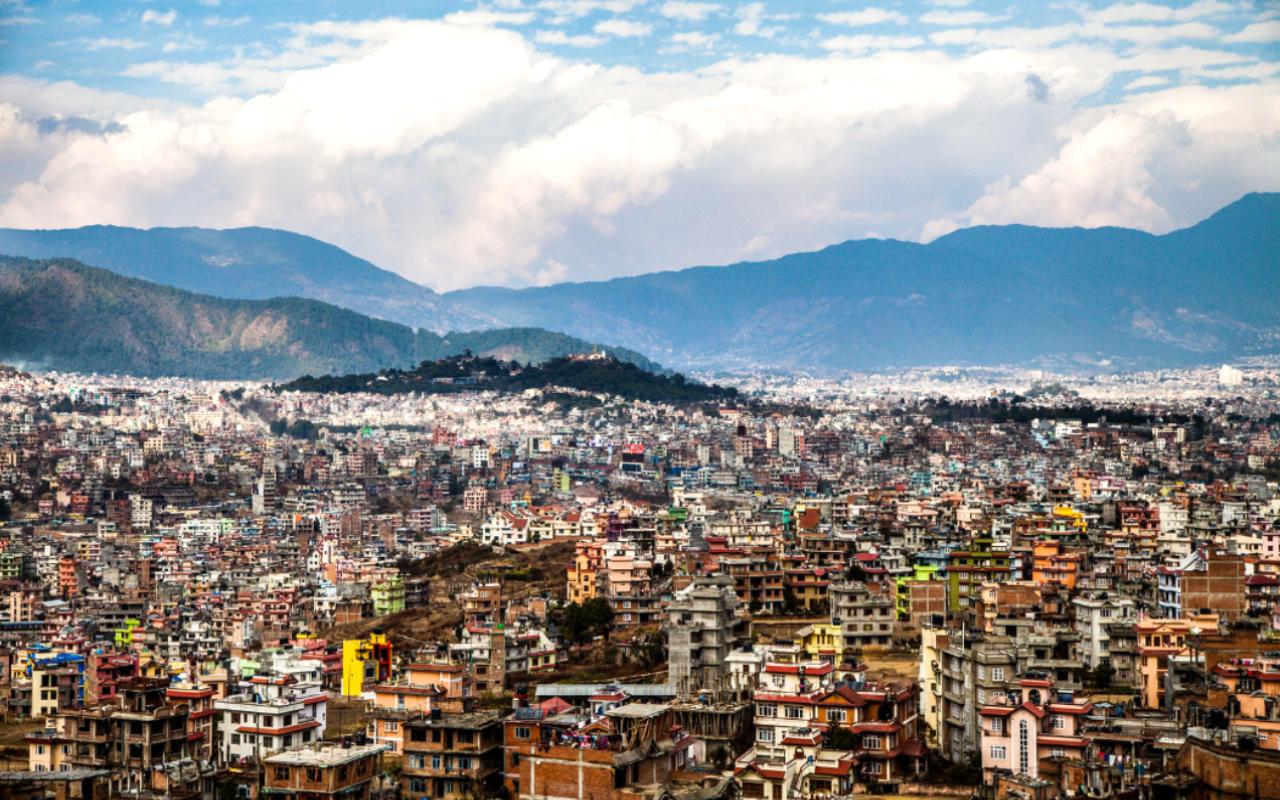
Hiking around Kathmandu is one of the beautiful experiences that foreigners can have a taste of Nepal and its culture without hiking far. Kathmandu Valley itself is enclosed in the green hills and villages, and there are numerous pretty trails to be completed within a single day. These short hikes are great in case you lack sufficient time or you are not fit for high-altitude hiking.
The majority of hikes around Kathmandu are not too challenging. No special climbing skills or technical equipment are required, just a good pair of shoes, a little water, and a basic level of fitness. These trails enable one to view snow-capped mountains, forests, local farms, temples, and small villages, all just a few hours away within the city.
The following are some of the finest one-day hiking trails in the Kathmandu region that are suitable for beginners. Every part describes the trail description, attractions, starting point, time spent, difficulty, and why it is a good trail to take as a first-time hiker.
Nagarkot to Changunarayan: Panoramic Views and Heritage
Trail Overview:
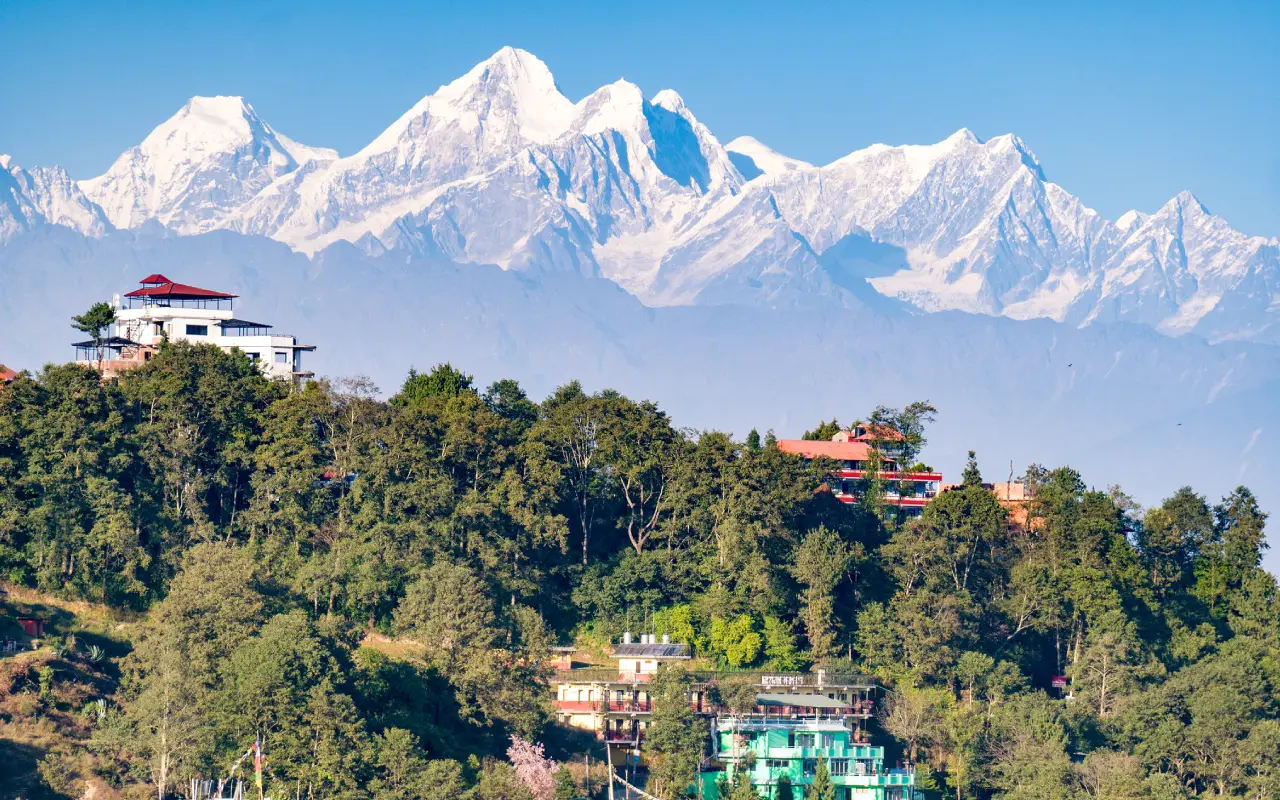
One of the best one-day hiking trails near Kathmandu is Nagarkot to Changunarayan. There is the Nagarkot hill station located approximately 32 km east of the city, where it is possible to see the beautiful sunrise over the Himalayas. Nagarkot is at the start of a day where many people drive up in the morning and see the sunrise, take breakfast, and start hiking.
The trail normally starts at Telkot, just below the main Nagarkot viewpoint. From there, an easy downhill and level road through terraced lands, and Tamang and Newar villages, and winding country lanes brings you to Changunarayan. This is approximately 8 to 10 km and is usually covered in 4 to 5 hours in a slow manner. It is not very steep and is suitable for beginners and families.
Highlights:
The largest attraction in this hike is the broad Himalayan view. During a clear day, you observe numerous mountain ranges, and some of them include Langtang, Ganesh Himal, and even distant sights of Everest. There are also the valleys, green hills, and villages that you see as you walk.
The countryside landscape is very serene. You walk through the farms, observe people toiling in the fields, and stroll through tiny traditional villages. You cannot imagine that you are close to Kathmandu, as the place is very quiet and peaceful.
The climb finishes at Changunarayan Temple, one of the oldest temples in Kathmandu Valley and a UNESCO World Heritage Site, which is dedicated to Lord Vishnu and is famous due to its wood and stone carvings. As you wander around the temple courtyard, there are some old statues, old Newari houses, and traditional artwork.
Starting Point, Duration & Difficulty:
You travel from Kathmandu to Nagarkot (approximately 1-1.5 hours on the road). A large number of individuals come earlier than the sun sets. The hike begins at Telkot and moves on to Changunarayan after breakfast.
The hike takes approximately 4 hours of walking, and it is a downhill or level hike. It is rated easy. On the downside, it can be assisted with trekking poles, and you should carry water, sunscreen, and some snacks.
Why It’s Great for Beginners:
This hike provides a great balance of landscape, culture, and comfort. You have wonderful mountain landscapes, village life, and an ancient temple without trying hard to climb it. The path is not very long but clear, hence a good first Himalayan hike, anyone of any age can do it.
Shivapuri to Budhanilkantha: Forest Walk to a Hilltop Monastery
Trail Overview:
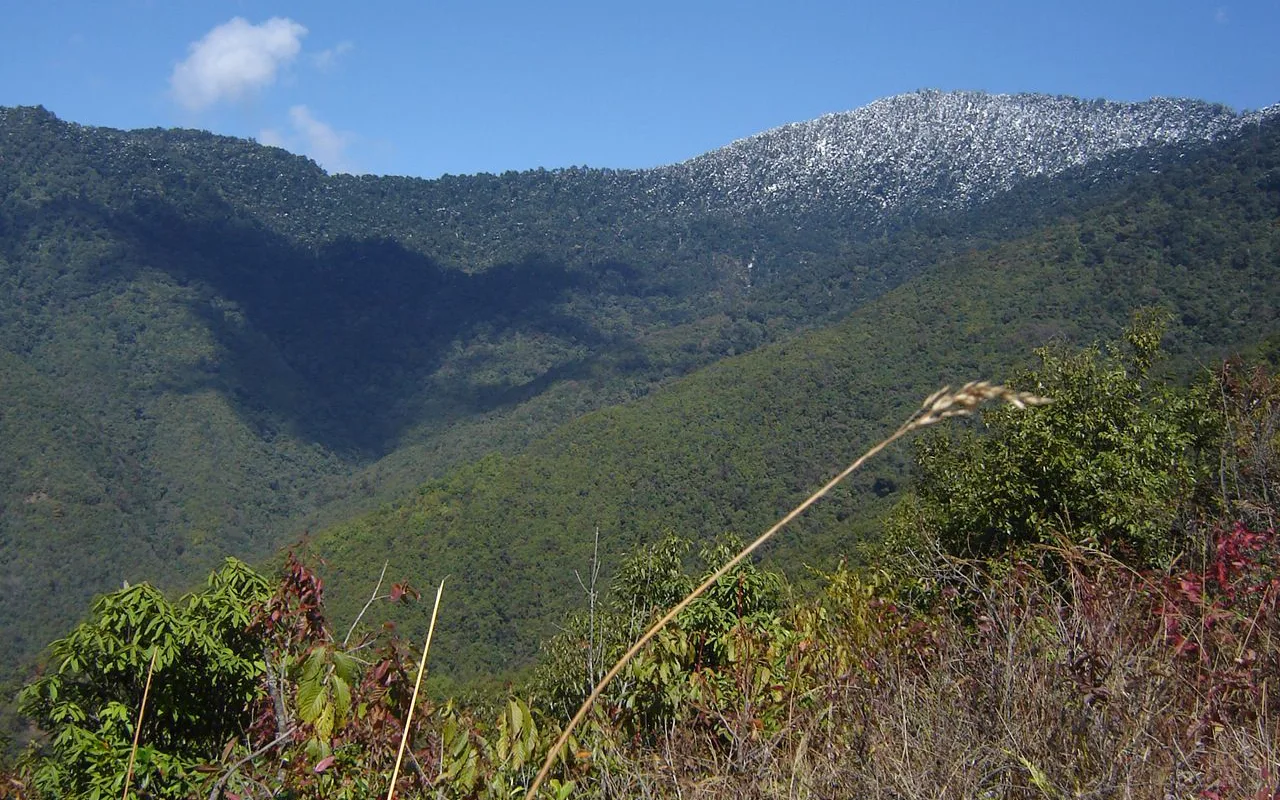
The Shivapuri to Budhanilkantha hike takes you into Shivapuri National Park, just north of Kathmandu. The hike usually starts at Budhanilkantha, which is famous for its reclining statue of Lord Vishnu lying in a pond. After visiting the temple, you walk up into the forest of Shivapuri National Park on a well-marked trail.
Many day hikers go up to Nagi Gompa, a small Buddhist nunnery and monastery on the hillside, and then return the same way. The trail climbs steadily through forests of oak and rhododendron, with occasional open spots that offer views of Kathmandu Valley.
Highlights:
This hike is ideal if you want peace and nature close to the city. Once you enter the park, the noise of traffic fades, and you are surrounded by birdsong and trees. Shivapuri is home to many species of plants, birds, and small animals, so nature lovers will enjoy this walk.
Nagi Gompa is one of the main highlights. The monastery is simple, calm, and decorated with prayer flags. You have wonderful views of the valley, and, on fine days, some glimpses of the Langtang range to the north, which are to be caught from the surrounding area of the gompa. It is a silent, meditative air, and you can find nuns or monks in the process of their daily business.
Starting Point, Duration, and Difficulty:
Budhanilkantha is approximately a 30-40 minute drive from central Kathmandu. The temple area is located a short distance away, and by walking past the temple area, you reach the entrance of Shivapuri National Park, purchase a ticket, and register your details.
The total time spent on the hike to Nagi Gompa and back is normally approximately 3-4 hours. The road is a gradual ascending one, not too steep or dangerous. It is regarded as being easy to moderate. It can be done comfortably by beginners with average fitness as they take frequent breaks.
Why It’s Great for Beginners:
This hike is short, accessible, and highly flexible. You may stop whenever you are tired, and still have a good time in the forest. There is also a blend of Hindu and Buddhist culture on the same day, first in the Budhanilkantha temple and then in Nagi Gompa. The route is popular and safe, and since Kathmandu is never too far away, it feels reassuring for first-time hikers.
Champadevi Hike: Panoramic Valley and Mountain Vistas
Trail Overview:
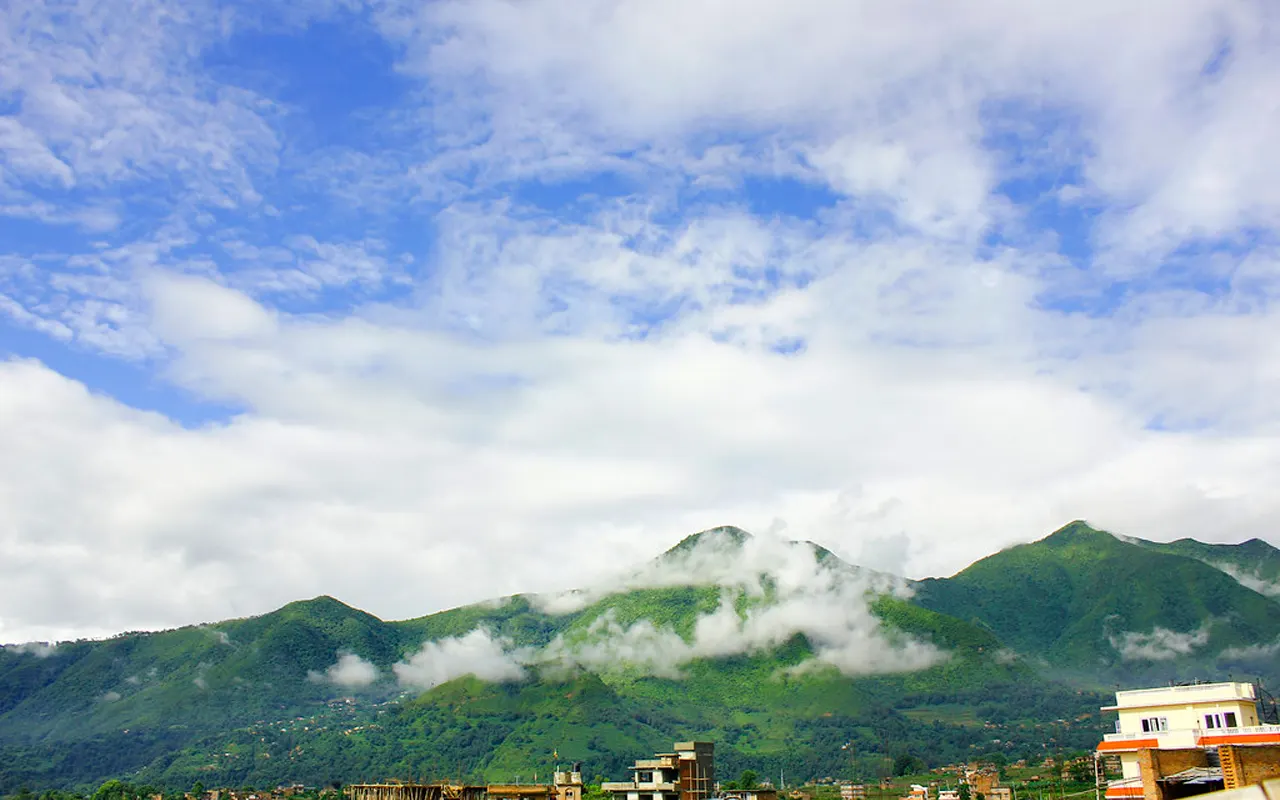
Champadevi is a scenic hill located southwest of Kathmandu, and the height of the hill is approximately 2,285 m. It is among the elevated hills in the valley and provides an excellent vantage point. The climb typically begins in the Hattiban or Pharping region, approximately a 45-minute drive from Kathmandu.
From the starting point, a clear trail climbs up through pine forests and grassy slopes to the ridge and then to the small temple on the summit. The climb takes about 2–3 hours, and the descent another 1.5–2 hours.
Highlights:
On Champadevi, you have panoramic views of the valley as well as the mountains. During a clear day, Langtang, Ganesh Himal, Gaurishankar, and dozens of other peaks are visible. The distant glimpses of Everest and Annapurna are sometimes even available in case the air is very clear.
There is the Kathmandu Valley below, also, the urban districts of Kathmandu city and Lalitpur city, the surrounding villages, and the croplands. It is such a contrast between the life of the city bustle and the silent hills.
A little temple to the goddess Champadevi, who was thought to be a guardian of the valley, is at its top. You will find pilgrims of the area at the shrine, particularly in the case of festivals or full moon days. Also close to the starting point is the village of Pharping, which is also a religious destination with caves and monasteries associated with Guru Rinpoche (Padmasambhava).
Starting Point, Duration & Difficulty:
Most hikers drive to Hattiban or Pharping and start walking from there. Others also form a circle, going up the hill on one side and down it on the other.
The duration of the hike is approximately 4-5 hours, and the elevation gain is approximately 800 meters. It is not a demanding track in terms of technical difficulty, but it is constant uphill, so you will have to move slowly. The commute is approximately 8-10km.
Why It’s Great for Beginners:
Champadevi is an ideal choice for beginners who enjoy receiving big rewards despite challenges. The hike is short enough to do in half a day, but the views feel like those on a longer trek. If you are reasonably fit, you can complete the hike without problems.
You get fresh air, forest paths, prayer flags, local temples, and wide views, all in one simple route. It is also easy to reach from the city, which makes it a convenient choice.
Phulchowki Hike: Highest Valley Ridge for Nature and Views
Trail Overview:
The highest point in the Kathmandu valley is the Phulchowki (or Phulchoki), which is about 2,760- 2,780 meters. It is located to the southeast of the valley and is known to be home to forests, flowers, and birds.
The hike usually starts from Godavari, a village about 14 km from Kathmandu, known for its botanical garden. From near the garden entrance, a forest road and trail climb steadily up to the Phulchowki summit. The uphill walk takes about 4 hours, and the descent takes about 2–3 hours.
Highlights:
Phulchowki is very popular with nature lovers. The trail passes through dense green forests, which are especially beautiful in spring when rhododendrons and other wildflowers bloom. The location is among the finest bird-watching locations in Kathmandu, with numerous kinds of birds inhabiting the trees.
At the top, there is a small shrine and some communication towers, but the main attraction is the view. On a clear day, you can see a long stretch of the Himalayas, including parts of the Annapurna range, Manaslu, and other peaks to the east. You also look down on the whole Kathmandu Valley. In winter, Phulchowki sometimes gets light snowfall, which makes it a special place for locals who want to see snow.
Starting Point, Duration & Difficulty:
You drive from Kathmandu to Godavari in about 40–50 minutes. The hike starts near the botanical garden gate. The total hiking time is around 6–7 hours. The trail is a long, steady climb, but it is on a clear jeep track or path, so it is easy to follow.
It is classed as easy to moderate: easy because it is non-technical, and moderate because of the distance and elevation gain. Most beginners can manage it if they take their time, start early, and take enough breaks.
Why It’s Great for Beginners:
Phulchowki gives you the feeling of a “big trek” in just one day. You gain a lot of height, walk through different forest zones, and reach the highest hill around the valley. For beginners with basic fitness who are ready for a longer outing, it is a very rewarding hike.
There are no tea houses along the way, so you feel close to nature. You just need to carry enough water, snacks, and warm clothing.
Nagarjun (Jamacho) Forest Hike: A Peaceful Retreat Above the City
Trail Overview:
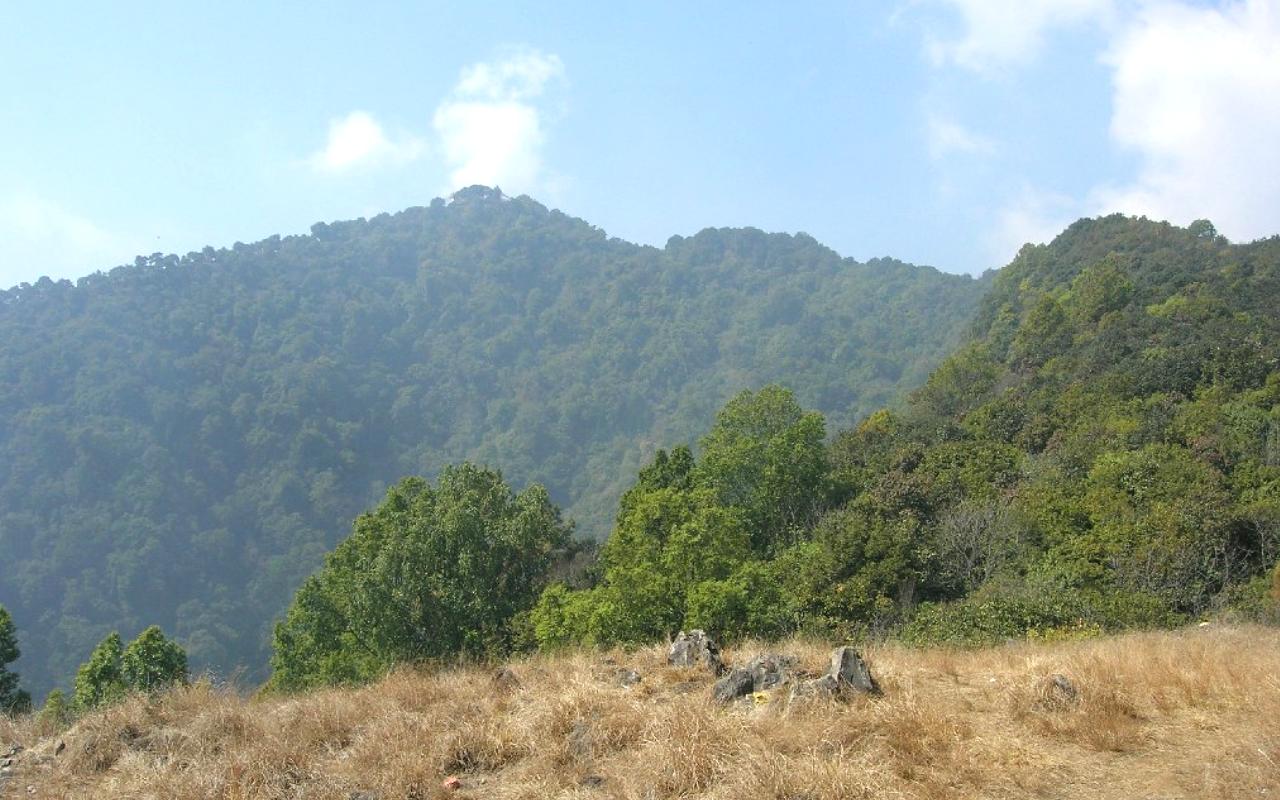
One of the simplest and shortest hikes around Kathmandu is the Nagarjun Hill or Jamacho Gumba hike. Nagarjun lies to the northwest of the city and is part of the Shivapuri-Nagarjun National Park.
The hike starts at the Fulbari (Nagarjun) Gate near Balaju, about a 15–20-minute drive from Thamel. From the gate, a clear path and stone steps lead up through the forest to the Jamacho monastery and viewpoint at about 2,100+ meters. The trail is about 4–5 km uphill and the same back down.
Highlights:
Even though Nagarjun is very close to the city, once you enter the forest, you feel far away from the noise. The trail goes through thick jungle with tall trees. You will find monkeys, birds, and other small animals.
About halfway up, there are some open places, where you may rest and have the first glances of the valley. The highest point is Jamacho Gumba, which is a small Buddhist monastery adorned with prayer flags. It also has a viewing point or a small tower which gives a panorama of Kathmandu Valley and, on clear days, the Himalayas as well.
Starting Point, Duration & Difficulty:
It is a national park, and you pay a small amount of money as an entrance fee and register at Nagarjun Gate. The total time for the hike is about 4–5 hours, including breaks. It usually takes 2–2.5 hours to climb up and 1.5 hours to come down. The distance is around 9–10 km round trip. The walk is uphill but not very steep, and the path is well-defined. It is considered easy, and many locals walk it for exercise.
Why It’s Great for Beginners:
Nagarjun is a wonderful first hike in Nepal. It is very close to the city, short, and safe, yet gives you a real forest experience and fine views. It does not require good fitness or any special equipment, only comfortable shoes and a little patience to climb. The hike can be completed by lunchtime or early afternoon, and you still have energy to undertake other activities in Kathmandu.
Sundarijal to Chisapani: Waterfalls and Mountain Village Trek
Trail Overview:
The Sundarijal to Chisapani hike is a more difficult and longer day hike that provides the flavor of trekking. Sundarijal is situated in the northeastern portion of Kathmandu Valley and is identified with waterfalls and a small dam. From Sundarijal (about 1,460 m), the trail climbs up through Shivapuri National Park to the ridge-top village of Chisapani (around 2,300 m).
This route is actually the first day of the well-known Helambu trek. Many people hike from Sundarijal to Chisapani as a one-day hike and return the same way, while others stay overnight in Chisapani and come back the next day.
Highlights:
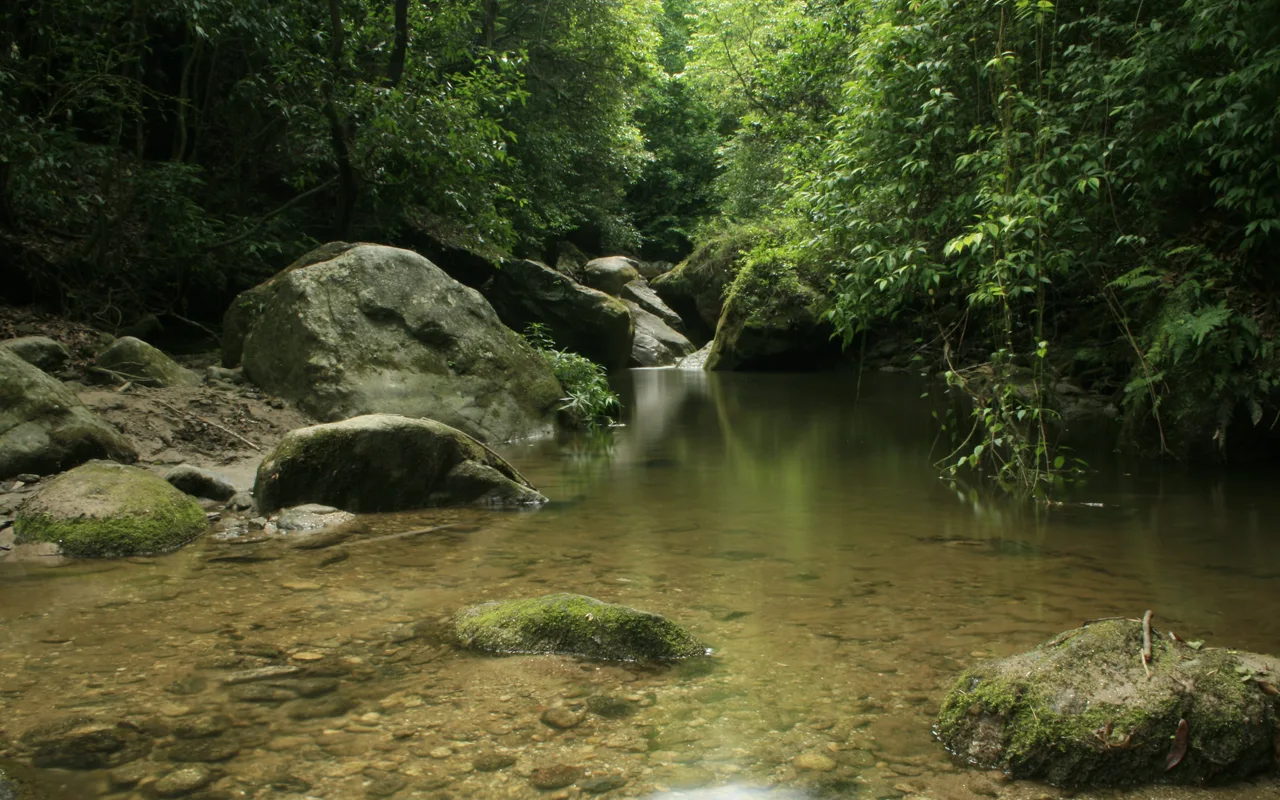
It starts with a beautiful stroll along waterfalls, streams, and stone steps along the water channels. The beginning of the hike is very refreshing due to the sound of water and cool air.
Once you are up the first hill, you enter a small Tamang village called Mulkharka, which has terraced farms and thatched-roof houses. Here one may take a rest, have a cup of tea, and come to the local village. The path further continues through rhododendron and mixed forests in the national park. It is spring, and the rhododendrons are colouring the hillside with a bright red and pink.
As we move toward Chisapani, the forest is replaced by open ridges where the views are wide. Chisapani is a trivial village having some lodging and tea houses. One looking from the aspects close to the village can observe a row of snow-crested mountains, one of them being the Langtang range and the Ganesh Himal. During the clear days, the sunrise and the sunset in Chisapani are very beautiful.
Starting Point, Duration & Difficulty:
You drive around 45 minutes from central Kathmandu to Sundarijal. At the national park entrance, you buy a ticket and start walking. The ascent to Chisapani requires approximately 5 hours of uphill and 4 hours of downhill work in case you do the entire mission in a single day. The total length is approximately 16km.
The path is primarily rocky steps and plain trails that locals use, and it is not so difficult to find the way. It is categorized as moderate due to the distance and height gain, yet many novices with comparatively good fitness will cope with it, provided they begin early enough and take it at a slow pace.
Why it’s Great for Beginners:
Chisapani to Sundarijal is a mini trek around Kathmandu. You see mountain views, forests, waterfalls, and villages all within a single route. This hike is a significant accomplishment for beginners, and they prepare well before they go on any multi-day hikes. There is also the social aspect of meeting the local villagers and other hikers on the way, making the whole journey enjoyable.
Tips for Beginner Hikers in Kathmandu, Nepal
Generally, hiking in Kathmandu is a safe and enjoyable experience, but with some simple tips, you can make it even better:
Choose the Right Season:
Autumn (September to November) and spring (March to May) are the most optimal seasons to hike in the area of Kathmandu area. The weather is normally stable during these months, and the skies are clear with comfortable temperatures.
The winter (December to February) is also a good time, and it has clear sight with colder mornings and short days. During monsoon (June to August), it rains, there are clouds, leeches, and thus the trails may be muddy and the views can be hampered.
Start Early in the Day:
Attempt to start your hiking early in the morning. You will have more pleasant weather and clearer sights before the afternoon clouds form. It is also an excellent time to start the hike with enough time to complete it during the day, even if you have a slow pace or more frequent breaks.
Pack Light but Carry Essentials:
A small backpack with at least 1-2 litres of water, some snacks or a light lunch, a first aid kit, sun protection (hat, sunscreen, sunglasses), and a light rain jacket would be recommended in the case of a day hike. Wear several layers of clothes to be able to adapt to the changing temperature.
Wear Proper Footwear:
It is very important to have comfortable shoes with a good grip. You do not even necessarily require heavy trekking boots; however, your shoes must be strong enough to cope with dirt paths and stone steps. New shoes can cause blisters, so avoid these and use thick socks that keep the feet dry and cozy.
Take Your Time and Keep Hydrated:
Walk slowly, particularly around the steep areas, and take rest when necessary. Take water frequently, and not only when you are thirsty. Taking breaks to have a rest, appreciate the scenery, and take pictures will make the hike less challenging and more enjoyable.
Permits and Entry Fees:
Some hikes, such as Shivapuri/Budhanilkantha, Nagarjun/Jamacho, and Sundarijal/Chisapani, are inside Shivapuri-Nagarjun National Park and require entry tickets. The fee is simple to pay at the gate, and you should keep the ticket with you.
In other hikes, such as Nagarkot to Changunarayan or Champadevi, no formal permits are issued; however, rules can vary, so enquire with your hotel or local agencies when you are in doubt.
Respect Local Culture and Environment:
There are numerous trails that go through villages and religious places. Wear a simple dress, particularly when around temples and monasteries. Smile and greet the locals with Namaste, and before taking photos of individuals, always seek permission first. Keep the trail clean, take your rubbish away with you. Feeding wild animals like monkeys should be avoided.
Stay Safe:
When you can, hike with a friend or in a small group. If you are unsure about the route, hiring a local guide is a simple and affordable option. You should tell somebody where you are heading and when you are coming back. Always take a fully charged phone, but also a small torch or headlamp in case your hike lasts longer than expected.
Look After Your Health:
These hikes are not very high, yet when someone is coming out of the sea, the altitudes can make them feel more fatigued than normal when walking uphill. Be patient and listen to your body. In case of health conditions, consult with your physician before attempting any long rises. Do not use untreated water on taps or streams; use bottled or purified water.
Enjoy the Experience:
Most importantly, keep in mind that these hikes are not only the reaching the top or the perspective. They are all about living in the little things: the noises of the forest, a cup of hot tea in a village, the smile of a local child, or your first sight of a snow-capped mountain.
The best introduction to the world of Nepalese trekking is by hiking around Kathmandu. A one-day hike with a little preparation, an open mind, and mere respect for the local culture and nature can be one of the happiest memories of your visit.
In summary, whether you choose an easy downhill walk from Nagarkot or a more active climb to Phulchowki, every one-day hike gives you a lovely glimpse of Nepal’s landscapes.
Hiking near Kathmandu is very rewarding for beginners – the trails are friendly, the views are beautiful, and the cultural experiences are meaningful. With these tips and suggestions, put on your shoes, step out of the city, and enjoy a peaceful day in the hills around the Kathmandu Valley.
