





Best Time to Visit Bhutan for Trekking and Hiking Adventures
Nestled in the Eastern Himalayas, Bhutan is always described as a paradise for hikers and trekkers. Bhutan offers a wide range of dramatic landscapes, immaculate wilderness, spiritual culture, and snow-capped mountains. Trekkers can get an authentic trekking experience.
Whether you are seeking high altitude adventures in the dramatic snow-capped mountains, or someone who is seeking gentle cultural hikes through traditional villages and valleys, Bhutan’s landscape offers you all. You will gain an unforgettable moment from Bhutan’s Landscapes.
Timing is one of the essential factors while you are travelling. Knowing about certain climate structures directly affects your experiences. Trekking in Bhutan not only means blending with the peace and nature, but it is also about facing altitudes, weather patterns, and terrain. Choosing the right season can make a huge difference in your journey.
While Bhutan looks stunning throughout the year, the conditions for trekking and hiking can dramatically change. The condition of trekking and hiking depends on the weather you choose. Factually speaking, there are two main ideal seasons to do trekking and hiking in Bhutan, they are: the spring season (March to May) and the autumn season (September to November).
Winter and summer are also unique seasons to do hiking, but it varies from the type of hiking. This blog will guide you through the best time to trek and hike in Bhutan. This blog will break down each season’s advantages and disadvantages, recommended trekking destinations, and planning tips to make your journey rewarding.
Trekking Seasons in Bhutan
Spring (March – May)
The spring season, one of the popular trekking seasons in Bhutan. The valley looks awake and lively because of the melted snow. The trails look like a piece of art due to the lined-up blooming rhododendrons, magnolias, and alpine meadows. The air feels fresh, and the landscapes look vibrant, creating a heaven for hikers.
Weather
The spring season’s temperature is mild. The temperature ranges from cool morning to pleasant warm afternoon. At night, higher altitude valleys feel cold. Overall, the weather conditions are comfortable. If you want to enjoy the clearest skies, you can consider visiting in early spring, as late spring can be a bit hazy.
Why trek in spring
Here are the points to describe why trekking in spring is best
- Vibrant and blooming rhododendron in the green and dense forest.
- Moderate temperature and stable weather
- A balance between natural and cultural experiences.
Popular treks in spring
Jomolhari Trek
This is the classic trek through stunning mountains. One can get a deep cultural experience from this trek. A perfect combination of beauty and culture.
Druk Path Trek
This trek is short but equally rewarding. The path to this destination connects Paro and Thimphu.
Bumthang Cultural Trek
This trek is ideal for those trekkers who love a gentle pace with rich cultural heritage.
Autumn (September – November)
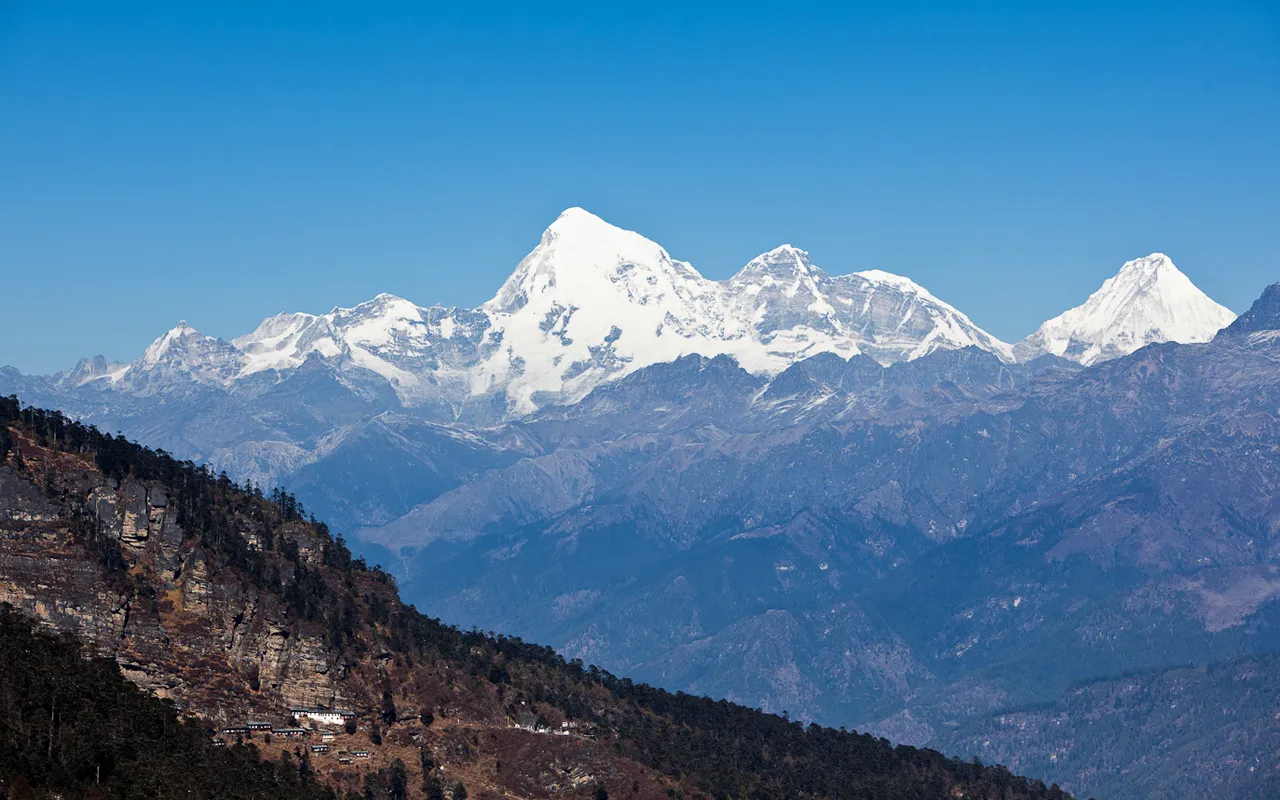
Autumn is the overall best season to trek in the landscapes of Bhutan. Due to the monsoon rain, the skies seem clearer, and the views of the mountains are crystal clear. The temperature is crisp. The weather is stable, making it ideal for long and high-altitude treks.
Weather
The temperature is ideal for trekking as the days are cool and comfortable. Nights can be a bit chilly, especially above the altitude of 3000 meters, but the overall condition is manageable.
Why trek in autumn
Here are the points to clarify why you should trek during the autumn season.
- Clear visibility of the Himalayas and landscapes.
- Perfect for long and high-altitude treks.
- Manageable weather conditions.
Cultural experience can acknowledge the cultural festivals like Thimphu Tshechu and Wangdue Tshechu.
Popular Treks in autumn
Here are some popular treks to do during the autumn season.
Snowman Trek
This trek is considered the toughest trek in the world. The weather conditions during this season are manageable, so one can attempt this trek due to stable weather.
Dagala Thousand Lakes Trek
Through this trek, one can experience the views of alpine lakes and stunning landscapes.
Laya Gasa Trek
This trek will take you through the remote cultural highland villages. One can get an experience of a cultural adventure.
Winter (December – February)
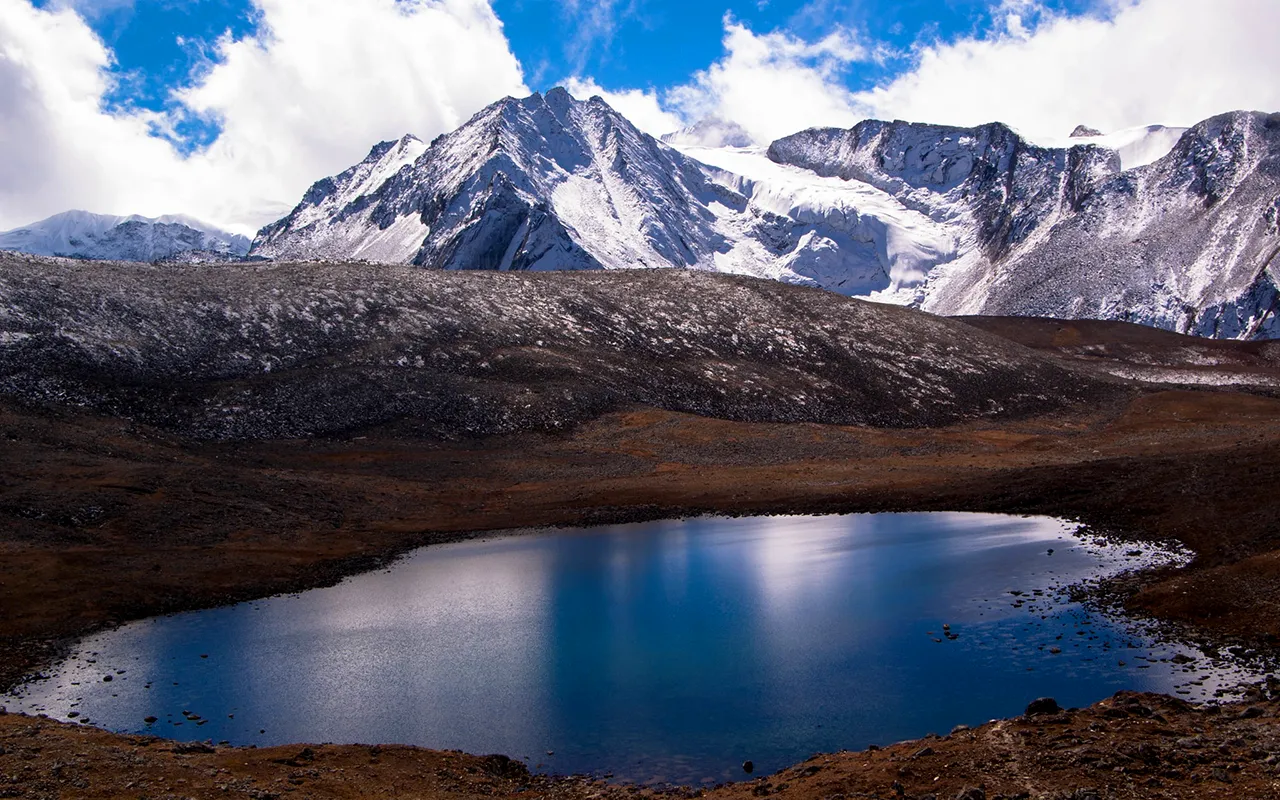
Winter is often missed by trekkers, but this season holds its own charm. Above the altitude of 3000 meters, the temperature drops gradually, and you can also see the snow blankets on the trails. The skies are unusually clear, and the valleys are reposeful with fewer crowds in the trails.
Weather
The weather is cold, especially at the high altitudes. Despite being cold, the lower land treks still become manageable. The daytime sunshine makes the lower valley accessible and manageable. In Punakha, Gangtey, and Bumthang, the weather is pleasant and cool.
Why trek in the winter season
Here are some points to describe why you should trek during the winter season.
- Fewer crowds.
- Clear skies and peaceful trails.
- Opportunity to hike on low lowlands in a peaceful environment.
- Cultural immersion.
- Scenic experience.
Popular Treks in winter
Gangtey Trek
This trek is short but scenic; trekkers pass through the Phobjikha Valley.
Punakha Winter Hikes
This trek is ideal for those trekkers who love gentle walks to monasteries and rice fields.
Bumthang Cultural Valley Hikes
During the winter season, trekkers can explore monasteries and traditional villages at a comfortable altitude.
Summer/Monsoon (June – August)
The summer or monsoon season might be risky due to heavy rainfall, slippery trails, and especially leeches in the forest areas. There is a high risk of landslides in the high-altitude region. This season is less recommended to do trekking.
Weather
The weather is humid and wet. Trail conditions are worse due to mud and steep terrain. Mountain views are often obscured by the clouds.
Why trek in the summer or monsoon season
- View of lush green forest and vibrant landscape.
- Less crowded than other peak trekking seasons.
- Suitable for valley hikes and short cultural walks.
Possible activities to do in the summer
Take a short hike to stunning places like Paro, Thimphu, and Bumthang Valleys.
Best Treks by season
Each season has its own highlights and its own advantages. Here are some highlights of each season in the prospect of trekking.
Spring highlights
The major highlights of this season are vibrant forests, blooming rhododendrons, moderate temperatures, and lush Valleys. This season is ideal for moderate treks like Druk Path and Jomolhari.
Autumn Highlights
The major highlights of this season are crystal clear mountain views, cultural and traditional festivals, cultural immersion, and stable weather. This season is ideal for epic and highland treks such as Snowman treks or Laya Gasa.
Winter Highlights
The major highlights of this season are crystal clear skies, peaceful trails, cultural immersion, and scenic beauty. This season is ideal for beginners who love slow cultural walks. The best trekking destinations during this season are Gangtey and Punakha.
Summer Highlights
The major highlights of this season are lush greenery; overall, trekking in this season might be risky. This season is best for short and cultural hikes.
Tips for Planning Your Trekking Tips
Planning for a trek is essential. Planning makes a huge difference in shaping your journey. Here are some of the tips mentioned below for you.
Match trek difficulty with your fitness level
Bhutan offers you every type of trek, ranging from difficult treks to moderate treks. You can choose the toughest trek Snowman trek, or a gentle walk to the cultural heritage. Choose the trekking destination according to your fitness level. As a trekker, you should know your strengths and weaknesses. By choosing the right option, your trek will be fruitful.
Pack Smart
Packing is another essential part when it comes to trekking or touring. You should always pack smart and light. The weather is unpredictable, so pack the essential layered clothing. Bring layered clothing, waterproof gear, and boots to handle the harsh weather conditions. Always pack those things that are essential.
Travelling agent
Travel with the licensed Bhutanese operator. Travelling individually is not allowed. You should travel with a trusted and licensed operator. You must book your travel with a trusted agent who can provide you with accommodation, a guide, porters, and permits.
Acclimatization Plan
Acclimatization is a crucial part of trekking, especially when you are trekking above 3500 meters. Allow yourself to adjust to the altitude. This helps the trekkers to mitigate the risk of altitude sickness. Make a proper itinerary plan. Don’t rush; always follow your body. Recognize the early symptoms of altitude sickness.
Understand Permits and SDF
To visit Bhutan, visitors need to obtain permits and the SDF (Sustainable Development Fee). These formalities are often handled by your operators.
Festivals and Trekking
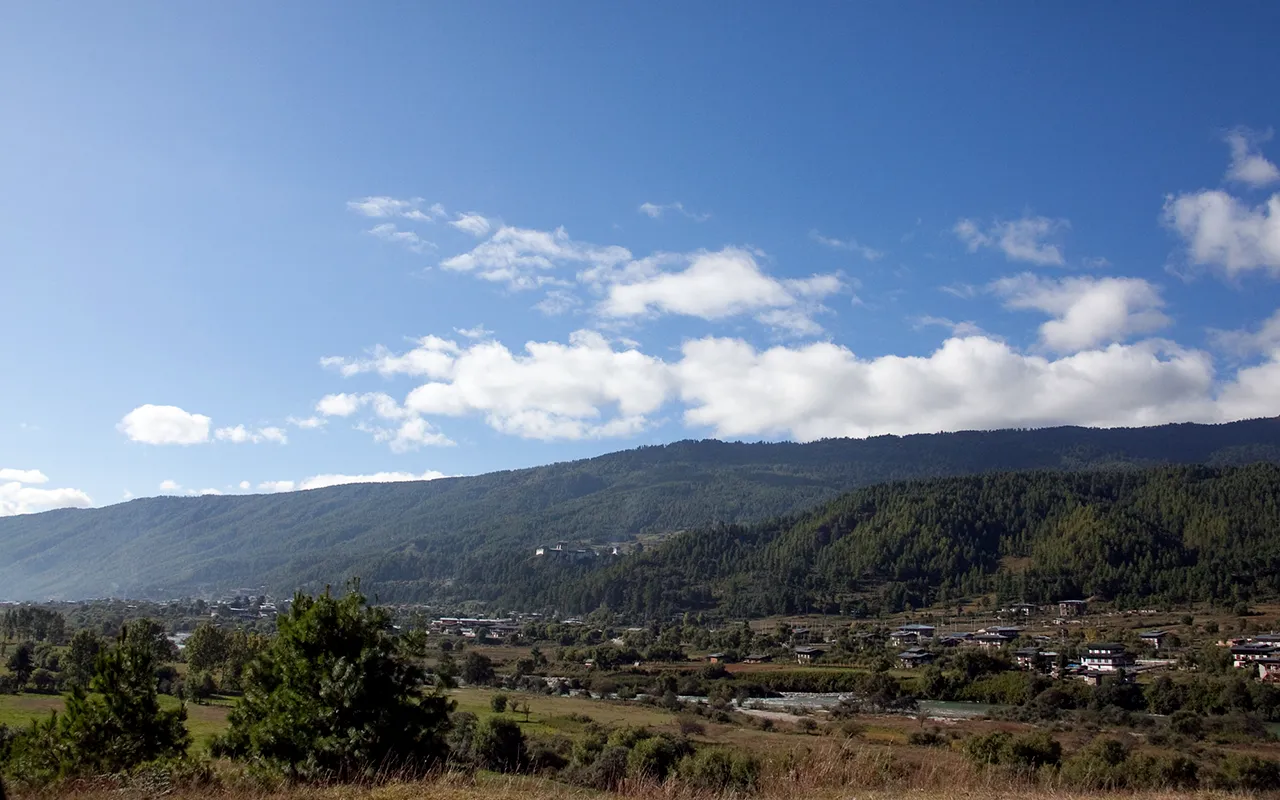
One of the features of trekking in Bhutan is that you can combine your trekking with Bhutan’s renowned cultural festivals. One of the festivals that is renowned all over the world is Tshechus. This festival is conducted in fortresses and monasteries across the nation. This festival celebrates the teaching of Guru Rinpoche, a person who introduced Buddhism in Bhutan.
Every person wears their traditional attire to celebrate the festivals. For the trekking, visiting Bhutan during the time of Tshechu adds value to their cultural and traditional finds.
Spring Festival
During the spring season, trekkers get a chance to enjoy the vibrant festival like Paro Tshechu. This season makes the trek more appealing. This festival is one of the biggest festivals in Bhutan. In central Bhutan, people celebrate small community-based festivals that can be seen in Bumthang, which align adventure with culture.
Autumn Festival
Autumn is also about festivals. The most celebrated festival falls under this season. The popular trekking season with popular festivals seems like a cherry on top adventure. Thimphu Tshechu and Wangdue Tshechu are the major highlights of the autumn season. If you want to explore more about this cultural festival, plan the Laya Gasa Trek and the Dagala Thousand Lake trek. Trekkers can enjoy a mask dance before venturing into the wilderness.
Winter Festival
While winter is limited to the lower elevation, it is still possible that you catch a glance at cultural festivals like Trongsa Tshechu and Punakha Drubchen. These festivals might be small festivals, but due to fewer crowds, you can enhance your cultural knowledge.
Summer Festival
Even during the harsh season like monsoon the Bhutan’s culture still comes to life. Festival like the Haa Summer festival is celebrated in the highland of Bhutan. Trekking to the highlands is not recommended for travelers, and they can enjoy their days in Paro, Thimphu, or Haa and participate in small cultural gatherings.
Why combine trekking with festivals?
- Travelers get to enjoy Bhutan’s traditional lifestyle, cultural history, and get to look at the vibrant traditional outfits, not just natural beauty.
- Travelers get to be involved with locals and celebrate festivals with them, but interactions and involvement depend on the tourists’ cultural understanding.
- This is the combination of physical adventure and spiritual immersion.
Conclusion
Bhutan is a trekker’s paradise. Bhutan is a land that goes beyond adventure. It is a journey through spiritual tradition, vibrant living culture, and untouched wilderness. The ideal time to visit Bhutan for trekking and hiking is are spring season (March – May) and autumn (September – November) when the weather is stable and predictable.
During these seasons, the skies seem to be clear and the trails seem to be stunning. For those travelers who love peace and want to enjoy the nature of Bhutan on a Low-altitude hike, then the winter season is ideal for them. The summer season is ideal for traveling the lowlands of Bhutan, but it is not recommended for trekkers who want to attempt high-altitude trekking.
The Summer Season is vibrant due to green, lush valleys, but the scenario is disturbed by the thick clouds. Travelers get to enjoy the mask dances and other rituals of the festival. Travelling to Bhutan is a perfect blend of nature and spiritual practices.
Bhutan is rich when it comes to nature and tradition. As a tourist, it is your duty to respect the norms of the local people and their traditions. Are you ready to be part of Bhutan’s Natural beauty and cultural traditions?
