




Everest Base Camp Trek Best Time : Complete Seasonal Guide for Trekkers
Introduction
Everest Base Camp Trek is amongst the most famous trekking adventure in the world. Every year thousands of travelers come to Nepal to take a stroll through this beautiful region of Khumbu and visit the foot of the highest mountain on Earth, Mount Everest. The trip goes through traditional Sherpa villages, suspension bridges, high mountain valleys and fantastic Himalayan scenery.
Trekkers who undertake this trek enjoy not only stunning landscapes but also the colorful culture of Everest region. The trail is memorable every step down to the bustling town of Namche Bazaar to the quiet monasteries of Tengboche.
However, choosing the Everest Base Camp Trek Best Time is extremely important for a successful journey. The high Himalayas weather is prone to change very quickly and even the season you select may result in difference in visibility, trail conditions, security and the overall comfort of your trek.
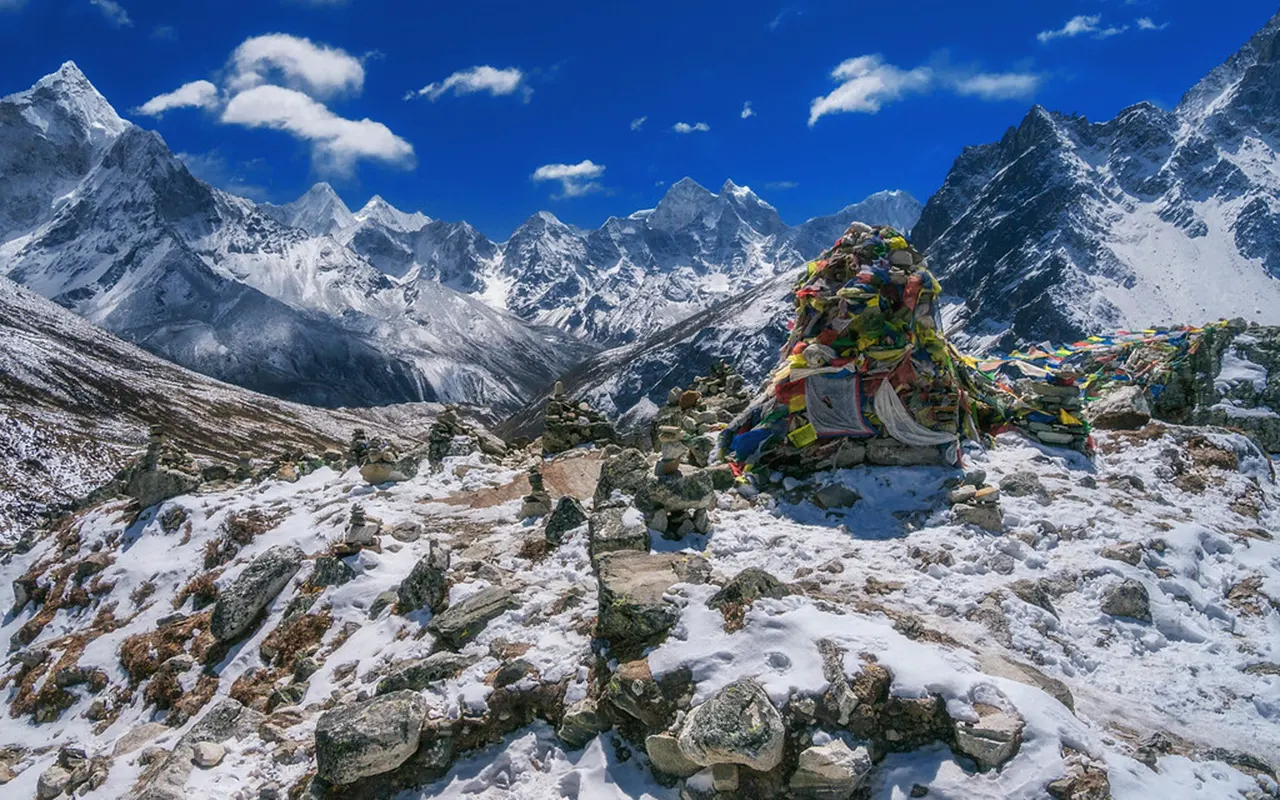
Everest region will experience 4 major trekking seasons annually. Such seasons are spring, summer or monsoon, autumn and winter. Every season is associated with a different trekking experience that has its own pros and cons.
Knowledge of these seasonal variations can guide the trekkers to plan their journey better. Certain seasons are more beautiful and pleasant in terms of mountain views and more stable weather, others are less noisy and unique landscapes.
This guide explains the Everest Base Camp Trek Best Time by exploring the weather conditions, trekking atmosphere, and advantages of each season. By familiarizing themselves with these seasonal changes, trekkers can better decide the time that will work best for them based on their travel objectives and experience level.
Why Choosing the Right Time for the Everest Base Camp Trek Matters
Choosing the correct season for the Everest Base Camp Trek is an important part of the trip planning. Trekking in the Himalaya is associated with high altitude environments where the weather conditions might have a strong impact on the journey or trek.
The weather condition in the high Himalayas is one of the greatest reasons why timing is significant. Everest region is a place that experiences different temperatures, snowfall and wind conditions in different seasons of the year. The predictable weather also ensures that trekking is easier and safer, whereas the unpredictable weather may lead to inconveniences on the way.
Mountain visibility is the other important consideration. This area also attracts many trekkers to have excellent glimpses of the Mount Everest along with other Himalayan giants such as Lhotse, AmaDablam, Nuptse and Thamserku.
During certain seasons the skies are clearer, which enables trekkers to enjoy panoramic views of the mountains almost every day.
The trekking trails also vary in terms of their conditions with the change of the season. The trails are usually stable and easy to walk in during dry seasons. Conversely, during the monsoon months, it may be wet and cause certain areas to become slippery and muddy.
Crowd levels are another factor that affects the trekking experience. Popular seasons like spring and autumn receive a great number of trekkers from around the world. This makes for a lively atmosphere along the trail but also means that teahouses and lodges can get busy.
Accommodation availability is closely related to the trekking season as well. In the peak trekking months it is often necessary to book lodges and flights in advance. During the low seasons, trekkers might discover that they have more room when it comes to accommodation and services.
Ultimately, choosing the Everest Base Camp Trek Best Time helps ensure a more enjoyable and smoother trekking experience. You have the option of selecting a season based upon your expectations and thereby take advantage of the mountain views, safety and comfort considerations in such an amazing Himalayan trip.
Overview of Everest Base Camp Trek Seasons
The Everest region have four main trekking seasons. Each season has its own weather patterns, landscapes and trekking conditions.
Understanding these seasonal differences helps travelers decide the Everest Base Camp Trek Best Time for their adventure.
- Spring (March–May)
Spring is said to be one of the best seasons to trek in the Everest region. The weather gradually gets warmer after winter, and the skies are often of good clarity.
During this time of year the trails are bustling with trekkers from all over the world. One of the most beautiful things about trekking during spring is the forests of blooming rhododendrons that fill the hillsides with shades of red and pink.
- Summer/Monsoon (June–August)
Summer in Nepal is also the time of monsoon. During these months the Everest region receives regular rainfall, especially in the lower parts.
Clouds and rain may reduce the view of the mountain, but the landscape is lush and green. Fewer trekkers visit during this season, which means the trails are less crowded.
- Autumn (September–November)
Autumn is widely regarded as the Everest Base Camp Trek Best Time for many trekkers. After the monsoon rains clear the atmosphere, the skies are bright and steady.
The weather is generally comfortable and visibility of the Himalayan peaks is excellent. This is a very popular season for trekkers due to its assured weather and stunning environment.
- Winter (December–February)
Winter is the time of colder temperatures in the Everest region. It may rain as snow in higher parts of the trail, notably near Everest Base Camp and Kala Patthar.
Although the weather is colder, the winter season has peaceful trekking paths and beautiful snow-covered landscapes. Trekkers who like to be alone tend to take this season.
Each one of these seasons provides a different experience for trekking. Understanding their characteristics helps travelers identify the Everest Base Camp Trek Best Time that suits their preferences and trekking style.
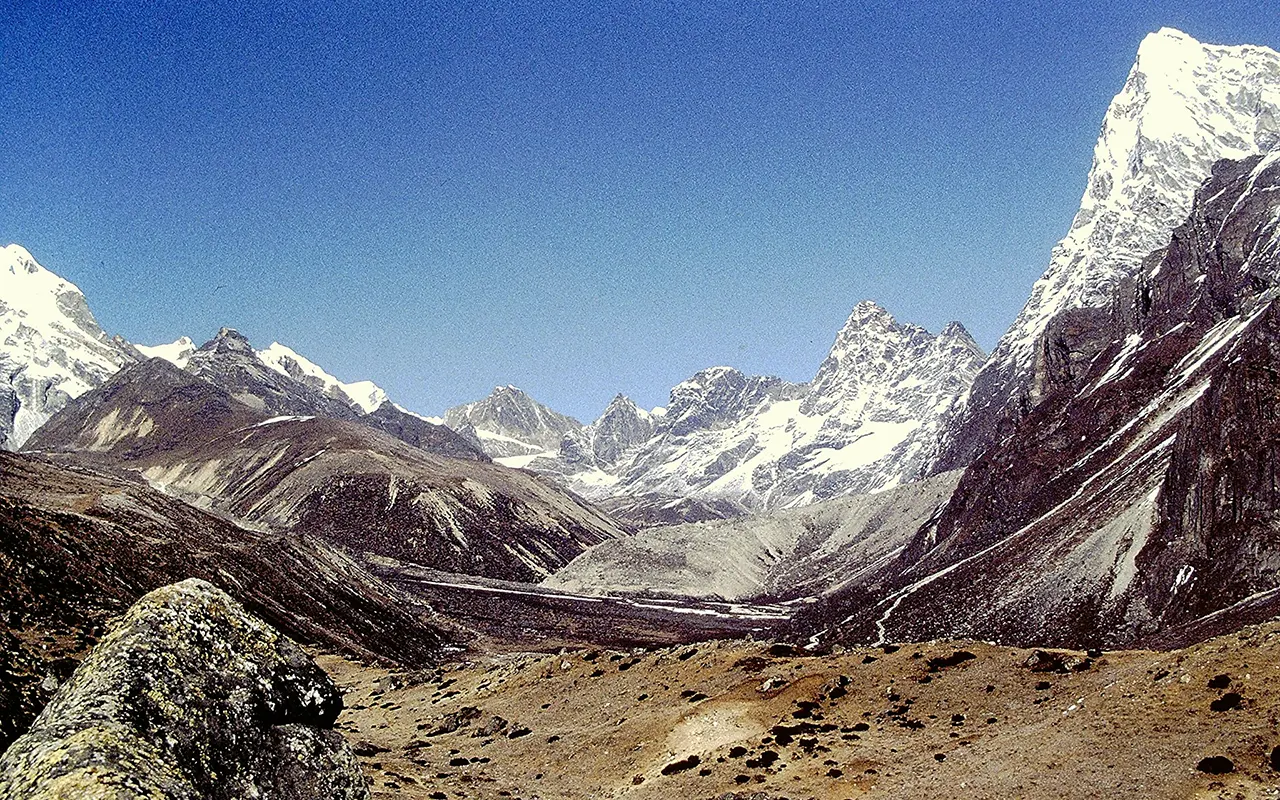
Everest Base Camp Trek Spring (March-May)
Spring is mostly considered as one of the best seasons to have a trek to Base Camp Everest. Following the cold winter days the weather becomes progressively warmer and the trekking conditions seem to be more comfortable.
Many trekkers believe spring represents the Everest Base Camp Trek Best Time because of the stable weather and beautiful scenery found along the trail.
Temperatures during the springtime are quite comfortable, particularly in the lower villages like Lukla, Phakding and Namche Bazaar. As trekkers ascend higher into Dingboche and GorakShep the air cools, but the daytime trekking conditions are generally good.
One of the very special features of spring trekking is the blooming rhododendron forests. These colorful flowers grow all over the hillsides in the Khumbu region and form colorful landscapes along the trail. Walking through these forests gives a special charm to the way.
Spring also provides excellent mountain visibility. Trekkers can enjoy good views of famous Himalayan peaks such as Mount Everest, Lhotse, AmaDablam and Thamserku. These views often seem to be incredibly beautiful in the early morning when the sky is bright and calm.
Another benefit of the spring is the vibrant trekking atmosphere. The Everest region attracts many climbers and trekkers during this season as well as mountaineers who are to do the Everest expeditions. This makes the villages like Namche Bazaar an adventurous and vibrant place.
However, due to the amazing popularity of spring, the trails can be busy during peak weeks. Lodges and teahouses can be busy so it is advisable to book accommodation early if you are planning your trek.
Despite the crowds, many travelers still consider spring to be one of the most reliable options when deciding the Everest Base Camp Trek Best Time.
Everest Base Camp Trek in Summer/Monsoon (June–August)
Summer in Nepal is synonymous with the monsoon season, which is associated with more rainfall in many parts of the country. During this weather there are frequent clouds and occasional rain showers and the humidity is higher in the lower elevations of the Everest region.
Because of these weather patterns, fewer trekkers choose this season when planning the Everest Base Camp Trek Best Time.
Rainfall in the monsoon months sometimes makes sections of the trail muddy or slippery. Trekkers must walk carefully and carry adequate waterproof clothes to be comfortable in wet weather.
Cloud cover may also have an effect on the visibility of mountains. On some days the high Himalayan peaks might not even be visible in the clouds, especially in the afternoon hours.
Another challenge of the monsoon season is the threat of flight delays to Tenzing–Hillary Airport in Lukla. There are also weather conditions that will delay flights that can influence the timetable of trekking.
There are however, special advantages to trekking in the monsoon season. The scenery turns green and fertile and the trees look alive following frequent rains. Waterfalls along the trail are greater and more impressive at this time.
Also, the trekking trails are much less noisy, as there are not many tourists in the area at this period. It could appeal to travelers who enjoy spending time alone.
While summer may not be considered the most common Everest Base Camp Trek Best Time, it can still offer a rewarding experience for trekkers who are comfortable with occasional rain and flexible travel plans.
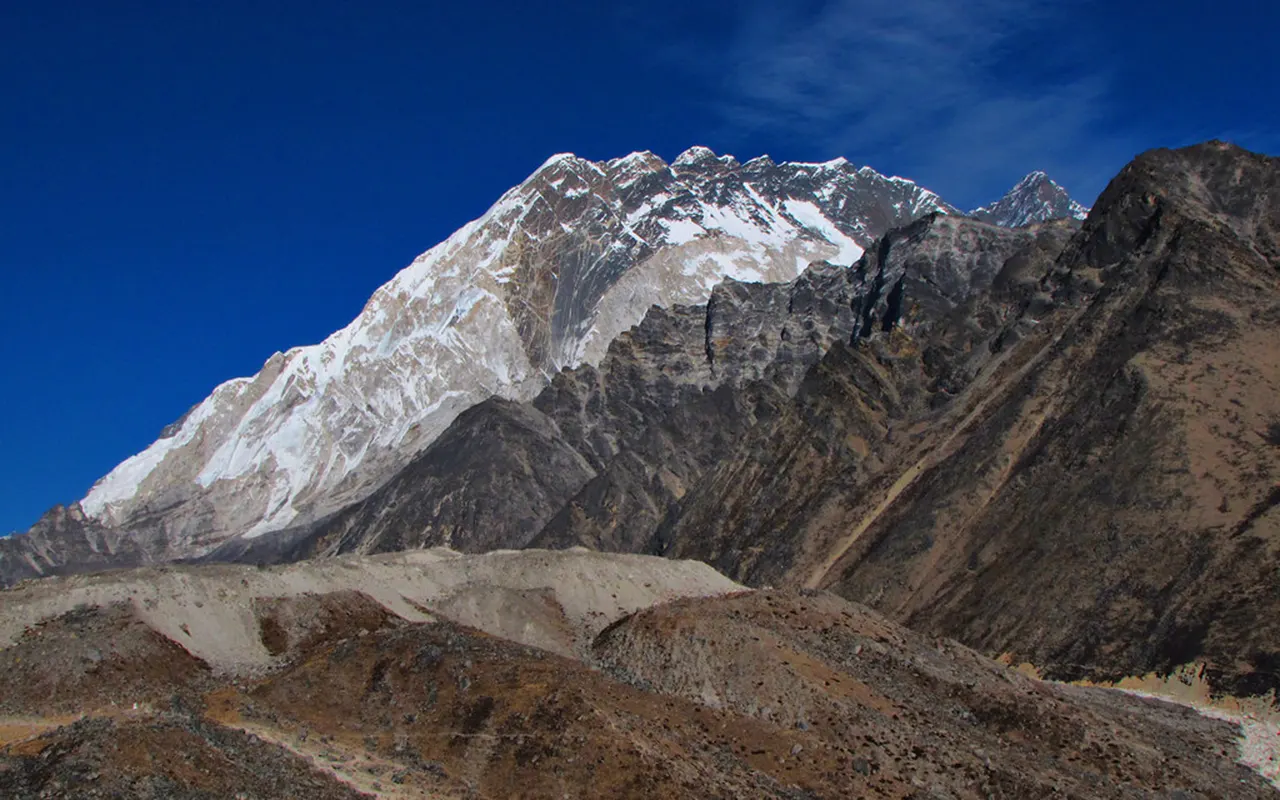
Everest Base Camp Trek in Autumn (September – November)
Autumn is usually regarded as the best time of the year to trek in the Everest region. After the monsoon rains are over the atmosphere is clear and fresh. The sky is normally bright blue and the views from the mountains are usually very sharp.
For many travelers, autumn represents the Everest Base Camp Trek Best Time because of its balanced weather and stable conditions.
The temperatures in autumn are very comfortable for trekking. In the lower sections like Lukla and Namche Bazaar the day time temperature is quite pleasant to take a walk. As trekkers ascend further into the mountains to Dingboche and Lobuche, the air gets cooler, although the weather is generally stable.
One of the greatest attractions of Autumn Trekking is the clear view of the Himalayan mountains. Trekkers during the trek will often have uninterrupted views of Mount Everest, Lhotse, AmaDablam and Nuptse all along the way. Early mornings and evenings are especially beautiful with the mountains glowing in golden light.
Autumn is also the exciting time culturally in Nepal. Important festivals like Dashain and Tihar are held during this season. Trekkers traveling through villages may experience festive decorations, family gatherings and traditional celebrations that add cultural dimension to the journey.
Because autumn is the period of such ideal conditions for trekking, it is visited by a large number of people from all over the world who come here for trekking. Trails, lodges and viewpoints may be busy during peak weeks, particularly during October.
Despite the crowds, autumn remains one of the most popular choices when considering the Everest Base Camp Trek Best Time.
Everest Base Camp trek in Winter (December – February)
The winter season is a quieter and a peaceful season in the Everest. The trekking paths are not very crowded as such that the travelers can enjoy the Himalayas in a peaceful and quiet atmosphere.
For trekkers who enjoy solitude and dramatic winter scenery, this season can also be considered a possible Everest Base Camp Trek Best Time.
Temperatures in winter are sometimes quite cold, especially at the higher elevations. Villages like Dingboche, Lobuche and GorakShep regularly face freezing cold temperatures during the night. The upper sections of the trail can also receive snowfall.
However, the winter landscape provides great beauty. Snow-capped mountains and frozen valleys make for impressive sights that are hard to forget for many trekkers. The clear winter skies can also give excellent mountain visibility on many days.
Another benefit of winter trekking is the peaceful environment on the trails. There are fewer people traveling to the region, which could mean that trekkers enjoy quieter lodges and less crowded viewpoints like Kala Patthar.
There are also some hurdles to overcome. Extremely cold weather takes the right winter clothing and preparation. Some smaller lodges in remote villages may be open with limited services during the coldest months.
Despite these challenges, winter trekking can be a rewarding adventure for those who are well prepared to return. With careful planning, winter may offer a unique alternative when searching for the Everest Base Camp Trek Best Time.
Month by Month Guide to Weather at Everest base camp Trek.
Understanding the weather conditions for each month can help trekkers choose the Everest Base Camp Trek Best Time according to their preferences.
- January : January is one of the coldest months of the Everest region. Snowfall is not uncommon at the higher elevations and temperature may drop considerably at night. The trails are very quiet, which is appealing to trekkers who want to have some alone time.
- February : February is still cold but the conditions gradually improve towards the end of the month. Some early spring trekkers begin arriving in this time.
- March : March is the time when the spring trekking season starts. Temperatures become more comfortable and the trails gradually become busier with the trekkers.
- April : April is one of the most popular months for Everest Base Camp Trek. The weather is generally stable and the rhododendron forests start blooming.
- May : May is a good month for warm temperatures and good mountain visibility. It is the last month of the trekking season (spring season) before the monsoon weather starts.
- June : June marks the beginning of the monsoon season. Rainfall increases and clouds may often cover the mountains.
- July : July is the peak month of the monsoon. Heavy clouds and rain are common, but the landscape is lush and green.
- August : August still receives monsoon conditions, though rain may start diminishing towards the end of the month.
- September : September is the beginning of the autumn trekking season. The skies slowly clear after the monsoon rains and trekking conditions are better.
- October : October is one of the best months for trekking to Everest Base Camp. Clear skies, stable weather, and comfortable temperatures are all factors that bring a large number of trekkers.
- November : November is also excellent trekking weather with clear mountain views. Temperatures start to fall towards the end of the month.
- December : December is the start of the winter. The trails start to quiet down and snow could be seen in the higher regions.
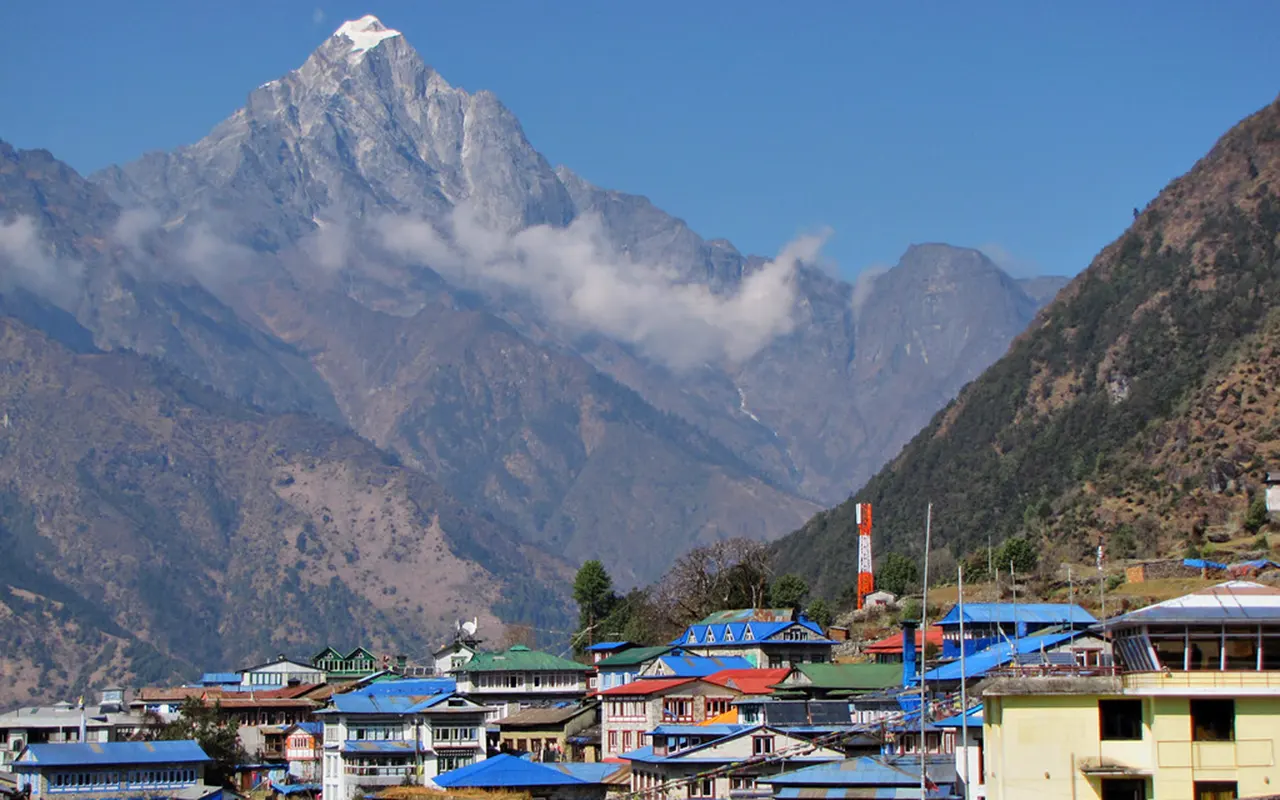
Best Time for Everest Base Camp Trek Based on Traveler Type
Different travelers have different objectives to go to Everest region. Understanding your priorities can help determine the Everest Base Camp Trek Best Time for your journey.
- Best Time for Beginners
For a beginner, stable weather and comfortable temperatures are very important. The best months for new trekkers are April, May, October and early November.
These months provide certain reliable weather and clear mountain views along with well-maintained trekking trails.
- Best Time for Photography
Photographers frequently seek out clear skies, dramatic lighting and stunning mountain scenery. The best months for photography are usually October and November.
During these months the atmosphere is very clear after the monsoon season and photographers can get sharp and vibrant scenery of the Himalayas.
- Best Time to Avoid Crowds
Trekkers who want to take the less crowded trails may opt for the shoulder seasons such as late November, early March or winter months.
During these times the number of trekkers is less which makes trekking more peaceful.
- Best Budget-Friendly Time
Traveling during the off-season may help in reducing costs on flights and accommodation. The monsoon months and the winter months are sometimes the times that provide lower prices due to the lack of tourists visiting the region.
Although these seasons may have more difficulties, they can still be good for experienced trekkers seeking their own different adventure.
Temperature and Weather in Everest Base Camp
Temperature of Everest region varies significantly depending upon the altitude and the season. Lower villages such as Lukla and Namche Bazaar have a lower temperature than the higher areas of GorakShep and Everest Base Camp.
During the popular trekking seasons in the spring and autumn, daytime temperatures in the lower elevations are typically between 10°C and 15°C. Night temperatures can get very close to freezing, particularly at higher altitudes.
At Everest Base Camp itself, the temperature is usually much lower. Night-time temperatures may drop below -10C in colder months.
The weather also quickly fluctuates in the mountains. Even sunny mornings may turn out to be cloudy afternoons particularly in monsoon months.
Due to such variations, Trekkers ought to pack clothes that are suitable on warm days on the hiking trail and cold mountain nights.
Understanding these conditions helps travelers plan their journey and choose the Everest Base Camp Trek Best Time more confidently.
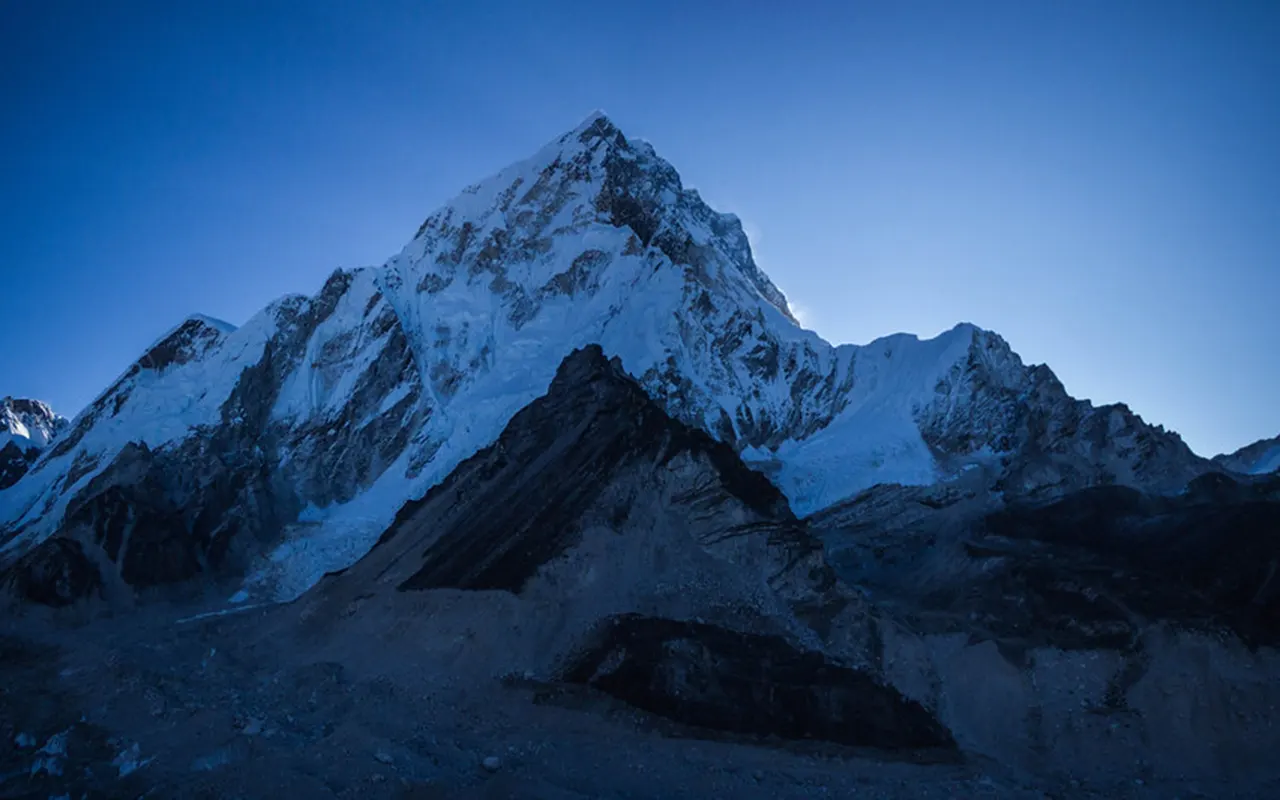
Tips for Choosing the Best Time for the Everest Base Camp Trek
Selecting the right time to go for trekking takes the help of careful planning. Several factors should be considered before deciding the Everest Base Camp Trek Best Time.
First, consider your experience of trekking and your level of physical fitness. Beginners might like to have stable seasons like spring or autumn when the weather conditions are more predictable.
Checking the weather forecast before your trip can also help you prepare better for mountain conditions.
During peak trekking seasons it is recommended to book the flights and lodges at Lukla in advance as the accommodating accommodation in villages with popularity can fill up quickly.
Packing the right clothing is another important step. Trekkers should carry warm layers, waterproof jackets and comfortable trekking gear suitable for mountain weather conditions.
Proper preparation helps make for a safer and more enjoyable trekking experience.
Conclusion
The Everest Base Camp Trek is one of the best trekking experiences in the world. Choosing the right season can have a huge impact on the quality of the journey.
Spring and autumn are generally considered to be the most suitable seasons, due to the stable weather, comfortable temperatures and clear mountain views.
However, each season offers a different experience in Everest region. Monsoon months give you a more green landscape, with fewer trekkers, and winter gives you peaceful trails and dramatic snow-covered scenery.
Ultimately, the Everest Base Camp Trek Best Time depends on your personal travel goals, experience level, and preference for weather conditions.
With proper preparation and careful planning, trekkers can enjoy this extraordinary Himalayan adventure in many different times of the year.
