






Everest Base Camp Trek Cost: How to Save Money Without Compromising the Experience
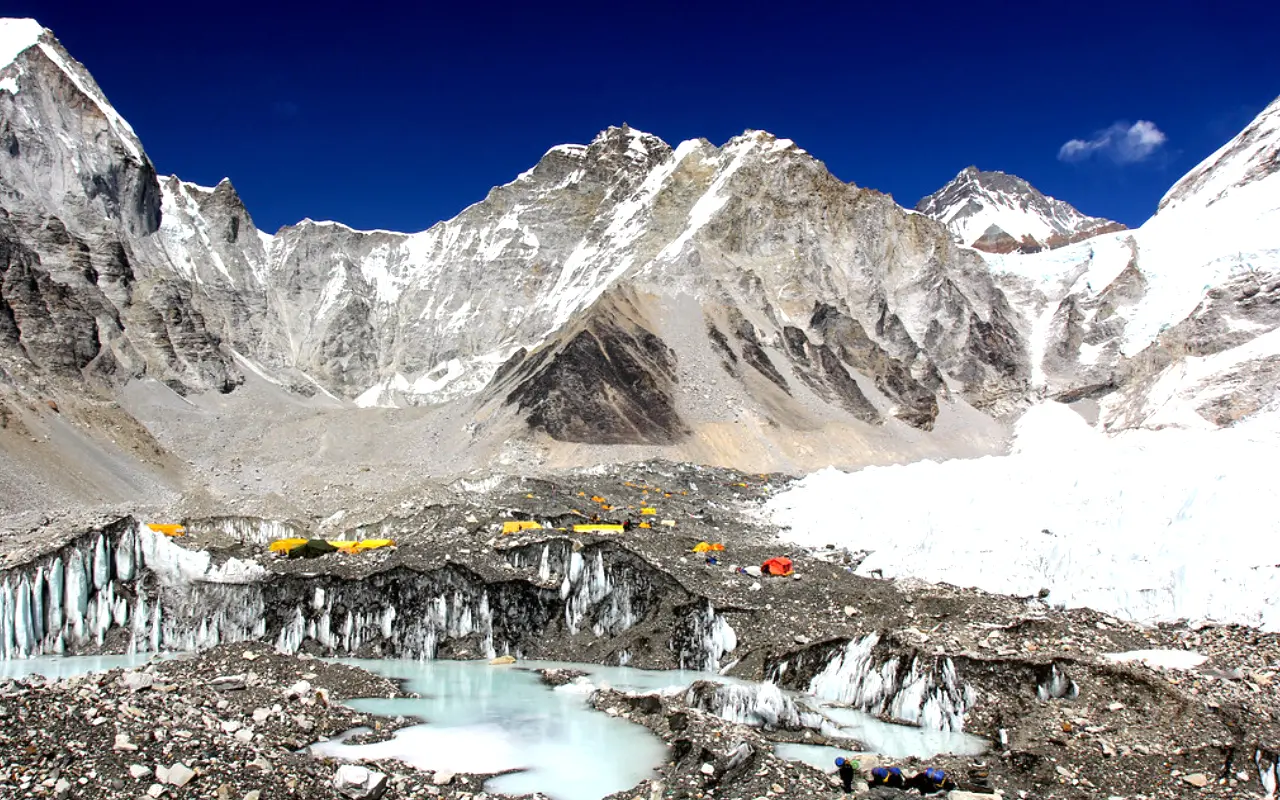
The Everest Base Camp trek is an exciting journey across Nepal’s glorious Himalayas in the Everest region and draws trekkers from around the world. However, the Everest Base Camp trek costs vary widely as the trek has options from a budget to a luxury trek. Research, careful planning, and budgeting are important to make this journey possible for a wide range of travelers.
Just because you book your trek to Everest Base Camp doesn’t mean you will have to spend vast amounts. A savvy trekker will plan to keep costs down. Trekking is typically cheaper based on group size. Book flights in advance, and opt to stay in teahouses instead of lodges.
To help save some costs for your Everest Base Camp trek, use local guides and share stuff. Buying in Kathmandu instead of overseas also helps to save costs, although you will still need to make sure you are safe and comfortable on the trek.
By researching and preparing to see the Everest Base Camp trek cost-effectively, you will soon be able to enjoy stunning views surrounded by the Himalayas. You will get the experience of a lifetime and save on unwanted costs that do not need to be wasted.
Average Cost of EBC Trek (2025 Estimate)
You will find the average price of an Everest Base Camp trek costs between $1200 and $2500 in 2025. Trekking costs depend on many factors such as group size, style of travel, and included services. There are mainly two styles of travel to Everest Base Camp. Trekking options typically fall into two categories: budget and luxury.
You can expect to spend around $1300 to $1400 for a budget trek. For the luxury treks or private tours, the price can vary greatly and cost up to $3000 or more. The prices usually will include permits, any domestic flights, accommodation, most meals, guide and porter payment, as well as some gear rental or purchase. Trekkers can help themselves save money on the Everest Base Camp trek package through early booking and signing up for group treks.
Basic budget breakdown:
• Flights to/from Lukla
The flight from Kathmandu to Lukla and Lukla to Kathmandu is the key part of the Everest Base Camp trek cost. In 2025, you can expect to pay around $200 to $300 per person. If you book in advance, the cost may be reduced.
• Permits
Everest Base Camp trek cost for permits is usually a collective total of $50–$55 to cover Sagarmatha National Park (about $30) and the Khumbu Pasang Lhamu Rural Municipality (about $20–$25). The TIMS card is no longer required, but you will need to obtain these two permits.
• Guide/porter fees
Expenses for hiring a guide and porter represent another key part of the Everest Base Camp trek cost. You should expect to pay between $30–$40 daily for a guide, and $20–$25 for a porter. On a 12–14-day trek, their combined cost would usually be between $500 and $700.
• Accommodation and meals
Spending on teahouse accommodation will be between $10–$25 per night, and while food costs can vary, you might expect to spend between $5–$10 for each meal. In total, the cost will be somewhere between $300 and $700 for both accommodation and food on a two-week trek.
• Gear and insurance
Gear and insurance can represent a key variable in the Everest Base Camp trek costs; typically, for both gear and insurance, you are likely to expect anywhere between $150 and $700 in total. If you search for rent or purchase second-hand gear, your expectations could be lower; however, it is recommended that you purchase travel insurance that covers medical emergencies.
Key Ways to Save Money on the EBC Trek
a. Book with a Local Trekking Agency
Using a local trekking agency will dramatically reduce your Everest Base Camp trek cost. You will skip international middlemen with a local agency. Nepali agencies are negotiable and offer lower prices. You will maximize your budget and not sacrifice customer service.
Using a local agency gives you local knowledge to not only save you on your Everest Base Camp trek cost, but also to enhance safety, as well as optimize your experience. The local guides know the terrain, the weather, and which lodges will give you the best value for your money.
b. Travel in a Group
Operating at all times in a group setting will enable you to minimize costs on your Everest Base Camp trip. You will share both guide and porter fees, but also get to share accommodation and transportation charges, significantly and dramatically reducing total costs per person.
If you are booking a group with trekking agencies, group bookings also generally have discounts, specifically further reducing the base camp trek cost. Once you are walking as a group, you will build bonds and friendships – supporting each other on your journey will be worthwhile for many reasons and allow considerable savings.
c. DIY vs Package Trek
If you decide to take a DIY (do-it-yourself) approach to your Everest Base Camp trek cost, you can save some money by arranging your flights, permits, and accommodations. Since it’s your planning, there are no agency fees, and you have more control over how much you spend.
Despite potentially lessening the Everest Base Camp trek cost, taking a DIY approach can impose additional logistical challenges and time and research. Package treks are more expensive but will provide you with convenience and support for those who want to plan without the hassle.
Save on Flights and Transportation
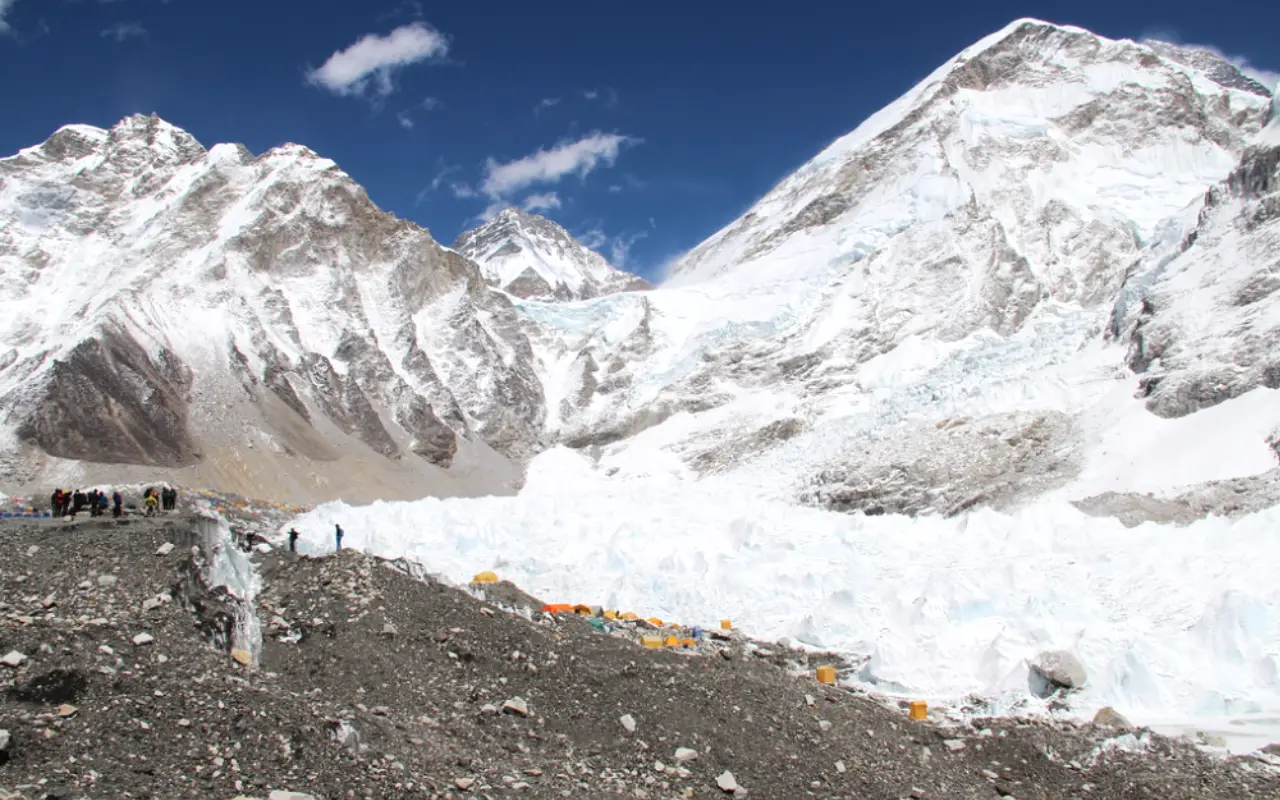
Buy Kathmandu–Lukla flights as far in advance as possible to keep your Everest Base Camp trek price down, including airfare. International travelers usually pay around $215–$228 each way for Lukla flights.
By purchasing flights as far in advance and at as low a rate as possible, even in the off–season, you’ll reduce your Everest trek expenses. Additionally, you can have much better chances of successfully getting flights during busy periods.
If you’re able to travel in March or November, you’ll also save on price, because airfare is cheaper, and you’ll encounter fewer other trekkers on the route. One other way to avoid a huge expense is to travel by bus or jeep to Jiri or Salleri, instead of taking the expensive flight to Lukla, to keep your transportation costs down.
Affordable Accommodation Tips
Teahouses are the cheapest form of accommodation along the Everest Base Camp trek, and they provide limited rooms and plentiful food. Along the path, you will find an abundance of teahouses, making it easy for trekkers to find value accommodation and experience local Nepalese hospitality.
Some lodges along the Everest Base Camp trek offer free rooms when you eat all of your meals there. This is simply an offer designed for lower elevations, whereby trekkers can substantially reduce accommodation expenses while enjoying warm local food.
When trekking to Everest Base Camp, avoid pre-booking rooms in the off-peak season. Teahouse owners will often give substantial discounts to fill a room at lower elevations, especially when few other tourists are hiking the Everest Base Camp trek.
Cut Down Food and Drink Costs
Stay away from bottled water on the Everest Base Camp trek because it is money-saving and environmentally friendly. Bring purification tablets for purification or use a Lifestraw to filter the water from streams as you trek, and you won’t have any additional Everest Base Camp trek costs.
The cost of energy bars and nuts, packed from Kathmandu, is far cheaper than buying snacks on the trek, which can be overpriced in lodges. Bringing your snacks has cost benefits.
One of the best ways to save costs on the trek is to eat the dal bhat. It is locally priced and comes with unlimited refills. The hearty meal will give you energy to stay satiated throughout the trek.
Try to avoid imported snacks, soft drinks, and alcohol on the way to Everest Base Camp, as these options will be expensive once you arrive in Nepal. By eating more local food and drinks, you can minimize your food costs on the hike.
Rent or Borrow Trekking Gear
Renting trekking boots, sleeping bags, and down jackets in Thamel (Kathmandu) is a sensible method to reduce your Everest Base Camp trek cost. The rental shops provide adequate rental equipment at cheaper prices than you would pay to purchase new, which helps keep your budget manageable.
To reduce the Everest Base Camp trek cost even further, try to rent or borrow most of your gear and just invest your funds in personal gear such as base layers and socks. This way, you are properly equipped and comfortable, at the same time, you can establish good hygiene practices for your role in the hike, and you save even more money without compromising on safety and preparedness.
Combine Permits Smartly
When permits are properly combined, they will reduce your Everest Base Camp trek cost by ensuring you only pay for what permits you are required to pay for: Sagarmatha National Park and Khumbu Pasang Lhamu Rural Municipality. A guide will eliminate the need for a TIMS card, and simplifying your costs where possible is key.
Never purchase permits from any third-party sellers who mark up the prices. Purchasing your permits through the official offices in Kathmandu or Monjo provides better prices with no duplicate fees and allows transparency on your Everest Base Camp trek costs.
Choose the Right Season
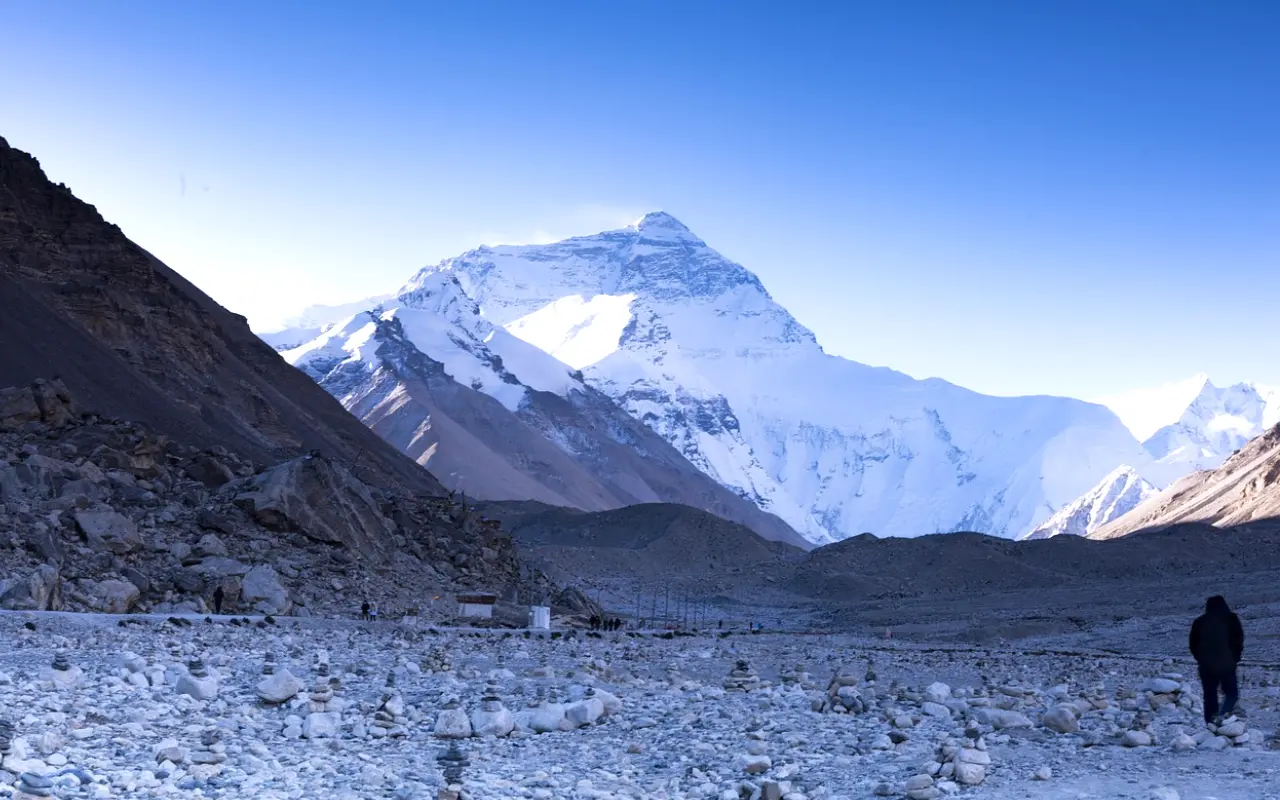
Avoiding the peak trekking months, especially late April and October, will save money on your Everest Base Camp trek by getting cheaper flights and accommodation in less busy times. It is often possible to obtain better rates by booking in advance in shoulder or off-peak months.
Trekking in the off-peak or shoulder months gives you the best chance of saving money on the whole Everest Base Camp trek because you can keep costs down and enjoy fewer crowds on the trek. You will enjoy the benefits of a quieter trail whilst being able to have more control over your budget without sacrificing your experience.
Bonus Tips
• Use a solar charger, as the electricity is an expensive cost on the Everest Base Camp trek.
• Use a local SIM (in Kathmandu) to call and use the internet along the trail.
• Use public transport in Kathmandu to save some more money.
• Reuse your water bottle at tea houses, use purification tablets, and do not buy bottled water.
• Sign up for a group trek sharing the same itinerary, and both can share the cost of the guides, porters, and accommodation.
Final Thoughts
Trekking to Everest Base Camp does not have to be expensive. With good planning, you should be able to save money while still enjoying amazing Himalayan views and great local culture, without overspending.
It is helpful to think more about value than price; your trip will have a much better focus on experiences such as local meals and authentic teahouse stays. This will help you with the duration of your trek, so your experience is everything you can make it. Smart budgets will make sure you maximize every part of your adventure while not giving up on comfort or safety.
By choosing cost-effective methods such as local companies, group treks, and going during the off-season, trekkers can reduce the cost of their Everest Base Camp trek significantly. Thoughtful spending creates savings for trekkers and a memorable and worthwhile experience.
