




Everest Base Camp Trek Cost in 2026: The Complete Budget Breakdown
To most visitors, a trek to the Everest Base Camp is not just a walk in the Himalayas. It is a personal destination, a physical test and a chance to be near the highest mountain on Earth. Trekking in the Khumbu Valley of Nepal, walking on suspension bridges across deep rivers, past charming Sherpa villages, and past snow-capped peaks on a daily basis provides memories that linger with the trekkers long after the trip has been completed. It is the dream of people all over the world to reach the Everest Base Camp at an altitude of 5,364 m (17,598 ft) and each year thousands of trekkers come to Nepal to enjoy this popular journey.
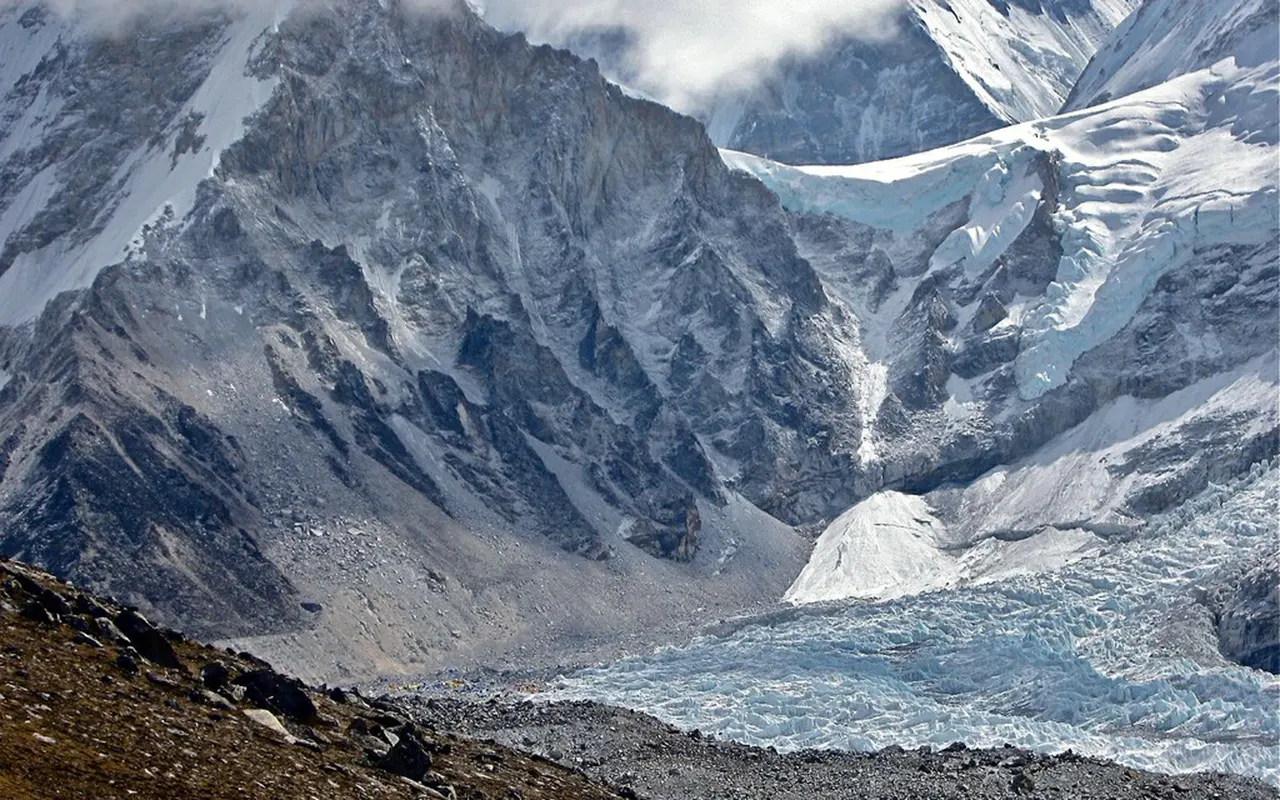
Several trekkers take years to plan this trip and only come to Nepal. There are those who travel to have adventure and others who travel to physically and mentally test themselves. The path takes one through well-known Sherpa villages, Buddhist monasteries, forests, glaciers and mountain valleys that are totally unlike what one experiences on a daily basis at home. To most individuals, the experience of trekking to the Everest Base Camp at an elevation of 5,364 m (17,598 ft) is a very personal experience as opposed to a mere travel experience.
Although it is easy to anticipate the excitement of planning the trip, most travelers soon come to the realization that the Cost of the Everest Base Camp Trek can widely fluctuate based on the type of travel, the level of comfort, the time of the year, and services offered in the trip. There are trekkers who opt to take a simple tea house trek with simple facilities and others opt to go to more comfortable lodges and having their own guides and even helicopter pick ups at the mountains. Due to this fact, the total Everest base camp trek budget does not have one answer.
The cost should be planned adequately since the Everest region is remote and sometimes the weather conditions may pose unforeseen costs. Delays of Lukla flights, additional nights of accommodation, renting of gear, travel insurance, price of food at elevated altitudes, and services of guides all influence the total cost of the Everest trek. When you plan their budget properly, travelers tend to have a better time as they know what to expect when they arrive in Nepal.
The Everest area is quite unlike most of the normal travel areas. The villages above Lukla at 2,860 m (9,383 ft) are not connected by any roads, which means that nearly all items are brought up to the mountains by porters, yaks, or helicopters. This influences the cost of food, lodging, and the basic supplies along the route. Even basic supplies get costlier when trekkers ascend to higher elevations.
This blog details all the significant costs associated with the trek straightforwardly and understandably. You may be planning a reasonable adventure trip, a comfortable mid-range adventure, or a luxury Himalayan trek, and this article will assist you in understanding the price of the Everest base camp trek.
At the end of this guide, you will understand a lot better the Everest Base Camp Trek Cost in 2026 and how to plan your trip safely, realistically, and confidently.
Quick Cost Overview Table
It is good to know the average cost of various kinds of trekkers before breaking down the various expenses. Everest Base Camp Trek Cost depends largely on the kind of experience you desire in the trip. Some want to have a basic and cheap trek with basic tea houses and shared facilities, and some want to have upgraded facilities, personal support staff, and helicopters.
| Trek Style | Average Cost (USD) |
| Budget Trek | $1,200 to $1,800 |
| Mid Range Trek | $2,000 to $3,500 |
| Luxury Trek | $4,500 to $7,000+ |
A budget trek is typically best suited to independent travelers, backpackers, and individuals who are okay with staying in simple tea houses on the trek. These trekkers tend to hire gear in Kathmandu, have simple meals, and trek in small groups to minimize the Everest base camp trek cost. The average duration of most budget itineraries is about 12-14 days based on the acclimatization plans.
The most popular first-time visitors to Nepal take a mid-range trek. This type of style normally entails a guide, porter, domestic flights, permits, accommodation, and meals. Visitors who select this alternative usually desire comfort and yet retain the Everest trek affordable. The mean length is approximately 12-15 days.
Luxury treks are tailored to satisfy those travelers who require additional comfort on the trip. These packages usually comprise premium lodges, personalized guides, Kathmandu luxury hotels, and helicopter returns. Upgraded tea houses can also be occupied by luxury trekkers in such villages as Namche Bazaar at 3,440 m (11,286 ft) and Dingboche at 4,410 m (14,468 ft).
These various trekking styles make it easier since the traveler can then formulate a more realistic price estimate of the Everest base camp trek before deciding to travel.
What Affects the Everest Base Camp Trek Cost?
Most of the travelers get shocked after viewing the way trekking prices differ among various companies and itineraries. The Everest Base Camp Trek Cost is based on a number of key factors, and by knowing them at an early stage, the traveler can plan their budget better.
Trekking Season
The Everest base camp trek budget is greatly influenced by the trekking season. The most active trekking seasons are spring (March to May) and autumn (September to November) since the climate is generally more predictable and the mountain scenery is more visible. These months are very high in terms of Lukla flights, accommodation, and guide services, which add up to the overall cost of the Everest trek.
The winter and monsoon seasons tend to be cheaper due to the low number of trekkers visiting the area. But above Lobuche at 4,940 m (16,207 ft), winter temperatures can drop to very low levels, and monsoon rains frequently cause flight delays and low visibility.
Solo vs Group Trekking
Going solo is normally costlier than walking in a group. Individual trekkers bear the entire amount of guides and porters themselves, whereas group trekkers are able to share the expenses. Numerous local trekking firms run group departures, and this contributes to lowering the cost of the Everest base camp trek among individuals.
Group trekking is more social, particularly when first-time trekkers wish to have company on the many days on the trail.
Guided vs Independent Trekking
As much as it might appear cheaper at first, many travelers have found out that agency packages might save them money and eliminate stress. Guided treks are commonly a package of permits, flights, accommodation, meals, and airport transfers.
Guides are also used for directions, managing the altitude, and communicating in remote villages. This assistance makes this trip to the Everest Base Camp more valuable to many travelers.
Trek Duration
The longer itineraries inevitably lead to an Everest base camp trek budget as trekkers spend more money on accommodation, meals, and guide services. But, slower itineraries increase the process of acclimatization and minimise the chances of altitude sickness.
The majority of the typical itineraries take 12-14 days, although some trekkers opt to take lengthy tracks that include Gokyo Lakes or Cho La Pass.
Comfort Level
The cost of the Everest trek is highly influenced by the choice of comfort. Cheap tea houses are basic and simple, whereas high-quality lodges provide heated rooms, attached bathrooms, and improved food services. The price in the Everest base camp trek will be significantly higher when travellers opt to stay in luxury accommodation during the trek.
Helicopter Return Options
Some trekkers opt to fly back from base camp once they have reached Everest Base Camp or Kala Patthar at 5,545 m (18,192 ft). It is the least time-consuming and physically demanding option, but it makes the Everest Base Camp Trek Cost much more. Shared helicopter returns are cheaper than private charters, but they still add a large amount to the final trekking budget.
Nepal Visa and Trekking Permit Cost
Any foreigners who visit Nepal to see the Everest region are required to obtain a tourist visa and trekking permits before starting the trek. They are fixed costs and a significant aspect of the Everest base camp trek budget.
The majority of visitors get their Nepal tourist visa upon entering Tribhuvan International Airport in Kathmandu. This is usually an easy process, but tourists are advised to bring along passport photos and money in United States dollars to save them on the trip.
| Permission or Visa | Approximate Cost. |
| Nepal Tourist Visa (15 Days) | 30. |
| Nepal 50-day Tourist Visa (30 Days) | 50. |
| Visa Nepal Tourist Visa (90 Days) | 125 USD. |
| Sagarmatha National Park Permit | Approx. 23. |
| Khumbu Pasang Lhamu Permit | Approx. $15. |
| TIMS Card (if required) | $10 to $20 |
The majority of trekkers opt to buy a 30-day visa as it provides sufficient time to complete the trek and extra days in Kathmandu before and after the trek.
A Sagarmatha National Park Permit is a necessity since the Everest Base Camp falls within a national park territory. This permit is normally inspected around the village of Monjo at 2,835 m (9,301 ft). Unauthorized trekkers can either be denied entry into the area or pay penalties at checkpoints.
Another obligatory charge on visiting the Everest region is the Khumbu Pasang Lhamu Rural Municipality Permit. This money is used by the local authorities to maintain trails and to develop tourism.
Some trekking agencies cover the permits in the package price, whereas in some packages, trekkers are requested to pay them separately. Before booking, travelers should always ensure that they confirm this, as permits are a required aspect of the Everest Base Camp Trek Cost.
Regulations about the TIMS card tend to vary, particularly when guided treks are involved. Before traveling, travelers are advised to look at the most up-to-date regulations.
The Everest region has strict permit checkpoints, and therefore, trekkers are advised to carry original documents at all times during the trek.
International Flight Costs to Nepal
The international airfare can be one of the largest costs involved in the Everest Base Camp Trek Cost, particularly to those who are flying into Europe, North America, or Australia. The prices of flights are based on how far a person is travelling, the airline, the time of year, and early bookings.
Visitors from Asian countries tend to pay a lot less in terms of airfare than travelers from faraway countries. Indian, Thai, Malaysian, and Singapore flights are usually cheaper due to shorter routes and frequent flights between the countries.
European and Australian tourists tend to have lower prices than those who travel between North America, as the routes are longer and may have several stops.
Reserving international flights 3-6 months before departure normally assists travelers in getting better prices. The trekking seasons in spring and autumn are more costly to fly to Kathmandu due to the number of trekkers who come to Nepal during these seasons.
The flexibility of the travel dates may also help to lower the budget of the Everest base camp trek since it is sometimes less expensive to fly on weekdays than on the weekend.
In their effort to reduce the cost of the Everest trek, travelers usually use a connecting flight via cities such as Doha, Dubai, Delhi, Bangkok, or Kuala Lumpur. Flights to Kathmandu are regular by airlines like Qatar Airways, Air India, Thai Airways, and Turkish Airlines.
It is important to check baggage allowances, as trekking equipment may add a lot of weight to the luggage.
| Departure Region | Average Return Flight Cost |
| United States and Canada | $800 to $1,500 |
| United Kingdom and Europe | $500 to $1100. |
| Australia and New Zealand | $700 to $1300. |
| India | $100 to $300 |
| Southeast Asia | $150 to $400 |
The airfare to the international destination is different from the domestic flight to Lukla, which the trekkers should also book before the start of the Everest trek. Due to the frequent delays in the flights in the mountains, most of the travelers extend their trip to Kathmandu by a day or two.
Lukla Flight Price and Helicopter Options
The flight to Lukla is considered one of the most valuable components of the Everest Base Camp Trek cost, as nearly all trekkers have to rely on air transport to get to the Everest area. The Tenzing Hillary Airport, also known as Lukla Airport, is located at an altitude of 2,860 m (9,383 ft) with a short mountain runway and unpredictable weather patterns.
A one-way flight between Kathmandu and Lukla normally costs between $180 and $230 per person. There are usually round-trip tickets costing between $350 and $450 based on the season and availability of the airline.
With the high season trek, in spring and fall, numerous Lukla flights don’t fly straight out of Kathmandu. Rather, tourists take a four to five-hour drive to Ramechhap Airport before flying to Lukla. The given system was launched to alleviate air traffic congestion in Kathmandu during the high trekking season.
Delays due to weather are very frequent in Lukla since the visibility on the mountain varies rapidly. Flight schedules are often impacted by strong winds, clouds, rain, and snowfall. In some instances, trekkers spend an extra day or two before flying.
The other alternative of getting to or out of the Everest region is through helicopter flights. The shared helicopter systems have become popular in recent years. The cost of renting a helicopter privately would be high, and to some trekkers, sharing it would be cost-effective. The average price of shared helicopter flights ranges between $500 and $1000 per person, based on the number of passengers and the weather.
Some trekkers opt to use a helicopter back once they have reached the Everest Base Camp at 5,364 m (17,598 ft) or Kala Patthar at 5,545 m (18,192 ft). The alternative will save a couple of days of walking and will also provide breathtaking mountainous scenery. But it adds a lot of cost to the total cost of the Everest Base Camp Trek.
Everest Base Camp Trek Package Cost
The Everest Base Camp Trek Cost is influenced by one of the biggest decisions of choosing the correct trekking package. Nepal Trekking Companies have a huge variety of different packages, including basic low-budget tours, and luxurious trips to the highest-quality lodges and helicopter return.
Backpackers and younger travellers prefer to use budget packages that ensure that the Everest base camp trek budget is kept to the bare minimum. Such packages are usually priced between $800 and $1,300. These typically involve permits, Lukla flights, the basic tea house lodging, and shared guide or porter service.
The most popular trekker packages are the standard trekking packages, which are offered to first-time trekkers. The packages are usually between $1,500 and $3,000, depending on the company, the number of people, and the season. A basic package typically covers the permits, domestic flights, lodging, meals on trek, guide services, porter service, and airport transfers in Kathmandu.
Luxury packages are made to attract travelers who desire to be more comfortable in the mountains. These treks can range from $4,500 to $7,000 or even more. A luxury package might also include the high-quality lodges with their own bathrooms, finer cuisine, luxurious hotels in Kathmandu, personal transport, and helicopter return services.
Compared to group departures, private treks are pricier since the travelers have to pay for their guide and porter services. Nevertheless, the flexibility in walking speed, days of rest, and itinerary alterations is available in the case of private trips.
Departures in groups contribute to the Everest Base Camp Trek Cost being cheaper, as the trekkers pay the guide and porter costs collectively. Becoming part of a group also makes the long trekking days a more social event.
The majority of trekking packages cover permits, lodging, guiding services, domestic flights, and transportation. Nonetheless, air travel between countries, Nepal visa, travel insurance, tips, snacks, hot showers, Wi-Fi, and charging, and personal gear are almost always not included in the overall package cost.
Accommodation cost on the trek
The Everest Base Camp Trek Cost includes accommodation as a significant aspect since during the trip, trekkers will spend almost two weeks in tea houses located on the path. Tea houses are tiny mountain lodges run by the locals and have simplified rooms, food, and rest spots for the trekkers in the whole region of Everest.
In lower elevations, such as Phakding of 2,610 m (8,563 ft) and Namche Bazaar of 3,440 m (11,286 ft), there are more comfortable and well-equipped tea houses. When trekkers climb upwards to Lobuche at 4,940 m (16,207 ft) and Gorakshep at 5,164 m (16,942 ft), accommodation is less fancy since it is hard to deliver supplies to these isolated villages.
The tea house rooms are typically a single-bed, a two-bed, a pillow, a blanket, and an ordinary piece of wooden furniture. There is a tendency to share a bathroom with other trekkers, particularly at higher altitudes. The prices of the rooms are usually between $5 and $15 in the less popular villages and up to $20 to $30 at the more popular places during the busy season.
Some villages like Namche Bazaar and Dingboche at 4,410 m (14,468 ft) have attached bathrooms, although these are scarce and very costly. Those trekkers who require their own bathrooms are likely to have a higher Everest base camp trek budget as the rooms will be updated above Tengboche at 3,860 m (12,664 ft).
Another consideration in the trek is heating. The majority of tea-houses simply heat up the dining room on a central stove with yak dung or wood. Bedrooms tend to be unheated, and temperatures at night could be very low at high altitudes.
Single room requests also might add to the Everest trek price, particularly on the days when the tea houses are full.
Food and Drinking Water Cost
Food and drinking water are among the major daily costs of the trek and constitute a large portion of the Everest Base Camp Trek Cost. The cost of food rises steadily with the altitude as all the food has to be taken to the mountains by the porters, yaks, or helicopters.
Dal bhat is usually the best value meal on the trek. This is a typical Nepali dish, which entails rice, lentil soup, vegetables, and pickles. Numerous tea houses may provide unlimited refills, which are full and affordable to the trekkers who need to fit their budget to the Everest base camp trek.
Surprisingly, most of the tea houses have very huge menus given the isolation of the Everest region. Along the way, trekkers normally get rice, noodles, soups, pancakes, eggs, potatoes, pasta, fried rice, and Tibetan bread.
Vegetarian food is highly prevalent since it is not easy to transport meat to elevated places without compromising safety. Most guides also suggest that it is advisable not to eat meat above Namche Bazaar at 3,440 m (11,286 ft) since conditions of storage become less predictable at altitude.
Food and drinks like coffee, snacks, and soft drinks are more expensive as the altitude increases. A cup of coffee in Gorakshep at 5,164 m (16,942 ft) may cost $4 to $6.
| Expense per day | Approximate Cost |
| Breakfast | $5 to $10 |
| Lunch | $6 to $12 |
| Dinner | $8 to $15 |
| Snacks and Drinks | 5 to 15. |
| Drinking Water | $3 to $8 |
| Daily Total | $25 to $60 |
Budgeting food costs allows hikers to have a realistic Everest Base Camp Trek Cost without compromising the safety or energy on the trek.
Guide and Porter Cost
Guide and porter services form a significant component of the Everest Base Camp Trek Cost as they enhance the level of safety, comfort, and quality of the trekking experience.
A licensed trekking guide will normally charge between $25 and $40 a day, depending on their experience, language skills, and the season of the year. During the trek, guides assist in navigating, providing accommodation, altitude control, and in times of emergency.
The average price of a porter is $20 to $30 a day. The porters are allowed to carry a maximum of 20 kg (44 lbs), but ethical trekking firms attempt to keep the weight to safer levels.
Another alternative to budget trekkers is guide porters. These people are also guides and porters, who carry lighter bags as well as assist in navigation and communication in the locality.
In Nepal, an essential aspect of trekking is tipping. Tips are a source of earnings for many guides and porters.
Employing locals is also directly beneficial to mountain communities. The Everest region is a major source of earnings through tourism, and a good number of families rely on the trekking business.
Trekking Gear and Equipment Cost
One of the most crucial aspects of the Everest Base Camp Trek Cost is trekking equipment, since the weather in the Himalayas may alter quite rapidly.
Quality trekking boots are among the most essential items that they can buy since the trails have rocky trails, steep ascents, and long walking days. Ankle-support waterproof boots prevent injuries and keep feet dry during the rain or snow.
It is also important to wear warm clothing as the temperatures around the Everest Base Camp (5,364 m 17,598 ft) at night are frequently below freezing point.
Proper clothing layering is extremely essential when climbing Mount Everest since the temperatures vary as the day goes on. Mornings and evenings are generally very chilly, and afternoons in the sun during the walking hours can be quite warm.
Most trekkers save money on the Cost of the Everest Base Camp Trek by not purchasing all the equipment but renting it in Kathmandu. Kathmandu has hundreds of trekking shops in the Thamel area that rent out trekking equipment for both short and long treks.
Among the significant factors that trekkers should consider is that fake outdoor gear is extremely widespread in Thamel. Most jackets and sleeping bags are of low-quality imitations of famous international brand names.
Emergency Rescue and Travel Insurance Cost
One of the most significant components of the Everest Base Camp Trek Cost is the travel insurance, since in the mountains, a medical emergency may be too costly.
One of the most frequent medical issues of the trek is altitude sickness. Some trekkers report having headaches, nausea, dizziness, difficulty breathing, and severe fatigue with an increase in altitude.
In the Everest region, the cost of a helicopter rescue can be as high as $5000 to $20000, depending on the weather, location, and the medical condition.
The majority of the trekkers pay a range of $100 to $250 for holistic travel insurance covering high altitude trekking in Nepal.
The tourists are advised to scrutinize their insurance cover to ensure that it covers trekking beyond 5,000 m (16,404 ft), helicopter rescue, medical attention, cancellation of the trip, and emergency rescue.
Hidden Costs Most Trekkers Forget
When planning the cost of the Everest Base Camp Trek, many trekkers only consider the permits, flights, and accommodation. Nevertheless, minor daily costs can pile up fast on the way and enlarge the ultimate budget more than had been anticipated.
One of the most frequent hidden expenses of the trek is charging electronics. In the higher altitude tea houses, charging is charged between $2 and $5 to charge phones, cameras, or power banks.
Another additional cost that most of the travelers overlook when preparing their budget for their base camp trek to Everest is WiFi.
Hot showers are also costly on the Everest trek. Showers at lower villages are not that expensive, whereas on the trail, they increase in cost.
Numerous trekkers also use up more cash than anticipated when they sleep in such villages as Namche Bazaar at 3,440 m (11,286 ft). Travelers frequent bakeries, coffee shops, gear stores, and souvenir shops during acclimatization days.
One of the largest unseen expenses in the Everest region is the Lukla flight delays.
Sample Everest Base Camp Trek Budget
Many tourists will be more likely to understand the cost of the Everest Base Camp Trek by reviewing realistic sample budgets.
Budget Traveler Example
| Type of expense | Estimated cost |
| International Flights | $700 |
| Lukla Flights | $400 |
| Permits and Visa | $100 |
| Accommodation | $200 |
| Food and Water | $350 |
| Shared Guide Porter | $300 |
| Gear Rental | $100 |
| Insurance | $150 |
| Miscellaneous Expenses | $150 |
| Total | Approx. $2,450 |
Example of Mid-Range Traveler
| Cost of Expense | Approximate Cost |
| International Flights | $900 |
| Standard Trekking Package | $2,200 |
| Insurance | $200 |
| Gear Buy and Rental | $250. |
| Snacks and Personal Expenses | $250 |
| Tips | $150 |
| Total | Approx. $3,950 |
Luxury Traveler Example
| Expense Category | Approximate Cost |
| International Flights | $1,200 |
| Luxury Trek Package | $5,500 |
| Premium Insurance | $300 |
| High End Gear | $500 |
| Personal Expenses | $400 |
| Tips | $300 |
| Total | Approx. $8,200 |
These instances demonstrate that the various travel styles have significant implications on the overall cost of the Everest Base Camp Trek.
How to Reduce Your Everest Base Camp Trek Cost
The Everest Base Camp Trek Cost may seem expensive initially; however, one can cut the costs smartly without compromising on safety or overall experience.
During the low-season winter or early monsoon months, traveling can usually reduce the cost of accommodation and the cost of flights.
One of the simplest methods of reducing the budget of the Everest base camp trek is by sharing a porter with another trekker.
Renting equipment in Kathmandu rather than purchasing new gear that will cost a lot also contributes to lowering the cost of the Everest trek.
Booking with a trekking agency in Nepal that is based locally is usually cheaper than with international companies.
Another effective measure to save money is to carry a reusable water bottle, topped with purification pills or filters.
Is Everest Base Camp Trek Worth the Cost?
Most of the travelers take months pondering the Everest Base Camp Trek Cost before making a final decision on whether the trip is worth the money, time, and physical exertion. The answer is yes to most people who undertake the trek.
The Everest area has a lot more than just being close to the highest mountain in the world. The experience will involve visiting the traditional Sherpa villages, walking across suspension bridges across deep valleys, visiting Buddhist monasteries, and seeing mountain scenery that varies on a daily basis.
The trek is physically challenging, particularly at a higher altitude where the air is thinner, and temperatures are cooler.
The journey is also mental, as many trekkers describe it as more of a challenge than just physical. Life on the trail is very easy. The everyday activities involve walking, eating, sleeping, and acclimatizing to altitude.
To adventurers who like being out in the wild, enjoying nature, and taking on a personal challenge, the Everest Base Camp Trek Cost can be perceived as an investment in a once-in-a-lifetime experience and not just an additional cost of a holiday.
Final Conclusion
The Everest Base Camp Trek Cost is among the most crucial steps that should be carefully planned before traveling to Nepal. This may change significantly based on the type of trekking, level of comfort, time of the year, and services involved in the trekking.
A complete knowledge of the Everest base camp trek budget assists the travelers in avoiding stress and financial surprises on the trek.
Although a lot of individuals think about lowering the price of the Everest trek as much as they can, safety should always be a higher priority than the price.
Everest Base Camp Trek Cost is not merely the amount of money it costs to reach a destination. The price of the mountain culture experience, the challenge of personal boundaries, and the walk in one of the most renowned trekking areas in the world.
To most travelers, it turns into the most fulfilling trip of their lives.
Frequently Asked Questions
How much is the average Everest Base Camp Trek in 2026?
The average cost of the Everest Base Camp Trek typically costs between $1,500 and $4,500 based on the mode of travel, the time of the year, the level of accommodation, and the guiding services.
Is it possible to do the Everest Base Camp trek as a beginner?
Yes, beginners can make the trek without any problem with good preparation and a slow itinerary.
How much money should I bring on the trek?
On average, trekkers bring with them between $400 and $700 to feed, drink, pay charges, tip, and cover other emergency damages incurred over the course of the trek.
Does the trail to Everest have WiFi?
Yes, there is a WiFi connection in most tea houses, particularly at Namche Bazaar, which is 3,440 m (11,286 ft).
Are there ATMs along the trail?
ATMs are mainly available in Lukla and Namche Bazaar.
Which is the cheapest month for the Everest trek?
The winters, such as in December and January, are generally a lower season since few trekkers are present.
Will I be able to use credit cards on the trek?
There are tea houses and stores in Namche Bazaar that accept cards, with the majority accepting cash.
Do guides and porters have to tip?
Tipping is not a formal requirement, but a high expectation in Nepal.
What is the temperature at the Base Camp of Everest?
At colder times, the night temperatures can drop below -15 degrees Celsius at the base camp at 5,364 m (17,598 ft).
Am I able to recharge my phone during the trek?
Yes, in the majority of tea houses, they have phone and camera charging services at an additional cost.
What is the cost of coffee on the trek?
The higher the altitude, the higher the price of coffee.
Should I purchase travel insurance to go to Everest?
Yes, travel insurance is very important since helicopter rescue and emergency medical services in the mountains can be very costly.
Is it usual to have altitude sickness when trekking?
Yes, altitude sickness is a common problem with many trekkers, particularly above Namche Bazaar at 3,440 m (11,286 ft).
What is the average duration of the Everest Base Camp trek?
The typical itineraries take 12-14 days.
Are elderly tourists able to do the Everest trek?
Yes, a lot of older trekkers manage to complete the route every year with the right training and sufficient acclimatization days.
What would happen in case of Lukla flight cancellations?
When the weather is bad, the trekkers have to wait and book the next flight.
Are there hospitals along the Everest trail?
In villages, such as Namche Bazaar at 3,440 m (11,286 ft) and Pheriche at 4,371 m (14,340 ft), there are basic medical clinics.
