




Everest Short Trek vs classic Everest Base Camp Trek: Which One Is Right for You?
Many travelers planning their first trip to the Everest region wonder about the Everest short trek vs Everest Base Camp Trek comparison. They desire to visit the Himalayan mountains and explore the views of the highest mountains in the world, they just are not sure whether they have time, the right fitness level or the experience to complete the entire Everest Base Camp Trek. They simply want a clear comparison before making their decision.
Over the years, we have guided many trekkers on both routes. There are those who are ready to take the entire Everest Base Camp Trek, and some are better suited with a shorter trek. A short trek is also a good way to begin your trip and experience before coming back to finish the entire Everest Base Camp Trek.
In this post, we will give you a clear and honest comparison of the Everest short trek vs Everest Base Camp Trek, so you can make the right choice for your situation.
Understanding the Two Options
The Everest Base Camp Trek
The classic Everest Base Camp Trek starts with a flight from Kathmandu to Lukla and then follows the trail north through Phakding, Namche Bazaar, Tengboche, Dingboche, Lobuche, and Gorak Shep before reaching Base Camp at 5,364 meters. Most well-paced itineraries run between 12 and 14 days return, including proper acclimatization days at Namche and Dingboche.
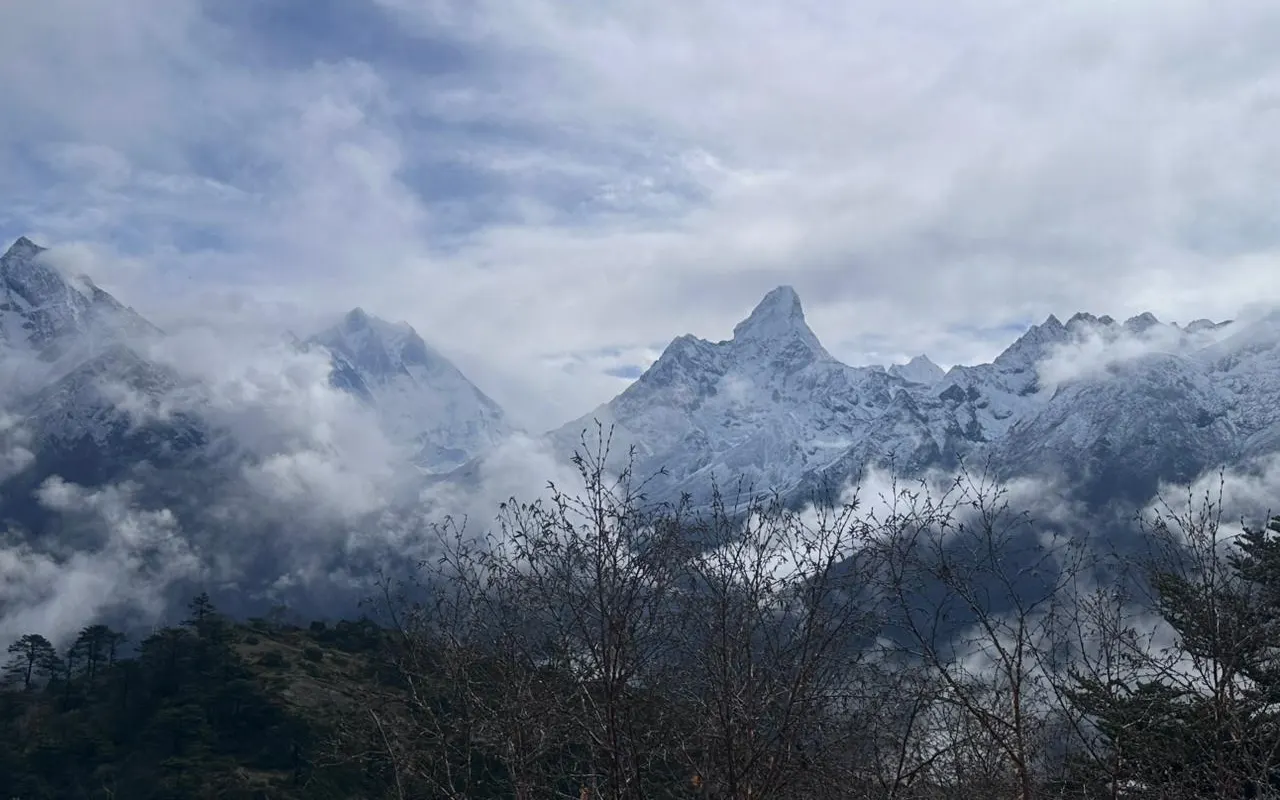
Along the way, trekkers also have the option to climb Kala Patthar at 5,545 meters, which gives one of the most well-known high-altitude viewpoints in the Himalayas. Many people consider Kala Patthar the true highlight of the journey because the view of Everest from the summit is very direct and clear, whereas from Base Camp itself, the mountain is partially hidden by the Khumbu Icefall.
This is a demanding trek. You are walking at high altitude for nearly two weeks. The daily distances are manageable, but the altitude gain and the cumulative effort over that many days is something your body will feel. It is achievable for most people who are reasonably fit and who prepare properly, but it is not casual.
Everest Short Trek Options
When people talk about an Everest short trek, they are usually referring to one of a few options. The most popular is the trek to Namche Bazaar and back, which takes around five to six days and reaches an altitude of 3,440 meters. Another well-loved option is the trek to Tengboche Monastery at 3,867 meters, which adds one or two more days to the Namche route.
A third option that has become very popular in recent years is the Everest View Trek, which includes a visit to the Hotel Everest View at Syangboche, sitting at around 3,900 meters. This route is designed specifically for people who want genuine high-altitude Himalayan scenery without the commitment of a full Base Camp journey.
All of these shorter options still begin with the Lukla flight and follow the same trail north from the airport, so the opening days of any Everest region trek are the same regardless of which route you choose.
How Long Do You Have? Matching the Trek to Your Time
Time is often the deciding factor, and it is the first thing we ask when someone contacts us and says they are not sure which trek to choose.
If you have seven to ten days available for the trek itself, an Everest short trek is a good fit. You have enough time to reach Namche, spend a day acclimatizing there, possibly push on to Tengboche or Khumjung, and return to Lukla comfortably without feeling rushed. You will not need to watch the clock on every trail day.
If you have twelve days or more, the full Everest Base Camp Trek becomes possible. A 14-day itinerary is our recommended length for first-timers because it includes two proper acclimatization days, which significantly reduces altitude-related problems. Some operators run 12-day itineraries, but we are honest with clients that these are tight and allow less buffer for delays or rest if someone in the group is not feeling well.
If your available time falls somewhere between eight and eleven days and you are set on getting as high as possible, we sometimes suggest a modified route that reaches Gorak Shep or Kala Patthar without fully completing the classic Base Camp visit. It is worth discussing this with us directly rather than trying to squeeze a 14-day trek into ten days.
Fitness and Experience: Being Honest with Yourself
The Everest short trek vs Everest Base Camp Trek comparison comes down a lot to fitness, and this is where we encourage every traveler to be genuinely honest with themselves before booking.
Who Is the Short Trek Best Suited To
The short trek options are well suited to people who are not regular hikers or trekkers but who are in reasonable general health. If your regular exercise involves walking, light cardio, or occasional weekend hikes, you can handle the route to Namche and Tengboche with proper pacing. The altitude at Namche (3,440m) is enough to cause mild symptoms for some people, but it is manageable for most with a good acclimatization plan.
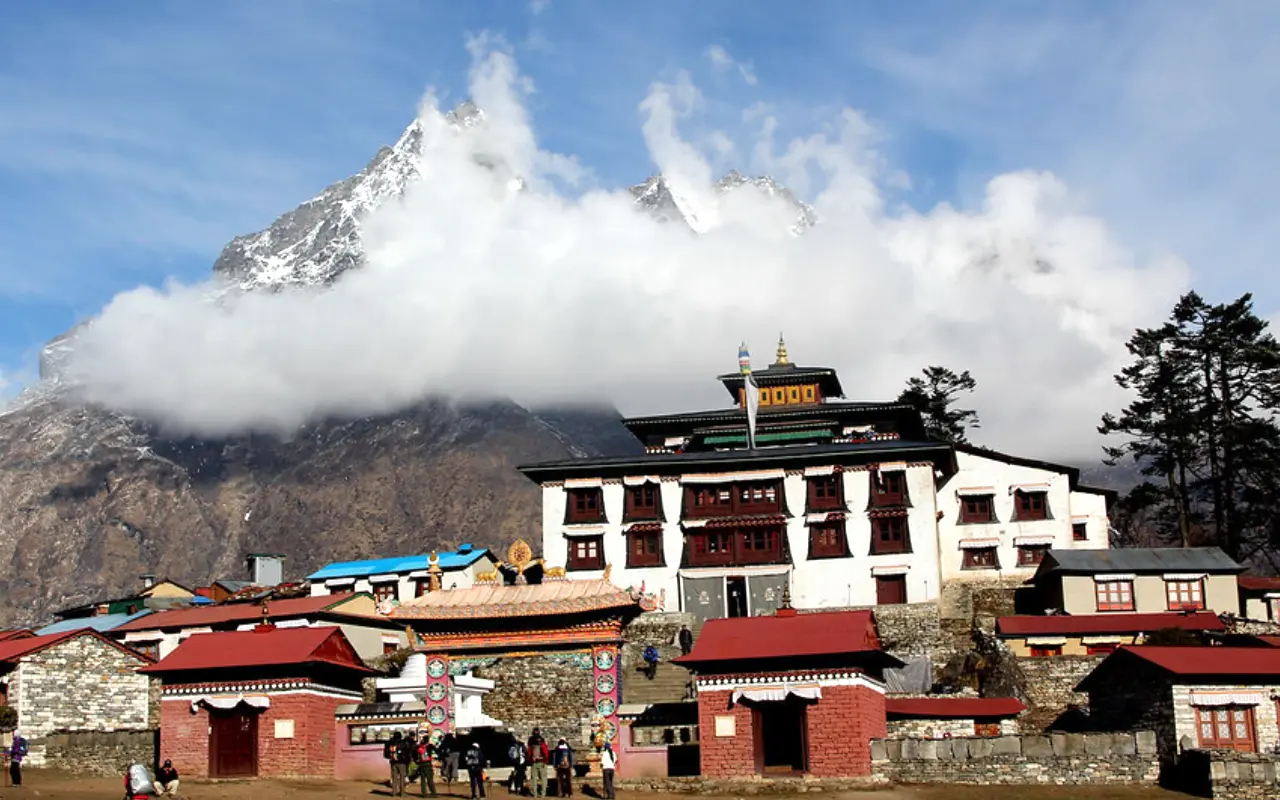
The short trek is also a good choice for travelers who want to experience the Khumbu region but who have other physical limitations, whether that is age-related fitness, a recent injury, or simply limited experience at altitude. We have successfully taken guests in their late sixties and early seventies on the Namche and Tengboche routes.
If this is your first time above 3,000 meters, the short trek also gives you valuable information about how your body responds to altitude, which is useful if you plan to return for the full Base Camp journey in the future.
Who Is the Full Base Camp Trek Best Suited To
For the full Everest Base Camp Trek, we look for trekkers who are comfortable doing five to seven hours of walking per day on uneven terrain over multiple consecutive days. You do not need to be a runner or a climber. But you should be someone who exercises regularly and who has done at least some multi-day hiking before.
The days above Namche become genuinely demanding, not because the trails are technical, but because the altitude affects your energy levels significantly. A flat walk at 4,500 meters feels harder than a steep climb at sea level. Trekkers who underestimate this often find the stretch between Dingboche and Lobuche the most difficult part of the trip.
We recommend that anyone planning the full Base Camp trek does at least three months of consistent preparation beforehand. This should include regular cardio and long walking days with a loaded pack to prepare your body for what lies ahead.
Altitude: The Key Difference Between the Two Routes
This is the most important practical difference between the Everest short trek vs Everest Base Camp Trek, and it is worth spending some time on.
The short trek options top out between 3,400 and 3,900 meters. At these elevations, mild altitude symptoms like headaches or slightly disturbed sleep are possible, but serious altitude sickness is much less common. Most people acclimatize reasonably well with a steady pace and adequate water intake.
The Base Camp trek takes you above 5,300 meters. At this altitude, the risks are more significant. Acute Mountain Sickness, High Altitude Pulmonary Edema, and High Altitude Cerebral Edema are all possible if proper acclimatization is not followed. This is why a well-paced itinerary with built-in rest days is not optional on the Base Camp route. It’s a real safety requirement. Our guides are constantly monitoring trekkers for symptoms of altitude sickness throughout the trek.
We use pulse oximeters to monitor blood oxygen levels when necessary, and if someone has severe symptoms or low oxygen levels, we respond immediately with rest, descent or further assistance. We do not encourage anyone to continue with serious altitude sickness symptoms.
On the short trek options, we still take altitude seriously, but the risk profile is considerably lower. For travelers who are uncertain about how their body handles altitude, the shorter route is a sensible and safe introduction.
Cost Comparison: What to Budget for Each Option
Cost is another practical factor, and there is a meaningful difference between the two routes simply because of the number of days involved.
Everest Short Trek Cost
A well supported five to seven day Everest short trek, including the Lukla flight from Kathmandu, a licensed guide, porter, accommodation in teahouses, and all required permits, typically falls in the range of USD 700 to 1,100 per person depending on group size and season. Trekkers need the Sagarmatha National Park Entry Permit and the Khumbu Pasang Lhamu Rural Municipality Permit. These permits are usually included in organized trekking packages.
Everest Base Camp Trek Cost
The full Everest Base Camp Trek over 12 to 14 days with the same level of support runs approximately USD 1,200 to 1,800 per person for most international travelers. The extra days mean more teahouse nights, more guide and porter days, and more time in the national park. The Lukla flight cost is the same. Groups of four or more tend to sit toward the lower end of this range because fixed costs are distributed across more people.
What You Will Actually See: Setting Expectations
People sometimes assume that only the full Base Camp trek gives you real views of Everest. That is not accurate, and we want to clear this up.
On the short trek, you get excellent views of Everest, Lhotse, Ama Dablam, Thamserku, and many other major peaks from multiple points along the trail. The view from the Tengboche ridge on a clear morning is one of the finest mountain panoramas anywhere in the Himalayan region. The Hotel Everest View on the Syangboche route was built specifically because the views from that ridge are so good.
What you do not get on the short trek is the experience of standing at the foot of the Khumbu Glacier, walking through the high-altitude terrain above Lobuche, or summiting Kala Patthar. These are genuinely different and more immersive experiences. But they are not the only way to have a meaningful and visually rich time in the Khumbu.
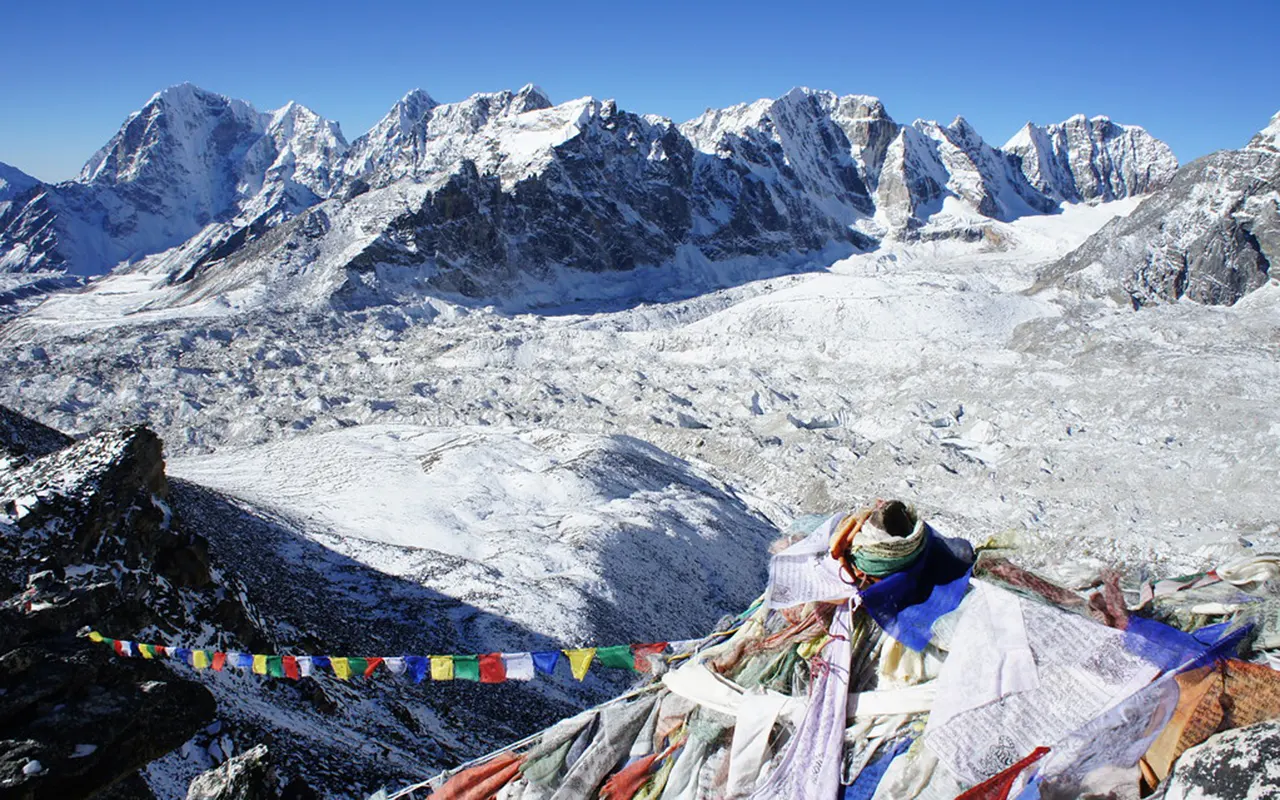
We always tell our guests that the Everest region rewards you at every level. The views from Namche are real. The feeling of being in that environment is real. You do not need to reach 5,300 meters for the trip to be worthwhile.
Which One Should You Choose?
After everything we have laid out, here is our honest guidance based on what we see with our own guests.
- Choose the Everest short trek if you have seven to ten days, are new to high altitude trekking, or want a first experience of the Khumbu before committing to the full route.
- Choose the Everest Base Camp Trek if you have twelve or more days, are reasonably fit with some multi-day hiking experience, and want the full immersion including the high camps and Kala Patthar.
- Do the short trek first if you are genuinely unsure. Many of our best Base Camp clients started with Namche or Tengboche and came back the following year knowing exactly what to expect.
- Talk to us before deciding if your time or fitness falls in a grey area. We can suggest a modified route that works better for your specific situation than either standard option.
A Note from Our Team
Both treks offer a memorable experience in the Everest region. Many a traveler does not forget watching the sunrise over the mountains at Namche. It is also satisfying to arrive at Kala Patthar and have a close-up view of Everest. Every trek possesses its highlights and is worth taking part.
The best part is to select the trek which suits your time, fitness and travel interests. A shorter trek can be just as enjoyable if it suits your abilities, while the full Everest Base Camp Trek is a great choice if you are well prepared and have enough time.
