


Gorakshep: The Last Stop Before Everest Base Camp – A Complete Guide for Trekkers
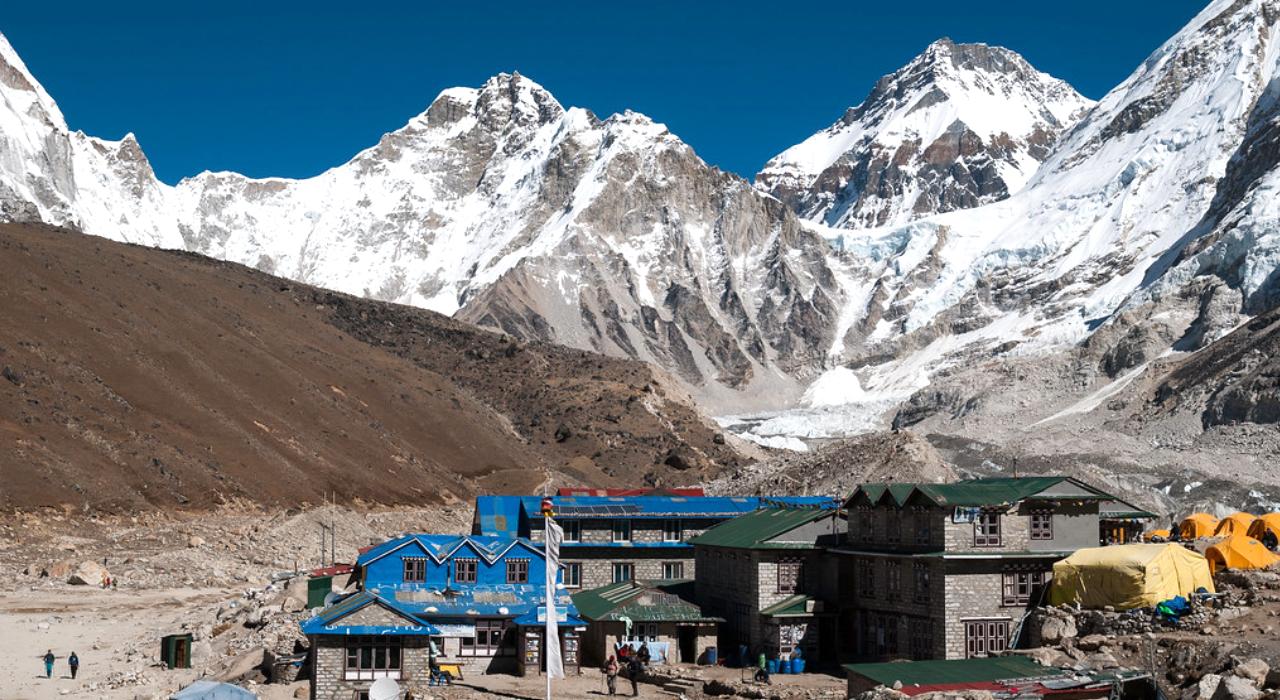
Gorakshep: The Last Stop Before Everest Base CampGorakshep is a tiny high-altitude village in Nepal’s Everest region, and it really is the last stop before Everest Base Camp (EBC). Perched at 5,164 meters (16,942 ft), Gorakshep is a windswept settlement on a flat glacial plain surrounded by the giants Everest, Lhotse, Nuptse, and Pumori. Its name is often said to mean “dead ravens,” although the exact origin of the name is uncertain, a nod to the bare, icy landscape.
Although virtually uninhabited year-round, Gorakshep fills with trekkers and guides in spring and autumn. As the final overnight point on the classic EBC trail, it serves as both a crucial acclimatization site and a jumping-off point for the hikes up to Everest Base Camp and Kala Patthar.
Location and Geography
Gorakshep lies in the heart of Sagarmatha (Everest) National Park in Nepal’s Khumbu valley. Its location on a frozen lakebed means the ground is sandy and rocky – almost like a high-altitude desert. The village is framed by towering peaks: On a clear day, you can see Lhotse, Nuptse, Pumori, and Lingtren, while Everest itself is mostly hidden from Gorakshep and becomes visible only when climbing toward Kala Patthar.
The air is thin at 5,164 m, and temperatures are frigid, so only hearty shrubs and moss survive here. In summer, the sun can be strong, but nights are freezing; in winter, snow blankets the village. Gorakshep’s extreme setting – on an ancient glacial plain beneath the world’s highest mountains – makes it as awe-inspiring as it is remote.
Getting to Gorakshep
Gorakshep is not reachable by road or vehicles – you must trek on foot. The usual route begins with a flight to Lukla (2,860 m) from Kathmandu. From Lukla, you follow the classic Everest Base Camp trail for about a week. Typical waypoints are Namche Bazaar (3,440 m), Tengboche (3,860 m), Dingboche (4,350 m), and then Lobuche (4,940 m).
Trekkers usually reach Gorakshep on about the 7th or 8th day of walking. The final leg, Lobuche to Gorakshep, is roughly 4–5 km of steep trail, climbing about 200 meters in elevation. It’s a rocky, high-altitude hike, so you must take it slowly and rest as needed. Once you arrive in Gorakshep, you will have earned a sense of achievement – this is as high as most trekkers sleep on the EBC trek.
Role in the Everest Base Camp Trek
Gorakshep’s role in the Everest adventure cannot be overstated. It’s the last overnight village on the way to Everest Base Camp – the point where trekkers rest, eat, and sleep before the final push.
Historically, Gorakshep even served as the original Everest Base Camp for early expeditions in the 1950s (before teams moved the camp closer to the Khumbu Icefall). Today, after Gorakshep, the trail continues up to Everest Base Camp (5,364 m) or to the iconic viewpoint Kala Patthar (5,545 m).
Staying in Gorakshep is crucial for acclimatization. At this elevation, the body needs time to adjust to very low oxygen levels. Most trekking itineraries schedule at least one night in Gorakshep so hikers can rest and recover.
The teahouses here provide a vital chance to slow down before tackling the final high-altitude treks. In this way, Gorakshep is a “launching pad” for the last steps of the journey – whether that’s visiting Everest Base Camp itself or climbing up to soak in sunrise views from Kala Patthar.
Things to Do in Gorakshep
Despite its small size, Gorakshep offers a couple of must-do hikes. The most obvious is the short trek to Everest Base Camp itself. From the village, it is roughly 3.5 km each way (about 7 km round trip), taking about 3–4 hours round trip along a rocky trail that skirts the Khumbu Glacier.
This day-hike rewards you with the famous base camp tents clustered at 5,364 m, and offers up-close views of the Khumbu Icefall and nearby peaks like Nuptse and Pumori. Most trekkers do this as a same-day excursion from Gorakshep and then return to sleep in Gorakshep that night. (No one camps at Base Camp on the trek – you must come back.)
The other highlight is Kala Patthar, a ridge rising above Gorakshep. Starting from the village, Kala Patthar is about 3.5 km and 1.5–2 hours of steep hiking. It is commonly done just before dawn so that you reach the summit for sunrise.
From Kala Patthar’s 5,545-meter vantage point, you get an absolutely legendary panorama: Mount Everest’s peak right in front of you, framed by the huge ridges of Lhotse, Nuptse, and Ama Dablam. Many trekkers rate this sunrise view as the highlight of the entire journey.
Aside from these big hikes, simply exploring the village area is enjoyable. You can walk around the sandy plain and up small hillocks to see different angles of the surrounding summits. Prayer flags flutter in the wind, and it’s humbling to be standing on the “desert” floor under so many 8,000-meter giants.
At the tea houses, you can sit by a stove, enjoy hot soup, and take in the panoramic scenery of Pumori, Lingtren, and the icefall – all part of the Gorakshep experience.
Accommodation and Teahouses
Accommodation in Gorakshep is extremely basic. Only a handful of tea houses and lodges operate here, and they provide the simplest possible rooms. Typically, a room has two single beds with thin mattresses and a small table.
Walls and floors are plywood or concrete; there is no heating in the bedrooms. Temperatures inside will be just slightly warmer than outdoors, so you will definitely want to sleep with a heavy down sleeping bag (and even wear layers in bed).
The shared dining room is the heart of each lodge; it usually has a wood or yak-dung burning stove in the middle to keep the air warmer. Trekkers gather here in the evening to eat, drink chai, and warm up together.
Some teahouses do offer hot showers (bucket showers) and electricity for charging devices, but these are very limited – often only a couple of hours of power per day, and usually at extra cost. Expect to pay a premium for a hot shower (sometimes $5–10 or more). Lighting in rooms is generally solar or generator-powered, so it can be dim or spotty.
In short, don’t expect any comforts at Gorakshep. There’s no Wi-Fi, no laundry service, and no luxury. Everything is rustic. But that’s okay – most trekkers adjust to the campfire-like atmosphere quickly, and the friendliness of the lodge owners makes up for the Spartan rooms.
Bring your own power bank and earplugs (walls are thin and the dining area can be noisy), and you’ll be more comfortable. Remember: a good sleeping bag and layers of clothing are your best defenses against the cold nights.
Food and Water
Food options in Gorakshep mirror what you find in other high Himalayan teahouses – simple, hearty, carb-rich meals. Expect dishes like dal bhat (lentils and rice), vegetable or meat noodles, fried rice, omelets, and soups.
Everything is made on-site in basic kitchen facilities. Because all the food is carried up (by yaks, donkeys, or porters), prices are much higher than in lower villages. For example, a plate of dal bhat that costs $3–4 in Namche might be $6–8 in Gorakshep. Breakfasts are usually plain (oatmeal or eggs), and dinners often include some sort of stew or curry.
It’s very important to keep your calories up here. The cold burns extra energy, so eating regularly (even small snacks between meals) helps you stay warm and strong. Hot drinks like tea, coffee, or hot chocolate are readily available – and well worth it in the cold. Some lodges may also have instant noodles or popcorn as snacks.
Water in Gorakshep is scarce. There is no running tap water in the rooms. Lodges provide boiled or treated water from local sources, and you should always purify or boil your drinking water, but it must be boiled or treated first.
Bottled water is sold, but it’s very expensive (often $3–5 per liter). The cheaper approach is to carry a reusable bottle and water purification tablets or a filter. Many trekkers plan to drink “electrolyte” or “energy” drinks as well for extra fluid and salt. Remember that dehydration comes on fast at altitude, so drink often.
Finally, cash is king at Gorakshep. There are absolutely no ATMs here. (In fact, after Namche Bazaar, you won’t see any more ATMs on the entire trek.) Make sure you withdraw enough Nepali rupees in Lukla or Namche before heading up. You’ll need cash for lodging, food, hot water, showers, and any other supplies – all priced in rupees.
Elevation, Climate, and Seasons
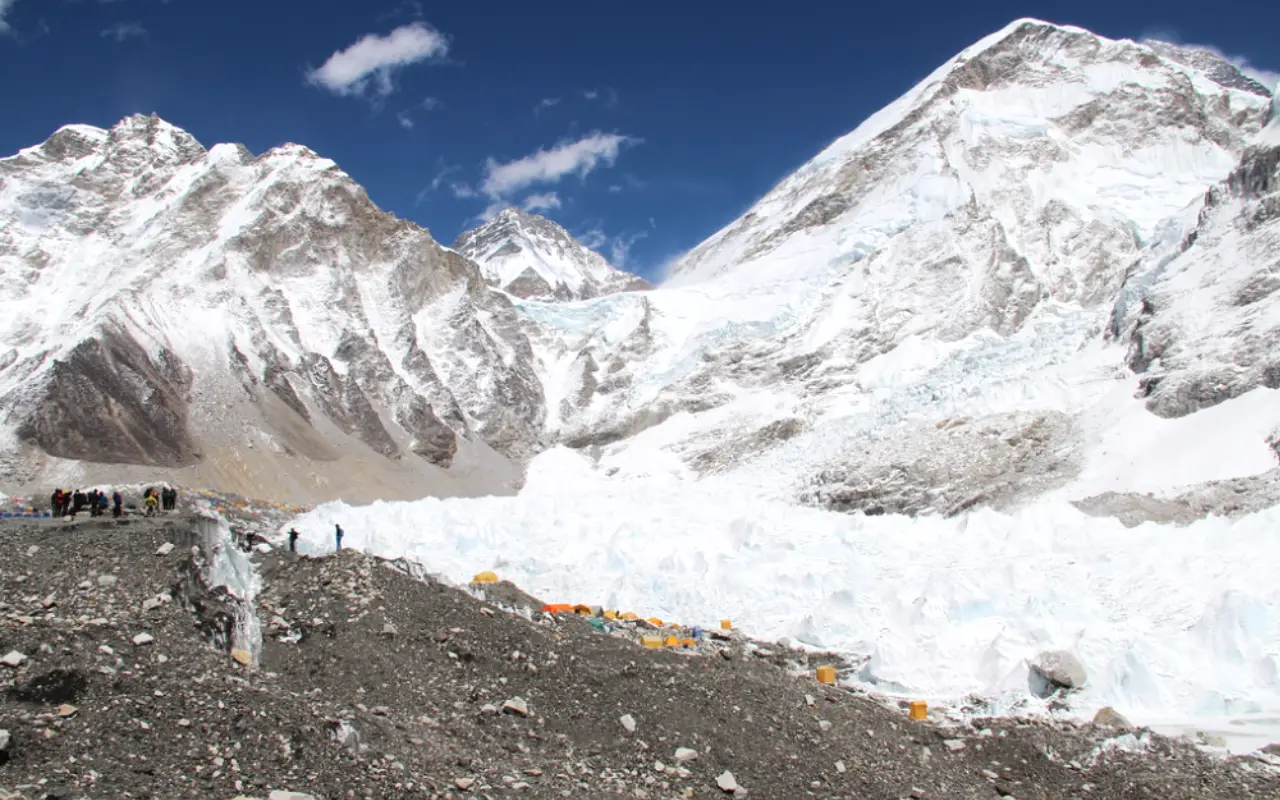
At 5,164 m, Gorakshep is very high – one of the highest points most trekkers ever sleep at. Oxygen levels here are about half of what they are at sea level, so everyone feels the effects of altitude. As you might expect, the climate is extreme.
Days (if sunny) may warm just a few degrees above freezing (0–5°C), but nights plunge far below 0°C. In fact, even in the best seasons (spring and autumn), nights often fall to around –10°C or colder. In the winter (Dec–Feb) temperatures can drop to –20°C or below at night.
The weather in Gorakshep is notoriously changeable. One morning might be clear and calm, the next, a snowstorm could blow in without warning. High winds are common, especially in the late afternoon and evening, making it feel even colder. Because the air is dry, you will lose moisture quickly (your throat and skin may dry out), so pack chopsticks and a moisturizer. You should also carry layered, windproof clothing at all times.
The best times to visit Gorakshep (and trek the EBC route) are spring (March–May) and autumn (September–November). During these windows, the sky is usually clear and the weather relatively stable, offering fantastic visibility of the mountains.
In spring, you’ll even catch blooming rhododendrons in the lower forests. Late April and early May have the unique buzz of the Everest climbing season at Base Camp. In autumn (especially October and November), you also get dry, crisp days and cool nights – many consider October the perfect month for Everest trekking.
By contrast, summer monsoon (June–August) brings heavy clouds, rain, and even snow to the high passes, often making trails muddy and views obscured. Winter (Dec–Feb) is extremely cold and snowy; many tea houses in the Khumbu Valley close, and flights to Lukla are less frequent. So, unless you are an experienced mountaineer, sticking to spring or fall greatly increases your safety and enjoyment.
Trekking Challenges and Altitude Sickness
Gorakshep and the trail around it present several serious challenges, even for seasoned trekkers. The obvious one is altitude. At 5,164 m, the air is thin, so breathing is hard and physical work feels strenuous.
Most people will experience some mild symptoms of altitude sickness, here headache, nausea, loss of appetite, fatigue, or shortness of breath are common. In fact, altitude sickness (AMS) is the biggest health risk on the EBC trek.
To minimize AMS, ascend slowly and acclimatize properly. It’s crucial to drink plenty of water and eat carbohydrate-rich foods to help your body adjust. Many travelers take a rest day in Dingboche or Lobuche before moving on to Gorakshep, and some even take an extra rest night in Gorakshep itself.
Allow your body to adapt – walk at a slow, steady pace and don’t rush. If you start feeling severe symptoms (confusion, coughing up frothy liquid, extreme weakness), descend immediately and seek medical help. Emergency oxygen may be available at some lodges or via helicopter if needed, but the safest course is going down.
Besides altitude, the cold and wind are a big challenge. Even in late season, you should expect freezing nights. Strong winds can also increase heat loss. Proper clothing (see below) is mandatory. Also, the physical trail itself can be rough: loose rocks, icy patches (especially in spring snowmelt), and uneven moraines require good footwear and careful footing.
Resources are limited. Gorakshep has minimal electricity (often just a few hours at night) and no real medical facilities. Carry a basic first-aid kit, personal medications, and any supplements you think you might need.
There may also be patchy communication; a few lodges have satellite-phone service or limited SIM coverage, but it should not be relied on. Emergency plan: It is highly advisable to have travel insurance with helicopter evacuation cover.
Nevertheless, there have been several attempts to overcome these challenges; although it faces numerous problems, thousands of trekkers arrive at Gorakshep without complications annually through proper preparation and taking care of the mountain environment. These challenges are not to be ignored, and with proper listening to your body, you will reach Gorakshep and have a good time there.
What to Pack for the Gorakshep Trek
Packing smart is essential for the harsh conditions at Gorakshep. Here are the most critical items:
- Warm Sleeping Bag: A winter-rated down sleeping bag (–10°C to –15°C comfort rating, or –18°C for winter months) is recommended to use on a winter day, and it must be winter-rated, meaning no less than -18 °C. There is no heating in the rooms, the teahouse blankets are thin, and therefore, this is not an option.
- Layered Clothing: Pack thermal base (wool or synthetic), fleece or insulated mid-layers, and windproof/waterproof outer shell. Even mornings and evenings are the times when a quality down jacket or parka is needed.
- Insulating Accessories: Carry a warm hat/beanie, neck gaiter or scarf, waterproof/windproof gloves (with liners), and heavy wool socks. Originally, hand warmers can be helpful as well.
- Trekking Boots: Waterproof: Sturdy, ankle-high, trekking shoes with good tread. Gorakshep will make them fit you in, and you will have no time to think of blisters.
- Daypack: The daypack is a 20 to 30L size that fits comfortably to carry everyday needs (water, snacks, and extra layers). It should have a rain cover.
- Sun Protection: Altitude sun is severe. Strong UV sunglasses, sunhat, and high-SPF sunscreen (with lips) are essential.
- Hydration: Have a 2-3 liter water bladder and a spare bottle. Sources of water are scarce and expensive, thus requiring refilling and purifying.
- Water Cleaning: Pack water purifying pills or a filter. There are also trekkers who purify the water using UV pens.
- Headlamp and Spare Batteries: It is short in days, and you might find yourself hiking at night. A searchlight is useful, and batteries are quickly exhausted in the cold.
- Trekking Poles: Not necessary, but useful on the rugged path, for the knees and balance.
- Toiletries/First Aid: Toilet paper, hand sanitizer, altitude sickness pills (e.g. Diamox), pain killers, blister care, and any personal medication.
- Power Banks/ chargers: Power is limited. Carry a mobile phone/camera battery charger.
- Snacks: Quick energy boosts between meals in the form of energy bars, nuts/chocolate.
- Travel Documents: You are required to carry your trekking permits (TIMS, Sagarmatha National Park) with you, and enough cash (in Nepali rupees) to get you through the trek.
Be mindful of weight limits on the Lukla flight (around 10 kg in a duffel). Many trekkers hire porters or use pony services to carry the bulk of their gear. But even if someone carries your bag, have your daypack with those essentials listed above.
Safety Tips
- Gradual Acclimatization: Adhere to the scheme of the trek with rest days in higher camps. Do not ascend faster than the recommended pace.
- Practices and Preventions: You should drink water frequently (about 3–4 liters per day) and consume an adequate amount of carbs and caloric intake. Do not take alcohol and heavy meals before going to sleep.
- Listen to Your Body: In case you experience the symptoms of AMS (see above), do not neglect them. Halting, resting, and contemplating with a downward condition will get worse. In case of problems, always inform your guide or trekking partner.
- Weather Planning: See what the weather is going to be every day on your phone or at the lodge. Always have waterproof clothes in case of snow or rain. When a storm strikes, be at home until it blows away – whiteout and high winds can be hazardous.
- Trek Early: Start your rises earlier than the sun. There is afternoon wind and snow over. In addition, sunrise is more motivating to watch in Kala Patthar!
- Group Up: Particularly when you are not very experienced, walk with a carefully arranged group or with a guide who knows the path.
- Emergency Kit: Pack a small first-aid kit, some packets of glucose or salt, and (assuming you can fit it) a personal locator beacon or a satellite messenger.
- Permits and Insurance: Carry all the necessary permits(See below) with you, and have travel insurance including helicopter evacuation to high altitude.
- Cash: Draw additional rupees either in Kathmandu or Lukla. There are no banks/ATM further than Namche Bazaar.
By preparing for altitude and cold, keeping safety gear handy, and taking it slow, you can greatly reduce risks. Gorakshep may be wild, but with caution, it’s a wonderfully rewarding stop on your Everest journey.
Best Time to Visit Gorakshep
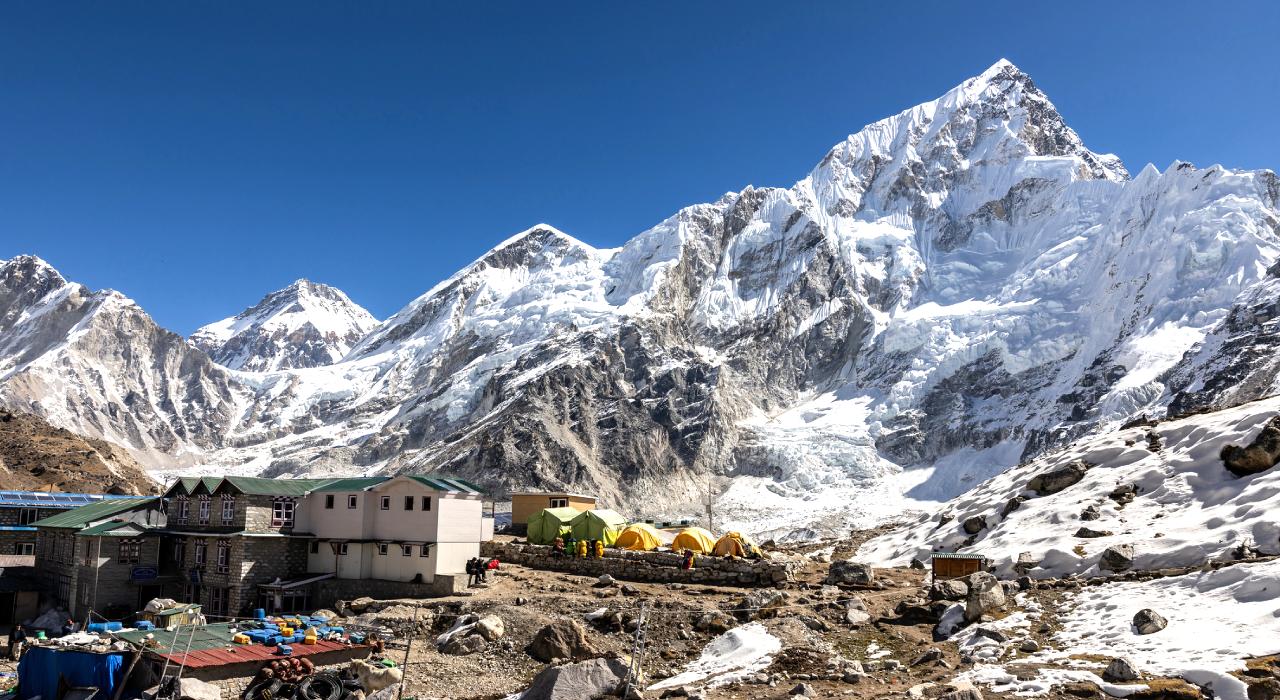
The ideal seasons for trekking to Gorakshep (and Everest Base Camp) are spring (March–May) and autumn (Sept–Nov). In spring, you benefit from many sunny days, mild weather, and the excitement of the Everest climbing season.
Autumn offers crystal-clear skies and stable conditions, with October being particularly popular. During these months, the trails are clear of snow and monsoon rain, and the daytime temperatures are bearable (though still cold at night).
By contrast, the monsoon season (June–August) brings heavy clouds and rain to the Khumbu, making high camps wet and slippery. Most of the lower villages are lush and green then, but above 5,000 m it can still snow. Winter (Dec–Feb) means serious cold, deep snow, and shorter daylight; very few teams attempt EBC in winter.
March–May and September–November combine the best weather and long days for trekking. If you time your trek for these seasons, you maximize your chance of clear mountain views (including of Everest itself) and manageable trail conditions.
Frequently Asked Questions
Q: What is the height of Gorakshep?
A: Gorakshep is some 5,164 meters (16,942 feet) above sea level. This renders it as one of the most elevated overnight halts in EBC hiking and implies that elevation is a significant element in the trip.
Q: What is the distance and the duration of the hike between Gorakshep and Everest Base Camp?
A: At a distance of 3-4km (approximately 8km round trip) is Everest Base Camp and Gorakshep. The Gorekshep to EBC walk is a 3-4 hour round-trip hike that goes through uneven landscapes. It is a day trip for many trekkers: hiking to Base Camp and then they go back to sleep in Gorakshep.
Q: Does Gorakshep have any accommodation?
A: Yes, but only basic lodging. There are a few small tea houses/lodges that are run in Gorakshep during the trekking season. They are basic twin-bed rooms which share toilets. It has minimal facilities, very thin walls, no heating in the room, and hot water is scarce. You do not need to book things too far ahead, and in most cases, assignments are done by your tour leader.
Q: What food can I get in Gorakshep?
A: Gorakshep tea houses offer simple, high-carb Nepali cuisine. The common ones are dal bhat (rice and lentils), soups, noodles, fried rice, and eggs. These aid in the recharging of body energy and prevent coldness. Hot beverages (tea, coffee) and occasionally snacks (instant noodles or biscuits) are typically served.
Q: What permits are required to go trekking to Gorakshep and Everest Base Camp?
A: It requires a TIMS card and a Sagarmatha National Park permit to hike in this area. All independent trekkers are obligated to have the TIMS (Trekkers’ Information Management System) card (around USD 20). To get into the Everest region, the Sagarmatha permit (approximately USD 30 for foreigners) is required.
