







20 Interesting Facts About Nepal That Will Amaze You
Introduction
Nepal is the country of unbelievable contrasts where wild Himalayan mountains sparkle, and tropical lowlands are rich in greenery. This small nation, with the grandeur of Mount Everest on one hand to the fertile Terai plains on the other hand, provides an exotic diversity that enthralls tourists into a world of wonders.
Sandwiched between Asia and India, Nepal is a country of high mountains, ravines, forests, and an array of rivers. Its diverse cultural weavery is a mixture of old and new cultures that makes it an intriguing place to explore and a great destination for the spiritual search journey.
Nepal has more than 125 ethnicities and linguistic groups, with the presence of various traditions and celebrations, as well as beliefs. Spirituality is stamped throughout everyday reality, and thousands of monasteries, temples, and holy places attract visitors to a rich cultural immersion.
The following list of 20 interesting facts about Nepal usually illuminates the natural wonders, richness, different people, and other fantastic accomplishments. It is time to start planning the adventure that will not be forgotten and learn the magic behind Nepal with us, as any adventure is truly a transformational one.
Interesting Facts About Nepal – Overview Section
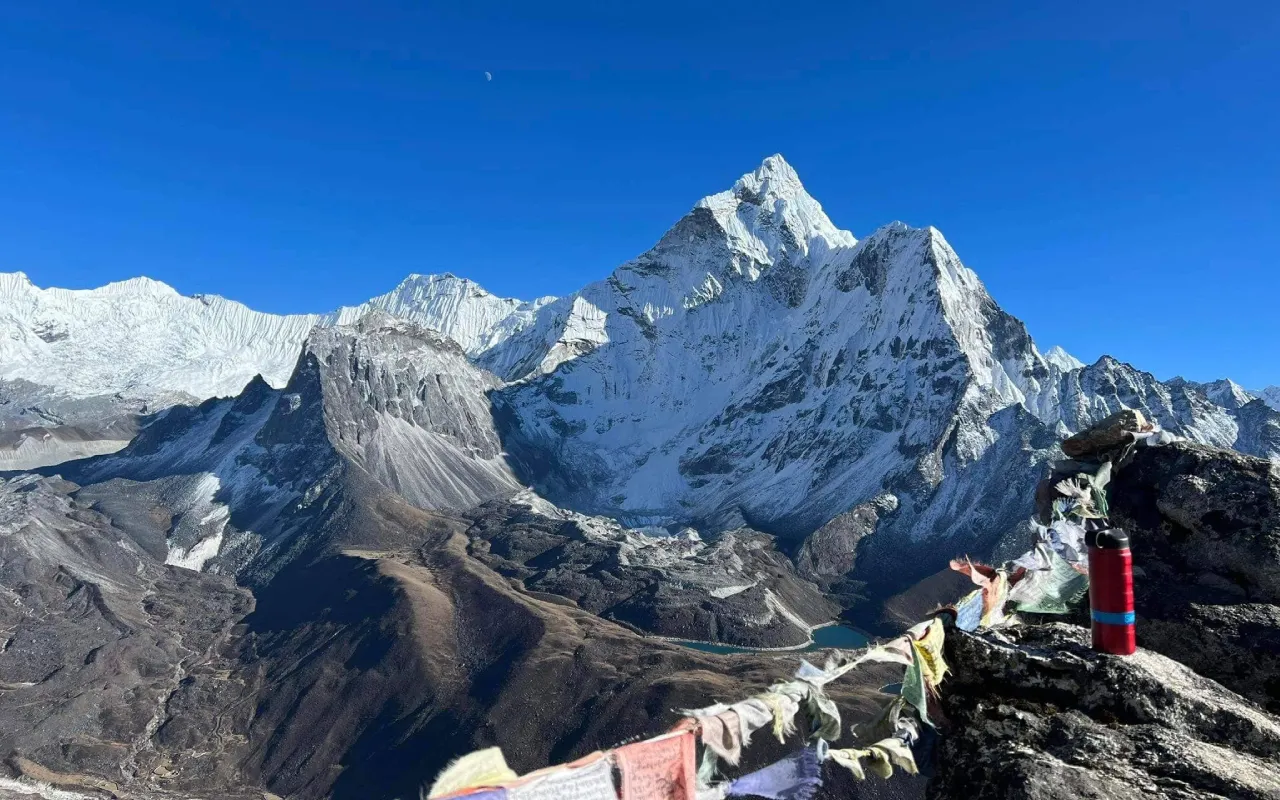
Nepal Is Home to Eight of the World’s Fourteen Highest Peaks
One of the interesting facts about Nepal is that among the eight out of the fourteen highest mountains in the world are lie partly or entirely in Nepal, including Mount Everest (8,848.86 m). Leading climbers and adventurers from around the world are attracted to the world’s highest peaks and the natural rugged beauty of Nepal.
Peaks like Kanchenjunga, Lhotse, Makalu, and Cho Oyu are among the Himalayan giants. The mountains contribute to Nepal’s esteemed reputation in mountaineering and trekking, and offer mountaineers at all levels a challenge, as well as amazing scenery.
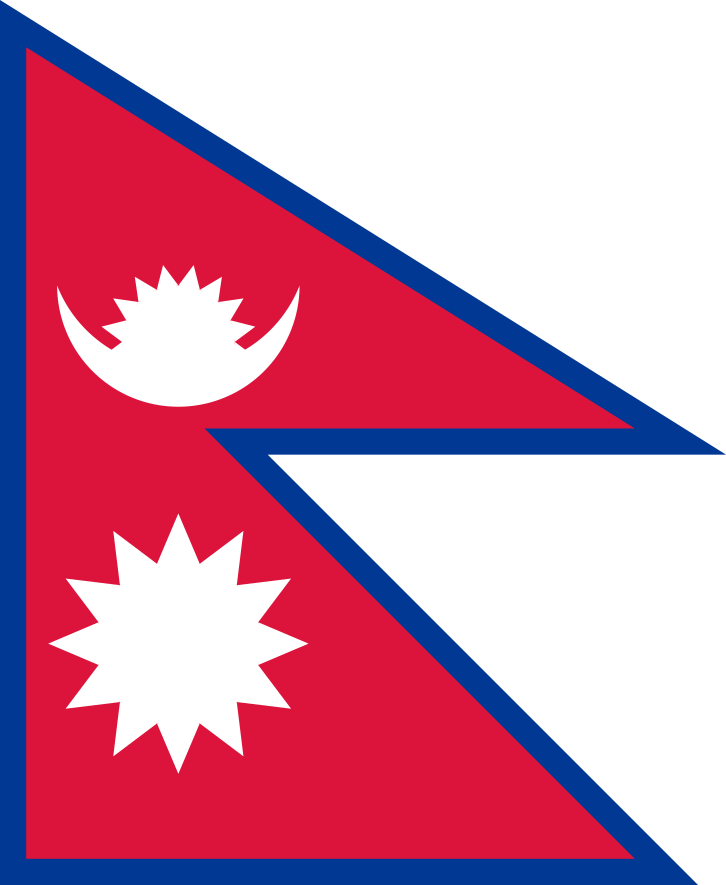
Nepal’s Flag Is the Only Non-Rectangular Flag in the World
The national flag of Nepal is the only national flag in the world with a non-rectangular shape and consists of two triangles overlapping each other, one of the interesting facts about Nepal. This unique design represents the Himalayas, fulfilling the country’s distinctive geographical and cultural identity.
The flag has great symbolism: the sun and the moon stand for the hope that Nepal will exist as long as the sun and the moon exist. The crimson and blue intent is furthermore a show of courage and tranquility, in particular, and the sacred soul of Nepal.
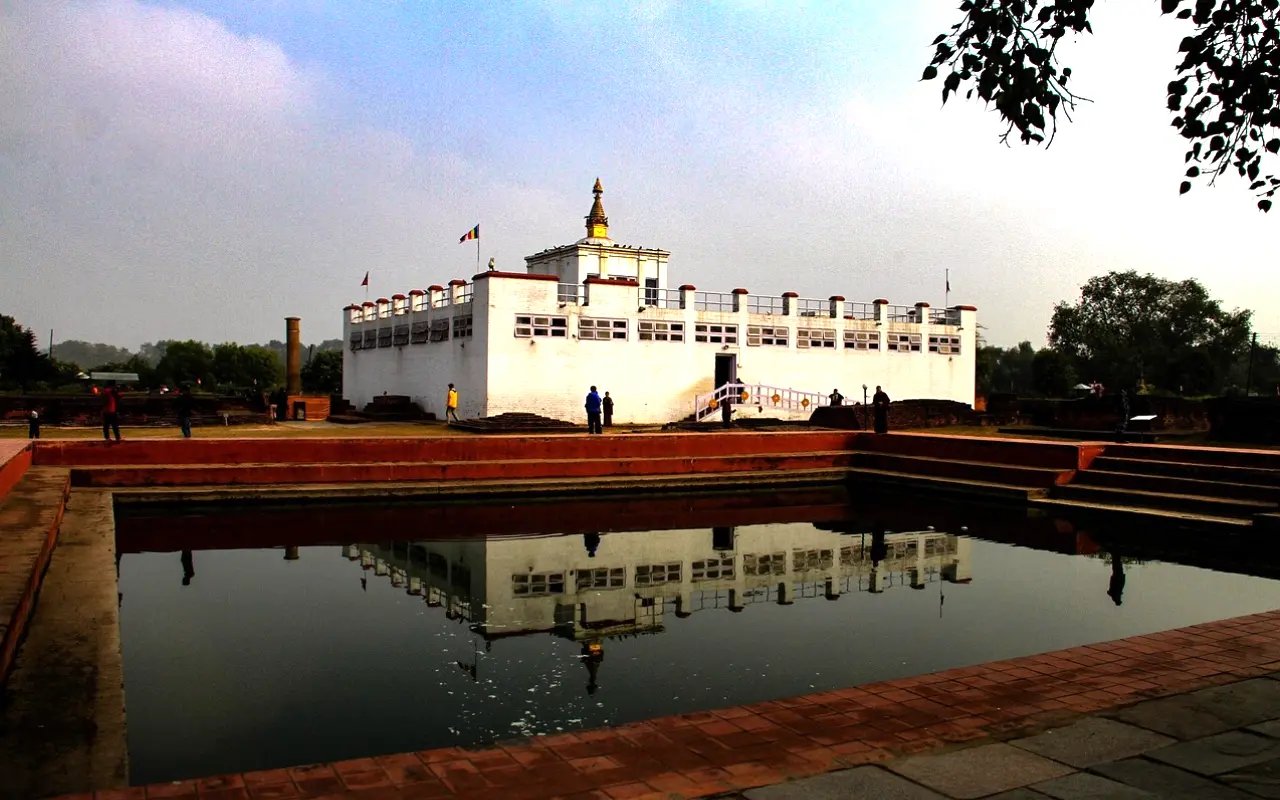
Lumbini Is the Birthplace of Lord Buddha
Lumbini is a sacred and a World Heritage site in Nepal where Lord Buddha was born. It has tremendous historic and spiritual meaning as the birthplace of Buddhism, which attracts pilgrims and tourists alike.
The site includes the old monasteries, sacred gardens, and stupas commemorating the early life of Buddha. Lumbini continues to be a place of peace and reflection, a part of the cultural and religious identity of Nepal.
Kathmandu Valley was once a Huge Lake
Another interesting fact about Nepal is the palatial scenery in Kathmandu Valley, which was once a huge lake, according to legend. It is a tale of the Bodhisattva Manjushree using an excavation to drain the water to render the valley habitable to humans.
The rich culture and geological past of Kathmandu are replicated in this myth. The valley has become a prosperous hub of politics, culture, and economy in Nepal, which is enclosed by hills with historic places scattered around it.
Nepal Has Over 6,000 Rivers and Streams
In Nepal, there are more than 6,000 rivers (100 of which are major) and streams, which have positioned the country to be an important source of water for South Asia. These rivers supply water for irrigation, drinking, and habitat for a wide range of organisms throughout the region.
In addition to those utilitarian functions, Nepal’s rivers provide excellent white-water opportunities for rafting, kayaking, and other forms of tourism. Hydropower potential also exists in great quantities to help with energy needs and sustainable development.
Nepal Has Over 125+ Ethnic Groups and 120+ Languages.
Nepal has an extraordinary mosaic of cultural elements with more than 120 ethnic groups and over 120 languages. This dictionary of variety is the wealth engaged in the cultural heritage of the country, yet its people live together, respecting each other’s traditions and customs.
Major ethnic groups are the Gurung, the Sherpa, the Newar, and the Tharu. Each one brings different traditions, crafts, and festivals, conjuring the colorful vibe that makes Nepal thoroughly interesting. This interesting fact about Nepal exhibits its multi-cultural strength.
The Living Goddess “Kumari” Tradition Exists Only in Nepal
The living goddess, through Kumari, for instance, is unique to Nepal. A young girl is selected through a sacred ritual to be worshipped as a goddess to embody divine feminine energy in the community.
The Kumari lives in a special temple where she is taken out on the occasion of festivals as a symbol of purity and protection. This fascinating cultural practice points to Nepal’s rich spiritual heritage and remains an interesting and celebrated fact about Nepal.
Nepalese Calendar (Bikram Sambat) Is 56–57 Years Ahead of the Gregorian Calendar
The Nepalese calendar is known as Bikram Sambat, runs about 56 years and 8 months ahead of the Gregorian Calendar. Nepalis celebrate their new year as called Bikram Sambat new year mostly in mid-April.
This calendar follows ancient time arrangements of Nepal as well as agricultural cycles. Observing the Nepali New Year is not on the same time as the 1st of January, so this interesting fact to learn more about the unique culture of Nepal.
Hospitality Is a Core Part of Nepali Culture: “Guests Are Gods”
Another interesting fact about Nepal is its hospitality. Nepalese hospitality is vigorously rooted in the culture of Nepal. In Nepali culture, guests are treated like gods (‘Atithi Devo Bhava’). Offering Dal Bhat, old-school meals are the natives of every region in Nepal.
In mountain areas, trekkers have found that in extreme circumstances, they can depend on outstanding hospitality, locals sharing food and shelter. This heartfelt custom is an interesting fact about the generous people of Nepal that is dearly loved by them.
Nepal Is the Land of Festivals – There’s a Celebration Almost Every Day
Nepal is known for its festival culture, with celebrations occurring nearly every day throughout the calendar year. Some of the significant festivals include Dashain, Tihar, Holi, and Losar, each with its own unique set of rituals, colors, and mass affection.
Each of these festivals represents values practiced by Nepalese people along with their respective distinct customs and traditions based on religion and agriculture. It is a beautiful representation of culture and community, and a notable and joyful fact about our culture.

Nepal Has 12 National Parks, 1 Wildlife Reserve, 1 Hunting Reserve and 6 Conservation Areas
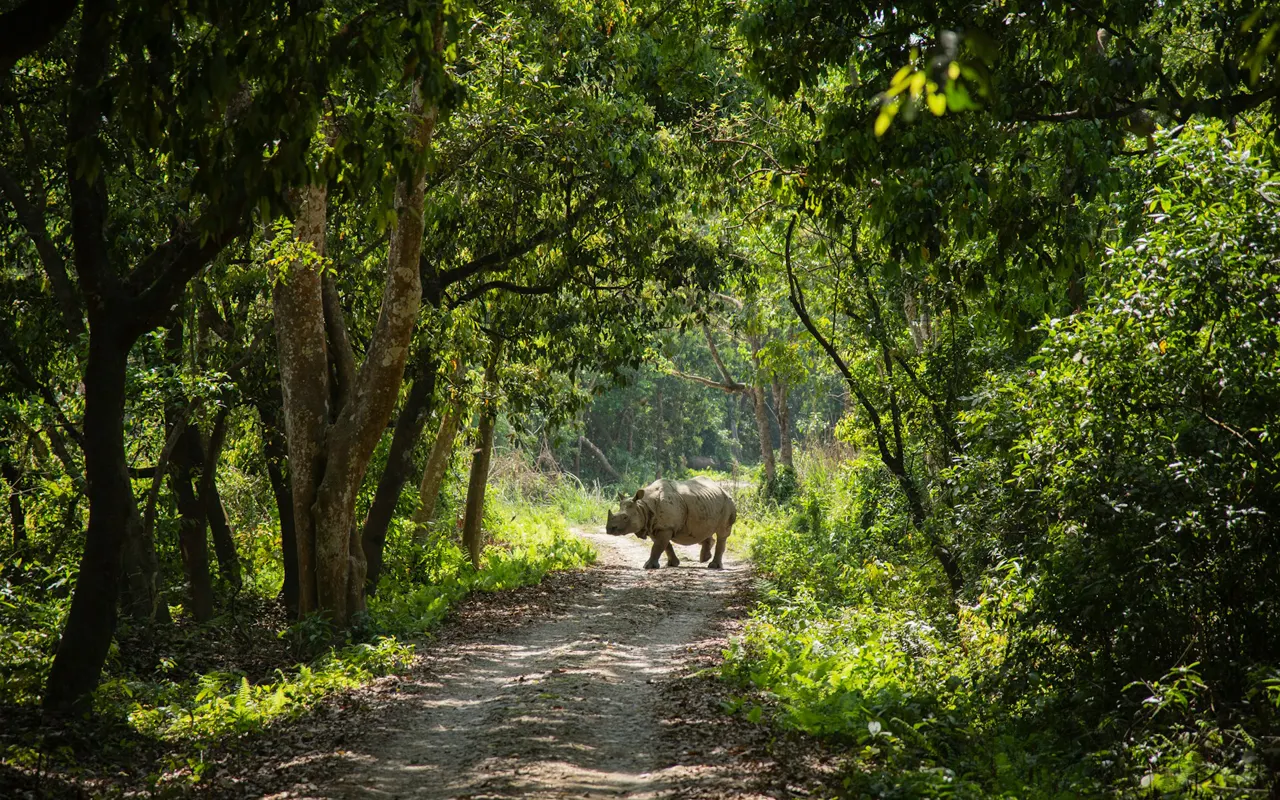
Nepal consists of 12 national parks and one wildlife reserve, and six conservation areas covering diverse ecosystems from a wildlife point of view. Sagarmatha National Park was inscribed as a UNESCO World Heritage Site in 1979 and is the world’s highest such site.
Chitwan National Park and the Bardia National Park are known for their one-horned rhinoceros and Bengal tigers, which are very important for conservation efforts.
Visitors may enjoy guided safaris with the hope of seeing these majestic animals in the wild. The parks also provide bird watching and elephant riding, cementing it as an exciting and memorable experience. This is one of the most interesting facts about Nepal.
You Can Experience All Climates – From Tropics to Arctic – in One Country
Nepal’s terrain has such varied climatic conditions that one can experience all the climates from the tropical plain of Terai to sub-alpine mid-hills and arctic conditions in the higher Himalayas. This unique climate range supports a very amazing variety of flora and fauna.
Travelers are able to have all kinds of adventures and see lush jungles as an extension that is lush green, and the snowy peaks just right in a short time. This climatic diversity is an interesting fact and a little-known fact about the natural area of Nepal.
Sagarmatha National Park Is the Highest UNESCO Natural World Heritage Site
Sagarmatha National Park is a UN Natural World Heritage Site, being the highest such Park in the world. It conserves iconic Himalayan wildlife such as the snow leopard and red panda, and reveals the culture and traditional villages of the Sherpas in the mountains.
Dramatic landscapes of the park, which include a portion of Mount Everest, make it an attraction for trekkers and mountaineers from all over the world. Its cultural and ecological importance impacts the existence of this as one of the most inspiring and interesting facts about Nepal.
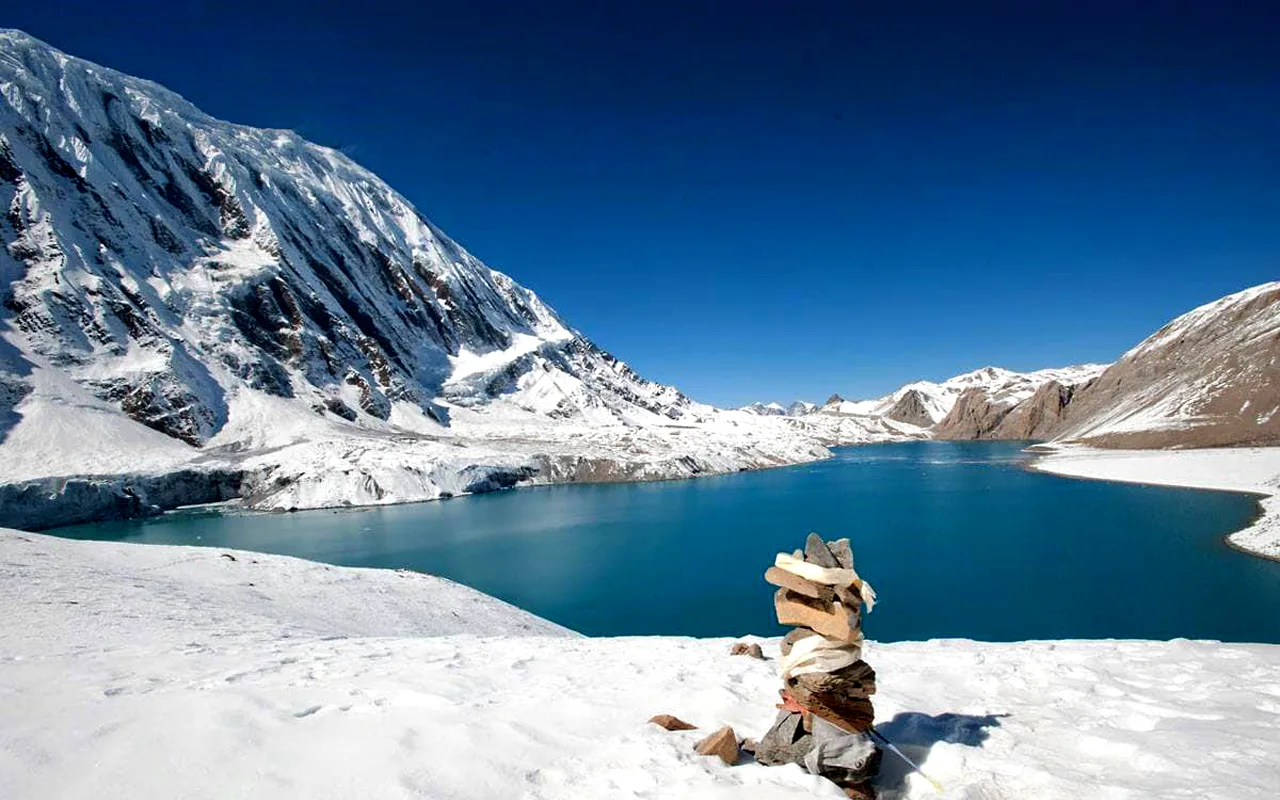
Tilicho Lake Is One of the World’s Highest Lakes (4,919m)
Tilicho Lake at 4,919 meters is among the highest lakes on earth. Located in the Annapurna region, it is a popular high-altitude trekking destination and stunning turquoise gem that is famous for its surreal beauty and challenging walk among the trekkers and nature lovers.
The lake is breathtaking in its views and a rare high-altitude experience. Its existence makes Nepal’s superlative landscapes, and it is an exceptionally interesting fact of Nepal’s natural treasures.
Yeti Legends Still Linger in the High Himalayas
The enigma of the Yeti, or “Abominable Snowman, remains an enticing subject for those living and visiting in the lofty regions of the Himalayas. Sightings and old tales serve as an impression of myth and adventure in Nepal’s hills and mountains.
Whether myth or reality, the Yeti story only enriches the cultural lore of Nepal and is an object of curiosity that attracts customers from all over the globe. This mystical tale is an interesting fact about the nature of Nepal’s mystery.
Nepal Has Never Been colonized in History
Nepal was never colonized, though it signed the 1816 Sugauli Treaty with the British after the Anglo-Nepalese War. A revival of schools was the unification process under King Prithvi Narayan Shah in the 18th century, which was a crucial turning point.
His leadership brought together different small kingdoms under one country, which laid the seed of modern Nepal’s identity. This independence and robustness make it one of the most interesting facts about the rich history of Nepal.
Gurkhas Are Known as the Bravest Soldiers in the World
Gurkhas have served in the British and Indian armies since the early 19th century and are renowned for loyalty and courage. Their legendary contribution to the service in British and Indian armies is a model of Nepal’s values and respect for the military virtues of its people throughout the world.
Daring mountain missions to peacekeeping Gurkhas have come to symbolize the strength of Nepal. Their fearless reputation is an interesting and proud fact about the contribution of Nepal to international security.
Kathmandu Has More Temples than Houses
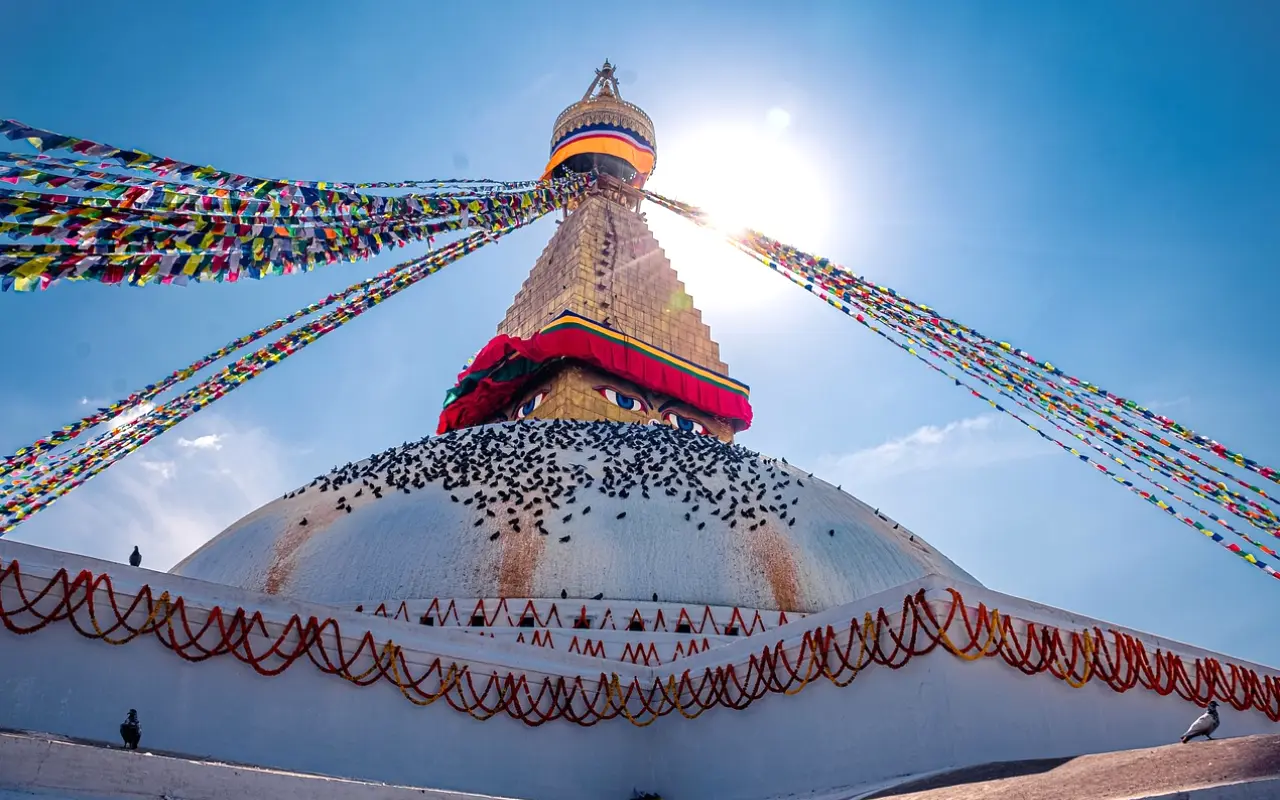
Kathmandu is famously referred to as the “City of Temples,” boasting over 1,000 religious sites squashed into its overcrowded streets. The city’s rich spiritual legacy is evident through its temples dedicated to the Hindu deity and the Buddhist gods.
This profusion of temples contributes to the religious harmony and cultural history of Kathmandu. It is still a lively center of spiritual activity, making this an interesting and fun fact about Nepal.
Mount Everest Was First Measured by a Indian Named Radhanath Sikdar
An Indian mathematician called Radhanath Sikdar measured Mount Everest for the first time in the 19th century. He did not receive the credit for this achievement at the time, but Radhanath Sikdar’s work was important to the history of mountaineering.
Nepal’s Internet and ATMs Work Even in the Mountains
Nepal is also notable for having modern technology in the middle of its connectivity zones. Internet and ATMs are available in major trekking areas like Everest and Annapurna, though access may be unreliable at higher altitudes. Trekkers and local people can easily stay connected due to innovative technology and infrastructure utilized on the trails.
This shows how Nepal combines a historical, cultural, or traditional practice with modern assistance by providing or maintaining power connections at high altitudes. The idea that something as basic as messaging someone while trekking is pretty fun and unexpected. It is a great reminder that Nepal is keeping up with the 21st-century digital age.
Conclusion
What makes Nepal unique is its fabulous natural landscapes, diverse cultural tapestry, and profound spiritual traditions. The towering mountains and the festive celebrations come together to offer a travel destination that can’t be found anywhere else on our planet.
These interesting facts about Nepal, in revealing to us a most remarkable balance between humankind and nature, show us the strength created from the complexity of human existence and the environment of Nepal. The ethnic diversity of the people living in harmony with the environment, showing great respect for their culture, the wildlife, and spirituality.
Enjoy all that Nepal has to offer with our expertly led treks and tours. If these interesting facts about Nepal left you in awe, share this blog and start planning your Himalayan adventure today!
