






Nepal Flood Update: What Travelers Need to Know Before Visiting
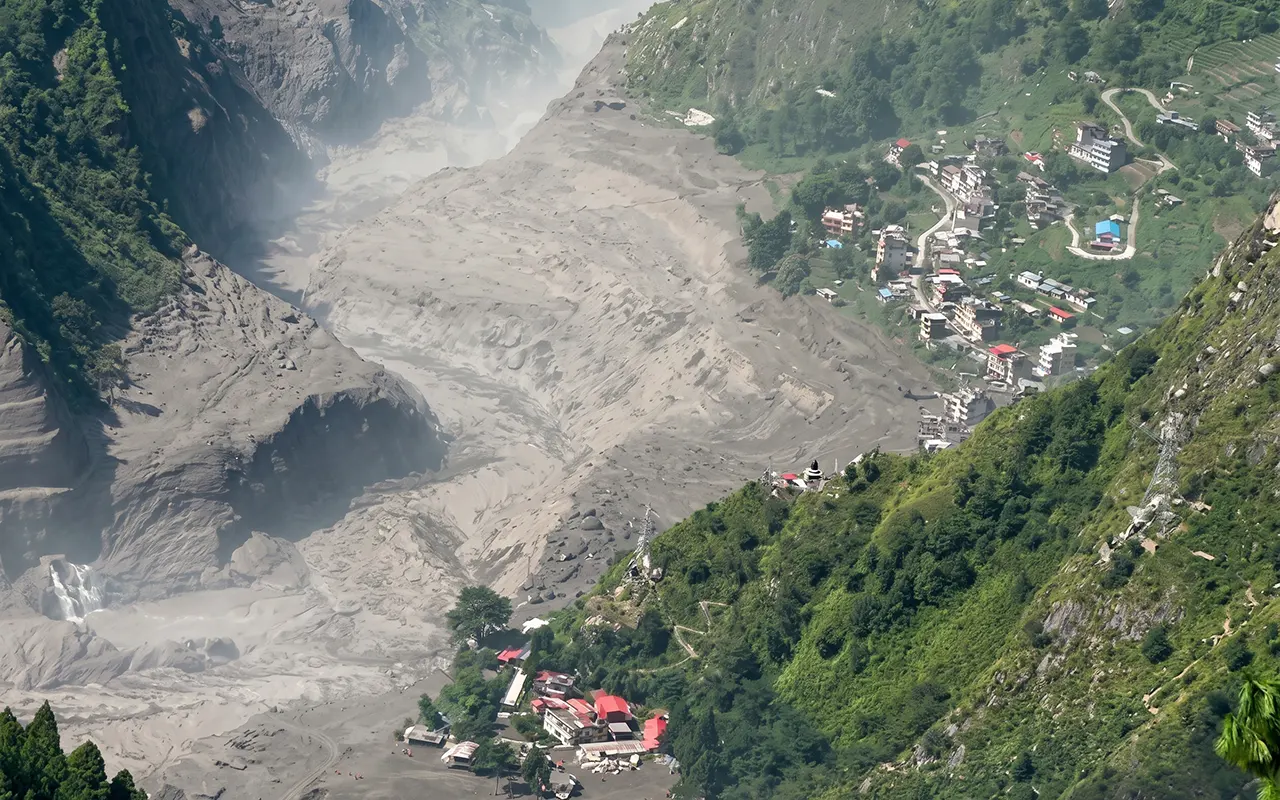
Nepal is also in the midst of trying to cope with the severe impacts of flash floods that hit the Bhotekoshi and Trishuli river system on August 26, 2026. The disaster has had a huge impact on some parts of Rasuwa, Nuwakot and surrounding districts and search and rescue and relief efforts are ongoing. The Nepal Tourism Board is also working with the tourism organisations to share verified information on affected tourists and damaged tourism infrastructure.
It’s crucial to note that the flood has only impacted parts of Nepal for those planning to travel. Many places of interest and trekking areas are still open. The current condition is predominantly focused on certain river corridors and access roads.
What Happened in Nepal on August 26?
The current flood situation in Nepal comes after a sudden and destructive flood that entered the Bhotekoshi river system from the Tibetan side, followed by the Trishuli and then the Narayani river system. The event had a significant impact on settlements, bridges, roads and other infrastructure, especially in the northern and central regions of the country.
The area of Rasuwa has been impacted severely and parts of the Trishuli corridor are also seriously affected. Authorities remain monitoring river levels and any potential secondary hazards and will not let travelers into affected river corridors until they say it is safe.
Is Nepal Safe to Visit Now?
Though there are many parts of Nepal that are appropriate for tourism, it is advised to avoid the directly affected areas and check local conditions before travelling.
It is important not to take the entire nation to be unsafe due to flooding in certain districts. As per the recent updates from the tourism sector, Kathmandu, Pokhara, Chitwan and Lumbini have not been directly affected by the recent floods, while major trekking hubs like Everest, Annapurna, Manaslu, Mustang and Kanchenjunga are not directly impacted.
This doesn’t mean that travellers have to cancel their trip to Nepal just because of the flood. Rather, they should check their pre-planned path and adjust their course if it involves going through an affected corridor.
Current Status of Major Trekking Destinations
The description below is based on the most up-to-date route data from TAAN and the current tourism situation.
| Destination | Current situation | What travelers should do |
| Everest Region | Safe and operational | Trek with normal weather and trail checks |
| Annapurna, Manang and Mustang | Safe and operational | Check road and weather conditions |
| Kanchenjunga | Safe and operational | Continue with normal preparation |
| Makalu | Safe and operational | Check local weather before departure |
| Manaslu and Tsum Valley | Safe, but some access roads are affected | Avoid the damaged Malekhu route and use confirmed alternatives |
| Langtang and Gosaikunda | Destinations remain safe, but the Trishuli approach is affected | Use an alternative approach or postpone until access improves |
| Helambu | Safe and accessible | Continue with normal precautions |
| Rolwaling | Currently safe | Confirm road and trail conditions |
| Dhaulagiri | Safe and operational | Monitor weather and access |
| Dolpa | Safe and operational | Check transportation before departure |
| Rara and Jumla | Safe for travel | Confirm road conditions |
| Far Western trekking areas | Safe for trekking and travel | Continue with normal precautions |
| Kailash Mansarovar via Kerung | Route affected and closed | Consider an alternative route or postpone |
Which Areas Should Travelers Avoid?
The main concern is not all the tourist areas of Nepal but only some particular ones that are affected by the flood.
The road to Rasuwagadhi and Kerung is closed, which will impact overland travel to Kailash Mansarovar. Depending on the present border and travelling conditions, alternative routes are available via Kodari to Tatopani and Simikot to Hilsa and also by air from Lhasa to the Tibetan plateau.
Special care must be taken in the Trishuli and Bhotekoshi corridors too. Roads and bridges have been damaged in some areas and situations may rapidly become hazardous in the remaining monsoon season. Flooding and river erosion also closed off one section of the Kathmandu to Mugling road, so it is advisable to check road conditions a few hours prior to travel.
What About Langtang and Gosaikunda?
As for Langtang, Kyanjin Valley and Gosaikunda themselves, there is no danger as per the latest assessment of the trekking route. Access through the affected Trishuli and Betrawati corridor is the major issue.
So travelers should not presume a place is closed just because its approach is impacted. When necessary, trekking companies can consider alternative routes such as Sundarijal, Chisapani and Thadepati.
Nepal Travel Safety Tips After the Flood
For better Nepal travel safety, travelers should:
- Look at road, trail and weather conditions just before you leave
- Check with a registered trekking/travel agency for the most up-to-date access status
- Avoid walking or driving close to rivers and unstable riverbanks
- Be prepared for road/trail closures if they are announced at the last minute
- Carry travel insurance that covers trekking, evacuation and trip interruption where applicable
- Obey local officials/guides
- Have copies of passports, insurance and emergency contacts
- Travel by official transportation and registered travel/trekking firms
The Nepal Tourism Board recommends that tourists take services from authorized tourism service providers and offers the assistance of Tourist Police by calling 1144.
Are Other Parts of Nepal Good for Tourism?
Yes. Don’t assume that all of the country has been impacted by the floods.
Areas beyond the directly affected areas can continue to operate tourism, provided there are no constraints due to normal monsoon weather and road conditions. Some of the non-affected destinations can be considered for travel, such as Kathmandu, Pokhara, Chitwan, Lumbini, the Everest region, Annapurna region, Mustang, etc. Nepal Tourism Board still classifies Kathmandu, Pokhara, Everest, Chitwan and Lumbini as the primary tourist destinations of the country.
For those visitors who come to Nepal at this time, the choice of an unaffected place to visit will also help to boost local tourism and local businesses that are yet to open up.
Should You Cancel Your Nepal Trip?
The recent floods do not warrant the cancellation of Nepal travel for everyone. A better way would be to check your exact destination, access route and travel dates.
If the trip can be made through Rasuwa or the Bhotekoshi road or another road affected by flooding, delay or change the travel plans until all roads are safe to use. Do not assume the whole country is closed if your trip is to a place that hasn’t been affected.
The rescue and recovery efforts are going on. The tourism information desk has been created in the Nepal Tourism Board to arrange verified information and make official tourism information an important source for travellers and tour operators.
To sum up, Nepal is open for tourism in most parts of the country, but responsible tourism is at the top of the priority list at present times. Please consult the latest route conditions; do not go to directly hit areas and be prepared to adjust plans as needed.
