




Thorong La Pass Trek: A Complete Guide to Crossing One of the World’s Highest Trekking Passes
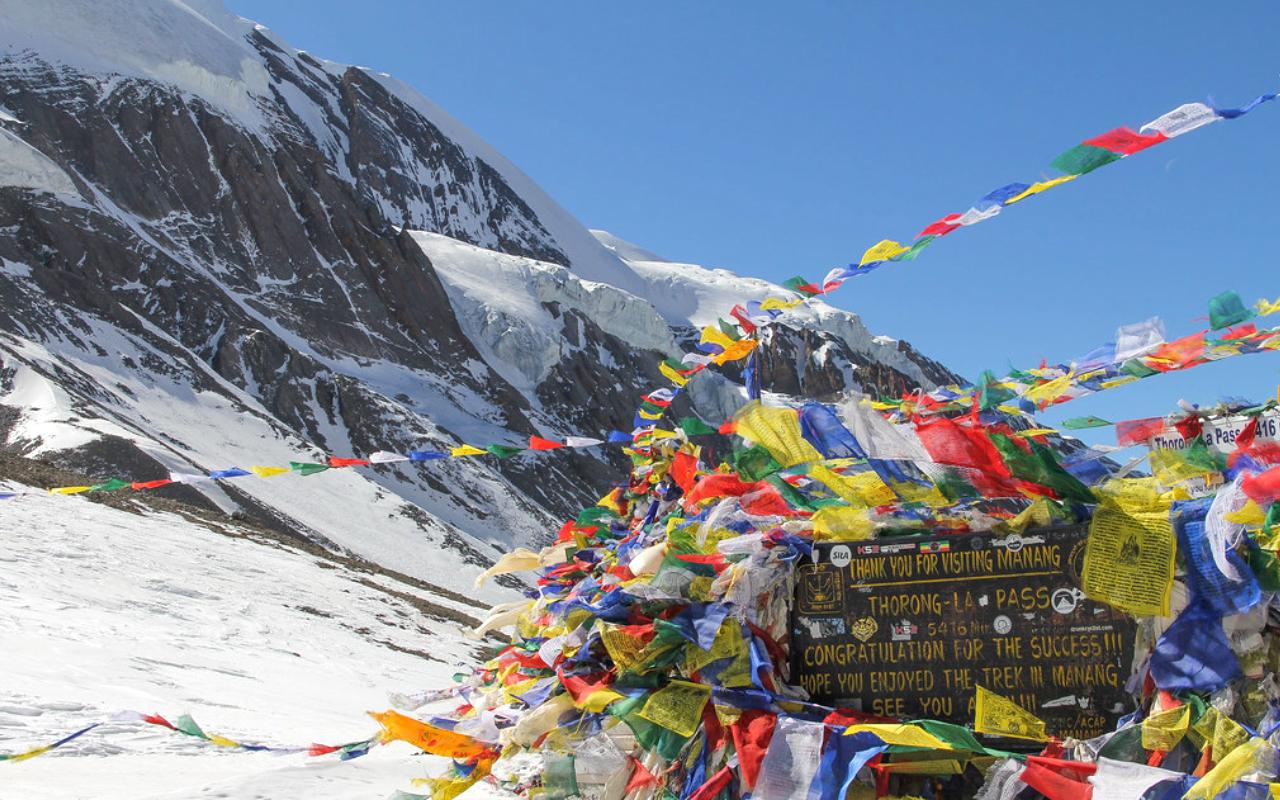
The Thorong La Pass Trek is among the most memorable accomplishments of anyone who has been a trekker in the Himalayas. Thorong La is one of the highest points of the popular Annapurna Circuit Trek, standing at 5,416 meters in altitude, as well as the most difficult one in the entire trek.
The achievement of Thorong La is a dream for many explorers. The journey to the pass is an adventure through changing landscapes, old mountain villages, deep gorges, and high alpine terrain.
During the journey, you will experience the local culture, spirituality, and lifestyle of people living in remote Himalayan areas. The Thorong La Pass Trek will test your stamina, patience, and mental stability, but the payoff will be an experience of a lifetime with spectacular views and a feeling of personal accomplishment.
This is a comprehensive guide to the Thorong La Pass Trek. It is a list of the places to go, the most favorable times of the year, the safety of the altitude, the alternatives of the routes, the accommodation, the cultural experience, and the activities that can be done beforehand, so that you can approach this high Himalayan adventure with confidence and respect.
Introduction to Thorong La Pass: Why It Matters
The Thorong La Pass Trek is situated at the centre of the Annapurna Circuit, which is one of the most renowned long-distance trekking routes globally. La in Tibetan translates to pass, and over the centuries, Thorong La was a key commerce route between the Manang and Mustang areas of Nepal.
Traders, pilgrims, and herders used to cross this pass with salt, grain, and other goods between the Mustang region (which borders Tibet) and the fertile Manang valleys. Modern-day trekkers all over the world embark on their journey following them and trek the same trails they took and experience the historical value along with the natural beauty of the area.
Crossing Thorong La is not just about reaching a high point on the map. It is a transition between two extremely different territories. On the eastern side, Manang is green and fertile, with a rich Tibetan Buddhist culture reflected in its villages, monasteries, and prayer flags.
On the west, Mustang is a dry and windy desert at high altitude, which is the result of centuries of trade, spirituality, and nature. Arriving at Thorong La, amidst fluttering prayer flags and towering snow-covered mountains, is a poignant moment for most trekkers on the Thorong La Pass Trek.
Having spent days on slow ascents, early mornings, and long walks, one can feel the real achievement after standing on the pass and feel part of the greatness of the Himalayas.
Location and Geography: Where Is Thorong La Pass?
The Thorong La Pass Trek is located in the Damodar Himal of north-central Nepal, just north of the Annapurna mountain group. The pass links the Manang District on the east with the Mustang District on the west.
Thorong La is specifically an interesting geography as it presents a sharp environmental change during the trek. Valleys on the Manang side are more productive, rivers are fed by glacial water, farmland is fertile, and towns are guarded against the severe weather. On the Mustang side, it is dry, rocky, and swept by the wind, and it lies in the rain shadow of the Annapurna and Dhauligiri ranges.
The Thorong La is the tallest point of the Annapurna Circuit, reaching 5,416 meters. During a clear day, trekkers on the Thorong La Pass Trek will have a panoramic view of Annapurna II, Annapurna III, Gangapurna, and Dhaulagiri, among other mountains in the surroundings.
The pass itself is a wide saddle between magnificent mountains, which provides an impression of peace, greatness, and untouched nature. It is this high Himalayan setting that makes the Thorong La Pass Trek a truly unique and inspiring adventure.
Best Time to Trek Thorong La Pass
It is highly essential to select an appropriate season in order to have a safe and enjoyable trek. The weather, the condition of the trail, and visibility vary significantly across the year, and thus selecting the right time can greatly impact your experience as a whole.
Spring (March to May) – One of the Best Seasons
It is a wonderful season to pass Thorong La Pass. The climate is generally predictable, the days are bright, and flowers blossom in the lower part, which makes the journey look brighter and nicer.
- The weather pattern is mostly predictable, and there are fewer abrupt changes.
- Views of the mountains are transparent, particularly in the mornings.
- Snow at higher altitudes melts gradually, and the trail becomes easier to walk.
- The weather is pleasant during the day, with long walk durations.
- April and early May are particularly popular, so trails and lodges may be crowded.
Autumn (September to November) – The Best Overall Season
Autumn is regarded as the most suitable time for trekking the Annapurna Circuit and Thorong La Pass. Once the monsoon passes, the skies are clear, and the air is fresh and crisp.
- The monsoon clears up, leaving the skies with excellent visibility.
- The trek is full of mountain scenery, which is sharp and dramatic.
- Trails are dry and comfortable, thus minimizing the chances of falling.
- The weather is pleasant during the day and cool at night.
The month of October is the busiest, and you will find more trekkers on the trail.
Monsoon (June to August) – Not Recommended
Nepal is located under the monsoon season, and much of the country receives a lot of precipitation. Although the trek tends to be muddy and difficult, even at the lower stages, Manang and Mustang receive less rainfall.
- The scenery is commonly hazy, particularly in the lower areas.
- Trails may be slippery and difficult to walk on.
- Landslides can also take place, leading to route and road disruption.
- The delays in traveling are frequent because of weather conditions and the state of the roads.
This is a season that can only be done by very experienced trekkers and with flexible plans.
Winter (December to February) – High Risk
It is extremely hard and risky to trek to Thorong La Pass in winter due to heavy snow and harsh conditions.
- The pass may be blocked by heavy snowfall.
- The pass temperatures may fall way below zero degrees.
- High altitude is associated with strong winds and poor visibility.
- They can close down at any moment with minimal notice.
Only highly experienced trekkers with proper winter gear should attempt a winter crossing.
Altitude and Acclimatization: Staying Safe Above 5,000 Meters
Altitude is the biggest challenge on the Thorong La Pass trek. At this height, the amount of oxygen in the air is much lower than at sea level. Common symptoms of altitude sickness include headaches, nausea, dizziness, fatigue, loss of appetite, and trouble sleeping. In serious cases, altitude sickness can become life-threatening and requires immediate descent.
Proper acclimatization is essential. Most trekking plans include at least two rest days around Manang, which sits at about 3,500 meters. During these days, trekkers walk to higher points during the day and return to sleep at a lower altitude.
Important acclimatization tips include gaining altitude slowly, taking rest days seriously, drinking plenty of water, avoiding alcohol, and eating well even when your appetite is low.
The Himalayan Rescue Association (HRA) operates a medical post in Manang and offers guidance on altitude awareness and safety, though services may vary seasonally.
Route and Itinerary: How to Cross Thorong La Pass
Standard Direction: East to West
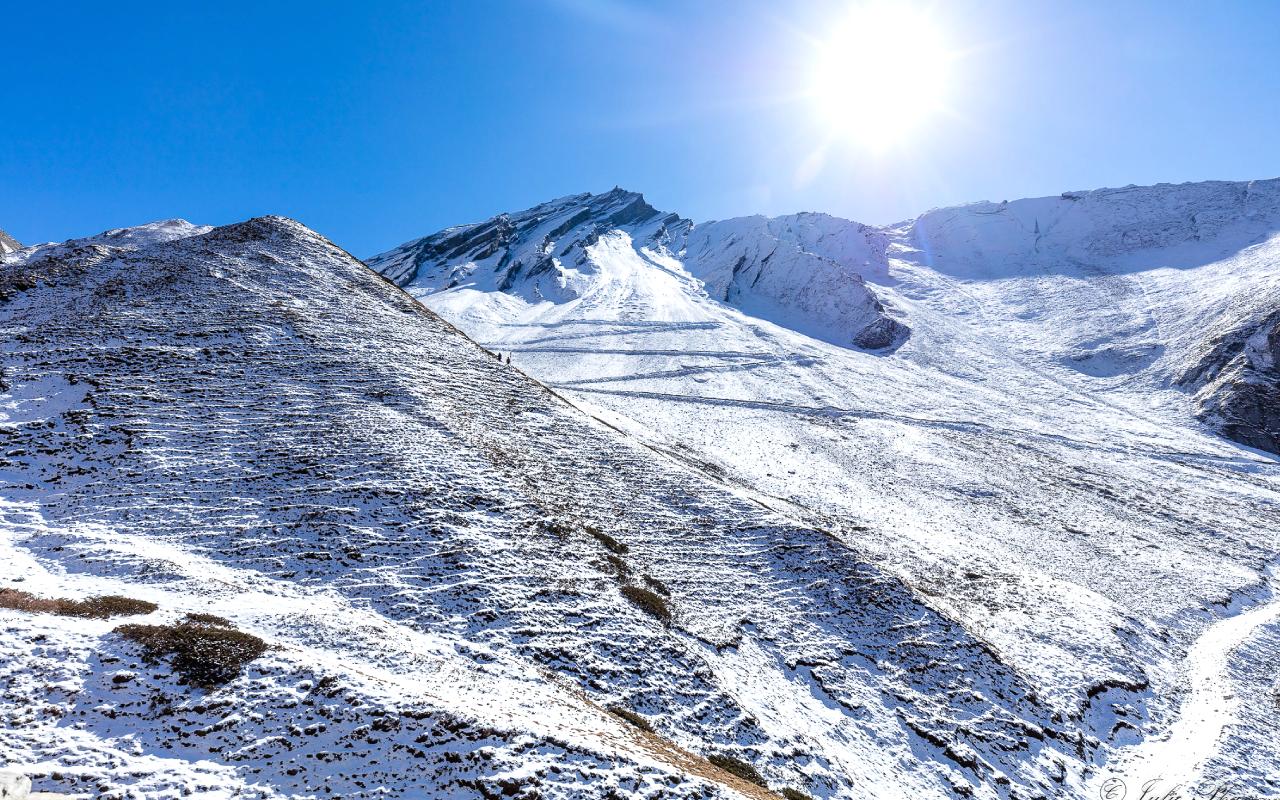
Thorong La Pass is traversed by most trekkers between Manang and Muktinath, and this route is said to be the safest and most convenient route. It is best to begin on the east, which will give time to your body to acclimatize slowly to the rising altitudes. The ascent is more gradual and measured, and the threat of altitude sickness and fatigue is greatly diminished.
It is also a more satisfying orientation as the topography shifts gradually, becoming greener in Manang and drier and more dramatic in Mustang. The gradual climb will allow you to embrace the view as well as get used to the physical and psychological environment before you hit the top of the journey.
Typical Route Highlights
The walk typically starts at Besisahar or Chame, depending on the state of the roads at the time and individual choice. Through this, the road climbs rivers, forests, and villages to Pisang, where the landscape starts to take on more of an alpine appearance.
The most significant point on the route is Manang, which is the primary point of acclimatization. Trekkers typically take a break of one or two nights here to rest, visit nearby perspectives, and have their bodies acclimatize to the elevation.
Following Manang, the path is more exposed and rough, traversing Yak Kharka and Chauri Ledar, whose landmarks are grazing grounds and broad mountain scenery.
The last place to pass before the pass is Thorong Phedi. It is a little hamlet at the foot of Thorong La where trekkers stay, harness their equipment, and make ready to start off early the following morning.
The trail on which they cross Thorong LaPass continues down to Muktinath, which is among the most significant religious locations in Nepal to both the Hindu and the Buddhist pilgrims. It starts at Muktinath and proceeds to Jomsom, where trekkers may terminate the trek and proceed by air or road.
Pass Crossing Day
The hardest day of the whole trek is the day when you cross Thorong La Pass. Most trekkers start very early, usually between 3 and 4 a.m., so as to enjoy the conditions in the weather and also to prevent heavy winds in the afternoon.
The ascent to the pass is prolonged and gradual, and requires several hours of tedious and cautious foot-trudging. When the peak has been reached and some time has been spent admiring the views, then the journey back to Muktinath starts. This negative slope is extensive and exhausting, in particular, following the hard work of climbing.
The average time of total walking time on a pass day is between seven and ten hours. On the one hand, the day is physically challenging, but the feeling of accomplishment and the stunning landscape make it one of the most satisfying moments of the whole trek.
Permits and Regulations
In order to trek to Thorong La Pass, you will require an Annapurna Conservation Area Permit. This is a compulsory permit for every trekker to safeguard the natural environment and wildlife of the area. It also promotes the local communities through the use of conservation and development programs. Before the trek, one can get the permit easily in Kathmandu or Pokhara.
In the Annapurna region, hiring a licensed guide is strongly recommended for safety and logistics, though it is not strictly mandatory for the standard Annapurna Circuit. The reason behind this rule is to enhance safety and responsible trekking.
The permits, guide arrangements, and basic logistics are normally processed by the trekking agencies and, therefore, the expedition becomes easier, safer, and more systematic, particularly in the case of first-time trekkers.
Accommodation and Food on the Trail
Tea houses and lodges are also another famous feature of the Annapurna Circuit, as they can be found in nearly every single village on the way. These lodges are very basic and cozy; they sell basic rooms with beds and blankets, shared bathrooms, and warm common eating places. There is no need to camp since there are easily accessible accommodations around the trek.
The trail food is nutritious and is tailored to provide trekkers with sufficient energy to maintain a long day of walking. Rice and lentils with vegetables, noodle soups, dumplings, pancakes, porridge, eggs, and apple product-based meals are commonly served, particularly in the Mustang country. The higher the altitude, the simpler the food choices are, yet they remain nourishing.
Vegetarian food is encouraged in high altitudes as it is simple to digest and it lowers stomach diseases. Proper nutrition and frequent meals are important for staying strong and healthy on the trek.
Physical Preparation and Difficulty Level
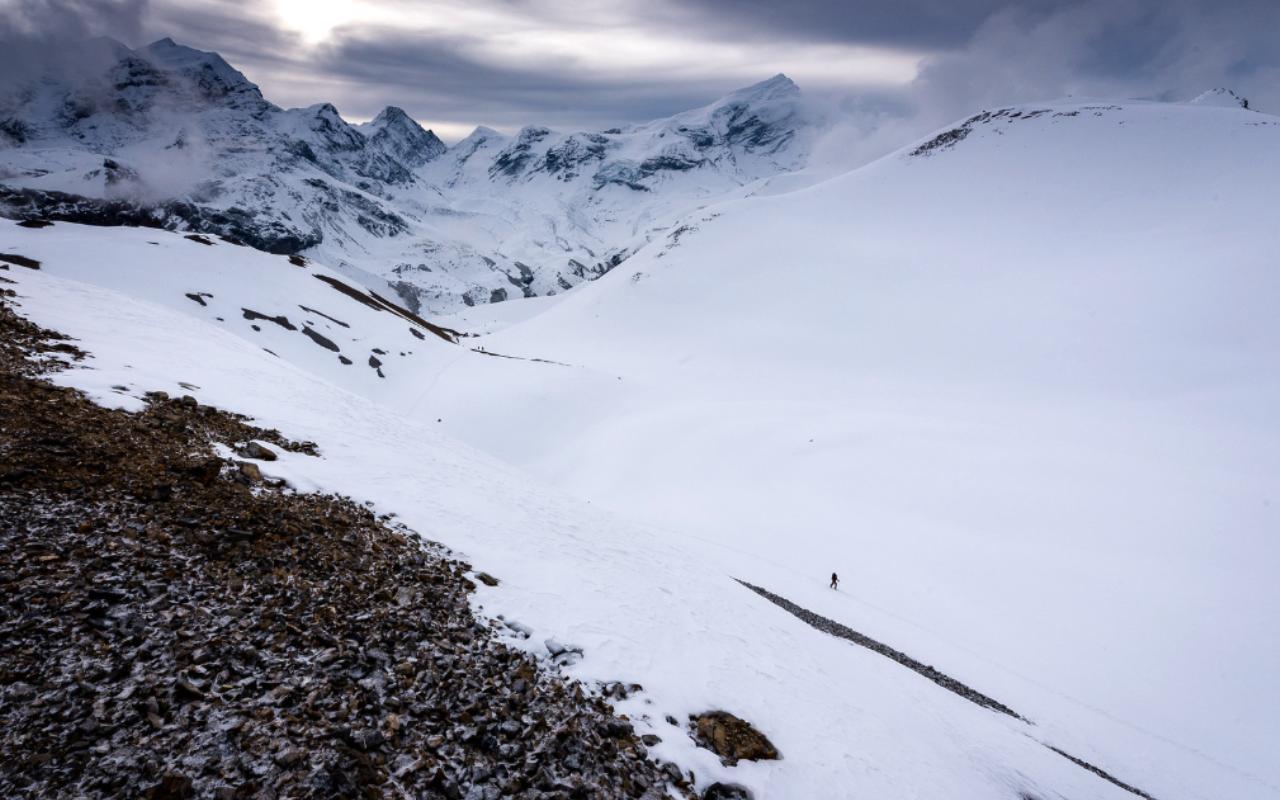
The Thorong La Pass is regarded as a moderate-strenuous trek, though it does not involve any technical climbing abilities. You must be able to walk a couple of hours per day over a rough surface and cope with long uphill and downhill positions.
The most challenging day is the day you cross the pass. Steep climbs, cold winds, and high altitude make it a demanding day that should be well prepared to make the trek safe and enjoyable.
Physical Preparation Tips:
- Take walks or hikes on other surfaces frequently to build up stamina.
- Engages in cardiovascular exercises such as running, peddling, or climbing the stairs.
- Build endurance strength in legs, core, and back.
- Training with a backpack with a weight to recreate the real situation.
- Wear in those trekking shoes to prevent blisters and soreness.
Mental Preparation Tips:
- Always have a positive attitude and be patient in the long days.
- Be flexible and adjust plans according to the weather or health.
- Take small goals each day instead of making the entire trip at a time.
- Make frequent pauses to rest, to hydrate, and to stare at the landscape.
- Train to slow down and to restrain energy in the most difficult parts.
With appropriate physical and psychological training, the journey will be safer, more pleasant, and will enable you to enjoy the stunning scenery and cultural experiences along the trail.
Cultural Experience Along the Trail
Thorong La Pass trek is a culturally enriching and rewarding experience. As the path passes, the trekkers have the opportunity to observe a mixture of Tibetan Buddhism, Hinduism, and the Nepalese traditions, which have been maintained over centuries.
It goes through old monasteries, prayer flags, stone walls inscribed with mantras, and old villages as a hint of the life and spirituality of the population of this area.
Key Cultural Highlights:
- Buddhist Monasteries in Manang: Pay a visit to small and large monasteries where monks study, meditate and observe the traditional rituals which take place every day.
- Prayer Flags and Mani Walls: Prayer flags are painted in vibrant flutter in the wind, giving blessings, and stone walls painted with mantras are used to provide spiritual meaning.
- Muktinath Temple: This is a heritage temple that both Hindus and Buddhists would visit in order to observe their rituals in the sacred waters.
- Thakali Culture in Mustang: Visit traditional Thakali villages, their own architecture, and hospitality, which has been serving the trekkers over the years.
- Local Festivals and Customs: The local festivals, dances, and ceremonies subject you to a variety of the rich heritage of the region, based on the time of year.
Guidelines on Respectful Cultural Interaction:
- Wear simple clothes to religious places.
- Walk clockwise around stupas, chortens, and temples as a show of respect.
- Never take pictures without the permission of people or during religious ceremonies.
- Know a couple of common Nepali or Tibetan greetings; people love the effort.
- Show respect to local regulations and do not be loud or disruptive.
The culture of the Thorong La Pass trek takes the journey one step further, as it is not merely a physical adventure, but an experience of the culture. It will make your trek a richer experience and valuable memories by knowing and honoring the customs of the people you meet.
Safety Tips and Common Challenges
The first thing should be safety in crossing Thorong La Pass. Getting an early start is highly pertinent due to the fact that mornings tend to be less windy, and the weather is also normally calmer. It is also sufficient to cross the pass and descend safely before the conditions change later in the day.
Weather should always be checked, and local suggestions should be followed by using the guidance of guides and lodge owners. Mountain weather can switch rapidly, and local experience may aid you in preventing unsafe circumstances.
Treking poles enhance the steadiness when walking on steep or snowy areas, and wearing layers will enable you to adapt to the varying temperatures in the daytime. A headlamp is necessary because the trek usually starts before sunrise.
Above all, recognize when to retreat. If you feel unwell, extremely fatigued, or encounter bad weather, it is safer to stop and descend. Your safety is never less important than reaching the pass.
Final Thoughts: Is Thorong La Pass Worth It?
Yes. The Thorong La Pass Trek is not only a trek, but it is also an adventure through beautiful scenery, culture, and solitude. It also teaches patience and persistence, and a sense of appreciation for nature.
The feeling of it being possible to reach the top of the pass is an extremely rewarding one. With snow-capped mountains and waving prayer flags, the trekkers experience a profound sense of accomplishment and belonging to the Himalayas.
Proper preparation and respecting altitudes, a positive attitude may turn Thorong La Pass into one of the most memorable moments of your life. The mountains will push you, but they will also guide and embrace you.
