




Trekking vs Hiking: What’s the Difference and Which Is Right for You?
Walking through nature is one of the simplest ways to explore beautiful places, enjoy fresh air and take a break from everyday life. Some walk for a short period in the woods and hills; others spend days hiking the mountain trails. Both are satisfying experiences but knowing the difference between trekking and hiking can help you pick the right one to go on.
The debate about trekking vs. hiking often comes down to distance, duration, difficulty and preparation. Walking is typically done on a trail and hiking is usually done on a trail over a longer distance and for more than one day. Both activities are alike in many ways, though the intent and purpose of the two may differ by destination.
Nepal is a great location to explore both. Whether you are a beginner or an expert, there are opportunities for outdoor activities in the country from day hikes around Kathmandu or Pokhara to multi-day trips through the mountains.
This guide outlines the key differences, physical needs, equipment, costs and safety factors to consider along with the popular adventures in Nepal for 2027.
What Is Hiking?
Hiking is an outdoor activity in which one walks along natural trails, typically for several hours or the whole day. These trails can traverse forests, hills, valleys, national parks and mountain viewpoints.
Most of the hikes start and finish on the same day, though some hikes are overnight. Routes are generally well marked and have no special equipment requirements.
If you’re considering hiking in Nepal, you can experience the stunning mountain views, traditional Nepalese villages and serene surroundings without embarking on a lengthy trek by travelling around Kathmandu and Pokhara.
The following are typical attributes of a hike:
- Typically takes between a few hours and a day
- Frequently strolls on marked and designated paths.
- Simple fitness for less difficult paths.
- Generally includes carrying a light daypack.
- Less costly than a hiking trip in the mountains, which requires several days
The hiking alternative is particularly suggested to beginners, families and individuals who do not have lots of time to spend and would desire to enjoy nature.
What Is Trekking?
Trekking is a journey on foot for extended periods of time, usually spanning several days. A trek is not like an easy walk; it is more likely to link villages, valleys, mountain passes and remote settlements.
Trekkers can stay in teahouses, lodges, homestays or camps throughout the trek. There are some routes with a lot of inclines and declines, rugged ground and changing conditions.
In many trekking experiences in Nepal, one travels far into the Himalayas, requiring several days of walking to get to the destination. The popular trekking destinations are Everest Base Camp, Annapurna Base Camp, and Langtang Valley.
The following are typical features of a trek:
- Typically for several days or more
- Travels greater distances over different surfaces
- May include outlying areas that have limited services
- Needs to plan and physically prepare more
- Usually has overnight stays on the way
- Will need permits, guides, porters or camping
Not all hikes are really challenging. The routes are suitable for first-time trekkers, and others require good fitness, previous mountain experience, and careful acclimatisation.
Trekking vs Hiking: Key Differences at a Glance
Both activities are walking outside but they have different typical requirements.
| Factor | Hiking | Trekking |
| Duration | A few hours to one day, sometimes longer | Usually several days to weeks |
| Distance | Generally shorter | Generally longer |
| Terrain | Established trails and accessible hills | Mountain trails, valleys, remote routes |
| Difficulty | Easy to challenging | Moderate to very challenging |
| Accommodation | Usually not required | Lodges, teahouses or camps |
| Equipment | Daypack, suitable footwear, water | Additional clothing, overnight gear, supplies |
| Physical fitness | Basic to good, depending on trail | Good endurance, depending on route |
| Planning | Often relatively simple | Usually more detailed |
| Cost | Generally lower | Generally higher |
| Main experience | Short outdoor exploration | Extended journey through landscapes and communities |
These are general differences and not rules. A challenging walk across the mountains might be a challenging walk across the village and a multi-day walk might be referred to as hiking or trekking.
Trekking vs Hiking: Which Is More Difficult?
Neither activity is necessarily more difficult than the other. Difficulty is based on distance, trail conditions, elevation, weather conditions and the fitness of the individual traveller.
For most reasonably active persons, the stroll along a low forest path might be comfortable. It is a demanding day hike, however, that features some hard rocks.
Likewise, there are a few multi-day hikes that lead along easy paths with comfortable lodging or there are a few hikes that have a long ascent, high passes through the mountains and scant facilities.
The primary difference is usually the amount of perseverance that is needed. In general, trekking requires more stamina as walking is done on consecutive days.
Physical Fitness and Stamina
Walking is a great way to build cardiovascular fitness, strength and balance in the legs. For beginners, try short hikes and allow their distance to lengthen over time.
Long-distance trekking involves walking over a long distance on a number of days and possibly with a backpack. Walking, stair climbing, cycling and strength exercises are good ways to prepare the body.
Elevation and Altitude
Another weather factor to consider is elevation, especially in the Himalayas.
The hike around Nagarkot can reach around 2175 m (7136 ft) and the Everest Base Camp Trek can reach about 5364 m (17598 ft).
With decreasing oxygen levels, the chances of altitude sickness rise at higher elevations. The travellers should carry out a gradual ascent, ensure proper acclimatisation and be aware of symptoms like headache, nausea and dizziness.
Altitude sickness cannot be prevented by good physical fitness. If someone has symptoms that are becoming concerning, they should hold off on going up and if the symptoms get worse, they should descend and get medical attention.
Equipment Needed for Hiking and Trekking
The use of the correct equipment will make any activity more comfortable and safer, whatever it is.
Essential Hiking Equipment
For most day hikes, a few basic items are sufficient:
- Comfortable hiking shoes with good grip
- Lightweight daypack
- Snacks and drinking water
- Weather-appropriate clothing
- Sunscreen, sunglasses and hat
- Basic first-aid supplies
- Offline maps or a navigation device
- Wear a rain jacket as needed
Essential Trekking Equipment
If you’re traveling longer distances, you need extra preparation:
- Well-fitting trekking boots or suitable trail shoes
- Changing clothes for warm and cold conditions
- Wear a warm jacket, gloves and a hat
- Sleeping bag appropriate to conditions expected
- Extra batteries and headlamp
- Trail walking poles
- Water purification system
- Personal medicines and sanitary materials
- Use a Duffel bag or backpack larger than required if necessary
The requirements for equipment depend on the season and location. Other conditions that should be taken into account for trekking in Nepal are cold nights, fewer charging facilities and its quickly changing mountain weather conditions.
Popular Hiking Destinations in Nepal for 2027
Nepal has numerous rewarding day hikes and they are rich with mountain vistas, forests, traditional villages and culture.
Nagarkot to Changunarayan Hike
Duration: 3–5 hours of walking
Difficulty: Easy to moderate
The popular walk takes place on the rural trails between Nagarkot and the ancient Changunarayan. En route, there will be terraced farming areas and traditional villages, as well as picturesque hillsides.
Nagarkot is located at around 2175 metres (7136 ft) and is popular for clear-day Himalayan views.
It’s a good option for those staying in Kathmandu who are looking for a moderately challenging outdoor activity that also immerses them in local culture.
Shivapuri Hiking
Duration: 5–8 hours, depending on route
Difficulty: Moderate to challenging
Shivapuri Nagarjun National Park has forest trails, is a good place for birdwatching and has a calm environment near Kathmandu.
The trek to get to the Shivapuri Peak is about 2,732 m (8,963 ft) up, so it’s a good hike that demands some fitness.
This is a great choice for those who love nature and wish to have a fun and active day without going far from the capital.
Australian Camp Hike
Duration: 1–2 days
Difficulty: Easy to moderate
Australian Camp is a beautiful vantage point about 2,060m (6,759 ft) above Pokhara.
This path goes through forests and through the settlements on the hillside with beautiful views of the Annapurna range and the Machhapuchhre if the weather is good.
A short overnight trip is possible or a walk can be organised to the nearby village of Dhampus.
Sarangkot Hiking
Duration: 2–4 hours of walking
Difficulty: Easy to moderate
Sarangkot is a popular vantage point that offers a view of Pokhara, Phewa Lake and the mountains surrounding it.
The elevation of its viewpoint is about 1,600 m (5,249 ft) above sea level.
It is possible to experience sunrise and walk around the villages and the surrounding hills and mountains. It is recommended for persons with a short stay in Pokhara.

Popular Trekking Packages in Nepal for 2027
If you’re planning a longer trip, Nepal has a variety of hikes to explore from easy introductory trails to more challenging Himalayan expeditions.
The following time is a guideline for trekking packages and is subject to change depending on the transportation that you are using, acclimatisation and the design of the trekking package.
| Trekking package | Typical duration | Highest main destination or point | Difficulty |
| Ghorepani Poon Hill Trek | 4–6 days | 3,210 m (10,531 ft) | Easy to moderate |
| Mardi Himal Trek | 5–7 days | 4,500 m (14,764 ft) | Moderate |
| Langtang Valley Trek | 7–10 days | 4,773 m (15,659 ft), Kyanjin Ri option | Moderate |
| Annapurna Base Camp Trek | 7–12 days | 4,130 m (13,550 ft) | Moderate to challenging |
| Everest Base Camp Trek | 12–14 days | 5,364 m (17,598 ft) | Challenging |
Ghorepani Poon Hill Trek
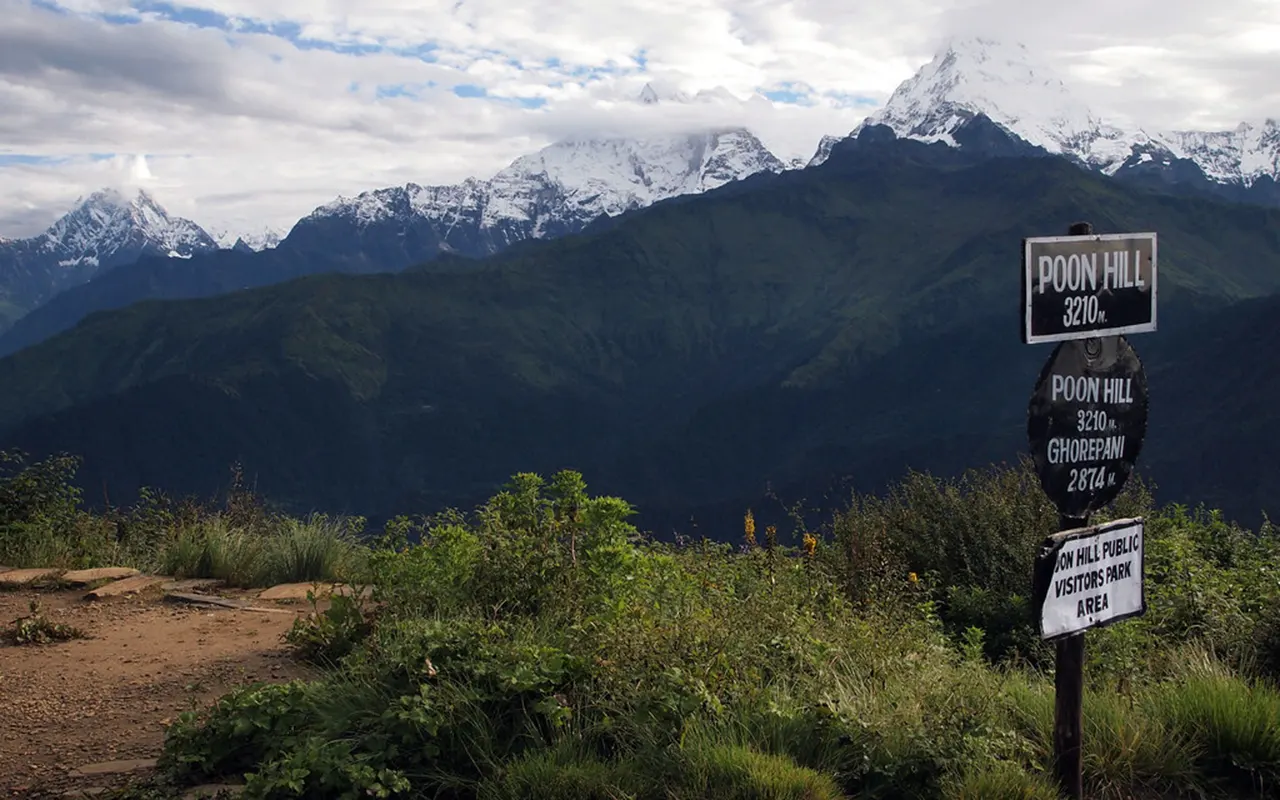
Ghorepani Poon Hill Trek is one of the most popular introductions to Himalayan trekking. The trail runs through rhododendron forests, Gurung and Magar villages and picturesque mountainous views.
The best part is to see the sunrise from Poon Hill, which, on clear mornings, offers a view of Annapurna and Dhaulagiri.
Mardi Himal Trek
Mardi Himal Trek provides a chance to hike in the forest, walk on ridges and see Machhapuchhre and the Annapurnas.
This trek is less lengthy than some of the more popular Himalayan trails but demands the same level of fitness, especially in terms of speed on the steepest inclines.
Langtang Valley Trek
The Langtang Valley Trek is located north of Kathmandu and offers a mix of mountain views, culture from the Tamangs and stunning alpine scenery.
There are numerous tours that include a visit to Kyanjin Gompa and can be extended with additional options for hikes to other viewpoints. This route offers a great mountain experience without the need to fly to Lukla.
Annapurna Base Camp Trek
The Annapurna Base Camp Trek passes through forests, villages, river valleys and dramatic mountain scenery.
The journey ends at Annapurna Base Camp, surrounded by towering Himalayan peaks. The diverse topography of its terrain makes it one of the most popular trekking experiences in Nepal.
Everest Base Camp Trek
The Everest Base Camp Trek follows the well-known Khumbu Trail and passes through Sherpa villages, monasteries, suspension bridges and mountain valleys.
As you ascend to base camp, you can see Everest and other peaks along the way.
If you are wondering about trekking vs. hiking in Nepal, then this trek in the Himalayas can give you an idea of the difference between the two.
How Much Do Hiking and Trekking Cost in Nepal in 2027?
The other major difference between the two activities is the cost. Day hikes tend to cost less and multi-day treks involve costs of lodging, food, transport, permits and possibly professional assistance.
These are approximate planning figures for 2027 and not guaranteed package quotes.
| Activity or package | Estimated cost per person |
| Guided Kathmandu Valley day hike | $35–$100 |
| Guided Pokhara-area day hike | $30–$90 |
| Ghorepani Poon Hill Trek | $300–$650 |
| Mardi Himal Trek | $400–$800 |
| Langtang Valley Trek | $550–$1,100 |
| Annapurna Base Camp Trek | $650–$1,300 |
| Everest Base Camp Trek | $1,200–$2,200 |
The rates are subject to fluctuations based on group size, level of service, season, room, transportation and meals.
This excludes international flights, travel insurance, personal expenses, tips and optional activities. Special permits and restrictions may raise the cost even more.
If you’re considering hiring a tour to hike in Nepal versus longer trips in the mountains, you should not only consider the cost of hire but also the actual contents of your package.
Best Time for Hiking and Trekking in Nepal
There are distinct seasons in Nepal and if you have any idea about comfort and scenery and also about the conditions of the trails, it will make a big difference for you to select the right time for the trek.
| Season | Conditions | Suitability |
| Spring (March–May) | Generally pleasant, flowering forests, increasing pre-monsoon cloud | Excellent for many routes |
| Summer/monsoon (June–August) | Rain, slippery trails, leeches, possible landslides | Better for selected rain-shadow regions |
| Autumn (September–November) | Often clear skies and favourable mountain weather | Excellent for most popular routes |
| Winter (December–February) | Cold mountain temperatures, snow at higher elevations | Suitable for many lower-elevation routes |
The Himalaya region is most popular for adventures in the spring and autumn season.
But certain rain-shadow areas, such as Upper Mustang, may be pretty during the monsoon. High passes could be hazardous or impassable in winter.
When planning trips for 2027, it’s crucial to review seasonal weather predictions and the conditions of the trails before going out.
Safety Tips for Beginners
Safety should always be a concern when planning either a short or long hike.
- Select an appropriate and safe route for your fitness and experience level
- Please read the weather forecast before heading off
- Bring adequate water, snacks and appropriate clothing
- Begin early and allow time for unforeseen delays
- Stay on designated paths and do not take shortcuts
- Employ knowledgeable guides as needed or as appropriate
- Ease up when climbing on higher mountain roads
- Have travel insurance appropriate to the activity and altitude
- Tell someone where you are going and when you’ll return
- Adhere to local laws and respect the local environment
Permits and guides are different in different areas of Nepal and on different routes as well. Confined and restricted areas have further regulations. For those planning to travel, please check the rules that will apply for your 2027 journey.
Trekking vs Hiking: Which Should You Choose?
That will depend on how much time you have, how fit you are, how much you can afford and what you are looking for.
Choose Hiking If You:
- Have only a few hours or one free day
- Have not done any walking outdoors
- Prefer shorter, more flexible adventures
- Are interested in nature without overnight accommodation
- Have a limited budget
- Are travelling with family members who prefer easier routes
Choose Trekking If You:
- Have several days available for an adventure
- Have a strong endurance for walking long distances
- Are interested in experiencing remote mountain villages
- Can enjoy being in basic accommodation
- Have planned for physical activity over a period of days
- Desire a more immersive experience of the Himalayan landscapes and the people
No one has to be a beginner or avoid trekking. Taking a simpler route, giving time and proper preparation can make the process easier.
Frequently Asked Questions
Is trekking the same as hiking?
No, although the terms overlap. The term hiking is commonly used for outdoor walking of shorter duration, whereas the term trekking is usually used for an outdoor walk of greater duration and over more than one day. There is no universal agreement on the meaning of either term.
Can beginners go trekking in Nepal?
Yes. For those who are beginners, they can opt for shorter tours like Ghorepani Poon Hill as long as they are fit, equipped and well prepared. The route should be a walking stage.
Is hiking better than trekking for weight loss?
Both are calorie-burning and promote fitness. This would vary based on walking time, walking speed, walking environment and individual body weight. The name of the activity isn’t as important as consistency.
Do I need a guide for hiking in Nepal?
Not all roads. There are many day hikes available that can be done on their own while others have certain guidelines for entry. For longer hikes, it is best to check the destination and the regulations in place at the time.
Which is better for a first Nepal trip?
A few days spent around Kathmandu or Pokhara are feasible options for a short visit. For those who have the time, an introductory multi-day trek is a possibility to enjoy the Himalayan experience.
Final Thoughts
The discussion is not about whether trekking or hiking is better but rather what type of experience you are looking for.
Though hiking can last for days, it’s a flexible approach to enjoying nature finding scenic spots and getting active without committing to a lengthy excursion. Trekking offers a longer trip through the mountain landscapes, traditional communities and areas that are not readily accessible by road.
Hiking and trekking in Nepal are plentiful with easy and difficult trails, one of which are found in the countryside and the Himalayas, respectively. It could be something that will be remembered in your 2027 adventure and this is possible through realistic expectations, correct preparation and planning as well as a suitable itinerary.
