noti-icon

Unbeatable Holiday Offers - Save Up to 20% on Your Next Adventure!

Who Was Green Boots? The Story Behind Everest’s Infamous Climber

Introduction

Mount Everest has gotten the attention and fascination of adventurers and mountaineers from all over due to the beautiful heights and scenery it has. However, besides the glorious scenic landscapes and summits, lie a number of solemn stories. One of which is none other than “Green Boots.”

Green Boots is the preserved body of a climber who died on the Northeast Ridge route to Mount Everest, whose distinct green mountaineering boots made him easily recognizable. Over the past decade, “Green Boots” has become a notorious landmark on Everest, serving as a residual reminder of the mountain’s forces and the toll it takes on climbers who try to achieve perfection.

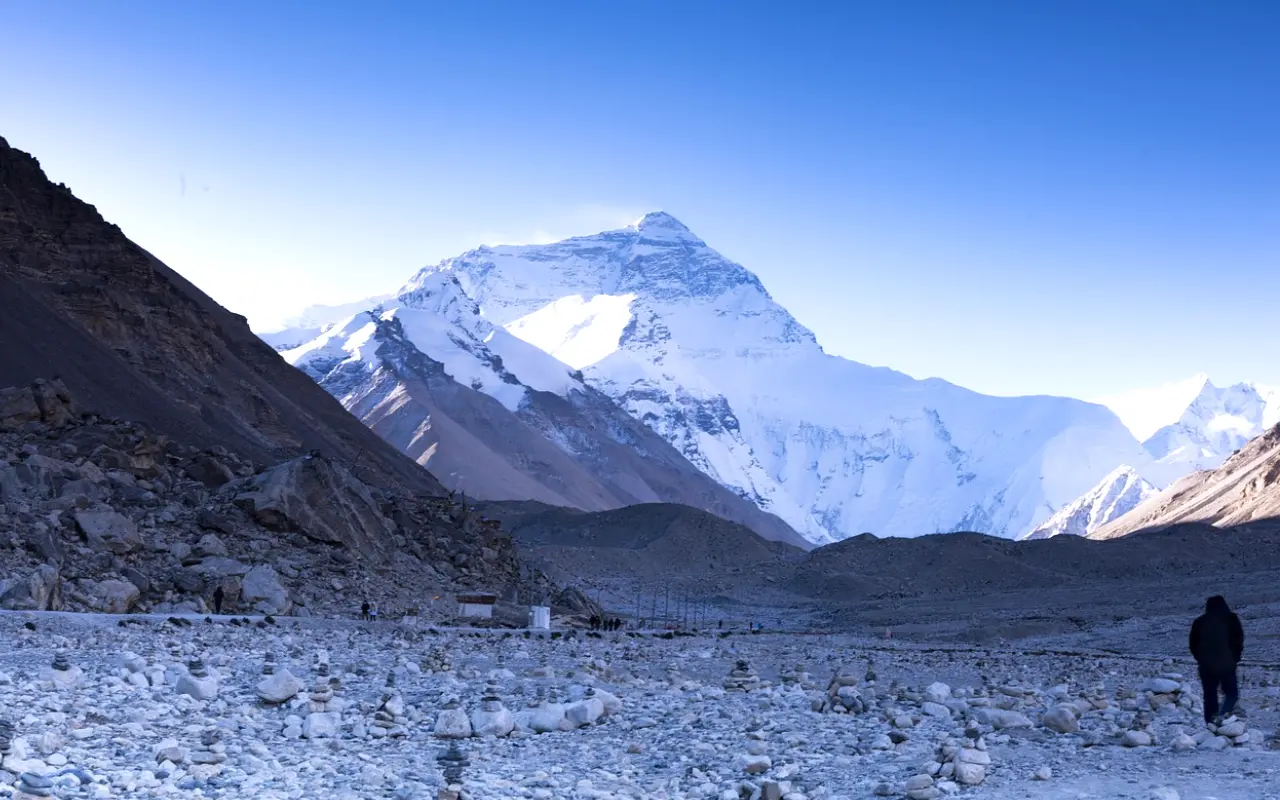
Green Boots, lying in a small limestone cave at about 8,500 meters, is located on the route used by nearly every climber from the Tibetan side. Many climbers stop at Green Boots not just to catch a breath, but for the sobering realization that a mountain can kill a person.

Among the growing and increasingly well-known climbing community on Everest, the cave where Green Boots lies is often referred to as “Green Boots,” which shows the depth to which this person’s story has firmly established itself in the record of mountaineering. His presence is a constant reminder that even with improved gear, training, and forecasting, Everest is a place where nature overcomes all of the climbers’ preparations.

The story of Green Boots is tragic and speaks about the problematic relationship between human aspirations and nature’s forces. Green Boots is quietly reminding us of the dysfunction of the mountains’ agnostic nature, while many view Everest as the ultimate challenge of endurance and ability. His presence continues to both caution and inspire climbers attempting to summit Everest, and Green Boots will remain not only a geographical marker but an indelible link to the dangers of Everest.

Green Boots is special since it has two roles on Everest. First, the body has become a navigational landmark in the deadly terrain. Climbers use the location of Green Boots as a reference to understand their progress across a deadly terrain. Additionally, Green Boots is an undeniable representation of the risks and sacrifices in high-altitude mountaineering.

The Legend of Green Boots

When climbers mention “Green Boots,” they refer to an unknown climber whose body became one of Mount Everest’s most notorious and identifiable landmarks. The name is derived from the green Koflach boots the climber wore, which were distinct against the snow and made identifiable to those passing on the way up and back down. Over time, “Green Boots” became a grim waypoint as well as a symbol of the dangers of Everest. Every climber on the Northeast Ridge route will see that tragic figure on their ascent.

Green Boots’ body was found curled up in a deep limestone alcove, now referred to as “Green Boots Cave.” That is situated at roughly 8,500 meters on the Northeast Ridge route at the edge of the infamous “death zone,” in which oxygen is low due to which survival possible for a limited hours.

The cave is about 350 meters below the summit and just below the infamous “First Step,” so it is an unavoidable landmark for any climber ascending from the northern side. The cave is full of discarded oxygen bottles, adding yet another expression to the negative nature of the environment.

More than just a piece of gear, the green Koflach boots become a mere object, and the unknown climber is transformed into an enduring symbol. The Green Boots are catchy to the eye because of the luminescent color, made for a sharp contrast against the mountain’s white expanse. They were the recurring reference for navigational cues and a present symbol of the dangers that awaited at high altitude for many seasons on Everest.

The symbolism of Green Boots is lasting not just as a tragic tale, but also a powerful representation of what can happen in Everest’s inhospitable environment and how easily success can turn to defeat on the world’s highest point.

The Identity: Who Was Green Boots on Everest?

There is a consensus that “Green Boots” is Tsewang Paljor, an Indian climber and member of the Indo-Tibetan Border Police (ITBP). This is now the most widely accepted theory among climbers and historians for two reasons: Paljor was wearing distinctive green Koflach mountaineering boots when his died-boots that are exactly like those on “Green Boots” when the body was found in the limestone cave along the Northeast Ridge route of Everest. The connection between Paljor and Green Boots has continued to exist despite debate over the years, as Paljor has become the symbol of the mountain’s dangers and the price of climbing at altitude.

Paljor’s doomed expedition was in May 1996 when he joined the ITBP as part of a small party for an ambitious climb of Everest from the less-traveled Northeast Ridge. The team was composed of six climbers with deep credentials. Each faced powerful weather and technical challenges on their trek to the summit. Without the assistance of Sherpa guides, Paljor, Subedar Tsewang Samanla, and Lance Naik Dorje Morup made their final ascent attempt on May 10, 1996.

The team pressed toward the summit by fixing ice climbing ropes and breaking trails for other climbers. Unsurprisingly, three of the team’s members turned back due to the quickly deteriorating weather on the summit day, Paljor and two party members continued to push onward. According to Radio transmissions, followed by a report of reaching the summit late in the day lost contact and none of the three returned to high camp.

The tragedy of Green Boots occurred during the infamous 1996 Everest disaster, one of the worst seasons in the history of the mountain. Climbers on both the North and South sides were stranded in life-threatening conditions during a ferocious blizzard that resulted in the deaths of eight climbers in two days.

Paljor and his teammates were lost in the storm, adding to the climbing season’s death toll. Paljor’s body, which lay in a small cave located at 8,500 meters, became a landmark for future climbers; a grim reminder of its dangers and history of sacrifice at the summit of Everest while climbing.

The 1996 Everest Tragedy Context

The climbing season in 1996 is often referred to as the deadliest time in the Everest climb, as eight climbers died in three days as a tragic storm hit the mountain. The rush of commercial expeditions and many teams attempting to summit on the same day caused bottlenecks and synchronization nightmares for climbers who mostly relied on guide firms, which are closely linked to the disaster.

The situation illustrated the deadly consequences of congestion, competition between guiding companies for the summit, and the unpredictability of Everest’s death zone. This disaster that happened on Everest in 1996 is always connected with the tale of green boots. Tsewang Paljor became a victim of the brutal storm and made his way to Everest, along with his companions, including the expedition lead Rob Hall and Scott Fischer.

Most climbers on the Northeast Ridge trail accept that Green Boots was Tsewang Paljor, an Indian climber. Some of the points made in Krakauer’s account of the events serve as a reminder of the severity of the situation and the high-altitude hiking in the Himalayas. The 1996 season’s catastrophes ultimately serve as both foreboding reminders of Everest’s lethal nature and a glimpse into the human stories behind some of the world’s coldest locations.

Why Green Boots Remained on Everest

The bodies on Everest, including the Green boots, are often left behind due to the harsh and dangerous nature of high-altitude climbing. The Everest death zone is located at an elevation of 8500 meters, notorious for dangerously low oxygen levels, subzero temperatures, and unpredictable weather patterns.

Moving a frozen body that weighs over 100 kg requires specialized ropes and equipment, a knowledgeable rescuer, and substantial manpower. The risk and safety of rescuers frequently outweigh the recovery of other climbers.

Additionally, helicopters are unable to operate above certain altitudes due to the thin air. It has become a route marker and waypoint for climbers on the Northeast Ridge route. The distinct green Koflach boots and body in a limestone cave are helpful for navigation in the “death zone.”

However, the presence of the body raises ethical questions because the climbers had to deal with the awkward circumstance of passing some of their colleagues who were lying dead in the death zone.  Without question, the primary goal in the death zone is survival, but the sacrifices performed there are meant to save others. The conditions on Everest are harsh and inescapable; neither the trauma nor the unfavorable circumstances.

The Mystery and Debates

For many years, the identity of Green Boots has been a hot topic in the climbing community. There is consensus that Green Boots is either Dorje Morup, another climber on the team, or Tsewang Paljor, an Indian climber who participated in the 1996 Indo-Tibetan Border Police (ITBP) expedition.

This theory was highlighted by P.M. Das in a 1997 Himalayan Journal article that noted reports of Morup being seen badly frost-bitten on the Northeast Ridge route between the First and Second Steps. Morup was last known to be alive but was in bad shape, and some feel that he was the climber who passed away huddled under a boulder near Camp 6 – the location associated with Green Boots.

The story of Green Boots remains unknown due to the unrecovered body and the extreme conditions on Mount Everest. When bodies are found on the mountain, they cannot be identified due to the extreme climate conditions, and no forensic evidence has been able to be used to confirm the identity of Green Boots. Whether Paljor or Morup, Green Boots remains a reminder of Everest’s lethal risks and the fine line between living and dying on the mountain.

The Removal Attempts and Current Status

Green Boots, the climber’s body identified as Tsewang Paljor, remained a well-recognized mark on the Everest North East Ridge route for several years. Body bright green boots made the figure stand out for those climbers traversing the “death zone,” nestled inside a small limestone cave at approximately 8,500m. Some reports from 2014 claim that Green Boots’ body was not found at its assigned spot on Everest.

It is believed that the China Tibet Mountaineering Association, the group that manages the northern side of Everest, possibly moved or dignified the body by covering it, to reduce the psychological impact on climbers. Although Green Boots was removed, it did not completely vanish from Mount Everest. Some climbers have reported seeing the body again around 2017, not in his throning position as a human marker, but further along the cave. Despite Green Boots’ disappearance from view, the caves and slopes are still littered with discarded oxygen containers.

The location remains a somber waypoint for climbers to witness the deadly potential risks of climbing Everest, but the Green Boots are certainly less noticeable now. The decision to move Green Boots symbolizes striking a compromise between the emotional difficulties connected to Everest’s abandoned corpses and the integrity of the deceased. Most bodies are left behind on mountains due to severe weather, challenging terrain, and finite resources like money and safety infrastructure.

The Green Boots incident continues to spark ethical discussions concerning the obligations climbers and authorities have about natural deaths in the death zone. While the ski shell and body remain part of Everest’s tragic history, and its a legacy as a meaningful presence for many climbing the highest peak.

Legacy of Green Boots

The story of Green Boots enhanced the understanding of the dangers and realities of climbing Mount Everest. The frozen body, known as a popular landmark on the Northeast Ridge, forces climbers to confront the lethal hazards of the “death zone” and the psychological difficulties involved in simply staying alive. Green Boots has become a potent reminder to adventurers who complete the Everest trek.

Green Boots’ legacy has appeared in many books, documentaries, and reports, including Jon Krakauer’s Into Thin Air and countless documentaries on mountaineering initiated by the 1996 Everest disaster. Most of these accounts point out not only the human cost of climbing at such high altitudes but also the ethical dilemmas that the climbers found themselves confronted. The story of Green Boots continues to be captive and educate audiences around the world, highlighting the mountain’s ruthlessness and the sacrifices made by those who attempt to reach its summit.

Ultimately, Green Boots is a reminder of Everest’s stark reality. Green Boots are more than a navigation point as they symbolize the edge between life and death, bravery, perseverance, and the tragic fate of climbers who come to the tallest mountain in the world.

Conclusion

The tale of Green Boots is an ongoing mystery lingering in some people’s minds, especially among climbers. While everyone seems to believe that Green Boots is Tsewang Paljor, an Indian climber who died in the calamity of the 1996 Everest disaster, his actual identity has never been officially confirmed, and lost in the harsh realities of the death zone.

At the Northeast Ridge in a small limestone cave, Green Boots became more than a frozen body; it became a popular landmark and a reminder to every climber about the potential risks, encounters, and precarious path any climber faces during the climb to the summit.

Green Boots represent the physical and psychological aspects of high-altitude mountaineering for decades. It’s not just a navigational marker but a reminder of the human cost behind the glory of climbing Everest.

The conversation about identity, ethical quandaries, and stories is unable to assist the complex legend. Even if the body was moved or covered in 2014, its legacy is still profoundly ingrained in Everest’s history and culture.

Ultimately, Green Boots is a powerful symbol that encourages many climbers to think differently: Is it a warning about the deadly consequences of summiting Everest, or is it an icon of human perseverance and determination to summit Everest at all costs?

The mysterious figure embodies both meanings, which serves as a reminder that Everest is a location where ambition meets the greatest challenges in nature. Every stride forward is weighed down by the lives sacrificed and the ambitions pursued.

Annapurna Base Camp Trek in December What to Expect and How to Prepare

Introduction

ABC trek or Annapurna Base Camp Trek is a dream station for every trekkers where the dream of catching the glimpse and touching the Peak of Annapurna Mountain will come true. For trekkers Annapurna base camp trek is the dream destination because of the beauty and the history the Annapurna Mountain holds.

Annapurna2

Annapurna Base Camp trek is one of the most famous treks in world as most of the trekkers prefers this destination. The roads, villages and scenery are the major highlights of this destination but the most eye catching part of this base camp is when the morning and evening sunlight hits the mountain caps.

Annapurna Base Camp Trek is one of the Nepal’s most iconic trekking adventure destination because it is the base of world’s tenth highest peak which also offers the breath taking views of landscapes, mountains, villages, lakes and forests.

Annapurna Base Camp Trek in December is one of the iconic trek because of the temperature and potential snowfall. December is one of the coldest season so the chances of experiencing snowfall is high. You will be able to experience the cold temperature in Himalayas as well as the glaciers. Annapurna Base camp Trek in December helps you to experience clear skies, snow covered peaks without crowd interruption. During December there are chances of having fewer Crowds.

The main purpose of this blog is to help trekkers know more about Annapurna base camp trek in December. To let the trekkers know how is it risky and what are the things that you should consider while visiting Annapurna Base Camp trek in December. What are the things you should expect so that you as a costumer can live up to your expectations and at last what should you prepare while visiting Annapurna Base Camp Trek in December?

If you are planning to trek in Annapurna Base camp then December is best month to experience your trekking journey. Annapurna Base Camp Trek in December will set a footprint in your memories.

Weather Conditions in December

December is one of the coldest month. December month is well known for winter holidays. During December the temperature of Nepal fall down from 17 degree Celsius to 7 degrees but the temperature in region Himalayan falls down to subzero degree Celsius.

The weather in the Annapurna region in December is cold and typically dry, the snowfall is occasional especially in the higher altitude. During day time temperature of lowest part of the region around 1000 meters is at the range of 5 to 15 degree Celsius or 41 to 59 degree Fahrenheit. During night time the temperature is around -10 degree Celsius or even -20 degree Celsius.

During daytime the weather is crisp and sunny, and in night time is cold to freezing cold especially above 3000m.

You can expect snow and icy trails near ABC Annapurna Base Camp due to the high influence of cold weather.  For the trekkers it is important to check daily weather forecasts and being flexible because the temperature of the weather is unpredictable.

Therefore Annapurna Base Camp trek in December is best for the people who wants to experience the adventure. The scenery that you will be able to acknowledge in Annapurna Base Camp trek in December is phenomenal. You should monitor the weather conditions mainly for Manang and Thorong La Pass as the condition change rapidly.

Highlights of Trekking ABC in December

Annapurna base camp trek in December will allow you to experience the natural beauty of Annapurna region and breathe taking views of mountains.

You will be able to acknowledge the clear views of the mountains like Annapurna I, Machapuchare, Hiunchuli and Gangapurna. The winter landscapes are beautiful, with snow covered peaks and soft atmosphere.

The trails aren’t as crowded during December so you will be able to find peaceful trails with fewer trekkers. Due to less trekkers you will be able to have more intimate and serene experience with the nature.

Have you ever seen a beautiful picture of a landscape and thought is this place even real? And felt jealous when you realize that place is real and you haven’t visited it yet so don’t worry Annapurna base camp trek in December will allow you to see the beauty of snow covered landscapes at the higher altitude that feels too good to be true and perfect for photography.

You will have a cozy teahouse evenings with hot meal and firewood stoves with your beloved or even a strangers who are ready to bind with you near the laps of himalays.

The major highlights of Annapurna base camp trekking in December is breathe taking views of mountains, snowfall, cozy tree houses and beautiful landscapes which are perfect for photography.

Challenges to Consider

Mountain region trails are slippery during winter seasons so trekking will be riskier to the trekkers. The chances of you getting better medical treatment is also likely impossible due to lack of hospitals.

The major challenge of Annapurna base camp trek in December is its temperature. It’s risky for those who can’t tolerate the cold temperature. As the temperature in Annapurna base camp at night is -10 degree Celsius. Because of the cold temperature the air pressure will be low causing lack of oxygen and one can fall unconscious.

There is high chances of snow falls and icy trails that may slow your pace. The daylight hours are shorter so you have to start your trek early and on the cold weather it is impose to start your day early.

Some lodges may be closed at higher elevations so you have to plan accordingly.Therefore the main challenges of Annapurna base camp trek in December is the temperature, accommodation and trails.

Packing Essentials for December

The basic things you need to pack to trek in Annapurna region are warm layers of clothes including waterproof jackets, hot gloves, and sunglasses to protect you from the sun and wind.

Warmed layer clothing: major things you need in warmed layer clothing are base layer, insulated jackets down jacket, thermals so you could be protected from heavy winds.

Water proof boots: These types of boots will help you to maintain your grip in slippery mountain trails. It is very essential to have a grip on the trails so that your life won’t be at a risk.

Gloves, beanie, neck gaiter and sunglasses to protect yourself from potential cold and high sunrays. Sleeping bags that are rated for subzero temperatures. Lastly Trekking poles and micro spikes which are optional but might be helpful.

Therefore these are the things you should consider bringing while travelling to Annapurna base camp trek in December.

Accommodation and Food

Tree houses along the trails will provide you basic accommodation where the facilities are limited. The facilities are less than the one you get in the cities. Tree houses are mostly available in lower and mid altitude ranges. Those tree houses are open in the most lower and mid altitude areas but the availability are limited.

The meals that are available in Annapurna base camp are hot meals like Daal Bhat, Soups, Momo, noodles and etc. Since the availability of the resources are less. Availability of hot showers and charging might be limited above Chhomorong.

Trekkers have to carry snacks and a thermos on their own because the availability of the hotels and tree houses are nearly limited. Tree houses might provide you with twin beds, matters, pillow and warm blankets. You have to keep this in your mind while considering Annapurna base camp trek in December.

Trekking Route Options

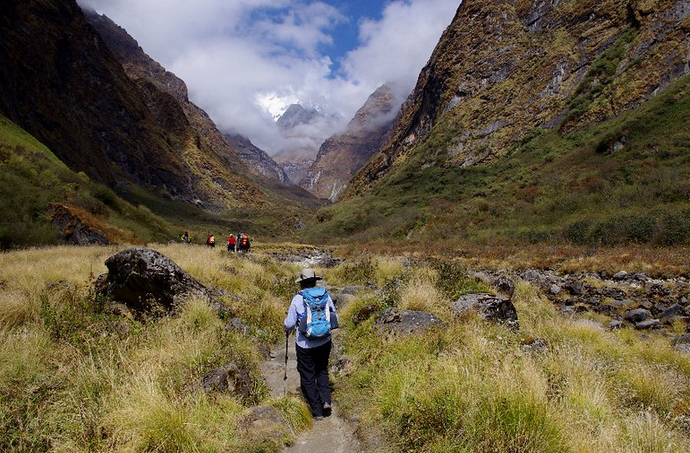
Annapurna base camp is a trek with in the mountain ranges of central Nepal. The typical routes while travelling to Annapurna Base camp trek is Nayapul to Ghandruk to Chhomrong to Himalaya to ABC and back. The optional add ons routes are Jhinu Danda for hot spring, and Poon Hill for the better sunrise view.

poonhill

This whole trek will take at least 7 to 10 days depending on pace and weather. Annapurna base camp trek in December is challenging so the days to finish your journey will take maximum amount of time then other seasons.

Safety Tips for Winter Trekking

You should beware of the potential for snow and ice and be prepared for delays due to the weather conditions as it changes drastically. Before setting out you must always check trail condition as it is risker part of the whole trek. You should travel with the experienced and licensed guide especially in the winter season.

You should always stay hydrated and acclimatize properly to avoid altitude sickness. If you suffer from altitude sickness then avoid going to the high places. You should have a flexible itinerary in case of weather delays.

Always carry first aid kid and headlamp for emergency. Since the medical options are limited. You should always prioritize your health first.

Why Trek in ABC in December

You should consider Annapurna Base Camp Trek in December as you will be able to enjoy breathe taking scenery with snow covered mountains, clear skies. Nature will be ideal for photographers and solitude seekers. Every side of the nature feels like artistic frame which looks too good to be true.

You can take advantage of the natural beauty and start your blogging journey to, natural beauty always attract the audience from the screen or in person. Are you ready to take advantage of the nature and experience the natural beauty of Annapurna region?

Trekkers will witness breathe taking winter beauty without peak season crowd, in winter season the trekking place is not overly crowded. The winter landscapes are more beautiful in winter season a trekker will able to see the beauty without any distraction.

Though there are lots of ups and down in Annapurna base camp trek in December you will get to learn and experience a lot. You should challenge yourself and enjoy a true winter Himalayan adventure.

Conclusion

While December is cold it’s extremely rewarding. You will have remarkable time in Annapurna base camp trek in December. With the right preparation, gear, and mindset you will have a safe and rewarding journey.

If you have time, consider visiting the historical Muktinath Temple, a sacred place for both Hindus, and Buddhists, located near the base of Thorung La Pass. The landscapes you will acknowledge in December is beautiful with snow covered peaks and tranquil atmosphere.

Abc

December is quieter time for trekking so the crowd will be lesser compared to the peak season. Rather than that you should be aware of the potential snow and ice and be prepared with for delays due to the weather conditions. Monitoring weather conditions are important especially for Manang and Thorong La Pass as condition changes rapidly. Consider the altitude and acclimatize properly to avoid altitude sickness which is crucial for Annapurna Base camp trek in December.

Tea houses along the trails will provide you with basic facilities such as twin beds, mattresses, pillows warm blankets and warm foods. The facilities are not like cities but their efforts and hospitality is more than the luxurious hotels. You can always make more from less.

Annapurna is very popular and best destination for the trekkers who loves scenery, adventure and photography. Every nature feels like the artistic frame that will bow your mind. Annapurna base camp trek in December feels like a dream to every trekkers as it offers facilities as natural beauty. This base camp will make your pain flow with the altitude of the wind. The more the experience is hard the more you will enjoy your adventure.

Meeting up to your own expectation is nearly hard but it’s not impossible. Pack your bags and get ready to be lost in between the laps of mountains and snow .One you craves the natural beauty you should visit Annapurna Base camp trek in December. So plan your Annapurna Base camp trek with an experienced guide or tour operator for smooth winter adventure!

Top 10 Unique Gifts from Nepal

Nepal is a country that boasts a rich cultural heritage, majestic mountains, and timeless traditions; there are several unique gifts carrying representations of its history, spirituality and natural beauty. Be it a short trip or a trek through the Himalayas, taking back a souvenir from Nepal is one definite way of retaining a chunk of that country with you forever.

These are not mere items that you find here, but stories, traditions, and craftsmanship passed down through generations. From vibrant textiles and intricate art forms to delicious local treats and ancient spiritual tools, the gifts of Nepal vary as does its landscape.

Because of the particular position in which Nepal finds itself, bound by Hindu and Buddhist traditions, as well as influenced by its neighbors such as India and Tibet, the various souvenirs truly reflect this in their depth of cultural and religious practices.

What makes gift shopping exciting in Nepal is that you get the chance to support local artisans and communities. Most of the products being sold in markets and shops are handmade by skilled craftsmen who have honed their trade for decades, mostly in family-run businesses. This means everything purchased is not just a gift but a piece of hard work and effort that is put in by the people who made it.

In this blog, we have made a list of the top 10 unique gifts you can take back home from Nepal. These objects epitomize the essence of the nation and thus will make for ideal souvenirs in case you are looking to take something for yourself or a present for that matter for a loved one.

Let’s now delve into these treasures, which will remind you of the magic of Nepal forever.

Top 10 Unique Gifts from Nepal

Himalayan Cliff Honey

One of the best and most special souvenirs you can take back home from Nepal is the Himalayan Cliff Honey. This honey is not the honey you put in your tea or sell in the supermarket; it is harvested through an ages-old exciting process that has been passed on through generations.

The honey is extracted from the hives of giant wild bees that make their nests on cliffs high up in the rugged Himalayas where the terrain is steep and dangerous. Local tribes, renowned for their courage and smartness, scale these cliffs using ropes and ladders to harvest the honey.

The special thing about this honey, besides the process, is the nectar from which it is made. The nectar taken by bees from rhododendrons and wild flowers growing in unspoiled, untouched environment of the Himalayas lends a flavor to honey that is nowhere else found in the world. It has floral and slightly tangy notes.

Moreover, it has a slightly intoxicating effect because of the nectar of some types of wild flowers, which adds another layer of intrigue to this delicacy.

Among these few souvenirs, rare and authentic Himalayan Cliff Honey represents Nepal’s rich cultural heritage and the deep connection between its people and the land. It’s the perfect gift-one filled with wild beauty and ancient traditions of Nepal.

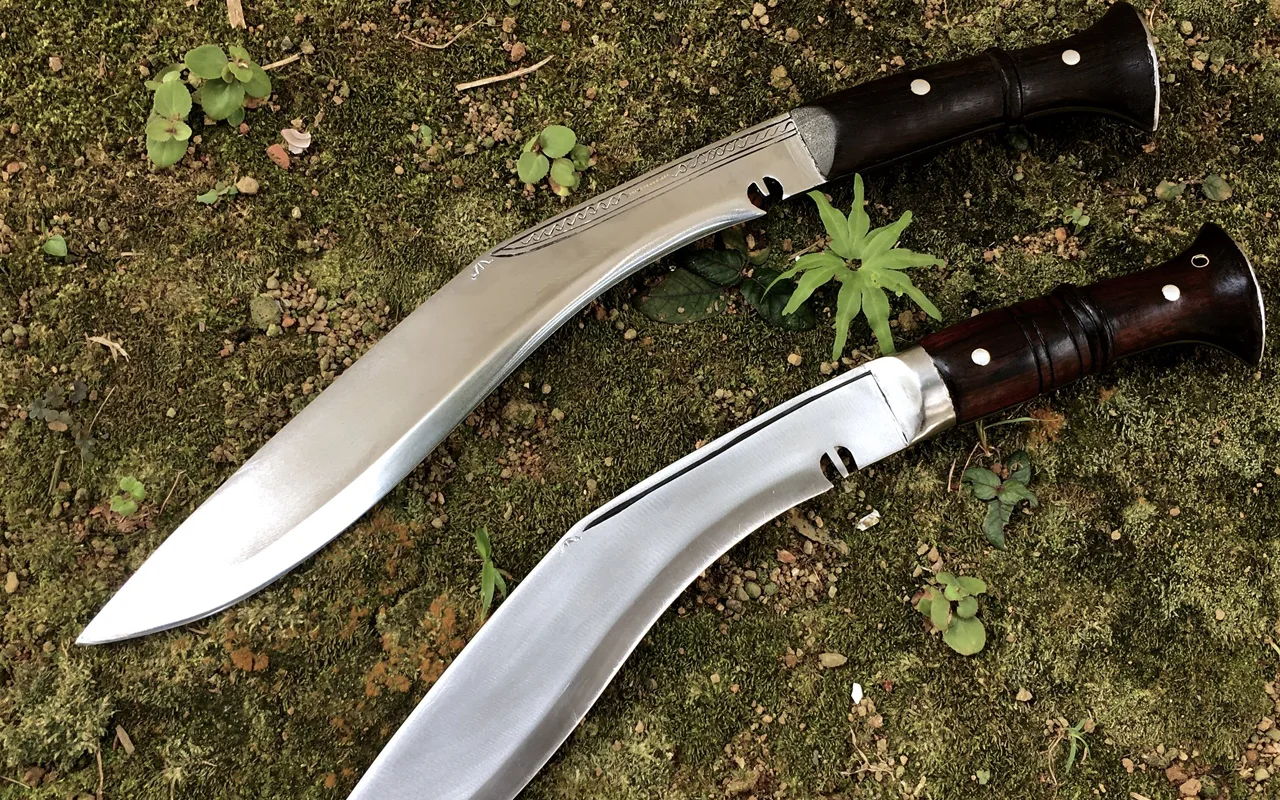
Khukuri

The Khukuri is a culturally traditional Nepalese symbol and military history, known by all due to its unique design and historical importance. This curved, multi-service knife has conventionally been associated with the legendary Gurkha soldiers, who were well-known for their bravery and skill in combat.

khukuri

The Khukuri is not only a weapon but also a tool, utilized by the Gurkhas for many uses that range from chopping wood to cutting meat, even to hunting. Because of its forward-curving blade, it allows for powerful cuts, yet with great precision.

The Khukuri is of immense cultural significance in Nepal, signifying honor, strength, and resilience for the Nepali people. It is closely related to the Nepali army and is one of the most important things used in traditional ceremonies and rituals.

The Khukuri is a gift that symbolizes Nepal’s rich culture and history in both tradition and military heritage. Distinctive and memorable, it is what any foreigner can offer as a souvenir, either being hung on walls or used for practical purposes.

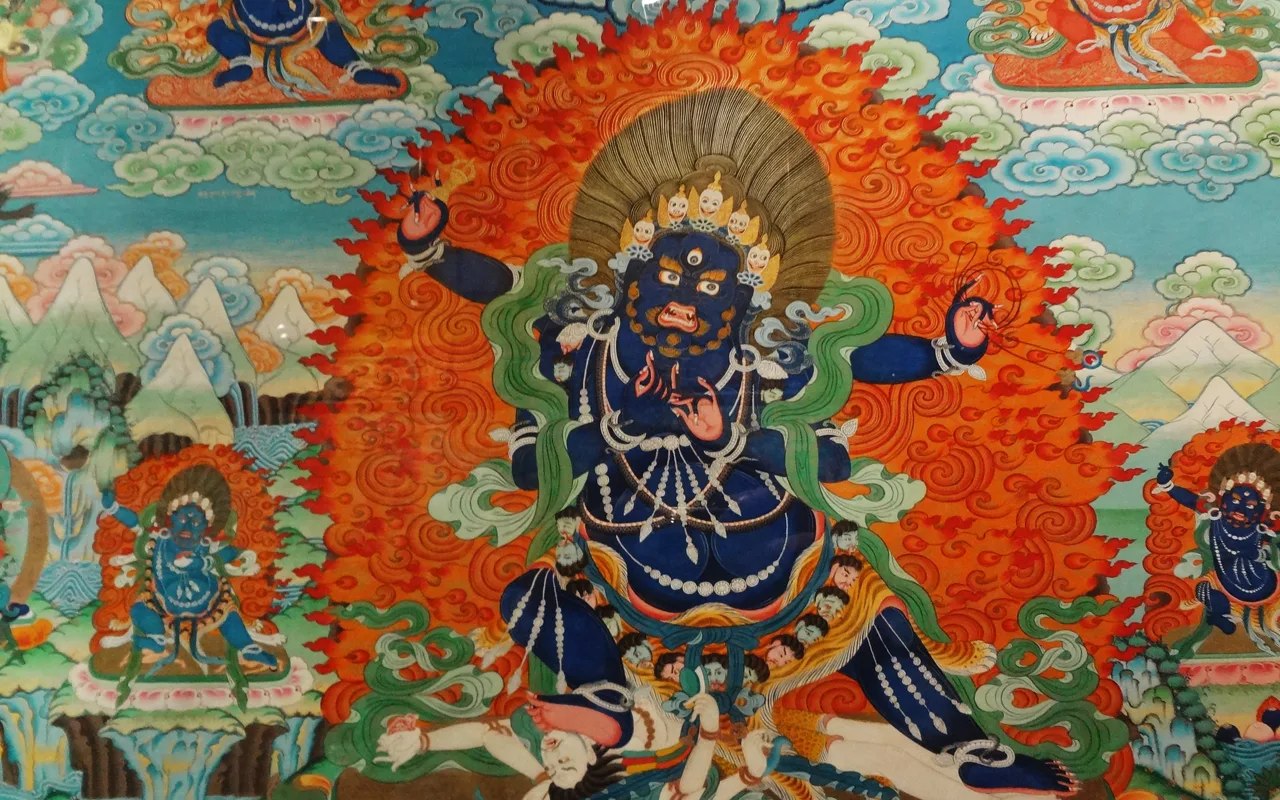
Thangka Paintings

Thangka paintings are one of the traditional Tibetan Buddhist arts, which boast spiritual depth. Normally, these are not just hand-painted paintings for mere decoration; they are created for a purpose, to serve as a tool for meditation and spiritual reflections.

Thanka

Thangkas majorly depict deities, mandalas or some scenes from Buddhist teachings and find their uses in monasteries, mostly for prayer and study. The complex designs and vivid colors reflect the artist’s devotion and the teachings of Buddhism.

Each Thangka is a work of art intended to be tackled with much minute detail, sometimes even taking weeks and months for its completion. The symbols and imagery in Thangkas are carefully chosen to deliver a spiritual message and help during meditation. They are meant to inspire contemplation, inner peace, and mindfulness.

A Thangka as a gift or souvenir offers much more than beauty; it offers a connection to the rich Buddhist heritage of Nepal. A Thangka painting is an exquisite piece of art to adorn your home or use in spiritual practices, bringing a touch of Nepal’s culture and spiritual depth into your life.

Singing Bowls

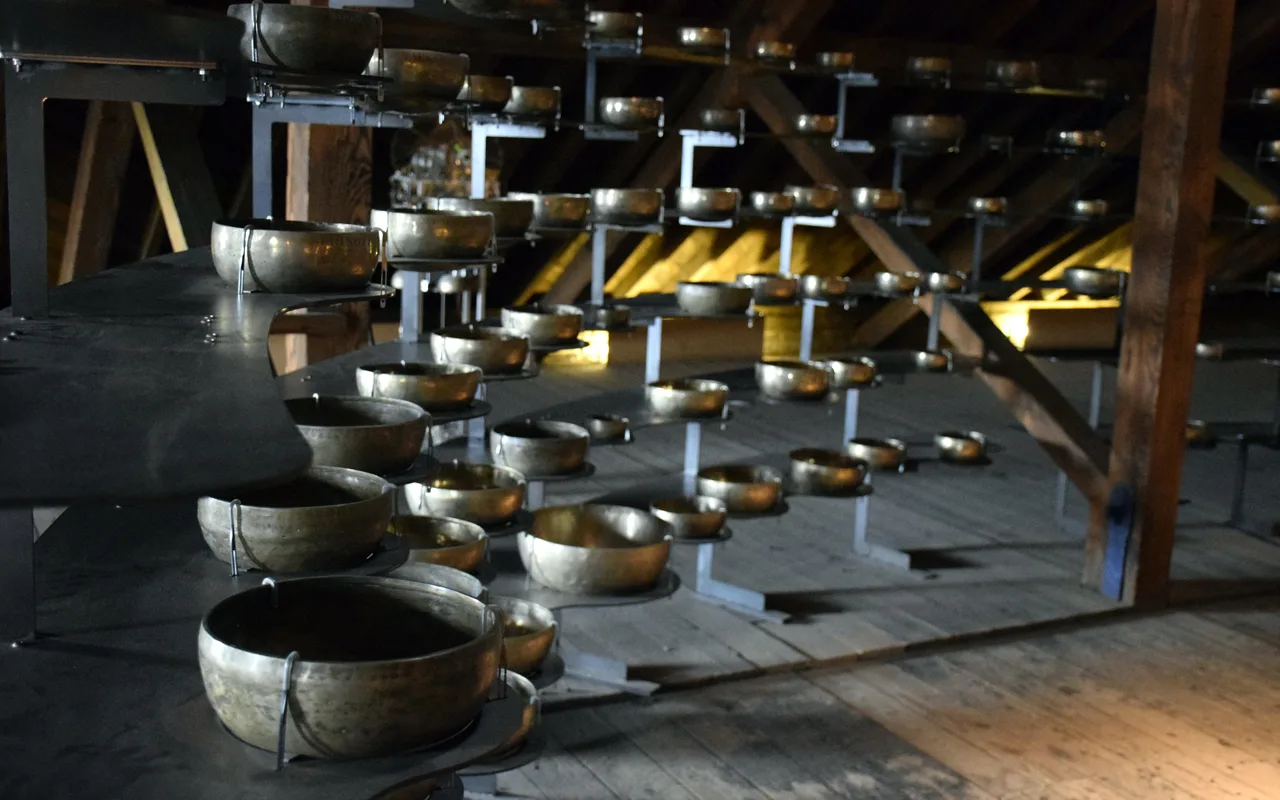
Singing bowls trace their origin back thousands of years as part of meditation and healing practices in Nepal, Tibet and India. These bowls of metal, when struck or circled with a mallet, can produce some charming sounds and vibrations that may give way to deep relaxation and heightened awareness.

singing bowl

For many years, singing bowls have been an established tool for monks and other spiritual practitioners in deepening meditative states, clearing the mind, and restoring the body and spirit to a state of balance. The sound frequencies created from singing bowls are believed to harmonize the energy of the body, promote inner peace, and foster emotional healing.

Many use them for releasing stress, heightening concentration, and aiding a state of meditation. These bowls produce soothing tones that interact with the body’s vibrational energies and will create calm and peaceful sensations.

The singing bowls are a very unique spiritual gift with deep meaning, especially to those who are into meditation or holistic wellness. Their soothing effects make them a treasured addition to any home or meditation area, hence serving as a long-lasting link to the rich spiritual traditions of Nepal.

Prayer Wheels

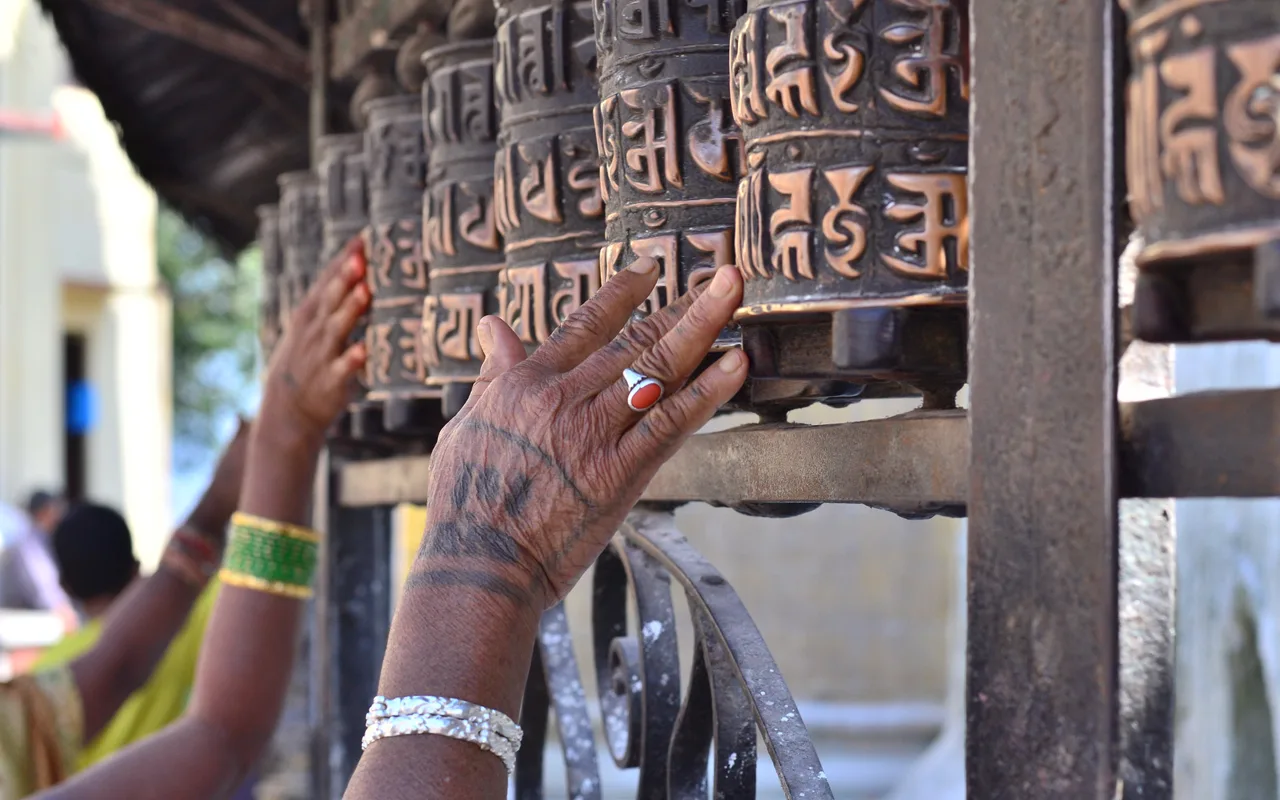
Prayer wheels are part of Tibetan Buddhists’ crucial prayer habits, spiritually enriched for centuries. Most of the wheels are inscribed with the mantra “Om Mani Padme Hum” and are spun to invoke blessings and positive energy.

prayer wheels

It is believed that a prayer wheel works just as effectively as saying the mantra out loud with the prayers increasing in multiple with every rotation. This ancient practice is the most powerful way of relating to spiritual teachings and promoting inner peace within one.

These prayer wheels can be found in every temple and monastery within the country and are elaborately designed, showcasing the beauty of craftsmanship. Large wheels may be situated at religious venues, yet small and portable wheels are available for purchase as mementos. The designs and inscriptions on the wheels are so intricate that they are visually appealing.

The prayer wheels offer an unusual and deep way to take a piece of Nepal’s rich cultural and spiritual heritage home. Be it for meditation or simply a display, these will keep reminding them of their connection with the sacred traditions of Nepal.

Mala Beads

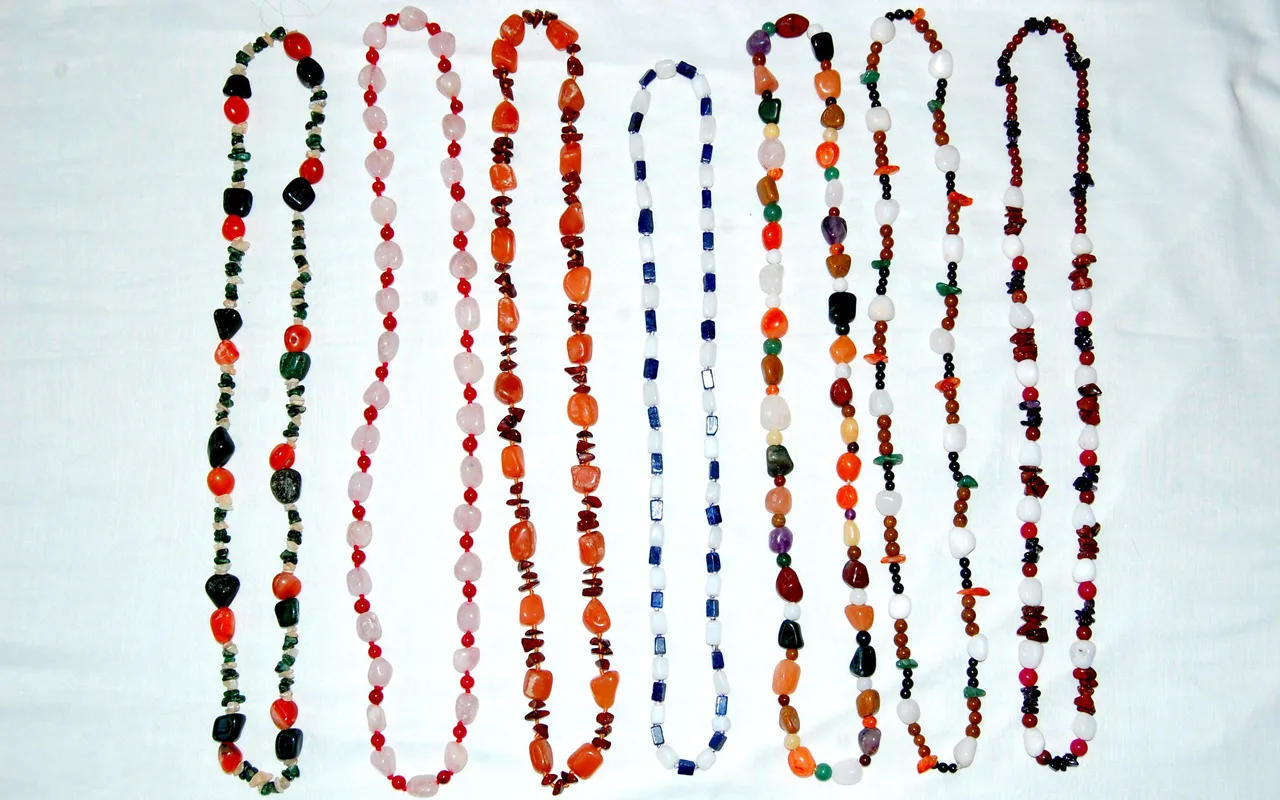
Mala beads play a very important role in both Nepalese and Hindu cultures for spiritual matters. These malas are traditionally used for meditation, prayer and chanting. Each mala consists of 108 beads, assisting the practitioner in focusing his mind and centering himself while he repeats mantras or prayers.

mala

Similar to any mantra, the movement of each bead encourages a deep meditative state, thus enabling one to practice deeper and more successfully.

Mala beads have been passed on from generation to generation and thus are very historic and culturally meaningfully filled, symbolizing one’s commitment to his or her spiritual path. The malas are usually made up of wood, seeds, and gemstones, each of which is believed to possess specific healing or energetic properties.

The design and craftsmanship behind it add to the value of the beads, including symbols of spiritual strength and protection.

A beautiful present, the mala beads themselves are deep in personal meaning and could serve as a very special souvenir for people into meditation, spirituality, or the rich cultural heritage of Nepal.

Pashmina Scarves

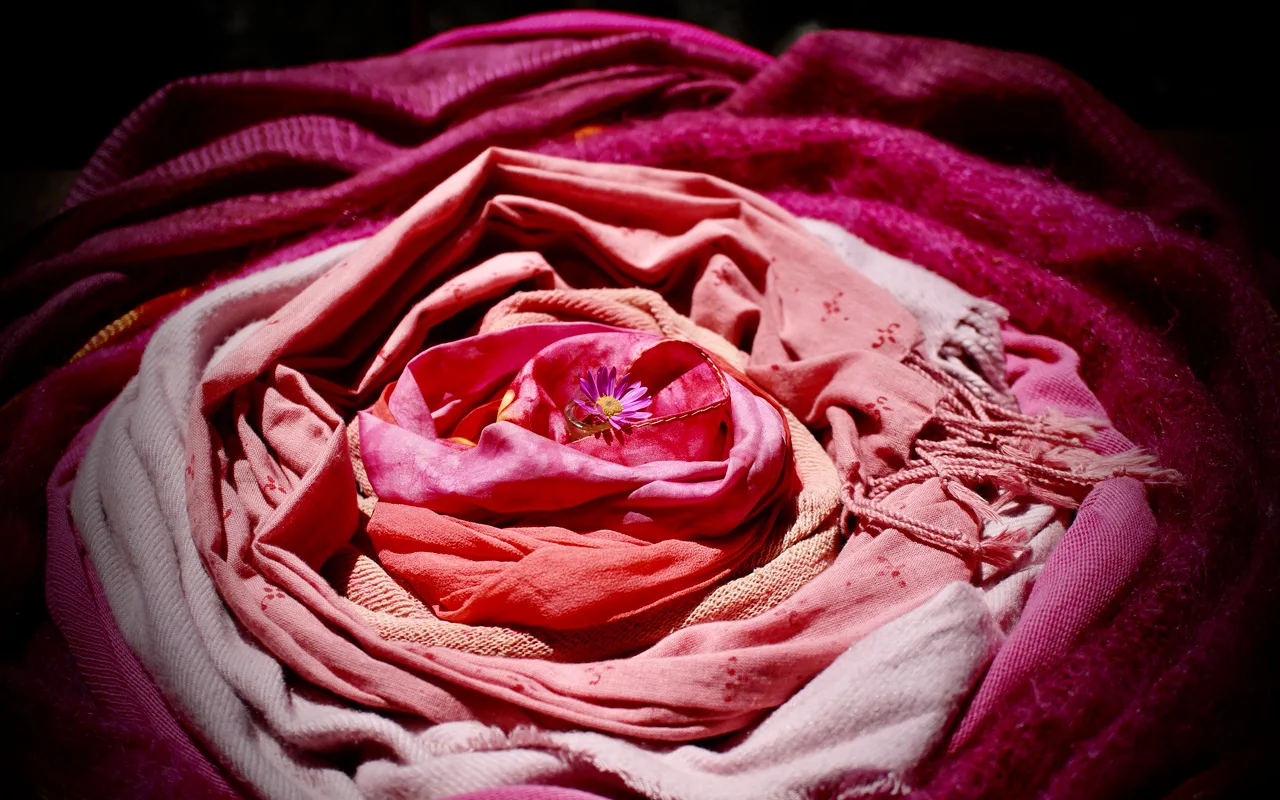
Pashmina is a luxurious gift, as well as timeless since these scarves were made from the soft and fine wool of Himalayan goats. This prized wool is highly valued, being unimaginably warm and soft at the same time, which makes Pashmina scarves very cozy and light.

pazama swal

Pashmina products can be found in many countries, but it was Nepal that took their craftsmanship to the next level, and a reason why Nepali Pashmina scarves are preferred by many for a sophisticated gift.

Skilled artisans weave it in intricate weaves on looms in Nepal, hence creating a very fine scarf in different colors and designs. Whether worn on a day-to-day basis or at special occasions, Pashmina is a beautiful accessory to keep one comfortable in style, and it’s a thing any wardrobe can cherish.

The Pashmina scarf is more than just a present that keeps one warm and adds beauty; it encompasses a lot of Nepal’s rich heritage in the textile tradition. It really is a gift that actually embodies all that Nepali craftsmanship has to offer-luxurious, thoughtful, and unique.

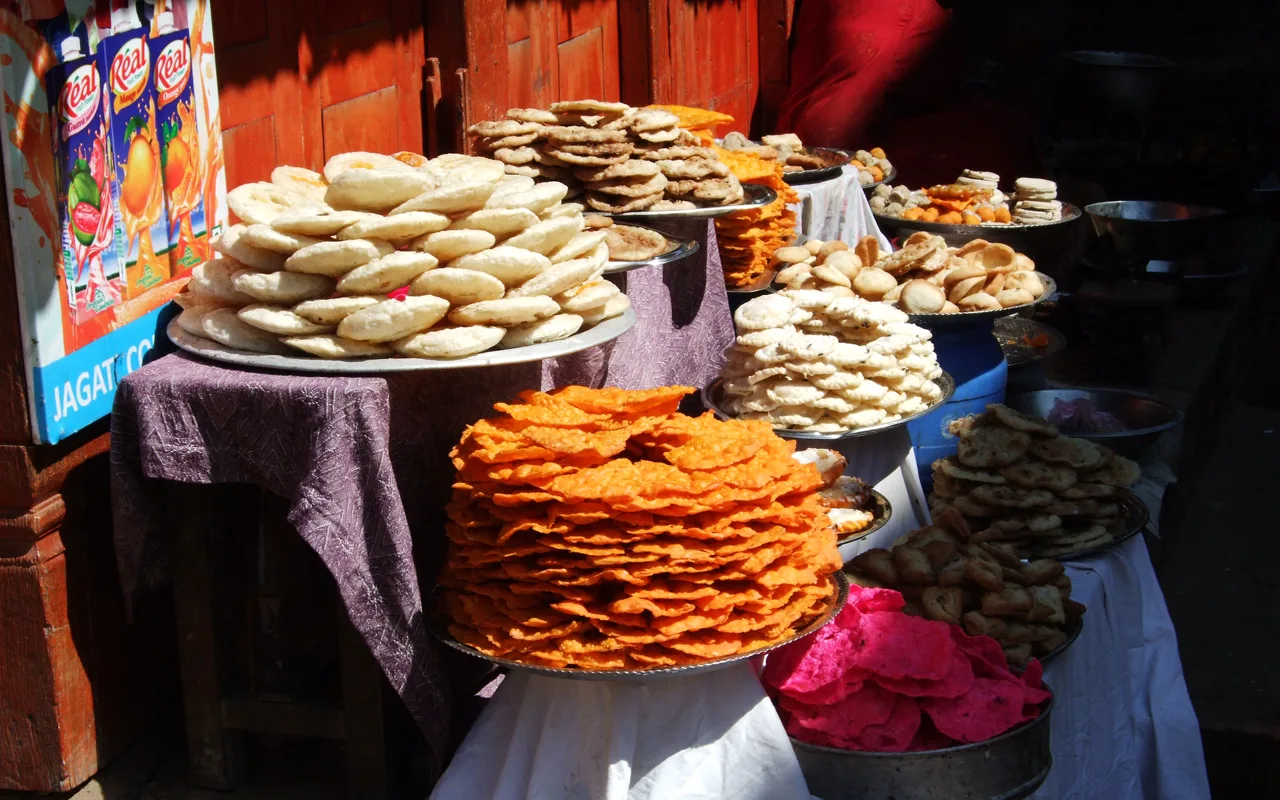
Nepalese Sweets

Nepalese sweets are very delicious and differ quite a lot from traditional Indian sweets. Though different types of sweets are found all over the world, the flavor and ingredient differ so much in Nepali sweets that they form a class of their own.

sweets

The local ingredients used in these sweet preparations are usually jaggery, sesame, and cardamom, which give these sweets a rich aromatic taste typical of Nepal’s culinary traditions.

Popular Nepalese sweets like Lakhamari, Jerry, Gud-Paak, and Til ko Laddu are highly recommended if one wants to take the taste of Nepal back home. Each sweet is a crafted mixture of traditional recipes with regional modifications. Textures are crunchy and nutty, flavors soft and syrupy; there’s something to suit everyone’s taste.

Souvenirs of Nepalese sweets are the sweet memories of the rich food culture of the country, which you can share with your loved ones. Laced with a different taste and distinct ingredients, they would surely be a very special gift.

Tea

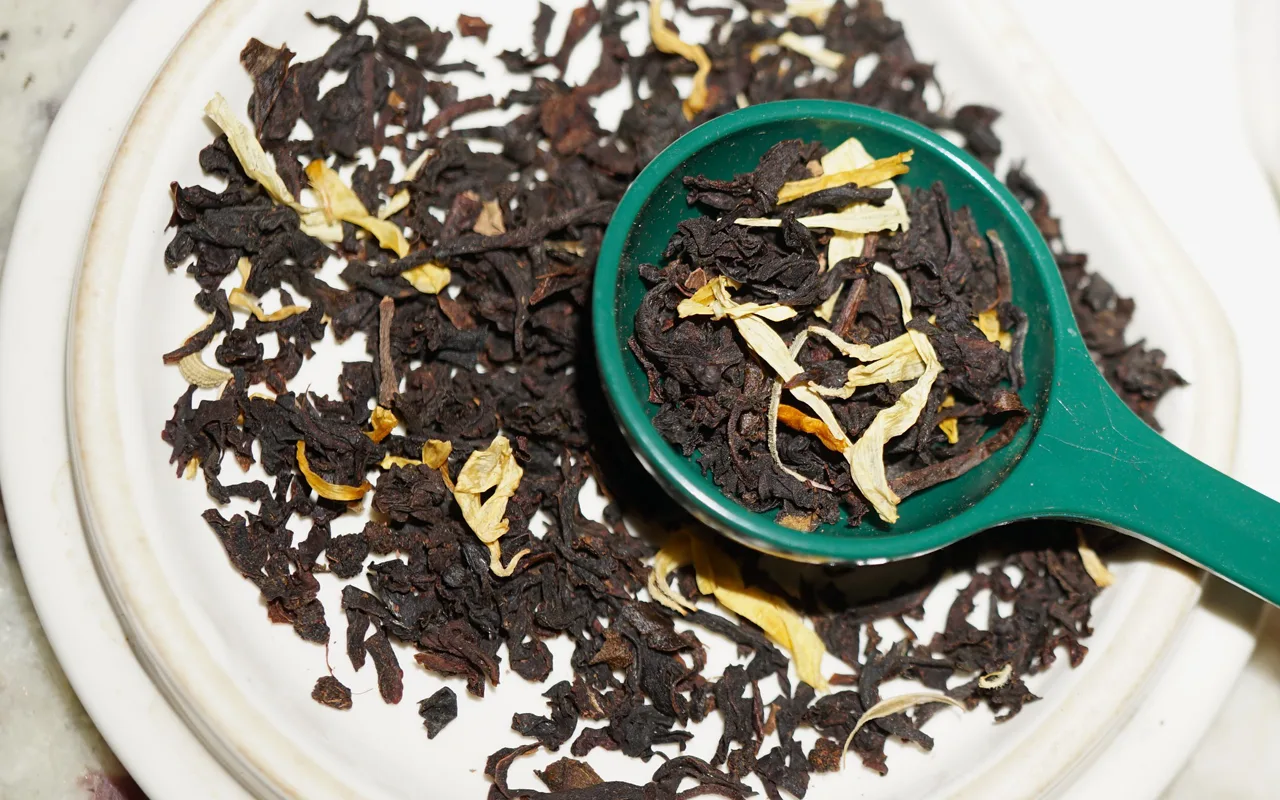
Nepalese tea is a very popular souvenir, highly appreciated for its particularly high quality and unique flavor. Grown in the foothills of the Himalayas, Nepalese tea has the best-growing conditions with altitude, climate, and rich soil to its benefit, adding to its distinct taste.

tea leaf

The most popular varieties include Nepalese black tea, Nepalese green tea and oolong, all offering a gamut of flavors, from floral to fruity and even bold and robust. The leaves are handpicked by skilled farmers to ensure that every batch maintains its quality and freshness.

A perfect taste of the country’s natural beauty and craftsmanship, Nepalese tea comes forth as a souvenir. Whether a soothing cup of green tea or the richness of black tea, bringing home Nepalese tea allows you to taste the true taste of the Himalayas and it is one of the best things to be brought home as a souvenir and gifted to tea lovers.

Dhaka Textiles

Dhaka textiles refer to the traditional handwoven fabric by the Limbu people from eastern Nepal. It is recognized for its bright colors and detailed patterns. It is an example of Nepalese craftsmanship and culture. The weaving tradition has been passed down through generations, and each item reflects the mastery and the aesthetic of the weaver.

Various products, such as clothes, bags, home decor items, and accessories, are made from Dhaka fabrics. Normally, the fabric is done in a catchy design consisting of a geometrical pattern and lively color contrast, making for a unique Nepali souvenir. Fabrics used are generally cotton or wool, which can be strong and comfortable.

While a great part of Nepali culture, Dhaka textiles are more common than some of the other items on this list and could be a meaningful gift that represents the rich cultural heritage of the country.

Nepal is a treasury of unique gifts that beautifully encapsulates the rich cultural heritage, spiritual traditions and natural beauty of the country. From honey which is harvested from the dangerous Himalayan cliffs to intricately woven Dhaka textiles, each souvenir provides an opportunity for a deeper connection to the history and artistry of Nepal. Therefore, by buying this, you take a part of Nepal back home and at the same time support the local artisans and villages that keep such traditions alive.

Easy Treks near Kathmandu You Can Do in 1-3 Days

Introduction

Trekking is one of the most unique ways to keep yourself fit and make yourself busy. In today’s world trekking has gained so much popularity among the individuals. Trekking involves walking, hiking and as well as physical exercise.

Trekking is often challenging and long than typical days hiking. Trekking is actually the longer form of hiking. Trekking takes more than 2 to 4 days while hiking can be finished in just 1 day.

Nepal, one of the beautiful place surrounded by natural beauty. Hills and mountains are the eye catching scenario of Nepal. Due to this Nepal is one of the popular places that offers numerous numbers of trekking opportunities from the longest to the shortest destination.

If you are beginner and are just starting your trekking journey you should look after the short trek options as short treks is less time consuming and easy to access and more over no permits are needed.

Nepal offers short trek options which are ideal for beginners, families, nature lovers, and weekend adventures.

Kathmandu is the main city of Nepal and has one of the best culture traditions and natural scenery. There are lots of short trek options in Kathmandu. From Kathmandu you will be able to see the stunning Himalaya views with low altitude effort.

This place is great warm up destination for long trek adventures. Here are some of the easy option for the beginners who wants to get the taste of trekking.

Top Easy Treks near Kathmandu (1-3 days)

Nagarkot to Dulikhel Trek (1 day)

It is one of the shortest trekking destination in Kathmandu as it takes one day which is less time consuming and easy access since these two places are near to Kathmandu.

nagarkot

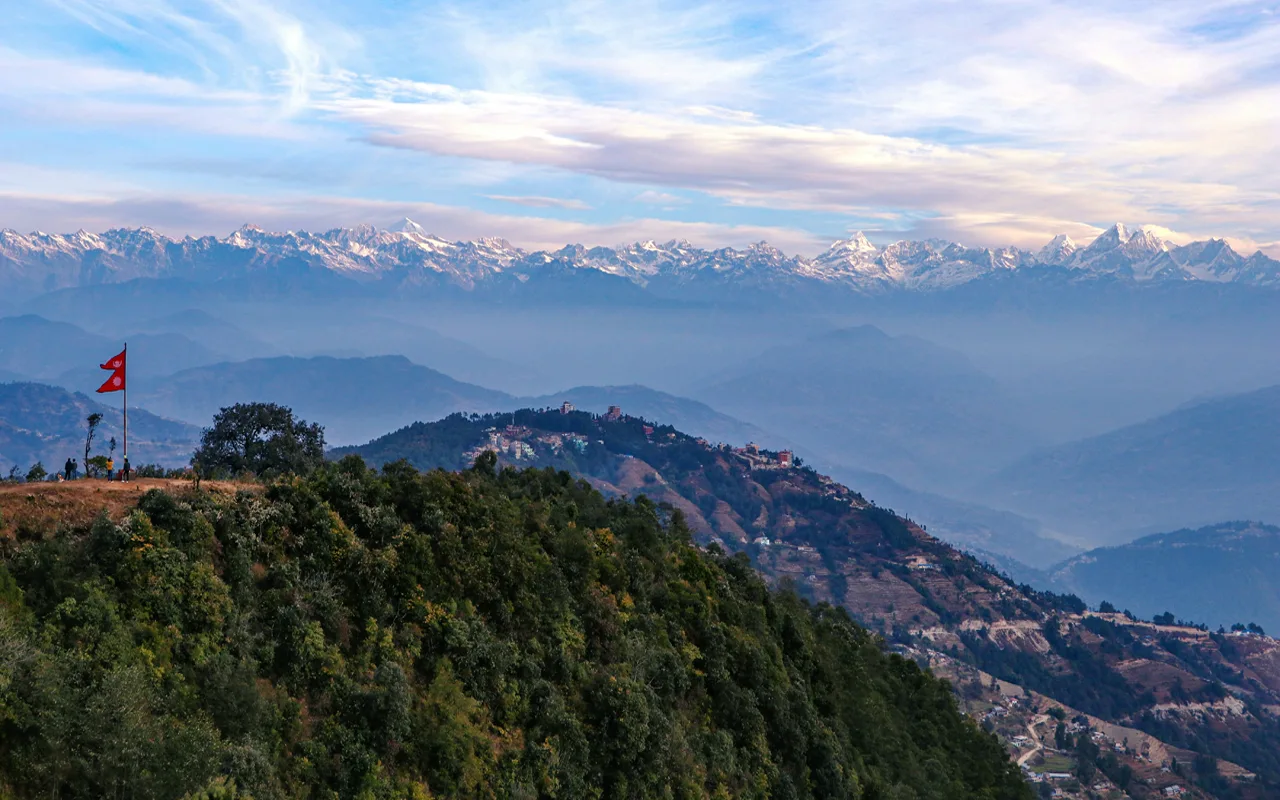
The distance you will cover in this trek is only 10 km. The main highlight of Nagarkot to Dulikhel is the sunrise view, ridge walk and quaint Dhulikhel town. This place is ideal for those who are sunrise chaser and photography enthusiasts.

Overall this trek seems to be stress free trekking destination near Kathmandu.

Shivapuri Hike (1 day)

Shivapuri is one of the popular place among the local people as this place covers so much beauty in itself.

shivapuri

Routes you are taking to sivapuri hike are Budanilkantha, Nagi Gumba and Shivapuri peak. You will travel to Budanulkantha to Nagi Gumba to Shiva Peak. The major highlights of this trek destination are Monastery, forest trails, and Kathmandu valley views. This place is ideal for those who are spiritual hikers and day trekkers.

Overall this place offers you the energy that lies in the spiritual powers. Perfect for those who likes to travel during day time.

Phulchowk hike (1 day)

While you are visiting Phulchowk hike you will be able to travel Godawari Botanical Garden as it is the starting point.

The major highlight of this trek are bird watching, flora diversity, panoramic views from the top as Godavari is well known for its greenery and beauty. This trek is best for Nature lovers and quiet escapes.

Therefore, Godawari is famous among the locals. This places offers you the best with 100 types of butterflies spices the local delicacy titaura and the locals who spend their days living in this naturally pleasing place. Marble dada is one of the famous place in Godawari as more than 50 people visit there on the daily basis the sun sets are sun rise are best from marble dada. Godawari is closest to Kathmandu so it will be flexible for you as you might get local bus if you have an emergency to go back.

Namo Buddha Trek (2-3 days)

It is longer trek then the above trekking destination. While visiting Namo Buddha you will be able to visit routes from Panauti to Namobuddha to Balthali to Khaopasi.

Namo Boudha

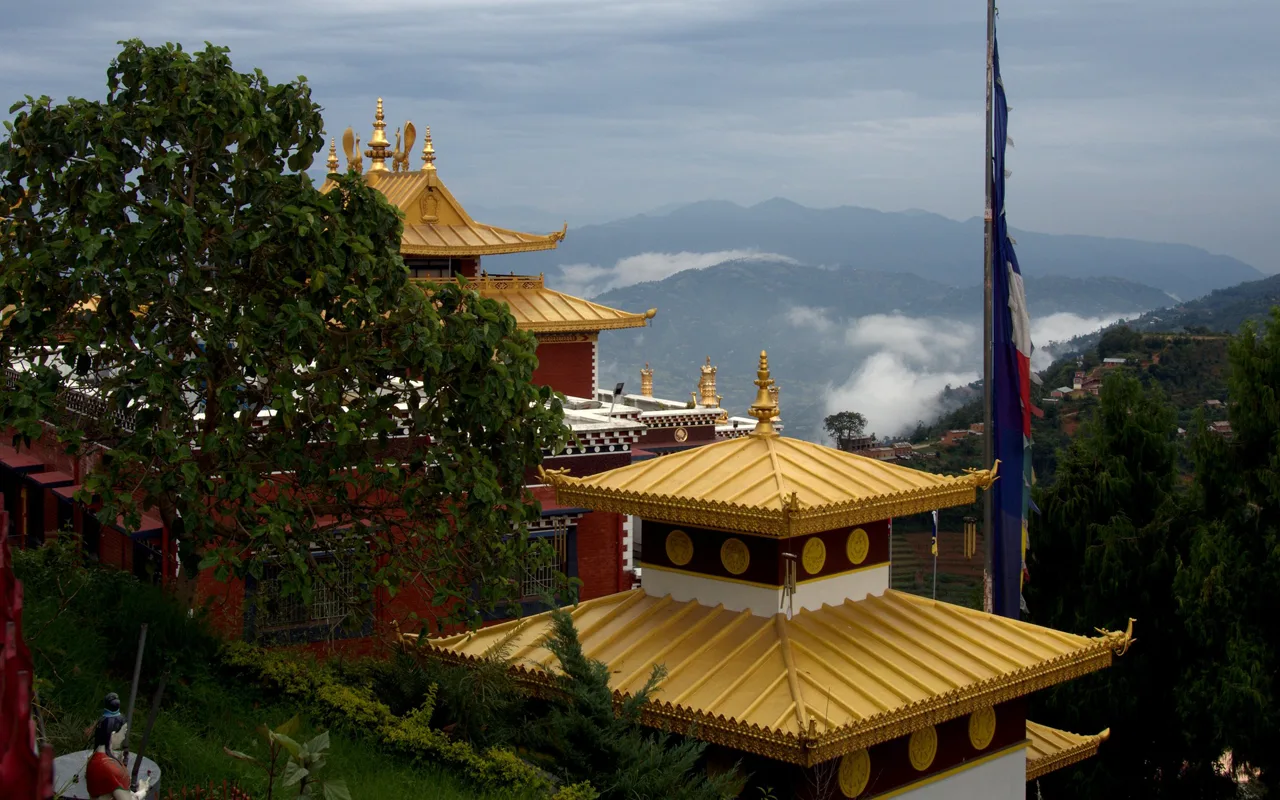
The major highlight of this destination are the sacred monastery, village homestay, and terraced field. This destination is great for the individual who are looking for peaceful trekking and cultural immersion and peaceful trekking.

Overall Namo Buddha is time consuming then other trekking destination but the knowledge and experience you will gain during the trek is phenomenal. You might as well be able to learn about the Buddhist culture in brief. You will be able to see monks and will be able to question them the things you want to learn.

Chisapani Nagarkot trek (2-3 days)

Routs from Sundarijal to Chisapani to Nagarkot might be one of the best trekking routs out off all of the nearest trekking routs in Kathmandu.

sundarijal

Major highlights of this trekking destination are dense forest trails, mountains trails, mountain views and village life. This place is ideal for those who are beginners, photographers and short escape seekers. The bonus point of this trekking is that your trekking might get extended to Dhulikhel for 3 days circuit.

Overall this trekking destination trek is time consuming then other trek destination mentioned above. You will experience the best natural beauty which is worth your money and time. Sundarijal is famous among locals. It is famous for Sundarijal Military Base Camp, beautiful surroundings and magnificent waterfalls.

What to pack for short treks

There are not much things you need to pack for the short trek but here are some of the things you should consider packing.

Light weight backpack, snacks, water, reusable bottle, Rain jacket or wind breaker, comfortable shoes, sun protection, light layers, camera, and phone with extra batteries.

In case you have an emergency you should carry backup battery charger for your phone.

Best Time to Trek

There is always a best season to visit a place so you can enjoy your travel and your money be worth the visit. Consider the following months while visiting Kathmandu for your next trekking destination.

Spring (march-may) you will be able to acknowledge the beautiful flowers and clear skies. Autumn (Sep -Nov) you will be able to experience Crisp air and great mountain views. Winter (Dec – Feb) you will be able to see clear sky and experience the cold mornings. These seasons are best to visit Kathmandu trekking destinations as there is no risk of slippery trekking trails.

These were the months you should consider but remember you should avoid the peak monsoon season (June – August). Due to the heavy rainfall you will not be able to trek since the trails are slippery. You will mostly find leeches on the forest. Chances of Landslides and heavy traffic are high so avoid visiting on June to August month.

Always consider yourself as a priority. If you have allergies try to consult with your guide first. Always bring first aid kit if anything happens you will get immediate treatment.

Tips to First – Time Trekkers

Your every trek should be meaningful so consider starting your days early for the best views and cooler temperature. Always keep in mind that you should respect the local costumes in villages and monasteries as people are mostly religious and respect their religion for them religion always comes first.

Always carry cash, local products might catch your eyes or you might get hungry. You should not rush remember Pause and enjoy the surroundings.

Conclusion

Kathmandu is well known city of Nepal. It is the central point to start your journey to visit Nepal. Kathmandu is very popular for sacred temples and cultures like Hindu and Buddhist. Ancient places are the major highlights of Kathmandu. From the traffic to greens from huge roads so small footpaths from small temples to large stupas Kathmandu offers you a adventure you might not forget.

People are friendly towards you and respect you so it’s perfect if you accept their friendship and respect their cultures.

Kathmandu offers more than just temples. It is the gateway to serene trekking experiences. Newars and their Newari cultures are the major highlight of Kathmandu. The traditions, jataras, unique dances and the folk dance are so mesmerizing you will feel different level of spirit in yourself. Photography during this festival are chief kiss.

People are welcoming so you might as well be the part of the culture. The delicious delicacy you will be able to taste are on variety from rice to local alcohol.

Whether you have a day or a weekend, there is always a trail that is waiting for you. A short day can offer you numerous of memories, friends and tiredness which feels more like a blessing. Whether you are a casual trekker or regular trekker Kathmandu will serve you the best trekking destination.

If you are planning to visit Kathmandu or planning your next trek in Kathmandu consider the above destination which are beginner friendly, consists of natural beauties, cost friendly and family friendly. Say no to your limitations. If you got no time to trek then that’s ok because this trekking destination will only take minimum one day. You should treat yourself with some clear air and natural beauty.

Pick your route and reconnect with nature where no permit is needed. Say no to long drives and yes to your feet and explore Kathmandu trek with us!