


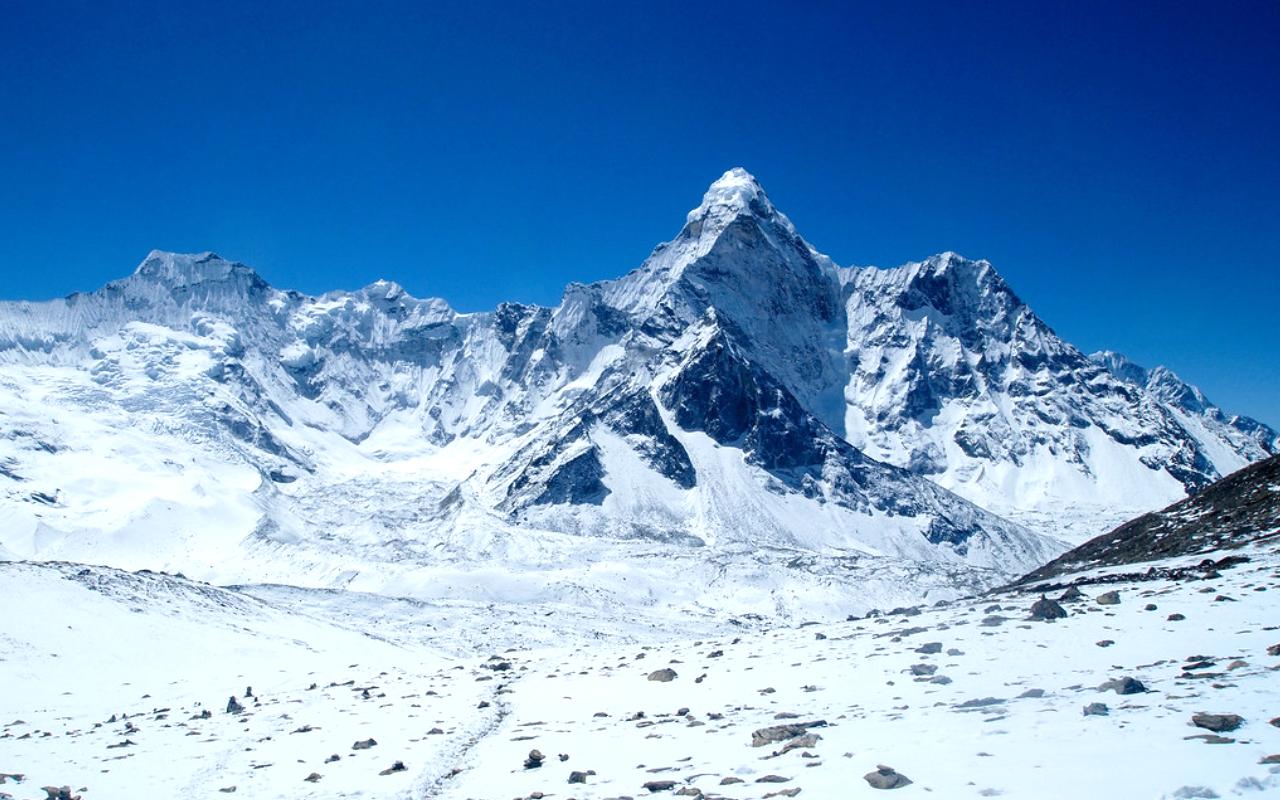


Ama Dablam Base Camp Trek – 13 days

Duration
13 Days

Max Altitude
5,535 m. / 18,159 ft.

Difficulty
Difficult

Group Size
1-20 Pax

Meals
- 13 Breakfast
- 12 Lunch
- 12 Dinner

Accommodation
- Teahouse

Transportation
Flight/Private Vehicles

Activities
- Trekking

- Your safety, our no 1 priority
- Best price guarantee
- Experienced & dedicated team
- Easy booking, no hidden charge
- You can customize this trip



Talk to Travel Expert Samundra Rimal (+977-9843127084)
Introduction of Ama Dablam Base Camp Trek – 13 days
Ama Dablam Base Camp trek is a fulfilling expedition into the core area of the Everest region, which gives the close perspectives of one of Nepal’s most famous mountains. It is a 13-day journey that takes you through the silent trails, the traditional Sherpa villages, and through the mountain high valleys, with a final destination of the Ama Dablam Base Camp of about 5,120 meters.
Ama Dablam is 6,812 meters tall, and it towers over the Khumbu landscape, so it is a trek that trekkers should consider, as it is both an exhilarating experience and an experience in the local culture.
Nomad Adventure Treks company starts this Ama Dablam Trek with a short and scenic air flight to Lukla. And there the path takes the course of the Dudh Koshi River, along suspension bridges, and through a green forest.
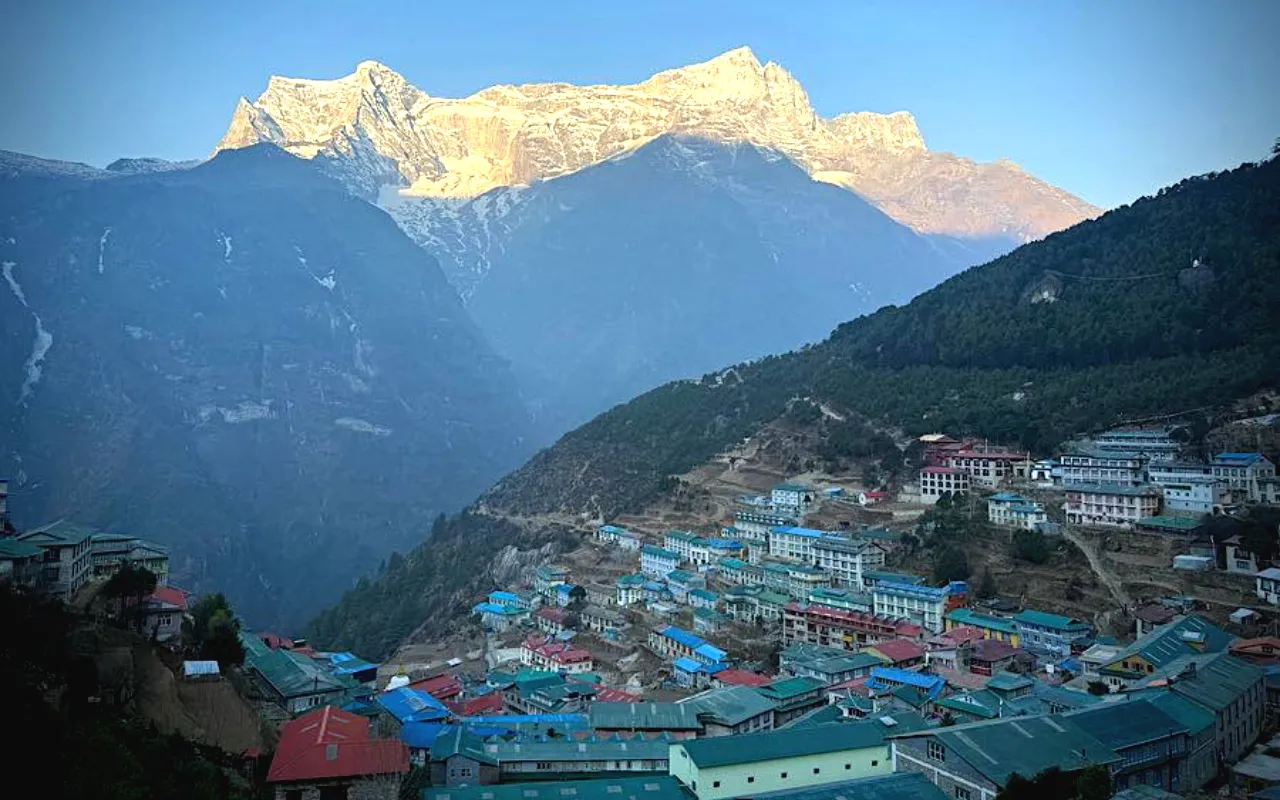
You pass the villages like Phakding and arrive at the central town of the area, namely Namche Bazaar. Namche is an ideal location to take a break and acclimatize to an altitude, with easy lodging, small stores, and expansive mountain horizons.
As you proceed with the Ama Dablam Base Camp trek, you visit Tengboche Monastery, a serene destination located on a scenic ridge with the view of Everest, Lhotse, and Ama Dablam.
The path then continues to Pangboche and Deboche that is made up of daily walks featuring mountain views and quiet village life. You head on to Dingboche and Chhukung, Imja Valley, with some rest days to aid your body to adapt to the growing height.
One of the highlights of this Ama Dablam Trek is crossing the Kongma La Pass at 5,535 meters, which is the highest point of this journey. The trail then descends after the pass to Lobuche and then again back to Pangboche.
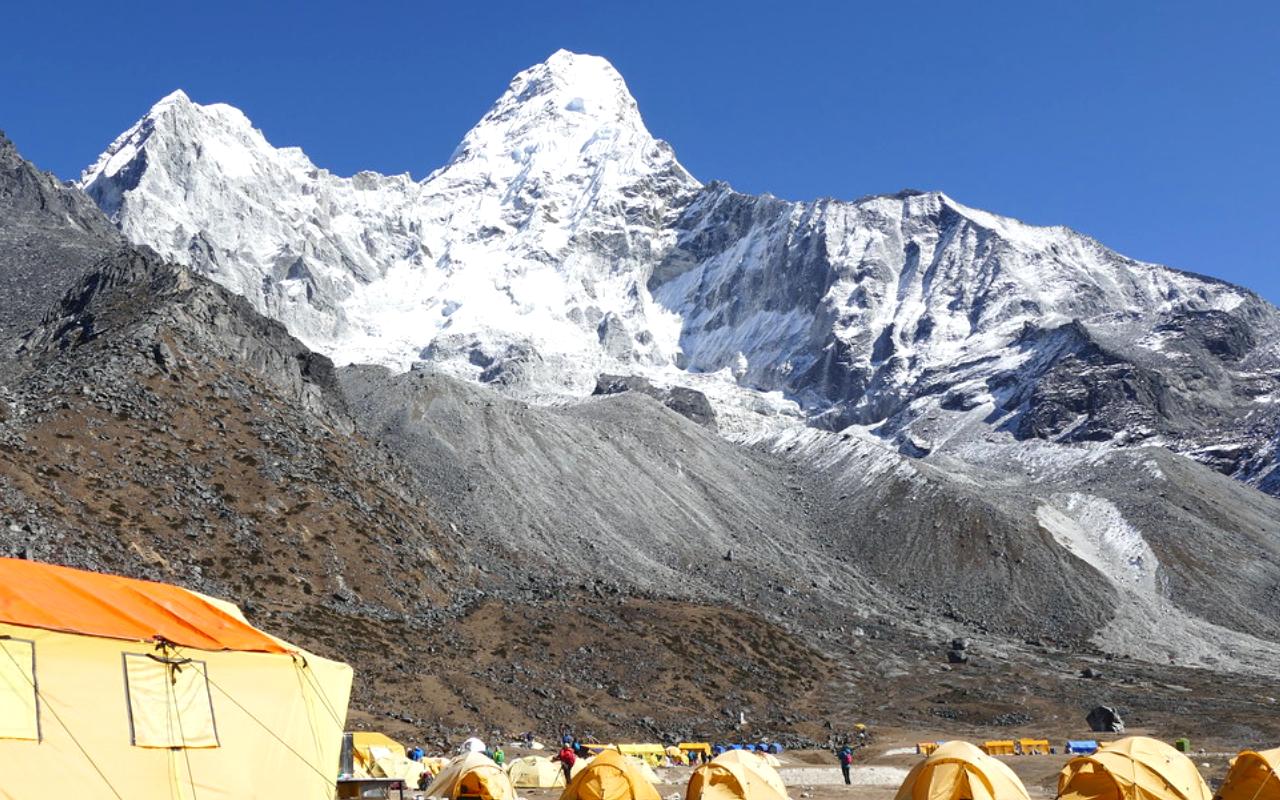
At Pangboche, a side walk leads to Ama Dablam Base Camp, ascending rocky trails up to the campsite below the mountain. It is also an excellent place to enjoy close-up views of Ama Dablam’s south face and the other peaks.
The same path back is made through the usual trails again through Namche Bazaar to Lukla, and finally, a flight back to Kathmandu. In the process, you visit Sagarmatha National Park, local Sherpa families, and are introduced to their Buddhist culture and lifestyle in the mountains.
The Ama Dablam Base Camp trek is also peaceful and quieter than the Everest Base Camp route, although it provides good mountain views and a good trekking experience. This route is the best option that trekkers seek, with fewer people and yet a meaningful Himalayan journey.
Trip Highlights
- Best view of Mt. Ama Dablam (6,812m).
- View of the Himalayas panoramic scenery comprising Everest, Lhotse, and Makalu.
- The Ama Dablam Base Camp is at a height of 5,120m.
- Cross the well-known Kongma La Pass (5,535m).
- Rich Sherpa culture in villages such as Namche Bazaar and Tengboche.
- Tengboche Monastery and the Everest and Ama Dablam Views.
- Wildlife sightseeing in Sagarmatha National Park of UNESCO.
Detail Itinerary of Ama Dablam Base Camp Trek – 13 days

Day 01: Flight to Lukla and trek to Phakding
Your Ama Dablam Trek starts with a scenic mountain flight to Lukla in the Himalayas. The trip can also have a brief drive to Manthali during peak seasons and then a flight.
You will arrive at Lukla, where you will be assigned a brief briefing on the route, and you will be introduced to the trekking team. The walk you have today is easy and short, and so it is the perfect walk to have on your first day in the Ama Dablam Base Camp trek.
The route is along the Dudh Koshi River, and it passes through traditional Sherpa villages and green forests. The walk is made interesting by suspension bridges adorned with prayer flags.
In the afternoon, you will come to a pleasant village by the river, by the name of Phakding. After settling into your lodge, you can rest or take a short walk around the village and then enjoy dinner and a night full of peace and tranquility in the mountains.

Activity: 3hrs trek & 40min flight

Max. Altitude: 2,850m/9,350ft.

Meal: Breakfast, Lunch, Dinner

Accommodation: Teahouse
Day 02: Phakding to Namche Bazaar (3,440m)
Today you will resume your Ama Dablam journey, heading northwards to Namche Bazaar. The path will follow the river and cross a number of suspension bridges, including the popular Hillary Bridge.
You will get into Sagarmatha National Park at Monjo and apply for your permit. Here, the road ascends gradually across hilly woodland. Your walk will be easy-going, taking frequent intervals and having some water.
The higher you get, the more dramatic the scenery becomes, and on a good day, you will get your first glimpse of Mount Everest in the distance. A few hours later, you will reach Namche Bazaar, which is the largest trade center in the region. There are bakeries, shops, and comfortable lodges within the village.
You will get better sleep here to enable your body to adapt to the altitude.
Activity: 6 hrs trek
Max. Altitude: 3,440m/11,286ft.
Meal: Breakfast, Lunch, Dinner
Accommodation: Teahouse
Day 03: Acclimatization day in Namche Bazaar
Today will be spent on acclimatization and rest that has played a significant role in the Ama Dablam Base Camp trek. Instead of remaining inactive, you will walk a little to a higher elevation and go back to sleep at the same level. Several trekkers prefer going to the nearby villages like Khumjung or strolling towards Syangboche.
These gentle hikes help your body adjust naturally to the altitude, and the day will be relaxed. Once back in Namche Bazaar, you will be given some time to visit the village.
You can have tea in a local cafe, or have a small store, or even as you have a rest in your lodge. The vibe of Namche is vibrant yet cozy. You will have a warmer dinner in the evening, and another night at Namche, with a more pleasant feeling of things to come on the higher passes.
Max. Altitude: 3,440m/11,286ft.
Meal: Breakfast, Lunch, Dinner
Accommodation: Teahouse
Day 04: Namche Bazaar to Deboche (3,820m)
After breakfast, the trail leaves Namche behind and then takes a scenic route across pine and rhododendron woods. It goes down to a crossing of a river and then rises gradually.
You will also have clear views of other mountains along the way, which include Everest, Lhotse, and Ama Dablam. By noon, you will arrive at Tengboche Monastery, a religious hub of this area. This is a satisfying and relaxing stop for many trekkers.
The trail then passes after taking some time in the monastery, down through the forest to Deboche. The village is almost silent, located in a lee of the valley, and it is serene compared to more active places.
The reduced format of walking favors appropriate acclimatization. You can rest and have time to enjoy the mountain surroundings after you arrive at your teahouse. Overnight stay, and dinner will be in Deboche.
Activity: 5hrs trek
Max. Altitude: 3,820m/12,533ft.
Meal: Breakfast, Lunch, Dinner
Accommodation: Teahouse
Day 05: Deboche to Dingboche (4,360m)
Today, the walk leads further down into the center of the Ama Dablam Base Camp walk. The trail passes through forested and open terrain to the village of Pangboche.
It is one of the oldest Sherpa villages in the area that provides proximity to Ama Dablam. The trail slowly leads into the Imja Valley beyond Pangboche. Stone walls also shield local fields against excellent mountain winds.
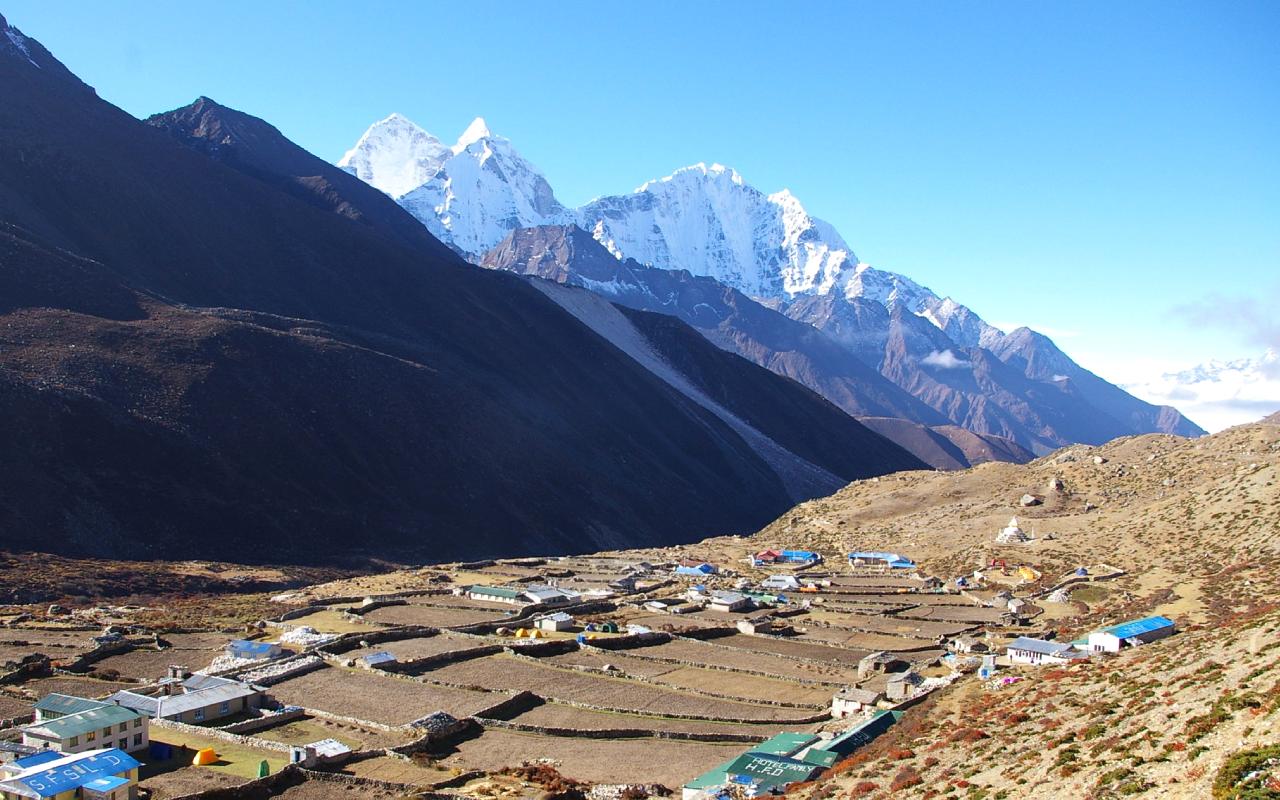
The terrain is broad and more open with increased height. You will not be surprised at the air getting thin, and walking slowly is the way to go. By afternoon, you will be in Dingboche, a wide valley with large peaks all around it. Upon arrival at your teahouse, you will sleep, rehydrate, and have a warm meal that helps you adapt.
Activity: 7-8hrs trek
Max. Altitude: 4,360m/14,304ft.
Meal: Breakfast, Lunch, Dinner
Accommodation: Teahouse
Day 06: Dingboche to Chhukung (4,730m)
The trail grows quieter and more open the higher you are in the Imja Valley. The current stroll on the Ama Dablam Trek journey will lead you to the small settlement of Chhukung, which is located in the shadow of enormous mountains.
The route goes through the alpine land with boulders marking the route and prayer flags. There will be expansive mountain scenery with a gradual ascent of the trail. It is slow and gradual, and your body gets used to it.
It will take you a few hours before you arrive in Chhukung in the early afternoon. This leaves you with the opportunity to have some rest or have a short stroll around.
Chhukung is serene and enclosed by glaciers and mountainous slopes. It is a great place to relax and regain strength to walk to higher altitudes due to the serene nature of the place. Overnight and dinner will be spent in Chhukung.
Activity: 7-8hrs trek
Max. Altitude: 4,730m/15,518ft.
Meal: Breakfast, Lunch, Dinner
Accommodation: Teahouse
Day 07: Acclimatization day in Chhukung
An additional day at Chhukung is a valuable addition to the Ama Dablam Base Camp hike. This is a rest day that gives your body some time to acclimatise before a high pass is traversed.
You can also decide to go on short acclimatization walks to the surrounding viewpoints, or you can have a rest at the lodge. Both of these are good for altitude adaptation. The village is small and peaceful, and it is convenient to relax.
You will spend the day drinking warm fluids, having good things to eat, and being in a calm environment. There are prayer flags, stone chortens, and expansive views of the valley, allof which contribute to the experience.
Investing in your health today can make your future days healthier and easier. You will spend a cozy evening in Chhukung having a warm dinner and another pleasant night.
Meal: Breakfast, Lunch, Dinner
Accommodation: Teahouse
Day 08: Chhukung to Kongma La Pass (5,535m) to Lobuche
It is the most challenging day of the Ama Dablam Trek because you traverse Kongma La Pass. The path ascends in a zigzag manner on rugged grounds, and the height renders the journey difficult.
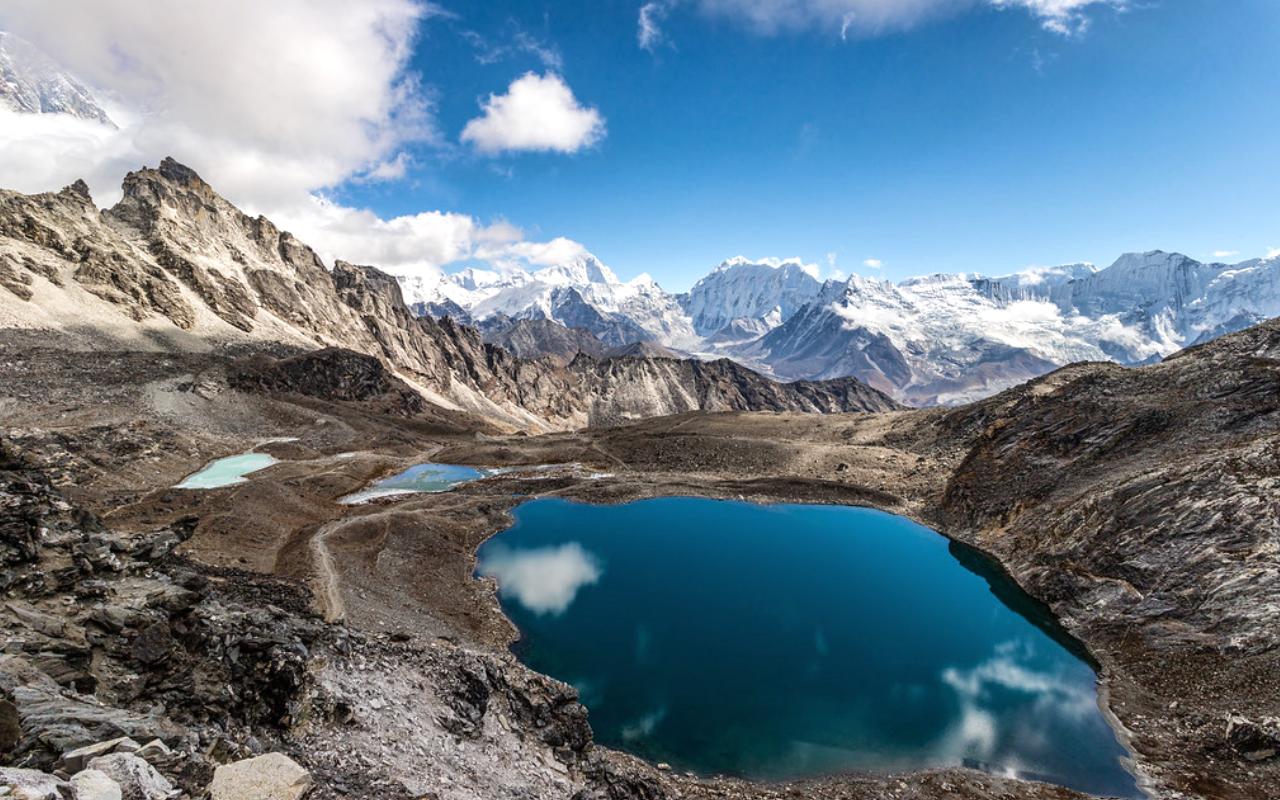
You will go at a slow pace with periodic breaks. You are coming towards the pass, and wide mountain views open up. Reaching the top of Kongma La Pass is a rewarding and memorable achievement and the peak of the trip.
You will have a rest on top, after which you will start a gradual descent to Lobuche. The descending part is rugged and needs care. Towards the end of the afternoon, you will reach Lobuche, a small village that is surrounded by big mountains. Once you check into your teahouse, you will sleep well and have a nice meal after a hard day.
Activity: 7-8hrs trek
Max. Altitude: 5,535m/18,159ft.
Meal: Breakfast, Lunch, Dinner
Accommodation: Teahouse
Day 09: Lobuche to Pangboche (3,985m)
From Lobuche today, the trek is easier since you are descending to a lower altitude. The road passes through open valleys and through known villages. You can have a glimpse of the yaks grazing and prayer flags on the route.
The path will enable you to appreciate the environment at a natural pace, following the rather tough day before it. You find it easier to breathe as you go down.
In the afternoon, you will arrive at Pangboche, a traditional Sherpa village where houses are made of stone and there is farmland. The village is located under Ama Dablam, and it is tranquil.
Once you check in at your lodge, you will have time to rest and get ready for the next day’s walk to Ama Dablam Base Camp. Overnight and dinner will be in Pangboche.
Activity: 6-7hrs trek
Max. Altitude: 3,985m/13,074ft.
Meal: Breakfast, Lunch, Dinner
Accommodation: Teahouse
Day 10: Pangboche – Ama Dablam Base Camp (5,120m) – Pangboche
This day is the highlight of the Ama Dablam Base Camp trek. At Pangboche, the path over the river ascends by and over rocky terrain to the base camp. It is a slow walk that needs time and a gradual pace with increasing height.
Every step makes the south side of Ama Dablam look nearer and more impressive. When you arrive at Ama Dablam Base Camp, you will have time to enjoy the environment, see the climbing tents, do some photos.
You will then go back to Pangboche following the same path after some rest. The fall is not as difficult, but it needs attention. You will reach your lodge towards the end of the afternoon. It is a time to relax during the evening and to think about getting to the base camp. Overnight in Pangboche.
Activity: 6-7hrs trek
Max. Altitude: 5,120m/16,798ft.
Meal: Breakfast, Lunch, Dinner
Accommodation: Teahouse
Day 11: Pangboche to Namche Bazaar (3,440m)
The path now takes you back through woods and river passes to Namche Bazaar. The landscape gets greener as you go down. You can walk at your own pace, and because you are used to the route, you can take pleasure in the walk without any hurry. The walk is enjoyable with suspension bridges and shaded paths.
You will reach Namche Bazaar by midday or early afternoon. It is pleasant and satisfying to come back here after days at a greater elevation. You can spend time sightseeing in the village, in a cafe, or resting in your lodge. It is time to reflect on your Ama Dablam journey and savor the vibrant Namche. Overnight and dinner will be in Namche Bazaar.
Activity: 5-6hrs trek
Max. Altitude: 3,985m/13,074ft.
Meal: Breakfast, Lunch, Dinner
Accommodation: Teahouse
Day 12: Namche Bazaar to Lukla (2,850m)
The last day of trekking is back through the trail to Lukla. The trail goes down through forests and crosses villages that you had passed before, on the walk.
You will go through suspension bridges and pass through rivers and farms. The walk is long and manageable, allowing you to reflect on your path. In the afternoon, you will arrive at Lukla, the point at which the trek started.
You will be able to relax and freshen up after checking into your lodge. Later that evening, you will have a farewell dinner with your trekking team. It is one of those special moments to rejoice in a successful accomplishment of the Ama Dablam Base Camp trek. You will stay overnight in Lukla.
Activity: 6-7hrs trek
Max. Altitude: 2,850m/9,350ft.
Meal: Breakfast, Lunch, Dinner
Accommodation: Teahouse
Day 13: Fly back to Kathmandu/Manthali
Your trekking journey comes to an end today as you leave the mountains behind. Depending on the season, you will fly between Lukla and Kathmandu, or you may take a road transfer or a short flight to Manthali and then the road transfer. Your flight will have a last glimpse of the Himalayan views. Upon reaching Kathmandu, we will transport you to the hotel.
The remaining day is at liberty to rest, buy, or have sightseeing of the city. Making it to the Ama Dablam Base Camp trek is a significant achievement and will leave you with great memories of mountain life, Sherpa culture, and your experience in the Himalayas. Enjoy Nepal’s warm hospitality as you celebrate your achievement.
Activity: 40min flight/ 5hrs drive
Meal: Breakfast
Includes & Excludes
What are included with package?
Accommodation
- Twin sharing or double room accommodation in a standard hotel in Kathmandu for 2 nights, including breakfast (Private room can be arranged on request at an extra cost)
- Best available tea house or lodge accommodation during the Ama Dablam Base Camp trek
- Clean and comfortable mountain lodges with shared or attached bathrooms, where available
Meals & Drinking Water
- All standard meals during the trek: 3 meals per day (Breakfast, Lunch, and Dinner) served in tea houses
- A farewell dinner in Kathmandu after the trek
- Assistance with water purification using filters or purification tablets (water costs not included)
Transportation
- Domestic round-trip flights: Kathmandu–Lukla–Kathmandu (or Kathmandu–Manthali–Lukla–Manthali–Kathmandu depending on season)
- All airport transfers in Kathmandu are by private vehicle
- Ground transportation between the hotel and the airport as per itinerary
Guide and Staff
- Experienced, government-licensed, English-speaking trekking guide
- Additional guide is provided for groups of more than 7 trekkers
- Porters during the trek (1 porter for every 2 trekkers)
- All staff expenses included: salary, accommodation, meals, insurance, and trekking gear
Medical Assistance
- Medical kit during the trek, including first aid supplies
- An oximeter to monitor oxygen levels at higher altitudes
- Assistance in arranging emergency rescue if required (Rescue cost covered by your travel insurance)
Permits
- Sagarmatha National Park entry permit
- Khumbu Pasang Lhamu Rural Municipality permit
Benefits and Takeaways
- Use of sleeping bag, down jacket, and duffle bag (one per two trekkers) if needed
- Trip completion certificate
- Company T-shirt and cap
Administrative & Taxes
- All government taxes and administrative charges
- Official trekking documentation and service fees
What are not included with package?
- All accommodation in Kathmandu, before and after the journey
- Lunch and dinner in Kathmandu, except the farewell dinner.
- International flight fare and airport departure tax
- Nepal Entry Visa (Visa can be acquired easily after your arrival at Tribhuvan International Airport in Kathmandu with a fee of USD 30 for 15 days visa, USD 50 for 30 days visa, and USD 125 for 90 days visa)
- Extra night accommodations in Kathmandu due to early arrival or late departure, early return from the trek, or other itinerary changes
- Travel insurance, along with high-altitude emergency evacuation coverage
- Medical check-ups, vaccinations, or medications required for the trek are not included.
- Any beverage, including bottled and boiled water
- Tips for trekking staff and drivers
- Personal trekking gear and equipment
- Any expenses other than the Price Include section
- Personal expenses (shopping, snacks, boiled bottled water, hot (Tea/ Coffee) and cold drinks, hot shower, alcohol, Wi-Fi, telephone call, battery recharge fee, extra porters, etc
- Personal clothing and gear

Note:
If you have a private group and prefer a personalized experience, we can organize a custom trip tailored to your requirements and group size, running it any day you choose.
Detail Information about Ama Dablam Base Camp Trek – 13 days
Weather and Best Season for the Ama Dablam Base Camp trek
The weather is also significant in the Ama Dablam Base Camp trek since the path will cover high mountainous regions. There are four major seasons in Nepal, but spring and autumn are regarded as the most appropriate seasons to complete this trek.
The spring season is between March and May. At this time of the year, the weather is pleasant, and the trails are lined with blooming rhododendron forests that are in blossom.
The daytime temperatures are generally comfortable and range between ten and twenty degrees Celsius at the lower altitudes. The nights are colder, particularly over three thousand meters of the earth’s surface, where it may go down to zero degrees or a bit less.
Autumn is the time period between September and November, and another of the best periods to do the Ama Dablam trek. It is a stable weather with mostly clear skies and mountain views that are sharp. It is quite hot in the day and very cold at night at elevated places.
During the months from June to August, there are heavy rains, cloudy skies, and slippery trails, thus making trekking hard. The seasons between December and February are winter, which are cold and involve frosty nights and even snowfalls, although the walk can be made with the right equipment and experience.
All in all, spring and autumn present the most favorable and pleasant conditions of the Ama Dablam Base Camp trek.
Difficulty and Altitude Sickness
Ama Dablam Base Camp trek is rated medium to difficult and is most appropriate for trekkers who are fit. The daily walking hours are five to eight hours on the mountain trails, which have uphill staircases, downhill paths, and rocky walks.
Kongma La Pass is one of the most challenging aspects of the Ama Dablam Trek, which is as high as five thousand five hundred thirty-five meters. The elevation is high, and walking days are long; physical preparation is significant.
The high maximum altitude is a key challenge of this trek because of altitude sickness. It can also have the symptoms of headache, loss of appetite, nausea, dizziness, and tiredness. To minimize the risk, the itinerary involves acclimatization days in such places as Namche Bazaar and Chhukung.
These rest days give the body time to naturally adapt to lighter air. It is highly important to drink as much water as possible, walk slowly, and avoid alcohol. There is a group of trekkers who take altitude medicine based on the recommendation of a doctor.
You always have to listen to your body and tell your guide in case you feel unwell. Most healthy trekkers finish the Ama Dablam Base Camp trek securely, provided one takes good pacing and treats it appropriately.
Insurance, Visa, and Permits
Before beginning the Ama Dablam Base Camp trek, you should organize your visa, permits, and travel insurance. Kathmandu airport offers a Nepal tourist visa upon arrival.
You will require a valid passport and cash in United States dollars to pay the visa fee. The visa fees are determined by the duration of stay, thus it is preferable to review the recent information when traveling.
In the case of trekking in the Everest region, there are two permits that are necessary. They are the Sagarmatha National Park permit and the Khumbu Pasang Lhamu Rural Municipality permit.
These permits enable you to legally hike within the area and are inspected along the way. They are generally placed at the exit points, like Monjo or Namche Bazaar. You cannot go on with the Ama Dablam Trek without these permits.
This trip will require travel insurance. Your insurance should extend high-altitude trekking to at least five thousand five hundred meters and emergency helicopter evacuation. Before starting the trek, guides will demand to be shown evidence of insurance.
You should also bring a copy of your passport, visa, and permits. These documents are ready and will guarantee a smooth and worry-free Ama Dablam Base Camp trek.
Health & Safety
Health and safety are highly considered in the trek to the Ama Dablam Base Camp due to the elevation and remote location. It is necessary to drink safe water. It is important to always use boiled water, purified water that is treated using purification tablets.
Do not consume untreated tap water and run the risk of stomach issues. Eat freshly prepared food and wash your hands prior to eating. Raw foods like salads and raw milk products should be avoided.
The primary health hazard on the Ama Dablam Trek is altitude sickness. Watch out for symptoms such as headache, nausea, dizziness, or shortness of breath. Never ignore these signs. In case of symptoms, take a rest and report to your guide.
Slow movement, hydration, and adherence to the acclimatization plan will reduce risk. Sun protection is not left behind either, because at higher altitudes the sun is intense. Wear sunscreen, sunglasses, and a hat.
Never walk alone or outside the group. Walk cautiously as trails may be slippery after rain or snow. Bring a first aid kit and personal medicines. Wear many layers to keep warm, particularly in the evenings. The Ama Dablam Base Camp trek is safe and comfortable with reasonable habits and guidance.
Transportation
Getting to the trek start requires domestic flights and road travel. The package includes round-trip flights between Kathmandu and Lukla (Tenzing-Hillary Airport).
During peak seasons (spring and autumn), flights to Lukla often operate from Ramechhap/Manthali, requiring a 4–5 hour pre-dawn drive from Kathmandu followed by a short (20 min) flight. In other months, flights run directly from Kathmandu (40 minutes).
On landing at Lukla (2,850 m), your trek begins. At the end of the trek, you fly back from Lukla to Kathmandu (or Manthali + drive) similarly. Flight schedules can change due to mountain weather.
All ground transfers in Kathmandu (airport to hotel, and vice versa) are arranged by our company. In Kathmandu, most hotels are 30–60 minutes from the airport. Domestic airlines such as Tara Air, Summit Air, and Sita Air operate these mountain flights, which are included in the package.
Due to weather or aviation rules, flights may be delayed or rescheduled. We recommend keeping buffer days in your itinerary. No other long-distance transport (like buses) is needed, as the trek is fully serviced by the included flights and vehicles.
Your Extra Expenses on the Ama Dablam Base Camp trek
On the Ama Dablam Base Camp trek, budget for personal expenses. While all basic trek meals and lodgings are covered, you’ll pay extra for: purified or bottled water, hot showers, Wi-Fi, phone charging in lodges, snacks, and soft drinks. Hot showers often cost around USD 2–4. Souvenirs, laundry, and snacks (chocolates, nuts) are also extra.
Tips for your guide and porter are customary but not included. Visa fees and travel insurance should also be planned before coming to Nepal. Any additional equipment (e.g., boots, trekking poles, down jacket) beyond the provided gear is at your own cost. If you want extra porters or upgraded gear, budget accordingly. Any helicopter charter for non-emergency reasons is not included.
Typical trekkers spend an additional $20–30 per day on these extras, but actual costs vary by person. Carry a few extra rupees each day for small purchases and incidentals, and you’ll be well-prepared for the trek.
Language & Communication
Nepali is the official language of Nepal. English is widely spoken in the trekking industry, so your guides and lodge staff will speak enough English for all practical needs. In the Khumbu region, Sherpa and Tibetan dialects are common among villagers. Locals will often greet you with “Namaste” (palms together) – a polite and warm Nepali greeting.
Basic Nepali phrases can be useful (“Ramro cha” for “It’s good,” “Dhanyabad” for “Thank you”), and they are appreciated by Sherpa people. However, English is fine in tea houses on the trail, especially above Namche.
Signs on the trails are usually in English and Nepali. If you have a phrasebook or translation app, it can help, but it’s not necessary for the Ama Dablam trek. Friendly smiles and handshakes go a long way in communication.
Mobile Network, Internet & Charging Facilities
Access to mobile network and internet in the Ama Dablam Base Camp trek is scarce, though provided in certain locations. Mobile coverage of Kathmandu, Lukla, Phakding, and Namche Bazar is available in Nepal Telecom and Ncell.
In the villages such as Tengboche and Dingboche, there may be a weak signal or no signal. Mobile service generally becomes dead once you get to higher places towards the Ama Dablam Base Camp.
A lot of tea houses provide WiFi services at an additional cost. Weather and location may make this connection slow and unreliable. Solar power provides electricity in most cases, and charging electronic devices can be done at a minor fee. Charging may be done per device or per hour.
Taking a power bank is highly recommended to keep phones and cameras charged. There are 2-pin plug points in Nepal with two hundred and twenty volts, therefore an adaptor would come in handy.
Large numbers of trekkers prefer to minimize phone interactions and appreciate nature. A local Kathmandu SIM card can be bought in case you require it, but it is important to note that coverage in the Ama Dablam Trek will be considered limited and only useful in simple communication.
Don’ts on this trip
During the Ama Dablam Base Camp trek, it should be observed to preserve nature and honor the local culture by following appropriate behavior. Do not litter on the trail. Never leave litter and always make sure that trash is disposed of in the right places in a proper manner. This assists in maintaining the cleanliness and safety of the mountains.
Do not disturb places of worship. Take off shoes and enter monasteries, and keep a low tone of voice. Never take photos of anyone, monks, or ceremonies without their permission. Be sensitive to local culture by dressing up and acting politely in villages.
Do not walk alone or abandon your group without notifying your guide. The tracks may be disorienting, and the weather may be unpredictable. Pay no attention to such health symptoms as dizziness or nausea. In case you are feeling poorly, you must tell your guide at once and sleep or go down as you will.
Do not underprepare. Bring warm clothes, a rain jacket, and appropriate trekking equipment even in fine weather. Do not purchase illegal products like wildlife products or counterfeit antiques. These few guidelines will help you to make your walk to Ama Dablam a safe, respectful, and pleasant experience for all.
Cultural Festivals on the Trail
The Ama Dablam Base Camp trek involves visiting villages that are full of Sherpa culture and traditions. Among the notable festivals in the area is the Mani Rimdu, which normally takes place in Tengboche Monastery in October or November.
It is a festival that takes several days and involves traditional masked dances, prayers, and rituals that are conducted by monks. Local villagers come together to bless and celebrate.
Dumji is also another significant festival that takes place in spring in such villages as Tengboche and Khumjung. This is a festival that is celebrated to bring winter to an end and to introduce the farming season. Individuals have traditional clothes, dances, and they attend religious rituals.
Although your Ama Dablam Trek does not coincide with festival times, you can still enjoy everyday cultural life. In monasteries, you can hear monks chanting, at prayers, flags, and stone walls covered with prayers. These aspects of culture are significant in the journey.
Trekkers are also invited to observe attentively and get knowledge about the local traditions. Living Sherpa culture gives a deeper and more insightful perspective to the Ama Dablam Base Camp trek.
Tips for First-Time Nepal Visitors
The Ama Dablam Base Camp trek is a fulfilling experience that first-time visitors must remember a few significant details. There is simple accommodation in places beyond Kathmandu, so expect simple lodges and shared rooms. Bring a headlamp, power bank, and warm clothes in case of cold weather.
To prevent illness, always consume safe water and cooked food. Walk gradually, always hydrate yourself, and adhere to acclimatization days to minimize the risk of altitude sickness. Be sure to carry enough cash in Nepalese rupees, because nobody takes a credit card on the trail. There are only ATMs in Kathmandu and Namche Bazaar.
Wear simple clothes in the villages and places of worship. Namaste and shake hands with your right hand when greeting or receiving something. The trekking boots, warm clothes, sun protection, and rain clothes are important.
Nepal is mostly safe and accommodating. Always keep a lock on your valuables and never disbelieve your guide. High altitude trekking travel insurance is obligatory. The Ama Dablam Trek is a journey that can be done with ease and confidence by first-time visitors after some preparation and respect for local practices.
Frequently Asked Questions
How high is the Ama Dablam Base Camp?
Ama Dablam Base Camp sits at around 5,120 meters (16,770 ft) above sea level.
Do I need a guide and porter to do Ama Dablam Base Camp trek?
Yes. It requires the services of a licensed local guide for both safety and the path. Porters are strongly suggested (one porter for every 2 trekkers) to carry big luggage, and you will be more relaxed on the trek.
What permits are required?
You require a Sagarmatha National Park permit and a Khumbu Pasang Lhamu rural municipality permit. These are organized by Nomad Adventure Treks and inspected at Monjo/Namche.
What type of accommodation is available?
Accommodations are in simple mountain tea houses. Twin beds and attached or privately secured bathrooms (with western or squat toilets) are common in rooms. Look for clean but simple accommodation with a common dining facility.
Does this trek includes meals?
Yes. Included are all trek meals (breakfast, lunch, and dinner). The food is usually Nepali or Tibetan (dal bhat, noodles, soups, momos, and so on) and vegetarian and non-vegetarian.
When is the most appropriate moment to trek Ama Dablam Base Camp?
Spring (March-May) and autumn (September- November) are the most ideal seasons. It is a time of the year when the weather is stable and has clear views. The months of June to August are known as the monsoon season, and the months of December to February are very cold.
How do I prevent altitude sickness?
Climb gradually and keep hydrated. The itinerary entails days of acclimatization. Take prescribed altitude drug (with doctor’s permission). Monitor symptoms – headache and nausea may occur; in this case, do not climb higher.
Will this trek give me a sight of Mount Everest?
Yes! On this trip, there are a few places that provide the view of the peak of Everest (8,848 m), particularly during the crossing of Kongma La Pass and in the area of Lobuche. The south side of Ama Dablam can also be clearly viewed at a short distance.
Will I be able to continue to the trek to Everest Base Camp?
No. The Ama Dablam expedition takes another path and does not reach Everest Base Camp. In order to visit EBC, you will have to join another Everest Base Camp trekking itinerary.
What fitness level is required?
You should be physically fit and able to walk 6–7 hours per day on steep, rough trails. Good cardio fitness (hiking, running, cycling) will prepare you for 500–1000 m altitude gains each day. This trek is suitable for trekkers with moderate experience.
How long is the flight to Lukla?
The direct flight from Kathmandu to Lukla takes about 40 minutes. During peak season, flights may go via Manthali: then you drive 4–5 hours from Kathmandu to Manthali and fly 20 minutes to Lukla.
Are there ATMs or money exchanges on the trail?
You can withdraw Nepalese rupees in Namche Bazaar and Lukla, but machines may occasionally run out or shut down. There are money changers in Kathmandu and some in Namche. It’s safest to carry enough cash (NPR) when you leave Kathmandu.
Is it safe to drink tap water?
No, never drink untreated tap water. Only drink boiled or commercially filtered water. At tea houses, you can buy bottled or treated water. Always carry purification tablets or a filter as a backup.
Is there mobile phone coverage?
Cell signal (NTC and Ncell) is available in Kathmandu, Lukla, Phakding, and Namche Bazaar. Coverage fades out at higher camps. Most lodges offer paid Wi-Fi in Namche and some villages, but speeds are slow. Plan for minimal connectivity.
Can I charge my devices on the trek?
Yes, most tea houses have electricity (usually solar-powered). Charging devices costs about $1–2 for a few hours. Outlets are limited, so carry a power bank. Some trekkers also share charging by tripod plugs.
What wildlife might I see?
On clear mornings, you may spot Himalayan tahr (mountain goats), Himalayan monal pheasants (colorful birds), and possibly musk deer. These animals are shy; observe from a distance. Snow leopards and red pandas live here ,but are extremely rare to see.
Should I give a tip to my guide and porters?
Tipping is not obligatory in Nepal, but it is customary. To receive good service, a trekker should tip between 5 and 10 dollars per day to the guide and 3 to 5 dollars per day to the porters. This is shared at the group level.
What is the weather like in peak season?
In spring and autumn, days are usually warm (10–15°C) with clear skies, while nights can be cold (around 0°C at Namche, well below freezing at higher camps). Sunlight is strong. Carry layers for temperature changes and rain gear just in case.
Are hot showers available on the trek?
Many lodges offer hot showers using solar-heated water or generators for a small fee (around $2–3). Higher up (Lobuche, Pangboche, Dingboche), hot water may be limited. You can also wash with cold water or use sanitizer.
What currency should I use?
The Nepalese Rupee (NPR) is the local currency. In Kathmandu, USD is widely accepted in hotels and shops, but in the mountains ,only NPR cash is used. Plan to use cash only while trekking. ATMs and changing are only available in the main villages before the trek.
Reviews on Ama Dablam Base Camp Trek – 13 days
 Write a Review
- Your safety, our no 1 priority
- Best price guarantee
- Experienced & dedicated team
- Easy booking, no hidden charge
- You can customize this trip
Talk to Travel Expert Samundra Rimal (+977-9843127084)