





Bhutan Bird Watching Tour – 8 Days

Duration
8 Days

Max Altitude
3,988 m. / 13,084 ft.

Difficulty
Moderate

Group Size
2-20 Pax

Meals
- 6 Breakfast
- 7 Lunch
- 7 Dinner

Accommodation
- Hotel

Transportation
Private vehicle

Activities
- Birdwatching
- Driving

- Your safety, our no 1 priority
- Best price guarantee
- Experienced & dedicated team
- Easy booking, no hidden charge
- You can customize this trip



Talk to Travel Expert
Samundra Rimal (+977-9843127084)
Introduction of Bhutan Bird Watching Tour – 8 Days
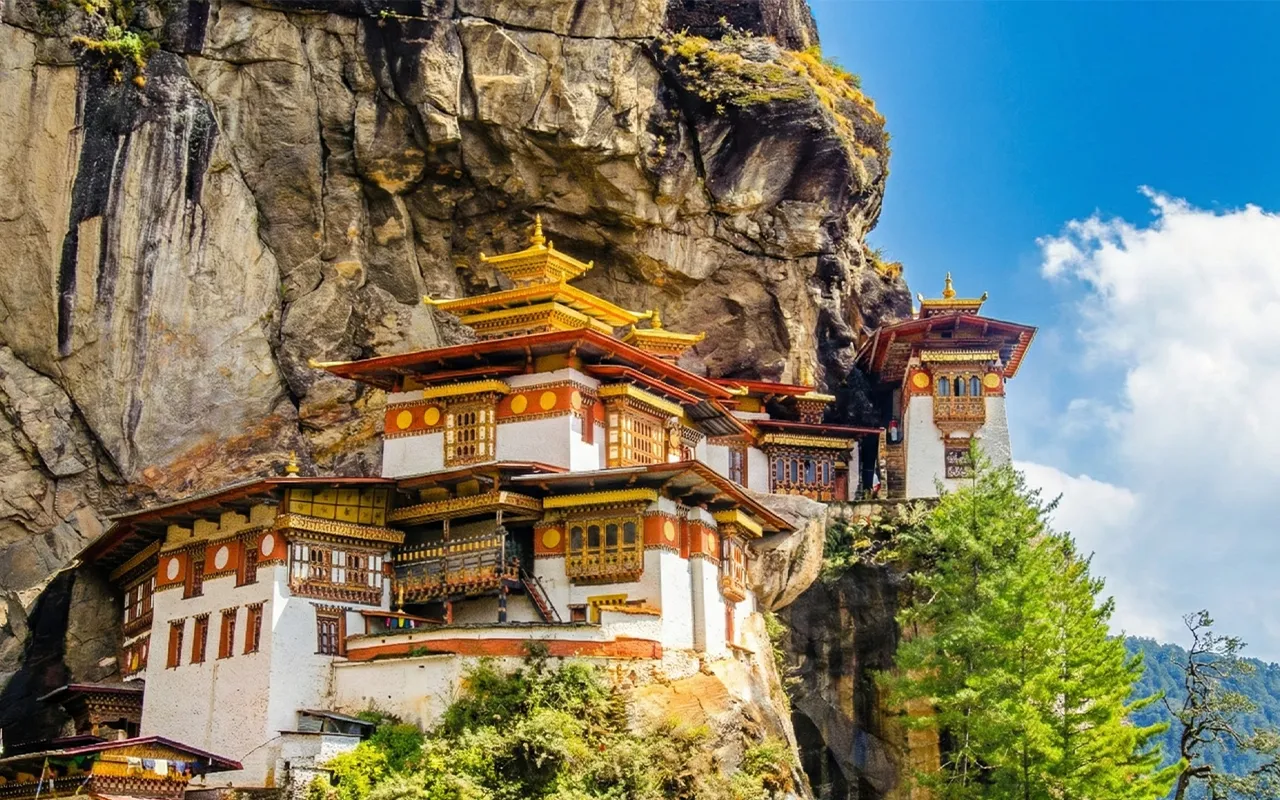
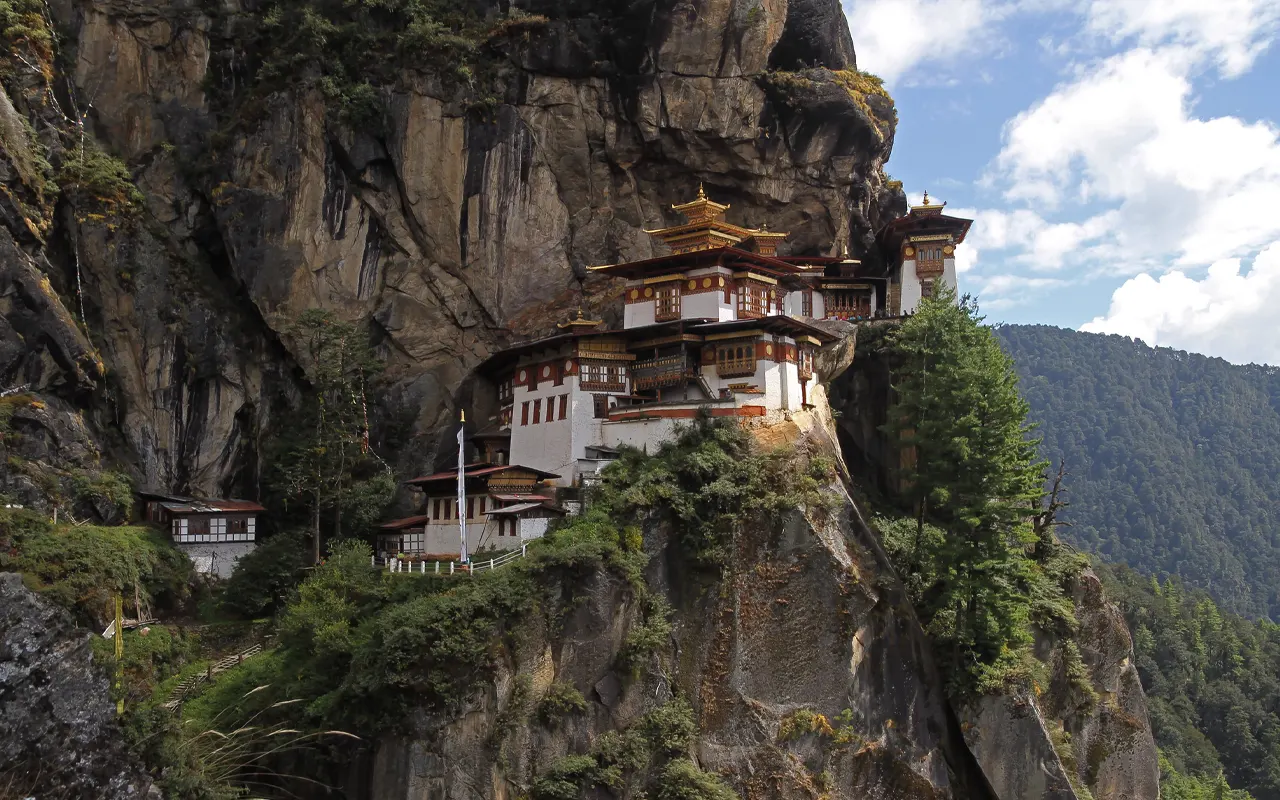
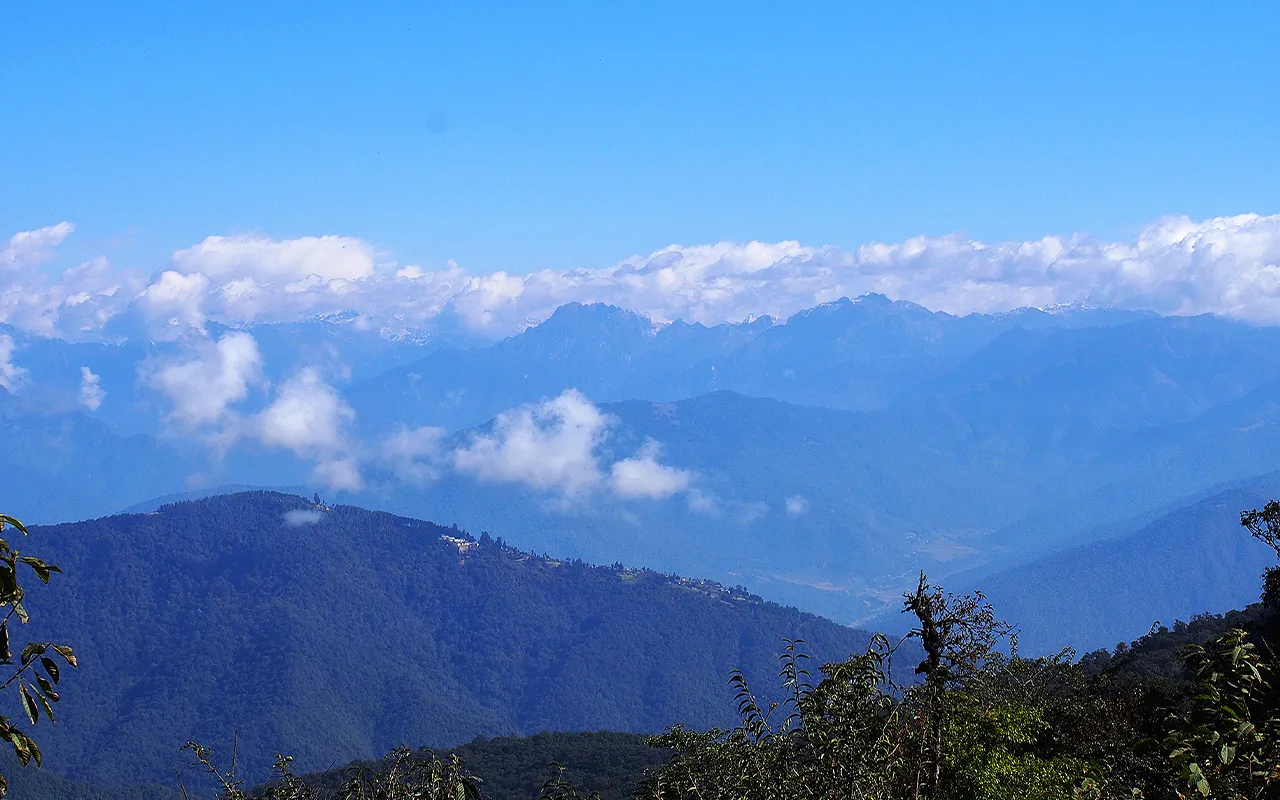
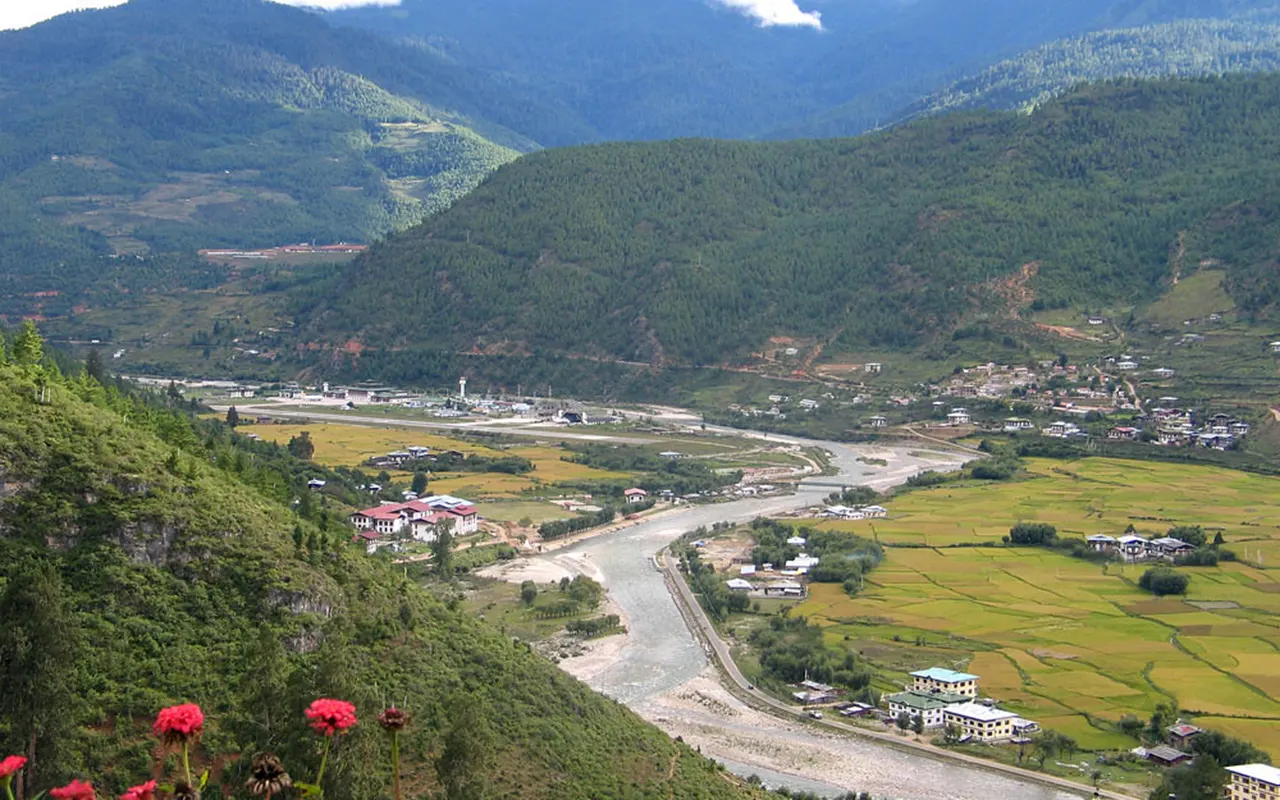
The Bhutan Bird Watching Tour is an eight-day journey through river valleys, mountain forests, subtropical woodlands and open wetlands. It is designed for birdwatchers who want to explore Bhutan’s varied natural environments while travelling between Paro, Thimphu, Punakha, Phobjikha Valley and Trongsa. A variety of habitats are found at each destination, allowing the opportunity to view a variety of Himalayan and subtropical birds.
The trip starts in Paro and a trek into the nearby farmland and along the Paro Chhu River offers some hope of seeing White Wagtails, Brown Dippers and Crested Kingfishers. On a day trip to Chele La Pass, you’ll enter cooler mountain environments where you can find Himalayan Monals as well as Blood Pheasants among other high-altitude birds. Warm clothes and a flexible plan are essential, as the weather in the mountains can change rapidly.
The trail then heads to Thimphu from Paro for forest birding at Motithang and around the forests. This hike then heads up towards Dochula Pass, heading towards Punakha, where the weather is warmer and subtropical forests are home to other bird species. The changes in elevation and vegetation make the trip interesting to visitors who wish to see birds in more than one habitat.
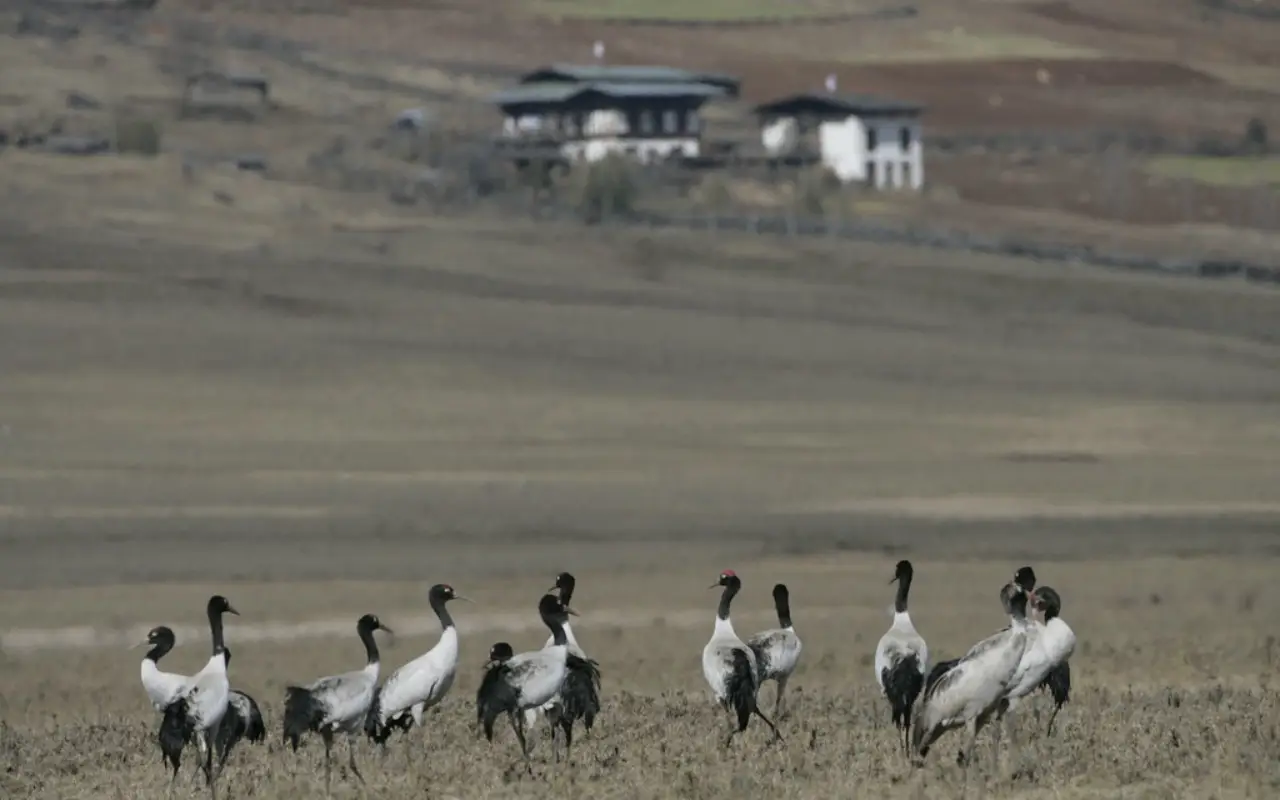
Phobjikha Valley adds a different experience to the Bhutan Birdwatching Itinerary, particularly during winter. Black-necked Cranes visit the valley from November to February and seasonal migratory movements will determine their presence. Other birds can be seen in wetlands, grasslands and pine forests as well. The road leads on through the forested hills and mountain valleys to Trongsa and back to Paro.
Along with the road rides are short bird walks which make the tour good for those who aren’t up for a long hike. For bird identification, a local guide can assist and the use of appropriate bird-watching locations and knowledge of the habitats on the route gives the guide the ability to explain what has been observed along the way. Sightings are dependent on the time of year, weather and time at each location; patience is a key component of the experience.
This birdwatching tour is run by Nomad Adventure Treks and has a diverse itinerary focusing on Bhutan’s bird life with ample opportunity to enjoy the scenery and local environment. It can be used by both novices and experts in birding and for viewing wildlife in an easygoing manner.
Trip Highlights
- Hike along the Paro Chhu River to see White Wagtails, Brown Dippers and Crested Kingfishers.
- Head to Chele La Pass at 3988 m (13083 ft) to look for Himalayan Monals and Blood Pheasants.
- Walk through the forests of Thimphu and try to see various species of birds of the Himalayas.
- Visit Motithang and nearby woodlands to spot Kalij Pheasants and Spotted Laughingthrushes.
- Visit Mak yongka la mountain forests as you go through Dochula Pass to reach Punakha.
- Look for forest birds such as Scarlet Minivets in the forests of Punakha which are subtropical in nature.
- See Black-necked Cranes in Phobjikha Valley in winter.
- Visit the wetlands, grasslands and pine forests at Phobjikha to enjoy a variety of birds
- Enjoy birdwatching near Trongsa, with chances to spot Great Hornbills and Long-tailed Minivets
- Explore the diverse terrains of Bhutan, from river valleys to forests, mountain passes to wetlands
Detail Itinerary of Bhutan Bird Watching Tour – 8 Days

Day 01: Arrive in Paro and Enjoy Riverside Birdwatching
From Paro International Airport, you’ll be greeted by your local guide and taken to the hotel. The rest of the day is free, so you can get settled after your trip. The rivers, farmland, wooded areas and open fields of Paro Valley offer appropriate habitat for several bird species.
We will have a gentle birdwatching walk along the Paro Chhu River in the afternoon. Keep your eyes out for White Wagtails and Brown Dippers which tend to be near running water and can be seen on the riverbanks and on rocks. When it comes to the Crested Kingfisher, with patience you might see a fish-hunting bird along the river.
We will be out birding around farmland and forest edges with various species possibly seen in the trees, hedges and open fields. The number of sightings varies according to season, weather and bird activity. Walk back to the hotel for an overnight stay in Paro.

Activity: Airport arrival, acclimatization and riverside birdwatching, 2 to 3 hours of birdwatching, excluding airport transfers

Max. Altitude: 2,280m/7,480ft. Paro

Meal: Lunch, Dinner

Accommodation: Hotel
Day 02: Drive from Paro to Chele La Pass for High Altitude Birdwatching
Following an early breakfast, we will drive to the Chele La Pass (3,988 m /13,083 ft) from Paro. The journey takes you through forested hills and increasingly cooler mountain landscapes. It takes approximately 35-37 km to reach the pass from Paro, depending on the route and starting point.
Birding will be in alpine forest, rhododendron woodland and high-elevation scrub. A few species of birds of the Himalayas can be found here. While looking for signs of activity in the forest, on the edges, shrubbery and on open slopes, keep binoculars handy.
Birds that may be seen include the Himalayan Monal, Blood Pheasant, Satyr Tragopan and Yellow-billed Blue Magpie. They can be tricky to see as they tend to hide in the undergrowth and are best viewed with quiet movement and patience. Weather conditions at the pass can be chilly and windy even when the weather is mild in Paro. Be sure to wear warm layers, then follow your guide’s advice while exploring the area. In the afternoon, head back to Paro and spend the night there.
Activity: Mountain birdwatching and forest exploration, 5 to 7 hours
Max. Altitude: 3,988m/13,084ft. Chele La Pass
Meal: Lunch, Dinner
Accommodation: Hotel
Day 03: Drive from Paro to Thimphu with En Route Birdwatching
After breakfast, we will travel from Paro to Thimphu, Bhutan’s capital. It takes about 1.5 hours (55-65 km) to make the trip, depending on road and traffic conditions.
We will stop at selected locations that are along forest patches and river valleys, not going directly to the hotel. Birds that are associated with woodland, shrubs and mixed vegetation may be seen in these areas. The stops will be helpful for both experienced and novice birders and will assist with identifying species by sound, color and motion.
Look out for the Rufous Sibia, Green-backed Tit and Grey Bushchat during the day’s birding. For reasons of location and conditions at each stop, the actual species observed will vary. Do not rush from one viewpoint to another, but rather, take time to view tree branches, roadside shrubs and open spaces.
Upon arrival at Thimphu, check into your accommodation at the hotel and have a leisurely evening. Overnight will be in Thimphu.
Activity: Scenic drive, forest birdwatching and river valley exploration, 3 to 5 hours
Max. Altitude: 2,320m/7,612ft. Thimphu
Meal: Breakfast, Lunch, Dinner
Accommodation: Hotel
Day 04: Birdwatch at Motithang Takin Preserve and the Forests of Thimphu
The day will start with a visit to Motithang Takin Preserve and the neighbouring forests in and around Thimphu. Takins, Bhutan’s one and only national animal, are the preserve’s main attraction; in the surrounding woodland, you can also see local bird species.
Look for birds on the ground, lower branches and flowers of the trees during the birdwatching session. They may be sighted as Kalij Pheasant, Spotted Laughingthrush and Fire-breasted Flowerpecker. This can help identify where these birds are found, as they utilize different portions of the habitat, move slowly and listen well.
For those who wish to spend more time in nature, an optional early morning hike along forest trails nearby can be arranged. It’s a great time to listen out for birds’ calls before it gets too busy. The time and challenge of the walk will vary depending on the trail chosen and the group’s interests.
Return to the hotel and relax in the evening after a full day of activities. The overnight stay will be in Thimphu.
Activity: Wildlife preserve visit, forest birdwatching and optional morning hike, 3 to 5 hours, including visits and birdwatching, 3 to 5 hours, including visits and birdwatching
Max. Altitude: 2,320m/7,612ft. Thimphu
Meal: Breakfast, Lunch, Dinner
Accommodation: Hotel
Day 05: Drive from Thimphu to Punakha via Dochula Pass
After breakfast, we will leave Thimphu and drive towards Punakha via Dochula Pass. This drive is about 77 km long and takes about 3 hrs in total without long breaks.
At around 3100m (10,171 ft), Dochula Pass offers a chance to experience a cooler mountain environment. The views of the surrounding mountains can be enjoyed from the pass on clear days. Birdwatching will be provided at appropriate forest patches, with relaxation time before proceeding to Punakha.
The road slopes downward, gradually changing the terrain from temperate forest to subtropical vegetation. The switch of habitat is also a fascinating experience for birders since various species may be encountered at various altitudes.
Monitor for the Golden-spectacled Warbler and Scarlet Minivet in appropriate forest areas. Another potential target is Ward’s Trogon, an uncommon and elusive bird of the forest, but not an easy bird to find. Once the birding is over, head to Punakha and register at the hotel. Stay in Punakha.
Activity: Mountain pass birdwatching, forest exploration and scenic drive, 4 to 6 hours, including driving and birdwatching stops
Max. Altitude: 3,100m/10,171ft. Punakha
Meal: Breakfast, Lunch, Dinner
Accommodation: Hotel
Day 06: Drive from Punakha to Phobjikha Valley for Wetland Birdwatching
We will then head to Phobjikha Valley (Gangtey area) by car from Punakha following breakfast. The total distance is around 78 km and it will take about 3 hours, including more stops to see birds.
Phobjikha is famous for its open valley, wetlands, grasslands and surrounding pine forests. Birds use these habitats in varying proportions and they are excellent places to observe birds. Once in the valley, we will walk to a selection of sites where open fields, wetland edges and forest margins will be scanned.
Black-necked Cranes can be found in the valley throughout winter (November to February). They are seasonal migrants and locally occurring. Other species that may be seen are the White-throated Laughingthrush and the Himalayan Griffon which are not found in the same habitats.
Birds will be approached with caution and respect to prevent disturbing wildlife, especially around feeding or roosting areas. Time will be provided to observe and photograph, if possible, throughout the day. On return to the hotel from the birding trip, overnight stay in the Phobjikha Valley.
Activity: Wetland birdwatching, valley exploration and forest observation, 4 to 6 hours
Max. Altitude: 3,000m/9,843ft. Phobjikha Valley
Meal: Breakfast, Lunch, Dinner
Accommodation: Hotel
Day 07: Drive from Phobjikha Valley to Trongsa with Mid Altitude Forest Birdwatching
Following breakfast, we will be leaving Phobjikha Valley heading east towards Trongsa. It is about 120km and takes around 4.5 to 5 hours without any long stops.
The road runs through the mountains, offering chances to spot birds among the forests, valleys and slopes. Stop at select locations where it is safe to leave the vehicle to observe the surrounding habitats. Variations in forest type and elevation could introduce varying bird species.
Keep an eye out for the Great Hornbill which can be found in appropriate areas of forest, especially large trees where it feeds and nests. Long-tailed Minivets can be seen moving through the canopy as well. Bar-headed Geese are also a possibility at favorable wetlands and open water areas, but are not known to occur on this route during the season.
Birdwatching stops will be dependent on road conditions, availability of time and knowledge of local habitat by the guide. Once in Trongsa, you will stay at the hotel and then spend the evening relaxing. Overnight accommodation will be in Trongsa.
Activity: Mountain drive, mid-altitude forest birdwatching and wildlife observation, 5 to 7 hours, including driving and birdwatching stops
Max. Altitude: 3,420m/11,220ft. Trongsa
Meal: Breakfast, Lunch, Dinner
Accommodation: Hotel
Day 08: Drive from Trongsa to Paro via Wangdue and Punakha, Followed by Departure
On returning after breakfast, we will head towards Paro through Wangdue and Punakha. A long drive will take you through central and western Bhutan and the itinerary will be determined by road conditions, traffic and the time available for stops.
The distance and travelling time from Trongsa to Punakha are about 142 km and 6 hours, respectively and the onward distance from Punakha to Paro is about 125 km. The total distance of the trip is about 267 km and it can take 9 to 10 hours before the birding is over.
Short birdwatching stops will be made near appropriate river valleys and forest edges, if time allows. They are the last chance to see the local birdlife before getting to Paro. But birdwatching opportunities will be restricted on this trip day.
Remark: If you are traveling from Paro, it is not recommended to make a same-day international call after such a long drive. The itinerary should consist of an overnight stay in Paro before departure or departure to be arranged for a later day.
Activity: Return road journey, optional river valley birdwatching and departure arrangements, 9 to 10 hours of driving, excluding birdwatching stops
Max. Altitude: 3,420m/11,220ft. Paro
Meal: Breakfast
Includes & Excludes
What are included with package?
Accommodation
- Seven nights of accommodation in Paro, Thimphu, Punakha, Phobjikha Valley and Trongsa, according to the confirmed itinerary
- Twin sharing or double room accommodation in selected hotels or guesthouse
- Accommodation options for the confirmed package type
Meals & Drinking Water
- Breakfast at the hotel every day
- Lunch and dinner throughout the trip
- Water arrangements, as outlined in the package, at the times designated for bird watching
Transportation
- Pick-up and drop-off at the airport in Paro as per confirmed itinerary
- Private vehicle for scheduled road journeys between Paro, Thimphu, Punakha, Phobjikha Valley and Trongsa
- Transportation to the planned birdwatching areas (Chele La Pass, Dochula Pass)
- Fuel, driver services and applicable vehicle expenses for the outlined itinerary
Guide and Staff
- Local English-speaking guide for scheduled sightseeing/birdwatching activities
- Services for the driver during the whole road journey
- Help identifying birds and areas for birdwatching
- Assist with tour logistics and arrangements
Medical Assistance
- Basic First Aid during the tour
- Advice on arranging medical treatment when necessary
- Support with coordination of emergency services when available
Permits
- Bhutan visa and entry requirements
- Sustainable Development Fee (SDF), as specified in the package
- Arrangements and permits for planned sightseeing locations as applicable
Benefits and Takeaways
- River Valley, Forest, Mountain Habitat and Wetland bird watching guided
- Opportunities to search for Himalayan Monals, Blood Pheasants, Black-necked Cranes and other local bird species
- Visiting Chele La Pass, Motithang, Dochula Pass and Phobjikha Valley
- Opportunities to learn about Bhutan’s birdlife, habitats and wildlife conservation
- Assistance planning birdwatching stops according to weather and local conditions
Administrative & Taxes
- Applicable government taxes and service charges included in the confirmed package
- Arrangements and organization of tours
- Pre-departure information and help with the necessary travel documents
What are not included with package?
- Air transport to and from Bhutan
- Travel insurance, including medical evacuation and emergency repatriation coverage
- Personal expenses such as laundry, snacks, souvenirs and additional drinks
- Meals not included in the package
- Tips for the guide and driver
- Personal birdwatching equipment, including binoculars, cameras and accessories
- Extra hotel nights due to early arrival, late departure or itinerary changes
- Additional transportation or accommodation resulting from flight cancellations, road closures or other unexpected events, unless included in the package
- Medical consultations and medication beyond first aid
- Optional activities and entry fees not included in the package
- Airline fees and excess baggage charges
- All services not explicitly listed under What’s Included

Note:
If you have a private group and prefer a personalized experience, we can organize a custom trip tailored to your requirements and group size, running it any day you choose.
Detail Information about Bhutan Bird Watching Tour – 8 Days
Weather and Best Season for Birdwatching in Bhutan
The best time for a Bhutan Bird Watching Tour can vary depending on the species and the areas that you wish to explore. Forest birdwatching is suitable during the spring and autumn seasons and the winter season is also very important for the Black-necked Crane in Phobjikha Valley. Weather changes with elevation, so conditions in warm Punakha can differ greatly from those at Chele La Pass.
| Month | Weather and habitat conditions | Birdwatching opportunities | Suitability |
| January | Cold mornings, possible frost at high elevations | Wintering cranes and resident birds | Good for winter species |
| February | Cold in valleys and mountains | Black-necked cranes may remain in Phobjikha | Good for winter birding |
| March | Warmer days and early spring activity | Forest birds, pheasants and returning migrants | Very good |
| April | Spring growth and flowering vegetation | Active forest birds and breeding activity | Excellent |
| May | Mild to warm weather, increasing rain later | Forest species and high altitude birds | Excellent |
| June | Monsoon conditions begin | Resident birds, but rain may disrupt outings | Variable |
| July | Frequent rain and wet trails | Forest birding during suitable weather windows | Challenging |
| August | Humid conditions and heavy rainfall possible | Resident species in forests and valleys | Variable |
| September | Rain often begins to ease | Forest species and seasonal movement | Very good |
| October | Generally clearer skies and comfortable days | Forest birds, mountain species and migration | Excellent |
| November | Cooler, often dry weather | Wintering cranes arrive or gather in Phobjikha | Excellent |
| December | Cold mornings and shorter daylight | Cranes and resident winter birds | Good for winter species |
Spring from March to May and autumn from September to November are usually the strongest periods for general birdwatching. The winter season is often a good time to see cranes and the summer season is a bit more flexible due to rain and the possibility of road closures.
Bird Species and Seasonal Sighting Opportunities
Due to the variation in the landscape, Bhutan is home to a variety of bird species, from river valleys and subtropical forests to temperate woodland and alpine habitat. Visitors can see some of these environments through a Bhutan Birdwatching Itinerary that includes the areas of Paro, Chele La, Thimphu, Punakha, Phobjikha and Trongsa.
| Bird species | Main habitat | Best viewing period | Location on this tour | Important note |
| White Wagtail | Rivers and open ground | Year-round, depending on local presence | Paro | Often seen near water |
| Brown Dipper | Fast-flowing streams | Year round | Paro | Look along rocks in clear rivers |
| Crested Kingfisher | Rivers and wooded banks | Year-round, subject to local presence | Paro | Usually observed near suitable fishing areas |
| Himalayan Monal | Mountain forest and open slopes | Spring and autumn | Chele La | Can be shy and difficult to locate |
| Blood Pheasant | High elevation forest and scrub | Spring and autumn | Chele La | Often stays near dense cover |
| Satyr Tragopan | Dense mountain forest | Spring and early summer can be productive | Chele La region | A sighting is never guaranteed |
| Yellow-billed Blue Magpie | Forest edges and woodland | Year round | Chele La region | Often active in trees |
| Rufous Sibia | Forest canopy and edges | Spring and autumn | Paro to Thimphu | Listen for calls in wooded areas |
| Green-backed Tit | Woodland | Year round | Forest patches near Thimphu | Usually moves among branches |
| Grey Bushchat | Open scrub and grassland | Year-round, depending on location | En route to Thimphu | Scan exposed perches |
| Kalij Pheasant | Forest floor and edges | Year round | Thimphu forests | Best observed quietly |
| Spotted Laughingthrush | Dense undergrowth | Spring and autumn | Thimphu forests | Often heard before it is seen |
| Fire-breasted Flowerpecker | Forest edges and flowering trees | Spring and summer can be productive | Thimphu | Small and quick-moving |
| Scarlet Minivet | Forest canopy | Spring and summer | Punakha region | Look for bright plumage in the canopy |
| Black Necked Crane | Wetlands and open valleys | November to February, with seasonal variation | Phobjikha Valley | Winter presence depends on migration |
| Himalayan Griffon | Mountain skies and open landscapes | Most seasons | Phobjikha and mountain routes | Look overhead in suitable weather |
| Great Hornbill | Mature subtropical forest | Seasonal and location dependent | Forests along the central route | Requires suitable forest habitat |
| Bar Headed Goose | Wetlands and open water | Seasonal | Suitable wetlands along the route | Not guaranteed at roadside stops |
| Long-tailed Minivet | Forest canopy | Spring and autumn | Forests towards Trongsa | Scan mixed forest flocks |
These species are objectives, not a sure bet for listing. The number of sightings will depend upon the conditions at each site, weather and season, as well as the time spent at each site. It may take longer or require specialist local birds to find some of the birds.
Birdwatching Habitats and Key Locations
The tour’s route takes birdwatchers through river valleys, mountain forests and open wetlands, making birding more diverse in the country. The route has been arranged to enable the seeing of different bird communities, but the number of species seen will depend on weather conditions on the day of the visit.
| Location | Habitat type | Main birdwatching focus | Suggested approach |
| Paro Chhu River | Riverbanks and flowing water | Wagtails, dippers and kingfishers | Walk quietly along accessible river sections |
| Paro farmland | Fields, hedges and forest edges | Open country and edge species | Scan field margins and trees |
| Chele La Pass | Alpine forest, rhododendron and high altitude scrub | Monals and mountain pheasants | Dress warmly and watch forest edges |
| Paro to Thimphu Road | Forest patches and river valleys | Woodland birds and mixed flocks | Stop at safe, suitable locations |
| Motithang area | Forest and woodland edges | Pheasants and smaller forest birds | Walk slowly and listen for calls |
| Dochula Pass | Mountain forest | High elevation woodland species | Check sheltered forest edges |
| Punakha Valley | Warmer subtropical forest and river corridors | Trogons, minivets and other forest birds | Explore suitable wooded areas |
| Phobjikha Valley | Wetlands, grasslands and open valley | Black-necked cranes and open country birds | Observe from permitted viewpoints and paths |
| Phobjikha pine forests | Pine woodland and forest margins | Laughingthrushes and woodland species | Scan lower branches and undergrowth |
| Trongsa route | Mixed forests and mountain valleys | Hornbills and other forest species where habitat is suitable | Use carefully selected roadside stops |
There are a number of contrasting habitats along the route, good for birders interested in more than one family. Patience, the right binoculars and extra time at the productive sites are the keys to watching birds in Bhutan.
Tour Difficulty and Daily Walking Requirements
This is a road birding tour with brief footwork, not a trekking Tour. Most days will include driving to appropriate birding sites. But some days are tiring due to early starts, uneven ground, cool mountain conditions and longer time spent outside.
| Day | Main activity | Expected walking | Difficulty | Main consideration |
| Day 1 | Riverside birdwatching in Paro | About 2 to 5 km, depending on stops | Easy | Allow time to rest after arrival |
| Day 2 | Chele La birdwatching | Short walks on uneven ground | Easy to moderate | Cold weather and high elevation |
| Day 3 | Drive to Thimphu with birding stops | Short walks between stops | Easy | Several hours of road travel |
| Day 4 | Motithang and nearby forest | Optional forest trail walk | Easy to moderate | Trail conditions may vary |
| Day 5 | Drive via Dochula Pass to Punakha | Short walks at selected stops | Easy to moderate | Temperature changes with elevation |
| Day 6 | Phobjikha Valley birdwatching | Several short walks; total depends on the plan | Easy to moderate | Open terrain and cool weather |
| Day 7 | Drive to Trongsa with birding stops | Short walks near suitable habitats | Easy to moderate | Long road journey |
| Day 8 | Return towards Paro | Limited walking if time permits | Easy physically, long travel day | Departure timing is important |
Walking distances are not set targets and are an estimate. The guide has the flexibility to modify the pace as per weather conditions, bird activity and comfort of the group.
It is important that you can get in and out of the vehicle, walk on rough terrain and stand quietly for a while to watch birds. Persons with mobility issues should check the trail conditions and the optional hike before booking.
Altitude, Acclimatization and Mountain Weather
The tour hikes several elevations from the warmer Punakha Valley to the mountain environment in the exposed Chele La Pass. The journey is not one of extended trekking, but the altitude may have an impact on breathing, sleep and energy, particularly for those coming in directly from low altitude.
| Location | Approximate elevation | Conditions to expect | Practical advice |
| Paro | 2,280 m (7,480 ft) | Cool mornings and changeable weather | Take the first day at a relaxed pace |
| Chele La Pass | 3,988 m (13,083 ft) | Cold, windy conditions are possible | Keep warm layers and water available |
| Thimphu | 2,320 m (7,612 ft) | Cool mornings and evenings | Walk at a comfortable pace |
| Dochula Pass | 3,100 m (10,171 ft) | Cooler weather and possible mist | Carry a windproof jacket |
| Punakha Valley | Approximately 1,200 m (3,937 ft) | Warmer and more humid conditions | Prepare for a noticeable temperature change |
| Phobjikha Valley | Approximately 3,000 m (9,843 ft) | Cool air, cold mornings and possible frost in winter | Wear suitable layers |
| Trongsa | Approximately 2,200 m (7,218 ft) | Variable mountain weather | Carry rain protection and warm clothing |
The highest point of this hike is Chele La. Take your time there, take the advice of your guide and do not hurry from birding location to location.
Symptoms may include headache, dizziness, nausea and unusual fatigue which are symptoms of altitude illness. If you experience symptoms, notify your guide. When symptoms are severe and worsening, an immediate medical evaluation and descent is advised. The itinerary should still be flexible, so that safety becomes a priority.
Tour Itinerary, Driving Distances and Travel Times
The tour route is from west to central Bhutan, starting from Paro and passing through Thimphu to Punakha, Phobjikha Valley and Trongsa. The driving times listed below are only estimates and subject to change depending on road conditions, weather, traffic and birdwatching stops.
| Day | Route | Approximate road distance | Estimated driving time | Main activity |
| Day 1 | Arrive in Paro | Airport transfer and local walks | Depends on arrival time | Riverside birdwatching |
| Day 2 | Paro to Chele La and return | 70 to 75 km round trip | 2 to 3 hours driving | Mountain birdwatching |
| Day 3 | Paro to Thimphu | 55 to 65 km | 1.5 to 2 hours | Forest and river valley birding |
| Day 4 | Thimphu and Motithang | Local driving | Depends on stops | Forest birdwatching |
| Day 5 | Thimphu via Dochula to Punakha | Approximately 77 km | Around 3 hours | Mountain pass and subtropical birding |
| Day 6 | Punakha to Phobjikha Valley | Approximately 78 km | Around 3 hours | Wetland and valley birdwatching |
| Day 7 | Phobjikha Valley to Trongsa | Approximately 120 km | 4.5 to 5 hours | Mid-altitude forest birding |
| Day 8 | Trongsa via Wangdue and Punakha to Paro | Approximately 260 to 270 km | Around 9 to 10 hours | Return journey and optional stops |
Distances are based on planning and must be checked with the local operator before travelling. The last day is tough due to a long trip back to Paro. It is highly recommended to spend a night in Paro before the international flight.
Transportation and Road Conditions in Bhutan
The best way to get to the birding sites on this tour is by private road transport. Nomad Adventure Treks can arrange the scheduled transfers and local travel as per the confirmed package. Passengers, binoculars, camera equipment and day bags should be accommodated in the vehicle.
Roads on the mountain are curved, uphill and may be exposed to weather. During bad weather conditions such as rain, fog, road maintenance or heavy traffic conditions, driving times may be extended. If birding is to be done in a vehicle, stops should be made at locations where vehicles can park safely without interfering with others on the road.
| Route section | Road conditions to prepare for | Travel advice |
| Paro to Chele La | Steep mountain road with exposed sections | Carry warm clothing |
| Paro to Thimphu | Main connecting road with bends and traffic | Allow extra time for stops |
| Thimphu to Punakha | Mountain road crossing Dochula Pass | Expect cooler conditions at the pass |
| Punakha to Phobjikha | Winding roads through mountain terrain | Carry water and motion sickness medication if needed |
| Phobjikha to Trongsa | Long mountain journey | Plan rest and birdwatching stops carefully |
| Trongsa to Paro | Extended return drive | Avoid scheduling a tight flight connection |
Safe stopping locations are essential to roadside birdwatching. Prior to passengers getting out of the vehicle, the driver and guide should reach an agreement on suitable locations. If it is deemed unsafe due to weather or road conditions for a planned stop, the group should proceed to an alternative location.
Accommodation During the Birdwatching Tour
Accommodation is available in Paro, Thimphu, Punakha, Phobjikha Valley and Trongsa. The level of hotels and guesthouses should be checked upon booking, as this may differ depending on the region. In smaller mountain areas, accommodation choices may be more limited than in the main towns.
A comfortable room, hot water, warm bedding and easy access to breakfast are helpful for this birding experience. Early departures might be necessary in order to get to the birding sites before the latter part of the day. Make the hotel aware if you do need an early breakfast or a packed lunch.
The itinerary includes two nights in Paro, two nights in Thimphu, one night in Punakha, one night in Phobjikha and one night in Trongsa, subject to the final confirmed arrangements. If the international flight is going to depart the next day, the 8th day should be spent overnight in Paro. Confirm room occupancy, heating arrangements and any special dietary or accessibility needs before departure.
Meals, Drinking Water and Dining Arrangements
Meals must be confirmed as part of the final tour package because the tour package provided does not include details of which breakfast, lunch or dinner is included. The typical diet includes rice, vegetables, soups and local chillies and cheese. The principal villages may also offer Indian and continental and other common cuisine.
Breakfast may need to be served early on bird watching days. When you are on a long day out, for several hours, a packed lunch might be helpful, especially when going up to Chele La Pass or Phobjikha Valley. Bring water for drinking on walks and fill water bottles when drinking water is available and treated.
Please let Nomad Adventure Treks know about your food allergies, dietary restrictions or preferences before traveling. Limited availability in remote areas; please call ahead for availability. Do not eat from shops on the side of the road for every meal and have a few appropriate snacks in your day pack. On cooler days, it’s nice to have a warm drink to keep you warm and still while you wait for birds.
Bhutan Visa, Entry Requirements and Sustainable Development Fee
International tourists normally require a visa to enter Bhutan and Indian nationals have a separate entry permit system. Requirements vary by country and type of travel documents presented. Usually, your passport needs to be valid for at least six months from when you plan to travel; immigration officials might require something else.
The visa and entry requirements will be organised on your behalf by Nomad Adventure Treks. As per the arrangement given for this tour, this package includes the Bhutan Sustainable Development Fee (SDF). Ensure that the final booking documents specify what is included.
| Requirement | What you need to know | Arrangement for this tour |
| Passport | Check validity and ensure personal details are correct | Provide a clear copy in advance |
| Passport photograph | A recent digital photograph may be required | Submit according to the operator’s instructions |
| Visa or entry permit | Depends on nationality and eligibility | Arranged by Nomad Adventure Treks |
| Arrival and departure details | Dates and travel information are needed for processing | Share confirmed travel details |
| Sustainable Development Fee | Applicable rules depend on nationality, age and eligibility | Included in the package as specified |
| Immigration checks | Officers may request supporting documents | Carry original travel documents |
| Entry approval | Final approval rests with Bhutan’s authorities | Apply early and wait for confirmation |
Submit necessary documents well in advance for processing. Visas should be verified prior to travel and travelers should verify that the dates they have been granted coincide with their travel plans. Please do not take an invitation to book as an entry visa.
Birdwatching Permits. Entry Fees and Protected Areas
Birdwatching sites along this route are river corridors, forest areas, mountain environments and wetlands. The access needed may vary depending on the site and what is to be done. Not all birdwatching sites need a separate permit and if it does, its need should be determined using the final route.
The tour operator will arrange the necessary entry details and will let you know if any special permission or entry ticket is required for a particular site. The Bhutan Sustainable Development Fee will not be considered as an additional site entry fee and will be included in the package as indicated above.
| Location or activity | Access consideration | What to confirm |
| Paro Chhu River | Use accessible public areas and permitted paths | Local access restrictions |
| Chele La Pass | Roadside birding and suitable walking areas | Weather and safe stopping points |
| Motithang Takin Preserve | Entry arrangements may apply | Opening hours and admission arrangements |
| Dochula Pass | Stop only in permitted visitor areas | Local access and parking conditions |
| Punakha forest areas | Some locations may be on private or restricted land | Permission before entering |
| Phobjikha Valley | Follow local wildlife viewing guidance | Approved paths and seasonal restrictions |
| Protected forest areas | Rules depend on the designated site and activity | Any required authorisation |
Restricted areas should not be entered, fenced areas should not be crossed and wildlife roosts should not be approached without permission. Your guide will be able to help with finding suitable places to view and giving instructions on local rules. Make sure site fees and access are confirmed before leaving to make sure the package description is accurate.
Birdwatching Equipment and Photography Tips
Good equipment makes a Bhutan Bird Watching Tour more comfortable and aids in identification without disturbing birds. Bring the most important item, binoculars and then a camera with an appropriate zoom lens to capture images of birds in trees, wetlands and open mountain areas.
A small bird might not be easy to identify, so you can also use a field guide or bird identification app. Bring charged electronic devices, especially on days when away from town for several hours.
Recommended equipment:
- Binoculars suitable for birdwatching, preferably 8x or 10x magnification
- Camera with a long lens, for bird photography enthusiasts
- Lightweight tripod or monopod, if needed
- Bird identification guide or offline identification app
- Notebook or bird checklist
- Extra batteries, memory cards and a protective camera case
- Small daypack and reusable water bottle
Take pictures of birds from a respectful distance. Do not use flash in the vicinity of wild animals, continuously play bird calls or approach nests for photographs. It’s worth waiting to make observations; sometimes they’re better the longer you wait.
Clothing and Essential Packing List
The weather may vary significantly from Paro to Punakha Valley and from Punakha Valley to Chele La Pass. Warm afternoons in lower valleys, cool mornings in towns and cold, windy nights at higher elevations are all possibilities. Layer up and down as needed.
Walking shoes that are comfortable and have good traction are helpful when walking on riverbanks, forest paths and uneven terrain. Use waterproof clothes during monsoons and warm gloves and a hat during early morning birding in winter.
Must pack:
- Lightweight base layers and warm outer clothing
- Rain trousers and jacket
- Comfortable walking shoes
- Warm hat, gloves and extra socks
- Sun hat, sunglasses and sunscreen
- Small daypack and reusable water bottle
- Personal medicine & basic First aid supplies
- Binoculars and camera equipment
- Passports and necessary travel documentation
- Power Bank and charging cables
Don’t assume that the weather in Bhutan is the same in all places and pack based on the month of travel. Protect all important papers, camera equipment and electronic gear from the rain and moisture.
Birdwatching Guide and Wildlife Observation Etiquette
Use a knowledgeable local guide to identify birds by voice, actions, plumage and habitat. The guide can also choose appropriate birdwatching spots and modify the daily activities as per the bird activity and road conditions during a Bhutan Birdwatching Itinerary.
There are species that are more audible than visual, especially in dense forests. Slowly, softly and taking time at each site can enhance the experience. A birding guide who is familiar with the local habitats can also identify when certain birds are found in specific locations due to seasonal movements.
Use these birdwatching techniques:
- Maintain a respectful distance from birds and other animals
- Do not disturb nests, roosts or feeds
- Avoid attempting to handle, chase or touch wild birds
- Do not make too loud noises or overplay bird calls
- Follow designated trails and instructions as given locally
- Do not feed wild birds in an effort to bring them closer
- Ask before entering private farmland or restricted areas
- Leave plants, feathers and other natural materials where they are found
Even with an experienced guide, nothing can be guaranteed when it comes to sightings of birds. Observe wildlife in a responsible way while allowing birds to behave naturally.
Health, Safety and Travel Insurance
This tour will be on mountain roads, will include changing temperatures and time spent outside at various elevations. Early starts and long drives can be tiring; most of the activities are gentle. Anyone visiting should judge their own fitness and consult their GP or other medical professional regarding any health concerns that may be of interest before travelling.
Medical treatment, emergency assistance and evacuation (where applicable) should be included in the cover provided by travel insurance. Ensure that the activities and elevations covered in the proposed policy are in line with the plan. Bring required medication in hand luggage and take sufficient quantities for the whole journey.
Ensure adequate water intake, wear appropriate clothing and avoid excessive exposure to the sun or adverse cold or wet conditions. If you do not feel well, tell your guide immediately, especially when reaching Chele La Pass. If the headache is very strong, the person is short of breath, confused or their symptoms get worse, the person needs urgent medical attention.
Heavy rain, fog or other weather conditions can affect road conditions. Be flexible about the schedule; don’t pressure the person to leave at a specific time. Keep emergency contacts and passport information safe and take them with you and follow the guide’s directions when on the road or outdoors.
Mobile Network, Internet and Charging Facilities
The mobile phone networks work well in towns like Paro and Thimphu and less so in remote valleys and mountains. These connections will be weak or unavailable during drives, at forest observation points and around more isolated areas of Phobjikha Valley.
Pre-arrival enquiry can be made to your operator regarding a local SIM or an international roaming plan. Phone registration requirements, available packages and network coverage can vary, so check current arrangements when preparing for the trip.
Hotels in the main towns are usually equipped with electricity and may offer Wi Fi, but the quality of the connection varies from one hotel to another. Some smaller rooms might have less powerful Wi-Fi and fewer charging stations. Bring an appropriate power adapter, power bank and charging cables for extended birding trips.
Download maps, booking details and any bird identification resources before leaving a town for use without an internet connection. Do not use mobile data for navigation or emergency communications in places with poor coverage; keep mobile phones charged for early morning trips.
Money, Currency and Personal Expenses
Bhutan’s currency is the Ngultrum (BTN). Indian rupees can also be used under certain conditions, depending on the denomination and merchant and prevailing regulations. It makes sense to have a bit of local currency to make small purchases, buy snacks at restaurants, etc.
Bank cards and digital payment will be more likely to be available in the larger towns than in remote stops. It is a good idea to check that all hotels, shops or restaurants will accept international cards. If you need to cover foreign transaction fees, call your bank and ask what they will charge. If you have to, let them know when you’ll be traveling.
When booking, find out what is covered in the package. Additional drinks, laundry, optional activities and tips may not be included with personal shopping unless stated. Have some cash on hand for day trips, but keep larger amounts of cash out of sight and out of reach.
It is also a good idea to have a backup plan for sudden changes in travel plans, especially for changes due to weather affecting the road schedule. A final package confirmation from Nomad Adventure Treks should spell all this out in the package.
Responsible Birdwatching and Wildlife Conservation
Bhutan’s forests, rivers and wetlands host a variety of resident and migratory birds. Responsible observation helps in the protection of these habitats and can serve the interests of local communities and future visitors. Birdwatchers should also note that the welfare of the birds comes first and that proximity and/or photography is secondary.
Local conservation rules and guidance of experienced birdwatching guides should be followed when birdwatching in Bhutan. This is especially significant in Phjobbika Valley during the winter crane season when disturbance at feeding and roosting sites may impact cranes.
Ways to minimise your impact:
- Keep a safe distance from birds and observe them from designated viewing points
- Avoid approaching nests or disturbing breeding activities
- Never leave litter, food scraps or plastic in natural areas
- Stay on designated trails and use approved viewing points
- Avoid loud noises and excessive use of recorded bird calls
- Do not feed wildlife or collect feathers, eggs or plants
- Respect local communities, farmland and private property
- Practise responsible tourism and support local guides and tourism companies
Patience and restraint are the key components of responsible bird watching. It’s better to see a bird for a short time from a distance than to disturb a bird for the photograph. Observe temporary access closures set up to conserve sensitive habitats.
Practical Advice and Helpful Tips for Birdwatchers
Your visit will be more productive and comfortable if you are prepared. Many species are active early in the morning and bird watching is usually best done early in the morning. The schedule should be flexible, however, as locations visited fluctuate due to weather and road conditions, as well as seasonal bird movements.
It is a Bhutan Bird Watching Tour and has several sites to be visited during the period of eight days, so there is no guarantee of any bird being seen. Allow time to watch common and more challenging species.
Some helpful suggestions on the way:
- Carry binoculars and a bird checklist each day
- Dress in layers and keep rain protection handy
- Charge camera batteries and mobile phones before early departures
- Carry water and snacks for long road journeys
- Record interesting bird sightings, including the location and date
- Listen carefully for bird calls in dense woodland
- Follow your guide’s advice on suitable birdwatching locations
- Allow enough time for the final long drive when planning your onward travel
- Plan an overnight stay before departing for your international destination
Talk with your guide about your primary birding interests before the trip. If you particularly want to see Black-necked Cranes, plan your visit during their wintering period, generally from November to February. There is still a chance of them being seen, depending on their presence and local conditions during the season.
Frequently Asked Questions
Which birds are the main targets of this tour?
This tour focuses on Himalayan Monals, Blood Pheasants, Satyr Tragopans, Black-necked Cranes, hornbills, kingfishers and various forest bird species.
Can I see Black-necked Cranes during the tour?
Black-necked cranes use Phobjikha Valley as their wintering ground, normally from November to February, depending on migration patterns.
Is this tour suitable for beginner birdwatchers?
Of course, beginners are welcome. This trip is led by a local guide who will identify birds and choose suitable observation points along the way.
Will we visit different ecological zones during the tour?
Yes, the route does go through river valleys, subtropical forests, temperate woodlands, alpine habitats and wetlands in the west and central parts of Bhutan.
Is Chele La Pass suitable for bird photography?
Photographing mountain birds at Chele La may be a challenge if there is cold weather, wind, low visibility or low bird activity.
Are bird sightings guaranteed at every destination?
No, sightings will vary with season, weather, habitat and bird activity. Some of the species are elusive and hard to see.
How much time is spent birdwatching each day?
Birdwatching time is dependent on destination, road conditions and sightings. The days are mostly a mix of driving, multiple observation stops and short walks.
Can the itinerary be adjusted for specific bird species?
Depending upon the season, road conditions, accommodation availability and confirmed tour arrangements, adjustments may be possible.
Does the tour include opportunities for bird photography?
Yes, aptly placed stops permit bird photography. Take binoculars to the field, as well as a camera and extra batteries.
Why is an overnight stay in Paro recommended before departure?
The journey from Trongsa to Paro takes about 9-10 hours by return drive (without stops). Staying overnight decreases the chance of missing flights.
Reviews on Bhutan Bird Watching Tour – 8 Days
 Write a Review


- Your safety, our no 1 priority
- Best price guarantee
- Experienced & dedicated team
- Easy booking, no hidden charge
- You can customize this trip
Talk to Travel Expert
Samundra Rimal (+977-9843127084)
Related trips you may like