




Bhutan Jomolhari trek – 11 Days

Duration
11 Days

Max Altitude
4,930 m. / 16,175 ft.

Difficulty
Moderate

Group Size
2-16 Pax

Meals
- 10 Breakfast
- 10 Lunch
- 10 Dinner

Accommodation
- Camping
- Hotel

Transportation
Jeep

Activities
- Trekking
- Sightseeing

- Your safety, our no 1 priority
- Best price guarantee
- Experienced & dedicated team
- Easy booking, no hidden charge
- You can customize this trip



Talk to Travel Expert Samundra Rimal (+977-9843127084)
Introduction of Bhutan Jomolhari trek – 11 Days
The Jomolhari Bhutan trek is an 11-day trekking adventure in Bhutan which takes you through remote valleys, mountainous scenery and traditional villages. This path traverses the Jigme Dorji National Park and goes through rivers, forests and open highlands as one approaches Jangothang Base Camp.
In the case of Nomad Adventure Treks, this trek will be undertaken at the right pace with expert guides and being supported throughout the trip. We will handle permits, camping set up, meals and transportation to allow you to go on the trip without worry and concentrate on the experience.
The Bhutan Jomolhari trek puts you through various natural habitats, beginning with the green valley and gradually ascending to high altitude terrain. On the way, you will pass through forests, yak grazing fields, and small villages where the locals live a simple life.
The Jomolhari trek itinerary has a gradual ascent with a rest day at Jangothang Base Camp, to allow your body to acclimate to the altitude. You can make short inclines here and have a clear view of the nearby peaks.
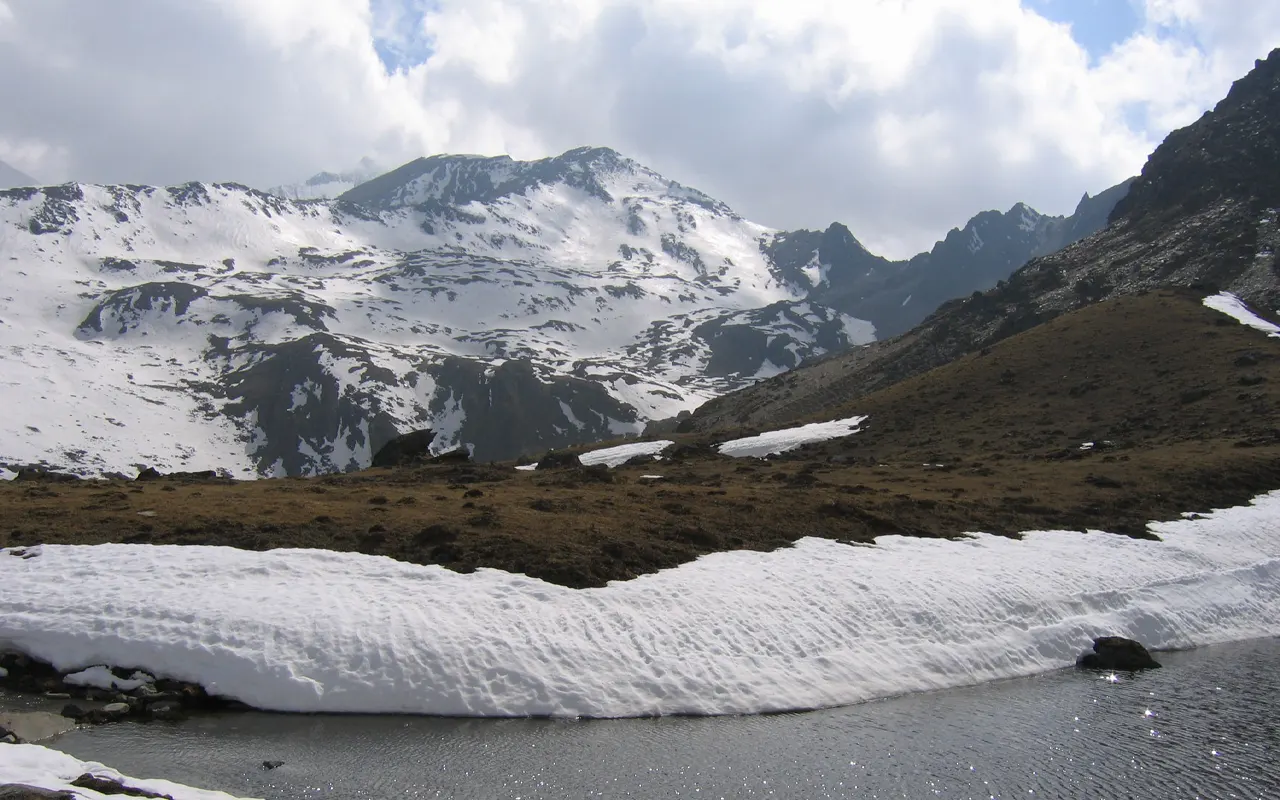
Mount Jomolhari is 7,326 meters tall and is regarded as a significant mountain in the area. This peak and Jichu Drake are visible at a short distance during the Jomolhari trek Bhutan particularly in the base camp area.
The other significant aspect of the trip is the high mountain passes. The trail crosses over Nylie La and Yeli La both above 4,800 meters. These parts involve decent physical conditioning and low pace walking.
The Jomolhari trek itineray package typically contains fees such as guides, food, camping gear and travel. This being a fully supported camping trek, the crew takes care of daily set up, cooking and logistics in remote areas.
The trail also provides an opportunity to view the wildlife like the blue sheep, takin, and various birds found in the Himalayas. There are also seasonal flowers such as blue poppy that are visible along the route depending on the time of the day that a person is traveling.
On the whole, the Jomolhari trek can be described as appropriate among the trekkers who are ready to walk long days and extreme high altitude. The adventure is a mix of nature, local culture and a guided trekking path.
Trip Highlights
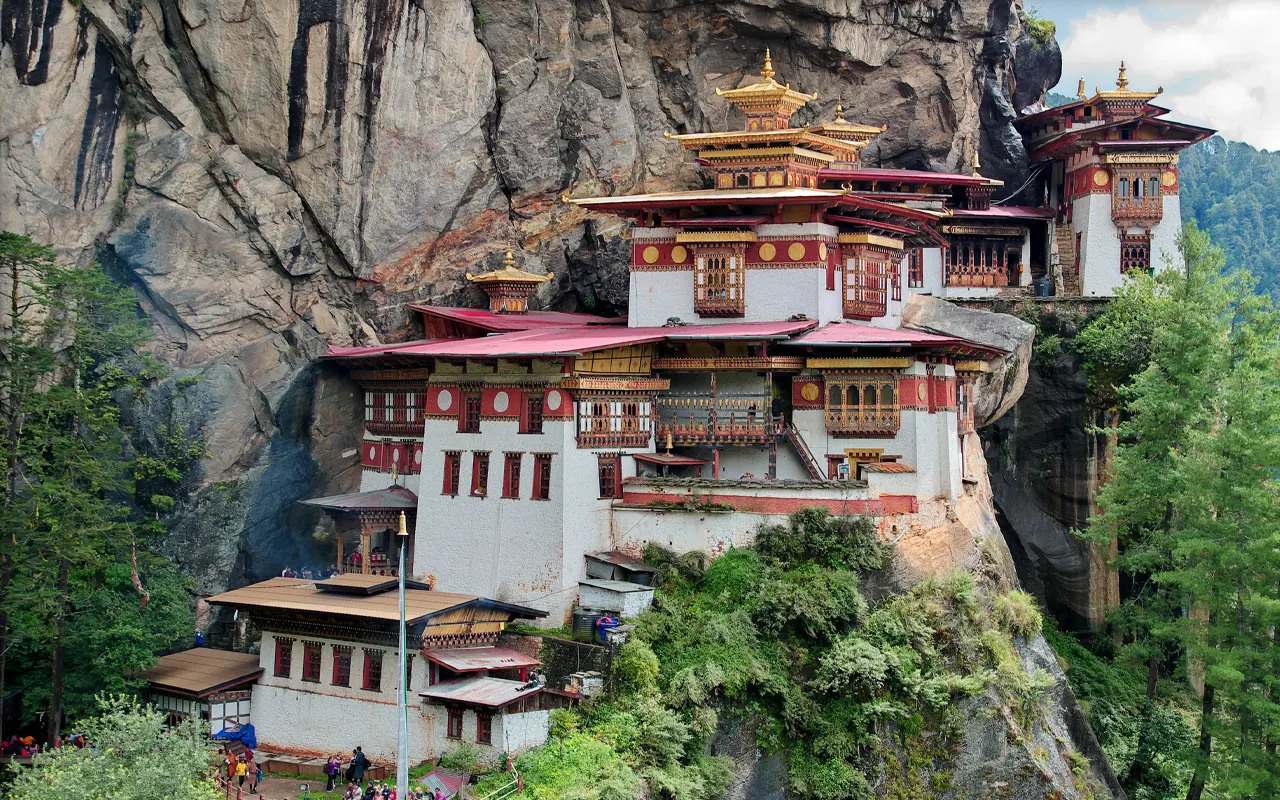
- Hike to Tiger’s Nest Monastery during the Jomolhari trek.
- Enjoy clear views of Mount Jomolhari from base camp on the Bhutan Jomolhari trek.
- Cross high passes like Nylie La and Yeli La in the Jomolhari trek itinerary.
- Walk through Jigme Dorji National Park on the Jomolhari trek Bhutan.
- Experience local village life along the trail while understanding the Jomolhari trek cost.
- Visit cultural sites like Rimpung Dzong and Lingshi Dzong.
- Follow river valleys and changing landscapes throughout the journey.
Detail Itinerary of Bhutan Jomolhari trek – 11 Days

Day 01: Arrival at Paro
Jomolhari trek starts with your arrival at the Paro international Airport where we will meet you and take you to your hotel. We will allow you some time to rest and settle after a flight after the check-in. We will have lunch later followed by a short sightseeing program in Paro Valley.
We will also go to the Rimpung Dzong, a significant cultural and administrative hub that is characterized by traditional Bhutanese architecture. After that, we will walk across a wooden cantilever bridge and continue to Kichu Lhakhang, one of the oldest temples in Bhutan. This trip makes you appreciate the culture of the place prior to the trek.
In the evening, we will walk in Paro town where you will see the local life and small shops. After that, we will go back to the hotel, pack your trekking gear and give a briefing about the trip.

Activity: Arrival, Sightseeing, 3–4 hours

Max. Altitude: 2,235m/7,333ft. Paro

Meal: Lunch, Dinner

Accommodation: Hotel
Day 02: Acclimatization Hike to Tiger’s Nest
Today, we will take an important acclimatization hike as part of the Jomolhari trek itinerary. We will start hiking to Tiger Nest monastery after breakfast and this is situated on a steep cliff on top of Paro Valley.
It is a slow ascending path through pine woods, and we shall proceed in an even pace with frequent pauses. On the road, we are able to view the valley and see prayer flags along the way. As we ascend, the monastery is seen on the cliff.
Once we arrive at the outlook and monastic grounds, we will take time and learn about its religious significance. We will then come back to Paro by the same route.
This hike is necessary to enable your body to acclimatize to the altitude prior to the commencement of the main trek. During the evening, we will go back to the hotel and get ready to the following day.
Activity: Acclimatization Hike, 5–6 hours
Max. Altitude: 3,180m/10,433ft. Tiger Nest monastery
Meal: Breakfast, Lunch, Dinner
Accommodation: Hotel
Day 03: Drive to Shana and Trek to Sio Thangthangkha
The Bhutan Jomolhari trek now starts with a brief drive of Paro to Shana, the base of the trek. Once we arrive at Shana, we will pack our gear and start walking the Paro Chhu river.
The path cuts through agricultural fields, hamlets and slowly turns into wooded regions. We will walk on a mix of flat sections and gentle ups and downs while crossing wooden bridges along the way. As we proceed, the environment is less active as we proceed to Jigme Dorji National Park.
We shall keep on walking gradually and enjoying the natural scenery. Sio Thangthangkha is another wide open area where we will be after several hours and this is where we will be camping.
We will have a nice meal that will be prepared by the team and will rest at the campsite.
Activity: Drive, Trekking, 6–7 hours trek
Max. Altitude: 3,750m/12,303ft. Sio Thangthangkha
Meal: Breakfast, Lunch, Dinner
Accommodation: Camping
Day 04: Trek to Jangothang
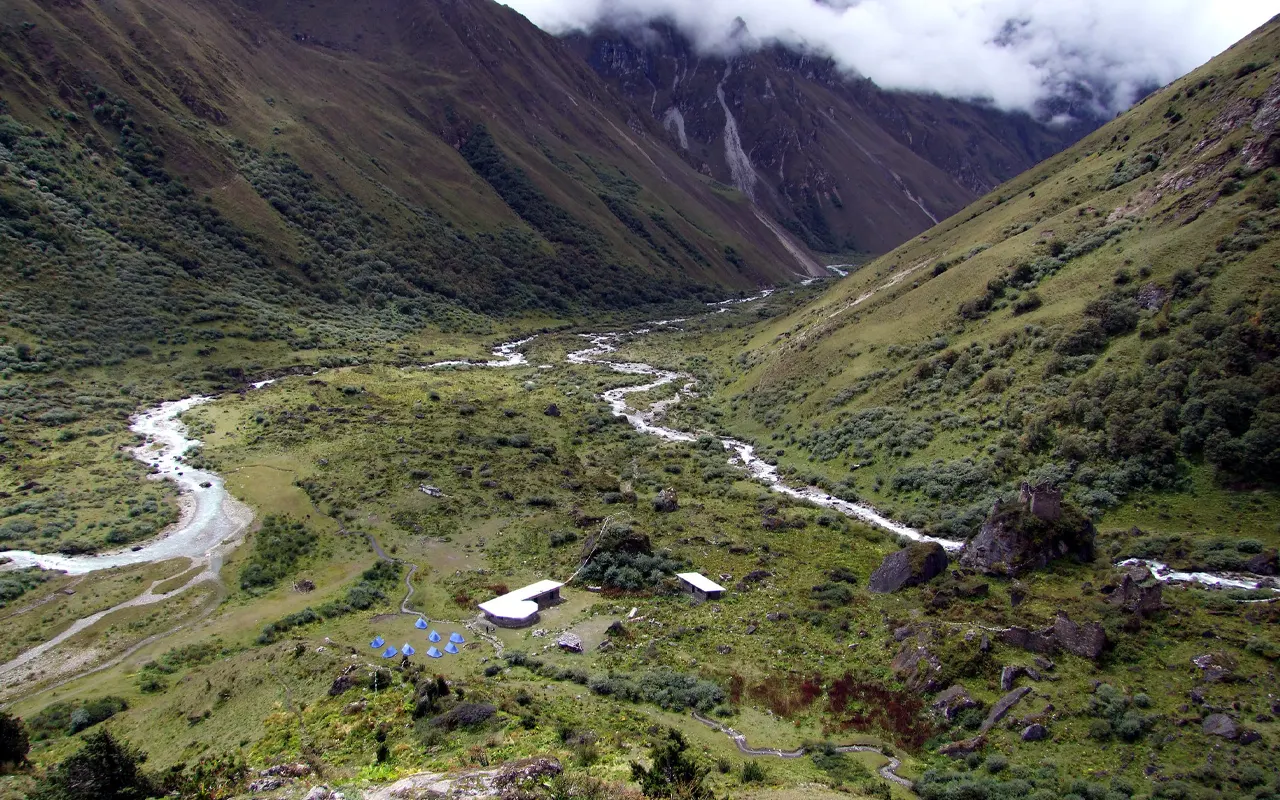
Today, we will continue the journey following the route of the Jomolhari trek Bhutan. We will start walking up the river after breakfast slowly increasing in altitude.
The path goes through little villages where the herders of the yaks reside at some seasons. The forest will get thin and we will be able to see old houses, grazing animals and open sceneries. The trail gets broader and more spacious as we approach the base camp ground.
We are going to move at a steady pace and take a rest when necessary. On our way to Jangothang the valley is expanded and the mountains around are seen clearly.
Once at the campsite we will get settled and take rest. It is a clear view of Mount Jomolhari and some of the nearby mountains, particularly in the evening light.
Activity: Trekking, 5–6 hours
Max. Altitude: 4,050m/13,287ft. Jangothang
Meal: Breakfast, Lunch, Dinner
Accommodation: Camping
Day 05: Jangothang acclimatization
Today, we will spend a rest day at Jangothang to help your body adjust during the Jomolhari trek itinerary. It is a rest day but we will keep busy with short hikes in the area.
We will then make an optional walk after breakfast to nearby viewpoints or small lakes depending on the weather and the state of the group. These short walks help improve acclimatization and reduce the risk of altitude sickness. We will walk gradually, and go back to camp to lunch.
The open valley at Jangothang has a clear view of the mountain Jomolhari and Jichu Drake. You have time to rest, make photographs and look around. In other cases, blue sheep can also be spotted grazing on neighboring hill slopes.
During the afternoon, we will take a rest and make our preparations ready to move to the next phase of the trek that involves high passes. On this day, it is important to take proper rest and hydration.
Activity: Acclimatization, Short Hike, 3–4 hours
Max. Altitude: 4,300m/14,108ft. Jangothang
Meal: Breakfast, Lunch, Dinner
Accommodation: Camping
Day 06: Hike Jangothang to Lingshi through Nylie La Pass
Today, we will cross one of the highest points of the Bhutan Jomolhari trek. We will start early in the morning and begin a gradual climb toward Nylie La Pass.
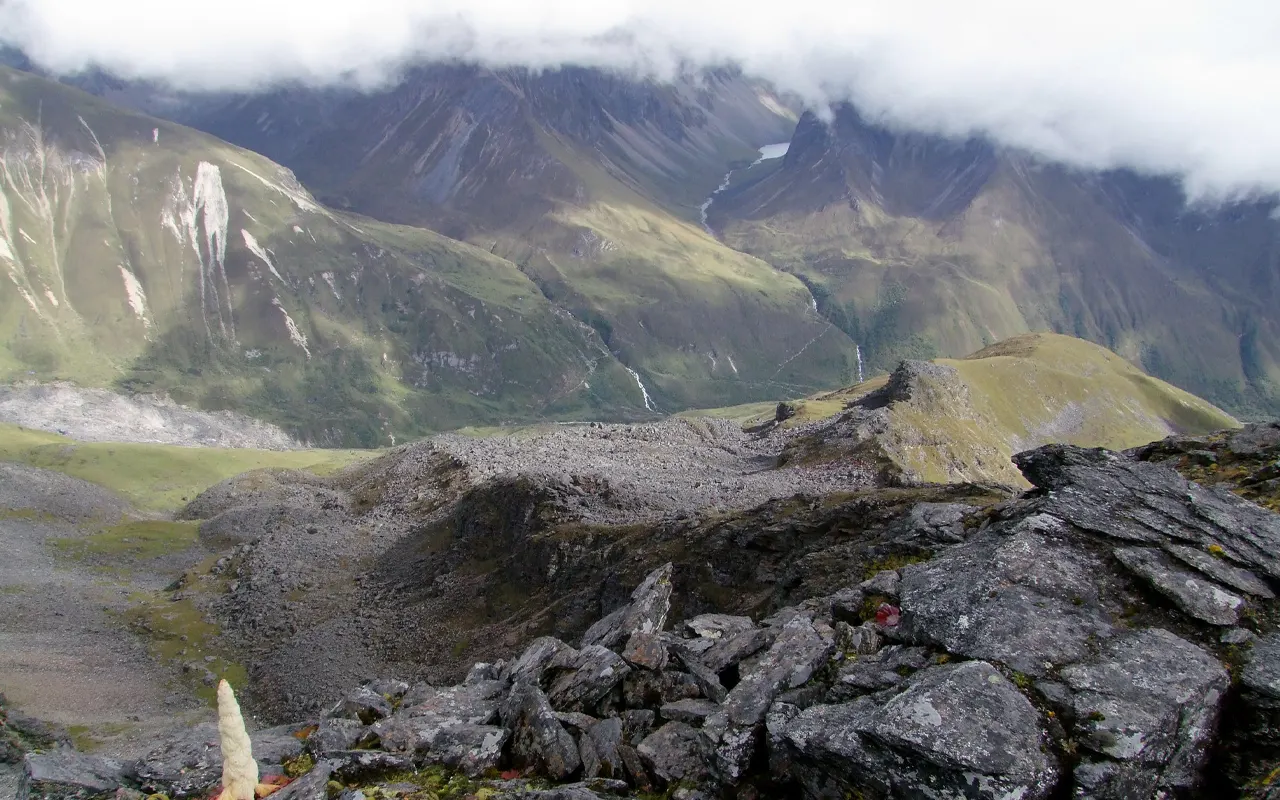
As we rise in altitude, the trail opens and becomes more open and rocky. We will walk at a slow and steady pace, taking regular breaks to manage the thinner air. The last ascent to the pass may be difficult, but we shall proceed slowly.
On arriving at the top of Nylie La, we will take a little time to have the broad mountain landscapes. During clear days, we are able to see some peaks in the distance. After that, we will begin a long descent toward Lingshi.
The descent should be taken into consideration because it is not even in all places. Once we get to Lingshi Valley, we will camp and relax overnight.
Activity: Trekking High Pass, 6–7 hours
Max. Altitude: 4,830m/15,846ft. Nylie La Pass
Meal: Breakfast, Lunch, Dinner
Accommodation: Camping
Day 07: Trek from Lingshi to Shodu via Yeli La Pass
Our present path follows a significant part of the Jomolhari trek schedule since we pass one more high pass. We will start walking at Lingshi and slowly ascend to the Yeli La Pass.
The track goes through broad valleys and open areas. We will walk at a slow pace and take breaks to deal with the altitude. The clear weather can give us a chance to see the surrounding mountains as we climb to the top of the pass.
Spending some time at the pass we shall commence a long descent towards Shodu. We pass through a river and the trail takes us through rocky water.
As we proceed, there is a gradual growth of vegetation and the environment turns green. After reaching Shodu, we will set up camp near the river and rest after a long day.
Activity: High Pass Trekking, 6–7 hours
Max. Altitude: 4,930m/16,175ft. Yeli La Pass
Meal: Breakfast, Lunch, Dinner
Accommodation: Camping
Day 08: Hike between Shodu and Barshong
Today, we will descend further along the trail during the Jomolhari trek Bhutan. Upon having breakfast we will start walking along Wang Chhu river in the forested regions.
The path passes through rhododendron, juniper and birch trees. We will walk along narrow paths and cross a few wooden bridges along the way. There are a few short climbs and descents along the route, but it is not as difficult as in previous days.
As we move forward, the air becomes warmer and the landscape changes gradually. As well, we can observe various birds on the trail.
In a few hours we shall arrive at Barshong. On a ridge towards the campsite lies the remnants of an ancient fortress. Here we will have supper and go to bed.
Activity: Trekking, 6–7 hours
Max. Altitude: 4,100m/13,451ft. Tselela Pass
Meal: Breakfast, Lunch, Dinner
Accommodation: Camping
Day 09: Trek to Dodena and Drive to Thimphu
Today, we will complete the final walking section of the Jomolhari trek itinerary. We will start with a leisurely and slow walk in forested trails after breakfast on our way to Dodena.
The route is along the Wang Chhu river and it crosses areas of thick forests. Our path will be comparatively smooth to walk than it used to be in the past days. The path consists of some moderate rises and falls and narrows down as we approach the road.
In the forest, we can observe birds and small animals on the way. We will also walk slowly and have fun on the last stretch of the trek. Our vehicle will meet us after reaching Dodena.
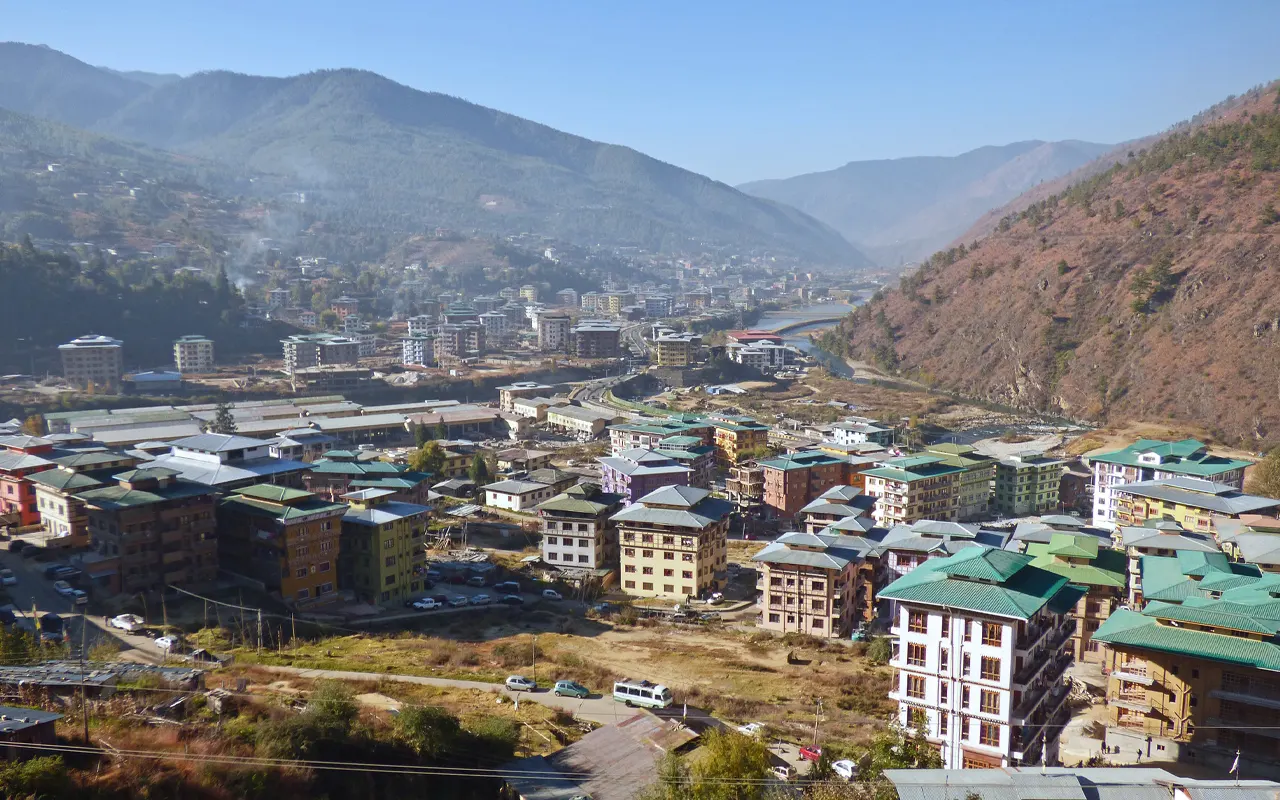
Then we will drive to Thimphu and it takes approximately two to three hours. Upon arrival we will have checked in at the hotel and rested after finishing the trekking part.
Activity: Trekking, Drive, 5–6 hours trek, 2–3 hrs drive
Max. Altitude: 3,600m/11,811ft. Dodena
Meal: Breakfast, Lunch, Dinner
Accommodation: Hotel
Day 10: Thimphu Sightseeing and Drive to Paro
Today we will visit the capital city as a part of Jomolhari trek experience. After the breakfast, we will start with a guided sightseeing tour of Thimphu.
We will also see Buddha Dordenma which is a large Buddha that is situated on a hilltop overlooking the valley. We will then proceed to the Takin Preserve where we will see the national animal of Bhutan. We will also go to Memorial Chorten where people gather to pray every day.
Then we will visit local markets where you can observe handicraft and local products. This will provide you with a clearer picture of the life of Bhutanese people.
In the afternoon, we will drive back to Paro. Upon arriving at Paro, we will enter the hotel and sleep. In the evening, we can relax and prepare for departure.
Activity: Sightseeing, Drive, Full day, 1 hr drive
Max. Altitude: 2,334m/7,657ft. Thimphu
Meal: Breakfast, Lunch, Dinner
Accommodation: Hotel
Day 11: Final Departure
Today is the last day of the Bhutan Jomolhari trek. We will make your departure out of Paro after breakfast.
We will organize your transfer to the Paro international Airport on the basis of your flight schedule. Our group will help you with hotel checkout and see that nothing goes wrong.
This day is simple and relaxed, giving you time to organize your belongings and prepare for your return journey. In case you are flying later in the day you can have some time in the morning.
We will say goodbye and wish you a safe journey ahead. You will leave with memories of mountain landscapes, local culture, and your trekking experience in Bhutan.
Activity: Departure, As per flight schedule
Max. Altitude: 2,235m/7,333ft. Paro
Meal: Breakfast
Includes & Excludes
What are included with package?
1.Accommodation
- Twin-sharing/double accommodation in a 3-star hotel for 2 nights in Paro and Thimphu including breakfast (Private room accommodation can be organized at an extra cost)
- Camping accommodation during the trek with full support staff and proper tents for the entire trekking duration
2.Meals & Drinking Water
- All your standard meals during the trek 3 meals a day (Breakfast, Lunch & Dinner) prepared by the camp kitchen team
- A farewell dinner on the last night in Bhutan
- Purified drinking water during the trek using Water Filter or water purification tablets
3.Transportation
- All airport transfers on a tourist vehicle
- All ground transportation within Bhutan as per itinerary using private vehicle
4.Guide and Staff
- Experienced, first-aid trained, government licensed, English speaking, and locally recruited Nomad Adventure Treks trekking guide
- Support staff during the trek for carrying equipment and managing camp logistics
- Wages, accommodation, meals, gear, insurance and medications for all staff
5.Medical Assistance
- Assistance in arranging rescue operations in case of complicated health conditions (funded by your own travel insurance)
- Medical kits, including an oximeter to monitor blood oxygen saturation levels in high altitudes
6.Permits
- Bhutan trekking permits for the Jomolhari region
- Jigme Dorji National Park entry permit
- All required government approvals for trekking
7.Benefits and Takeaways
- Sleeping bags and duffle bag if you do not have your own to be returned after trip completed
- Company’s T-shirt & Cap
- Trip completion certificate
8.Administrative & Taxes
- All administrative expenses and government taxes
What are not included with package?
- Lunch and dinner in Paro and Thimphu (except farewell dinner
- International flight fare to and from Bhutan
- Bhutan visa fee and related processing charges (if not included in package)
- Travel insurance along with high-altitude emergency evacuation coverage
- Medical check-ups, vaccinations, or medications required for the trek are not included
- Any beverages including bottled water, tea, coffee, and additional boiled water outside standard meals
- Tips to trekking staff and driver
- Personal trekking gear and equipment
- Any expenses other than the Price Include section
- Personal expenses (shopping, snacks, hot (Tea/Coffee) and cold drinks, hot shower, Wi-Fi, telephone call, battery recharge fee, extra porters, etc.)
- Personal clothing and gear

Note:
If you have a private group and prefer a personalized experience, we can organize a custom trip tailored to your requirements and group size, running it any day you choose.
Detail Information about Bhutan Jomolhari trek – 11 Days
The Bhutan Jomolhari Trek Weather and Best Season
The Bhutan Jomolhari trek is best done during spring (March to May) and autumn (September to November). These seasons are predictable, sunny, and the visibility is better along the trail. In spring, the woodlands and valleys are green and rhododendron flowers grow in the path. Daytime temperature is comfortable, particularly in the low altitudes.
Autumn is considered the most reliable season because the weather is dry and the mountain views are clear. It can be warm through the day, however at night it can get very cold, particularly in higher camps such as Jangothang. It is important to prepare for freezing temperatures during the night.
Summer is not suggested because it is rainy, muddy and has leechers. During winter, there is snow and may block high passes, making walking not easy. The selection of the right season guarantees you a safe and comfortable trek.
Difficulty and Altitude Sickness in Jomolhari trek
Jomolhari trek is a difficult trek because of the high altitude and the length of days of trek. The walking will be between 6 and 7 hours daily on uneven and occasionally steep paths. The road also involves going over high passes of more than 4,800 meters and this needs to be physically fit.
One of the key issues in this trek is the altitude sickness. Unless your body adapts appropriately, you might experience such symptoms as headache, dizziness, and nausea. This is the reason why it should be well acclimatized, particularly at Jangothang.
We will move at a slow pace and have frequent pauses in order to make your body get used to it. It is also significant to drink sufficient water and not to climb mountains suddenly. Guides will monitor your state and provide you with support when needed.
Insurance, Visa and Permits for Jomolhari trek
The Jomolhari trek price incorporates visa processing and majority of the permits done by the trekking firm. Bhutan requires all international travelers to book their trip through a registered tour operator.
Tourists are required to pay Sustainable Development Fee (SDF) of USD 100 per person per day, which funds environmental conservation in Bhutan and community services. One time visa fee USD 40 is also to be done in advance.
This trek is highly encouraged to be covered by travel insurance. High-altitude trekking and emergency evacuation should be included in your policy since there are few health care centres in remote locations. As the trek will be in remote locations, helicopter rescue is the only way in an emergency.
Before starting the trek, you must provide proof of insurance and required documents. Having proper documentation ensures a smooth and safe travel experience.
Health & Safety in Jomolhari trek
The Jomolhari trek schedule has been arranged in a safe manner, yet you have to ensure that you look after yourself in the course of the trek. The trek goes through remote areas where medical facilities are not available.
Guides have the first aid kits and simple medical supplies. Helicopter evacuation is employed in severe instances. You should also report to your guide as soon as you feel unwell.
Hygiene is also to be maintained. You should wash your hands regularly and use safe drinking water. Consume only boiled or treated water on the trek.
Simple and warm foods are a good way to sustain energy levels. You are also supposed to take adequate rest and not to overwork. The simple safety rules will assist you in getting through the trek without any issues.
Transportation in Jomolhari trek
The Jomolhari trek Bhutan begins at Paro, the major international entry point of Bhutan. There are few flights to Paro and they are made by the cities such as Kathmandu, Delhi, and Bangkok.
Upon arrival, we will takes care of all ground transportation. We will use private vehicles for airport transfers, sightseeing, and travel between cities.
The trek itself starts with a short drive to Shana, which is the trailhead. Once the trek is over, we will drive between Dodena and Thimphu.
Pack animals such as horses or yaks are used to transport heavy equipment and luggage during the trek. You will just have a daypack with your personal stuff. This system makes the trek more manageable and comfortable.
Your Additional Costs on the Bhutan Jomolhari Trek
The majority of the key expenses are included in the package during the Bhutan Jomolhari trek, so you need to spend some personal money. Tipping is also a widespread activity and an essential element of trekking culture. Guides, cooks and support staff normally charge on a per-day basis.
You can also use your money on buying drinks, snacks or little personal things when you are staying in cities. The package does not always include products such as soft drinks, coffee or local drinks.
Optional experiences like hot shower baths are available in some places and require extra payment. You can also purchase souvenirs which could be handicrafts or textile.
Enough cash is also advisable since the remote areas do not accept card payments. Ahead budgeting of your extra costs is an act that can make you comfortably manage your budget.
Language & Communication in Jomolhari trek
The Jomolhari trek takes place in areas where English is commonly spoken by guides and hotel staff. You will find it easy to communicate with your trekking team, and your guide will assist in communication with local people.
In the rural regions, people mainly speak the national language of Bhutan, Dzongkha. Learning a few simple words like “Ka drin che la” (thank you in Dzongkha) can be helpful and appreciated.
Most of the trekking route does not have mobile networks. It implies that you can communicate less when you are outside the urban regions.
During the trek, guides are trained to manage the communication and safety. They can provide support, information, and coordination during the journey.
Internet, Charging and Mobile Network.
Jomolhari trek schedule includes visiting remote regions where there is no access to mobile networks or the internet. In Paro, and Thimphu you might be excellently connected, but beyond that it is very poor.
Once on the hike, no network signal is expected. It implies that you cannot rely on mobile phones to communicate in the trek.
Charging facilities are generally not available on the trail, so it is best to carry power banks or solar chargers. You will need to bring power banks or solar chargers to keep your devices working.
It is best to inform your family before the trek that communication will be limited. This will make you have fun during the trip and not be stressed about connectivity.
Don’ts on This Trip
When climbing the Jomolhari trek Bhutan, one should consider respecting the local culture and traditions. It is disrespectful to point at people or religious objects and this is discouraged.
You must dress decently and behave in a low-key manner when in temples or monasteries. In certain places, photography can be limited, hence never take photos without permission.
When visiting religious sites, you should not walk in a counter-clockwise direction. Always follow the local practice of moving clockwise.
Littering should be avoided and the environment should be clean. Respecting local customs and nature helps create a positive experience for everyone.
Cultural Festivals on the Trail
The Jomolhari trek price may have a special cultural experience in case the time of your travel coincides with local celebrations. The Jomolhari Mountain Festival is one of these events that normally happens in October.
This festival is organized to promote conservation and celebrate local traditions. The residents of the surrounding villages come together to participate in traditional dance, music, and sports.
During this period, visitors can view local customs, clothing and daily life. It is a nice chance to get to know the lifestyle of highland people.
Traveling this time of year will give your trip a cultural dimension and will make the experience more worthwhile.
Tips for First-Time Visitors
Jomolhari trek needs good preparation particularly when it is your first high-altitude trek. Before the trip, you should pay attention to the development of basic fitness since you will spend a few hours a day walking on uneven surfaces.
We will recommend to pack in layers to enable you to adapt to the changing temperatures. Mornings and evenings may be colder whereas daytime may be warmer. This trek requires a good sleeping bag, comfortable boots, and waterproof clothes.
You need to walk slowly and not hurry, this will make your body adapt to the altitude. The trip will be less strenuous with a lot of water consumption and frequent breaks.
Also, it is better to bring some personal things such as snacks, basic medicine, and hygiene items. Preparation will make you feel more relaxed and enjoy the trek.
Frequently Asked Questions
What is the maximum weight limit for my personal trekking gear?
You must restrict your personal duffel bags to a maximum of 15 kg. Pack animals carry these bags over steep, dangerous trails.
What kind of food does the chef serve during the trek?
The camp chef prepares fresh, carbohydrate-rich meals daily. You enjoy porridge, eggs, rice, local vegetables, and traditional Bhutanese dishes like Ema Datshi.
How many people share a single sleeping tent?
The company assigns two trekkers of the same gender to share one open sleeping tent. Solo trekkers pay an additional fee for a single tent.
Are there bathroom facilities on the trekking trail?
The support crew erects a dedicated, portable toilet tent at every campsite. These simple pit toilets maintain strict hygiene standards in the wilderness.
How do trekkers maintain personal hygiene without showers?
Daily showers remain impossible on the trail. The crew provides warm water in small bowls every morning and evening for basic washing.
Is the drinking water safe on the trail?
The kitchen staff rigorously boils and filters all drinking water provided at the campsites. You fill your reusable bottles every morning safely.
Do I need technical climbing gear for the high passes?
You do not need technical mountaineering gear. You only need standard, high-quality hiking boots, trekking poles, and appropriate warm clothing.
Can I charge my camera batteries during the trek?
The campsites completely lack electrical infrastructure. You need to carry large capacity portable power banks or solar chargers to ensure that your devices are fully charged.
What will become of me should I fail to pass across the mountain pass?
Experienced assistant guides take instant action to get struggling trekkers safely down to a lower altitude. Helicopter evacuation is still in place in case of severe cases of altitude sickness.
Will we see snow leopards on the trek?
The trail goes through excellent snow leopard habitat. However, these elusive predators avoid humans, making actual sightings extremely rare for visiting trekkers.
Do I need a separate sleeping bag?
You must bring your own four-season sleeping bag rated for -20°C. The agency provides thick foam mattresses to insulate you from the ground.
Can Indian nationals trek this route?
Permit rules can vary based on nationality and current regulations. Before booking it is better to verify with a licensed Bhutanese tour operator.
Does Bhutan permit independent trekking?
Bhutan has now opened up to independent travel, although trekking operations are usually organized by licensed local agencies there due to logistics, permit, and safety considerations.
How much cash should I bring on the trek?
You need cash only for crew tips and souvenirs. Bring approximately USD 200 to 300, converted to local Ngultrum before leaving Paro.
Are hiking poles necessary for this terrain?
The steep ascents and jarring descents on the Nylie La and Yeli La passes make sturdy trekking poles absolutely essential for maintaining balance.
Will I have any cell service during emergencies?
Cellular networks vanish completely on the trail. Guides carry satellite communication devices to contact emergency rescue services and coordinate helicopter evacuations.
Are there leeches on the trail?
Leeches only plague the trails during the wet summer monsoon season. You will not encounter leeches during the recommended spring or autumn seasons.
Can I wear shorts while trekking?
You can wear shorts on the wilderness trail. You must wear long pants and long sleeves when visiting Dzongs, temples, or highland villages.
Does the altitude affect medications?
High altitudes alter how the body metabolizes certain prescription drugs. You must consult your physicians regarding dosage adjustments before attempting high elevations.
Can I fly a drone to capture the mountains?
The Bhutanese government strictly prohibits tourists from flying drones anywhere in the country without extensive prior authorization from the civil aviation authority.
Reviews on Bhutan Jomolhari trek – 11 Days
 Write a Review
- Your safety, our no 1 priority
- Best price guarantee
- Experienced & dedicated team
- Easy booking, no hidden charge
- You can customize this trip
Talk to Travel Expert Samundra Rimal (+977-9843127084)