

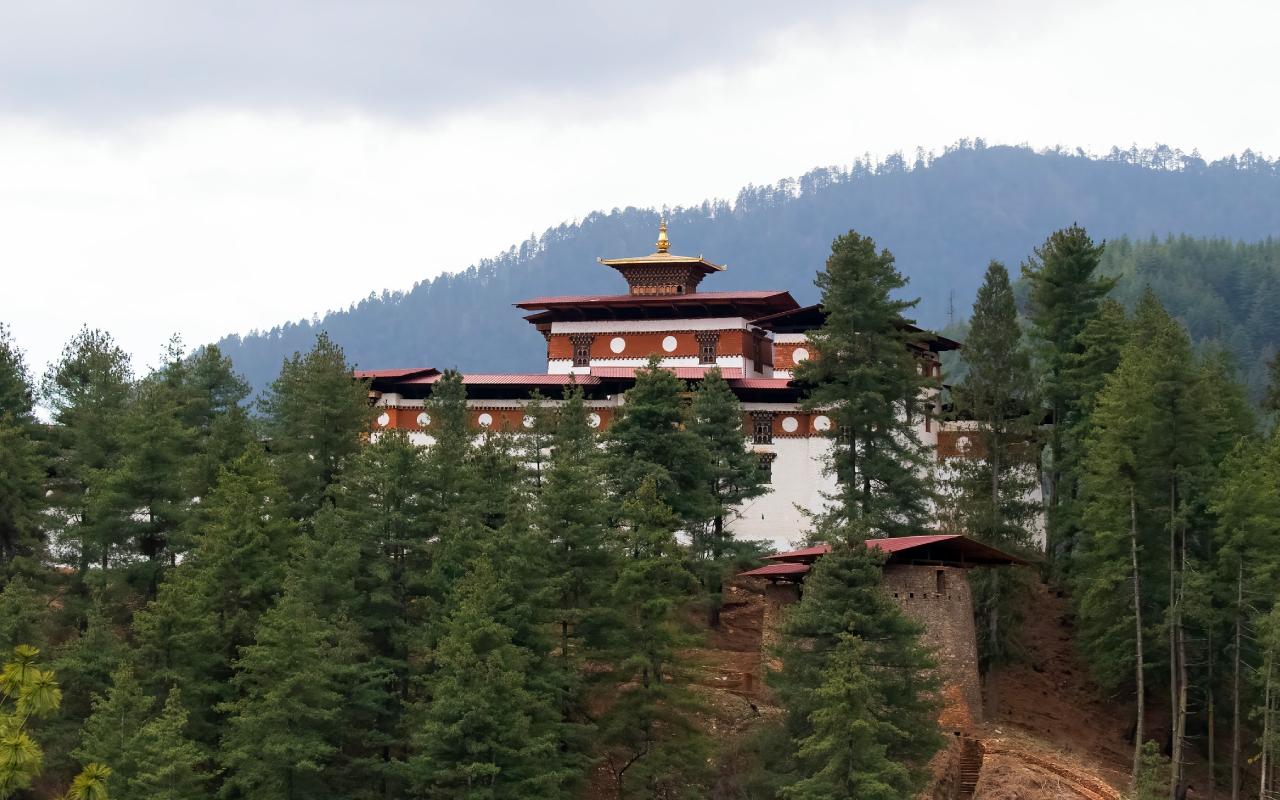


Bhutan Snowman Trek – 30 Days

Duration
30 Days

Max Altitude
5,320 m. / 17,454 ft.

Difficulty
Difficult

Group Size
1-16 Pax

Meals
- 29 Breakfast
- 28 Lunch
- 28 Dinner

Accommodation
- Hotel
- Camp

Transportation
Private Vehicles

Activities
- Trekking

- Your safety, our no 1 priority
- Best price guarantee
- Experienced & dedicated team
- Easy booking, no hidden charge
- You can customize this trip



Talk to Travel Expert Samundra Rimal (+977-9843127084)
Introduction of Bhutan Snowman Trek – 30 Days
The Bhutan Snowman trek is a 30-day trek through some of the remotest and highest parts of Bhutan. The trail extends beyond the Laya Gasa route into the isolated Lunana district, allowing trekkers a chance to explore very few people visited areas.
Along the way, you will traverse rough mountain paths, climb over several passes above 5,000 meters, and camp in open alpine meadows in the shadow of tall mountains. This trek is very difficult, and few trekkers manage to complete it every year.
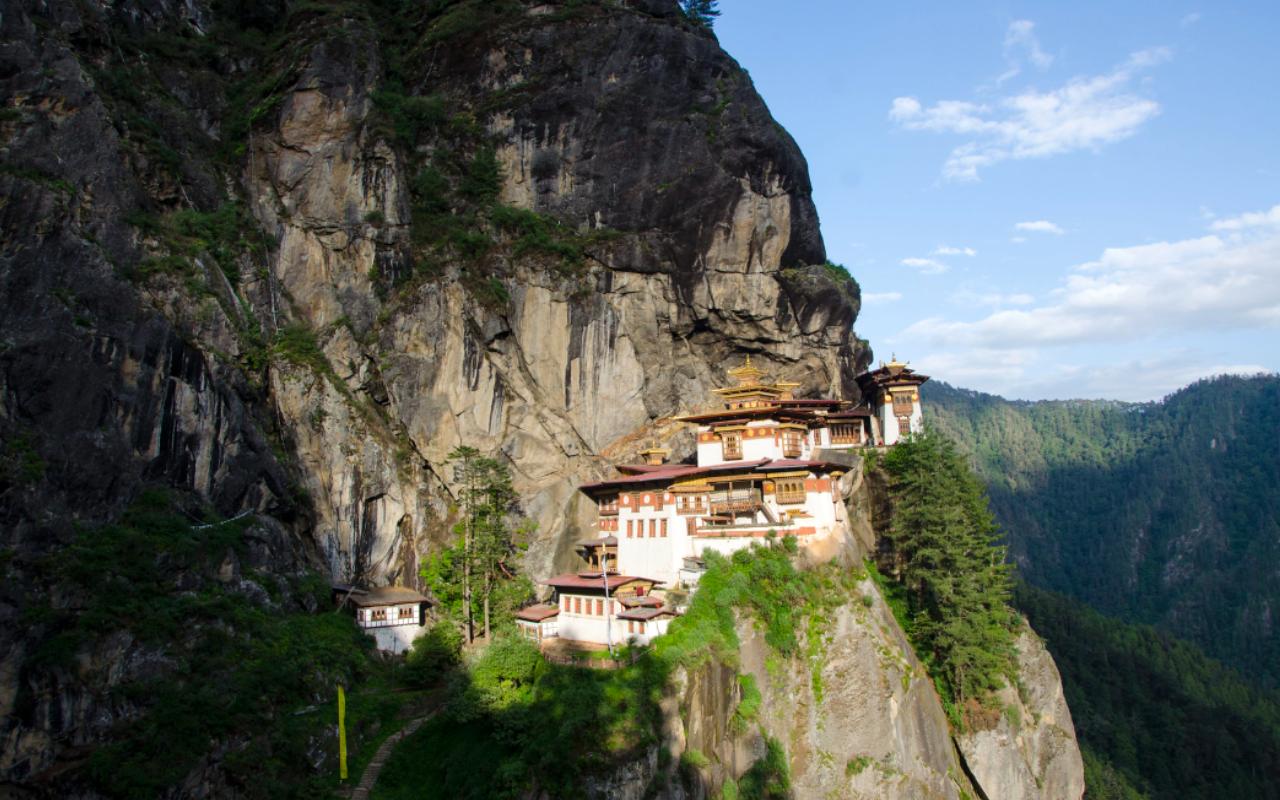
The Bhutan Snowman trek starts in the Paro Valley, where you can acclimatize and visit some of the local cultural sites such as the Tiger’s Nest Monastery. The trail passes through dense forests, along glacial rivers, and over the tree line into high altitude landscapes.
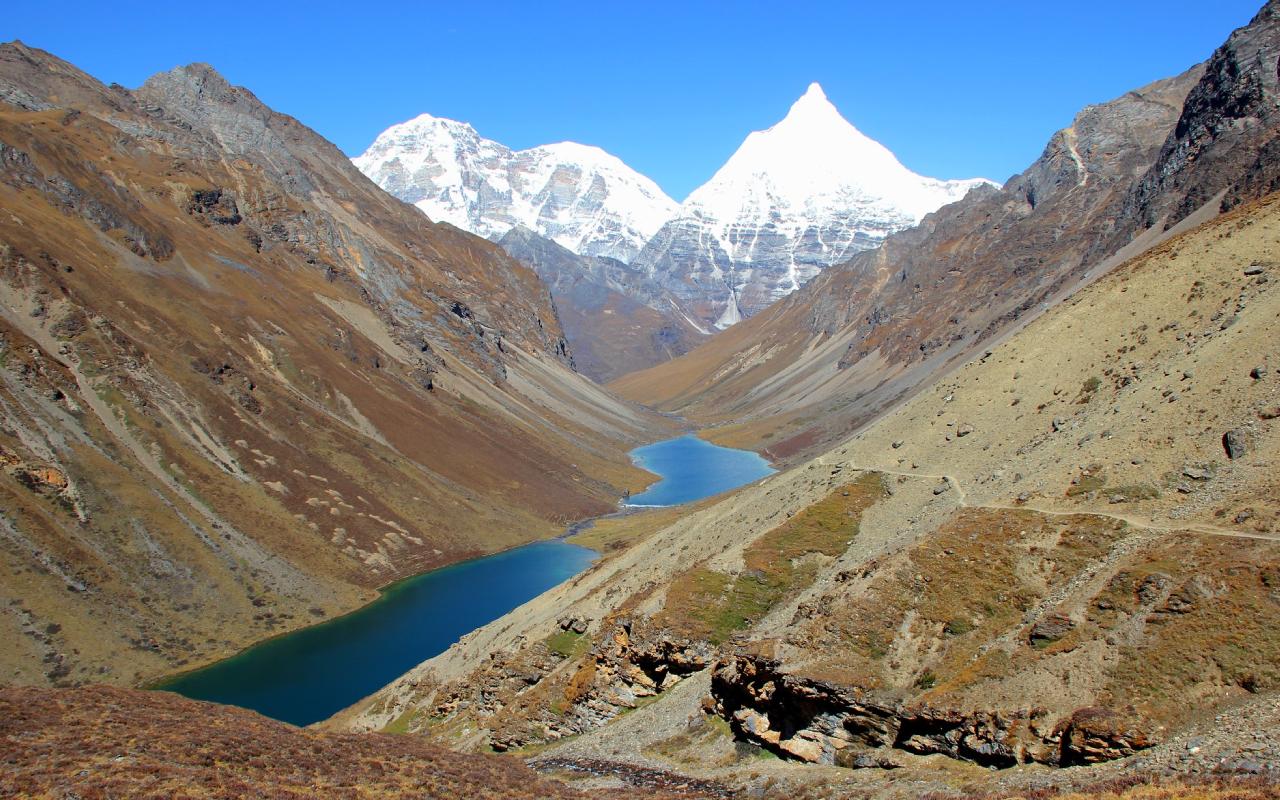
You will pass small villages like Laya and Thanza, where you can meet the locals who are living in these remote areas. Along the route of the Snowman trek, you will see sacred peaks such as the Jomolhari and Gangkar Puensum, as well as clear glacial lakes rarely visited by an outsider.
During the Bhutan Snowman trek, you will be accompanied by a trained guide, porters or pack animals, and a camp team from Nomad Adventure Treks. They handle permits, set up tents, and cook meals – so you can just focus on hiking and taking in the mountains. Nights are spent camping in high valleys under the stars, and at the start and end of the trek, you will stay in comfortable local hotels in Paro, Punakha, and Thimphu.
Daily walks vary between five and eight hours, with steep climbing and descending. The highest point of the trek is Rinchen Zoe La, at an altitude of 5,320 meters, and there are a number of other passes over 5,000 meters.
The itinerary has rest days at Jangothang, Laya, and Thanza to let your body adapt to the altitude. Even with careful planning, trekkers should be on the lookout for signs of altitude sickness.
The Snowman trek will provide an opportunity to explore the natural Bhutan sceneries in a secluded environment. You will observe rivers and glaciers, broad valleys, and listen to the sounds of running streams and wind in the mountains, as well as the everyday life of mountain communities. The trip is difficult in terms of stamina, patience, and planning, but one can also have a silent experience with the land and the local people.
The Bhutan Snowman trek is suitable for the experienced trekker who is ready to trek long distances, operate at high altitudes, and trek in remote conditions. It offers an opportunity to explore the high mountains of Bhutan in a safe manner with a guide and support at every part of the route.
Trip Highlights
- Trek across 11 high mountain passes, including Rinchen Zoe La (5,320 m) – the true rooftop of Bhutan.
- Scenic Tiger’s Nest hike in Paro to kick off the adventure with a cultural highlight.
- Wonderful views of Himalayan peaks like Jomolhari, Jichu Drake, and the remote Gangkar Puensum.
- Discover the culture of Laya village that is not found anywhere in the world, get acquainted with hardy locals in traditional outfits who dwell at 3,800 m.
- Camp along clear turquoise lakes and glacier-filled rivers in remote alpine valleys.
- Possible sightings of wildlife such as blue sheep, Himalayan birds, and seasonally the takin, along with a variety of colorful high-altitude wildflowers.
- The experience of a lifetime, an expedition of the most difficult and fulfilling journey on Earth.
Detail Itinerary of Bhutan Snowman Trek – 30 Days

Day 01: Arrival in Paro (2,200 m)
Our adventure of Snowman Trek will start with the spectacular flight into Paro, which is one of the most scenic mountain airports in the world. Our Bhutanese guide will welcome us at the airport and take us to our hotel in the Paro valley. The remaining day will be maintained with ease to allow us to adapt to international travelling.
We will relax, have a leisurely stroll around the serene environment, or go for a short walk at the Paro Chhu River and around the Paro town. We will have a welcome dinner in the evening and a detailed briefing about the trek ahead.

Max. Altitude: 2,200m/7,218ft.

Meal: Dinner

Accommodation: Hotel
Day 02: Acclimatization Hike to Tiger’s Nest Monastery (3,120 m)
We will trek today to the legendary Tiger’s Nest Monastery, which is one of the most sacred and remarkable places in Bhutan. We will drive to the trailhead after breakfast and start a slow ascent in pine forests, and in the forest, there will be prayer flags. Regular breaks will be taken to have time to see the views and have adequate acclimatization.
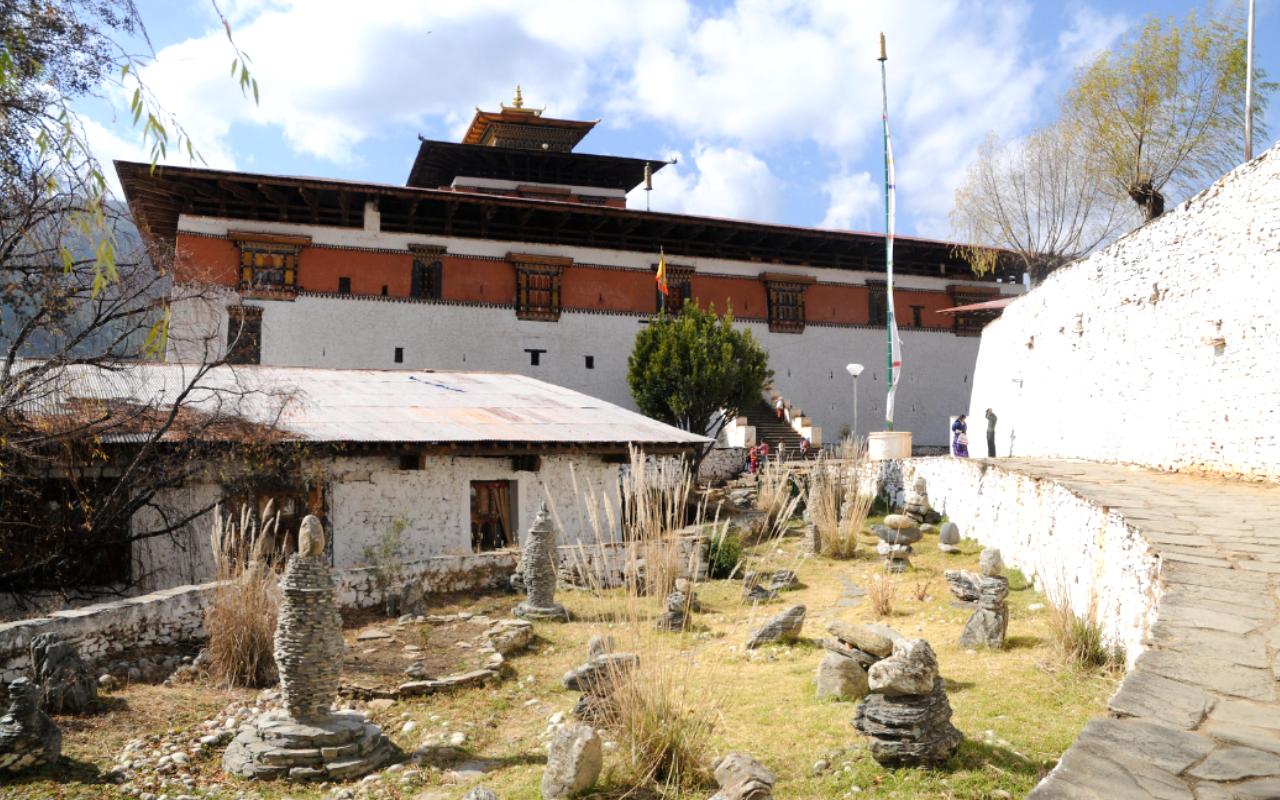
After arriving at the monastery, we will visit the complex of temples and find out about the spiritual meaning of the building. We will also see Rinpung Dzong and the National Museum (when time permits) after the descent. We will come back to our hotel in Paro and spend a comfortable night there.

Activity: 5 hrs hike
Max. Altitude: 3,120m/10,236ft. Tiger’s Nest Monastery
Meal: Breakfast, Lunch, Dinner
Accommodation: Hotel
Day 03: Drive to Sharna Zampa and Trek to Camp (Gunitsawa Village, 2,580 m)
Following breakfast, we will drive northwards to Drukgyel Dzong and on to Gunitsawa Village, the starting point of our walk. The permits for our trek will be reviewed here before we start walking in earnest. We will trace the Paro Chhu river through pine and spruce forests and have our first experience of the Bhutan wilderness.
The path is easy, and we get into the trekking pace. Our initial campsite will be near Sharna Zampa by the end of the afternoon. We will rest, have dinner prepared by our crew, and spend our first night in our camp in the mountains.
Activity: 1-2hrs trek & 1hr drive
Max. Altitude: 2,580m/8,465ft. Gunitsawa Village
Meal: Breakfast, Lunch, Dinner
Accommodation: Camp
Day 04: Trek to Thangthangkha (3,610 m)
We will proceed to trek up and down the Paro Chhu as the valley expands slowly and the scene turns more alpine. The path cuts through forests, open fields, and small yak herder villages. Our walk will be gradual, in order to gradually gain altitude to allow acclimatization.
On clear days, we can view snowcapped mountains rising in the distance along the way. Several hours of hiking will bring us to Thangthangkha campsite, a broad valley with great mountain views. We will take our time, have a hearty lunch, and make our way toward greater heights.
Activity: 7-8hrs trek
Max. Altitude: 3,610m/11,844ft. Thangthangkha
Meal: Breakfast, Lunch, Dinner
Accommodation: Camp
Day 05: Trek to Jangothang (4,080 m) – Jomolhari Base Camp
Today, we will trek toward one of the most admirable base camps in the Himalayas. As we proceed upstream, the scene grows more and more dramatic, with broad valleys, the yaks grazing, and the mountains forming the background. The path is smooth and pleasant, and we are able to pass by the scenery of Mount Jomolhari and Jichu Drake, gradually appearing in the view.
In the afternoon, we will reach the Jangothang, also referred to as Jomolhari Base Camp. We will camp under the huge face of Jomolhari and pass the evening immersing in the spectacular high mountain surroundings.
Activity: 5-6hrs trek
Max. Altitude: 4,080m/13,386ft. Jangothang
Meal: Breakfast, Lunch, Dinner
Accommodation: Camp
Day 06: Acclimatization Day at Jangothang (4,080 m)
Today will be used for acclimatizing at Jangothang to enable our bodies to become accustomed to the altitude. During the morning, we will have an optional hike to the surrounding ridges or glacier lakes, ascending to a higher position slowly and descending to the camp.
These brief ascents are necessary for safe acclimatization, and they provide the breathtaking panoramic view of the surrounding mountains. The afternoon is free time to rest, to visit and explore the valley, take pictures of the landscape, or check on blue sheep and other wild animals.
We will spend another serene night under Mount Jomolhari, in anticipation of the difficult passes ahead.
Activity: 3-5hrs optional hike
Max. Altitude: 4,080m/13,386ft. Jangothang
Meal: Breakfast, Lunch, Dinner
Accommodation: Camp
Day 07: Trek to Lingshi (4,010 m) via Nyile La (4,870 m)
The day will start with a slow ascent to Nyile La Pass, one of our initial significant high altitude crossings. The scenery continues to widen out as we climb, and our mountains are snow-white caps with glacial valleys that extend in every direction. Once we get to the pass, we will come down into the Lingshi basin by a beautiful road to Lingshi village.
As we pass by, we can see herds of yaks grazing on high country slopes. Our camp will be situated close to Lingshi, where we will have glimpses of Lingshi Dzong standing high above the valley and making a breathtaking and unforgettable sight.
Activity: 6-7hrs trek
Max. Altitude: 4,870m/15,978ft. Nyile La
Meal: Breakfast, Lunch, Dinner
Accommodation: Camp
Day 08: Trek to Chebisa (3,880 m) – A Leisurely Day
In the morning, we will visit Lingshi village and hopefully walk up to Lingshi Dzong to get a view of the valley. Then we will proceed trekking to Chebisa, which is a delightful village with its lovely waterfall and ancient stone houses. The path is wavy across the alpine meadows and over the grazing of local herders.
In the afternoon, we will reach Chebisa and have an opportunity to visit the village and socialize with the locals. The campsite is located close to the village to provide a serene setting with mountains and prayer flags.
Activity: 5-6hrs trek
Max. Altitude: 3,880m/12,730ft. Chebisa
Meal: Breakfast, Lunch, Dinner
Accommodation: Camp
Day 09: Trek to Shomuthang (4,220 m) via Gobu La (4,410 m)
We will leave Chebisa and start gradually ascending to Gobu La Pass. We will climb slowly but steadily, with a wonderful view of the surrounding valleys and ridges. When we go over the pass, we will get into a remote, glacial valley that is more wild and untouched. The scenery is rougher, and there is less indication of human habitation.
We will go along the valley floor to the Shomuthang campsite, a level plain enclosed by high mountains. It is a small and distant camp, and a sign of our further penetration into the high Himalaya of Bhutan.
Activity: 6-7hrs trek
Max. Altitude: 4,410m/14,469ft. Gobu La
Meal: Breakfast, Lunch, Dinner
Accommodation: Camp
Day 10: Trek to Robluthang (4,160 m) via Jhari La (4,750 m)
We will pass Jhari La Pass today, another difficult but very rewarding climb. The path leads consistently up through the rocky tracks up to the pass, where we shall reward our eyes with panoramic sceneries of the snowfields and the far mountains. We will start on the peak of the mountain and make our way down the valley of Tsheri Jathang, a safe place that is a summer home of the rare takin.
We are going to cross broad alpine meadows before we arrive at Robluthang campsite. This elevated camp is located under the dramatic mountain walls and provides a real feeling of isolation and wilderness.
Activity: 6-7hrs trek
Max. Altitude: 4,750m/15,584ft. Jhari La
Meal: Breakfast, Lunch, Dinner
Accommodation: Camp
Day 11: Trek to Limithang (4,140 m) via Sinche La (5,005 m)
We will begin early on one of the hardest days we have yet faced as we ascend to Sinche La Pass, more than five thousand meters high. It is a gradual yet long climb, which enables us to keep the rhythm steady. We will have a spectacular view of the Gangchhenta, or Tiger Mountain, at the pass.
Then we will go down through the knobbled mounds of rocks and glacial moraines to Limithang. The camping location is in a large valley and under the towering mountains, giving a vivid scene of rest and relaxation after a hard and fulfilling day.
Activity: 6-7hrs trek
Max. Altitude: 5,005m/16,421ft. Sinche La
Meal: Breakfast, Lunch, Dinner
Accommodation: Camp
Day 12: Trek to Laya (3,840 m)
Today we shall go a long way, as we hike toward the high-country hamlet of Laya. The road leads along the river, passing through forests and open slopes, gradually showing the valleys of terraced lands and stone houses.
We will come closer to Laya and notice the special dressing and practices of the Layap people, as they have a different culture compared to that of the rest of Bhutan.
We will arrive by early afternoon and camp near the village. The remaining day will be at liberty to sightsee in Laya, socialize with the locals, and experience a panoramic view of the surrounding mountains.
Activity: 4-5hrs trek
Max. Altitude: 3,840m/12,598ft. Laya
Meal: Breakfast, Lunch, Dinner
Accommodation: Camp
Day 13: Rest and Acclimatization Day in Laya (3,840 m)
Today will be spent in rest and acclimatization in the town of Laya, a key station on the way to even deeper areas. During the morning, we can make a short walk through the village, go to the local houses, or hike to the nearby vistas of the valley. This free day gives us the opportunity to rest physically and get to know more about the traditional lifestyle of the Layap people.
Afternoon will be leisurely, and we will have time to take in the calming mountain atmosphere. We will have dinner in the evening and get ready to face the more difficult parts of the trek to come.
Max. Altitude: 3,840m/12,598ft. Laya
Meal: Breakfast, Lunch, Dinner
Accommodation: Camp
Day 14: Trek to Rhoduphu (4,160 m)
Our journey will start, abandoning Laya, into more remote ground. The path then follows the river and then rises steadily through the thick rhododendron and conifer forests. As we ascend in elevation, the vegetation becomes sparse, and we start seeing the Alpine landscapes. The road is winding and picturesque, and there are glimpses of mountains and deep valleys.
Towards the end of the afternoon, we will arrive at Rhoduphu campsite, which is a wide open space with mountains. We will pass this camp and move into a wider and more unexplored part of the Snowman Trek tomorrow.
Activity: 6-8hrs trek
Max. Altitude: 4,198m/13,773ft. Rhoduphu
Meal: Breakfast, Lunch, Dinner
Accommodation: Camp
Day 15: Trek to Narethang (4,900 m) via Tsomo La (4,900 m)
After breakfast, we will ascend slowly to Tsomo La Pass, traversing high alpine country interspersed with rocky outcrops and little lakes. The climb is gradual and gives time to acclimatize to the altitude. The pass will give us very wide panoramic sceneries of the surrounding mountains before we slowly go down to the Narethang campsite.
This camp is at an extremely high altitude and often cold and windy due to its exposed location, although it provides a spectacular mountain view. We will arrive by early afternoon, rest well, and keep activity light to prepare for the highest pass of the trek.
Activity: 5-6hrs trek
Max. Altitude: 4,900m/16,076ft. Tsomo La
Meal: Breakfast, Lunch, Dinner
Accommodation: Camp
Day 16: Trek to Tarina (3,970 m) via Gangla Karchung La (5,120 m)
Today we will cross Gangla Karchung La, one of the highest passes of the Snowman Trek. We will begin at an early hour and slowly ascertain the mountainous passages as the atmosphere grows thinner. One of the highlights is to reach the pass where the views of glaciers and the Himalayan mountains around are incredible.
We will go down into the valley of the Tarina very slowly after some time at the top. As we lose altitude, the landscape changes radically to greener valleys and running streams. By afternoon, we will arrive at Tarina campsite, where we will rest after a memorable crossing.
Activity: 5-6hrs trek
Max. Altitude: 5,120m/16,798ft. Gangla Karchung La
Meal: Breakfast, Lunch, Dinner
Accommodation: Camp
Day 17: Trek to Woche (3,910 m)
Today, the trail will take us downstream through the lovely woods, falls, and valleys covered with moss as we head toward the Lunana region. The route is picturesque and not as challenging as the last few days, so we can enjoy the environment. On the road, we can see yak herders and small seasonal villages.
In the afternoon, we will reach Woche, one of the first permanent villages in Lunana. We will camp close to the village and can spend some time seeing the place, watching the local people, and enjoying the quietness of this remote Himalayan village.
Activity: 6-7hrs trek
Max. Altitude: 4,170m/13,681ft. Woche
Meal: Breakfast, Lunch
Accommodation: Camp
Day 18: Trek to Lhedi (3,700 m) via Keche La (4,650 m)
Today, our route will start with a progressive climb to Keke La Pass, ascending via open alpine terrain. We will go down out of the pass into a broad valley, with a glimpse of the high peaks of Lunana. Then it goes along the river, along pastures of yak and little hamlets.
In the afternoon, we will arrive at Lhedi village, one of the largest of the Lunanian settlements. Lhedi is located in a fertile valley and provides an insight into the traditional life of high altitude farming. After a full day of trekking, we will camp close to the village and have a relaxing evening.
Activity: 6-7hrs trek
Max. Altitude: 4,650m/15,256ft. Keche La
Meal: Breakfast, Lunch, Dinner
Accommodation: Camp
Day 19: Trek to Thanza (4,150 m)
Today, we will go further into the very core of Lunana, along the valley into Thanza. The trail goes through Chozo village and opens up into a wide glacial basin composed of high mountains. Thanza is situated at the feet of the impressive Table Mountain and is amongst the most picturesque villages along the trek.
We will come down in the afternoon and make camp outside the village. The rest of the day will be at liberty to rest, wander, and appreciate the mountain range drama that surrounds this isolated village.
Activity: 7-8hrs trek
Max. Altitude: 4,150m/13,615ft. Thanza
Meal: Breakfast, Lunch, Dinner
Accommodation: Camp
Day 20: Rest Day in Thanza (4,150 m)
Today we will have a rest day at Thanza to rest and prepare ourselves for the final crossings of the high passes. Mornings can be used to tour the village, go through local houses, or stroll to nearby vistas. It is also a good moment to rearrange equipment and give rest to pack animals.
There are great photo opportunities in the surrounding landscape, as one can see glaciers, lakes, and rugged mountains everywhere. We will maintain a light activity during the day and have a lively evening at camp, and fatten up a bit more to take away the strenuous days that await us.
Max. Altitude: 4,150m/13,615ft. Thanza
Meal: Breakfast, Lunch, Dinner
Accommodation: Camp
Day 21: Trek to Danji (4,230 m)
We will leave Thanza and start a shorter day of trekking to Danji. It goes through the open alpine terrain and through yak grazing fields and has wide-open views of the surrounding mountains. It is a comparatively simple and picturesque stroll, wherein we may proceed at a restful speed.
Danji is a seasonal yak herder camp, not a permanent village, and this provides us a real-life experience of the high Himalaya. We will reach early in the afternoon and will be able to rest and have time to enjoy the quiet atmosphere and get ready to go over another high pass the next day.
Activity: 3-4hrs trek
Max. Altitude: 4,230m/13,878ft. Danji
Meal: Breakfast, Lunch, Dinner
Accommodation: Camp
Day 22: Trek to Tshochena (4,970 m) via Jaze La (5,150 m)
Early the next day, we will begin the long hike to Jaze La Pass, one of the highest points in the trek. It is not a quick climb, and it is challenging, but the reward is some of the best mountain views.
Below the pass, we will make our way to the beautiful Tshochena Lake, amongst the most beautiful high altitude lakes found in Bhutan. The camping site is close to the lake, with snow-covered peaks and open alpine vegetation. We will arrive in the afternoon and spend the evening calmly on the lake, savoring the quiet and isolated air.
Activity: 5-6hrs trek
Max. Altitude: 5,150m/16,896ft. Jaze La
Meal: Breakfast, Lunch, Dinner
Accommodation: Camp
Day 23: Trek to Jichu Dramo (5,050 m)
We will pass through some high alpine terrain today as we head towards Jichu Dramo. It also follows a Loju La Pass and proceeds through rocky terrains and vast valleys. During the day, the altitude is high, and we shall take it slow and steady. The landscape is rough and dramatic, and glaciers and peaks take over the horizon.
In the afternoon, we will arrive at Jichu Dramo campsite that is among the highest camps on the trek. We will sleep well, with the understanding that we are yet to enter the highest Pass.
Activity: 4-5hrs trek
Max. Altitude: 5,050m/16,568ft. Dramo
Meal: Breakfast, Lunch, Dinner
Accommodation: Camp
Day 24: Trek to Chukarpo (4,600 m) via Rinchen Zoe La (5,320 m)
Today is a difficult but one of the most rewarding days of the Snowman Trek. We will ascend to Rinchen Zoe La, the highest point of the road. At the summit, we might see panoramic views of Gangkar Puensum, the tallest unclimbed mountain in the world, if weather conditions allow.
We shall then, after a celebration with our teammate on this great success, we will go down a deep, narrow valley. After a long descent, we will eventually reach Chukarpo campsite, where we will take some rest after we have achieved the last major pass of the trek.
Activity: 5-6hrs trek
Max. Altitude: 5,320m/17,454ft. Rinchen Zoe La
Meal: Breakfast, Lunch, Dinner
Accommodation: Camp
Day 25: Trek to Thampe Tsho (4,300 m)
We will keep on passing through valleys and forests, then attain heights once more to Thampe Tsho, a religious high altitude lake. The trail also provides varying landscapes and includes rocky landscapes as well as grassy overhangs and woodland areas. When we get to the lake, we will camp in a serene environment that is mountainous.
Thampe Tsho is spiritually important to local populations, and the serene landscape is indicative of that. We will use the evening relaxing in the peaceful environment and thinking about the great adventure we have had on our way to one of the most remote parts of Bhutan.
Activity: 5-6hrs trek
Max. Altitude: 4,300m/14,108ft. Thampe Tsho
Meal: Breakfast, Lunch, Dinner
Accommodation: Camp
Day 26: Trek to Maurothang (3,610 m) via Thampe La (4,600 m)
Today, we will cross the Thampe La Pass, which will be the last mountain pass in the trek. It is a gradual climb, which is not as challenging as past high passes. We will descend to the forested regions near Maurothang, which is at the top. The scenery is turned greener, and we slowly start to descend to our lower level.
Our last camp on the route is Maurothang, and the feeling of achievement is high as we approach the finish of the Snowman Trek. Our last camping day with the trekking crew will be spent in this serene place.
Activity: 5 hrs trek
Max. Altitude: 4,600m/15,092ft. Thampe La
Meal: Breakfast, Lunch, Dinner
Accommodation: Camp
Day 27: Trek to Sephu (2,650 m), Finish Trek – Drive to Punakha (1,242 m)
Our last day of trekking will go until we reach Sephu village, walking down the hill. The path runs through woods and little villages, and it is a pleasant completion of the long journey.
When we arrive at Sephu, we will part ways with our trekking crew and head toward Punakha by car. The road runs across picturesque valleys and old villages. We will then be able to have a hot shower and relax in our hotel bed, rejoicing in completing one of the most difficult and fulfilling treks in the world.
Activity: 5-6hrs trek & 3hrs drive
Max. Altitude: 3,610m/11,844ft.
Meal: Breakfast, Lunch, Dinner
Accommodation: Hotel
Day 28: Day 28: Sightseeing in Punakha, Drive to Thimphu (2,334 m)
In the morning, we will explore Punakha Dzong, one of the most beautiful and historic fortresses of Bhutan, which is situated at the meeting point of two rivers. We will also pay a visit to Chimi Lhakhang, which is the temple of fertility.
We will then proceed to Thimphu, where we will sightsee and visit the scenic Dochula Pass, which has panoramic Himalayas on clear days. When we reach Thimphu, we will check into our hotel and spend a quiet evening in the Bhutanese capital.
Activity: 3.5hrs drive
Max. Altitude: 3,140m/10,302ft.
Meal: Breakfast, Lunch, Dinner
Accommodation: Hotel
Day 29: Thimphu Sightseeing, Drive to Paro (2,200 m)
Today, we are going to visit the highlights of Thimphu. We will go to the Buddha Dordenma statue, Memorial Chorten, and the Tashichho Dzong, the seat of government and monastic body in Bhutan. We will also visit museums, handicraft centers, and local markets to have an understanding of the Bhutanese culture and way of life.
We will have our farewell dinner in the evening, when we will reflect on the amazing experience we have had through the high Himalaya of Bhutan and be thankful for the memories we have made together.
Activity: 1.5hrs drive
Max. Altitude: 2,334m/7,657ft. Paro
Meal: Breakfast, Lunch, Dinner
Accommodation: Hotel
Day 30: Departure from Paro
After breakfast, we will drive to Paro International Airport for our onward departure. Before we board our onward flight, our guide will assist with the departure formalities.
We will take some of the most memorable experiences of deserted valleys, mighty crossings, friendly hamlets, and one of the greatest walks on earth when we leave Bhutan. The Snowman Trek ends here, yet the experience and the accomplishment will remain with us long after the adventure is over.
Max. Altitude: 2,200m/7,218ft.
Meal: Breakfast

Note:
If you have a private group and prefer a personalized experience, we can organize a custom trip tailored to your requirements and group size, running it any day you choose.
Detail Information about Bhutan Snowman Trek – 30 Days
Weather and Best Season- Bhutan Snowman Trek.
The success of the Bhutan Snowman trek lies in its selection of the right season since it passes through some of the most isolated and highest mountain passes within the Himalayas. The optimal period to complete the Bhutan Snowman trek is between mid-June and mid- October where the majority of high passes are not completely covered with heavy snow.
Of these months, September to early October is thought to be the best month. In autumn, the monsoon is over, the skies are clear, and the weather is also more predictable, which provides great mountain views.
During the day, the weather is pleasant and ideal to trek in, whereas nights in high camps are very cold and frequently drop well below freezing, with extreme sub-zero temperatures possible in exposed high-altitude camps.
Another good option is late spring and early summer (May to June), particularly when the trekkers are fond of blooming rhododendrons and alpine flowers. Nonetheless, there are occasional rainfalls to be anticipated as the monsoon approaches. The Bhutan Snowman trek cannot be done during winter and early spring because deep snow and extreme cold conditions render the trail unsafe and inaccessible.
Is This Trip beginner-friendly? – Snowman Trek Bhutan
The Bhutan Snowman trek is not a beginner-friendly trek and is widely considered one of the hardest treks in the world. This journey takes approximately 30 days, of which almost 24 days of walking are in very remote and high altitude areas.
It is highly advised that a person have prior experience with high-altitude trekking. The Bhutan Snowman trekwould be physically and mentally exhausting if you have done short or low altitude hikes.
Trekkers must already be used to long-day hikes, to coping with elevation, and to camping in remote locations free of modern amenities. Once in the Lunana region, there is no easy point of exit, and the reverse course would take many days of walking. This is a demanding journey even for experienced trekkers.
Interested beginners are advised to begin their journey in Bhutan with some of the shorter treks like the Druk Path Trek, Jomolhari Trek, or Laya Gasa Trek. The Bhutan Snowman trek can be a rewarding long-term goal later on, with the right experience, training, and preparation.
Transportation, Food & Drink – Bhutan Snowman Trek.
Everything in the Bhutan Snowman trek is well coordinated to make things comfortable and safe. All the ground transfers are in private vehicles starting at the Paro Airport and also during the travels between Paro, Thimphu, Punakha, and the starting points of the treks.
As soon as the trek is commenced, traveling is all on foot. Camping gear, foodstuffs, and duffel bags are transported by pack animals like yaks and horses so that trekkers can walk with a light daypack.
During the Bhutan Snowman trek, food and drink are all inclusive. Hotels or local restaurants in the towns serve lunch and dinner, both Bhutanese and continental. During the trek, there is an expert cook who provides hot and healthy food on a daily basis.
Anticipate having filling breakfasts, plain yet nutritious lunches, and hot dinners in the camp. Camps have safe drinking water through boiling and filtering. There is also tea, coffee, and hot beverages, which will keep you warm and hydrated at high altitude.
Trek Difficulty Snowman Trek Bhutan.
The Bhutan Snowman Trek is a very hard trek, and only extremely fit and experienced trekkers are allowed on this trek. This difficulty is due to the long distance, elevation, rocky area, and the distance.
It takes trekkers almost a month to cover a distance of approximately 200–230 kilometers, usually hiking 6–8 hours a day, depending on route conditions. A lot of the path remains over 4,000 meters, and there are eleven high passes, some above 5,000 meters, where the oxygen quantity is low, and progress is slow and tiresome.
Daily uphill and downhill are very rough, which puts a strain on legs and joints all the time. Trails can range from forest trails, rocky moraines, and snow-covered passes. The weather is also subject to change, and it further complicates the problem.
Villages are few and road access is not available for long distance which adds physical and mental strain. There is no technical climbing required, but to complete the Bhutan Snowman trek successfully, one needs good stamina, endurance, and level-mindedness.
Acclimatization/ Altitude Sickness- Bhutan Snowman Trek.
One of the considerations in a successful Bhutan Snowman trek is proper acclimatization. The schedule is made with alternating increasing altitude and scheduled rest days so that your body would be accustomed to the thin air.
You will find rest days at places like Jangothang, Laya, and Thanza, which will give your body time to rest and adapt. Nevertheless, trekkers will continue to traverse passes above 5,000 meters, where altitude sickness presents a severe risk.
Any person can experience altitude sickness, irrespective of fitness. Symptoms may be common, such as headache, nausea, dizziness, and loss of appetite. Guides are also conditioned to keep a close eye on health and make early responses. In the case of worsening of the symptoms, it is necessary to take a rest or go downhill.
First aid and emergency oxygen are carried, and evacuation procedures are available where necessary. Trekker can avoid the risk by walking slowly, being well hydrated, eating, and avoiding alcohol. Treating the altitude with respect and respecting your body are vital to an ideal Bhutan Snowman trek experience.
Permits and Regulations- Snowman Trek Bhutan
In Bhutan, trekking policies are quite strict, particularly when it comes to isolated trails such as the Bhutan Snowman trek. No independent trekking is permitted, and all trekkers need to be accompanied by a licensed Bhutanese tour guide. All necessary permits are also made in advance, including national park permits and special permits to restricted areas like Lunana.
The majority of tourists also require a Bhutan visa, which would be obtained in advance before arrival. The visa clearance is advanced, and with the arrival at Paro Airport, the visa is stamped. It is a normal practice to do permit checks at different checkpoints along the route. The size of the groups is typically small, and a licensed Bhutanese guide is required during the trek.
The rules of protection of the environment are strictly followed. Littering is not allowed, wildlife should not be bothered, and camping should only take place in specific places. Such policies are useful in maintaining the clean environment of the Bhutan Snowman trek and make the trek sustainable for future generations.
Health and Safety – Bhutan Snowman Trek.
Bhutan Snowman trek lies in a very remote area with very harsh terrain, and therefore, health and safety are its main concerns. You have a knowledgeable guide who has been trained in high-altitude trekking and first aid. Health check is done on a daily basis, and the team pays close attention to any evidence of altitude sickness, fatigue, or injury.
The Trekkers are recommended to get physically fit very early and get a medical examination prior to the journey. Food is well prepared with good hygiene, and at all camps, treated water is supplied. Trekking equipment such as good shoes, trekking poles, warm clothing, and rain gear is required.
There are emergency procedures that address severe cases, such as the evacuation of people on foot, pack animals, or by helicopter, where possible. There are communication gadgets like satellite phones that are carried in case of an emergency.
Most of the risks encountered during the Bhutan Snowman trek can be controlled by adhering to guide instructions, being a responsible trekker, and engaging in open communication.
Travel insurance- Snowman trek, Bhutan.
The Bhutan Snowman trek requires comprehensive travel insurance. The trek is remote and at high altitude, trekking above 5,000 meters; emergency medical treatment and helicopter evacuation should be covered by insurance. The usual travel insurance will not work well in most cases, and it is necessary to ensure that adventure trekking is covered.
Medical evacuation in Bhutan may be very costly, particularly in remote areas such as Lunana. The high coverage of evacuation and hospital care is to be included in your policy. It should also be covered with trip cancellation and interruption coverage because weather or health problems can also change the itinerary.
The insurance is to be bought within a short time after booking the trek, and the trekkers are expected to carry the documents of the insurance on their trip. The trekking team will also help with communication and evacuation in the event of an emergency. A good insurance gives you a sense of security and is just like physically training to do the Bhutan Snowman trek.
Attractions – Bhutan Snowman Trek.
The Bhutan Snowman trek is more than just a challenge on the physical plane; it is laden with panoramic beauty and cultural exposure. Prior to the trek, you will see such places as the renowned Tiger’s Nest Monastery and will also visit Paro, Thimphu, and Punakha, which demonstrate the spiritual and architectural heritage of Bhutan.
As the trek progresses, the landscape gets more dramatic. There are breathtaking sights of Mount Jomolhari, Gangkar Puensum, and several other pristine Himalayan mountains that trekkers admire. Climbing over high passes with prayer flags and seeing clear alpine lakes are experiences to be remembered.
Remote places like the village of Laya and Thanza give a rare glimpse into traditional highland life. Meetings with the locals, the wild animals, and the untouched scenery bring about a strong cultural attachment. The Bhutan Snowman trek experience is an unparalleled feeling of accomplishment and a memorable experience of one of the most extraordinary trekking experiences in the world.
Language & Communication – Snowman Trek Bhutan.
The official language of Bhutan is Dzongkha, although English is commonly spoken in towns and by trekking guides. Your guide will also help in translation during the Bhutan Snowman trek as you meet local villagers, particularly in remote locations where English is not widely spoken.
It is welcome and can be useful to learn some easy Dzongkha phrases, e.g., greetings or thank-you words, which can be used to establish friendly relationships. It is easy to communicate with the trekking team because guides are conversant with English and have knowledge of how to handle international trekkers.
The major towns have mobile phone coverage and access to the internet, which is generally unavailable throughout the trek. Communication is also very minimal after the village of Laya until the trek is over. Satellite phones are carried by the guides in an emergency situation only.
During the Bhutan Snowman trek, trekkers are advised to communicate in advance with their relatives that they will not be in touch with them for extended periods of time.
Mobile Network, Internet & Charging Facilities, – Bhutan Snowman Trek.
The Bhutan Snowman trek has very poor connectivity. Mobile networks are effective in Paro, Thimphu, and Punakha, but this will soon disappear as one starts trekking. Limited and occasional mobile reception may be available in Laya village, but after that, numerous days without mobile network and internet connectivity.
There are also limited charging facilities. In towns, full charging is possible at hotels, whereas during the trek, power is typically scarce. Certain villages might have a restricted amount of solar power, which cannot be trusted. Trekkers should have a high-capacity power bank, additional batteries, or solar chargers.
Low temperatures cause batteries to run out fast, and therefore, electronics must be warmed at night. Being unconnected is an element of the Snowman trek in Bhutan experience and a rare opportunity to unplug and be connected to nature completely.
Frequently Asked Questions
What is the difficulty level of the Bhutan Snowman trek?
The Bhutan Snowman trek is so tough that it is termed as one of the most difficult treks in the world. It includes long walks over great distances, at extremely high altitudes, and a number of mountain passes are above 5,000 meters. Trekkers must be highly physically fit with good stamina and mental endurance. This hike can only be attempted by well-prepared and seasoned hikers.
What is the most appropriate time to take the Snowman trek Bhutan?
The Bhutan Snowman Trek is best undertaken in autumn, particularly in mid-September to mid-October. This is a more stable weather, there is a clearer sky, and the mountain views are at their best. Another alternative is late spring (May to early June), but it may have a few rains. Snow and heavy rainfall do not allow winter and the peak months of the monsoon season.
What is the elevation of the Snowman trek and is there any risk of altitude sickness?
The peak of the Bhutan Snowman trek is close to 5,320 meters at Rinchen Zoe La Pass. Altitude sickness is a real issue since the trek remains at high altitude for several days. We will have days of acclimatization, and the health of all people is controlled by guides. To minimize the issues associated with altitude, walking slowly, maintaining hydration, and obeying guide instructions can help.
Am I required to have previous trekking experience or training?
Yes the Snowman trek of Bhutan needs prior trekking experience. This is not a beginner trek, and experience of multi-day high altitude treks is highly encouraged. It is highly recommended that physical training preceding the trip involves hiking, cardio workouts, and strength training. Good preparation will ensure the hike is safer and enjoyable.
What is the accommodation and food in the trek?
The trek stays over in comfortable tented camps with two trekkers. You will stay in good hotels in such cities as Paro, Thimphu, and Punakha. We also include all meals, and our cook will prepare warm and healthy meals throughout the trek. Special diets and vegetarian needs can be made in advance.
Am I required to have visa and permits to the Bhutan Snowman trek?
Yes, you will need a Bhutan visa and trekking permits, but we will take care of it. After booking the trek, we do the visa application and all trekking permits. The visa clearance letter will be provided before your arrival, and the visa will be stamped at the Paro Airport. The package covers all permit expenses, and therefore, you do not have to worry about paperwork.
But what is the route to the Snowman trek Bhutan?
You will arrive at the Paro international airport, which is the only international airport in Bhutan. Flights are made between cities like Kathmandu, Bangkok, and Delhi. Upon arrival, our team will receive you and organize everything in Bhutan. The walk begins with a brief drive to the trailhead at Drugyel Dzong.
Will the trek carry my luggage?
Yes, you will have pack animals to carry your main luggage like the yaks and horses. All you should carry is a small daypack with some basic things such as water, snacks, and warm clothes. Duffel bags have a weight limit which is normally about 15kg per individual. This enables you to attend to your walk and make the trek pleasant.
Does the Snowman trek have any internet or phone connection?
During the Bhutan Snowman trek, there is very little internet and phone network. You will be connected in cities, but as soon as the trek started there are no mobile signals anymore. In Laya village, there can be a very weak signal, but it is not a good one. Our guide is equipped with a satellite phone in case of emergencies, and trekkers are likely to spend most of their time out of touch.
What will happen in case there is an emergency during trek?
Our guides have first aid and response to emergencies training and carry medical supplies with oxygen. The guide will determine whether it is required to rest, descend, or evacuate in case of a serious problem. Depending on the circumstances and the weather, evacuation can be done using pack animals or a helicopter rescue. That is why high-altitude evacuation is essential in travel insurance.
Reviews on Bhutan Snowman Trek – 30 Days
 Write a Review
- Your safety, our no 1 priority
- Best price guarantee
- Experienced & dedicated team
- Easy booking, no hidden charge
- You can customize this trip
Talk to Travel Expert Samundra Rimal (+977-9843127084)