



Everest Monastery Yoga Trek – 10 days

Duration
10 Days

Max Altitude
2,700 m. / 8,858 ft.

Difficulty
Moderate

Group Size
1-16 Pax

Meals
- 8 Breakfast
- 7 Lunch
- 8 Dinner

Accommodation
- Hotel
- Teahouse

Transportation
Car and Flight

Activities
- Trekking
- Yoga

- 1 - 2 personUS$ 1100
- 3 - 6 personUS$ 1000
- 7 over 9999 US$ 950
Total Cost:
US$ 1100
- Your safety, our no 1 priority
- Best price guarantee
- Experienced & dedicated team
- Easy booking, no hidden charge
- You can customize this trip



Talk to Travel Expert Samundra Rimal (+977-9843127084)
Introduction of Everest Monastery Yoga Trek – 10 days
Experience a unique blend of adventure, spirituality, and natural beauty on the 10-day Everest Monastery Yoga Trek. It is a trip that brings you into the core of the Nepal Everest area, where you will do some light mountain trekking, yoga, and meditation in serene environments. You will begin in Kathmandu and drive and fly to the isolated Himalayan villages and monasteries.
Every morning starts with an instructed yoga session overlooking expansive mountain views, and every day of trekking has an opportunity to be surrounded by the nature and culture of the Sherpas. The Everest Monastery Yoga Trek is ideal for travelers looking for a short but meaningful Himalayan experience. The trek will be on established roads leading to the altitudes of approximately 4,000 meters, but the trek will be slow and will be interspersed with days of rest and acclimatization.
You will explore the ancient Buddhist gompas, meet the friendly local Sherpa people, and practice yoga on breathtaking viewpoints. The trek can be enjoyed even by a beginner with good health and body fitness, with 9 nights in comfortable teahouses and a planned rest day to acclimatize to the altitude.
Views of towering peaks, including Mount Everest, Lhotse, Ama Dablam, and others, are the constant reward on the trail. You will pass through lush forests of rhododendron and pine, colorful alpine meadows, and traditional villages like Junbesi and Phaplu. The main goal of the trek is spiritual and physical well-being: to honor your body and breath through yoga exercises and meditation in the pure mountain air.
Evenings will be spent together with Sherpa guides, discussing Buddhist traditions and climbers’ experiences on the mountain. It is an ideal combination of trekking and yoga at this all-round retreat. Whether you are a dedicated yogi or a curious traveler, the Everest Monastery Yoga Trek offers a memorable Himalayan adventure filled with self-discovery and wonderful scenery.
Experienced local guides lead the trek, and there are certified yoga instructors with them, so you are in safe hands. Yoga classes in English are available every day on the trail, and we can move your main luggage with our support staff. Overall, the Everest Monastery Yoga Trek is both a physical and spiritual journey designed to leave you feeling rejuvenated and inspired.
Trip Highlights
- Practice yoga and meditation daily with Himalayan mountain views.
- Touring of ancient Buddhist monasteries and gompas.
- Sharing Sherpa village culture and traditions.
- Hike in the green woods, alpine highlands and ridges.
- Panoramic views of the Everest and the neighboring mountains on this Everest Yoga Trek.
- The possibilities to see Himalayan wildlife in the wild.
- Peace and cultural enrichment in the scenic Himalayan set up.
Detail Itinerary of Everest Monastery Yoga Trek – 10 days

Day 01: Arrival in Kathmandu (1,400 m)
After you arrive at Kathmandu’s Tribhuvan International Airport, our friendly guide will meet you. A scenic drive takes you to your three-star hotel in the lively Thamel area in Kathmandu. You can take the afternoon (time allowing) to settle in. Thamel’s shops and cafes are nearby if you want to pick up last-minute trekking gear or enjoy Nepalese tea and Momo (dumplings).
In the evening, you’ll meet the trekking team for a full briefing about the Everest Monastery Yoga Trek. Use the time to check your gear and get a good night’s rest before tomorrow’s drive.

Activity: 30 min Drive

Max. Altitude: 1,300m/4,265ft. Kathmandu

Accommodation: Hotel
Day 02: Drive Kathmandu (1,400 m) to Dhap Bazaar (2,850 m)
You will begin with an early-morning yoga session at the hotel. Then set out eastward on a scenic 240 km drive. The winding mountain highway follows the roaring Sunkoshi River through terraced farms and forests. The dusty road offers glimpses of cascading waterfalls and rural hamlets. You may pause to admire small shrines or prayer wheels at roadside stops and buy refreshments at local tea shops.
You will watch for herds of goats and water buffalos along the way. By late afternoon you’ll reach Dhap Bazaar (2,850 m), a busy market village. Dhap Bazaar has a lively weekly market where villagers trade food and handicrafts, giving you a taste of mountain life. You will spend the evening in a cozy teahouse. Dinner might include Nepali dal bhat (lentils with rice) as you enjoy your first Himalayan sunset.
Activity: 8 hours Drive
Max. Altitude: 2,850m/9,350ft. Dhap Bazaar

Meal: Breakfast, Lunch, Dinner
Accommodation: Teahouse
Day 03: Trek Dhap Bazaar (2,850 m) to Jhapre (2,820 m)
After breakfast and a guided morning yoga session, you will get ready for the first trek. The trail climbs gently out of Dhap into forested hills and farm fields. You will enjoy views of distant peaks (on a clear day you may glimpse Everest and Cho Oyu far off). You will pause at Sigane village, a great rest spot to enjoy a cup of tea and continue through pine and rhododendron forests, passing old yak shelters and meadows.
The trail joins a newly built jeep road for a short distance before veering back onto the hillside path. Late in the afternoon you will arrive at the quiet Sherpa village of Jhapre (2,820 m), perched on a ridge. The village has a small stupa and monastery. From Jhapre you can watch the sun set behind Everest’s peak. You will stay overnight in a mountain teahouse. The night sky is clear here, filled with countless stars.
Activity: 4–5 hours Trekking
Max. Altitude: 2,820m/9,252ft. Jhapre
Meal: Breakfast, Lunch, Dinner
Accommodation: Teahouse
Day 04: Trek Jhapre (2,820 m) to Pikey Peak Base Camp (3,640 m)
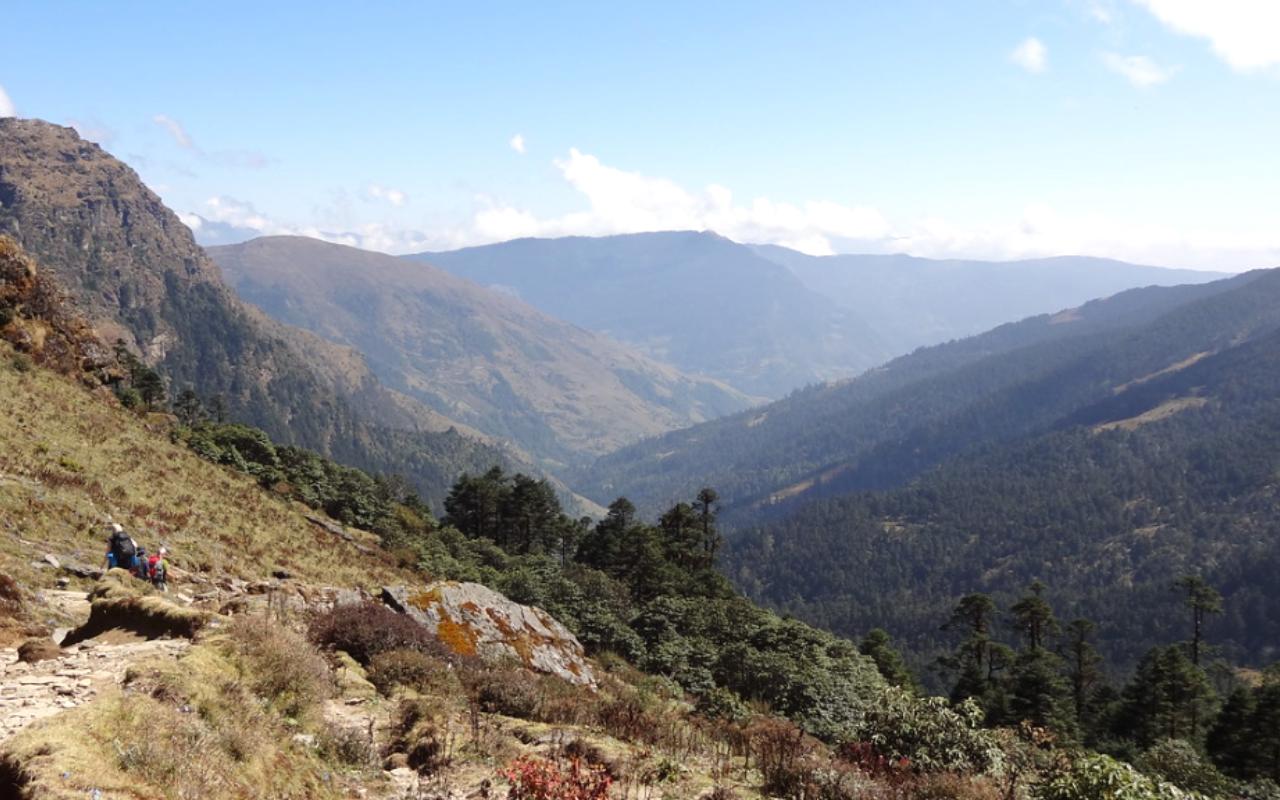
Today’s trek is a highlight of the Everest Monastery Yoga Trek. After a morning yoga stretch in Jhapre, you will set off uphill toward the grassy ridge of Bhulbhule. The ascent climbs steadily, giving you with wide views of Everest, Lhotse, and Ama Dablam. You will pass by colorful mani walls (prayer stone piles) and yak herder huts.
The trail then winds through dense rhododendron and oak forests on the flanks of Taklung Danda. In spring, these forests burst into pink and white blossoms. You will continue climbing to reach Pikey Peak Base Camp (3640m) by late afternoon. You can relax at this high campsite in the middle of fluttering prayer flags as the sun sets and enjoy the night view of stars.
Activity: 5–6 hours Trekking
Max. Altitude: 3,640m/11,942ft. Pikey Peak Base Camp
Meal: Breakfast, Lunch, Dinner
Accommodation: Teahouse
Day 05: Summit Pikey Peak (4,065 m) and descend to Jasmane Bhanjyang (3,549 m)
Today is an early start to reach Pikey Peak summit (4,065 m) for sunrise. You will begin trekking around 4:00–5:00 AM from the base camp. The pre-dawn hike is short but steep (about 1–2 hours). On the summit, you will do a sunrise yoga session amid waving prayer flags. The 360-degree panorama is amazing: Everest, Lhotse, Makalu, Kanchenjunga, Annapurna, Manaslu, and Dhaulagiri. You will enjoy the golden morning light on the highest Himalayas.
After breakfast at the summit, you will begin a gentle descent and walk down through pine and rhododendron groves that line the ridge. By late morning, you will arrive at Jasmane Bhanjyang (3,549 m), a small settlement. Join the Sherpa families as they chant evening prayers at the local monastery, or simply relax by the hearth. You will stay overnight in a local teahouse.
Activity: 6–7 hours Trekking
Max. Altitude: 3,549m/11,644ft. Jasmane Bhanjyang
Meal: Breakfast, Lunch, Dinner
Accommodation: Teahouse
Day 06: Trek Jasmane Bhanjyang (3,549 m) to Junbesi (2,700 m)
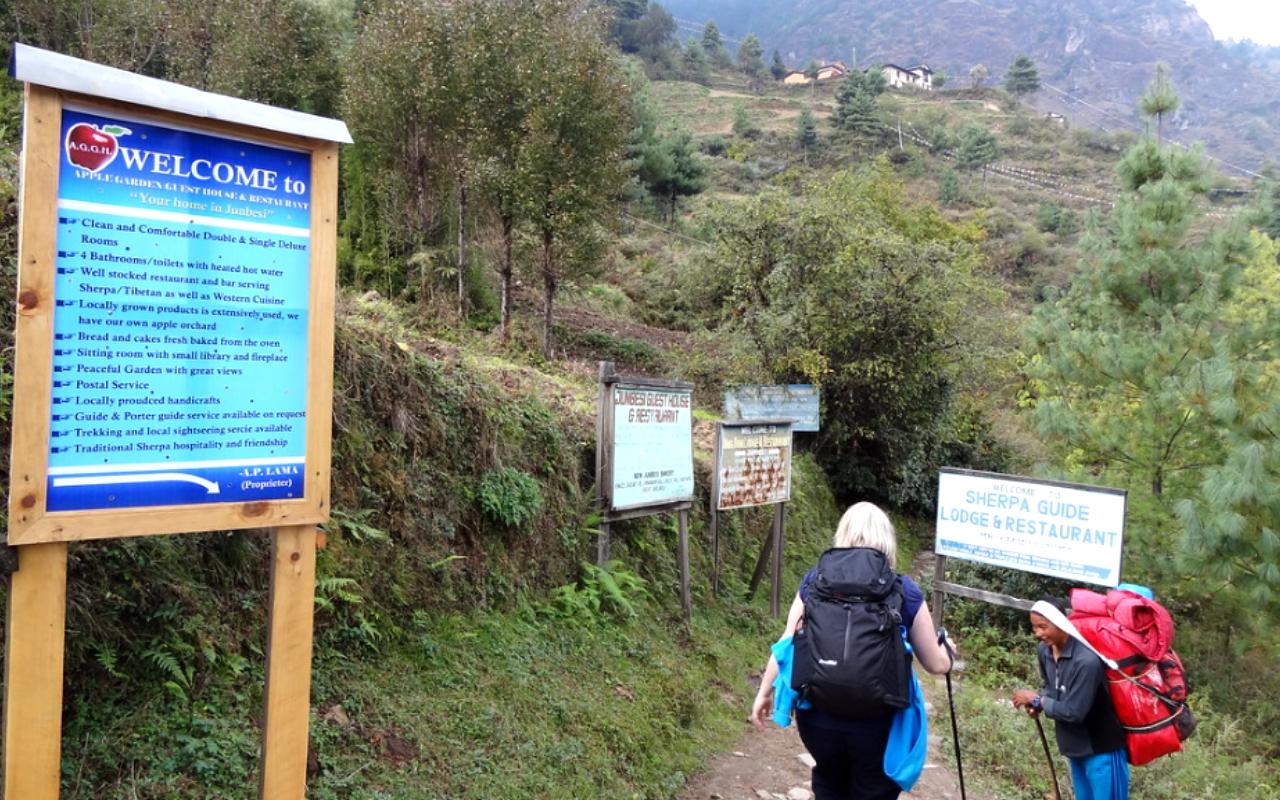
After another morning yoga session at Jasmane, you will continue along the Everest yoga trek route by descending into a broad valley. You will cross open meadows dotted with wildflowers. Midway you will reach Taktor village, a traditional Tamang/Sherpa settlement, and stop for lunch there. The trail then follows a wide gravel road downhill toward Junbesi (2,700 m).
Along the way you might see goats or cows grazing and hear the distant rush of the Sanjen Khola river. In the late afternoon, you will reach Junbesi – a larger Sherpa village surrounded by high ridges. You’ll notice the big Junbesi Monastery and a Buddhist stupa as you arrive. After settling into a warm teahouse, sip hot sweet tea and enjoy panoramic mountain views. In the cool evening, another group yoga class helps you unwind in the serene village atmosphere.
Activity: 5–6 hours Trekking
Max. Altitude: 2,700m/8,858ft. Junbesi
Meal: Breakfast, Lunch, Dinner
Accommodation: Teahouse
Day 07: Acclimatization Day in Junbesi (2,700 m) – Thupten Choeling Monastery (3,000 m)
Today is a gentle rest and acclimatization day on the trek. After breakfast, you will take a short hike (approx 3–4 km) uphill to Thupten Choeling Monastery (around 3,000 m), one of the largest gompas in Nepal. The trail climbs through forest and farmland, with views back toward Junbesi valley.
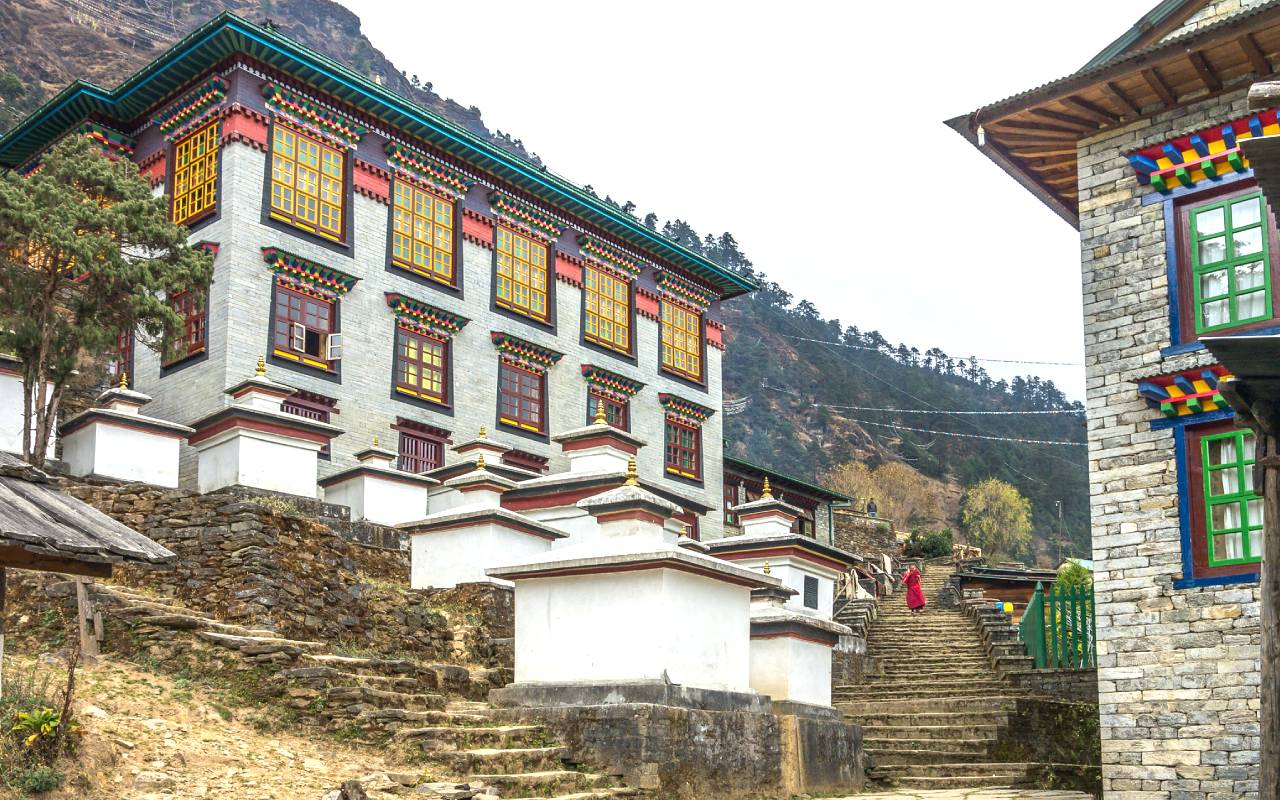
At the monastery, you will practice yoga or meditation in the peaceful setting and meet the resident monks and nuns (mostly nuns reside here). This is a deeply spiritual environment; visit the temple’s kitchens or participate in a prayer ceremony. From the monastery ridge you can enjoy wide views of the Gauri Sankar and Rolwaling peaks, after returning to Junbesi for lunch.
In the afternoon, you might join a second yoga session or simply relax. Tonight, under clear skies, you can stargaze at the brilliant high-altitude night sky. This easy day helps your body adjust while offering rich cultural insight.
Activity: 2–3 hours hiking, with rest
Max. Altitude: 3,000m/9,843ft. Thupten Choeling Monastery
Meal: Breakfast, Lunch, Dinner
Accommodation: Teahouse
Day 08: Trek Junbesi (2,700 m) to Phaplu (2,469 m)
Today you will descend from the highlands toward lower country. After breakfast, the trail follows the Junbesi Khola river north. Early on, you will cross a narrow steel suspension bridge – a scenic spot to pause. The path then winds through terraced fields and small villages. You will pass Beni Ghat, a small riverside hamlet, before climbing gently out of the valley.
On the way, admire traditional Sherpa mountain farms and forest fringes. By late afternoon, you will reach Phaplu (2,469 m), a big village with mixed Sherpa and Nepalese culture. Phaplu has a landing strip for the mountainous flights. You will stay overnight in a local teahouse.
Dinner can be an occasion to try local specialties (perhaps homemade cheese or sel roti bread). In the evening, if you’re lucky there may be a Sherpa cultural program with song or prayer at the lodge. Reflect on the day while watching the sunset paint the Phaplu valley.
Activity: 5–6 hours Trekking
Max. Altitude: 2,469m/8,100ft. Phaplu
Meal: Breakfast, Lunch, Dinner
Accommodation: Teahouse
Day 09: Flight Phaplu (2,469 m) to Kathmandu (1,400 m)
You will begin the day with a final morning yoga class in Phaplu. Then board a short 25-minute flight to Kathmandu. On a clear day, you may enjoy sweeping views of the Himalayan ranges from the plane. You will arrive back in Kathmandu valley and transfer to your Thamel hotel. The afternoon is free to rest or explore.
You might visit Durbar Square, shop at Thamel market, or find a rooftop cafe to watch Kathmandu’s sunset. In the evening, gather for a festive farewell dinner. You can share photos and stories with your trekking group and guide as you celebrate the successful completion of the Everest Monastery Yoga Trek.
Activity: 25 minutes Flight
Max. Altitude: 1,400m/4,593ft. Kathmandu
Meal: Breakfast, Dinner
Accommodation: Hotel
Day 10: Final Departure (Kathmandu 1,400 m)
We will pick you up in the morning, after breakfast in the hotel and drive you to Tribhuvan International Airport where you will take your flight back home. This will be the end of your Everest Monastery Yoga Trek. As you depart Nepal, take a final moment to enjoy the valley’s scenery. Plan to leave for the airport a few hours before departure, since Kathmandu traffic can be unpredictable.
If time allows, you can go for a one more quick visit to a temple or buy souvenirs. Say “Namaste” to Nepal with gratitude for the spiritual journey you have completed in the Himalayas.
Activity: Flight
Max. Altitude: 1,400m/4,593ft. Kathmandu
Accommodation: Hotel
Includes & Excludes
What are included with package?
Accommodation
- Twin-sharing / double accommodation in a 3-star hotel in Kathmandu for 2 nights with breakfast. (Private single room available at extra cost.)
- Twin-sharing accommodation in cozy mountain teahouses during the trek (7 nights) in places like Dhap, Jhapre, Pikey Base Camp, Jasmane Bhanjyang, Junbesi, and Phaplu.
Meals & Drinking Water
- Three meals a day (breakfast, lunch, and dinner) during the trek at local teahouses.
- A farewell dinner on the last night in Kathmandu.
- Safe drinking water throughout the trek, filtered or purified using tablets.
Transportation
- All airport transfers in Kathmandu by private tourist vehicle.
- One-way scenic drive from Kathmandu to Dhap Bazaar by shared tourist vehicle.
- One-way flight from Phaplu to Kathmandu.
Yoga & Meditation
- Daily guided yoga and meditation sessions led by a certified instructor.
- Morning and evening practices designed for relaxation, stretching, and mindfulness.
Guide and Staff
- Licensed, English-speaking, first-aid-trained trekking guide with experience in yoga treks.
- Porter service to carry your main luggage (one porter for every two trekkers).
- All wages, meals, accommodation, gear, insurance, and medical supplies for staff.
Medical Assistance
- First-aid kit and oximeter for altitude monitoring.
- Help in arranging rescue operations in case of emergency (covered by your travel insurance).
Permits
- Sagarmatha (Everest) National Park Entry Permit.
- Gaurishankar Conservation Area Permit and local rural municipality (local area) fee.
- TIMS (Trekkers’ Information Management System) card if required by current regulations.
Benefits and Takeaways
- Sleeping bag, down jacket, and duffel bag (to be returned after trek completion).
- Company’s T-shirt and cap.
- Trek completion certificate.
Administrative & Taxes
- All administrative costs and applicable government taxes.
What are not included with package?
- Lunch and dinner in Kathmandu (except farewell dinner).
- International flights and airport departure tax.
- Nepal entry visa (USD 30 for 15 days, USD 50 for 30 days, USD 125 for 90 days – available on arrival).
- Guided sightseeing tour in Kathmandu, private car, and entrance fees to monuments.Extra hotel
- nights in Kathmandu due to early arrival, late departure, or flight delays.
- Travel insurance that includes high-altitude trekking and helicopter evacuation.
- Any medical check-ups, vaccinations, or personal medicines before the trip.
- Bottled and alcoholic beverages, bar bills, or drinks beyond the provided water.
- Tips for trekking staff and driver.
- Personal trekking gear and equipment.
- Any cost not mentioned in the “Included” section.
- Personal expenses such as snacks, hot showers, Wi-Fi, charging, laundry, extra porters, or drinks (tea/coffee, juice, alcohol, etc.).

Note:
If you have a private group and prefer a personalized experience, we can organize a custom trip tailored to your requirements and group size, running it any day you choose.
Detail Information about Everest Monastery Yoga Trek – 10 days
Trek Difficulty & Fitness Preparation Tips
The Everest Monastery Yoga Trek is generally rated easy to moderate. The trail is well-maintained, but you will gain about 600–800m in elevation on long days (the highest point is Pikey Peak at 4,065 m). Expect to walk 4–6 hours per day carrying a 5–7 kg daypack. No technical climbing or equipment is needed.
The terrain is mostly forested and grassy with a mix of gradual ascents, descents, and some steeper sections. In preparation, perform frequent cardio exercises (jogging, cycling, stairs) and train for hikes on hilly roads. Develop leg power and stamina through a loaded backpack in training hikes.
It’s also wise to include some uphill trekking and stair-climbing in your routine to simulate trek conditions. The trail’s gradual profile and the planned pace make it manageable; with fitness and training, beginners can succeed. Pack lightweight trekking gear to stay comfortable and maintain a positive mindset on the trail.
Acclimatization & Altitude Strategy
Proper acclimatization is built into the Everest Monastery Yoga Trek itinerary. The first night in the high country is at 2,850 m, and Day 7 is a full rest day in Junbesi (2,700 m) with only a short hike to a monastery (3,000 m). Each day’s ascent is gentle enough to allow your body to adapt. Drink 3–4 liters of water daily and eat plenty of carbohydrates to help acclimate.
The daily yoga and meditation sessions encourage deep breathing, which also benefits your oxygen intake. Our guides watch your health carefully. If any altitude symptoms arise (headache, nausea, dizziness), they will slow the pace, shorten the day, or instruct you to stop. If needed, descending a few hundred meters (even overnight) often provides relief.
Some trekkers use the medication known as acetazolamide (Diamox) to prevent AMS, but you must consult your physician. Male solutions like peppermint candy or ginger will help to calm mild nausea. Reminder: climb step-by-step, avoid alcohol, and pay attention to your body to be safe on the trail.
Weather and Best Season
The trek can be done at any time of the year, but the most favored seasons are spring (March–May) and autumn (September–November). In spring, the rhododendrons and wildflowers bloom along the trail, and in autumn, the air is crisp and the views are clear. Daytime temperatures are mild (around 15–20°C in the valleys) with cool, clear nights at altitude. Even in fall, temperatures at 3,000–4,000 m can drop near freezing at night, so bring warm layers and a down jacket.
Summer monsoon (June–August) brings heavy rain and leeches in the forests, making trails slippery; we do not recommend that season. Winter (Dec–Feb) means very cold nights (sometimes below freezing) and possible snow in high passes, but trekking is still doable in good weather. Because of the mountain microclimates, always pack a rain jacket and sunscreen. Our staff will update you on current conditions before departure.
Is this Trip Beginner-Friendly?
Yes. The Everest Monastery Yoga Trek is designed to be beginner-friendly as long as you are reasonably fit and prepared. No prior Himalayan trekking experience is required. Daily treks are moderate in length, and you’ll have support from Sherpa guides and porters along the way. The itinerary’s pace is gentle, with plenty of breaks and one full acclimatization day.
Many solo travelers and first-timers complete this trek successfully. However, altitude still affects everyone, so train beforehand (cardio and hike practice). If you have any health concerns or have not trekked before, discuss this with us. Our guides will manage the group’s speed so that everyone can keep up.
Fitness prep and a positive attitude go a long way. Solo and women travelers find Nepal very welcoming, and you’ll be part of a small group for mutual support. Overall, beginners who train and ascend gradually will find this trek rewarding.
Altitude Sickness
Altitude sickness (Acute Mountain Sickness, AMS) can affect anyone above 3,000 m. The highest point of this trek is Pikey Peak (4,065 m), but because you will rest and sleep at lower altitudes each day, the risk is lower. Symptoms include headache, nausea, fatigue, shortness of breath, and difficulty sleeping. To minimize AMS: climb slowly, stay well hydrated, and eat enough.
Avoid alcohol and sleeping pills. The Everest Monastery Yoga Trek is planned with an acclimatization day to help your body adjust. Still, pay attention to your body. If you develop symptoms, notify your guide immediately. Mild symptoms are treated by resting, taking ibuprofen for headaches, and drinking additional fluids. Descending a couple of hundred meters in elevation (even overnight) often relieves symptoms. Some trekkers take acetazolamide (Diamox) after consulting a doctor.
It can help shorten acclimatization. Always remember: descent is the best cure for serious altitude sickness. For peace of mind, carry travel insurance covering helicopter evacuation. This backup is crucial if you cannot descend on foot. Never ignore severe symptoms – better to descend and recover than to press on and risk health.
Permits & Regulations
For the Everest Monastery Yoga Trek (Pikey Peak region), you normally need three permits: a Sagarmatha National Park Entry Permit, a Gaurishankar Conservation Area Permit, and a local rural municipality (local area) permit. Moreover, it is advisable to carry a TIMS card, and at times it is even demanded at checkpoints.
All the permits required before the trek will be made by your tour operator in Kathmandu. It is also mandatory that you have an entry visa to Nepal (a 15-day tourist visa is approximately USD 30). Bring your passport and 2 passport-sized photographs to obtain permits. Carry photocopies of your passport and permits with you on the trek- rangers might examine them at checkpoints.
These permits would be obtained in Kathmandu, in case you go trekking on your own. Always follow local regulations (e.g., no littering, no drones). There are no special permits required to the monasteries in this trek in addition to these. Adhering to regulations helps in local conservation and respects Nepalese law.
Health & Safety
Your safety on the Everest Monastery Yoga Trek is our priority. Be sure to get travel insurance that covers high-altitude trekking, emergency evacuation, and medical care. Before the trip, ask your doctor whether you need to have any vaccinations or medicine (e.g., against traveler’s diarrhea). On trail, drink only boiled or treated water – our team provides purification tablets or boils water at lodges – to avoid stomach illnesses.
Use hand sanitizer or wash your hands before meals. Wear sunscreen, a hat, and sunglasses to protect from strong UV rays. Monitor weather forecasts daily; if heavy rain or snow comes, be prepared to wait at a lodge until it passes. Your guide will advise on clothing each morning. During treks, use trekking poles to reduce joint stress, especially on downhill sections. Carry a small personal first-aid kit (bandages, blister care, painkillers, altitude headache medicine).
If you have chronic health issues (heart, lung, etc.), discuss them with us first – strenuous activity can be demanding at altitude. Remember to eat well and rest. The mountain wildlife is generally harmless (you might see pheasants or langur monkeys); simply admire from a distance. By following guide instructions, staying hydrated and warm, and listening to your body, you’ll have a safe trek experience.
Attractions
This trek offers a wealth of natural and cultural attractions. The centerpiece is Pikey Peak – from its summit, you get a 360° Himalayan panorama (Everest, Kanchenjunga, Annapurna ranges, and more). Thupten Choeling Monastery near Junbesi is a major highlight – a large, tranquil gompa open to visitors.
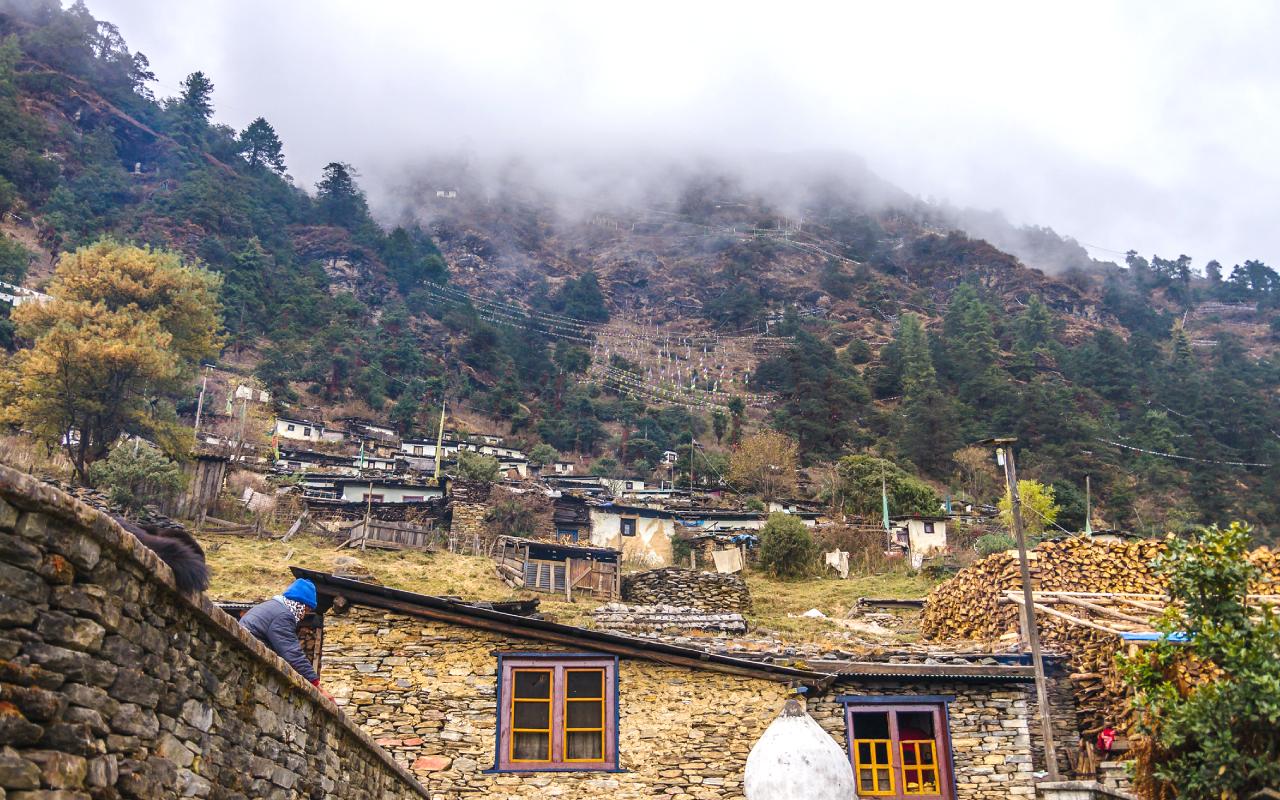
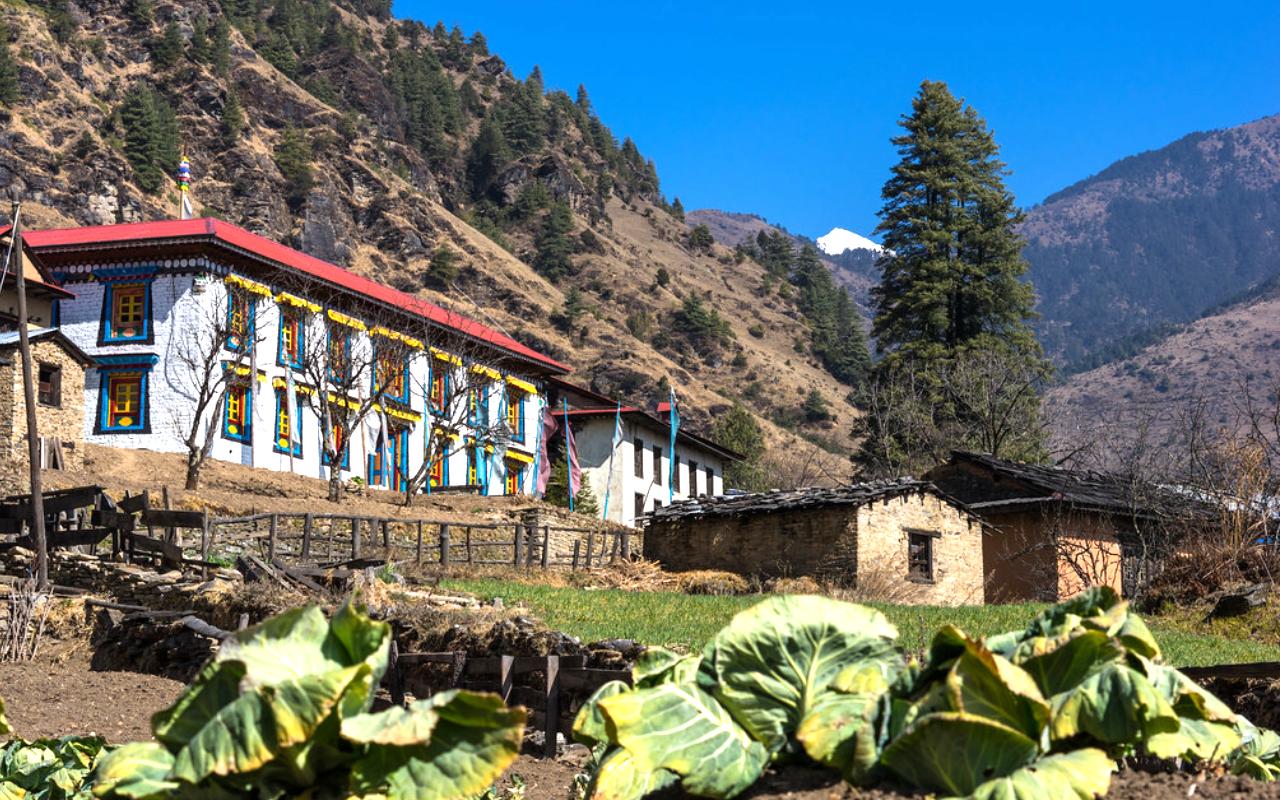
In villages like Junbesi and Phaplu, you experience authentic Sherpa and Tamang culture: the people, their houses, local prayer ceremonies, and even homestay hospitality. The forests along the route are full of rhododendrons (Nepal’s national flower) and towering pines. You may spot Himalayan monal pheasants (the national bird), Himalayan tahr, or langur monkeys on the slopes.
The trekking trail itself is an attraction: switchbacks, mani stones, chortens (stupas), and fields of prayer flags line the way. Rivers and valleys weave through the scene far beneath and can be observed at elevated positions. Mountains such as Everest, Lhotse, Makalu, and Numbur range are always present in the trek to Pikey. Every day, there are new landscapes: green rice terraces, distant villages, steep gorges, and rugged ridges.
It is also a journey of inner peace: a serene morning yoga among mountain sunrises, or the voice of the wind in pines. The Himalayan spirituality can be found on every step of the way between the prayers in monasteries and the prayer flags in the wind.
Frequently Asked Questions
What is the Everest Monastery Yoga Trek?
It is an exclusive 10 day yoga and trek in the Everest region of Nepal that will provide the combination of daily yoga sessions with picturesque mountain walks. Every day starts with yoga or meditation followed by a walk around the Sherpa villages, forests and ridges.
How long is the Everest Monastery Yoga Trek?
This Everest Monastery Yoga Trek lasts 10 days. You spend Day 1 in Kathmandu, Day 2 driving to Dhap, and trek from Day 3 through villages (Jhapre, Junbesi, etc.) up to Pikey Peak and down to Phaplu, finally flying back to Kathmandu on Day 9. You return home on Day 10.
What is the highest altitude on this trek?
The highest point is Pikey Peak Summit (4,065 m) on Day 5. However, you sleep lower each night (highest camp is 3,640 m). Most other days stay below 3,500 m.
What kind of accommodation is provided?
Accommodations are in simple teahouse or guesthouses along the trail (shared rooms, basic but clean). You’ll have twin/triple rooms in mountain villages. In Kathmandu, you stay in a comfortable 3-star hotel in Thamel (with private bathroom).
How difficult is the Everest Monastery Yoga Trek?
The trek is rated easy to moderate. Trails are well-defined without steep passes. You trek about 4–6 hours per day, with steady altitude gain. Most days involve gradual climbs.
Are meals included on the Everest Monastery Yoga Trek?
Yes. The trek includes all the breakfast, lunch and dinner. The food is mostly Nepali and Tibetan fare (such as dal bhat -lentil soup with rice, noodle soups, curries) and will be vegetarian alternatives.
Are daily yoga classes included?
Yes. The itinerary includes daily morning yoga (asana) and guided meditation sessions at scenic stops or monasteries. These gentle classes (hatha and pranayama style) are led by our instructors. They focus on stretching, breathing, and mindfulness suitable for all levels.
Do I need any prior yoga experience?
No prior experience is needed. All yoga levels are welcome. Simple practices are provided by instructors and are easy to follow. It does not focus on advanced poses and is focused on relaxation and breathing.
What fitness level is required in this trek?
You are supposed to be physically fit and healthy. Prior to the trek, it is recommended to perform cardio (running, cycling, brisk walking) regularly.
Are there acclimatization days on this trek?
Yes. Our itinerary includes an acclimatization day in Junbesi (around 2700m) on Day 7. You do a short, easy trek to Thupten Choeling Monastery(3,000 m) and then descend. This rest day lets your body adjust to higher altitude.
When is the best time to do the Everest Monastery Yoga Trek?
Spring (March–May) and autumn (Sept–Nov) are the best seasons. During these times the skies are clear, temperatures are mild, and views are spectacular. Spring brings blooming rhododendrons; autumn has stable weather. Summer (June–Aug) is monsoon season (rain and mud – not recommended), and winter nights (Dec–Feb) are very cold at altitude, though days can be clear.
Is travel insurance required?
Yes. There must be travel insurance that includes high-altitude-trekking and evacuation during an emergency. Ensure that it includes helicopter rescue and hospitalization in Nepal. This will provide early assistance in case of an accident or severe altitude sickness. Insurance provider usually demand evidence of trekking permit.
Is this trek suitable for beginners or solo travelers?
Yes. It’s well-suited for fit beginners. The group pace is gentle and includes rest days. Solo travelers are very welcome – you will join a small group and have Nepalese guides for support.
What gear should I pack for the trek?
Pack layered trekking clothes (quick-dry shirts, trekking pants), a warm down jacket, and a good sleeping bag rated to –10°C. Quality trekking boots or trail shoes are essential. Bring a wide-brimmed hat, sunglasses and high SPF sunscreen. A reusable water bottle and water purification tablets or filter are needed.
Can I hire a porter to carry my luggage?
Yes. You can hire a porter to carry your main duffel bag. Typically one porter can carry up to 30kg (for two people), so two trekkers share one porter.
What will happen when one becomes sick at the high altitude?
Our guides pay attention to the health of everyone. In case you are not well, they will reduce the speed or will plan a shorter road that day. Resting and additional hydration are suggested as mild symptoms of the altitude (headache and nausea). We have simple first-aid kits as well. If someone’s condition becomes worse, we will descend to a lower altitude immediately and arrange further support if needed.
Can water be used in taps?
No. There may be germs in the tap water and in the river water. It is important to drink treated or boiled water. We provide purification tablets and boiled water at teahouses. To stay healthy, apply hand sanitizer/wipe off before eating.
Can women travel alone on this trek?
Yes. Many women trek solo or in all-female groups in Nepal. The Everest region is safe and welcoming. Your guides and fellow trekkers will help you adjust. Sherpa communities are very hospitable.
Will I see Mount Everest during the trek?
Yes. Several viewpoints along the trek afford views of Mount Everest. For example, from the village of Jhapre you can see Everest above the Himal range if the skies are clear. The summit of Pikey Peak also offers a wide, unobstructed view of Mount Everest and its neighbouring peaks.
Reviews on Everest Monastery Yoga Trek – 10 days
 Write a Review
- 1 - 2 personUS$ 1100
- 3 - 6 personUS$ 1000
- 7 over 9999 US$ 950
Total Cost:
US$ 1100
- Your safety, our no 1 priority
- Best price guarantee
- Experienced & dedicated team
- Easy booking, no hidden charge
- You can customize this trip
Talk to Travel Expert Samundra Rimal (+977-9843127084)