



Ghorepani Poon Hill with Mardi Himal Trek 11 Days

Duration
11 Days

Max Altitude
4,500 m. / 14,764 ft.

Difficulty
Moderate

Group Size
5-8 Pax

Meals
- 10 Breakfast
- 7 Lunch
- 8 Dinner

Accommodation
- Tea House
- Hotel

Transportation
Car/Jeep

Activities
- Trekking
- Driving

- 1 - 1 personUS$ 965
- 2 - 3 personUS$ 895
- 4 - 6 personUS$ 855
- 7 over 9999 US$ 795
Total Cost:
US$ 965
- Your safety, our no 1 priority
- Best price guarantee
- Experienced & dedicated team
- Easy booking, no hidden charge
- You can customize this trip



Talk to Travel Expert Samundra Rimal (+977-9843127084)
Introduction of Ghorepani Poon Hill with Mardi Himal Trek 11 Days
A perfect trek in the Annapurna region connects travelers to the 11 Days Ghorepani Poon Hill Trek with Mardi Himal and enchanting landscapes The trek delivers an excellent combination of mountain views, cultural connections, and adventurous experiences, making it suitable for rookie to experienced walkers. The trek departs from Pokhara while passing through a series of villages that reveal Gurung and Magar cultural traditions, including Ghorepani, Tadapani, Ghandruk, and Siding.
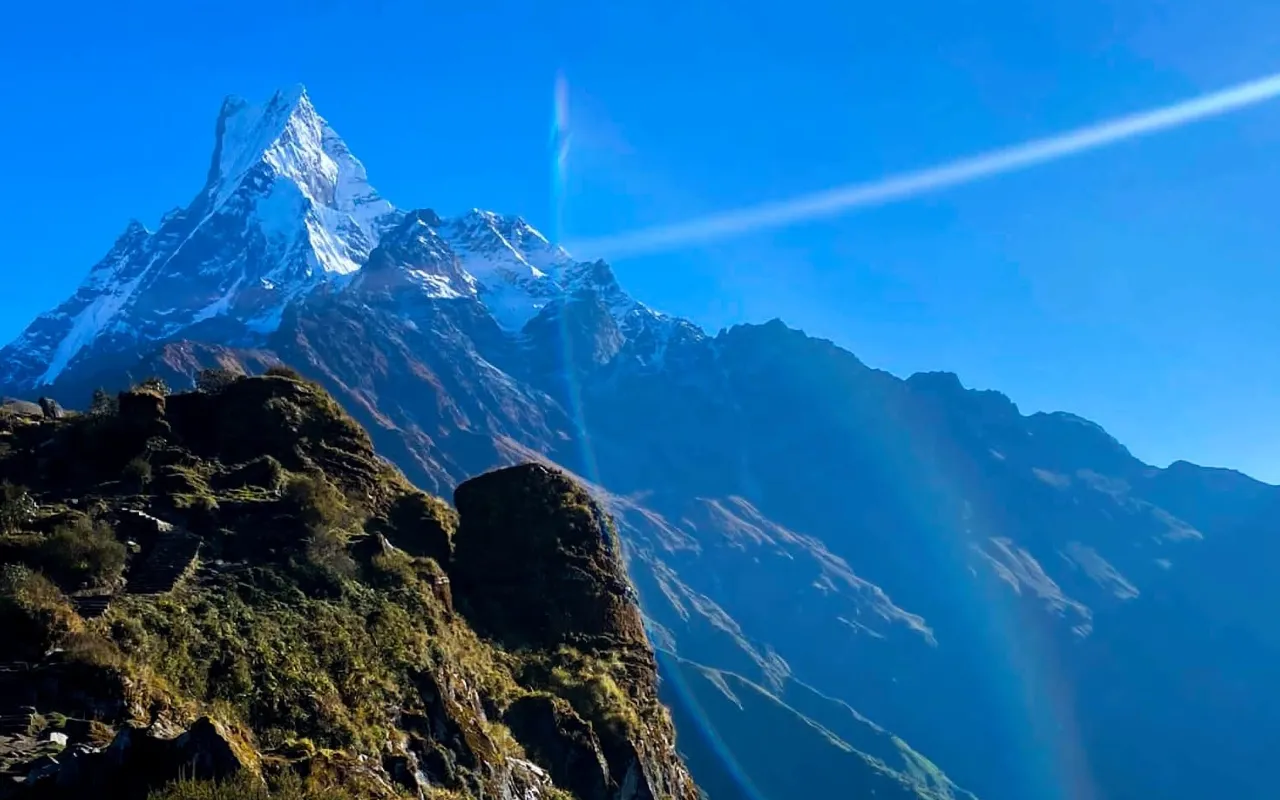
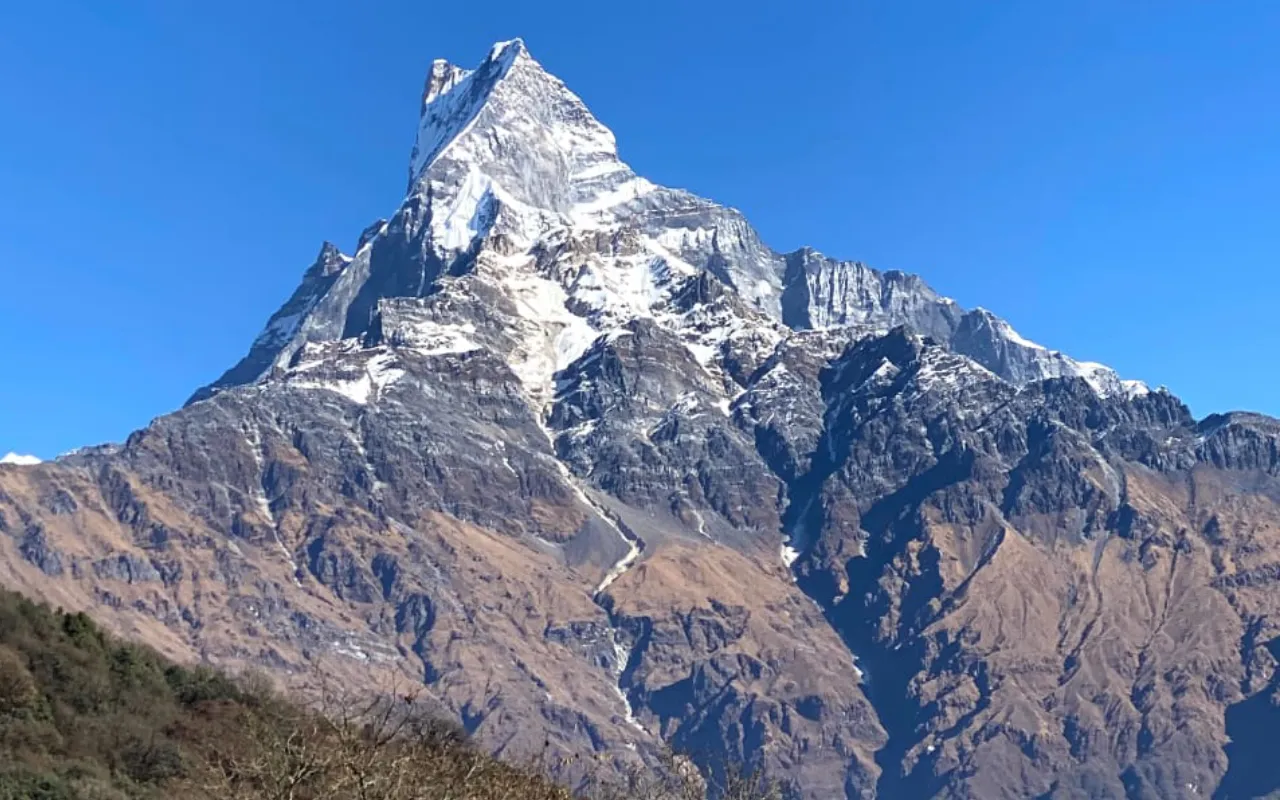
Trekking to Poon Hill (3,210m) stands as the most significant attraction to see because you experience the spectacle of a sunrise that paints the Annapurna and Dhaulagiri ranges with golden sun rays. Throughout the trek, visitors advance to Mardi Himal Base Camp (4,500m), which presents exceptional views of Machhapuchhre (Fishtail), Annapurna South, and Hiunchuli. The environment sustains itself from dense rhododendron forests and elevated alpine pastures through to challenging rocky outcrops, which present diverse images from day to day.
The pathway leading to Mardi Himal Base Camp showcases mountain views as well as encounters with traditional hospitality and peaceful trails combined with opportunities to observe rare species of wildlife within the Annapurna Conservation Area. This 11 Days Ghorepani Poon Hill with Mardi Himal Trek provides Nepal’s most popular trekking adventure because it offers balanced physical challenges with great rewards to enthusiastic travelers.
Trip Highlights
- Adventure seekers on Sunrise from Poon Hill (3,210m) can see Annapurna, Dhaulagiri, Hiunchuli, and Machhapuchhre.
- The Mardi Himal Base Camp stands 4,500 meters above sea level, delivering intimate sightings.
- Trekkers walk through picturesque villages Ghorepani, Tadapani, Ghandruk, and Landruk during their trip to encounter the Gurung and Magar people.
- The Annapurna Conservation Area protects this trek along with its collection of wildlife, including Himalayan Tahrs and Langur monkeys and birds like Himalayan Mona
- Spring brings colorful rhododendron forests to sight, along with peaceful vistas and stunning landscapes found across the high-altitude Mardi Himal meadows.
- The Mardi Himal trail remains relatively empty since many visitors choose to follow alternative standard hiking paths.
- Descent to Mardi Himal Base Camp calls for hard work but results in mesmerizing views of the Annapurna range.
Detail Itinerary of Ghorepani Poon Hill with Mardi Himal Trek 11 Days

Day 1: Arrive in Kathmandu.
The initial stop of your travel takes you to Tribhuvan International Airport (TIA) in Kathmandu. Upon finishing baggage claim and immigration formalities, our team members will welcome you to the hotel located in the lively Thamel district.
You can spend your remaining hours in Kathmandu by visiting the historical places, which include Durbar Square, Swayambhunath (Monkey Temple), and Pashupatinath Temple.
Late in the evening, we conduct a briefing by your guide, who will provide information about the Ghorepani Poon Hill with Mardi Himal Trek, and necessary permits and packing requirements. Rest early as you finish the night with a local Nepali dinner at a restaurant for tomorrow.

Activity: Drive for 30 minutes

Max. Altitude: 1,324m/4,344ft. Kathmandu

Accommodation: 3 Star Hotel
Day 2: Drive to Pokhara (820m).
The trip starts with breakfast before taking a bus or vehicle to reach Pokhara, which will lead you to Nepal’s picturesque lake city. The drive between places lasts 200 km and requires approximately 6 to 7 hours, thus passing through the beautiful landscapes that include lush hills, terraced farms, and riverside villages.
You can observe both the Trishuli and Marshyangdi Rivers from this point, as rafting happens frequently on these waterways. When you reach Pokhara, we get you to a hotel near Lakeside before spending your first night relaxing beside Phewa Lake. The available attractions in the area include Davis Falls and Gupteshwor Cave, along with World Peace Pagoda if you have time to spare.
Activity: Drive for 6-7 Hours
Max. Altitude: 820m/2,690ft. Pokhara

Meal: Breakfast
Accommodation: 3 Star Hotel
Day 3: Drive to Ulleri (2,055m) and trek to Ghorepani (2,874m).
We will be traveling to Ulleri (2,055m), which takes 2 hours, this location marks the beginning of the trekking route. The initial stage of this trek starts with an intense stone flight of more than 3000 steps across rhododendron forests along with Magar settlements and hillside cultivation areas.
During your ascent, you will have the chance to view both Hiunchuli and Annapurna South from their heights. Traveling from Banthanti (2,210m) to Nangethanti (2,460m) will bring you to Ghorepani (2,874m) in the late afternoon. Magar people settle in this delightful village that attracts travelers on their trip towards Poon Hill. The night in Poon Hill begins with relaxation in a teahouse followed by a warm dinner before preparing for the dawn trek to Poon Hill.
Activity: Drive and Trekking for 5-6 Hours
Max. Altitude: 2,874m/9,429ft. Ghorepani
Meal: Breakfast, Lunch, Dinner
Accommodation: Tea House
Day 4: Hike to Poon Hill (3,210m), then trek to Tadapani (2,630m).
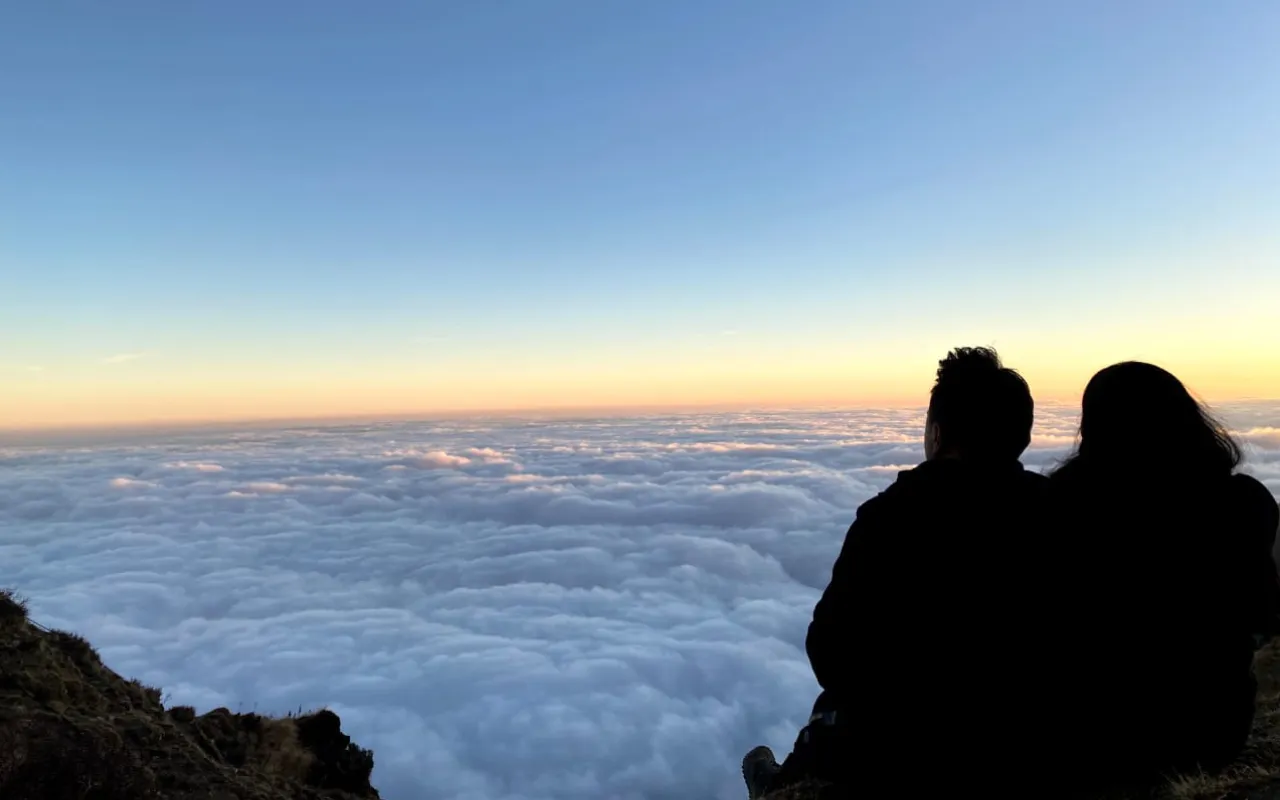
We reach one of our highlights today, Poon Hill (3,210m). Taking an early morning hike to Poon Hill, going through various ascents, provides a magnificent view of Annapurna and Dhaulagiri ranges. When golden sunlight falls on Machhapuchhre (Fishtail) and the surrounding mountains, Hiunchuli and Nilgiri, the sight becomes unforgettable. The exploration finishes with your return to Ghorepani, where you will have breakfast before starting the hike towards the destination at Tadapani (2,630m).
The initial part of the hike includes ascending through thick rhododendron forest areas to Deurali Pass at 3,090 meters, followed by a descent towards Banthanti and eventually reaching Tadapani. Tadapani reveals magnificent lookout points toward Annapurna South Mountain and the majestic Machhapuchhre (Fishtail Peak) mountain range.
Activity: Trekking for 5-6 Hours
Max. Altitude: 2,630m/8,629ft. Tadapani
Meal: Breakfast, Lunch, Dinner
Accommodation: Tea House
Day 5: Trek to Landruk (1,565m).
From Tadapani, you will descend while walking beneath dense rhododendrons and oak forests. The ascending path at the start turns into a gentler path until you arrive at Ghandruk village, located at 1,940 meters above sea level.
Spend your time seeing the traditional Gurung buildings of the area alongside viewing Annapurna South and Machhapuchhre (Fishtail) at the Gurung Museum. The connecting path starts from Ghandruk and then falls downhill to Kyumi, leading to a suspension bridge that crosses Modi Khola.
People reach Landruk (1,565m) after walking gently uphill to discover a mountainous town with farming terraces and friendly local hospitality. The evening starts with rest and traditional Gurung cultural experiences together with local food.
Activity: Trekking for 5 to 6 Hours
Max. Altitude: 1,565m/5,135ft. Landruk
Meal: Breakfast, Lunch, Dinner
Accommodation: Tea House
Day 6: Trek to Forest Camp (2,600m).
The trail leads from Landruk into the wooded forest of Mardi Himal, which contains both oak trees and rhododendrons. Trekking through this infrequently used trail gives travelers a quiet hiking adventure beyond popular pathways.
The path steadily rises up as you walk onward, while occasional areas with open views let you see Annapurna South and Machhapuchhre. The elevation climb brings peaceful liveness to your surroundings while the singing birds combined with clean mountain air enriches the hiking experience.
The basic tea houses situated in the silent wilderness greet you when you reach Forest Camp at an altitude of 2,600 meters during the afternoon. Use the night to rest along with preparation for your upcoming climb.
Activity: Trekking for 4 to 5 Hours
Max. Altitude: 2,600m/8,530ft. Forest Camp
Meal: Breakfast, Lunch, Dinner
Accommodation: Tea House
Day 7: Trek to High Camp (3,580m).
Your current hike carries you into higher elevations of both forested areas and exposed ridges on the way to High Camp. You will reach Low Camp at 3,050 meters as the trail passes through this location while the surrounding mountain scenery reveals itself in an increasingly spectacular view.
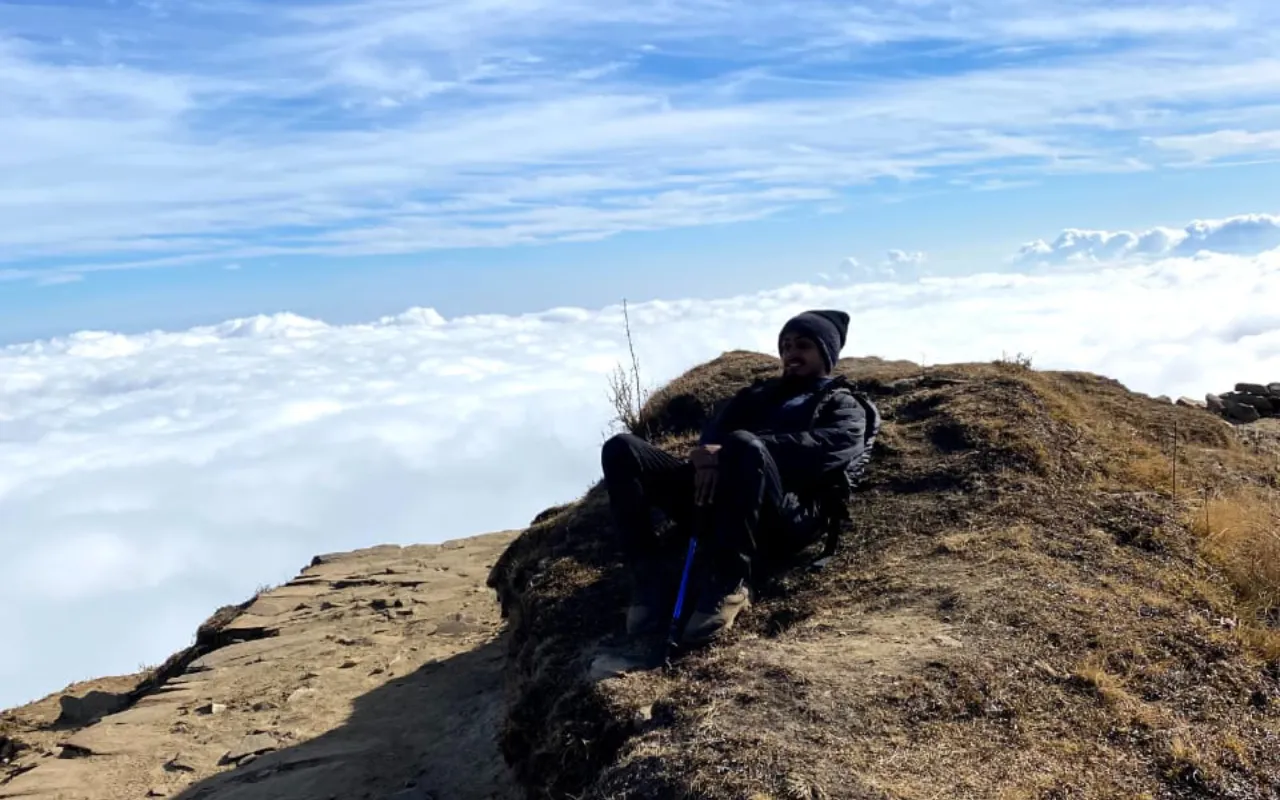
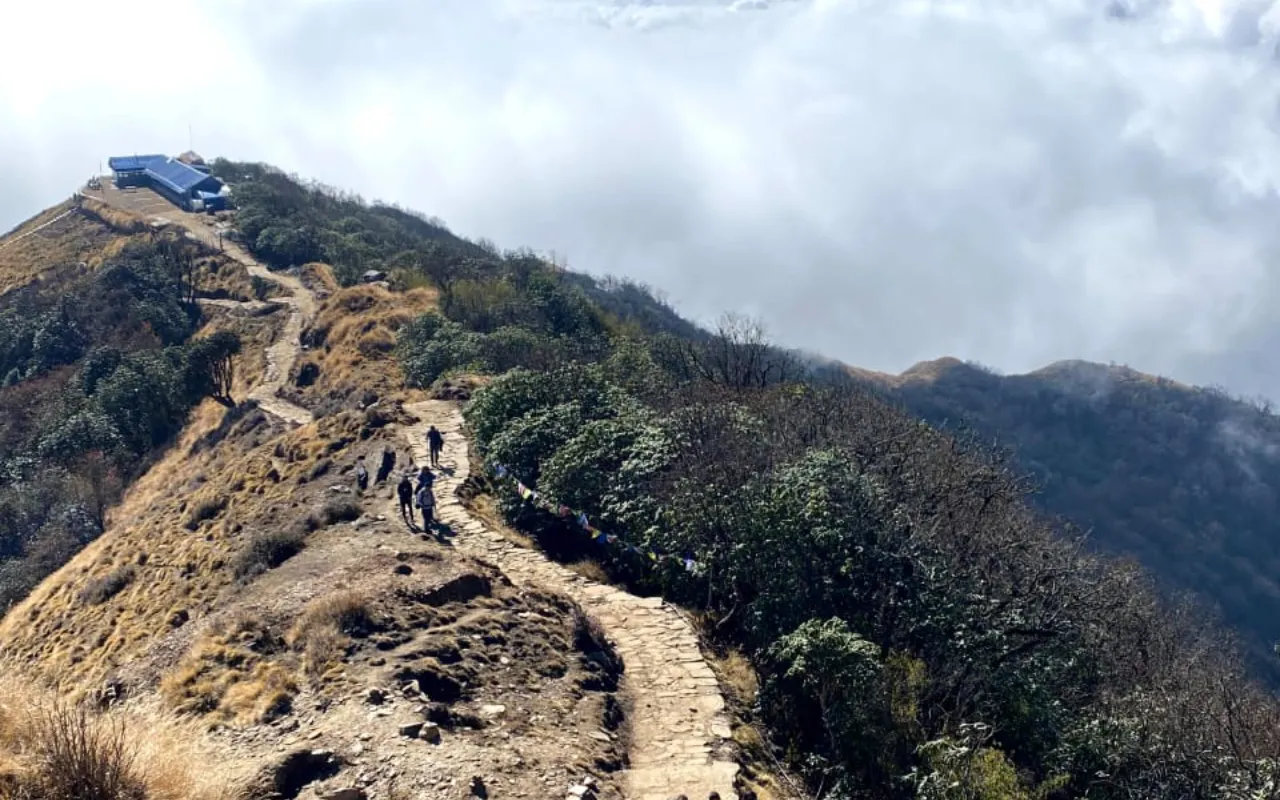
The upward elevation reveals grasslands that contain sporadic rhododendron bushes alongside majestic views of the mountain ranges, including Fishtail and Hiunchuli and the majestic Annapurna range. High Camp, at 3,580 meters, offers breathtaking sunrise pictures of the Himalayas to interested travelers.
Today marks the beginning of acclimatization because the Mardi Himal Base Camp trek represents our ascent to the greatest elevation of this adventure.
Activity: Trekking for 4 to 5 Hours
Max. Altitude: 3,580m/11,745ft. High Camp
Meal: Breakfast, Lunch, Dinner
Accommodation: Tea House
Day 8: Visit Mardi Himal Base Camp (4,500m), then trek to Badal Danda (3,210m).
We have an early trip that will grant you the opportunity to reach Mardi Himal Base Camp at 4,500m. A steep and challenging trail leads to exceptional views encompassing Machhapuchhre (Fishtail) alongside both Annapurna South and Mardi Himal.
During your final approach to the base camp, the surroundings turn into stony terrain where prayer flags appear to indicate the top point. After a hard climb, you will receive magnificent unobstructed views of peaks covered in snow all around you. From Mardi Himal Base Camp, you will return to High Camp to eat lunch before continuing to Badal Danda at 3,210m. The strategic open position of Badal Danda delivers stunning views of both sunrise and sunset in the surrounding area.
Activity: 4 to 5 Hours
Max. Altitude: 3,210m/10,531ft. Badal Danda
Meal: Breakfast, Lunch, Dinner
Accommodation: Tea House
Day 9: Trek to Siding (1,280m) and drive to Pokhara.
The first rays of day illuminating the Annapurna peaks can be seen before setting foot in rhododendron forests to reach Siding Village through fields of terraced lands.
Siding Village stands as a quiet part of Gurung culture, which enables you to experience mountain living one last time. The next stop from lunch will be a 2-hour jeep ride to Pokhara. When you arrive at your hotel, you can visit Phewa Lake or enjoy Lakeside’s markets and cafes.
Activity: Trek and Drive for 7-8 Hours
Max. Altitude: 820m/2,690ft. Siding
Meal: Breakfast, Lunch, Dinner
Accommodation: Tea House
Day 10: Drive to Kathmandu.
We take a drive back to Kathmandu on a picturesque route after having breakfast. The road trip traces the Prithvi Highway while traveling beside the Trishuli River multiple green hills refreshing farming areas, and quiet communities. Relax at local Nepali restaurants that offer food such as dal bhat while enjoying a lunch break at any roadside eatery.
After hotel check-in at Kathmandu, continue your closing day with an exploration of Thamel for shopping and nearby heritage site visits. We finally complete our Ghorepani Poon Hill with Mardi Himal Trek at a Nepali traditional restaurant for dinner with your fellow trekking mates.
Activity: Drive for 6 to 7 Hours
Max. Altitude: 1,324m/4,344ft. Kathmandu
Meal: Breakfast, Dinner
Accommodation: 3 Star Hotel
Day 11: Departure.
The remarkable trip you experienced in Nepal concludes by the end of today. The last day in Kathmandu allows you time to relax based on your flight information. While you have time, you can see Boudhanath Stupa together with Pashupatinath Temple and Swayambhunath (Monkey Temple) to experience Nepalese culture.
Our trekking company offers transportation to Tribhuvan International Airport (TIA) for an easy departure process. Leaving Nepal with you will be precious memories composed of Himalayan experiences along with cultural exploration of the country together with enduring travel adventures.
Meal: Breakfast
Trip Route Map

Includes & Excludes
What are included with package?
Accommodation
- Twin-sharing/double accommodation in a 3-star hotel for 2 nights in Kathmandu 2 nights accommodation in Pokhara including breakfast (Private room accommodation can be organized at an extra cost)
- Best available accommodation Tea house/lodge accommodation during the trek
Meals & Drinking Water
- All your standard meals during the trek 3 meals a day (Breakfast, Lunch & Dinner) in a guest houses.
- A farewell dinner on the last night in Nepal
- Purified drinking water during the trek using Water Filter or water purification tablets..
Transportation
- Private transportation to and from Kathmandu Airport and your hotel
- Kathmandu-Pokhara-Kathmandu on a tourist bus
- Pokhara to Trekking departure point and back to Pokhara by private and Local transport
Guide and Staff
- Experienced, first-aid trained, government licensed, English speaking, and locally recruited Nomad Adventure’s trekking guide (2 guides for group size more than 12 people)
- Porters during the trek for carrying luggage (1 porter for every 2 clients)
- Wages, accommodation, meals, gear, insurance and medications for all staff
Medical Assistance
- Assistance in arranging rescue operations in case of complicated health conditions (funded by travel insurance)
- Medical kits, including an oximeter to monitor blood oxygen saturation levels in high altitudes
Permits
- Annapurna Conservation Area Permit (ACAP) fee
- TIMS (Trekkers’ Information Management System) card
Benefits and Takeaways
- Sleeping bags and down jackets, duffle bag (one for every two trekkers) if you do not have your own
- company’s T-shirt & Cap
- Trip completion certificate
Administrative & Taxes
- All administrative expenses and government taxes
What are not included with package?
Price Excludes
- Lunch and dinner in Kathmandu and Pokhara during stay
- International flight fare and airport departure tax
- Guided tour in Kathmandu (Private car + tour Guide), Monument entrance fees while sightseeing in Kathmandu
- Nepal Entry Visa (Visa can be acquired easily after your arrival at Tribhuvan International Airport in Kathmandu with a fee of USD 30 for 15 days visa, USD 50 for 30 days visa and USD 125 for 90 days visa)
- Extra night accommodations in Kathmandu due to early arrival or late departure, early return from the trek or other itinerary changes
- Travel insurance along with high-altitude emergency evacuation coverage
- Medical check-ups, vaccinations, or medications required for the trek are not included.
- Any beverages including bottled and boiled water
- Tips to trekking staff and driver
- Personal trekking gear and equipment
- Any expenses other than the Price Include section
- Personal expenses (shopping, snacks, boiled bottle water, hot (Tea/ Coffee) and cold drinks, hot shower, alcohol, Wi-Fi, telephone call, battery re-charge fee, extra porters, etc
- Personal clothing and gear
Departure Dates
Departure
13 Apr 2026Duration
11 DaysAvailability
5 PaxPrice
US$ 855Departure
14 Apr 2026Duration
11 DaysAvailability
5 PaxPrice
US$ 855Departure
15 Apr 2026Duration
11 DaysAvailability
5 PaxPrice
US$ 855Departure
16 Apr 2026Duration
11 DaysAvailability
5 PaxPrice
US$ 855Departure
17 Apr 2026Duration
11 DaysAvailability
5 PaxPrice
US$ 855Departure
18 Apr 2026Duration
11 DaysAvailability
5 PaxPrice
US$ 855Departure
19 Apr 2026Duration
11 DaysAvailability
5 PaxPrice
US$ 855Departure
20 Apr 2026Duration
11 DaysAvailability
5 PaxPrice
US$ 855Departure
21 Apr 2026Duration
11 DaysAvailability
5 PaxPrice
US$ 855Departure
21 Apr 2026Duration
11 DaysAvailability
10 PaxPrice
US$ 855Departure
22 Apr 2026Duration
11 DaysAvailability
5 PaxPrice
US$ 855Departure
22 Apr 2026Duration
11 DaysAvailability
10 PaxPrice
US$ 855Departure
23 Apr 2026Duration
11 DaysAvailability
5 PaxPrice
US$ 855Departure
23 Apr 2026Duration
11 DaysAvailability
10 PaxPrice
US$ 855Departure
24 Apr 2026Duration
11 DaysAvailability
10 PaxPrice
US$ 855Departure
25 Apr 2026Duration
11 DaysAvailability
10 PaxPrice
US$ 855Departure
26 Apr 2026Duration
11 DaysAvailability
10 PaxPrice
US$ 855Departure
27 Apr 2026Duration
11 DaysAvailability
10 PaxPrice
US$ 855Departure
28 Apr 2026Duration
11 DaysAvailability
10 PaxPrice
US$ 855Departure
29 Apr 2026Duration
11 DaysAvailability
10 PaxPrice
US$ 855Departure
30 Apr 2026Duration
11 DaysAvailability
10 PaxPrice
US$ 855Departure
30 Apr 2026Duration
11 DaysAvailability
7 PaxPrice
US$ 855Departure
01 May 2026Duration
11 DaysAvailability
10 PaxPrice
US$ 855Departure
01 May 2026Duration
11 DaysAvailability
7 PaxPrice
US$ 855Departure
02 May 2026Duration
11 DaysAvailability
7 PaxPrice
US$ 855Departure
03 May 2026Duration
11 DaysAvailability
7 PaxPrice
US$ 855Departure
03 May 2026Duration
11 DaysAvailability
5 PaxPrice
US$ 855Departure
04 May 2026Duration
11 DaysAvailability
7 PaxPrice
US$ 855Departure
04 May 2026Duration
11 DaysAvailability
5 PaxPrice
US$ 855Departure
05 May 2026Duration
11 DaysAvailability
7 PaxPrice
US$ 855Departure
05 May 2026Duration
11 DaysAvailability
5 PaxPrice
US$ 855Departure
06 May 2026Duration
11 DaysAvailability
7 PaxPrice
US$ 855Departure
06 May 2026Duration
11 DaysAvailability
5 PaxPrice
US$ 855Departure
07 May 2026Duration
11 DaysAvailability
7 PaxPrice
US$ 855Departure
07 May 2026Duration
11 DaysAvailability
5 PaxPrice
US$ 855Departure
08 May 2026Duration
11 DaysAvailability
7 PaxPrice
US$ 855Departure
08 May 2026Duration
11 DaysAvailability
5 PaxPrice
US$ 855Departure
09 May 2026Duration
11 DaysAvailability
7 PaxPrice
US$ 855Departure
09 May 2026Duration
11 DaysAvailability
5 PaxPrice
US$ 855Departure
09 May 2026Duration
11 DaysAvailability
11 PaxPrice
US$ 855Departure
10 May 2026Duration
11 DaysAvailability
7 PaxPrice
US$ 855Departure
10 May 2026Duration
11 DaysAvailability
5 PaxPrice
US$ 855Departure
10 May 2026Duration
11 DaysAvailability
11 PaxPrice
US$ 855Departure
11 May 2026Duration
11 DaysAvailability
7 PaxPrice
US$ 855Departure
11 May 2026Duration
11 DaysAvailability
5 PaxPrice
US$ 855Departure
11 May 2026Duration
11 DaysAvailability
11 PaxPrice
US$ 855Departure
12 May 2026Duration
11 DaysAvailability
5 PaxPrice
US$ 855Departure
12 May 2026Duration
11 DaysAvailability
11 PaxPrice
US$ 855Departure
13 May 2026Duration
11 DaysAvailability
5 PaxPrice
US$ 855Departure
13 May 2026Duration
11 DaysAvailability
11 PaxPrice
US$ 855Departure
14 May 2026Duration
11 DaysAvailability
11 PaxPrice
US$ 855Departure
15 May 2026Duration
11 DaysAvailability
11 PaxPrice
US$ 855Departure
16 May 2026Duration
11 DaysAvailability
11 PaxPrice
US$ 855Departure
17 May 2026Duration
11 DaysAvailability
11 PaxPrice
US$ 855Departure
18 May 2026Duration
11 DaysAvailability
11 PaxPrice
US$ 855Departure
19 May 2026Duration
11 DaysAvailability
11 PaxPrice
US$ 855Departure
27 May 2026Duration
11 DaysAvailability
11 PaxPrice
US$ 855Departure
28 May 2026Duration
11 DaysAvailability
11 PaxPrice
US$ 855Departure
29 May 2026Duration
11 DaysAvailability
11 PaxPrice
US$ 855Departure
30 May 2026Duration
11 DaysAvailability
11 PaxPrice
US$ 855Departure
31 May 2026Duration
11 DaysAvailability
11 PaxPrice
US$ 855Departure
01 Jun 2026Duration
11 DaysAvailability
11 PaxPrice
US$ 855Departure
02 Jun 2026Duration
11 DaysAvailability
11 PaxPrice
US$ 855Departure
03 Jun 2026Duration
11 DaysAvailability
11 PaxPrice
US$ 855Departure
04 Jun 2026Duration
11 DaysAvailability
11 PaxPrice
US$ 855Departure
05 Jun 2026Duration
11 DaysAvailability
11 PaxPrice
US$ 855Departure
06 Jun 2026Duration
11 DaysAvailability
11 PaxPrice
US$ 855Departure
07 Jun 2026Duration
11 DaysAvailability
11 PaxPrice
US$ 855
Note:
If you have a private group and prefer a personalized experience, we can organize a custom trip tailored to your requirements and group size, running it any day you choose.
Detail Information about Ghorepani Poon Hill with Mardi Himal Trek 11 Days
Best Time Ghorepani and Mardi Himal Trekking
Selecting suitable seasons for the Ghorepani Poon Hill and Mardi Himal Trekking guarantees the best outcome for visitors. Two prime trekking seasons are the spring from March to May, and autumn between September and November because of a combination of factors like good climate, and breathtaking landscapes, and clear skies.
During spring, the rhododendron forests of the trails become spectacular as they display white, pink, and red blossoms. The climate stays constant during this season while temperatures maintain pleasant conditions, enabling continuous mountain view observation. Autumn stands as a prime season, which reveals clear Himalayan mountain views. The absence of monsoon clouds allows wide beauty, which photographers find ideal.
The autumn season provides an ideal condition to hike while honoring the important Nepalese festivals of Dashain and Tihar simultaneously. Trekkers obtain additional cultural enrichment through these festivals, which take place during their trips.
The winter months, from December through February, provide limited crowds, but the elevated areas are extremely cold and cisibily may not be as clear due to fog. The heavy snow at Mardi Himal Base Camp raises trekking difficulties during the trip. Traveling to Mardi Himal Base Camp during the monsoon period (June to August) is not advised due to dangerous precipitation levels that create challenging conditions on the trails. The mountain views remain hidden by heavy clouds, and the heavy rain makes the trails slippery, muddy, and at risks for landslides.
The ideal timeframe for Ghorepani Poon Hill with Mardi Himal Trek, rests between spring and autumn due to safety and delightful trekking adventure.
Ghorepani Poon Hill and Mardi Himal Trekking Difficulty
Beginners and advanced hikers can undertake the Ghorepani Poon Hill with Mardi Himal Trek because it is only of moderate difficulty. This trek follows well-maintained pathways that reach Poon Hill (3,210m) as it continues further toward Mardi Himal Base Camp (4,500m). The first part of the trek includes gentle slopes between stone stairs and lush rhododendron forests until the more demanding terrain starts as High Camp and Mardi Himal Base Camp approach. A good fitness level stands as an essential requirement for this trek because technical expertise for mountaineering is unnecessary. The average duration of walking per day amounts to 5 to 7 hours while covering 8 to 15 km of diverse terrains.
An essential part of this trek involves the tough combination of the Ulleri to Ghorepani stone-step climb and the rocky and narrow Mardi Himal Base Camp ascent. Before starting the trek, all travelers should perform regular cardio exercises together with strength training along with practicing continuous hikes ahead of departure.
Altitude sickness represents one of the common but small risks during Ghorepani Poon Hill with Mardi Himal trek, but it can develop on Mardi Himal High Camp and Base Camp routes. Acclimatization strategies, along with enough hydration and slow-paced hikes, will ensure the safe and comfortable completion of the Ghorepani Poon Hill with Mardi Himal trek.
Required Permits for the Ghorepani and Mardi Himal trekking
Ghorepani Poon Hill with Mardi Himal Trek demands two mandatory documents from travelers, including Annapurna Conservation Area Permit (ACAP), together with the Trekkers’ Information Management System (TIMS) Card.
The trekking authority requires all participants to obtain these permits, which both trek participants and the regional environment undergo checks throughout the checkpoints. All trekkers who plan to visit the Annapurna Conservation Area must get a permit through ACAP because the area incorporates multiple landscapes and protects wildlife and cultural sites.
The fees collected through this permit funding go toward environmental preservation work, together with regional development projects and local community welfare projects. The TIMS Card functions as a safety system to monitor trekking participants so authorities stay informed about all individuals moving through the trails.
The permit fees have separate rates according to whether visitors come from SAARC nations or foreign countries. The ACAP permit fees include NPR 3,000 for foreigners and NPR 1,000 for SAARC nationals, while the TIMS card costs NPR 2,000 for foreigners and NPR 1,000 for SAARC nationals. Although this will be in the inclusion list of the company so worry not.
The permits must be carried during the whole trip because officials enforce document checks at numerous stops throughout the trekking area. You can acquire both permits at the Nepal Tourism Board offices established in Kathmandu and Pokhara.
Accommodation and Food on the 11 days Ghorepani Poon Hill
The Ghorepani Poon Hill and Mardi Himal Trekking houses its accommodation as teahouses and lodges, which provide essential yet pleasant facilities. The local families running these teahouses offer trekkers the chance to experience authentic Himalayan home hospitality while operating the facilities.
The lodging facilities in lower-altitude villages, including Ghorepani, Tadapani, and Ghandruk, feature twin beds, blankets, as well as common bathrooms in simple yet welcoming rooms. Visitors staying overnight at Mardi Himal High Camp will find rooms arranged as dormitory accommodations, along with restricted facilities available.
Central fireplace heating at the teahouse dining areas provides excellent comfort for tired travelers as they finish their daily treks. Some teahouses provide Wi-Fi charging services, although the connectivity weakens with increasing altitude, while the prices rise accordingly.
The convenient recommendation includes bringing both power banks and offline map storage for outdoor use. The trekkers require sustained energy in the cold environment, so the food during the trek consists of hearty products that are designed to boost the energy levels of travelers. Every trekker agrees that Dal Bhat stands as the favorite meal because this rice, lentil, vegetable, and pickle dish combines essential carbohydrates with necessary proteins.
Among the available food choices for trekkers are momos (dumplings) along with fried noodles and pasta, as well as soups and Tibetan bread and pancakes. Tea, coffee, and hot chocolate remain accessible throughout the trek to provide warmth during the hike for trekkers.
The additional costs of transporting goods by mules and porters increase the price of food items for people ascending in elevation. All teahouses have drinking water available, yet it remains wiser to bring a water purification system or purchase boiled water to prevent plastic waste.
Throughout the Ghorepani Poon Hill with Mardi Himal Trek, both food options and lodgings maintain simplicity while offering diversity, which boosts the general culture along with adventure elements.
Cultural Highlights during 11 days Ghorepani Poon Hill Trek
Travelers on the Ghorepani Poon Hill with Mardi Himal Trek discover both natural wonders and authentic local cultures during their expedition. The trip takes visitors into Gurung and Magar traditional communities, where they can see firsthand how Nepalese ethnic groups live in their historic villages.
Ghandruk stands as the most culturally important settlement that lies on the travel path because it contains both Gurung heritage and its traditional dwellings. Travelers who come to the Gurung Museum at Ghandruk find a variety of displays focused on Himalayan life that feature traditional clothes alongside ancient instruments and practical household items.
Visitors typically put on traditional Gurung clothing for photographs as they enjoy their time among the locals. The villages of Tadapani, Ghorepani, and Landruk display strong Buddhist cultural elements through their religious features, which include prayer flags, monasteries, and mani walls.
During the Ghorepani Poon Hill with Mardi Himal Trek, trekkers experience traditional Nepalese welcome practices as the residents invite them into their tea houses with hospitality. Many people in these villages come from the lineage of valorous Gurkha soldiers whose military commitment stretched from British to Indian forces.
Special occasions provide locals with the chance to perform traditional folk dances and songs as part of cultural shows during the trek. The culinary experience of the trek stands out because trekkers can enjoy traditional Nepalese home-cooked meals. During the trekking experience, trekkers can taste three main regional specialties, Dal Bhat and Gundruk (fermented leafy greens), and Dhido (buckwheat porridge), together with yak cheese.
Visitors who participate in the trek can experience Nepalese festivals Dashain and Tihar during October and November, when they can observe rituals combined with music and feasting events.
The Ghorepani Poon Hill with Mardi Himal Trek becomes more than a stunning walk because it merges cultural heritage elements with natural splendor, which creates an unforgettable connection with Nepali traditions. Ultimately, local interactions, along with their welcoming customs as well as cultural insights about their existence, enhance the trekking adventure to become permanently memorable.
Flora and Fauna Along the Ghorepani and Mardi Himal trekking
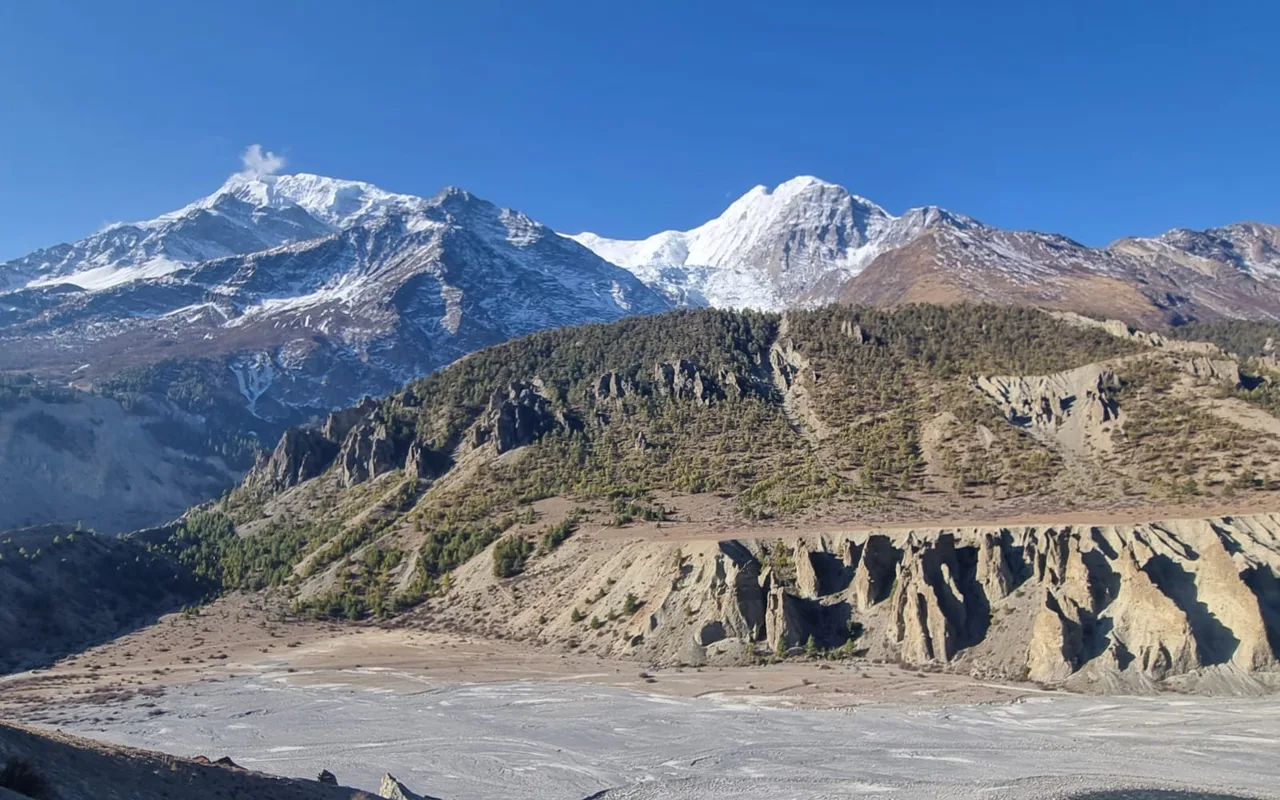
The Annapurna Conservation Area inside Nepal hosts the Ghorepani Poon Hill with Mardi Himal Trek, which allows trekkers to experience its diverse biodiversity. Starting from dense subtropical forests in the lower elevations, the trek passes through alpine meadows before reaching the bare territory surrounding Mardi Himal Base Camp at 4,500 meters.
Rhododendron forests extending from Ghorepani to Tadapani become heavily dense during spring (March to May) as their red, pink, and white blossoms paint the valley with colorful blooms. Rhododendrons dominate the land with oak, pine, bamboo and fir, and juniper trees.
Nature enthusiasts will find heaven along this trek since the wooded regions contain medicinal plants, together with scarce orchids. Wildlife exists in abundance throughout the trail, and Langur monkeys use the trees to swing from branch to branch while Himalayan tahr graze on slopes and red pandas hide in distant locations.
The Himalayan black bear and deer, together with snow leopards, can be seen in the conservation area, although these animals are hard to spot. Birdwatchers can identify Danphe (Himalayan Monal, which is the national bird of Nepal) as well as blood pheasants among various vultures and eagles flying in the sky during their observations.
When hikers progress toward Mardi Himal High Camp, they will notice the forests fade into high-altitude grasslands and rugged territory that permits survival only of hardy mosses and shrubs alongside lichen.
The Ghorepani Poon Hill with Mardi Himal trek boasts untouched natural environments which serve as an absolute sanctuary between wildlife lovers and nature enthusiasts.
How to Prepare Physically for the 11 days Ghorepani Poon Hill Trek
A proper physical preparation phase remains essential for enjoying both comfort and fun during moderate Ghorepani Poon Hill and Mardi Himal Trekking. Proper physical preparation before this trek is necessary since it includes extensive walking hours amid steep terrains that range from low to high altitudes. The trekking period begins with your cardiovascular exercise training between four to six weeks before your trek.
You should perform jogging, cycling, swimming, or brisk walking to increase stamina while developing breathing efficiency because these abilities are important for trekking in high-altitude destinations. Leg strength training is essential since the trail consists of countless stone stairs in addition to rocky terrain and wooden walkways.
Daily trekking endurance requires professional exercises, including squats along with lunges and stair climbing together with calf raises. Practicing with weighted backpacks during hiking exercises or stair training helps trekkers better understand actual trekking situations since they need to shoulder backpacks with essential items.
The main strategy to prevent altitude sickness during the Mardi Himal Base Camp (4,500m) traverse is proper acclimatization. Hikers must drink plenty of fluids and move consistently, as they should schedule regular recuperation days. Better performance at high altitudes becomes achievable through both proper rest and alcohol consumption avoidance.
Anyone who prepares appropriately for the Ghorepani Poon Hill with Mardi Himal Trek becomes both assured and comfortable in their trekking abilities. The implementation of proper fitness training allows trekkers to see both stunning views and local cultures while minimizing their physical stress.
Safety Tips for the Ghorepani Poon Hill with Mardi Himal Trek
Going on the Ghorepani Poon Hill with Mardi Himal trek demands correct safety practices for achieving both comfort and successful completion. The essential safety measure for trekkers involves acclimatization because they will rise from 1,070m at Nayapul to 4,500m at Mardi Himal Base Camp. Proper acclimatization during the climb becomes essential for avoiding altitude sickness since trekkers must walk steadily while staying hydrated.
You will witness quick transformations in weather conditions, particularly when elevation increases. Trekkers need to clothe in layers and pack waterproof items with trekking boots that offer support as they prepare against sudden weather changes that feature rain or snow and wintry conditions. Weather forecasts should be checked by trekkers before all hikes begin. The Mardi Himal section presents difficulty to trekkers because its terrain includes narrow ridges along with steep descents.
The necessity for safety includes a first-aid kit, emergency contacts, and altitude sickness medication like Diamox. When visiting the trail, it is crucial to follow local customs and stay with a guide while ensuring you have adequate funds, since there aren’t any reliable ATMs. Visitors who practice these security measures will experience a safe Ghorepani Poon Hill with Mardi Himal Trek.
Challenges on the 11 days Ghorepani Poon Hill trek
Completing the Ghorepani Poon Hill with Mardi Himal Trek ranks as moderate because it doesn’t provide intense difficulty like Annapurna and Everest treks. The main obstacle stems from Ulleri to Ghorepani at the steep stone staircase that reaches thousands of steps in total.
The majority of first-time trekkers find this segment especially hard since it demands strong legs with sufficient endurance. Another key challenge happens when trekkers attempt to reach Mardi Himal Base Camp (4,500m) at its elevated heights. The elevation rise above 3,500m decreases atmospheric oxygen amounts and raises the chances of developing altitude sickness.
Symptoms of headaches, dizziness, and nausea should be taken seriously during mountain progress since hydration, rest, and a gradual adaptation arrangement are essential. The preconditions present multiple challenges but are most severe during the winter months, December to February, and the monsoon timeframe, June to August.
Trekking during cold conditions and through heavy snowfall risks dangerous trail conditions that make the path both physically challenging and dangerous. Higher ridges become partially obscured by rain showers and fog during peak trekking periods.
The Ghorepani Poon Hill and Mardi Himal Trek stand out as highly remote since it operates independently of the popular Poon Hill pathway. Due to reduced teahouses and elevated climbs, trekkers need to organize their food and water stops before the trip.
Aspects such as physical preparedness alongside mental strength and appropriate preparation enable trekkers to transform their Ghorepani Poon Hill with Mardi Himal Trek into an everlasting memory despite the route’s obstacles.
Frequently Asked Questions
How challenging is the Ghorepani Poon Hill with Mardi Himal trek?
The Ghorepani Poon Hill with Mardi Himal Trek demands basic fitness from trekkers because it involves only a few difficult terrains along steep slopes in remote areas, which require proper altitude adaptation
What kind of places will I stay in during the trek?
Teahouses will be the most common accommodation option during the hike, and they serve local food in addition to basic facilities.
Why is the trek a favorite for photographers?
The Ghorepani Poon Hill with Mardi Himal Trek shows exclusive photography possibilities because it features Annapurna and Dhaulagiri mountain ranges as well as Poon Hill sunrises.
Can I experience the local culture along the trail?
Traditional Gurung and Magar villages lie on the path of trekkers who can experience their cultural heritage way of life, and customs first-hand.
What kind of physical preparation is recommended for this trek?
To easily accomplish the Ghorepani Poon Hill with Mardi Himal Trek, hikers require cardiovascular workout, strength training, and hiking with weight to develop stamina, which leads to success.
Reviews on Ghorepani Poon Hill with Mardi Himal Trek 11 Days
 Write a Review
- 1 - 1 personUS$ 965
- 2 - 3 personUS$ 895
- 4 - 6 personUS$ 855
- 7 over 9999 US$ 795
Total Cost:
US$ 965
- Your safety, our no 1 priority
- Best price guarantee
- Experienced & dedicated team
- Easy booking, no hidden charge
- You can customize this trip
Talk to Travel Expert Samundra Rimal (+977-9843127084)
Related trips you may like