




Helambu Trek 5 days

Duration
5 Days

Max Altitude
3,490 m. / 11,450 ft.

Difficulty
Easy

Group Size
2-10 Pax

Meals
- 5 Breakfast
- 5 Lunch
- 4 Dinner

Accommodation
- Hotel
- Lodge

Transportation
Car/Jeep

Activities
- Trekking
- Driving

- 1 - 1 personUS$ 550
- 2 - 4 personUS$ 480
- 4 over 9999 US$ 380
Total Cost:
US$ 550
- Your safety, our no 1 priority
- Best price guarantee
- Experienced & dedicated team
- Easy booking, no hidden charge
- You can customize this trip



Talk to Travel Expert Samundra Rimal (+977-9843127084)
Introduction of Helambu Trek 5 days
The Helambu Trek 5 Days will give you a well-rounded combination of contact with natural scenes while showcasing cultural aspects and opportunities for spiritual exploration. The trekking experience starts with a drive from Kathmandu to Sundarijal, where you enter the mountain region. While trekking, you will pass through forests and fields and encounter the Tamang and Sherpa communities in their villages.
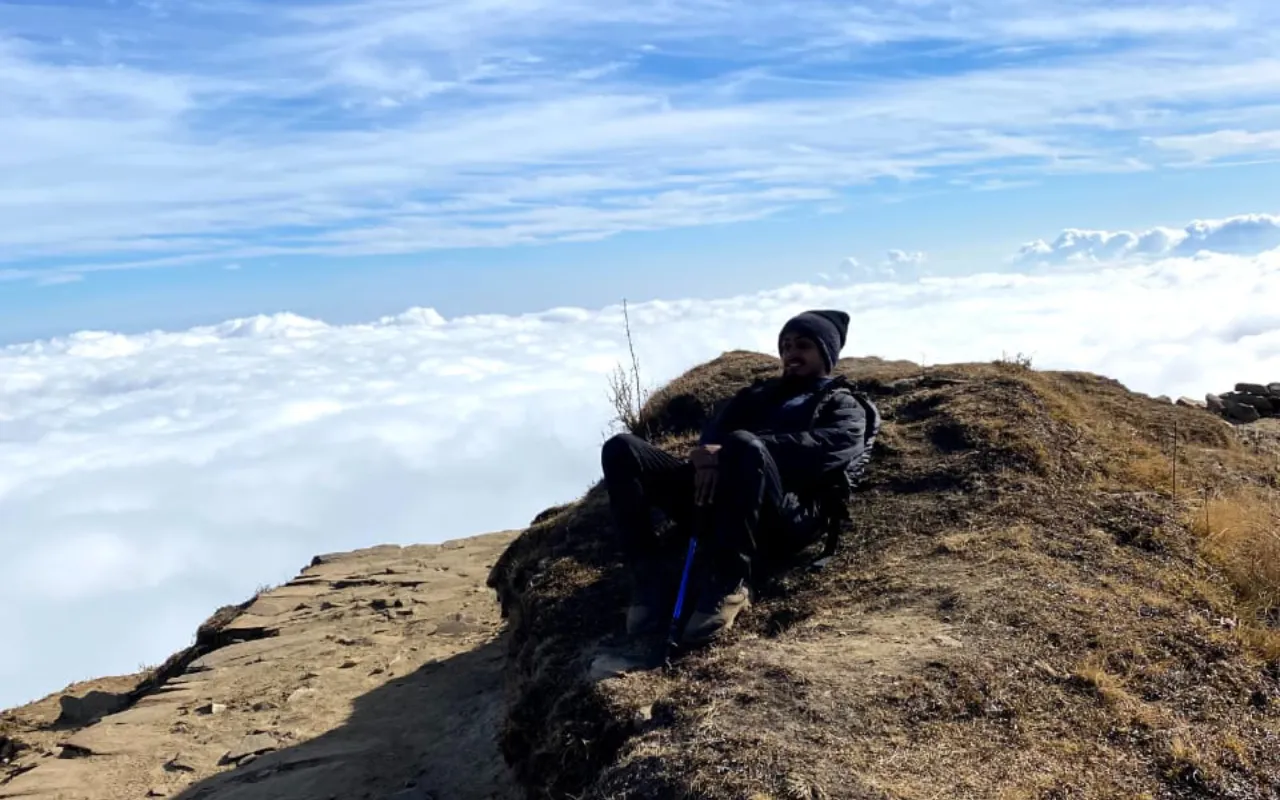
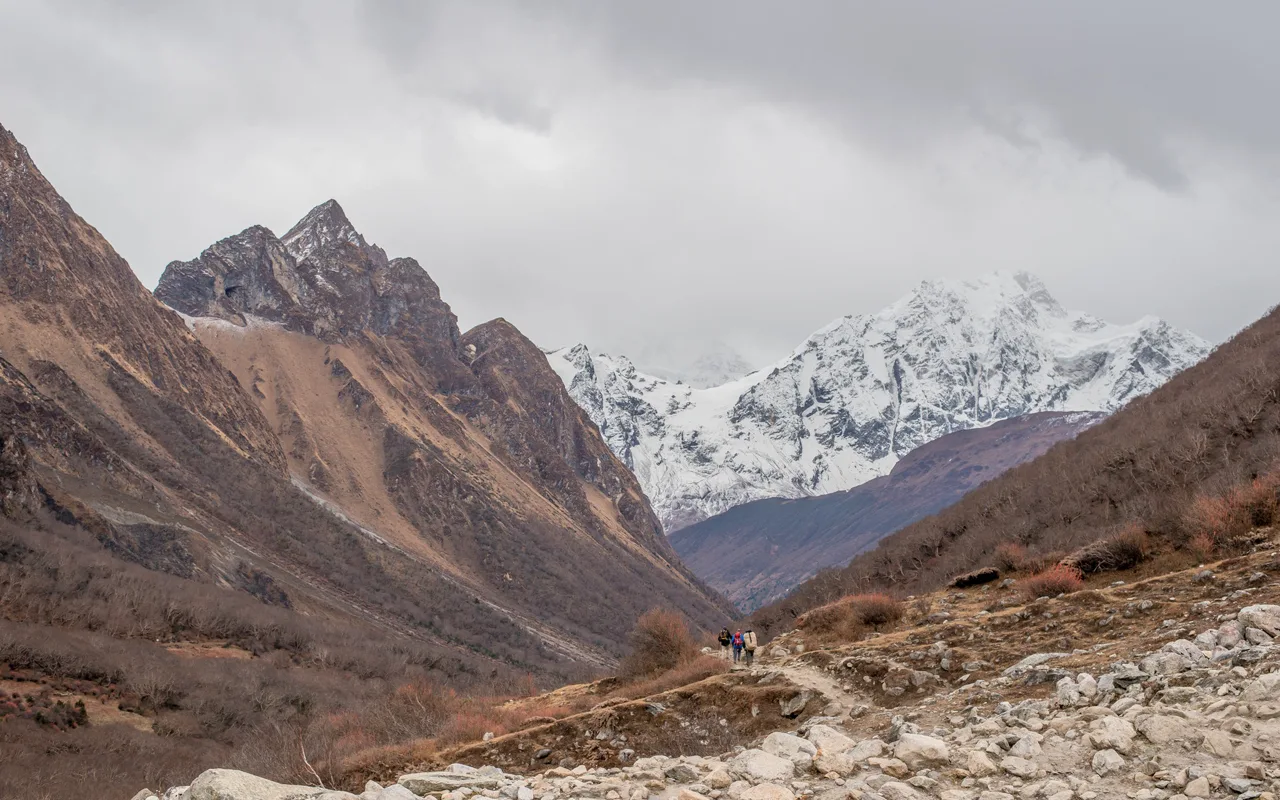
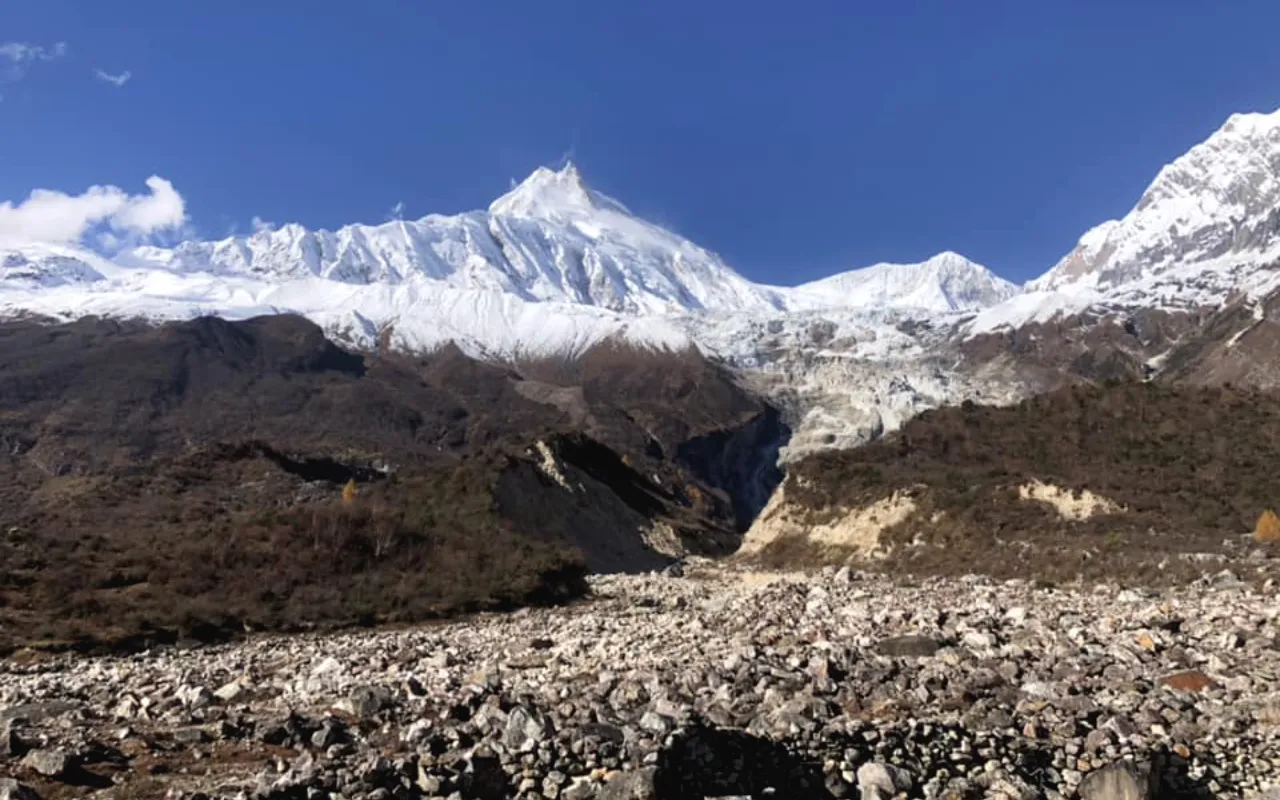
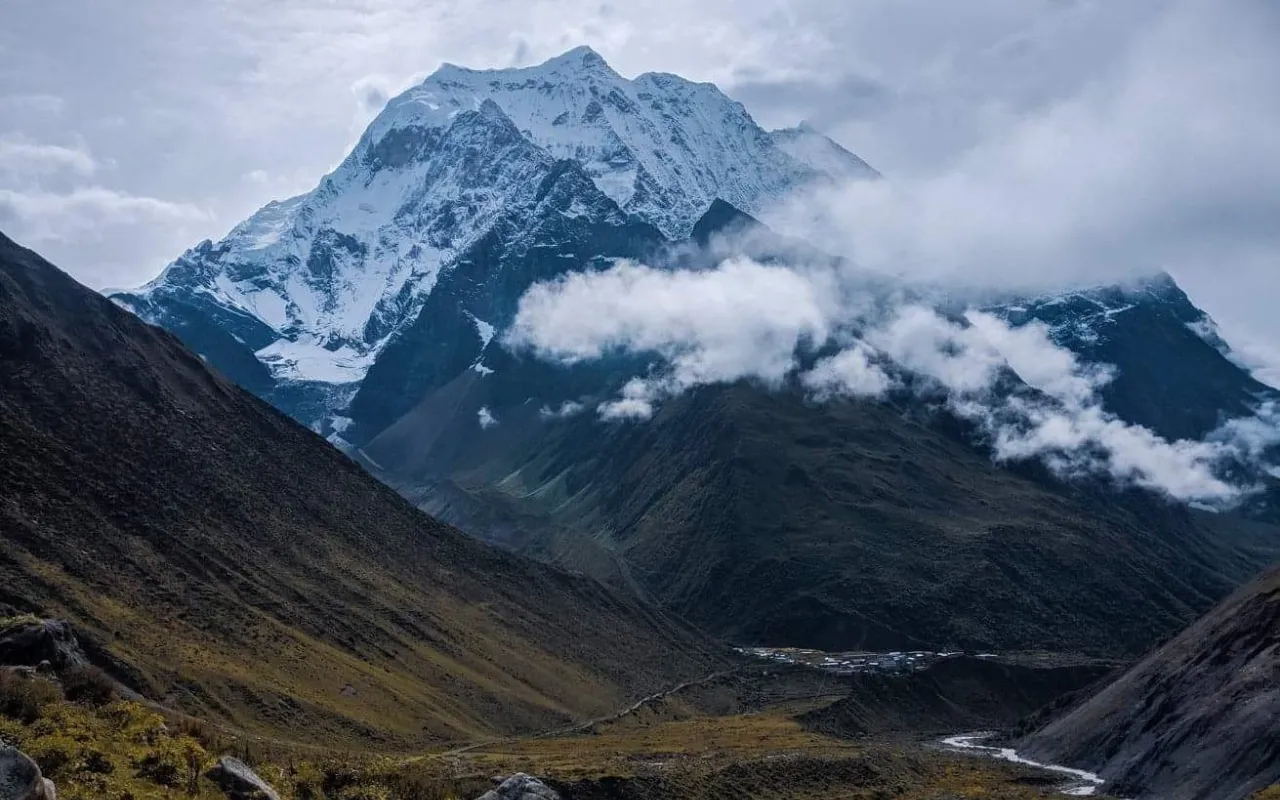
The designed Helambu Trek Itinerary allows participants reasonable ease of accessibility without sacrificing opportunities to see beautiful sights and learn about local culture. The trek operates a daily system that introduces fresh experiences to the participants. The climb up the valley provides trekkers stunning views of Langtang, Manaslu, Everest, Jugal Himal, Ganesh Himal, Annapurna, and Gauri Shankar mountain ranges.
The most dramatic moment on the trek occurs when travelers reach Tharepati Pass at 3,650 meters to admire snowy mountain peaks in all directions. Tourists seeking outdoor adventures at relatively moderate heights will find the trek’s favorable environment suitable for their needs. The Helambu Trek 5 days offers guests the chance to explore Buddhist spots, such as Tarke Ghyang Monastery and meditation caves, and discover the territory’s religious aspects.
The friendly welcoming nature of the local people creates unique interaction opportunities where visitors can participate in learning about their traditional ways of living. The trek offers visitors a complete experience to witness Himalayan serenity and explore the traditional local culture of the region.
Why Choose Langtang Helambu Trek 5 Days?
The Langtang Helambu Trekking offers a harmonious combination of astonishing vistas, cultural heritage, and spiritual worth, making it suitable for walkers of diverse abilities. Due to its lower elevation, the trekker can enjoy moderate challenges within diverse Nepalese scenery. The trek reveals breathtaking mountain views of Langtang, Ganesh Himal, and Jugal Himal together with lovely forests and farmlands.
On the path you will find several quaint villages that allow you to connect with Sherpa and Tamang communities while they share their cultural ways of life. Cultural accommodations and beautiful scenery together with religious values characterize the spiritual nature. The Langtang Helambu Trek 5 days include significant stops at Buddhist monasteries located in Gosaikunda and Helambu, which hold great importance in Tibetan beliefs.
People interested in wildlife will appreciate the trek, which leads through territories that support distinctive animal species such as snow leopards, red pandas, Himalayan Tahr, and musk deer. Travelers who seek Himalayan adventure combined with limited time availability should choose this trek.
The Helambu Trek 5 Days delivers a complete experience since it brings together cultural experiences, spiritual development, and the magic of nature.
Trip Highlights
- Enter the Shivapuri National Park, one of the peaceful protected areas of Nepal without much crowd.
- Learn about Tibetan Buddhism in the historic Buddhist monasteries in Helambu.
- A peaceful trail exists among oak and rhododendron forests that offer visitors a beautiful serene natural environment.
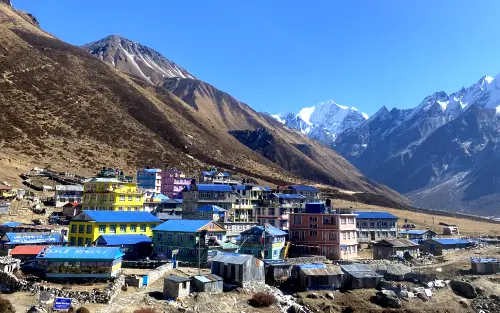
- Witness villages such as Kutumsang, Tharepati, Tarke Gyang, and Sermanthang for a unique and ancient charm.
- The trekking route provides panoramic views of the mountains Annapurna, Langtang, Ganesh Himal, Jugal, Manaslu, and Mount Everest.
- Experience first-hand Tamang and Sherpa culture to understand their customs and daily way of living.
- You can see wildlife such as snow leopards, red pandas, Himalayan Tahr, white monkeys, and musk deer.
- Observe Buddhist monasteries, including Tarke Ghyang Monastery, with stupas and prayer walls that demonstrate the area’s religious value.
- An opportunity to explore sweet apple farms while tasting fresh apples available directly from local farms.
- Visit the Hyolmo people who maintain their unique way of life in addition to their distinctive cultural customs.
- The winter season brings the lively Nepalese traditional celebrations of Losar which can be witnessed by visitors.
Detail Itinerary of Helambu Trek 5 days

Day 1: Drive to Sundarijal, then trek to Chisopani
Our adventure commences when we drive from Kathmandu to Sundarijal, which is thrilling and quite quick. Upon our arrival, we will witness a historical hydro plant built in 1939, which continues to provide water to the city.
Upon entering Shivapuri Nagarjun National Park, we will start our genuine trek from Sundarijal toward this protected forest, which harbors many unique wildlife and plant species.
The path from Sundarijal will start with an easy uphill slope to reach Mulkhari, where the Tamang community are the inhabitants. The adventure continues as we move past rhododendrons and oak forests while the Langtang mountain range intermittently appears in our view.
After a few hours of walking, we reached Chisapani. The name Chisapani comes from the Nepali term “cold water.” It offers extraordinary views of the Langtang and Annapurna ranges. We will spend our time at Chisapani at a friendly tea house where we can enjoy the peaceful mountain surroundings.

Activity: Drive & Trekking for 5-6 Hours

Max. Altitude: 2,295m/7,530ft. Chisopani

Meal: Breakfast, Lunch, Dinner

Accommodation: Guest House
Day 2: Trek from Chisopani to Kutumsang
We begin the second day at dawn to witness the sunrise from the Chisapani viewpoint so you can see Himalayan peaks illuminated with morning light. We began our hike to Kutumsang after breakfast, and field terraces, the path required six to seven hours. The trail winds its way through hills decorated with meadows alongside field terraces while offering grand vistas of the mountains around us.
The trek passes through traditional villages, including Pathi Bhanjyang, where you can join the locals in their traditional lifestyle. From this point forward, the trail leads up to Gul Bhanjyang, which offers welcoming villagers and beautiful horizon views.
We will spend our overnight stay in Kutumsang after descending out of the pass. The village displays peaceful character through its traditional stone houses and welcoming local inhabitants. The location makes a perfect spot to relax after climbing throughout the day.
Activity: Trekking for 6 to 7 hours
Max. Altitude: 2,470m/8,104ft. Kutumsang
Meal: Breakfast, Lunch, Dinner
Accommodation: Guest House
Day 3: Trek from Kutumsang to Tharepati
Today, we traveled from Tharepati for six to seven hours. The beginning path presents spectacular views of snow-covered peaks, and each movement leads toward awe-inspiring Himalayan vistas. The trail ascends through forests of rhododendrons as well as fir trees while always keeping us amidst nature’s peaceful surroundings. When reaching Yurin Danda, the peak provides breathtaking wide views that showcase neighboring peaks like Everest, Langtang, and Manaslu in the distance.
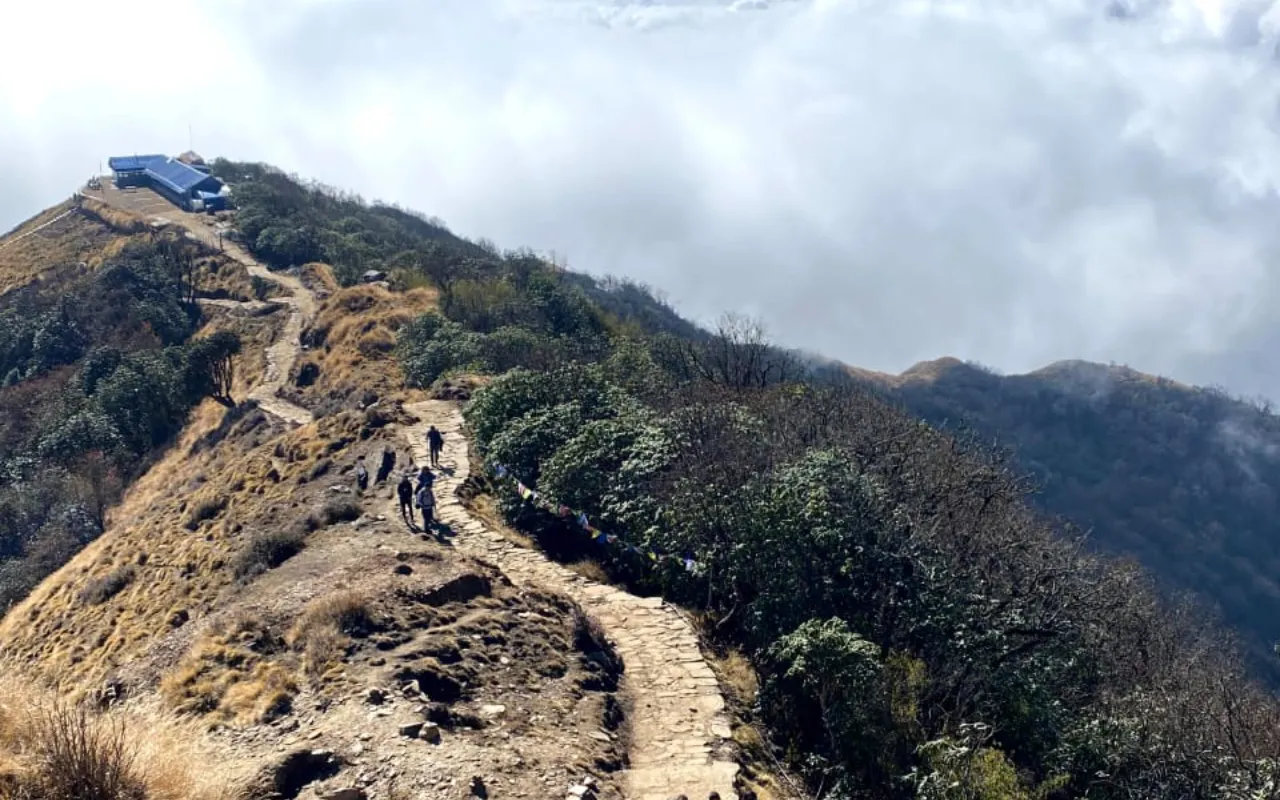
The combination of alpine forests and green meadows produces a remarkable photographic area. Magen Goth stands as a tiny community established close to a grassy field that provides spectacular mountain views during our journey. After a brief rest, the trek continues to Tharepati, the final stop of the day. From its elevated position at the summit, visitors can see impressive peaks, including Gaurishankar, Jugal Himal, and Numbur.
The views from this part will create indelible memories because we can view mountains while contemplating our expedition.
Activity: Trekking for 6 to 7 hours
Max. Altitude: 3,690m/12,106ft. Tharepati
Meal: Breakfast, Lunch, Dinner
Accommodation: Guest House
Day 4: Trek from Tharepati to Tarke Ghangyul
Today’s tour leads us to Tarke Gyang where the Sherpa residents share their cultural heritage while living among scenic beauty. The hike to Tarke Ghyang from Tharepati requires six hours of walking through communities that show us life in the local area. As visitors go downhill from Tharepati, they enter traditional Melamchi Gaon, where locals teach about Sherpa’s ethnic heritage.
Tarke Ghyang Monastery from Buddhist history attracts importance because Guru Rinpoche is believed to have conducted visits to them. We move on from relaxing in the village before continuing our trek by crossing multiple Sherpa settlements that showcase individual attributes. Wandering to Tarke Gyang exposes visitors to one of the area’s oldest sacred monasteries, which commands deep respect. The monastery is a sacred site for spiritual exploration, and it brings deep religious meaning to valley explorers.
Helambu presents us with the friendly nature and warm hospitality of the local community. A lodge of comfort will welcome us for an evening of peaceful rest in this tranquil hamlet.
Activity: Trekking for 6 Hours
Max. Altitude: 3,690m/12,106ft. Tarke Ghangyul
Meal: Breakfast, Lunch, Dinner
Accommodation: Guest House
Day 5: Trek from Tarke Ghangyul to Sermanthang and return to Kathmandu
From Tarke Ghyang, tourists can begin a relaxing trek toward Sermanthang. A combination of dense woodlands with river water and cascading falls will accompany the breathtaking views as you advance. Small human settlements such as Parachin and Gangyul allow visitors to glimpse Sherpa’s residential habits. Sermanthang is a peaceful community where beautiful Buddhist monasteries can be found.
Sermanthang provides an ideal location to savor the peaceful natural scenery while finding some respite. Our group will return to Kathmandu by bus after Sermanthang while stopping in Melamchi Bazar.
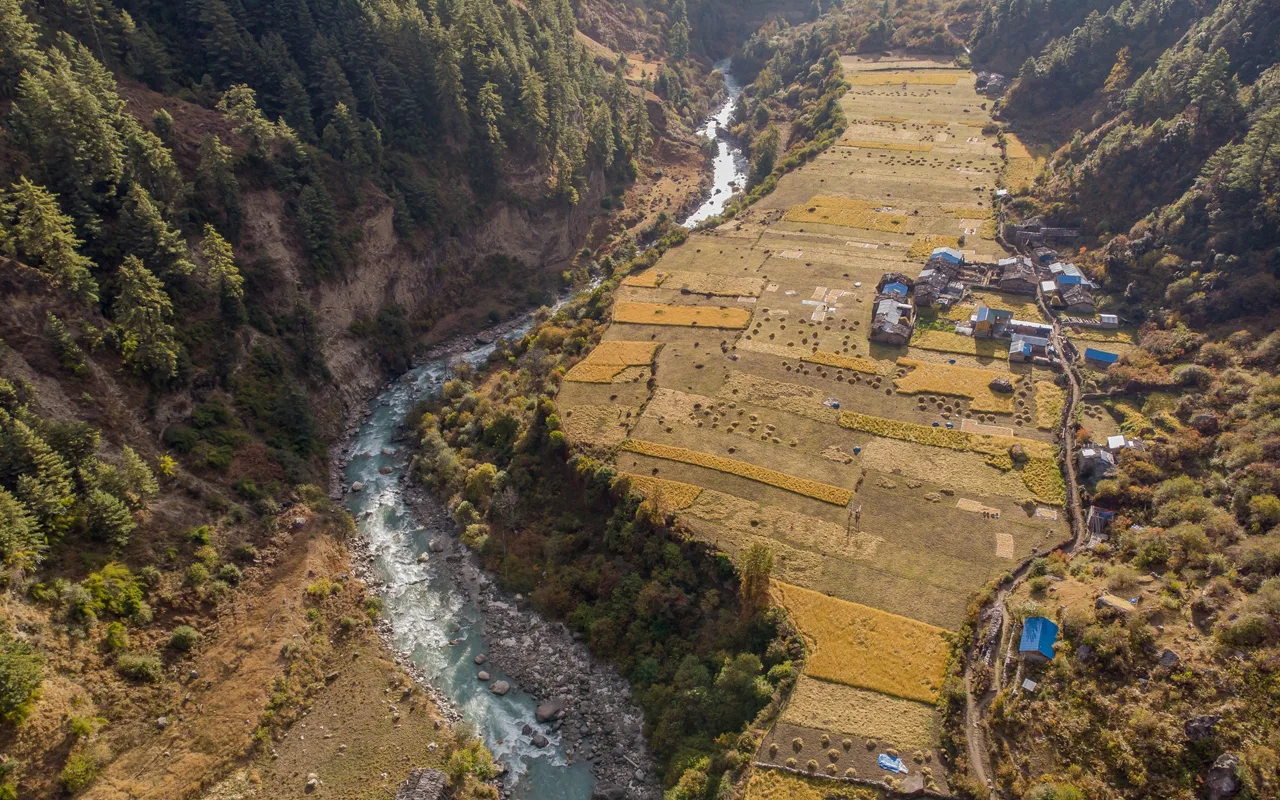
Passing through the Melamchi River route allows visitors to see charming rural landscapes and gorgeous agricultural scenes. Your return trip to Kathmandu will allow you to appreciate your fantastic hiking adventure, which includes breathtaking natural landscapes and welcoming residents.
Activity: Trek & Drive for 8 to 9 Hours
Max. Altitude: 1,324m/4,344ft. Kathmandu
Meal: Breakfast, Lunch
Accommodation: 3 Star Hotel
Includes & Excludes
What are included with package?
Accommodation
- Best available accommodation Tea house/lodge accommodation during the trek
Meals & Drinking Water
- All your standard meals during the trek (Breakfasts, Lunches and Dinners) including one hot drink and seasonal fruits
- A farewell dinner on the last night in Nepal
- Purified drinking water during the trek using Water Filter or water purification tablets.
Transportation
- All (international and domestic) airport transfers on a tourist vehicle
- Kathmandu to Sundarijal by Local bus/jeep (group sharing basis)
- Sermanthang to Kathmandu by local bus/jeep (group sharing basis)
.
Guide and Staff
- Experienced, first-aid trained, government licensed, English speaking, and locally recruited Nomad Adventure’s trekking guide (2 guides for group size more than 7 people)
- Porters during the trek for carrying luggage (1 porter for every 2 clients)
- Wages, accommodation, meals, gear, insurance and medications for all staff
Medical Assistance
- Assistance in arranging rescue operations in case of complicated health conditions (funded by travel insurance)
- Medical kits, including an oximeter to monitor blood oxygen saturation levels in high altitudes
Permits
- Langtang National Park entry permit fee
- TIMS (Trekkers’ Information Management System) card
Benefits and Takeaways
- Sleeping bags and down jackets, duffle bag (one for every two trekkers) if you do not have your own
- company’s T-shirt & Cap
- Trip completion certificate
Administrative & Taxes
- All administrative expenses and government taxes
What are not included with package?
Price Excludes
- All accommodation and meals in Kathmandu, before and after the journey
- Lunch and dinner in Kathmandu
- International flight fare and airport departure tax
- Nepal Entry Visa (Visa can be acquired easily after your arrival at Tribhuvan International Airport in Kathmandu with a fee of USD 30 for 15 days visa, USD 50 for 30 days visa and USD 125 for 90 days visa)
- Extra night accommodations in Kathmandu due to early arrival or late departure, early return from the trek or other itinerary changes
- Travel insurance along with high-altitude emergency evacuation coverage
- Medical check-ups, vaccinations, or medications required for the trek are not included.
- Any beverages including bottled and boiled water
- Tips to trekking staff and driver
- Personal trekking gear and equipment
- Any expenses other than the Price Include section
- Personal expenses (shopping, snacks, boiled bottle water, hot (Tea/ Coffee) and cold drinks, hot shower, alcohol, Wi-Fi, telephone call, battery re-charge fee, extra porters, etc
- Personal clothing and gear

Note:
If you have a private group and prefer a personalized experience, we can organize a custom trip tailored to your requirements and group size, running it any day you choose.
Detail Information about Helambu Trek 5 days
Best time for Helambu Trek 5 Days
For the best and most comfortable trek, travelers can commence on the Helambu Trek 5 days during the spring and autumn seasons. The trek provides an optimum climate during these seasons, with clear skies and pleasant temperatures.
During the spring season, the landscape turns dense green while rhododendron forests reach their blooming stage which creates colorful visual effects. The area presents temperatures between 10°C and 20°C at low elevations in addition to stable meteorological conditions that create optimal visibility of snow covered mountains.
Autumn brings refreshing air combined with cooler temperatures which become more pronounced while climbing towards higher altitudes. During this season, visitors can experience the most breathtaking mountain views. The skies are usually clear, and all surrounding peaks present themselves majestically. The fall temperatures range from 5°C to 15°C at the bottom elevations, yet the higher elevations experience lower temperatures.
Helambu Trek during the off-season
In Helambu’s off-season, between the monsoon (June to August) and winter (December to February), you will encounter different trekking experiences and face some extra difficulties. The trails become difficult to navigate during monsoon season. Unpredictable, which can make the trails wet and slippery.
Rainfall can also elevate the weather bringing heavy rainfall that changes trails into wet slippery conditions. The elevated risk of landslides and floods, potentially stopping your trek. Although preparedness for wet conditions brings peaceful seclusion through the beautiful green landscape with fewer people on trails.
The elevations in winter become exceptionally cold making snowfall a regular occurrence. The area remains not crowded because most trekkers choose to avoid chilly weather conditions. Opting to trek during winter time brings the opportunity to experience the peaceful surroundings while discovering the breathtaking views of snowy landscapes for people who like winter treks.
Various guesthouses and trekking services operate with reduced availability during these quiet periods. People should prepare flexibly, wearing proper clothing and equipment, before venturing into these off-season times for trekking.
Permits Required for Langtang Helambu Trekking
All trekkers must obtain two essential permits for the Helambu Trek 5 Days. Protected area entry permits and safety regulations are required for entry into the restricted zones and for travel security.
Trekkers must obtain the Langtang National Park Entry Permit because it grants them access to the Langtang National Park. Rich in wildlife, containing the rare red panda and snow leopard, the Langtang National Park demands this permit for everyone who plans to trek in this area. Trekkers from foreign need to pay NPR 3,000 ($30) as the permit fee while SAARC nation trekkers should pay NPR 1,500 ($15).
The TIMS Card (Trekkers’ Information Management System) represents the second essential permit for trekking in Nepal. All Nepalese trekkers must obtain this mandatory document for their trek throughout the country. A tracking system function allows the TIMS card to monitor your planned itinerary for emergency purposes or rescue operations. The authorities check the movement of trekkers through remote zones by using this card as a monitoring system.
If you are traveling to Nepal, you must purchase a TIMS card for NPR 2,000, which is approximately $20. The Nepal Tourism Board (NTB) office manages complete permit processing or takes our package that allows you to skip paperwork and concentrate on your trekking adventure. Both safety considerations and regional protection requirements need these permits to be authorized.
Cultural Heritage on the Langtang Helambu Trekking
The Helambu Trek 5 Days provides an authentic chance to learn about regional cultural heritage by sharing with visitors the traditions and festivals along with the livelihood habits of local ethnic groups. The Tamang ethnic group maintains connections to Tibetan culture while inhabiting the Langtang Valley region.
The name “Tamang” is derived from the Tibetan words “horse” and “traders” make up the name “Tamang”, which shows their history as traders between Tibet and Nepal. Through their practice of Tibetan Buddhism the Tamang people observe many notable religious festivals including Lhosar and Buddha Jayanti.
Traditional stone houses with prayer flags give visitors an insight into their lifestyle, Animist and Hindu which integrates Buddhist practices with worship based on Animism and Hinduism beliefs.
Among the Himalayan people, the Sherpa inhabit Helambu. There, they practice Tibetan Buddhism while living peacefully in their mountain environment. During Losar, Sherpas organize communal events where they perform dances along with ceremonial ceremonies to celebrate the Tibetan New Year.
The Helambu Trek 5 Days opens opportunities to discover the regional traditional dishes such as Dal Bhat, Tibetan bread along with Momo which gives travelers a chance to taste authentic regional cuisine. Throughout the adventure, tourists discover Buddhist art through thangkas and prayer wheels, which enrich their cultural immersion. The trek’s educational value includes instruction in languages such as Tamang and Sherpa, which supplement participants’ cultural exposure.
5 Days Helambu Trek Difficulty
The 5 Days Helambu Trek Difficulty is marked as intermediate. The trek involves non-technical climbing yet has some manageable difficult ascents and steep slopes. Walkers can experience astonishing views of the Himalayas while trekking across rice fields mountain forests and Nepalese villages at different altitudes.
Walking between 4 to 6 hours each day leads through heights ranging from 2,300m to 3,650m as part of the trek. The Helambu trek 5 days does not include technical climbs yet it presents some challenging steep inclines during the ascent section that require additional strength. Any trekkers with basic physical capabilities can successfully complete this trek.
All hikers should engage in physical exercises such as running, cycling, and swimming, which develop their stamina before attempting this trek. Engaging with strength training, by doing exercises like planks, lunges, and squats also will help you during the steep ascents.
Building mental preparedness stands equally important together with motivation as a foundation to enjoy the adventure. The decision to hire a porter delivers a strong advantage because it lets you lessen physical strain by handling your luggage for better attention to the trek.
The Helambu trek 5 days provides an outstanding combination of physical adventure and cultural encounters in an environment that maintains reasonable challenges for every participant.
Preparation for Langtang Helambu Trek 5 Days
Physical endurance development for the Helambu Trek 5 Days requires cardiovascular exercises that include running, cycling, and hiking. The development of stamina plays a critical role in trekking particularly during elevated altitudes so step by step increase your trekking distance.
Moisture-wicking layers of clothing should be your base for this trek because they provide flexibility and warmth at all times. Your essential clothing for the Helambu Trek 5 Days consists of a fleece jacket and waterproof jacket together with thermal wear, trekking pants, sturdy boots, a hat and gloves as well as a sleeping bag that you need for cold nights.
The convenience tools for trekking include a well-fitted backpack with trekking poles and a headlamp with extra batteries. The process of adjusting to higher altitudes requires patience and enough hydration to succeed. You need rest breaks during altitude gains to prevent symptoms of altitude sickness.
The essential items include your first aid kit along with water purification tablets, sunscreen, lip balm, snacks, and a minimum amount of necessary belongings for the trek. Stay hydrated with equipment while consulting medical experts to determine necessary vaccines that should include typhoid, hepatitis, and tetanus. Travelers also need medical emergency insurance coverage for their protection and also to avoid very high expenses.
Clear skies and magnificent mountain views from September to November and March to May make up the best times for Langtang Helambu Trekking Nepal. Anyone prepared properly will have an unforgettable trekking experience.
Accommodations in the Helambu Region
On the Helambu Trek 5 Days, the route provides its guests primarily with teahouses and lodges which offer basic yet cozy rooms for accommodation. Both beds accompany each room at these accommodation sites and come equipped with blankets along with pillows.
Additionally, the welcoming nature of teahouses does not make it warm at high elevation points for which you require a sleeping bag for adequate warmth levels. Visitors have access to shared bathrooms in most facilities along with several establishments offering contemporary bathroom options. Hot water services at specific teahouses demand either an additional payment or an explicit request by patrons.
An essential attraction of Helambu teahouse accommodations lies in their communal dining area. The communal areas found in teahouses function as social spaces where people on the trek can share their experiences and have their meals. The rooms consist of stove installations which serve as effective heat sources during cold weather.
Many Nepali dining areas at Helambu serve authentic traditional food consisting of dal bhat, momos, and vegetable curries that provide sustained energy for mountain hikers. Heating centers at tea houses allow groups of trekking companions to share meals and forge new friendships on their outdoor expeditions.
Social encounters with friendly Nepali locals show visitors the local cultural traditions while making every experience even more exciting. Teahouses on the Helambu Trek 5 Days provide diners with basic comfort levels within an authentic sharing environment.
Meals during Langtang Helambu Trekking
Simple nutritious food is served on the Helambu Trek 5 Days trip which supplies trekkers with the necessary energy to complete their daily travels. Traveled guests can find Nepalese cuisine as their main food option together with local and international dishes at each teahouse along the trail.
The starting meal of the day at the Helambu Trek 5 Days offers choices between porridge together with tea or coffee and pancakes and eggs plus toast. The provided meals supply sufficient energy for your trekking days.
The typical Nepalese meals during lunch and dinner include dal Bhat (lentil soup with rice), vegetable curry, momos (dumplings), and noodle soups. These meals supply enough energy through the combination of carbohydrates with protein to maintain your energy.
The dining facilities also provide Western meals such as pizza together with pasta and fried rice to satisfy a range of trekkers’ eating preferences. All meals are shared in the communal dining area of the teahouse creating a comfortable social environment.
Throughout your adventure, you will meet fellow trekkers who become companions for sharing stories while planning ahead about the adventure together. The local tea houses provide customers with calm beverages such as tea coffee and hot chocolate to help visitors recover from cold outdoor activities. The basic dining options provide traditional flavors alongside healthful portions that let you become familiar with the local way of life.
Acclimatization during the 5 days Helambu Trek
The Helambu Trek 5 Days requires proper acclimatization for your body to adjust to height changes which prevents altitude sickness symptoms. Although most elevations during the trek remain moderate you should still practice acclimatization because areas over 3,000 meters require additional caution.
The second day of the trek brings you to spend the night in Ghora Tabela. The location provides an excellent base for spending your inaugural night at such heights. You will get both rest and physical adaptation to altitude changes since you completed your daily route.
The climb from the third day will lead you to Langtang Village while ascending to 3,400 meters where you will spend the night. Spend your night here since the elevation makes it a favorable spot for your body to adapt to higher altitudes. You should proceed with caution throughout the trip since the climbing distance is limited even though you must hydrate regularly and watch for symptoms which include headaches and dizziness.
Visitors can rest in Langtang Village for an additional day to adapt better to the altitude before moving towards more elevated locations. The ascending path provides your body time to acclimate thus producing safer and enjoyable conditions on the Helambu Trek 5 Days.
Water Availability on the Helambu
Drinking water remains accessible along the Helambu Trek 5 Days route until the end, though anyone who uses this water for consumption must follow proper safety measures to make it drinkable. Tourists can collect drinking water from natural water sources such as streams, rivers, and taps that exist in both lower villages and along the trail path. You need to purify natural source water since it contains potentially harmful diseases even though it offers refreshment.
To drink safely from natural water sources on the Helambu Trek 5 Days, you should use water purification equipment such as iodine tablets or a UV purifier or filter bottle. Your objective should be to make water drinking safe because you will be passing through settlements that are distant from each other.
Early preparation of your water supply and appropriate storage should be ensured during isolated hiking days because these periods experience lower levels of water station availability. Check for contamination signs close to water sources while abstaining from stagnant pool drinking.
Adjusting to altitude elevation requires enough water intake to prevent dehydration. Your trek will benefit from both practicality and environmental sustainability by carrying a reusable bottle.
Frequently Asked Questions
How challenging is the Helambu trek?
The Helambu Trek 5 Days is a moderate level difficulty that requires only average fitness levels since its difficulty fits beginners. Different elevations on the trail allow most hiking enthusiasts to access this path because of its steady climbing and descent pattern. The elevation point reaches only 3,650 meters which makes altitude challenges minor for travelers.
What type of weather should I expect on the Helambu Trek?
The weather throughout the Helambu Trek 5 Days depends on the seasonal changes. The spring and autumn seasons deliver gentle temperatures although the winter times bring cold conditions mostly in regions above elevation. Before starting your trek, always expect moisture during the rainy month due to the monsoon season.
Can I do the Helambu trek without a guide?
No, the trip remains restricted to be done without a guide. Instead, having one will streamline your trek and boost your knowledge acquisition during the trek. Trip navigation as well as local knowledge and route monitoring are provided by guides to help them complete the hike successfully.
Is the Helambu Trek suitable for families?
Absolutely. Families with children should choose Helambu Trek 5 Days as their adventure because it combines easy access and easier physical challenges.
The trek features both natural elements and cultural experiences which creates pleasure for people of all ages.
Are there any health risks on the Helambu Trek?
The intermediate elevation during the trek prevents most instances of altitude sickness. It is important to drink enough water and rest occasionally as needed to maintain comfort. Medical consultation with a doctor is necessary before beginning the trek if you have existing health problems.
What is the highest elevation during the Helambu Trek itinerary?
The Helambu Trek Itinerary reaches its peak at Tharepati, located at an elevation of 3,650 meters (11,975 feet). The spot provides visitors with unbeatable views of snowy peaks and expenditures into the surrounding valley landscape.
What should I pack for the Helambu Trek?
Choosing the right gear during the trek requires obtaining sturdy footwear and a warm jacket followed by rain protection together with sunscreen, a first aid kit, and a drinking container.
Integrating both a camera and a lightweight backpack with good organization should be on your packing list.
Reviews on Helambu Trek 5 days
 Write a Review
- 1 - 1 personUS$ 550
- 2 - 4 personUS$ 480
- 4 over 9999 US$ 380
Total Cost:
US$ 550
- Your safety, our no 1 priority
- Best price guarantee
- Experienced & dedicated team
- Easy booking, no hidden charge
- You can customize this trip
Talk to Travel Expert Samundra Rimal (+977-9843127084)
Related trips you may like