



Kathmandu Sightseeing Tour

Duration
1 Day

Max Altitude
1,400 m. / 4,593 ft.

Difficulty
Easy

Group Size
2-16 Pax

Meals

Transportation
Private Vehicle

Activities
- Sightseeing

- Your safety, our no 1 priority
- Best price guarantee
- Experienced & dedicated team
- Easy booking, no hidden charge
- You can customize this trip



Talk to Travel Expert Samundra Rimal (+977-9843127084)
Introduction of Kathmandu Sightseeing Tour
Kathmandu Sightseeing Tour is a beautiful day outing to explore the very core of Nepal’s capital city. It is designed to suit travelers who wish to explore the major attractions of Kathmandu within a limited period.
A private car and an English-speaking, friendly guide will pick you up in the morning at your hotel and take you through the popular temples, stupas, and old squares of the city. It offers a relaxing and pleasant way to experience the culture and traditions of Kathmandu.
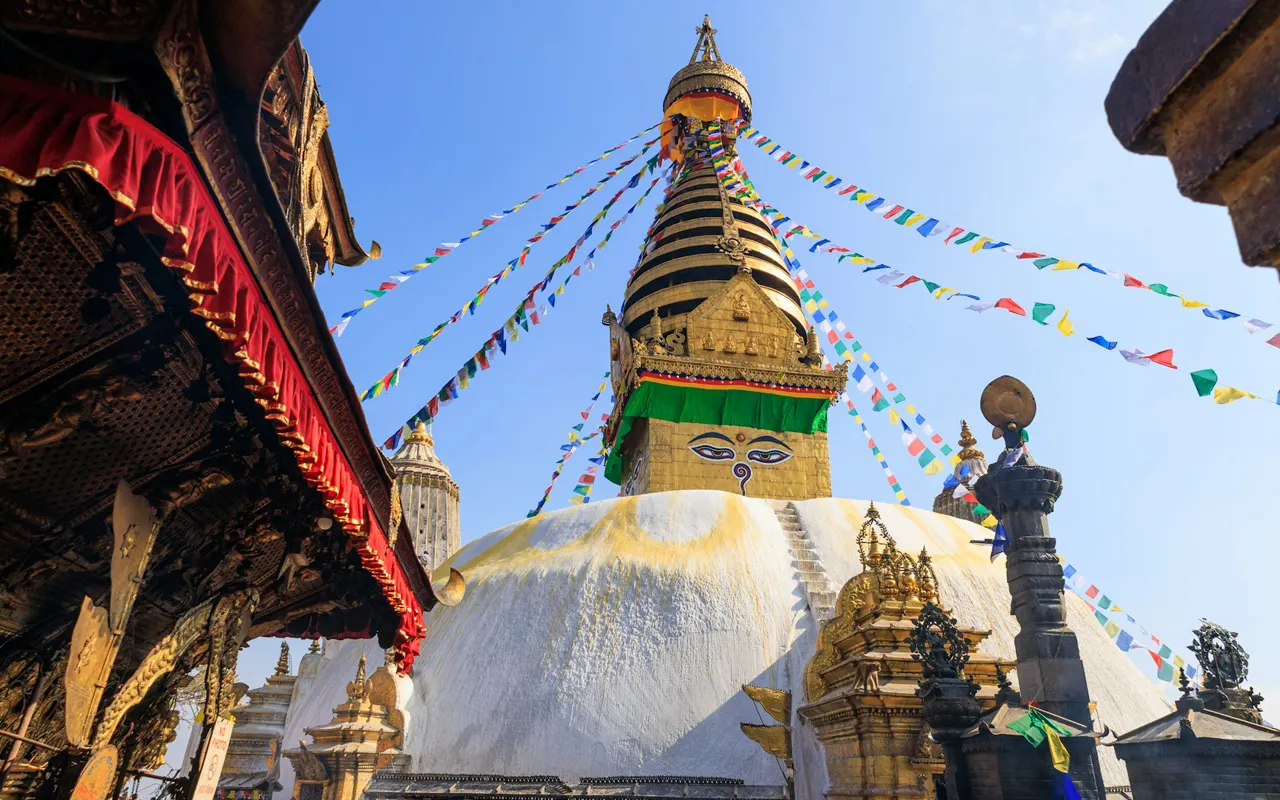
Together you’ll visit ancient pagodas, stupas, and lively squares packed with history. This friendly and well-paced tour covers all the main attractions: from the sacred Hindu temples of Pashupatinath to the panoramic views atop Swayambhunath (Monkey Temple), and the intricate carvings of Kathmandu and Patan Durbar Squares.
The tour is a fusion of culture and comfort. You will be accompanied by an experienced local guide who will tell us about the history of Kathmandu. Unlike rushed group tours, this private Kathmandu Sightseeing tour moves at your pace: you can take photos of the prayer flags fluttering at Boudhanath, observe cremation rites across the river at Pashupatinath, and browse souvenir shops in Thamel.
After about 6–7 hours on the road (roughly 16 km total driving), you’ll return to your hotel by late afternoon. No meals are included, so plan for breakfast at your hotel or a nearby cafe before starting. Nomad Adventure Treks ensures all logistics are handled, so you simply sit back and enjoy the sights.
The Kathmandu Valley sits at about 1,350–1,400 meters, so altitude sickness is typically not a concern for this city trip. Still, we recommend drinking plenty of bottled water and resting if you feel any discomfort. The best times for clear skies are spring (March–May) and autumn (Sept–Nov).
During these months, the air is cool and dry. Summer (June–August) brings monsoon rains that may disrupt plans. Winter can be chilly with low clouds, but if you don’t mind early sunrises and possible fog, the streets are quieter then.
Kathmandu is a welcoming and comparatively secure city. Nepali people are accustomed to tourists, and the vast majority of locals speak at least some English, particularly shopkeepers and guides. Nevertheless, it is better to honor local culture: You should take off your shoes before entering temples, wear simple clothes, and never take close-up shots of people without asking permission.
In this tour, all transportation and negotiating traffic jams will be under the guidance of your guide, and it is uncertain. Relax in the comfort of the personal vehicle as you slide through the UNESCO World Heritage sites and that cool courtyard.
Our Kathmandu city tour covers all the must-see attractions in one day, so you can start or finish your Nepal trip feeling connected to its culture and history. Reserve your individual tour with Nomad Adventure Treks so that you have a hassle-free, exciting stay in the heart of Kathmandu.
Trip Highlights
- UNESCO World Heritage Sites of the Kathmandu Valley: Pashupatinath, Boudhanath, Swayambhunath, Kathmandu & Patan Durbar Squares
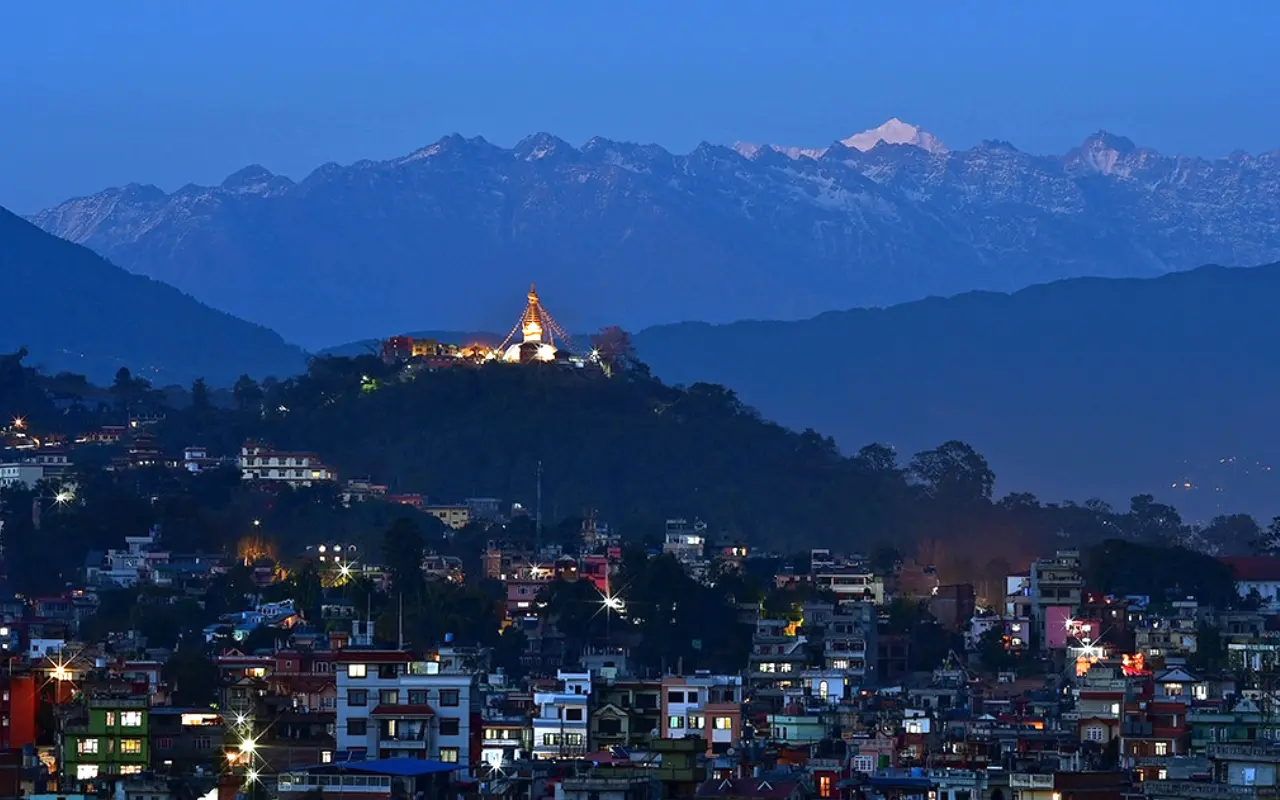
- Panoramic view of the city from the Swayambhunath hilltop temple
- Sacred sites of both Hindus and Buddhists on a single day tour
- The traditional Nepalese hospitality was guided privately and in English
- Local experience: follow Nepali rituals in the watch temples and eat Nepali food (on your own) later
Detail Itinerary of Kathmandu Sightseeing Tour

Day 01: Kathmandu City Highlights
Your Kathmandu Sightseeing tour begins with a morning pickup at your hotel. First stop is Kathmandu Durbar Square, Kathmandu Durbar Square, one of the UNESCO World Heritage Sites of the Kathmandu Valley, the ancient royal palace and plaza. Stroll among the pagodas and palaces, and see the famous Kasthamandap (wooden shelter) that gave the city its name.
Next, drive up to Swayambhunath Stupa (the Monkey Temple), another UNESCO World Heritage Site of the Kathmandu Valley, for a panoramic view of the Kathmandu Valley.
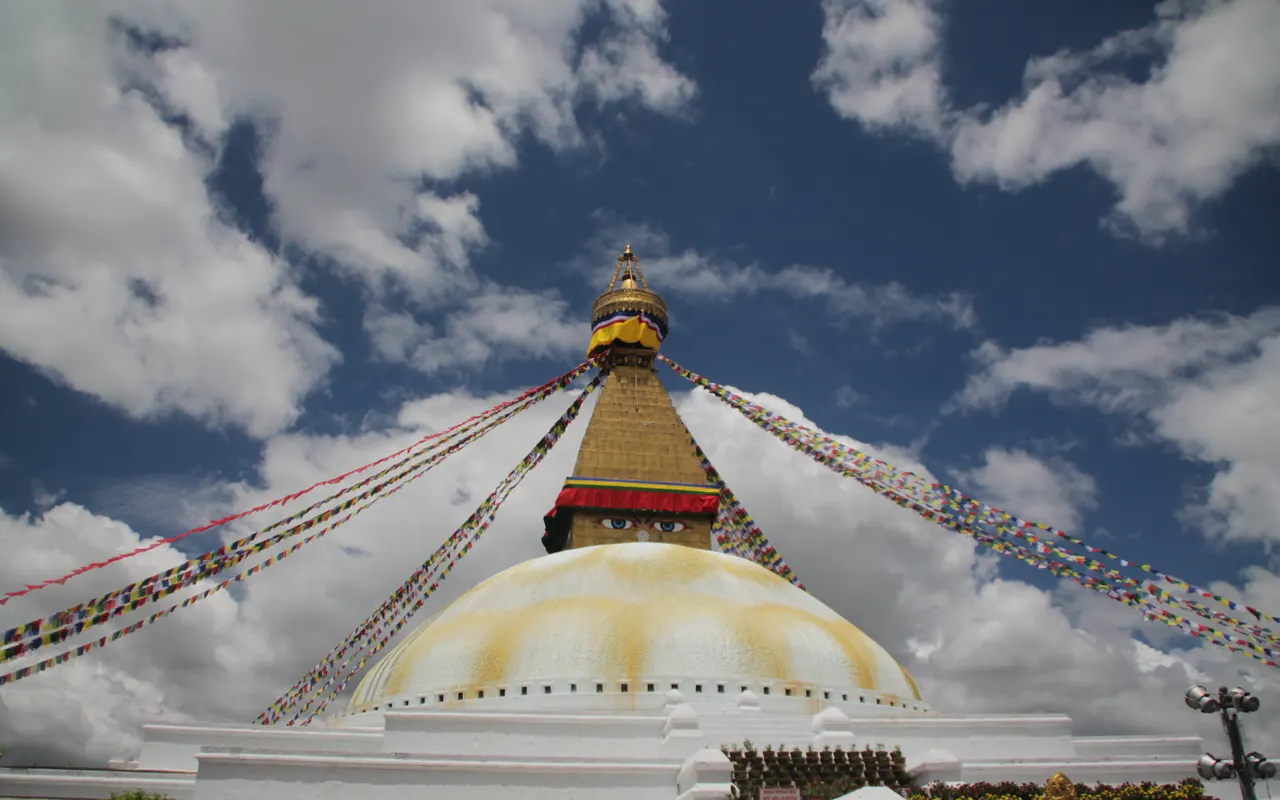
Walk up the stairs that circle the golden dome, passing prayer wheels and playful monkeys along the way. From there, the tour heads east to Boudhanath Stupa, a UNESCO World Heritage Site of the Kathmandu Valley and one of Asia’s largest Buddhist monuments.
Walk around the massive white dome seven times with locals, spinning prayer wheels as you go. See monks going round in silent worship and sellers of prayer flags and handicrafts.
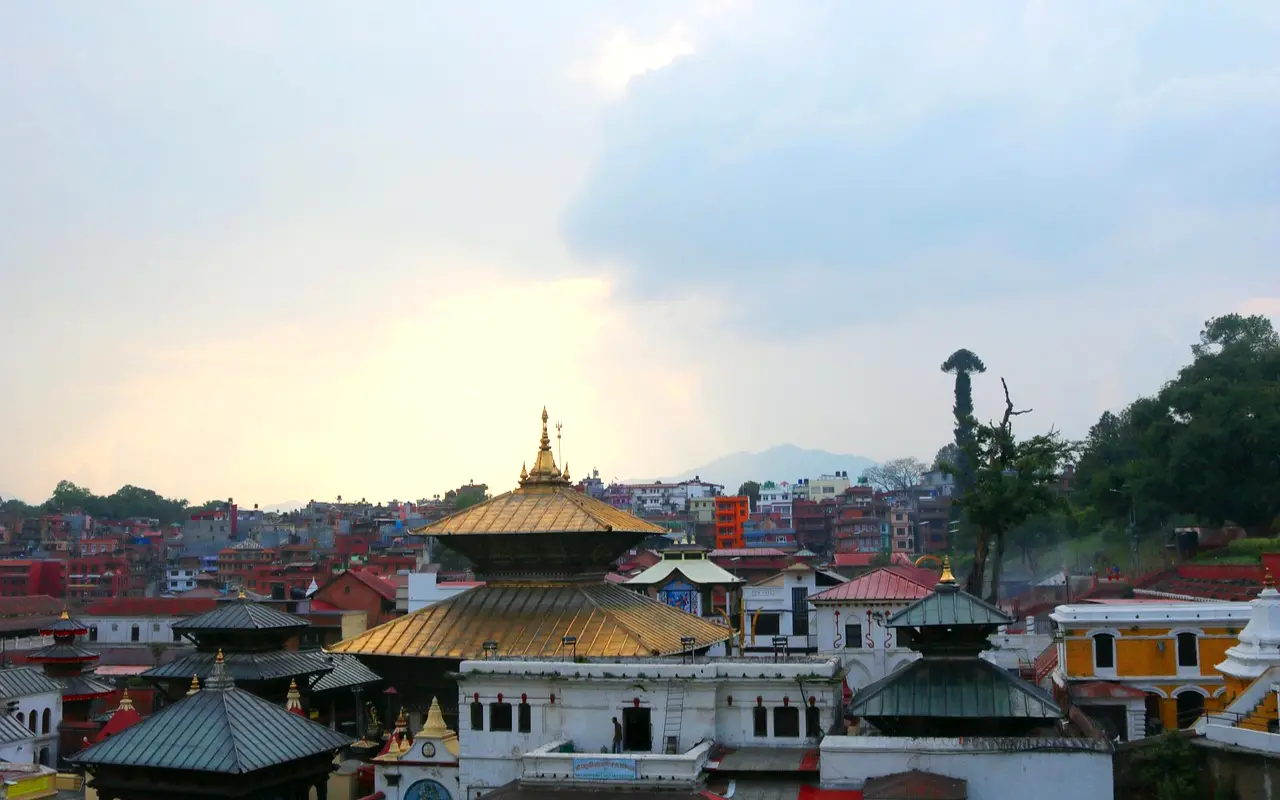
Afterward, continue a short drive to Pashupatinath Temple, a UNESCO World Heritage Site of the Kathmandu Valley, the sacred Hindu cremation ghats on the Bagmati River. From a safe viewpoint (non-Hindus may not enter the main temple grounds), see sadhus and pilgrims performing rituals and watch funeral pyres on the banks.
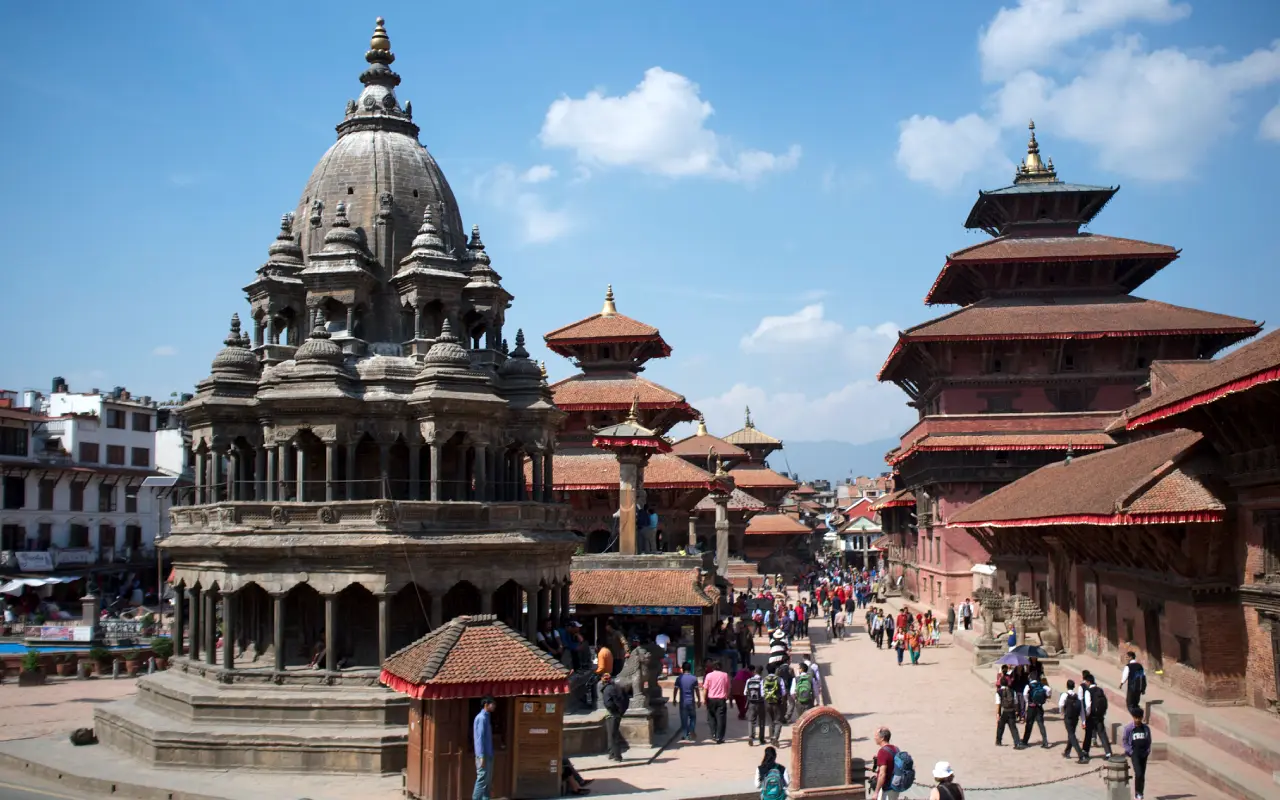
In the afternoon, the tour includes Patan Durbar Square (Lalitpur), a beautifully preserved UNESCO World Heritage Site of the Kathmandu Valley, located just across the river. This graceful plaza features ancient temples and the Patan Museum. Admire the stone carvings and the Golden Temple of Hiranya Varna Mahavihar. By late afternoon, you’ll return to your hotel in Kathmandu.
All day long, your guide will tell you the cultural and religious meaning of every place. The overall distance covered by the driving is approximately 15 20 km, and hence the journey is leisurely.
By the end of the day, you will have visited five significant UNESCO World Heritage sites, giving a comprehensive overview of Kathmandu as far as its heritage and beauty are concerned.

Activity: 6-7hrs

Max. Altitude: 1,400m/4,593ft. Kathmandu
Includes & Excludes
What are included with package?
- Pick-up and drop-off from your hotel in a private car
- Comfortable, air-conditioned vehicle with fuel included
- Friendly English-speaking local guide
- All government taxes and service charges
- A private tour just for you (no group sharing)
What are not included with package?
- Entry tickets to monuments (around USD $5–10 per site, paid on the spot)
- Meals and drinks during the tour
- Tips for your guide and driver
- Travel insurance
- Any personal expenses or extra activities not mentioned in the plan

Note:
If you have a private group and prefer a personalized experience, we can organize a custom trip tailored to your requirements and group size, running it any day you choose.
Detail Information about Kathmandu Sightseeing Tour
Weather and Best Season
The climate in Kathmandu is favorable throughout the year. Autumn (September 11 November) and spring (March-May) are the best seasons. During these months, the sky is usually clear and dry, making it ideal for sightseeing.
Autumn is slightly cooler with less haze, while spring brings warm sunny days and blooming flowers. Winters (December–February) are cool with daytime highs around 15°C (59°F) and clear skies, but nights can be very cold.
The monsoon (June–August) brings heavy rain and cloud cover, which can make sightseeing difficult. Nomad Adventure Treks schedules this Kathmandu Sightseeing tour every season, but we recommend booking in autumn or spring for the best weather.
Even if it rains, much of the tour is by car, so a brief shower won’t stop the adventure. Always check the forecast the day before, and pack a light jacket or umbrella if in doubt.
Altitude and Sickness
Kathmandu sits at about 1,350–1,400 meters above sea level, which is a relatively low altitude. For most visitors, altitude sickness is not a problem at this height. The oxygen content here is only slightly lower than at sea level, so the air feels fresh and easy to breathe. You can comfortably explore the city without special acclimatization.
If you’ve just arrived from much higher elevations or plan to continue to mountain treks after the tour, allow yourself a day to acclimatize. But for this one-day city tour, no medications or acclimatization are needed for healthy travelers.
Just stay hydrated (drink bottled water) and avoid getting too tired on the climbs (like the steps at Swayambhunath). By the end of the tour, you’ll be just fine and ready for more Nepali adventures.
Visa and Permits
Nepal requires most foreigners to have a tourist visa. The good news is that visas on arrival are available for most nationalities at Kathmandu’s Tribhuvan International Airport. You’ll need a valid passport with at least 6 months remaining and one blank page.
Tourist visa fees (payable in USD, EUR, or other major currency) are roughly $30 for 15 days, $50 for 30 days, or $125 for 90 days. These fees are up to date as of 2025.
Fill out the form and pay the fee at the airport immigration counter, then get your passport. No special permits are required for Kathmandu city tours beyond the tourist visa. Simply keep your visa valid during the tour (typically just 1 day) and carry the visa stamp in your passport.
If you plan to continue on to other parts of Nepal or trek higher (outside this one-day tour), be sure your visa covers that longer stay or get it extended. However, in this Kathmandu Sightseeing Tour, there is a simple visa process which is made by applying when one gets there.
Health & Safety
Generally, Nepal is a safe destination, though it is always best to be cautious. Consume safe water – the Kathmandu tap water is not consistently drinkable, so at all times use bottled or purified water. Be cautious with street food to avoid an upset stomach. In the city, petty theft can happen, so please keep your passport, cash, and valuables safe (use the hotel locker if available).
The Nepalese Tourist Police advise carrying a photocopy of your passport rather than the original when sightseeing. Protests or large crowds should be avoided because political demonstrations may occur.
Medical facilities in Kathmandu are better than in rural areas, but the equipment may not be Western. Nomad Adventure Treks highly suggests travel insurance for medical emergencies and evacuation to all visitors.
Your guide carries a first-aid kit, but for health issues like severe allergic reactions or injury, an emergency hospital trip may be needed. For peace of mind, verify that your insurance covers helicopter evacuation if you plan to trek after this tour.
Recommended Vaccinations
For Kathmandu city travel, stay up-to-date on routine vaccines. The CDC suggests Hepatitis A, Typhoid, and Tetanus shots for Nepal. Rabies vaccination is wise if you’ll interact with animals (stray dogs are common). Malaria is not a concern in the Kathmandu valley. Always check with your doctor or a travel clinic 4–6 weeks before your trip for personalized advice.
Transportation
Touring Kathmandu city is a private tour that is done in a car with a skilled driver. In Nepal, cars move to the left side of the road, and the traffic may be very busy with scooters, rickshaws, and cars competing on the same narrow streets.
Road conditions and safety standards can differ, and it is safer not to drive yourself. Your driver is conversant with the local routes, and you can sit back, relax, and have a pleasant view of the city.
The vehicle has seat belts, which should be maintained during the ride. If you extend your travel beyond this tour, note that road travel can be bumpy. For example, buses and taxis often have limited safety checks. Always use reputable drivers or tour companies. For this tour, though, the private car runs smoothly from site to site.
Within the city, taxis are easy to find, but deal with the price before departing. Nomad Adventure Treks includes all transfers: the driver will pick you up at your hotel and drop you off after the tour. If you need extra transportation (like a return to the airport later), let us know, and we can help arrange a car.
Travel Insurance
Before you travel, ensure your policy covers activities you may do (walking tours, hiking). Keep a copy of your insurance details with you. If you become ill or injured during the Kathmandu Sightseeing Tour, your guide can assist and coordinate with your insurer. Having insurance gives you and your family peace of mind and avoids financial stress abroad.
Your Extra Expenses
While your Kathmandu tour includes the essentials, you should budget for additional costs. Monument entrance fees are not included. Expect to pay about NPR 200–1,000 per site (typical); for example, Kathmandu Durbar Square is ~NPR 1,000, Swayambhunath NPR 200, Boudhanath NPR 400, and Pashupatinath ~NPR 1,000. Carry Nepali rupees for these tickets, or USD equivalents.
Meals are also on your own. Plan at least NPR 300–600 ($3–6 USD) for a simple lunch and more for a restaurant dinner. Snacks, bottled water, tea/coffee – these all cost a few dollars. Souvenirs and donations (to temples or guides) are likewise on you.
Tipping is customary in Nepal: about 5–10% of any billed service, or as you feel fit the tour. Bring cash in small denominations to make tipping and small purchases easy.
Finally, if you extend your stay beyond this day tour, remember additional costs: hotels, travel to other cities, and visas beyond 30 days.
Language & Communication
Nepal’s official language is Nepali, spoken widely in Kathmandu and across the country. However, English is commonly used in tourist areas. Your guide and most service providers will speak English fluently. You may also hear Hindi and local Newari dialects in the city.
To connect, basic English is usually enough for restaurants, hotels, and shops in Kathmandu. Locals appreciate simple Nepali greetings – for example, saying “Namaste” when meeting people shows respect. No one expects you to be fluent, but phrases like “dhanyabad” (thank you) are always well received.
If you need to call home, your guide’s car may have cell service. Many Nepali people use Nepal Telecommunications (NTC) or Ncell (private carrier) networks; both have strong 4G coverage in Kathmandu. Wi-Fi is available at hotels and many restaurants. Keep your devices charged so you can use maps or stay in touch.
Mobile Network, Internet & Charging Facilities
Kathmandu is well-connected. Mobile coverage is strong for NTC and Ncell in the city. You can buy a Nepali SIM card at the airport or city shops to get data and call credit inexpensively. Internet access (Wi-Fi) is available in nearly all hotels and many cafes. Expect reasonably fast speeds in the city.
Most hotels and restaurants have 220V outlets for charging. Nepal uses a 230V AC electrical supply. Plugs are usually Indian-style (Type D, three round pins) or European-style (Type C, two round pins). Bring an adapter if your devices have different plugs.
Your hotel will have rooms with charging points, and you can charge phones in dining areas or the guide’s car if needed. Bringing a small power bank is useful for long days on foot or in case of any short power outages.
Don’ts on this Trip
When in Nepal, a few cultural rules help you fit in and show respect. Never leave your shoes on inside temples or holy shrines. Always take them off at the door. Do not drink tap water – stick to bottled or filtered water. Do not enter restricted areas of temples or nearby cremation zones.
Do not take photos if you see no photo sign. Photography is not allowed inside certain temples or during religious rituals. Always ask permission before photographing monks, worshippers, or ceremonies. Do not point your feet at shrines or sit with your soles facing people – it’s considered rude.
In short, be polite and aware. Small gestures like bowing slightly when greeting (Namaste) and using your right hand to give or receive items can go a long way. Avoid loud behavior or littering. Nepali people are proud of their culture; showing respect will earn you smiles in return.
Trip Extension
Many travelers combine Kathmandu sightseeing with other Nepal adventures. For example, Nomad Adventure Treks often pairs this tour with an Everest Base Camp trek or flight. After exploring Kathmandu’s heritage, you could board a plane to Lukla to start your Himalayan trek, or take a scenic mountain flight to view Everest from above.
Other popular extensions: an overnight trip to Nagarkot or Chandragiri Hills for sunrise over the mountains, a two-day cultural tour of Bhaktapur and Nagarkot, or tours to Pokhara (for lakes and Annapurna views) or Chitwan (for jungle safari).
Let us know if you want to add extra days or tours; we can tailor a longer Nepal itinerary. Kathmandu itself has beautiful places to explore with extra time, like the Garden of Dreams or cable car rides, so ask our guides for suggestions.
Photography & Drone Rules
Photography is allowed at most sites on this sightseeing tour, but follow these rules. Never use flash where it may disturb worshippers. If you see a no photography sign, obey it. Do not take pictures of the actual cremation funeral if visiting Pashupatinath. Always ask permission before clicking portraits of people.
Flying a personal drone in Nepal requires official permits. Nepalese law mandates permission from the Civil Aviation Authority (CAAN) and the Department of Tourism for drone use. These rules apply even in Kathmandu. For casual tourists, bringing a drone is not practical.
We advise not to drone inside the city or historical areas. Use a camera instead. If you are a professional photographer, contact the CAAN for guidelines. Drones are not permitted on this tour without a proper license, so it’s best to capture the scenery with your camera instead.
Cultural Festivals on the Trail
Nepal’s culture is alive with festivals. If your Kathmandu city tour coincides with local celebrations, you can see beautiful events. The largest festival is Dashain (September–October), lasting 10–15 days, when Kathmandu swings on large bamboo swings, and families gather for blessings. Soon after comes Tihar (October–November), the festival of lights, when homes are decorated with candles and colourful lamps.
If you visit in late winter (Feb–March), join the crowds celebrating Holi –the festival of colors – with water and paint drenching joyous crowds. In spring, Buddha Jayanti(May) sees Buddhists adding new prayer flags to Swayambhunath and Boudhanath.
During late summer, the eight-day Indra Jatra (around September) parades the living goddess Kumari and massive chariots through Kathmandu streets. These lively festivals give your tour extra color (literally), but they don’t disrupt the sights – plan ahead because sites may close on major holidays.
Tips for First-Time Nepal Visitors
Going to Nepal for the first time is an amazing experience, and some simple tips can make your stay even easier. When sightseeing, please keep your passport securely stored in your hotel and carry a photocopy. Wear decently, keep your shoulders and knees covered, and do not forget to take off your shoes before entering the temples.
It is polite to use your right hand to give or receive something. Keep up the hydration, use sunscreen, and slow down in the vibrant Kathmandu traffic. Negotiate in a friendly manner when shopping. It would always be nice to know some Nepali words, such as Namaste (hello) or Dhanyabad (thank you).
Eat local foods like dal bhat and mo: mo, and avoid raw fruits or vegetables. Always have a small amount of money to pay the entrance fees and small stores, because sometimes they do not accept cards. And lastly, be nice, patient, and inquisitive; your Nomad Adventure Treks guide is always willing to help you on your trip.
Frequently Asked Questions
What attractions are covered on the Kathmandu Sightseeing Tour?
Its primary attractions include Durbar Square, Swayambhunath Stupa (Monkey Temple), Boudhanath Stupa, Pashupatinath Temple, and Patan Durbar Square. These World Heritage sites of Kathmandu demonstrate the history and spirituality of Kathmandu.
How long does the tour last, and what time does it start?
The tour runs about 6–7 hours. We usually start in the morning (around 8:00–9:00 AM) to avoid afternoon traffic and finish by mid-late afternoon. Exact timing can be confirmed when you book, and may be adjusted slightly by season or your preference.
Is hotel pickup included?
Yes. Nomad Adventure Treks provides private pickup and drop-off at most hotels in central Kathmandu. Just tell us your accommodation, and we’ll collect you right from the lobby in a comfortable car with a driver.
Are meals included?
No meals are included in the package price. You should have breakfast on your own before departure. You may stop for lunch (at an extra cost) during the tour if desired.
What should I wear on the tour?
Dress modestly and comfortably. Lightweight, breathable clothing is best during the day. For temple visits, cover shoulders and knees.
Is there a minimum number of participants?
No. This is a private tour. You book the car and guide for your party only. It’s ideal for couples, families, or solo travelers. If more people join your booking, the tour cost is just multiplied by the number of passengers.
Is the tour suitable for elderly or children?
Yes. The tour is not physically strenuous (mostly walking on flat paths and some gentle stairs). Elderly travelers and children can both join comfortably. We will go at an easy pace.
What if it rains?
Kathmandu rain is usually light in a short monsoon shower. The tour can continue in light rain – most sights are outdoors but also have sheltered areas (like the covered square or cafes).
Do I need travel insurance for the tour?
Travel insurance policies that cover medical emergencies, evacuation, and trip interruptions are highly recommended by Nomad Adventure Treks. Not a requirement of the tour itself, but in Nepal, prudent insurance covers complications such as medical care or emergencies.
What currency should I bring?
Nepal uses the Nepalese Rupee (NPR). It’s best to carry some local currency for entrance fees (about USD $5–10 per monument) and tips. ATMs in Kathmandu dispense NPR (Visa/Mastercard). USD is accepted in a pinch, but will be returned in rupees.
Is tipping expected?
Tipping is customary for guides and drivers. Plan about 5–10% of the tour cost (split between guide and driver). Tips are at your discretion and appreciated for good service. Cash tips in Nepalese rupees are easiest.
Can I bring my children on the tour?
Yes, children are welcome. There’s no lower age limit, but children under 5 are usually free (please check when booking). We do visit sacred sites with spiritual significance, so very small children should be supervised (especially at river ghats).
What is the altitude and climate like?
Kathmandu is about 1,350–1,400m above sea level. The climate is mild; daytime can be warm in spring/summer, but evenings and winters get chilly. Bring a jacket if visiting Nov–Feb. There is little altitude sickness risk at this elevation.
Are there any health concerns?
No vaccinations are required if you come directly from a healthy country. Travelers should have routine vaccines and consider Hepatitis A, Typhoid, and Tetanus boosters.
How safe is Kathmandu for tourists?
Kathmandu is generally safe. Petty crime, like pickpocketing, can occur in crowded areas, so watch your belongings. Avoid demonstrations or political gatherings.
What languages do people speak in Kathmandu?
Nepali is the official language, but English is widely spoken in Kathmandu’s tourism industry. Our guides all speak fluent English. You may also hear Hindi, as many Nepalis understand it.
Is Wifi or cell service available on tour?
Yes. Kathmandu has good 4G coverage, and most hotels offer Wi-Fi. You can purchase a local SIM card easily for data if desired. In the car, Wi-Fi is not provided, but many cafes along the route have Internet if you need a quick check-in.
Can I adjust the itinerary on the day?
This private tour is flexible. If you have special interests or need more time at a certain site, discuss with your guide. We can move things around if traffic or timing demands.
How much walking is involved?
Light to moderate. Expect some walking in the temple areas and on Durbar Squares. The only significant climb is at Swayambhunath: about 365 steps up the hill. If needed, there is a road partway up for a short vehicle ride.
What if I need to cancel or change my booking?
Contact at least 24 hours prior to the date of the tour. Any cancellations made less than 1 day prior to the tour can be charged a fee; however, we will attempt to make date changes where possible. We know that plans of travel can change.
Who operates the tour?
Nomad Adventure Treks is a Nepalese travel agency that offers this tour with experienced Nepalese guides. Every guide is first aid trained and licensed. The vehicles are well-maintained and licensed.
How do I book or pay?
You can book directly on our website or contact Nomad Adventure Treks by email or phone. We accept online payment by credit card or you can pay cash upon arrival.
Reviews on Kathmandu Sightseeing Tour
 Write a Review
- Your safety, our no 1 priority
- Best price guarantee
- Experienced & dedicated team
- Easy booking, no hidden charge
- You can customize this trip
Talk to Travel Expert Samundra Rimal (+977-9843127084)