

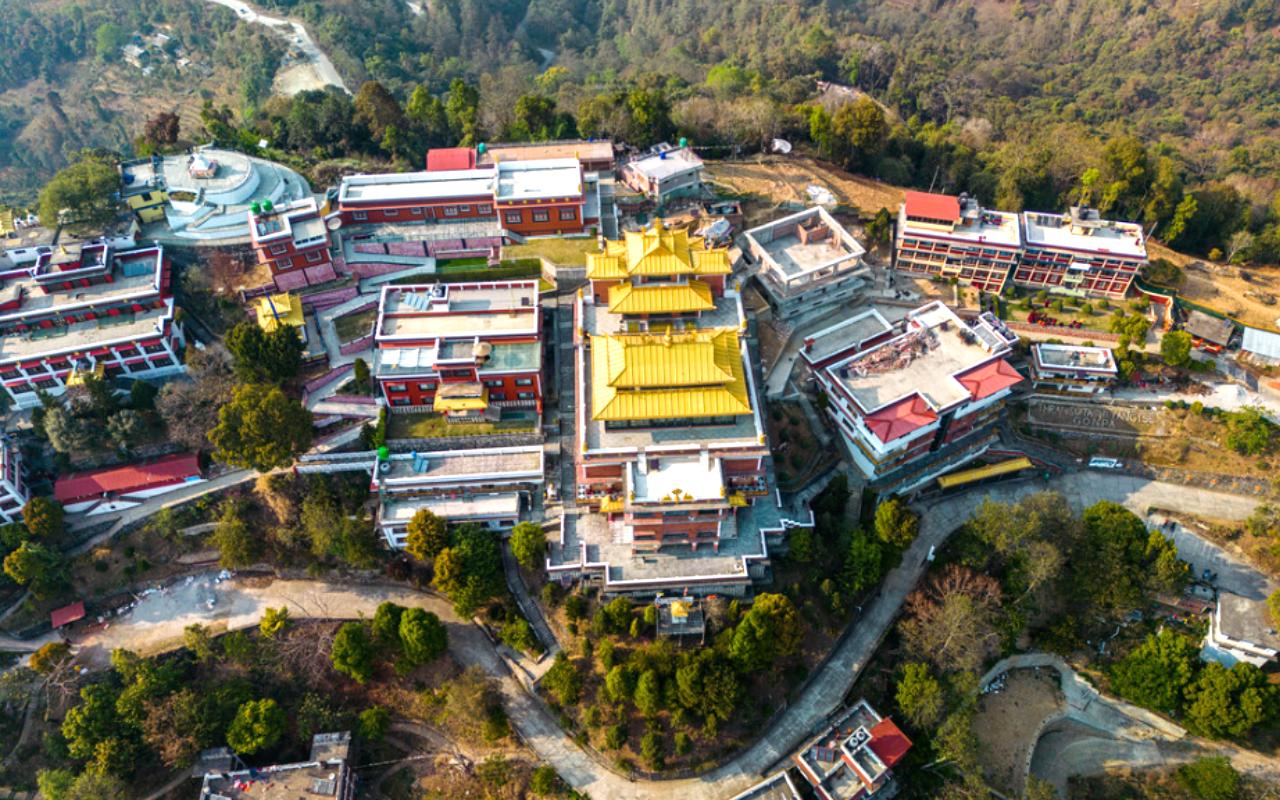


Kathmandu Valley Trek- 4 days

Duration
4 Days

Max Altitude
2,300 m. / 7,546 ft.

Difficulty
Easy

Group Size
1-16 Pax

Meals
- 4 Breakfast
- 4 Lunch
- 3 Dinner

Accommodation
- Guesthouse/Lodge
- Hotel

Transportation
Private 4x4 Vehicle

Activities
- Trekking
- Sightseeing

- Your safety, our no 1 priority
- Best price guarantee
- Experienced & dedicated team
- Easy booking, no hidden charge
- You can customize this trip



Talk to Travel Expert Samundra Rimal (+977-9843127084)
Introduction of Kathmandu Valley Trek- 4 days
The Kathmandu Valley Trek is a short, easy 4-day adventure through the hills surrounding Nepal’s bustling capital. This gentle trek around Kathmandu valley takes you along forested ridges, past small traditional villages and Buddhist shrines. Our Nomad Adventure Treks team offers this popular journey for travelers looking to experience Himalayan scenery and local culture without leaving the valley.
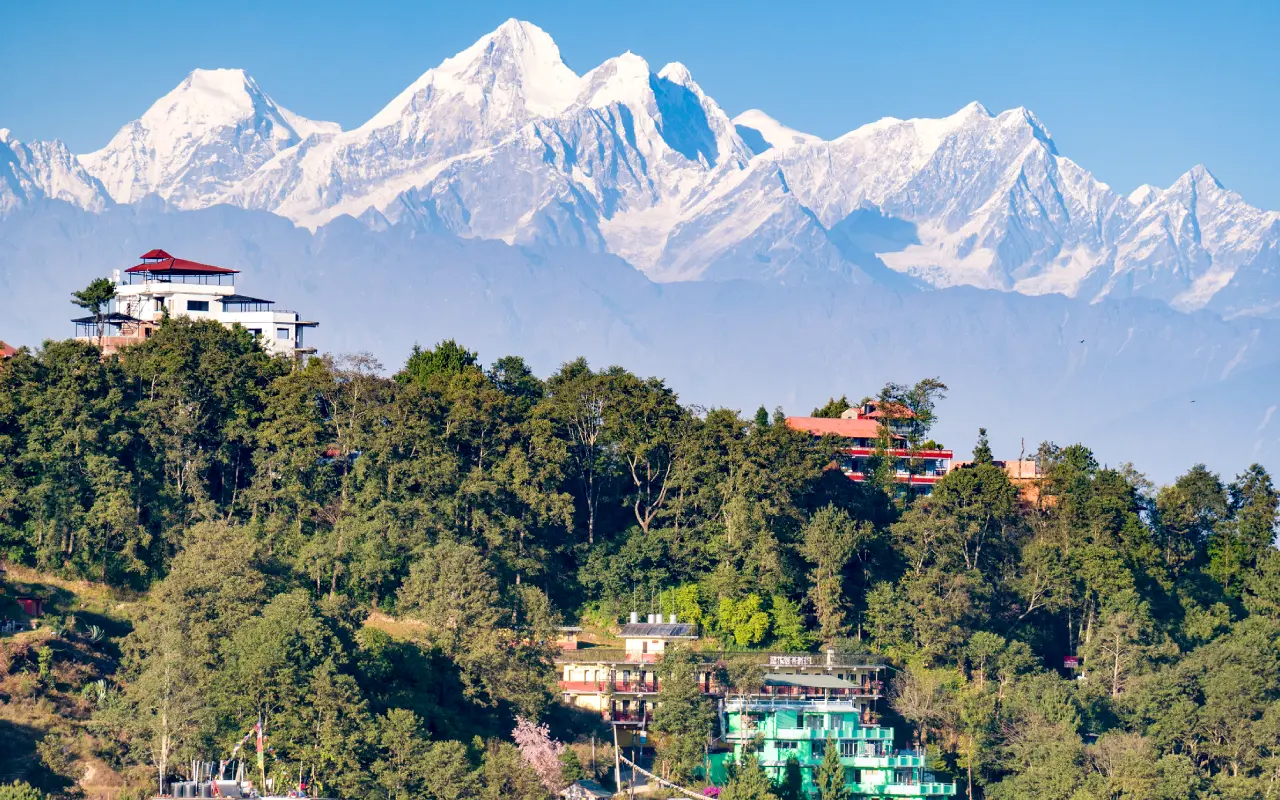
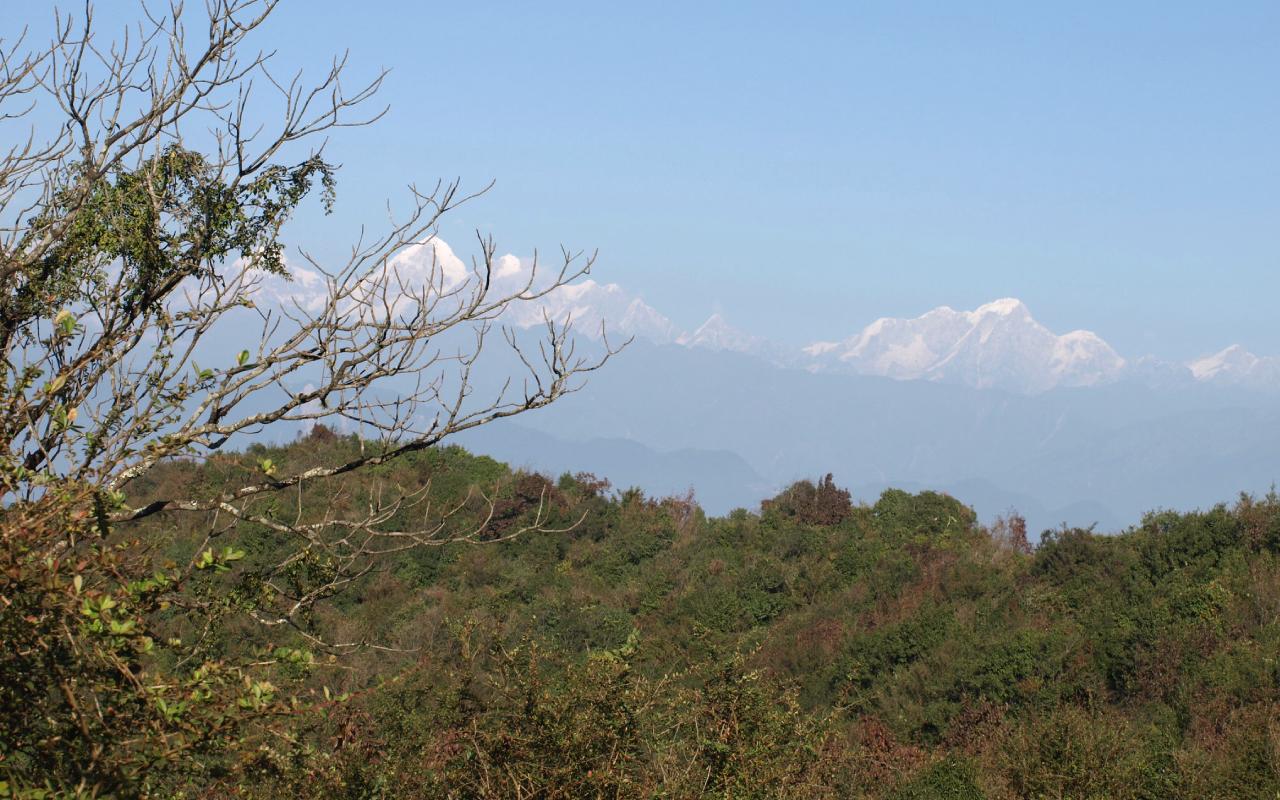
You will hike above Kathmandu with sweeping mountain views — from Ganesh Himal on the west side all the way to Mount Everest in the east. On a clear day, you may spot many high peaks and famous temples and stupas in the valley below. With each step, the city shrinks behind you, and the quiet of pine and rhododendron forests surrounds you. Along the way, you meet smiling villagers and enjoy their warm Nepali hospitality.
In just four days, this Kathmandu Valley Trek lets you see the best of Nepal’s nature and culture without a long expedition. The route is very accessible: comfortable lodges and tea houses mean you only carry a light daypack each day. Nomad Adventure Treks provides all meals along the trek, featuring Nepali dishes like dal-bhat and momo.
Highlights include a spectacular mountain sunrise at Nagarkot, traditional Newari villages along the way, and a visit to the sacred Namobuddha monastery, linked to the famous legend of Buddha offering his body to a starving tigress, on the final day. You also get tastes of Newar heritage, terraced rice fields, and freshly brewed Nepali tea as you hike. In Dhulikhel, you may walk through centuries-old pagodas during sunset.
The walking is easy and rewarding each day, and this trek is not difficult and can be done by families and beginners. Our guides are hospitable and considerate and will be more than happy to give you local tales and keep you safe and in order throughout the trip. By the end of the fourth day, the ride back to Kathmandu over beautiful landscapes reminds you of what you have experienced.
Trip Highlights
- Easy 4-day Kathmandu Valley Trek to Nagarkot and Dhulikhel
- Panoramic Himalayan sunrise from Nagarkot viewpoint
- Visit to the sacred Namobuddha monastery
- Spectacular views of Langtang, Ganesh Himal, Gaurishankar, and, on very clear days, distant views of Everest
- Exploring traditional Tamang and Newari villages on the route
- Cozy lodges with warm Nepali hospitality each night
- Cozy teahouse lodging each night
Detail Itinerary of Kathmandu Valley Trek- 4 days

Day 01: Drive to Sundarijal and Hike to Chisapani
On day 1 of this around Kathmandu Valley Trek, we will begin with a short drive (about 45 minutes) from Kathmandu to Sundarijal (1,350m) at the edge of Shivapuri Nagarjun National Park. The park protects Kathmandu’s water sources, so you may see clear streams and springs along the trail. We will start hiking from Sundarijal through lush pine and oak forests.
After clearing the park entrance gate, the trail climbs steadily, passing small villages like Mulkharka, where you might stop at a tea house. The paths here are well-maintained with stone steps, and you can spot waterfalls and wildlife along the way (monitor lizards, colorful birds, or squirrels).
After lunch on the trail, about 5–6 hours of walking brings you to Chisapani (around 2,300m). Chisapani is a small Sherpa village situated on a ridge with a beautiful Himalayan view.
You can even walk to a nearby viewpoint to see the golden sunset turn the Langtang and Ganesh Himal ranges pink as you arrive in late afternoon. You also spend the night in a small guesthouse in Chisapani. You could watch stars on your balcony in your lodge, hear the bells in distant temples, or have a plain dinner of native buckwheat pancakes and tea.

Activity: 5-6hrs drive

Max. Altitude: 2,300m/7,546ft.

Meal: Breakfast, Lunch, Dinner

Accommodation: Guesthouse
Day 02: Chisapani to Nagarkot
After a warm breakfast at the Chisapani lodge, we will continue our Kathmandu Valley Trek by hiking toward Nagarkot. The path begins gently down through silent pine wood and little farmland. As the road expands, we can have superb scenery of Kathmandu Valley down below.
In the midday, we will arrive in Chauki Bhanjyang (approximately 2,100m), a tiny village of Tamang, and have lunch there. At this point, the trail turns to a gradual climbing path through the mixed forest and the serene countryside.
We will cover a distance of approximately 12 km today, which usually takes between 6 and 7 hours. Towards the end of the afternoon, we will reach Nagarkot, a village at the top of the hill, which boasts of a wide Himalayan perspective.
Even on a clear day, it is possible to see the Everest and Lhotse way off in the distance. The evening will be spent at the mountain lodge, where we will have a hot dinner and see the sunset coloring the sky. The peaceful setting makes this part of the Kathmandu Valley Trek especially enjoyable.
Activity: 6-7hrs trek
Max. Altitude: 2,175m/7,136ft.
Meal: Breakfast, Lunch, Dinner
Accommodation: Lodge
Day 03: Nagarkot to Dhulikhel
Our day will begin with an early morning sunrise breakfast in the lodge. After that, we will begin our hike to Dhulikhel, continuing through one of the most scenic sections of the Kathmandu Valley Trek.
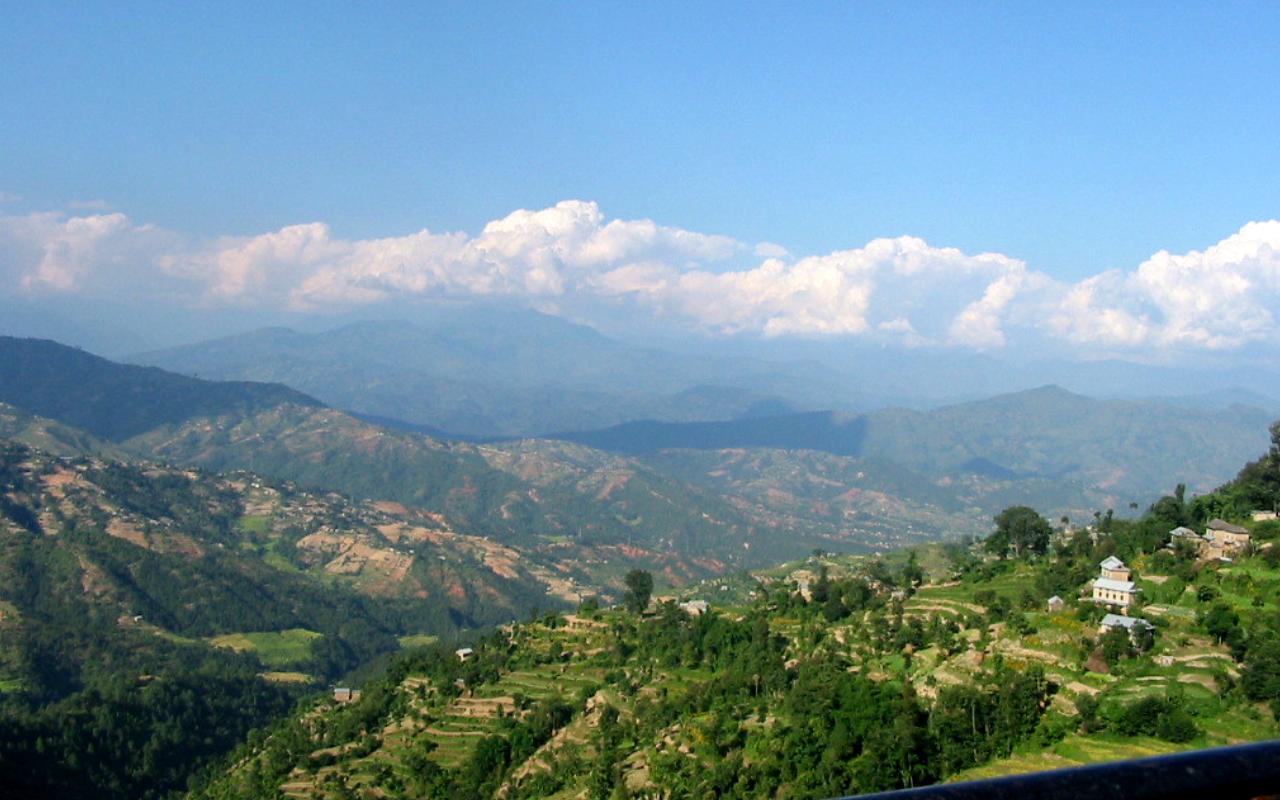
The path leading down to Nagarkot through pine forests leads to terraced rice fields in a very short time. We will go across the villages of the traditional Newari, including Nala and Banepa, where we will be able to see the local life, small farms, and paving with stone. You can also purchase fresh fruit or snacks at the small village shops along the way.
The total walking distance is approximately 15km, and it can be completed in approximately 4 to 5 hours, whereby the overall terrain being less downward or flat. By noon, we will arrive at Dhulikhel, a serene mountain town with Newari culture and mountain scenery of Langtang, Gaurishankar, and other mountains.
During the afternoon, we can walk about the old marketplace or go to local temples. We will also spend the night in one of the comfortable lodges and have dinner with a beautiful view of the sunset.
Activity: 4-5hrs trek
Max. Altitude: 1,550m/5,085ft.
Meal: Breakfast, Lunch, Dinner
Accommodation: Lodge
Day 04: Dhulikhel to Namobuddha and Drive to Kathmandu
After breakfast, we will begin our final hiking day of the Kathmandu Valley Trek. The path up to the Kali Temple is not strenuous and then drops into Kavre Bazaar, past small shops and tea houses. This is where we will start walking uphill among pine and rhododendron forest, till we get to the Namobuddha viewpoint.
The distance of the walk is approximately 10 km, and it takes 3 to 4 hours. First of all, we will visit the Namobuddha monastery complex, a religious place of Buddhists, with its colorful stupa, prayer flags, and tranquil ambiance. Here we may hear the familiar tale of Buddha and the tigress and see monks chanting in the courtyard.
We will then drive back to Kathmandu after lunch in a local guesthouse, and this requires about 1.5 hours. This completes your Kathmandu Valley Trek, and we will drop you at your hotel with warm thanks for joining the journey
We wish you to return home with beautiful recollections of cultures, scenery, and quiet paths surrounding the valley.
Activity: 3-4hrs trek & 1.5hrs drive
Max. Altitude: 1,775m/5,823ft.
Meal: Breakfast, Lunch
Accommodation: Hotel
Includes & Excludes
What are included with package?
- Three nights of accommodation in simple and comfortable lodges or guesthouses during the Kathmandu Valley Trek.
- All meals on the trek—breakfast, lunch, and dinner—so you can enjoy the walk without worrying about food.
- Private transport, as mentioned in the itinerary, includes the drive from Kathmandu to Sundarijal and the return drive from Namobuddha.
- All required permits, such as the Shivapuri National Park entry and TIMS card.
- A guide who speaks English, is friendly, and whose food, insurance, and salary are already covered.
- Porter service to assist with the heavier bags (one porter between two trekkers).
- Wear a sleeping bag and a warm down jacket during the trek, which you can get back afterwards.
What are not included with package?
- Whereas, the Nepal entry visa, which you can easily acquire when you arrive at Kathmandu airport.
- Before or after the trek, your meals in Kathmandu, lunches or dinners in the city.
- Personal expenses such as drinks, snacks, laundry, bottled water, or phone calls.
- Travel insurance for medical needs or emergency evacuation.
- Tips for your guide, porter, and driver—optional, but a kind way to appreciate their work.
- International flights to and from Nepal, along with anything not mentioned in the included list.

Note:
If you have a private group and prefer a personalized experience, we can organize a custom trip tailored to your requirements and group size, running it any day you choose.
Detail Information about Kathmandu Valley Trek- 4 days
Weather and Best Season
The Kathmandu Valley Trek is enjoyable most of the year, but the best seasons are spring (March to May) and autumn (September to November). In spring, the hills bloom with rhododendrons and magnolias, daytime temperatures are pleasantly warm (around 15–20°C), and skies are usually clear for mountain views. Autumn offers crisp, cool air and near-guaranteed clear skies after the monsoon, making it an ideal time for treks.
Daytime temperatures in autumn are similar to spring. Monsoon season (June–August) brings frequent heavy rain; trails become muddy and slippery, and many lodges may close. Mosquitoes and leeches are also more common in wet months. Winter (December–February) is cold and dry.
Daytime in Kathmandu is usually 12–15°C, but mornings and nights can drop to 0–5°C in the hills. After sunrise, fog often clears to reveal the mountains. When you are hiking during winter, carry warm clothes (fleece, hat, gloves). For overall comfort and the best views on this Kathmandu Valley Trek, plan your trip in spring or autumn.
Altitude Sickness
In our Kathmandu Valley Trek itinerary, the highest elevation is about 2,300m (at Chisapani), which is a moderate altitude. Healthy trekkers normally adjust to this height very fast. Acute mountain sickness (AMS) is uncommon, but you may experience the light symptoms (headache, exhaustion) in case you hike too quickly.
To be on the safe side, we take it slow and give time to adapt. Drink a lot of water and get some rest in case you are tired. If anyone develops symptoms of altitude sickness, the guide can adjust the schedule or descend to a lower spot if needed. In short, standard precautions — slow hiking, hydration, and rest — will keep you safe on this trek.
Visa and Permits
All foreign travelers to Nepal must have a valid tourist visa. You can obtain a Nepal tourist visa on arrival at Kathmandu’s Tribhuvan International Airport by filling out a form and paying the fee (a 30-day visa is about $50 USD). Ensure your passport has at least 6 months’ validity and bring one or two passport-size photos.
Nomad Adventure Treks can assist you with the visa process if needed. For this trek, all necessary permits are included in the package. This covers the entry fee for Shivapuri Nagarjun National Park (where Sundarijal is located) and the TIMS card (Trekkers’ Information Management System). No other special permits are needed for the Kathmandu Valley Trek. Simply carry your passport with you, as you may need to show it along the way.
Health & Safety
Health and safety on the Kathmandu Valley Trek are priorities. To prevent stomach upsets, drink only the purified or boiled water, which we offer. Have hot, cooked food at the lodges (dal-bhat, soups, rice dishes) and do not eat uncooked or raw salads. Bring a basic first-aid kit (plasters, painkillers, motion sickness pills, etc.), and any medications that you might require on a personal basis.
Wear sunscreen, sunglasses, and a hat. The temperatures may drop to below 5°C in higher elevations, hence wear warm clothing at night and use the blankets that are given. There is no malaria in Shivapuri National Park, and in the monsoon season, you might get leeches, which can be avoided by long pants or anti-leech gaiters.
Our guides have been trained in first aid, and they are equipped with a first-aid kit. Kathmandu has nice hospitals, and helicopter evacuation is usually not necessary on this low-altitude trek, but in a serious emergency, it can be arranged if required and covered by your insurance. With simple precautions such as drinking enough water and listening to your body, it is possible to enjoy this trek and be healthy.
Transportation
A means of transportation to this trek is safe and convenient. On day 1, our own vehicle will pick you up at your Kathmandu hotel or airport and will drive us some 45 minutes northwards to Sundarijal and commence the trek. On day 4, you will have to be driven back to Kathmandu by a personal vehicle, at the end of the trek, at Namobuddha (approximately 1.5 hours, mostly on good highways).
In the case of day-to-day travels, Nomad Adventure Treks organizes the group in a comfortable 4×4 jeep or van (depending on the number of people). These cars carry your baggage, and they are in good condition. The hilly roads are paved primarily, with a few of them being narrow, with our experienced drivers have a mastery of such roads.
We are usually on the road early in order to avoid traffic in Kathmandu. During drive days, there are good views of the countryside through large windows. Your package will cover all ground transport that is presented in the itinerary (hotel pickup, drop-off, and trek transfers).
Travel Insurance
Travel insurance is highly recommended for this trip. At least 3,000m of trekking must be covered by your insurance, and emergency medical evacuation and helicopter rescue must be covered. Evacuation due to a severe illness or injury can involve thousands of dollars in Nepal, which is why a vast insurance policy is necessary.
Always ensure that you have coverage for high altitude trekking, cancellation of a trip, and overseas medical treatment by your policy. Adequate plans are frequently available with insurers such as World Nomads, Travel Guard, or IMG. Always keep a copy of your policy, emergency contact information, and your insurance card.
The guide will help in emergency evacuation/hospital care arrangement in case of emergency; such services will only be provided by your insurance cover. In summary, purchase travel insurance prior to visiting Nepal to secure yourself on the trek.
Your extra expenses
Your trip price covers accommodation, meals on trek, permits, and transport. However, you’ll have some personal expenses. Carry Nepalese rupees (NPR) for extras. Bottled water costs around NPR 150–200 per liter at lodges. Drinks like soda or juice cost NPR 150–200, and beer is about NPR 150–300.
Hot showers and Wi-Fi (if you want them) typically cost around NPR 100 each. You may want to bring snacks, coffee, or extras (energy bars, etc.) along the way. If you’d like to tip your guide or driver (not required but appreciated), plan about NPR 1,500–2,000 for the guide and NPR 300–500 for the driver.
Souvenirs and shopping money are extra, and laundry services (available in towns) cost about NPR 200–300 per load. Note that ATMs exist only in cities (Kathmandu, Dhulikhel), so bring enough cash for the Kathmandu Valley Trek. As a guideline, carrying an extra $100–150 USD (in small bills) for personal costs should cover most needs on this Kathmandu Valley Trek.
Language & Communication
The national language in Nepal is Nepali, but English is commonly used by individuals in Kathmandu and trekking lodges. During this expedition, you can get in touch with your guide and the lodge staff easily using English language. In the village, you can hear Nepali or local Tamang or Newari language, but local people are so simple and friendly that communication is not a problem.
The majority of signs and menus of tourist destinations are translated into English. The locals will be grateful to learn a few Nepali words (such as namaste (hello) or dhanyabad (thank you)).
In the event of a language barrier, your guide will help. In general, you do not have to speak Nepali to have a good time and do this trek. The phone networks are not bad, and in case it is necessary, use translation applications or sign languages.
Mobile Network, Internet & Charging Facilities
Mobile phone coverage is generally good along this route, thanks to Ncell and Nepal Telecom networks. In hill towns like Nagarkot and Dhulikhel, you will usually have 3G/4G signal. Coverage may drop in dense forests or very remote spots, but the signal often returns at villages.
Most lodges and teahouses offer Wi-Fi (sometimes free, sometimes for a small fee). To stay connected, you can buy a Nepali SIM card in Kathmandu (ask your guide; you’ll need your passport to register it). Power is available at lodges each night; charging your phone or camera usually costs a small fee (around NPR 100).
Electricity in the hills can be inconsistent due to load shedding, so bring a portable power bank as backup. Note that Nepal’s voltage is 220V and plugs are types C, D, and M; pack an adapter or multi-adapter if needed.
Don’ts on This Trip
During the Kathmandu Valley Trek, we kindly request that you follow a few simple guidelines to ensure a respectful and safe journey. Littering should be avoided, and it should be taken along to assist in preserving the environment and the surrounding villages. When attending temples or shrines, you should not enter wearing shoes and should attempt to speak in a low voice because they are places of worship.
Do not take pictures of local people, particularly of women, children, or monks without asking. In the countryside and places of worship, dress simply by covering your shoulders and knees, and do not display affection to the outside world.
To avoid illness, do not drink tap water, eat raw food, or use boiled water and fully-cooked food. Keep to the trail with your guide or company, and do not wander off alone. Finally, leave a positive impact on the local communities by buying handmade goods instead of plastic souvenirs, and do not feed or disturb wildlife.
Trip Extension
It is easy to continue this trek with an extension of your itinerary in Nepal. Most trekkers use the Kathmandu Valley to visit heritage cities (Patan, Bhaktapur, Pashupatinath Temple, Swayambhunath Stupa) upon coming back to Kathmandu Valley. Or, keep on with your adventure and go on a hike (such as to Helambu, or even organize an Everest Base Camp adventure in Nepal).
To have another experience, you can go to Chitwan National Park to experience a wildlife safari or to Pokhara to spend some days relaxing at Phewa Lake. Others may decide to walk out of Namobuddha to the ancient Panauti and then back to Kathmandu. Nomad Adventure Treks has the ability to tailor any of these extensions or tours to your needs and schedule.
Photography & Drone Rules
A highlight of this trek is photography, and thus, you can take pictures of the beautiful scenery and the cultural scenes. In Nepal, however, drones are highly controlled. It is not possible to use a drone on this journey without authorization. The Civil Aviation Authority of Nepal has a permit that is difficult to acquire by a tourist to acquire to fly a drone.
Drones are very restricted in the Kathmandu Valley and around heritage sites, and for most short-term tourists, it is practically not possible to use a drone on this trek. In the case of photography, never take a picture of the locals (children and monks) without asking them first. Flash should be avoided in temples and when facing people.
Personal camera and smartphone photography is acceptable. If you do obtain official permission, never fly a drone over wildlife or temples.
Cultural Festivals on the Trail
Nepal is rich in festivals, and even on a short trek, you may witness local celebrations. In the Kathmandu Valley area, Dashain (Sept–Oct) and Tihar (Oct–Nov) are major Hindu festivals with family gatherings, decorated homes, and kite flying.
Buddhist communities celebrate Losar (Tibetan New Year, usually Feb–March) and Buddha Jayanti (May, the Buddha’s birthday) — at Namobuddha, you may see pilgrims lighting butter lamps on these days.
Tamang villages also have their own Losar customs. Even outside festival dates, you’ll notice prayer flags at stupas and the sound of temple bells each morning. If your trek coincides with a festival, you may see villagers in colorful attire or hear drums and chants. Enjoy these cultural glimpses as a special bonus of your journey.
Tips for First-Time Nepal Visitors
A few fast travel hints about Nepal: Keep small notes of local money (Nepalese rupees) at all times, as ATM machines are only found in some cities, such as Kathmandu and Dhulikhel. Shake hands and say namaste (hands together) and polite Nepali words such as dhanyabad (thank you).
Take off your shoes when visiting temples, houses, or guesthouses. Bring tissues or toilet paper because not all public restrooms provide this. Clean your hands or apply sanitiser more often. Expect and anticipate uneven roads and tracks; be careful of your footing and use walking poles or handrails as necessary.
Only use bottled or filtered water. Show deference to local practices: never point your feet at individuals or shrines, and act quietly. Eat a local dal-bhat meal as a source of energy, and ask your guide to make some food suggestions. Most importantly, you must be patient – Nepal is a slow country, and living with the flow will be a pleasant experience.
Frequently Asked Questions
What is the Kathmandu Valley Trek?
The Kathmandu Valley Trek is a 4-day lodge-to-lodge trek around the hills above Kathmandu city. It includes the most famous destinations such as Sundarijal, Chisapani, Nagarkot, Dhulikhel, and Namobuddha, and goes back to Kathmandu. The trek is a pleasant means to get Himalayan scenery and the nearby villages near the capital.
How difficult is this trek?
This Kathmandu Valley Trek is rated easy. It requires only basic fitness and about 3–6 hours of walking each day on moderate mountain trails. The paths are well-defined, and you sleep each night in a lodge, so no camping or carrying heavy gear. Even beginners and fit families find it very manageable and enjoyable.
Do I need previous trekking experience?
No prior trekking experience is needed. As long as you can walk for a few hours uphill and downhill, you will do fine. The pace is slow, and you will have many rest breaks. This trek is designed for beginners and first-time trekkers, so most people without specialized training can complete it comfortably.
What is the highest altitude reached on this trek?
The highest point on the route is about 2,300 meters at Chisapani. Nagarkot is around 2,175m, and Namobuddha is 1,775m. These altitudes are considered moderate, so altitude sickness is unlikely for most travelers. Still, we take it easy with plenty of acclimatization time.
Are guides and porters provided?
Yes. The entire trek does have a professional English-speaking guide. The guide deals with navigation, permits, and safety. Porters (with 20kg each) are also offered (1 porter every two trekkers) to carry your heavy bags. It is just enough to have a small daypack with water and personal stuff.
What kind of accommodation is provided?
You stay in simple mountain lodges (tea house guesthouses) each night. Accommodations are basic but clean, usually twin-share rooms with warm blankets. Most have wooden floors, shared bathrooms (western-style or squat toilets), and simple dining areas. You do not sleep in tents or villages for this trek.
What meals are provided during the trek?
All meals on the trek are included in the package. Lodges serve Nepali-style meals such as dal-bhat (lentils and rice with curry), fried noodles, soups, and Tibetan dishes like momos. Vegetarian options are plentiful. Breakfasts typically include porridge, eggs, or toast. Bottled water and extra snacks are extra costs.
Will I have cell phone and internet access?
Yes, you will usually have cell phone signal at the lodges in hill towns. Both Ncell and Nepal Telecom networks cover Nagarkot, Dhulikhel, and other stops. Lodges often offer Wi-Fi (sometimes for a small fee). In dense forests between villages, the signal may drop, but you can connect again once you reach the next lodge or village.
Can I charge my phone or camera on the trail?
Yes, charging is possible every night. Most lodges provide outlets or charging services (often for a small fee, around NPR 100 per device). Power is mostly solar or generator-based, and outlets may be limited, so it’s a good idea to charge batteries early in the evening. Bringing a portable power bank is recommended in case of power outages.
What am I supposed to carry with me to this trek?
Carry light clothes in case the weather changes- T-shirts during the daytime and a jacket to warm up or down, in the morning and evening. Prepare a waterproof jacket, good hiking shoes, sunscreen, sunglasses, and a hat. It is also cool at night, so a cozy hat and gloves do come in handy.
Is it compulsory to take travel insurance?
It is optional, but highly advisable. Trekking as high as 3,000m should be covered by your insurance, and it must also cover medical care and emergency evacuation. In Nepal, helicopter rescues are very costly, and you should have this covered in your policy. Don’t leave your insurance information and contact information in case of an emergency during the trek.
Can children do this trek?
Yes, this trek may be undertaken, normally by children aged around 10 years and older. The distance is moderate, as well as the height. Children are to feel free to walk for several hours. We will take things slow and ensure that they are well hydrated and rested.
What was our starting point?
We will supply the transportation. On the first day, the vehicle that will pick you up at Kathmandu will be a private car that will transport you to Sundarijal. We will drive you back to Kathmandu at the end of the trek, at Namobuddha. All these transfers are encompassed.
What if the weather is bad?
Your safety comes first. In case of rainy or foggy weather, the guide can slow the pace or change the plan, maybe take more breaks, or skip a tricky part. We are able to use local means of transport in extremely bad weather to reduce the length of the day. The spring and fall seasons typically have stable weather, but it is always prudent to have a rain jacket.
Am I required to have any permits or documents?
All the paperwork is done on your behalf, and you are sorted with the Shivapuri National Park entry and the TIMS card. You can bring your passport with you every day because it might be inspected at the gate of the park. This area does not need any additional trekking permits.
Do I need to carry cash? Are ATMs available?
Yes, bring some money to use personally. The ATMs appear only in Kathmandu and Dhulikhel but not on the trail. The most useful ones are small notes (NPR 100 and 500). The villages do not accept credit cards.
Will I be able to see Mount Everest in this trek?
During bright mornings, the Nagarkot sunrise viewpoint can see Everest and other adjacent mountains. It all depends on the weather, and the first thing in the morning presents the best opportunity.
Is tipping expected?
Tipping is not mandatory but welcome in Nepal. At the end of the trek, you may tip the guide, porter, and driver a small amount. It is most often conducted in cash (NPR or USD).
Which kind of toilets do we have?
Lodges have basic toilets- mostly squat toilets with a water bucket. Certain locations can have Western-style toilets. Toilet paper is not necessarily available, and it will be good to carry your own hand sanitizer and toilet paper.
Is Nepal safe for travelers?
Yes, Nepal is regarded to be very secure and friendly. There are friendly people, and the crime rate is low. It will also be accompanied by a guide and group, and this will bring comfort. Almost like any journey, always keep your stuff safe, and always listen to your guide on the path. Most travelers feel very safe throughout the Kathmandu Valley Trek.
Reviews on Kathmandu Valley Trek- 4 days
 Write a Review
- Your safety, our no 1 priority
- Best price guarantee
- Experienced & dedicated team
- Easy booking, no hidden charge
- You can customize this trip
Talk to Travel Expert Samundra Rimal (+977-9843127084)