



Kori Trek – 10 days

Duration
10 Days

Max Altitude
3,800 m. / 12,467 ft.

Difficulty
Moderate

Group Size
2-12 Pax

Meals
- 9 Breakfast
- 5 Lunch
- 5 Dinner

Transportation
Flight/Jeep

Activities
- Trekking

- 1 personUS$ 650
- 2 - 4 personUS$ 480
- 5 - 8 personUS$ 460
- 9 over 9999 US$ 445
Total Cost:
US$ 650
- Your safety, our no 1 priority
- Best price guarantee
- Experienced & dedicated team
- Easy booking, no hidden charge
- You can customize this trip



Talk to Travel Expert Samundra Rimal (+977-9843127084)
Introduction of Kori Trek – 10 days
The Kori Trek is a scenic 10-day adventure in the Annapurna region in Nepal. It starts with the Lakeside city of Pokhara and takes you to the Gurung village of Sikles, then finally to the viewpoint of Kori Danda, which is 3,800 m. The path presents an ideal combination of nature and culture, and there are green forests, open meadows, and the conventional villages on the path.
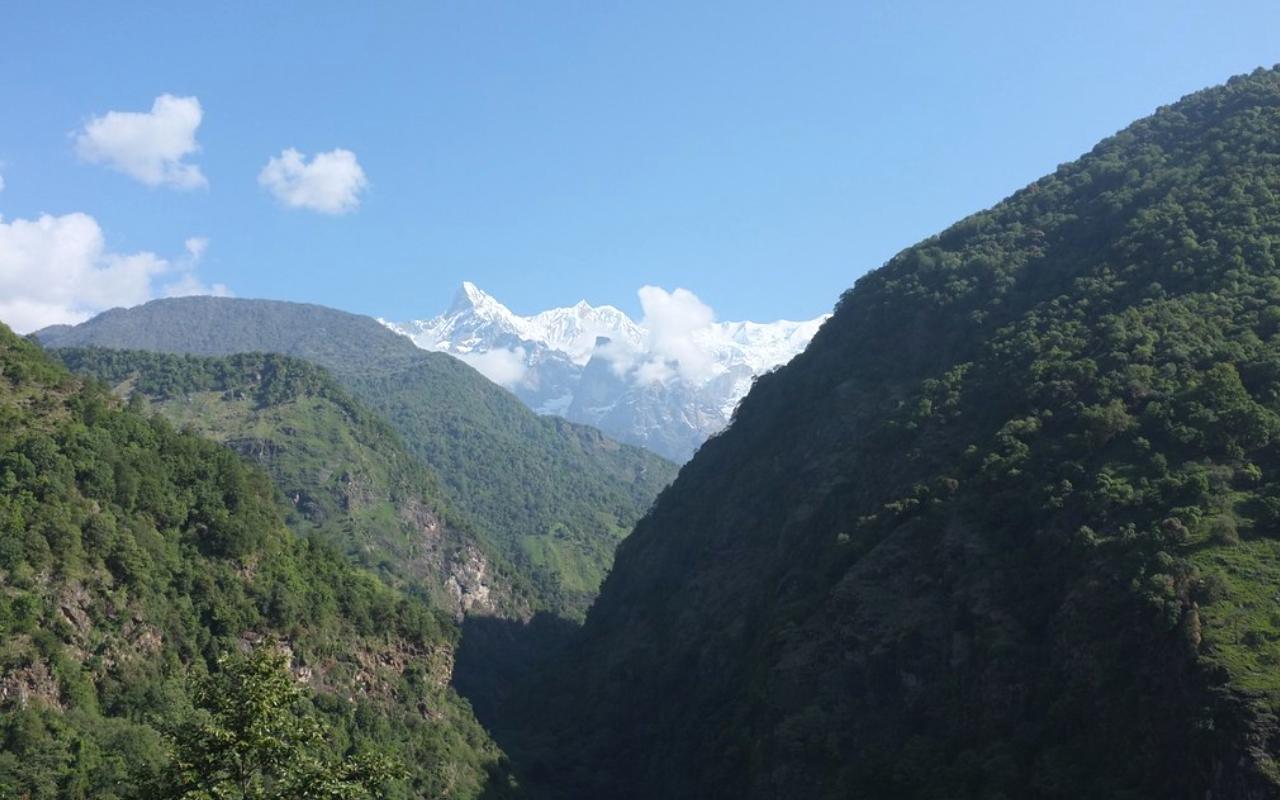
With an amazing view of the Annapurna II, Lamjung Himal, and Machhapuchhre (Fishtail) as you climb, each step will be worth it. This is a relaxing trek that will suit people who want to experience the Himalayas in a more secluded and peaceful manner. Your Kori trek adventure includes scenic drives and varied trekking trails suitable for both beginners and experienced trekkers. Most days involve moderate trekking, with a steeper climb on summit day. The itinerary is paced to allow acclimatization, making the trek safer and more enjoyable at higher altitudes.
With Nomad Adventure Treks as your guide, you will receive expert support, comfortable teahouse accommodations, and genuine cultural experiences. The Kori hill trek combines adventure with cultural immersion: you will meet friendly villagers, learn about local customs, and enjoy authentic Nepali hospitality on the trail. On this trek, each day reveals new scenery. Enjoy a lakeside breakfast in Pokhara, then journey by jeep into the mountains toward Sikles. At Sikles, one can discover the local life, the Chili Kohinbo (Bon) temple, and the Bon traditions.
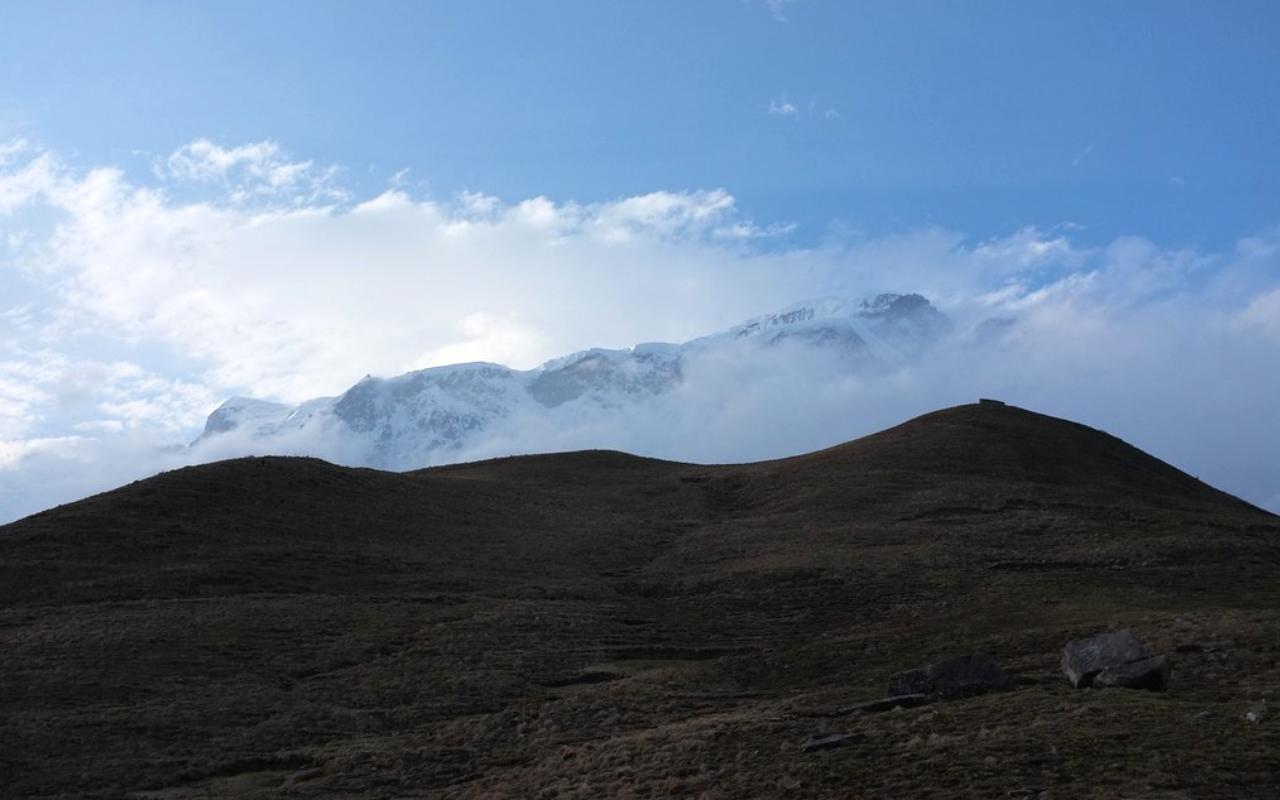
On your walk upwards, mountains with snow-caps become the skyline and the valleys open up beneath your feet. Wildlife is easy to see: you may spot Himalayan monal (danphe), Himalayan tahr, and, more rarely, musk deer near the treeline. Kori viewpoint day is the highlight of the Kori trek. After ascending to Kori Danda (3,800 m), stand among grazing yaks with a 360-degree Himalayan panorama.
Many trekkers compare the panorama to Poon Hill. Enjoy the summit, then return to Sikles on a different trail, passing waterfalls and forest. The trek ends with a return trip to Pokhara, as time is provided to relax at Phewa Lake or visit local markets. At the conclusion of this adventure, you will see the beauty of the Nepal highlands and the hospitality of the Nepalese mountain people.
Trip Highlights
- Breathtaking Himalayan sceneries around Pokhara and Annapurna II
- Experience Sikles, a traditional Gurung village
- Summit at Kori Danda (3,800 m): Mountain views 360 degrees
- Picturesque walks in the woodland of thick oak, pine, and rhododendron
- The Machhapuchhre (Fishtail) and Lamjung Himal and Annapurna range
- See wild animals such as Himalayan tahr, musk deer and colorful pheasants
- Visit the Chili Kohinbo (Bon) temple and get to know about the Bon religion
Detail Itinerary of Kori Trek – 10 days

Day 01: Arrival in Kathmandu (1,400m)
Your Kori trek adventure begins in Kathmandu, Nepal’s bustling capital at 1,400m. After landing at Tribhuvan International Airport, our Nomad Adventure Treks representative will greet you. A private vehicle will transfer you to a comfortable 3-star hotel in Thamel. Use the afternoon to rest or explore nearby markets and temples.
Try some Nepali dal bhat or momos for dinner (ask your guide for recommendations). Kathmandu lies at 1,400m, so this day helps your body adjust slightly. In the evening, attend a briefing with your guide to review the trek route and ask any final questions. The evening weather is usually cool. Many travelers use this day to exchange currency and buy any last-minute gear. You will stay overnight in Kathmandu.

Activity: Drive for 30 min

Max. Altitude: 1,400m/4,593ft. Kathmandu

Accommodation: 3 Star Hotel
Day 02: Drive to Pokhara (205 km, 7-8 h)
After breakfast, you will depart Kathmandu for Pokhara, the gateway to the Annapurna range. The 205 km drive (about 7-8 h) follows the Marsyangdi and Trishuli rivers through green valleys. You will pass terraced fields and hillside villages, and may stop at a local restaurant for lunch (at your own cost). Arrive in Pokhara (822m) by late afternoon.
Check into your hotel by Phewa Lake. In the evening, you will explore Lakeside or take a short boat ride on Phewa Lake. Relax and savor Nepali cuisine at a lakeside restaurant. Climate of Pokhara is typically cool in the morning and warmer by midday. If time permits, you might visit the Shanti Stupa or walk to Sarangkot for sunset. You will sleep in a Pokhara tonight.
Activity: Drive for 7-8 h
Max. Altitude: 822m/2,697ft. Pokhara

Meal: Breakfast
Accommodation: Hotel
Day 03: Drive to Sikles (40 km, 4-5h)
You will begin your trek with a jeep ride to Sikles. After breakfast, You will board a 4WD vehicle for a 4-5 hour off-road journey. The road climbs through forests and farmland, rising from 822m to Sikles at 1,980m. You can enjoy wonderful views of the mountains. At a mid way, you will stop for tea and perhaps a quick snack.
The jeep journey is bumpy but offers unique scenery of rural Kaski District. By midday, you will reach Sikles village, a large Gurung settlement with terraced fields spreading below. You will check into a local guesthouse and have a hot lunch, then walk around Sikles: visit traditional two-story houses and perhaps the Chili-Kohinbo (Bon) temple on a hilltop. Dinner can include local specialties like dal bhat or barley bread (dhindo). You will spend the night in Sikles.
Activity: Drive for 4-5 hours
Max. Altitude: 1,980m/6,496ft. Sikles
Meal: Breakfast, Lunch, Dinner
Accommodation: Lodge
Day 04: Trek to Hugu Goth (7.4 km, 5-6h)
After breakfast in Sikles, you will start trekking to Hugu Goth. Net gain from Sikles: +36 m (undulating trail). You will follow a narrow trail through mixed oak–rhododendron forest and meadows. The trail ascends gradually, offering views of Annapurna II and Machhapuchhre along the way.
Keep an eye out for monkeys and colorful birds. After about 5-6 hours of trekking (7.4 km), you will reach Hugu Goth at 2,016m. This sunny clearing has a small teahouse where you can rest. Enjoy tea and watch the sunset over the valley. Relax in the peaceful lodge. You will have dinner and overnight at Hugu Goth.
Activity: Trekking for 5-6h
Max. Altitude: 2,016m/6,614ft. Hugu Goth
Meal: Breakfast, Lunch, Dinner
Accommodation: Lodge
Day 05: Trek to Nohtha (8 km, 5-6h)
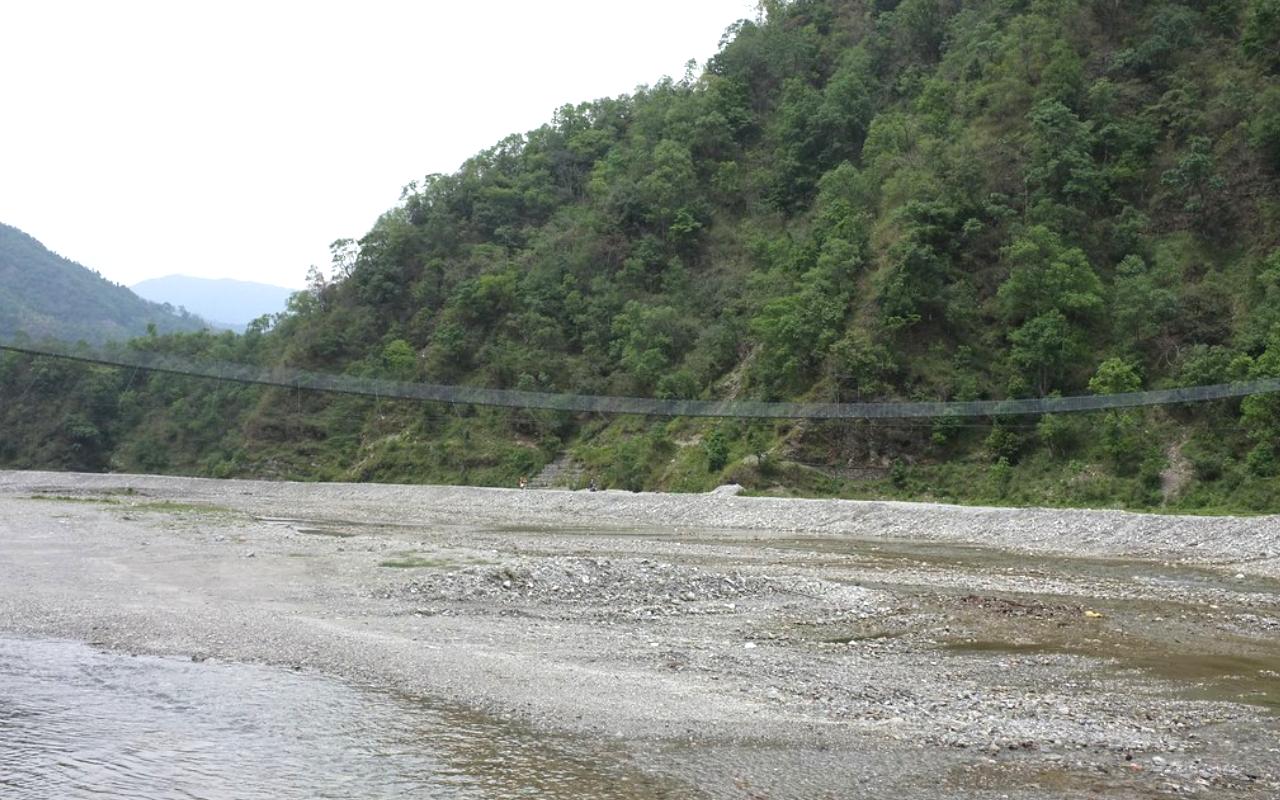
You will continue your ascent after breakfast by crossing a wooden suspension bridge over Hugu Khola, then climb into a dense forest of fir and rhododendron. The trail becomes steeper with stone steps. After about 5-6 hours (8 km), you will reach Nohtha at 3,000m. The air is thinner here, so trek slowly.
You will have lunch at the lodge in Nohtha and warm yourself with herbal tea. The Nohtha lodge has a fireplace; enjoy tea and biscuits in warmth. Spend the afternoon resting, enjoying the clear mountain air and views. The evenings are cold but skies are often clear. You will enjoy your dinner in Nohtha and will spend the night there.
Activity: Trekking for 5-6h
Max. Altitude: 3,000m/9,843ft. Nohtha
Meal: Breakfast, Lunch, Dinner
Accommodation: Lodge
Day 06: Trek to Kori Danda (5 km, 3-4h)
Today is the summit day of the Kori Trek. You will start early after breakfast in Nohtha by climbing the steep 5 km trail to Kori Danda (3,800 m ) over 3-4 hours. The ascent is challenging, but each step brings a wider panorama. As you break above the tree line, the landscape opens to Himalayan meadows.
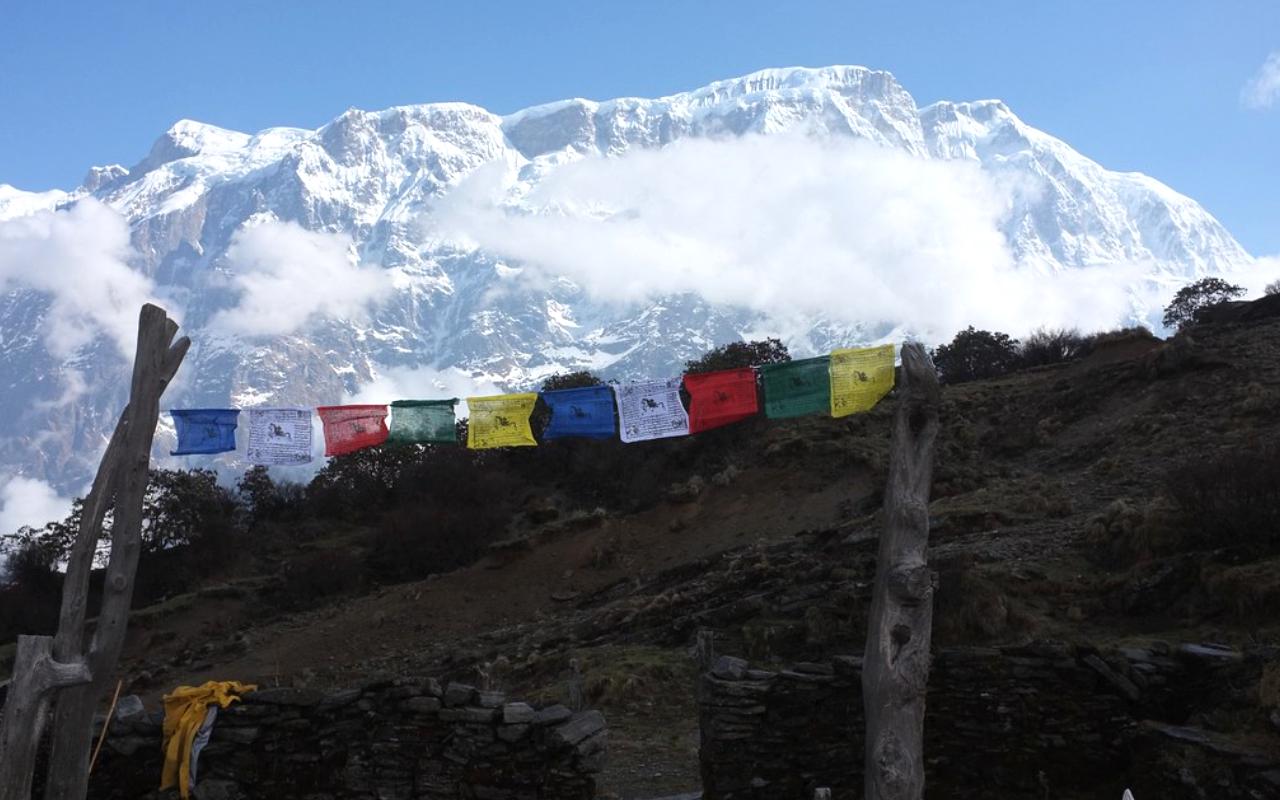
You will arrive at the broad pasture of Kori Danda by late morning. You will celebrate your achievement with hot tea. The summit offers a sweeping 360° Himalayan panorama. Look for Annapurna II on the northern skyline (N/NE aspect from Kaski) and Machhapuchhre (6,993m) below. The pasture is dotted with yaks and prayer flags.
You will spend time soaking in the views and taking photos. You will enjoy a packed lunch at the summit’s edge. If weather is clear, trek a bit further toward an optional higher ridge above Kori (approx. 4,100 m) for an even grander view. You will return to the lodge on Kori Danda and stay overnight at a basic teahouse (when open) or return to Nohtha if it’s closed. Only if weather, permits, and group condition allow; otherwise max altitude remains 3,800 m.
Activity: Trekking for 3-4h
Max. Altitude: 3,800m/12,467ft. Kori Danda
Meal: Breakfast, Lunch, Dinner
Accommodation: Teahouse
Day 07: Trek to Sikles (8 km, 7-8 h)
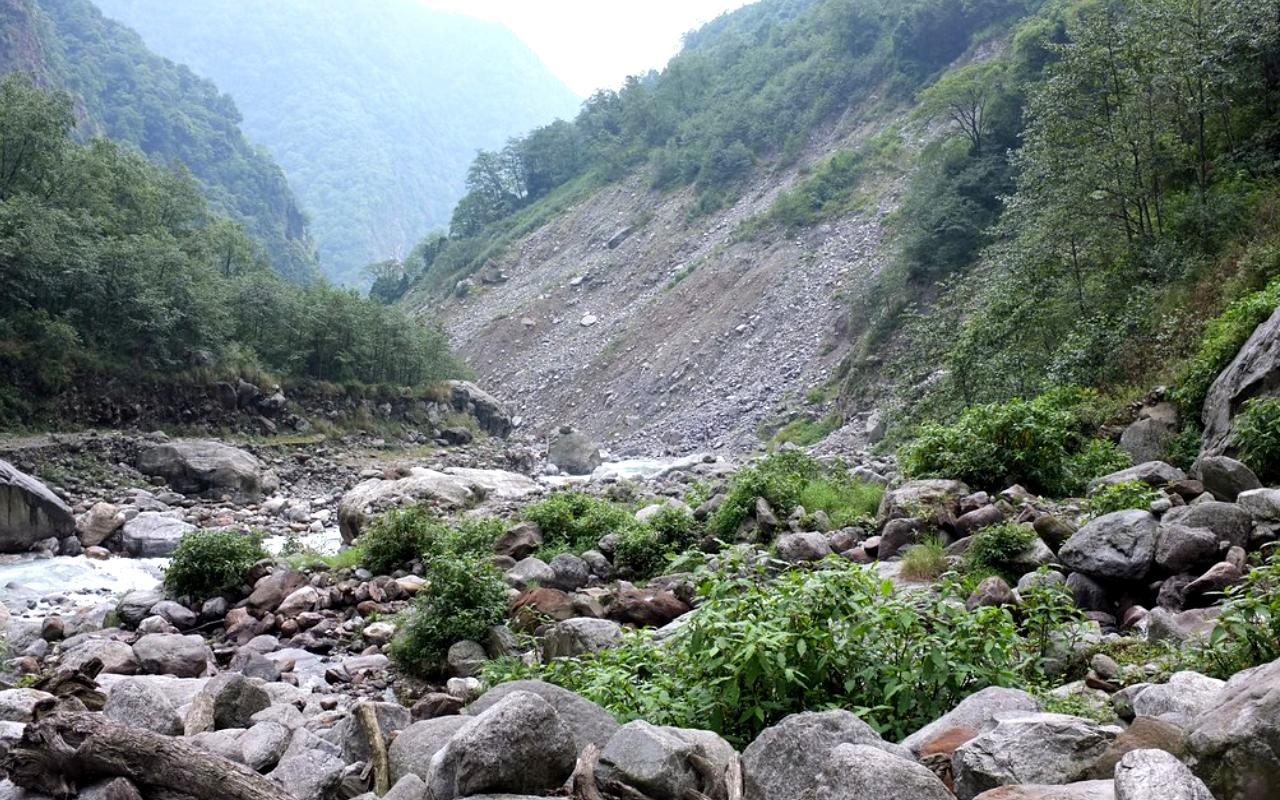
You will begin the long descent to Sikles after breakfast and retrace your route through Nohtha and Hugu Goth. The 8 km trek takes about 7-8 h. First you will cross alpine grassland with mountain views; then you descend through oak and rhododendron forests. You will lose nearly 2,000m in altitude, and the climate warms as you go down.
You will enjoy waterfalls and birdsong along the way. It is a very long day, so start early, carry snacks, and use water breaks. Trekking poles can help on the descent. By late afternoon, you will arrive back in Sikles (1,980m). The lower altitude feels warm again. Celebrate with the locals and return to your lodge in Sikles for dinner and a much-deserved rest.
Activity: Trekking for 7-8 hours
Max. Altitude: 3,800m/12,467ft. Sikles
Meal: Breakfast, Lunch, Dinner
Accommodation: Lodge
Day 08: Drive to Pokhara (40 km, 3-4h)
After breakfast, you will say goodbye to the mountains and board the 4WD jeep for the drive back to Pokhara. The 3-4 hour drive retraces the rugged mountain road downhill. You will relax in the vehicle or watch the landscape glide by. You will arrive in Pokhara around midday and check into your hotel to have lunch at leisure.
Use the afternoon to unwind—perhaps get a massage or shop in Lakeside Bazaar. For sunset, drive up to the World Peace Pagoda or stroll by Phewa Lake. You can enjoy dinner by the lake, reflecting on your trek. In Pokhara, you will be back at civilization and ready to relax.
Activity: Drive for 3-4 hours
Max. Altitude: 1,980m/6,496ft. Pokhara
Meal: Breakfast
Accommodation: Hotel
Day 09: Drive to Kathmandu (205 km, 7-8 h)
Today, you will return to Kathmandu. After breakfast in Pokhara, you will board a tourist bus for the 7-8 hour drive back along the Prithvi Highway. The route follows the Marshyangdi River and passes terraced fields and small towns. You may stop for breaks in towns like Kurintar or Mugling. The highway offers final glimpses of mountain ridges.
You will stay hydrated and enjoy the final mountain views on the road. By late afternoon, you will arrive in Kathmandu (1,400m). Our driver will transfer you to the hotel in Thamel. Kathmandu welcomes you with urban bustle and heavy traffic, so sit back in the vehicle. In the evening, you have free time for one last Nepali dinner or souvenir shopping.
Activity: Drive for 7-8 hours
Max. Altitude: 1,400m/4,593ft. Kathmandu
Meal: Breakfast
Accommodation: Hotel
Day 10: Final Departure
After breakfast, you will prepare for departure. Depending on your flight time, you may have a few free hours to explore Kathmandu or shop in Thamel. When it’s time, our staff will transfer you to Tribhuvan International Airport three hours before your flight. Travel time can be 30–60 minutes depending on traffic.
Before heading out, say thanks and goodbye to your guide and driver. Make sure you have all your belongings packed. We wish you safe travels as you say goodbye to Nepal’s mountains and people, you will take home memories of the Kori Trek adventure.
Activity: Departure
Meal: Breakfast
Includes & Excludes
What are included with package?
Accommodation
- Twin-sharing / double room in a comfortable tourist-standard hotel in Kathmandu for 2 nights with breakfast. (Single room available at extra cost.)
- Twin-sharing room in a standard hotel in Pokhara for 2 nights with breakfast (after the trek)
- Twin-sharing rooms in simple teahouses or homestays during the trek (around 5 nights) in villages like Sikles, Hugu Goth, Nohtha, and Kori Danda (when open)
Meals & Drinking Water
- Breakfast at the hotels in Kathmandu and Pokhara
- Three meals a day (breakfast, lunch, and dinner) during the trekking days in local teahouses or homestays
- A farewell dinner on the last night in Nepal
Transportation
- All airport pick-ups, drop-offs, and hotel transfers in Kathmandu and Pokhara by private vehicle
- Tourist bus tickets for the Kathmandu–Pokhara–Kathmandu journey (or similar tourist coach, depending on booking)
- 4WD jeep transport from Pokhara to Sikles and back
Guide and Staff
- Licensed, English-speaking local trekking guide for the full trip
- Support staff (assistant guide / helpers) if required by group size
- All wages, meals, accommodation, and insurance for guide and included trekking staff
Medical Assistance
- Basic first-aid kit carried by your guide and help in arranging rescue/evacuation in case of emergency (actual rescue costs are paid by your travel insurance)
Permits
- Annapurna Conservation Area Permit (ACAP).
- TIMS (Trekkers’ Information Management System) card.
Benefits and Takeaways
- Full trip planning and on-trip support from Nomad Adventure Treks
- Administrative & Taxes
- All administrative costs and applicable government taxes
What are not included with package?
- Lunch and dinner in Kathmandu and Pokhara (only breakfast is included in the cities).
- International flights to and from Nepal
- Optional domestic flights on the Kathmandu–Pokhara–Kathmandu sector (tourist bus is included; flights cost extra if you choose them)
- Nepal entry visa fees (payable on arrival at Kathmandu Airport)
- Guided sightseeing tours in Kathmandu or Pokhara, private car, and entrance fees to monuments
- Extra hotel nights in Kathmandu or Pokhara due to early arrival, late departure, or changes caused by weather or road conditions
- Travel insurance that includes high-altitude trekking and helicopter evacuation
- Any medical check-ups, vaccinations, or personal medicines before the trip
- Bottled and alcoholic beverages, bar bills, or drinks beyond the provided meals
- Tips for trekking staff and driver
- Personal trekking gear and equipment (sleeping bag, trekking poles, boots, clothing, etc.)
- Porter services (optional; around USD 160 per porter, normally shared between two trekkers)
- Any cost not mentioned in the “Included” section
- Personal expenses such as snacks, hot showers, Wi-Fi, charging, laundry, extra porters, or drinks (tea/coffee, juice, alcohol, etc.)

Note:
If you have a private group and prefer a personalized experience, we can organize a custom trip tailored to your requirements and group size, running it any day you choose.
Detail Information about Kori Trek – 10 days
Trek Difficulty
The Kori Trek is at a moderate level. Daily activity includes 5-7 hours of trekking along hilly trails. The landscape is not the same: There is a period when the terrain is not steep uphill, and there are periods when steep areas are involved (in particular, on the summit day). It does not have any technical climbs or ropes; the trail is narrow and rocky in certain sections.
You must know how to walk 5-6 hours, without taking a break, over uneven surfaces. It is essential to have good stamina, strong legs, and a steady pace. Trekking poles and firm boots are suggested. We maintain a relaxed group pace so that everyone can follow. Our guide supports when necessary and provides breaks to trekkers.
In case of any health-related issues (pain in the knee, asthma, etc), you should consult a doctor before making a reservation. In general, this is a difficult but not impossible trek that can be performed by both fit beginners and intermediate trekkers.
Weather and Best Season
The weather in the Kori trek varies according to the season. The spring (March-May) and autumn (September-November) months are the most appropriate. During the spring, the daytime temperature is moderate (10–20°C) and rhododendrons are in blossom in the trail. Autumn has clear skies, warm days, and cool nights, providing excellent mountain views.
Monsoon (June-August) is wet and trails are slippery, hence it is mostly avoided. It is cold in winter (December to February), particularly in high altitudes. At Kori Danda, snow may fall and nighttime temperatures may drop to below 0°C. Daylight is short in winter.
The temperatures are also varied: in higher camps, it may reach -5°C and even less at night. Pack warm layers year-round. Always check the forecast (Kathmandu and Pokhara forecasts) before departing. The stable conditions are spring and autumn treks.
Food & Drink
Meals on the trek showcase Nepali cuisine. All breakfasts, lunches, and dinners on trek are included. Typical dishes are dal bhat (lentils and rice with curry), vegetable curry, noodles, thukpa (noodle soup), and steamed dumplings (momo). Lodge breakfasts often include eggs, porridge, and bread. Vegetarian options are plentiful (Nepal is very veggie-friendly); vegan trekkers will find legumes and rice staples.
A few snacks (cookies, chocolates) help between meals. Only drink boiled or filtered water. We carry a large water jug and treat it with iodine or purification tablets. Lodges sell boiled/filtered water (price varies by village; bring a reusable bottle). Hot tea (often with milk and sugar) is served at meals. Avoid alcohol on trek because it dehydrates. On arrival days in Kathmandu/Pokhara, you can try Nepalese dishes or international fare.
Altitude Sickness
Nohtha (3,000m) and Kori Danda (3,800 m ) are high enough to risk altitude sickness. Most trekkers are fine, but be aware of Acute Mountain Sickness (AMS). Symptoms: headache, nausea, dizziness, or trouble sleeping. We pace the ascent and overnight at Nohtha (3,000 m) for acclimatization. Stay hydrated (about 3–4 liters per day) and eat light meals. The guide will ensure you ascend slowly.
If symptoms appear, inform the guide immediately; he may advise rest or descent. Do not ascend if symptoms worsen. Our guide will carry an altitude medication (e.g., acetazolamide/Diamox), and if you have a history of AMS, consult a doctor before.
Our guides carry a pulse oximeter to monitor oxygen saturation, but listening to your body is most important. In severe cases, evacuation (by jeep or helicopter) is planned. With precautions, altitude affects a few trekkers on this moderate route, but always be cautious.
Preparation and Fitness
Physical preparation greatly improves the trek. In the weeks before departure, do regular cardio: walking, running, cycling, or swimming for 45–60 minutes, 4–5 times a week. Practice with a loaded backpack: add 5–10 kg and hike on hills or stairs to build endurance and leg strength. Strength exercises (squats, lunges) and core work help reduce fatigue. Try to hike on uneven trails to simulate conditions.
If possible, do a full-day hike (600–1,000 m total ascent) several weeks prior. Acclimatize if you live at sea level: a short high-altitude hike or arriving a day early in Kathmandu/Pokhara can help. Mentally prepare for early wake-ups and mountain weather. Pack and test all gear (boots, backpack) before the trek. If you train regularly, you’ll enjoy the trek much more.
Visa and Permits
All foreign visitors need a Nepal tourist visa, obtainable on arrival in Kathmandu or in advance from an embassy. Fees (as of 2025) are about USD 30 for 15 days or USD 50 for 30 days (exact amounts can change). You need passport-sized photos and local currency (USD) for payment. For the Kori Trek in Annapurna, two permits are required: ACAP and TIMS (official fees in NPR, subject to change).
ACAP is issued by the National Trust for Nature Conservation; TIMS is issued through NTB or TAAN offices in Kathmandu/Pokhara. Nomad Adventure Treks arranges and pays for these permits on your behalf. The guide will carry copies of permits at all times. Carry copies of your passport data page and visa too; hotels often need them.
Health & Safety
Stay healthy with prevention. Update routine vaccines (tetanus, polio, hepatitis A, typhoid) before travel. Carry a basic first-aid kit: blister pads, antibiotics for diarrhea, painkillers, and altitude meds. Wash your hands frequently or use sanitizer. Drink only boiled or bottled water; boil or purify river water before drinking. Eat only cooked food and peeled fruits. Malaria is not a concern above 1,500m, but use repellent in Kathmandu valley if needed.
Traffic in Kathmandu/Pokhara can be chaotic; use seatbelts in cars. The trekking route is remote, so follow guide’s instructions carefully. The lodges have basic medical kits, but nothing serious: evacuation (jeep or helicopter) is the only treatment for severe problems. We require travel insurance with medical evacuation for everyone. Carry policy details on trail. Overall, the trek is safe if you follow the advice: our guide is trained in first aid.
Transportation
Reaching Pokhara and Sikles is straightforward. Trekkers fly internationally into Kathmandu (Tribhuvan Airport). From Kathmandu to Pokhara, options include: (1) Tourist bus on Prithvi Highway (6-8 hours) or (2) 25-minute domestic flight. The bus is cheaper and scenic; flights save time but depend on the weather. For our itinerary, you can choose either the Kathmandu–Pokhara leg (not included in the price).
After Pokhara, a private 4WD jeep carries you 40 km up to Sikles (1,980m). Only sturdy jeeps can handle the rough mountain road; the ride is bumpy, but it shortens the trek length. In Kathmandu/Pokhara, taxis and local buses run regularly, but our package includes all necessary transfers. On trek days, all movement is on foot as described. Leave any personal vehicles at the city hotels safely.
Travel Insurance
Travel insurance is mandatory. Your policy must cover medical expenses and emergency rescue up to at least 4,000m altitude, including helicopter evacuation and repatriation. This includes helicopter evacuation, which can cost over USD 1,000 per hour. It must also cover trip cancellation, delays, and loss/theft of baggage. Keep a copy of your insurance documents with you (paper or photo). Since the route is remote, even a simple illness can become serious; insurance provides peace of mind.
Check that insurance explicitly covers trekking and high-altitude hiking, not just walking tours. We also recommend including emergency dental and repatriation. In short, while we plan for safety, having insurance lets you focus on the adventure.
Alternative Routes
The Kori trek can be combined with other trails. For example, you could extend your trek to Ghorepani Poon Hill, Mardi Himal, or Khopra Ridge for extra mountain views. After Sikles, some trekkers continue to Mohare Danda (3,300 m) via Mohare, adding 2-3 days for more views. Others extend from Sikles into the Annapurna Circuit or the Ghorepani trail.
If you prefer a shorter trek, skip the Kori Danda ascent and descend directly from Nohtha. Our company can arrange these options. Note: alternate routes also require permits (ACAP/TIMS) and possibly additional village permits. Book these extensions in advance so we can organize transport and guides. Let us know if you want extra adventure.
Your extra expenses
The itinerary shows what is included; everything else is extra. You must pay for the Nepal visa, and any international or domestic flights you book. Personal trekking gear (sleeping bag, poles, etc.) is your responsibility. On trek, drinks (water, coffee, soda, beer) cost about $1–3 each at tea houses. Hot showers (rare on the trail) also cost $1–2.
Snacks (chocolate, energy bars) are extra. Wi-Fi (where available in towns) and laundry in cities are extra costs. Tips are customary but appreciated, guides: USD 10–15/day; Porters: USD 8–12/day, shared. In cities, guide and driver meals are your tip responsibility. Bring cash in Nepali rupees for these. You may also want money for souvenirs (scarves, handicrafts), small donations, or unexpected needs. In total, plan around $250–350 extra for personal expenses and tips on this trip.
Language & Communication
Nepali is the official language. Gurung and Ghale are spoken in the villages. English is understood by guides, many lodge owners, and young Nepalis. You will hear Nepali phrases like Namaste (hello). On trek, English is limited. Our guide will help you with communication.
Offline translation apps (on your phone) can be helpful in villages. The Internet is limited on the trail; download maps and info before you go. Our guide speaks good English and will help you translate the conversation with locals. Overall, gestures and smiles go a long way on the Kori Trek.
Mobile Network, Internet & Charging
Mobile coverage is unreliable on this trek. Sikles usually has a signal; above it, no coverage or Wi-Fi. Signal on major Nepali networks (NTC, Ncell). Above Sikles (higher elevations), there is virtually no coverage, so expect to be offline. Kathmandu and Pokhara have full coverage and Wi-Fi cafes. To stay connected, buy a Nepali SIM card in Kathmandu/Pokhara (SIM cards cost $3 and need a passport copy).
Bringing a local SIM will give you reception at Sikles. Lodges sometimes charge $1 to charge a device (solar or generator power). Many mountain huts have no electricity by midday. Bring a high-capacity power bank. Most hotels use type C/D plugs (European style). The voltage in Nepal is 230V. In short: charge phones in town, have extra batteries for the trek, and enjoy the unplugged experience of the Kori Trek.
Don’ts on this trip
In order to enjoy your Kori Trek experience and be respectful of us, there are several basic rules to be considered. Always bring your garbage and put it in the right place in towns, and always keep to the guided trails to ensure that you do not harm yourself and the agricultural lands around. View wildlife and village animals without going near them or disturbing them. You should not go inside private houses or capture images of individuals and temples without permission.
You should not use open fires in lodges and should also consume only boiled or purified water as a precaution. Avoid indoor smoking; limit alcohol during trek days, and simple clothes are valued in villages. You should not haggle on fixed prices or handle religious objects without asking. With respect to the local culture and nature, you will make the Kori Trek beautiful and friendly to everyone.
Trip Extension
If you have extra time, many extensions are possible. In Pokhara, consider a sunrise hike to Sarangkot or paragliding ($100). You could combine the trek with Ghorepani–Poon Hill (4-5 days) or Mohare Danda (2-3 days). Cultural tours from Kathmandu include Bhaktapur and Patan day tours.
Trip extensions include a short jungle safari in Chitwan (3 days) to see rhinos and tigers, or a pilgrimage trip to Lumbini (2 days). Even the Everest Region is reachable via flight from Kathmandu (needs 7-10 more days). We can customize your itinerary: just let us know your interests. All extensions are arranged with proper permits and guides.
Photography & Drone Rules
Photographing is allowed, but take care of the rules. Never take pictures without permission from the locals or in homes and temples. In the case of drones, Nepal needs to permit all drones. Drone use requires permits from CAAN and local authorities (including Annapurna), and is limited around urban centres and airports. Filming permits (for professional use) are complex to obtain. Unless you have clearance from Nepal’s Civil Aviation Authority, do not bring a drone.
Even cameras should not be used in police or military areas. For normal picture-taking, a camera or smartphone is fine. Please respect “no photo” signs and privacy. Civilian photographers should honor local customs and not publish images without permission. Drones must be registered and insured, so it’s safest to leave them at home.
Cultural Festivals on the Trail
The trek passes through Gurung communities with unique festivals. Tamu Lhosar (Gurung New Year) usually occurs in January/February, featuring dance and feasts. Losar (Buddhist New Year) is in February. Other major Nepali festivals (Dashain in Sept/Oct, Tihar in Oct/Nov) are celebrated locally with lights and offerings.
If your trek happens during Holi, the festival of colors, local people may sprinkle colored powder and water along the trail to celebrate. Even without a major festival, you will see prayer flags and small shrines daily. Some villagers hang new flags for personal celebrations. If you meet a festival, feel free to ask locals about it and observe respectfully. We can adjust the schedule slightly if a local festival is a highlight, but note that exact dates vary by year.
Tips for First-Time Nepal Visitors
First-time trekkers should prepare carefully. Carry small-denomination Nepali rupees; ATMs in Kathmandu and Pokhara only dispense large notes. Dress modestly in villages (cover shoulders and knees). Footwear: sturdy hiking boots and comfortable sandals for lodges. Bring a toilet kit (paper and sanitizer), as mountain toilets are basic. Tap water is not drinkable – only use boiled or bottled water on trek.
Electrical outlets are 230V (type C or D), so bring a universal adapter. Greet people with “Namaste” (palms together). Tips: Guides USD 10–15/day; porters USD 8–12/day (per porter, shared). Be patient: Nepali bazaar time is not as fast as Western time. Above all, be open-minded and be able to appreciate the relaxed pace of mountain life. Nepali people are welcoming; a smile and respect can go a long way.
Frequently Asked Questions
How much does the Kori Trek cost?
Kori Trek will be from USD 450 per person (land services, budget basis, minimum group size, tourist bus, twin-share, no porter). Final price varies by season, transport (bus vs flight), accommodation class, and group size.
What do I pack to the trek?
Light, smart packing is best. Bring warm layers for mornings/evenings and light clothes for daytime, a jacket to cover the rainy season, good trekking shoes, hat, gloves, sun glasses, sunscreen, and personal medicines. A water bottle with purification tablets that are reusable, a flashlight/ headlamp, and a camera will also come in handy. Make sure your total weight of the backpack does not exceed 15 kg.
Is a guide mandatory?
Yes. The Kori Trek is in the Annapurna Conservation Area and therefore a licensed Nepali guide will be necessary. The guide will handle your permits, guide you on the way, and keep you safe on the way besides imparting the local culture and knowledge.
Can I trek during winter?
Yes, you can walk during winter (December to February), but be ready to cold weather and snowfall. In winter there are peaceful trails and the mountain views are clear but trekkers should carry good warm clothes. Majority of the visitors like spring (March -May) and autumn (September -November) because the weather is mild and weather is stable.
Do the trekking route have ATMs?
No ATMs beyond Pokhara so carry cash from city. You are supposed to carry sufficient Nepalese rupees in Kathmandu or Pokhara to meet your personal expenses on snacks, drinks, or tips along the trek.
What currency is used?
The currency is Nepalese Rupees (NPR). Any payment in the trek has to be made in cash. In larger cities, they accept credit and debit cards. Smaller bills are also advisable where one would be conducting small transactions in the villages.
What is the peak altitude?
About 3,800 meters is the highest point of the Kori Trek and it is called Kori Danda. You will be acclimated by spending a night at Nohtha (about 3,000 meters) before reaching this viewpoint. It is not a steep climb and the mountain scenery is breathtaking when you are on the top.
Can I hire a porter?
Yes, there are porters and they are strongly recommended in case you want to carry less weight. The price is about USD 160, and the porter carries a maximum of 25 kg which is normally shared among two trekkers. This will make the trek more comfortable to you.
Is there mobile signal or Wi-Fi?
Mobile signal is not good in lower villages like Sikles and no Wi-Fi on the way. As soon as you start the trek, you are able to assume that you will be largely offline and therefore you will be able to immerse yourself in nature and the quiet environment.
What if I get sick or injured?
Guides have simple first-aid kits, and they are trained to deal with minor health issues. In case of altitude sickness or some severe condition, the guide will organize an immediate descent or emergency evacuation. There should be travel insurance that includes medical rescue.
Should I come with a sleeping bag?
Yes. Even though lodges offer blankets, it is still better to have a personal sleeping bag (warm till 0°C) to be even warmer and cleaner. You can also hire one in Kathmandu and then begin your trek.
Are there cultural practices to observe?
Yes. In Gurung villages like Sikles, dress decently, take off shoes before entering homes or temples and seek permission before taking pictures of people. shake hands and greet locals with a warm Namaste, and do not touch the head or religious objects of anyone. Local cultures are highly regarded.
Reviews on Kori Trek – 10 days
 Write a Review
- 1 personUS$ 650
- 2 - 4 personUS$ 480
- 5 - 8 personUS$ 460
- 9 over 9999 US$ 445
Total Cost:
US$ 650
- Your safety, our no 1 priority
- Best price guarantee
- Experienced & dedicated team
- Easy booking, no hidden charge
- You can customize this trip
Talk to Travel Expert Samundra Rimal (+977-9843127084)