



Langtang Valley Trek – 10 Days

Duration
10 Days

Max Altitude
3,800 m. / 12,467 ft.

Difficulty
Moderate

Group Size
2-16 Pax

Meals
- 8 Breakfast
- 7 Lunch
- 7 Dinner

Accommodation
- Hotel
- Teahouse

Transportation
Flight/Jeep

Activities
- Trekking
- Sightseeing

- 1 - 3 personUS$ 950
- 4 - 10 personUS$ 850
- 11 over 9999 US$ 790
Total Cost:
US$ 950
- Your safety, our no 1 priority
- Best price guarantee
- Experienced & dedicated team
- Easy booking, no hidden charge
- You can customize this trip



Talk to Travel Expert Samundra Rimal (+977-9843127084)
Introduction of Langtang Valley Trek – 10 Days
Nomad Adventure Treks presents the Langtang Valley Trek, a 10-day Himalayan journey near Kathmandu. This trek leads into Langtang National Park, known as the “Valley of Glaciers.” It offers breathtaking snow-capped peaks and serene alpine scenery. The adventure begins with a scenic drive to the mountain village of Syabrubesi, following the Trishuli River as it cuts through the mountains. From there you trek through lush rhododendron forests, bamboo groves, and peaceful Tamang villages. The crystal-clear streams and yak pastures gradually give way to open meadows and towering peaks.
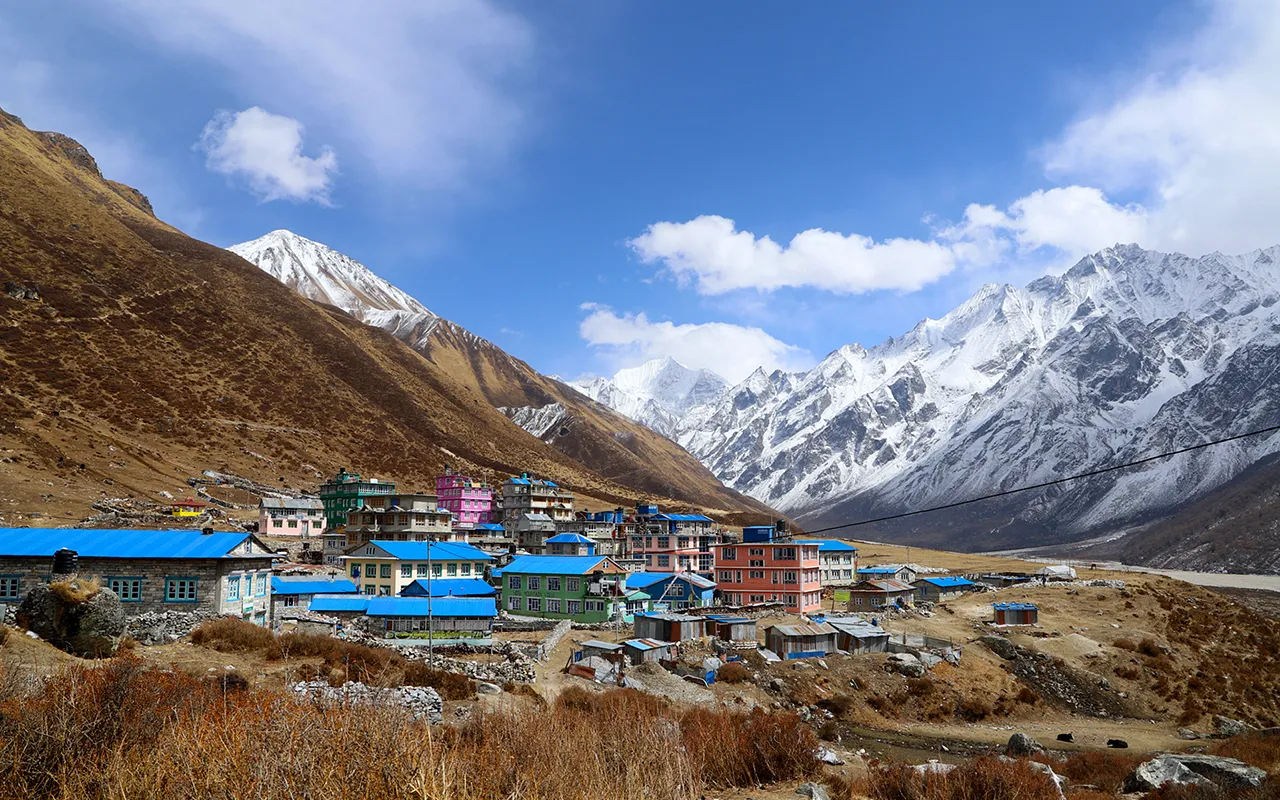
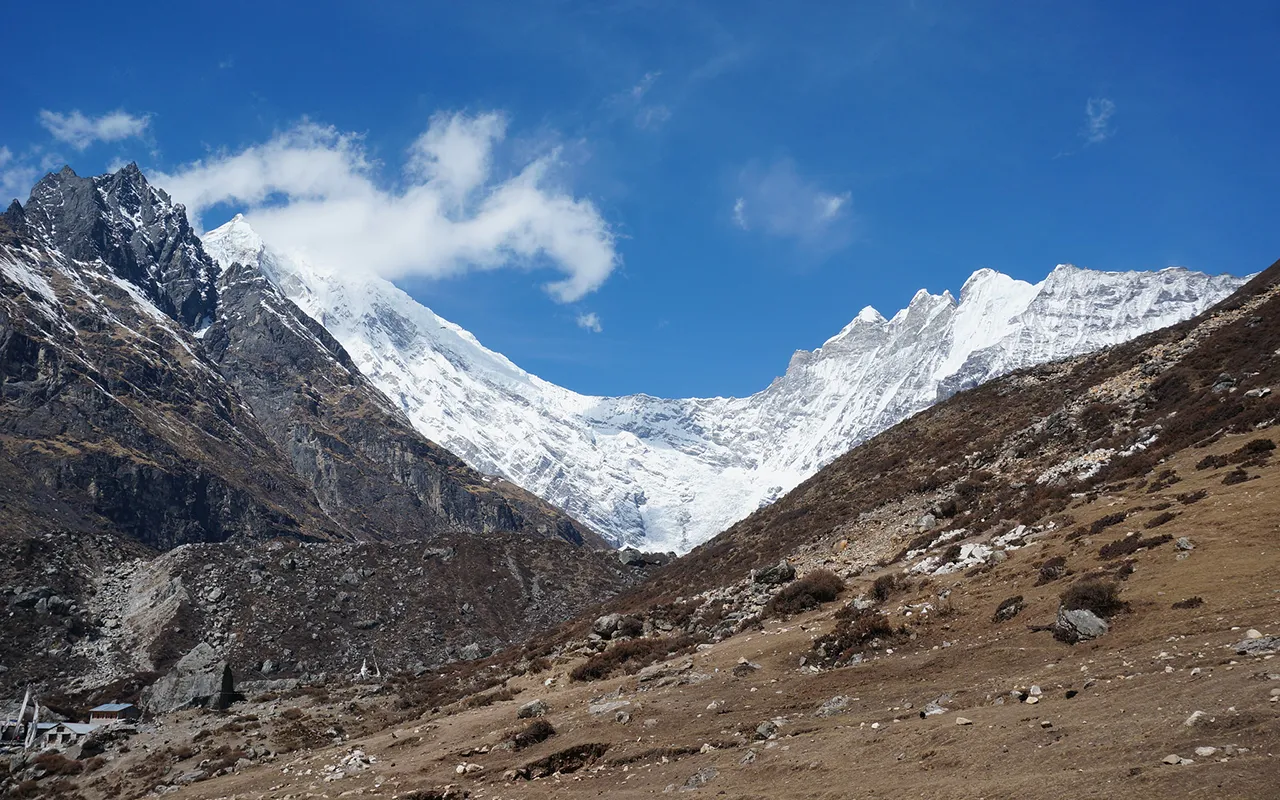
On this Langtang Valley trek itinerary, highlights include visiting the ancient monastery at Kyanjin Gompa (3870m). From there you can hike to panoramic viewpoints: Tserko Ri (4984m) or Kyanjin Ri (4773m). These summits reward you with 360° views of icy giants like Langtang Lirung (7227m) and Gangchempo (6387m). You also meet warm Tamang and Sherpa villagers, see colorful prayer mani walls, and may visit a traditional yak cheese factory. The mix of local culture and mountain scenery is unforgettable.
Although you reach high altitudes, the Langtang Valley trek is rated moderate. Daily climbs are gradual and one acclimatization day in Kyanjin Gompa eases the ascent. Accommodations are in cozy mountain teahouses (basic lodges) with hot meals provided (breakfast, lunch, dinner). Typical meals like dal bhat (rice and lentil soup) give energy for trekking. The total hiking distance is roughly 60 km, spread over moderate stages. Nomad Adventure Treks’ experienced guides carry your main gear and ensure safe pacing, so you can enjoy the views without heavy loads. The valley was badly hit by the 2015 earthquake, but most villages and lodges have been rebuilt. Today, trekkers can again enjoy modern comforts in local tea houses.
As a bonus, Syabrubesi has a natural hot spring for a relaxing soak on the return. Each day of the Langtang Valley trek itinerary brings new scenery and experiences. Fit beginners and experienced hikers alike will find this journey rewarding. Nomad Adventure Treks ensures a safe, well-organized trip filled with Himalayan charm and adventure. This Langtang valley trek itinerary covers the most iconic spots of the region. It runs about 60 km total, with moderate daily stages that build stamina gradually.
Over the course of the trek, you will cover roughly 60 km in total. This journey not only showcases natural beauty but also Nepal’s focus on sustainable tourism: by trekking here you support local communities rebuilding after earthquake damage. Nomad Adventure Treks partners with village lodges and trained guides to ensure the experience benefits residents and preserves culture. Each evening, lodge owners share stories of high-altitude life over candlelight, adding cultural depth to the adventure. Overall, the Langtang Valley trek promises a perfect mix of mountain thrills, peaceful nature, and cultural insight for every outdoor enthusiast.
Trip Highlights
- Breathtaking views of Langtang Lirung and Himalayan peaks.
- Historic Kyanjin Gompa monastery amidst majestic mountain scenery.
- Climb Tserko Ri (4984m) or Kyanjin Ri (4773m) for 360° panoramas.
- Trek through Langtang National Park’s rhododendron forests and alpine meadows.
- Encounter Tamang culture, Buddhist prayer flags, and yak-cheese making.
- Chance to spot wildlife (red pandas, Himalayan Thar, langurs) in Langtang.
- Relax in the natural hot spring at Syabrubesi after trekking.
Detail Itinerary of Langtang Valley Trek – 10 Days

Day 01: Arrival in Kathmandu
Upon arrival at Tribhuvan International Airport, a Nomad Adventure Treks representative will greet you and transfer you to your hotel in Thamel. Relax from your flight, adjust to the city, and explore the lively marketplace nearby.
In the evening, join a short briefing at our office to go over the Langtang valley trek itinerary, equipment and safety tips. Use today to ensure all your gear is ready and to stock up on any remaining supplies for the trek. Kathmandu, the capital of Nepal at 1400m, is a cultural melting pot. If time permits, you might visit Swayambhunath (the Monkey Temple) or enjoy a Newari dinner in the old city.
Arrive early and rest up for tomorrow’s journey into the mountains.

Activity: 30 minutes (car)

Max. Altitude: 1,400m/4,593ft. Kathmandu

Accommodation: Hotel
Day 02: Drive from Kathmandu to Syabrubesi
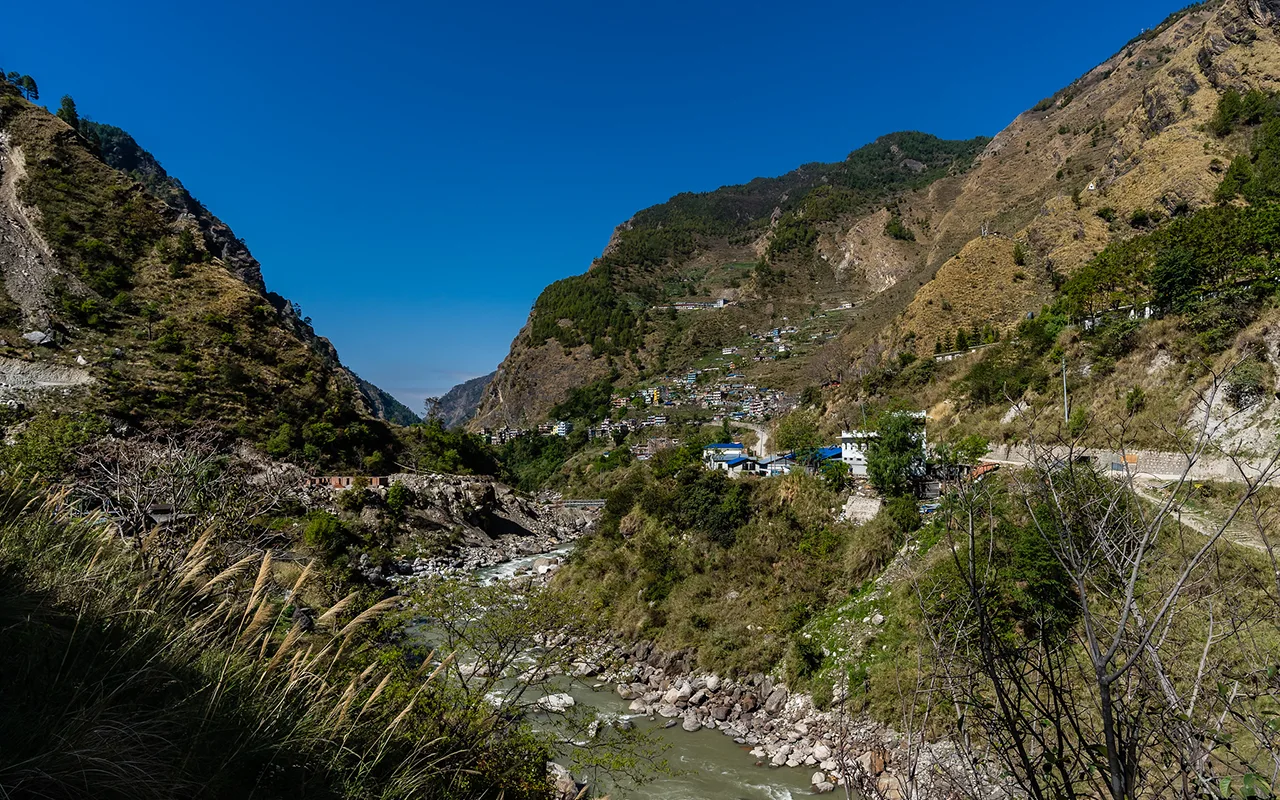
After breakfast, set off on the scenic drive to Syabrubesi, the gateway to Langtang Valley. The road follows the Trishuli River, winding through hills, farmland and small towns. Midway you will reach Dhunche (1916m), where we stop at the Langtang National Park headquarters to obtain your trekking permits and TIMS card.
Break for lunch in Dhunche or a roadside restaurant. Continue through lush forests and cross several suspension bridges over the rivers. By late afternoon, arrive in Syabrubesi (1460m) and check into a mountain lodge. Spend the evening relaxing. If time allows, visit the nearby natural hot spring for a soothing soak after your day on the road.
Activity: 7-8 hrs drive
Max. Altitude: 1,460m/4,790ft. Syabrubesi

Meal: Breakfast, Lunch, Dinner
Accommodation: Lodge
Day 03: Trek from Syabrubesi to Lama Hotel
Begin your Langtang trek today after breakfast. Walk alongside the Langtang Khola (river) on a stone-paved path. Early on, you will cross a suspension bridge over the Bhote Koshi. The trail then climbs steadily through mossy forests of pine, fir and rhododendron. You will reach Bamboo (2050m) after about 3 hours, a small village where you can rest and enjoy mountain views.
Continue ascending gradually; a gentle climb takes you past Guru Rinpoche Gomba, a Buddhist monastery, and beside lovely waterfalls. You may spot colorful birds, langur monkeys or even shy Himalayan Thar among the trees. By afternoon you will arrive at Lama Hotel (2460m), a cluster of lodges near a river. This is a popular camping spot. Settle in for the night with a warm dinner and enjoy the sunset over the forest.
Activity: 6-7 hrs trek
Max. Altitude: 2,460m/8,071ft. Lama Hotel
Meal: Breakfast, Lunch, Dinner
Accommodation: Lodge
Day 04: Trek from Lama Hotel to Langtang Village
After breakfast, continue the ascent into Langtang Valley. The path climbs through forests of oak, maple and bamboo. At around 3000m you will reach Ghodatabela (3000m), an open alpine pasture where yaks graze and trekkers often rest. From Ghodatabela the trail becomes steeper as you hike through dense rhododendron and hemlock forest.
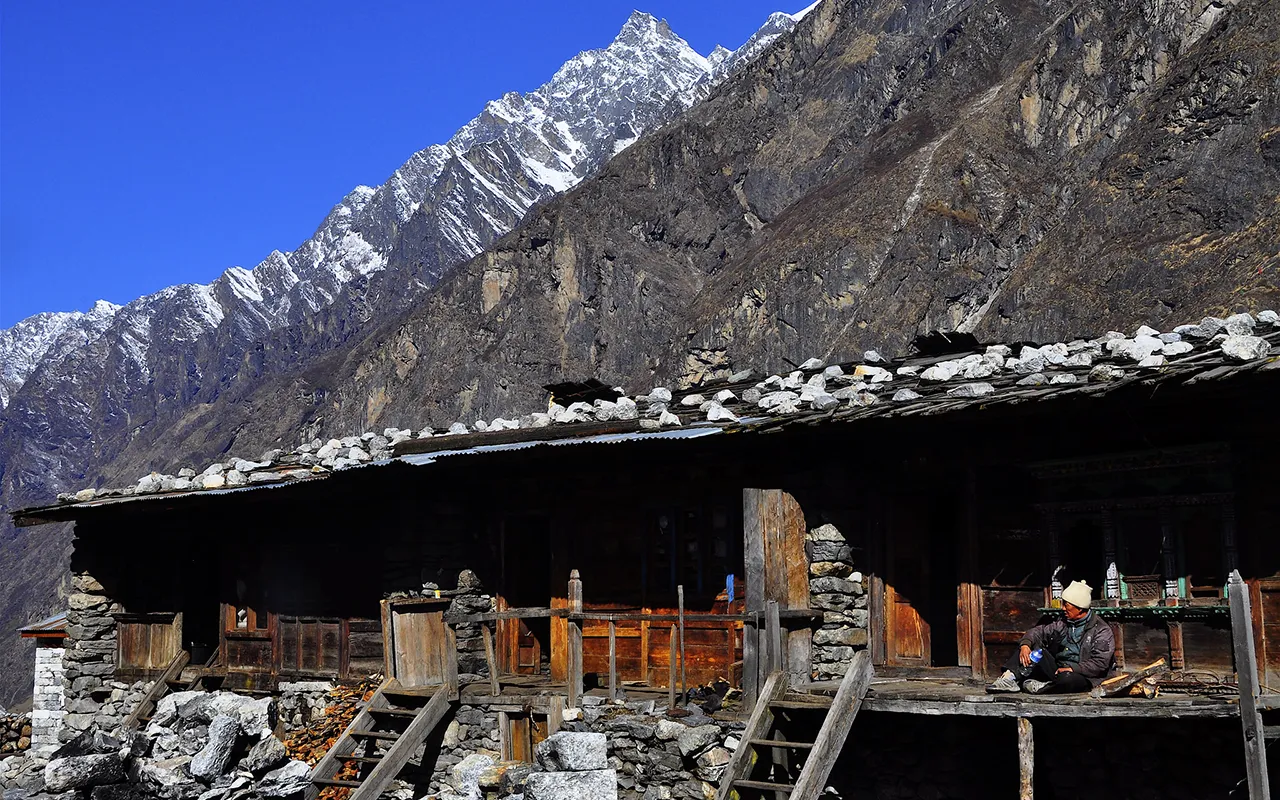
Occasionally you catch your first glimpses of Langtang Lirung towering above. The forest gives way to the treeless yak pastures and meadows near Langtang Village. A short scramble over rocks leads to Langtang Village (3450m) by late afternoon. This traditional Tibetan-style settlement has stone houses, corrals for yaks, and potato fields. You will spend the night in a cozy lodge here, enjoying another hot meal and the panoramic mountain views.
Activity: 5-6 hrs trek
Max. Altitude: 3,450m/11,319ft.
Meal: Breakfast, Lunch, Dinner
Accommodation: Lodge
Day 05: Trek from Langtang Village to Kyanjin Gompa
Resume trekking after an early breakfast. The trail steepens as you leave Langtang Village, climbing through alpine pastures and boulder fields. You will cross a few wooden bridges and may see herds of grazing yaks. After about 4 hours of hiking, you reach the mountain village of Kyanjin Gompa (3870m). This settlement consists of guesthouses and a famous Buddhist monastery (the gompa).
Spend the afternoon exploring Kyanjin: visit the gompa for Tibetan prayer, or head to the local cheese factory where yak cheese is made. Admire close-up views of Langtang Lirung (7227m), Langshisha and Dorje Lakpa from the village. Enjoy the crisp mountain air and a hearty dinner with your trekking group. Tonight’s teahouse is one of the highest on the trek.
Activity: 4-5 hrs trek
Max. Altitude: 3,870m/12,697ft. Kyanjin Gompa
Meal: Breakfast, Lunch, Dinner
Accommodation: Teahouse
Day 06: Exploration at Kyanjin Gompa (Optional hike)
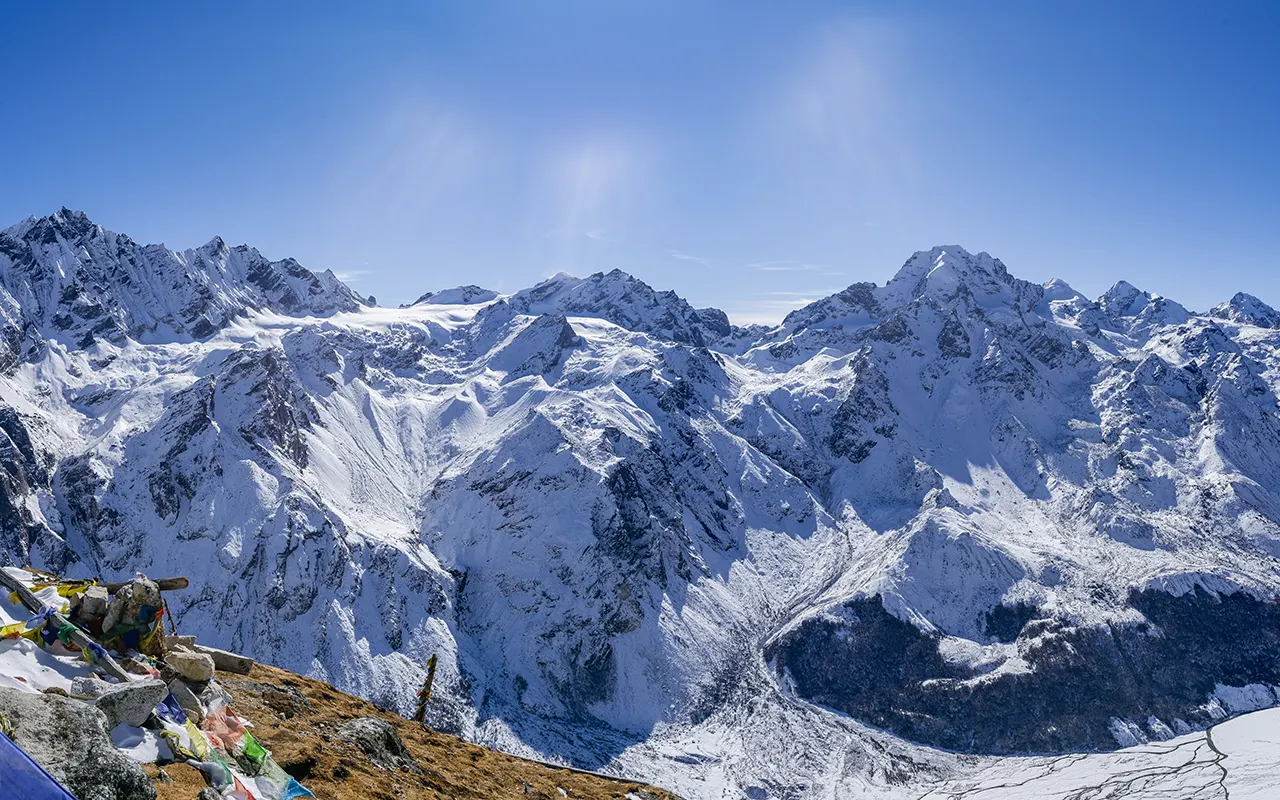
Today is an acclimatization and exploration day in Kyanjin Gompa. You can relax at the lodges, or take an optional trek for bigger views. The most popular hike is to Tserko Ri (4984m), a steep climb of about 2–3 hours each way. From the top, you will enjoy 360° panoramas of the entire Langtang Range and the valley below.
A gentler alternative is Kyanjin Ri (4773m), which still offers outstanding views, or you may walk to Tsomgo Lake (a frozen alpine lake at 4150m). Whichever you choose, return to Kyanjin Gompa by late afternoon. Enjoy another peaceful night at the teahouse under the clear mountain sky.
You could also explore the small village of Kyanjin or simply rest to acclimatize. The Kyanjin lodges usually allow purchasing additional items like hot showers (for a fee) or extra yak cheese to sample. This easy-paced day is key for adjusting to altitude before the return trek. Every evening here, lodge owners share stories about living at 4000m — a cultural experience in itself.
Activity: 5-7 hrs (if hiking)
Max. Altitude: 4,984m/16,352ft. Tserko Ri
Meal: Breakfast, Lunch, Dinner
Accommodation: Lodge
Day 07: Trek from Kyanjin Gompa to Lama Hotel
Leave Kyanjin after breakfast and begin the return journey toward Syabrubesi. The trail retraces your steps down the valley. It descends through Mundu and the yak pastures above Langtang Village. Pause in Langtang to refresh or enjoy a snack. The day is long (about 21 km) but mostly downhill, which is easier on your legs.
Along the way, notice how the lush forests reopen and the air feels warmer with each hour. You will pass by Ghodatabela again and continue descending through rhododendron forests to Bamboo village (2050m), and then on to Lama Hotel (2460m).
Though it is a long distance, the downhill route is far less taxing. Along the way, pay attention to changing vegetation as you descend. In the villages below, see terraced farms and local temples that you missed on the ascent. By the time you reach Lama Hotel, the air will feel noticeably warmer. Relax on the veranda as the stars come out. Tonight you celebrate a tough day with a heartwarming dinner and share stories with fellow trekkers around the stove.
Activity: 7-8 hrs trek
Max. Altitude: 3,870m/12,697ft. Kyanjin Gompa
Meal: Breakfast, Lunch, Dinner
Accommodation: Teahouse
Day 08: Trek from Lama Hotel to Syabrubesi
Continue your descent back to the trailhead. The path drops through pine and oak forests and warm farmlands. You will go past Bamboo (2050m) and then follow the Langtang Khola down to Syabrubesi (1460m), arriving in about 4-5 hours. Several small Tamang villages dot the route, giving glimpses of rural Nepali life; you may hear children playing or see farmers tending crops. The climate becomes noticeably warmer as you descend, and fields of rice and vegetables reappear in the lower valleys.
The path is straightforward and mostly downhill now. Return to the lush subtropical forests and warmer climate. Your pace will quicken as you near Syabrubesi. Arrive back at the lodge you stayed at on Day 2, and relax. Consider taking one more soak in the natural hot springs or simply enjoying a cup of tea while watching the river flow. This evening, share a final dinner with your group and reflect on the trek’s adventures.
Activity: 4-5 hrs trek
Max. Altitude: 2,460m/8,071ft. Lama Hotel
Meal: Breakfast, Lunch, Dinner
Accommodation: Lodge
Day 09: Drive from Syabrubesi to Kathmandu
After breakfast, board the bus or jeep back to Kathmandu. Retrace the route from two days ago: valleys, rivers and hill towns. The drive back (122 km) takes about 7–8 hours with stops. On a clear afternoon, you may see the massive Ganesh Himal range as you descend to lower altitudes. Break the journey for lunch or refreshments along the way. As you drive into the valley, Kathmandu’s haze and busy streets will signal the trek’s end.
Return to your Thamel hotel by late afternoon. You will enjoy a hot shower and a comfortable bed tonight. Relax and celebrate finishing the Langtang Valley trek. Tonight is perfect for tasting traditional Newari or Thakali cuisine in town and sharing your trek photos with new friends. Kathmandu has many restaurants and shops to explore one last time.
Activity: 7-8 hrs drive
Max. Altitude: 1,400m/4,593ft. Kathmandu
Accommodation: Hotel
Day 10: Final Departure
This is the last day of your trek package. Enjoy breakfast at your hotel, and then our staff will arrange your transfer to Tribhuvan International Airport for your onward flight. If your flight is later, you may take an optional half-day city tour (for example to Pashupatinath Temple or Kathmandu Durbar Square). Double-check your luggage and say farewell to the trekking team, who have shared in your high-altitude adventure. We handle all airport transfers, so just relax as you drive to the plane.
Safe travels! We wish you all the best and hope to see you on another trek with Nomad Adventure Treks. Farewell to the mountains, and carry home memories of the Langtang Valley’s beauty.
Activity: 30 mins
Max. Altitude: 1,400m/4,593ft. Kathmandu
Meal: Breakfast
Includes & Excludes
What are included with package?
Accommodation
- Twin-sharing/double accommodation in a 3-star hotel for 2 nights in Kathmandu including breakfast (Private room accommodation can be organized at an extra cost)
- Best available accommodation Tea house/lodge accommodation during the trek
Meals & Drinking Water
- All your standard meals during the trek 3 meals a day (Breakfast, Lunch & Dinner) in a guest houses.
- A farewell dinner on the last night in Nepal
- Purified drinking water during the trek using Water Filter or water purification tablets.
Transportation
- All (international and domestic) airport transfers on a tourist vehicle
- Kathmandu to Syabrubesi (trek start) and Syabrubeshi back to Kathmandu (trek end) by local bus
Guide and Staff
- Experienced, first-aid trained, government licensed, English speaking, and locally recruited Nomad Adventure’s trekking guide (2 guides for group size more than 12 people)
- Porters during the trek for carrying luggage (1 porter for every 2 clients)
- Wages, accommodation, meals, gear, insurance and medications for all staff
Medical Assistance
- Assistance in arranging rescue operations in case of complicated health conditions (funded by travel insurance)
- Medical kits, including an oximeter to monitor blood oxygen saturation levels in high altitudes
Permits
- Langtang National Park entry permit fee
- TIMS (Trekkers’ Information Management System) card
Benefits and Takeaways
- Sleeping bags and down jackets, duffle bag (one for every two trekkers) if you do not have your own
- company’s T-shirt & Cap
- Trip completion certificate
Administrative & Taxes
- All administrative expenses and government taxes
What are not included with package?
Price Excludes
- Lunch and dinner in Kathmandu
- International flight fare and airport departure tax
- Guided tour in Kathmandu (Private car + tour Guide), Monument entrance fees while sightseeing in Kathmandu
- Kathmandu sightseeing entrance fee $26
- Nepal Entry Visa (Visa can be acquired easily after your arrival at Tribhuvan International Airport in Kathmandu with a fee of USD 30 for 15 days visa, USD 50 for 30 days visa and USD 125 for 90 days visa)
- Extra night accommodations in Kathmandu due to early arrival or late departure, early return from the trek or other itinerary changes
- Travel insurance along with high-altitude emergency evacuation coverage
- Medical check-ups, vaccinations, or medications required for the trek are not included.
- Any beverages including bottled and boiled water
- Tips to trekking staff and driver
- Personal trekking gear and equipment
- Personal expenses (shopping, snacks, boiled bottle water, hot (Tea/ Coffee) and cold drinks, hot shower, alcohol, Wi-Fi, telephone call, battery re-charge fee, extra porters, etc
- Personal clothing and gear
- Any expenses other than the Price Include section

Note:
If you have a private group and prefer a personalized experience, we can organize a custom trip tailored to your requirements and group size, running it any day you choose.
Detail Information about Langtang Valley Trek – 10 Days
Trek Difficulty & Fitness Tips
The Langtang Valley trek (Langtang trek) is rated moderate in difficulty. The trails are well-defined and pose no technical challenges, but the daily hikes are often 5–7 hours long. If you are reasonably active and healthy, you can handle the trek, but it does involve uphill sections and walking on uneven mountain paths. The emphasis is on endurance: some days climb a few hundred meters steadily.
To prepare, focus on cardio exercise (running, cycling, swimming) and leg strength in the months before your trip. Practice long hikes with a loaded backpack, and include uphill stair-climbing or treadmill workouts. With training hikes and cardio work, you will enjoy each day more.
Remember that part of the challenge comes from altitude: the highest point on this trek is near 5000m at Tserko Ri, but we build in acclimatization. Wearing lightweight trekking boots and breaking them in will prevent blisters. Pack gaiters, trekking poles, and a sturdy daypack. Keep your pack weight light by carrying only essentials, since local porters carry the main duffels.
Good preparation and conditioning will make each day of the Langtang valley trek more enjoyable. On this Langtang valley trek itinerary, the steady pace and rest stops ensure that most trekkers in good health can complete the journey comfortably. This Langtang valley trek itinerary ensures a steady climb each day.
Acclimatization & Altitude Strategy
Proper acclimatization is key for a safe and enjoyable trek. This itinerary includes a gradual ascent profile to help your body adjust. Starting in the low valleys, you sleep one night at Lama Hotel (~2460m) and another at Langtang Village (3450m) before reaching Kyanjin Gompa (3870m). Staying extra time in Kyanjin (with optional hikes) further aids acclimatization before pushing above 4000m. On this trek, you gain altitude more gently than on many other routes. Nevertheless, monitor for any signs of altitude sickness (headache, nausea, dizziness).
Hydrate well by drinking plenty of water or electrolyte drinks and eat light, high-energy meals. Follow the mantra “climb high, sleep low” by taking short hikes and returning to a lower sleeping altitude when possible. Avoid alcohol, smoking and heavy meals at high camps. Some trekkers carry acetazolamide (Diamox) to help prevent Acute Mountain Sickness, after consulting a doctor. The guides monitor the group’s health closely. If symptoms of altitude sickness do appear, do not ignore them.
Descend to a lower altitude immediately and rest. Guides from Nomad Adventure Treks know how to spot serious altitude illness. In an emergency (severe breathlessness, confusion or severe headache), the solution is immediate descent. With careful pacing and a steady strategy, most trekkers finish this Langtang valley trek without serious altitude issues.
Accommodation and Meals
During the Langtang Valley trek, you will stay in mountain teahouses (simple lodges) each night. These are family-run guesthouses that offer basic twin-share rooms with twin beds or mats and thick blankets. At lower altitudes, some rooms may have wall-plug sockets and even a heater, but above 3000m most heat comes from central wood-stoves in the dining hall.
Expect cold, shared bathrooms (often squat-style toilets) and bucket showers (water heated on a stove). Privacy is limited, and kitchens are basic, but the warmth of Nepali hospitality makes up for the simplicity. On the Langtang valley trek, lodges at higher altitudes often have panoramic views of the valley, enhancing your stay.
Meals are included three times a day (breakfast, lunch, dinner). The food is hearty Nepalese/Tibetan style. Each morning begins with a cooked breakfast (eggs, porridge, toast, etc.), followed by a picnic or lodge lunch of rice, curries, vegetables and soup. Dinner is a warm, nourishing meal — typically dal bhat (rice and lentil soup) with curries and vegetables or noodles. Tea (often sweetened) and Tibetan bread are commonly served at all meals. Vegetarian and non-vegetarian options are available at most lodges, though menu choices become more limited at higher altitude.
You can usually purchase extra snacks or drinks at larger teahouses (biscuits, chocolate, soups, hot drinks), but prices are higher than in Kathmandu. Carrying some high-energy snacks (nuts, energy bars) is wise. Hot drinks like tea or coffee may cost about USD 1–3 extra. The consistent meal routine provides plenty of energy for each day of trekking and offers a taste of Nepali hospitality. On the Langtang valley trek, having all meals included means one less thing to worry about — just sit by the stove and enjoy local flavors after a day’s hike.
A Typical Day on the Trek
Expect early mornings. Each day on the Langtang valley trek, you will wake to sunrise over the mountains, often around 6 or 7 am. After a simple breakfast (porridge, eggs, toast, tea), you pack your day bag and begin hiking by about 8:00 am. Most days involve 5–7 hours of trekking with short breaks. The trail may wind uphill through forests or climb alpine ridges, but every effort is rewarded by scenery.
By late morning (around 12:00–1:00 pm), you stop for lunch at a lodge or in a scenic spot on the trail. A typical lunch includes rice or noodles with vegetables or dal soup, plus tea. After a rest, continue hiking toward the next campsite or village. Around 4–5 pm you usually arrive at the new lodge. Check in, wash up, and enjoy a cup of warm chai.
Evenings are relaxed: you can journal, play cards, or chat with fellow trekkers and lodge staff. Dinner is served around 6–7 pm and typically includes soup, dal bhat (rice and lentils), curries, and sometimes meat or eggs if available. The day ends early (around 8–9 pm) when it gets cold; use the warm blankets provided and sleep early to rest up for tomorrow’s hike. Each day on this itinerary offers a consistent routine: breakfast – trek – lunch – trek – dinner – rest – enabling you to focus on the scenery and the journey.
Mountain Vistas and Wildlife
Langtang Valley offers dramatic Himalayan scenery throughout the trek. You will pass through dense forests that open onto broad meadows framed by towering snow-capped peaks. The views include Langtang Lirung (7227m), Langtang Ri, Langshisha, and the pyramid-shaped Dorje Lakpa. On a clear day you may also glimpse distant giants like Annapurna I, Manaslu, and Ganesh Himal from higher viewpoints. The sunrise and sunset cast golden light on these mountains, perfect for photography. Each turn in the trail reveals a new perspective of icy ridges and green valleys.
The valley’s varied ecosystem is home to wildlife. In lower forests, keep an eye out for Assamese macaques or playful langur monkeys among the trees. You might hear colorful birds like Himalayan pheasants (Cheer pheasant or Himalayan monal) and see eagles soaring overhead. Shy animals like the red panda or Himalayan Thar (blue sheep) inhabit higher slopes; sightings are rare but possible in this protected national park. Birdwatchers may spot griffon vultures, parakeets in rhododendron groves, or even the elusive Himalayan bear in spring.
Langtang National Park spans multiple climatic zones. About a quarter of it is densely forested with oak, rhododendron and pine; lower subtropical rhododendrons bloom in spring, painting the forest pink and red. This rich mix of flora and fauna makes every day on the Langtang trek (Langtang valley trek) full of natural wonders.
The 2015 earthquake revealed glaciers and landslides, but the mountains themselves remain unchanged. Wildlife is cautious but undisturbed: observe from a distance and respect their habitat. The combination of wildlife encounters and panoramic mountain vistas ensures that each day on the Langtang trek is a feast for the eyes.
Altitude Sickness
Altitude sickness can affect trekkers as you climb above 3000m. Symptoms include headache, dizziness, nausea or fatigue. On this trek, altitudes reach up to 4984m (if you hike Tserko Ri). To minimize risks, ascend gradually and give your body time to adjust. Take the acclimatization day in Kyanjin seriously, even if you feel fine. Stay well-hydrated by drinking plenty of water or electrolyte drinks. Eat light but nutritious meals.
If you begin to feel unwell, do not ignore symptoms. Descend to a lower altitude and rest. Carrying over-the-counter medicine for headaches can help, and some trekkers take acetazolamide (Diamox) preventatively after consulting a doctor. Guides from Nomad Adventure Treks will monitor each group member closely. In an emergency (severe headache, confusion or breathlessness), the solution is immediate descent. With careful pacing and a steady pace, most travelers complete the Langtang Valley trek safely and enjoy the views without serious issues.
Permit & Cost
For the Langtang Valley trek (Langtang trek) you will need two permits: a Langtang National Park entry permit and a TIMS card. The Langtang park permit currently costs around NPR 3000 (about USD 25) per person. A TIMS (Trekkers’ Information Management System) card is about NPR 2000 (USD 17) for individual trekkers. These fees may change, so confirm current prices before your trip.
Usually, your trekking agency arranges these permits on your behalf, paying at the Kathmandu or Dhunche office before the trail begins. Independent trekkers can obtain the park permit and TIMS in Kathmandu or at Dhunche on Day 2. Budget for these fees (or check if they are included in your package cost). Altogether, expect to spend roughly NPR 5000 (about USD 50) per person on permits.
Note that some lodges or guides may also ask for a small community or toilet fund fee (around NPR 100 per night) — this is optional but encourages local upkeep. By planning these costs in advance, you can avoid delays and start your Langtang trek smoothly. This fee is usually collected in Kathmandu or Dhunche before the trek. Note that prices can change, so confirm current rates before departure.
Best Time to Do This Trek
The best seasons for the Langtang Valley trek are spring (March to May) and autumn (September to November). In spring, the weather is generally clear and stable, with wildflowers and rhododendron blossoms adding color to the forests. Autumn offers crisp air, clear mountain views, and Nepal’s Dashain/Tihar festival season. These months provide the most reliable weather and comfortable daytime temperatures (5–15°C).
Avoid the monsoon months (June to August). Heavy rains can cause landslides, slippery trails, and limited visibility. The valley becomes lush green, but trekking is more challenging due to leeches, insects, and rain. Winter (December to February) is also possible but colder: some high passes and villages may get snow, and nights drop well below freezing. Nonetheless, experienced trekkers or those seeking solitude may enjoy winter trekking with the right gear.
Early spring (March/April) and late autumn (late October) can still be chilly, especially at night, but trekking is still excellent if you are prepared with warm clothing. Winter days are short and often clear, but the risk of snow at higher villages and very cold nights means only well-equipped trekkers should attempt it. In summary, plan your Langtang trek in autumn or spring for the best experience.
Winter (Dec–Feb) is also possible but temperatures drop well below freezing at night and some high areas can get snowfall. Nonetheless, experienced trekkers or those seeking solitude may enjoy winter trekking with the right gear. Avoid the monsoon months when heavy rain and cloud cover can interrupt the trek.
Alternative Trekking Routes
Langtang Valley offers many route variations beyond the standard 10-day trek. The Langtang Circuit trek extends the journey deeper into the region. After Kyanjin Gompa, the circuit continues up Langtang Khola, crosses the high Ganja La pass (5135m) and descends into Helambu. This route takes 14–17 days and is more strenuous, but rewards you with remote high passes and alpine lakes.
A popular addition is to combine Langtang with the Gosaikunda trek. In this variation, trekkers head east from Kyanjin to reach the sacred Gosaikunda Lake (4160m) before returning to Langtang Valley or descending via Helambu. Many itineraries include a detour to Gosaikunda’s frozen lakes in autumn, where pilgrim worshippers gather during Janai Purnima festival (August).
For cultural variety, trekkers often link Langtang with the Helambu region. The Helambu-Langtang loop (via the Lauribina La pass, 4610m) covers both Tamang and Sherpa villages in one trip. Shorter options include trekking only to Kyanjin Gompa (7–8 days) if time is limited.
You could even make the trek self-guided up to Syabrubesi and back (2–3 days in valley), or extend it through the Tamang Heritage Trail for more village immersion. Each of these routes still showcases the stunning scenery of Langtang. Nomad Adventure Treks can tailor the Langtang valley trek itinerary to your interests, whether you want a shorter trip, an extended circuit, or additional cultural highlights.
Health and Travel Insurance
Travel and health insurance is mandatory for trekking in Nepal. You should have a comprehensive policy that covers high-altitude trekking, emergency medical treatment, helicopter rescue and evacuation. Make sure the insurance is valid up to at least 5000 meters or higher. This coverage will protect you in case of altitude sickness, injuries, or any illness on the trail.
Nepal’s remoteness means that evacuation by air is the safest option in a serious emergency. Confirm that your policy covers helicopter rescue and repatriation to your home country. Also ensure it includes medical expenses and accidents. If you have ongoing health conditions, check that they are covered. Always carry a copy of your insurance and emergency contacts with your guide.
Carrying a basic first-aid kit and any personal medications is also advised. Adequate insurance provides peace of mind so you can focus on the trek. Every traveler on this Langtang valley trek should review emergency procedures. Also include coverage for unexpected events like theft or flight delays. Carry a copy of your policy and emergency contacts.
Transportation
The Langtang Valley trek begins and ends in Kathmandu. On Day 2, you travel to Syabrubesi (1460m), the trek’s starting point. Many groups use a public tourist bus or a private jeep for this drive. The bus takes about 7–8 hours, with scenic stops. A private jeep is faster and more comfortable, reaching Syabrubesi via Dhunche (1916m) and is good for smaller groups.
For your return on Day 9, similar transport brings you back to Kathmandu. All vehicles depart early in the morning to make the most of daylight. Nomad Adventure Treks includes all in-country transportation: airport pick-up in Kathmandu, bus or Jeep transfers, and drop-off at the hotel after the trek. The roads are rough in places but offer beautiful views of the Trishuli River valley.
Planning ground transport in advance (especially during peak season) avoids delays. The driving day is a good time to rest and relive memories of the trek. All local transportation is included: airport pickup in Kathmandu, bus or jeep to and from Syabrubesi, and drop-off. The roads are rough but scenic.
Fitness and Preparation
Although the Langtang trek is rated moderate, good physical fitness will greatly enhance your enjoyment. Start training at least 1–2 months before departure. Focus on cardio workouts (jogging, cycling, swimming) and include strength training for legs and core muscles. Practice hiking with a loaded backpack on hilly terrain – stair-climbing or hill repeats are ideal. Aim to hike 4–6 hours at a moderate pace during practice.
If possible, do a few day-hikes at higher altitude to get used to thinner air. Also familiarize yourself with basic backpacking: carry a daypack daily, break in your hiking boots, and test all gear. Bring quality gear and layers for cold weather. Pack a complete first-aid kit including blister care and any personal medications.
Mentally, be prepared for long days, variable weather and limited cell signal. Breaking your hiking days into half-hour increments helps manage effort. Good nutrition and hydration during training (and on trek) will also build stamina.
Finally, consult your doctor for a general check-up and any recommended vaccines. With proper planning — physical training, gear checks, and packing light — you will be well-prepared for the Langtang Valley trek. Good preparation and conditioning will make this Langtang valley trek safer and more pleasurable.
Guide and Staff
Nomad Adventure Treks provides an experienced English-speaking guide for this trek. All guides are certified by the Nepal government and knowledgeable about the Langtang region, local cultures, and emergency procedures. Your guide will manage the daily itinerary, arrange permits and lodging, and monitor your health at altitude. Guides from Nomad Adventure Treks will also entertain you with local stories and ensure the group stays together.
In addition, porters or pack mules may accompany the group to carry heavy gear and supplies. Typically each porter carries about 15 kg of gear. This lets you enjoy the trek with just a light daypack. Guides and porters are usually from local villages, speaking both Nepali and Tamang. If the group is large, a second guide or cook might join.
Tipping is customary in Nepal. A common guideline is about 10% of the trek cost for the lead guide (to be shared if you have multiple guides) and a bit less per porter. Tipping is not included in the price, so plan to give cash at the end of the trek (in USD or NPR). Your guide will advise you on appropriate amounts. All staff are there to help make your Langtang trek smooth and rewarding. During your Langtang valley trek, the guide will brief you each morning on the day’s route.
Is This Trip Beginner-Friendly?
Yes. The Langtang Valley trek is considered accessible to first-time trekkers who have a reasonable level of fitness. There are no technical sections requiring climbing gear or ropes. With daily walks of moderate length (5–7 hours) and gradual elevation gain, most beginners can complete the journey successfully. The trail is well-maintained with clear markers, and lodging means you do not need camping experience or heavy gear.
Focus on preparation: practice walking long distances with a light backpack before the trip. Follow the acclimatization schedule and listen to your guide’s advice. If you can hike 10 km at home with moderate effort, you should handle this trek. The well-maintained trails, gradual climbs and expert guides make the Langtang Valley trek a rewarding choice for beginners seeking their first high mountain adventure.
Children above 12 with good fitness can usually join, but younger children might struggle with the long days. Pregnant women and anyone with serious health issues are advised against this trek due to altitude. If you are a newcomer to trekking, the Langtang valley trek offers a safe introduction to Himalayan hiking.
Gadgets Charging and Internet
Most teahouses on the Langtang trek offer electricity for charging devices (often for a small fee, about USD 2–3 per hour). At lower altitudes, villages have power from the national grid; above 3000m electricity is typically solar-powered or generator-based. The current is low-voltage, so charging may be slow and not always available. It is wise to bring a power bank or extra batteries.
Wi-Fi is available at some teahouses, especially in larger villages like Lama Hotel or Kyanjin Gompa. However, it is slow and usually paid (~USD 1–3 per hour). You can usually purchase a Wi-Fi voucher in the dining hall. Mobile phone service is available on much of the trek: Nepal Telecom (NTC) and Ncell both work up to Kyanjin Gompa. Ncell generally has better signal in the Langtang region. Buying a local SIM card (Ncell recommended) in Kathmandu will let you make calls and use data along the way.
Charging from a USB cable or converter is common, but again at your own cost and risk if the power fails. Enjoy the trek but also be mindful: spots with electricity often have long charge lines in the evening. Finally, relaxing without the internet is part of the wilderness experience. However, backup power bank and local SIM card ensure you can stay in touch if needed on this Langtang Valley trek.
Visa and Permit
Nepal provides a visa on arrival at Tribhuvan International Airport for most nationalities. Tourist visas are available for 15, 30 or 90 days (about USD 30–50, depending on duration). Prepare two passport photos and local currency to pay the fee upon entry. You can also apply online for an e-visa in advance to save time. Make sure your passport has at least 6 months validity from the date of entry.
For trekking, you will also need permits. At Dhunche (Langtang National Park gate) we will arrange the Langtang National Park permit and the TIMS card if not done already. Your agency usually handles these in Kathmandu or Dhunche. The park permit costs around NPR 3000 and the TIMS card around NPR 2000 (showing your trek details).
Always keep copies of these permits with you on the trek. If you plan to extend your stay, tourist visa extensions can be done in Kathmandu (Immigration Office), but the trek permits cover only the trail period. Ensure all paperwork is in order before the trek. With visa and permits sorted, you’re ready for the mountains.
Your Extra Expenses
Bring Nepali cash for personal expenses that are not covered by the package. Common extras include snacks (chips, chocolate, energy bars), bottled water, and soft drinks at lodges. Most teahouses have a small menu (tea, coffee, soup, chocolate) for sale. A cup of tea or coffee may cost USD 1–2, and simple snacks USD 1–3. Charging devices or taking hot showers typically costs about USD 2–3 each time. Wi-Fi (if needed) is also extra.
Tipping is customary: in total, budget about 5–10% of the trek price for tips (USD or NPR), though this is up to your discretion. You may also want to buy souvenirs or local handicrafts in Kathmandu or Syabrubesi (wood carvings, prayer flags, wool hats). Credit cards are not accepted on the trail, so keep cash handy. There are no ATMs along the route, so plan to withdraw all needed cash in Kathmandu or Dhunche.
Small bills and coins in NPR are useful for minor purchases. By budgeting about USD 20–30 for snacks and incidentals, plus tips, you can enjoy the Langtang trek without surprise costs. It is customary in Nepal to pay with cash on the Langtang Valley trek.
Photography Hotspots & Best Views
This trek is full of photo opportunities. Top spots include early mornings and evenings at Kyanjin Gompa, where the first light hits Langtang Lirung. Climbing Tserko Ri or Kyanjin Ri offers panoramic 360° views—peak pictures from these summits are spectacular (bring extra memory cards and batteries!). Sunrise from your lodge in Langtang Village can cast golden light on the valley.
Other highlights: the colorful prayer flags and chortens en route, the bamboo forest near Bamboo, and the yak-pasture at Ghodatabela with grazing yaks. The terraced fields of Langtang Village framed by Langtang Lirung are very photogenic. Even the drive to Syabrubesi has views of Ganesh Himal and Manaslu across the valley. Keep your camera ready at each lodge’s doorway: every turn in Langtang Valley reveals new perspectives of peaks and valleys.
On clear nights, the starry sky above the high peaks provides a chance to photograph the Milky Way if weather cooperates. Finally, don’t forget cultural moments: capture the simple life of mountain villages, monastery rituals at Kyanjin, and cheerful lodge owners. The combination of towering mountains and rich local culture makes the Langtang Valley trek a photographer’s dream.
Frequently Asked Questions
What clothing should I wear on the Langtang Valley trek?
Wear layers suitable for mountain conditions. Bring moisture-wicking base layers, a warm fleece or down jacket for evenings, and a waterproof outer shell for wind and rain. Sturdy, broken-in hiking boots are essential. Include gloves, a warm hat, and UV-protective sunglasses and sunscreen. Layers let you adjust to changing weather and temperatures.
Do I need to bring my own sleeping bag?
You can rent or borrow a sleeping bag from our agency or lodges, but many trekkers bring their own. Make sure it is rated to at least –10°C (14°F) for comfort on cold nights. Sleeping bags and liners are available for rental, but having your own ensures the best hygiene and warmth, especially during the coldest parts of this trek.
How cold does it get at night during the trek?
Nights can be quite cold, especially at higher camps. In October or November, nighttime temperatures often drop to 0°C to –5°C (32°F to 23°F). In spring (March–May) it may be slightly milder, but still near freezing above 3000m. A good sleeping bag and warm layers (thermal underwear, fleece, down jacket) are needed to stay comfortable.
Can I drink the water along the trek route?
No. You should not drink untreated tap water on the trek. Always drink boiled or filtered water. Most teahouses will provide boiled or treated water for drinking – you can refill your bottle after purification. Carry water purification tablets or a filter as a precaution, and avoid ice or unboiled drinks. Staying hydrated is essential, but make sure your water is safe.
Are there restroom facilities on the trail?
Yes. At each teahouse there are basic pit or squat toilets (usually outside the main lodge). There are no flush toilets on the trail. At higher camps, facilities may just be a latrine with a plastic bucket. It’s a good idea to bring your own toilet paper and hand sanitizer, as these are not always provided. Bathrooms can be cold, so a small towel and modesty wrap may help.
Can I do this trek without hiring a guide?
Independent trekkers can attempt Langtang, but hiring a guide is strongly recommended. Officially you need a TIMS card and park permit to enter Langtang, which can be done independently, but a guide handles all logistics, navigation and safety concerns. A guide will help with local villages and language. For your safety at altitude and the smooth running of the itinerary, a professional guide from Nomad Adventure Treks is highly advisable.
Are there ATMs or banks on the trail?
No. There are no ATMs in Langtang Valley or anywhere along the trek. You must carry enough Nepalese rupees to cover all personal expenses (snacks, drinks, tips). Withdraw cash in Kathmandu or at the Dhunche checkpoint before you start hiking. Ensure you have small bills (100 or 500 NPR) and some coins for tea or tips. Better to have a bit extra than to run short on cash out on the trail.
What currency should I bring?
Bring Nepalese rupees (NPR) for use on the trek. You can easily exchange USD, EUR or other major currencies in Kathmandu before departure. Small denomination bills (NPR 100, 500, 1000) are most useful. Credit cards are not accepted in the villages, so rely on cash. A few extra US dollars can be handy for emergencies. Carrying old or torn bills is risky; use crisp currency and check exchange rates in advance.
Is it safe to travel in Langtang Valley?
Yes, Langtang is generally safe. The main risks are altitude and weather, not crime. Trekking is one of the safest activities here. Villages are welcoming and tourists are rare enough that locals value visitors. Standard travel precautions apply (watch your belongings, avoid remote solo walks at night). Follow your guide’s advice and weather forecasts. The infrastructure is modest: medical clinics are in Kathmandu, so carry insurance. Overall, you can focus on the scenery with peace of mind.
What type of food will be served on the trek?
Food is basic Nepali/Tibetan fare. Expect staples like dal bhat (rice and lentils), vegetable curries, soups, noodles, and Tibetan bread (roti or sel roti). Breakfast might include porridge, eggs or toast. Most lodges offer both vegetarian and limited meat options (usually chicken or egg). Fresh produce is limited at high altitude, so dried and canned goods are common. You will get plenty of carbohydrates and proteins to fuel your hike. Drink plenty of tea, and enjoy the simple but nourishing food.
Do I need travel insurance for this trek?
Yes. Comprehensive travel insurance is highly recommended for any Nepal trek. Your policy should cover emergency medical evacuation, high-altitude trekking (up to at least 5000m), and helicopter rescue. If you have an accident or get sick (e.g. severe altitude sickness), insurance will pay for hospital fees and transport. Many Nepali operators require proof of insurance before beginning the trek. Carry a copy of your policy and emergency contact info at all times.
What if I get sick or injured on the trek?
Minor issues (like blisters, diarrhea or headaches) can often be treated in village clinics or with your guide’s first-aid kit. Guides carry basic medications and oxygen. If you develop serious altitude sickness or a severe injury, you will need to descend immediately. Our team can arrange helicopter evacuation if needed (covered by good insurance). Generally, small injuries heal on the trek, but do not hesitate to tell your guide any discomfort. Drinking water and staying rested usually helps most minor sicknesses.
Can I camp instead of staying in lodges?
While camping is possible in Nepal, Langtang Valley is primarily a teahouse trek. Since we pass through villages every night, most groups stay in lodges. Camping would require carrying tents and cooking gear, plus a special permit and heavier loads. We do not recommend camping here as it is cooler and you’d miss the cultural interaction. Sticking to lodges means lighter backpacks and guaranteed beds and food.
Will there be hot showers on the trek?
Some lodges offer hot bucket showers for a fee (around USD 2–3 per shower). At lower elevations, a few lodges have fixed shower rooms. Above 3000m, hot water depends on solar heating or wood boilers and may not always be available. Even if you skip a hot shower, teahouses provide buckets and soap so you can freshen up. Pack biodegradable soap and a small towel just in case. A quick shower before dinner feels luxurious and is usually doable at least once on the trek.
Can I charge my phone or camera batteries along the trek?
Yes, most lodges have electricity and you can charge devices, usually for a small fee (USD 1–3 per device). Keep in mind electricity comes from generators or solar panels, so it can be unreliable or low-power. Power outages are possible. It’s best to conserve battery or bring a power bank. Some hikers charge only at larger villages (Lama Hotel or Kyanjin) and save battery. Overall, you can keep your gadgets going, but manage expectations for speed and cost.
Will I have mobile phone signal during the trek?
You will have cell service in many villages. Nepal Telecom and Ncell cover the lower part of Langtang Valley – the strongest signal is up to Lama Hotel and Kyanjin Gompa. Ncell generally has the better signal in this region. Above Kyanjin (higher altitudes), coverage disappears. You can buy a Nepali SIM card (Ncell recommended) in Kathmandu. Then you’ll be able to make calls and use data in most villages along the way. That said, expect no service on the harder trails or in deep forest sections. Use it to send a quick text or photo and enjoy being mostly offline out there!
Are there any dangerous animals I should worry about?
Wildlife encounters are rare. Monkeys, some wild dogs and occasional jackals might be seen near villages. Bears or leopards live here, but they are extremely shy and active only at dawn/dusk. Teahouses often have friendly guard dogs at night. Just store your food securely at night. In practice, hikers have no problems with animals. Predators stay away from humans. So, enjoy the possibility of spotting a colorful pheasant or the distant wanderings of a goat-antelope, but rest assured the Langtang trek is not dangerous in terms of wildlife.
How much should I tip the guide and porters?
Tipping is appreciated in Nepal’s trekking culture. A common guideline is about 10% of the trek cost for the lead guide (to be shared if multiple guides), and a smaller tip (USD 3–5) for each porter. For a 10-day trip, many trekkers give about USD 20–30 in total to the guide and USD 10–15 in total to each porter, but it depends on service quality. You can tip in cash (USD or NPR) at the end of the trek during the farewell dinner. If you can’t decide, ask your guide for advice on local customs. Your generosity will be remembered by the team.
How heavy should my backpack be?
With a porter, your personal duffel can be up to ~15 kg. The porter will carry it on a mule or by hand between camps. Your daypack (with water, camera, snacks, rain gear) should be around 5–7 kg. Pack light to be comfortable: bring only essential clothing and gear. Store heavier items in your duffel. Remember that at altitude, even small weights feel heavier. A typical packing list for Langtang valley trek includes trekking clothes, a warm jacket, rain gear, toiletries, and personal items. If you find you are carrying too much, some extra items (like toiletries or clothes) can often be left in your Kathmandu hotel.
Can I use credit or debit cards on the trek?
No. Teahouses and shops only accept cash. Make sure to withdraw enough Nepalese rupees in Kathmandu for all your needs – drinking water, snacks, tips, laundry etc. You will not find an ATM on the trail, and credit cards don’t work outside Kathmandu. It is safest to pay all the fixed costs (hotel nights, tour fees) by card beforehand, and carry cash for the trek. Always keep some small bills, as shopkeepers may not have change for large notes.
Reviews on Langtang Valley Trek – 10 Days
 Write a Review
- 1 - 3 personUS$ 950
- 4 - 10 personUS$ 850
- 11 over 9999 US$ 790
Total Cost:
US$ 950
- Your safety, our no 1 priority
- Best price guarantee
- Experienced & dedicated team
- Easy booking, no hidden charge
- You can customize this trip
Talk to Travel Expert Samundra Rimal (+977-9843127084)