


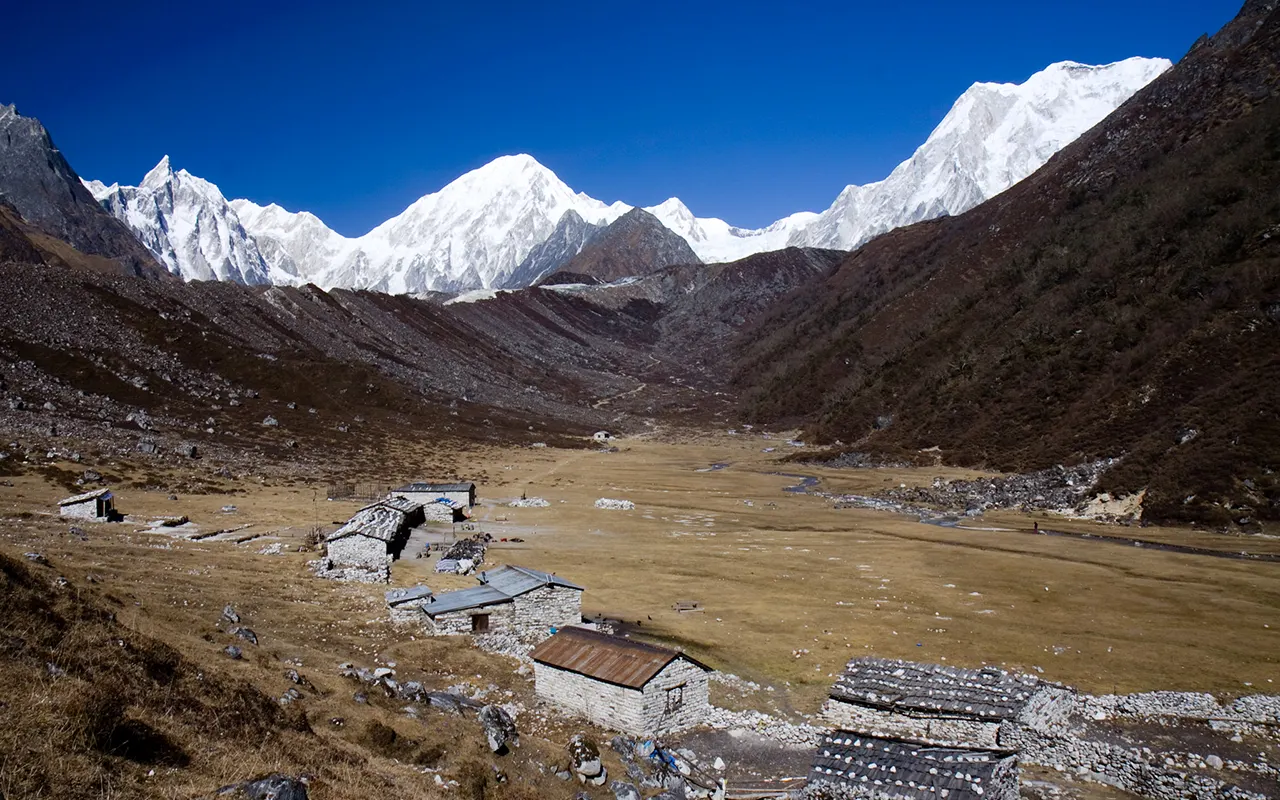


Manaslu Larke Pass Trek – 13 Days

Duration
13 Days

Max Altitude
5,160 m. / 16,929 ft.

Difficulty
Moderate

Group Size
2-16 Pax

Meals
- 12 Breakfast
- 13 Lunch
- 12 Dinner

Accommodation
- Teahouse

Transportation
Flight, Bus

Activities
- Trekking

- 1 - 2 personUS$ 1075
- 3 - 6 personUS$ 910
- 7 over 9999 US$ 850
Total Cost:
US$ 1075
- Your safety, our no 1 priority
- Best price guarantee
- Experienced & dedicated team
- Easy booking, no hidden charge
- You can customize this trip



Talk to Travel Expert Samundra Rimal (+977-9843127084)
Introduction of Manaslu Larke Pass Trek – 13 Days
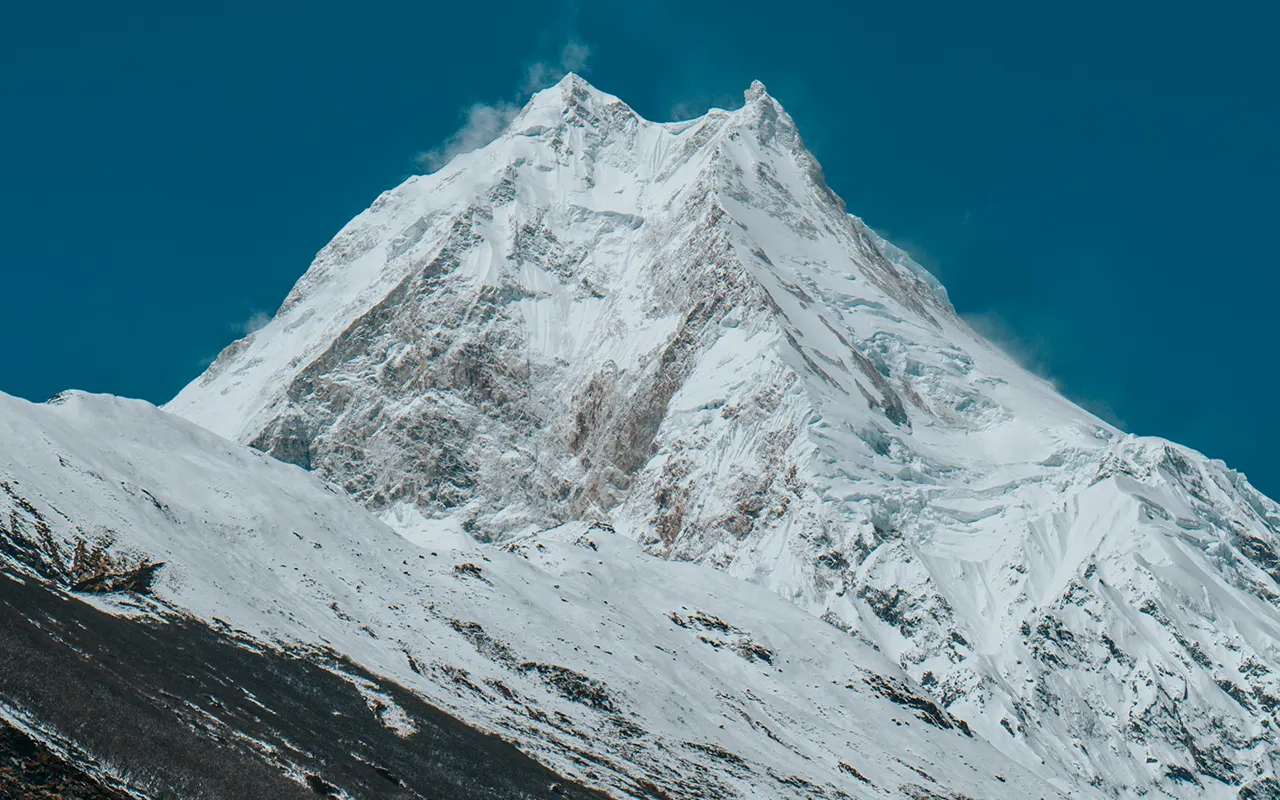
Manaslu Larke(Larkya La) Pass Trek is a 13-day journey that circumnavigates the world’s 8th highest mountain, Mt. Manaslu (8,163 m), and takes you from lush lowlands to high alpine passes. It runs along the roaring Budhi Gandaki River canyon, through subtropical forests, tumbling waterfalls, and isolated villages rich in Tibetan Buddhist culture.
Every day, you see something new as you ascend, old monasteries, prayer wheels and wide views of snow-capped mountains. The trek culminates at the difficult and rewarding Larke Pass (5,160 m), which joins the Manaslu region with the Annapurna foothills.
This Manaslu Larke Pass trek mixes culture with a strong physical challenge. Most days you will walk 5-8 hours and you will cover about 160km in total. Your body needs to acclimatise to altitude before reaching Larke and so we have acclimatization days in Samagaon and Samdo to help ensure the safer journey up the mountain.
You will be staying in rural tea houses in local households that will prove very hospitable despite the basic but welcoming conditions. Each night you will hear the sound of distant rivers or yak bells under a starry sky.
What you will have in exchange is memories you will never forget: a sunrise over Manaslu, the euphoria of crossing Larke Pass, and a deep respect for the strong mountain communities you meet. This trek feels like time travel into one of the most authentic and rewarding circuits in Nepal.
Trip Highlights
- On the way, you will have breathtaking mountain panoramas as you cross the Larke Pass (5,160 m).
- Visit the village in the Nubri which are remote ancient Tibetan communities that live in their ancient homes.
- The trail provides the wonderful, up-close views of the mountains Mt. Manaslu and other mountains above 7,000 m.
- Trekking across the Budhi Gandaki river-gorge, you will have to experience cliffs and tumbling waterfalls.
- Hike to the Manaslu Base Camp (4800-4850m) and glacial Birendra Lake.
Detail Itinerary of Manaslu Larke Pass Trek – 13 Days

Day 01: Drive from Kathmandu to Machha Khola
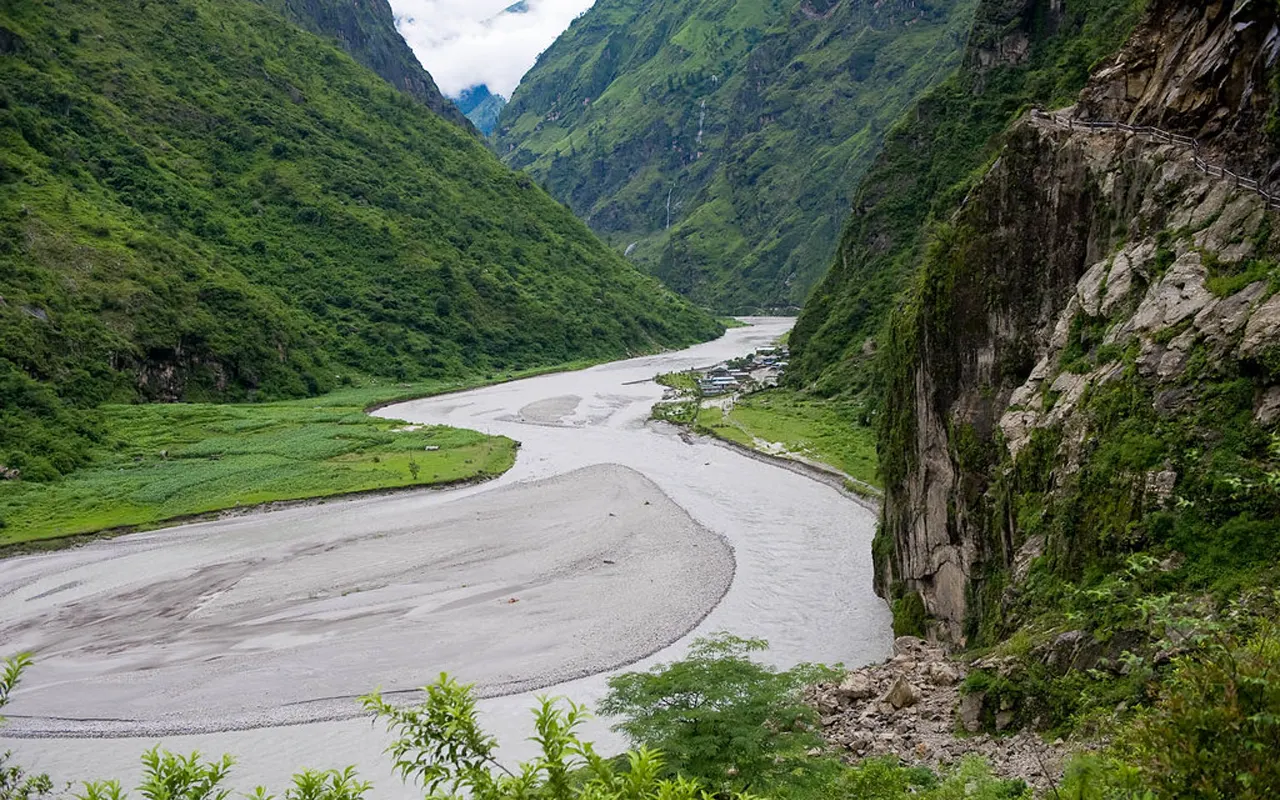
The Manaslu Larke Pass Trek starts with an early morning drive from Kathmandu. We escape the noise of the city and drive along a rough mountain road, terraced fields and solitary villages. The road will bend and flow along the Budhi Gandaki River after driving through the Trishuli Highway.
The tea and lunch break stops are put in area of towns such as Arughat and Soti Khola. The day is filled with landscape of rural villages, terraced rice paddies dotted with locals carrying goods. Around late afternoon we arrive at Machha Khola, a riverside village where we stay in a teahouse. Fall asleep to the sound of the Budhi Gandaki.

Activity: 8-9 hrs drive

Max. Altitude: 930m/3,051ft. Machha Khola

Meal: Lunch, Dinner

Accommodation: Teahouse
Day 02: Hike Machha Khola to Jagat
We begin our day after breakfast and follow the Budhi Gandaki River, crossing suspension bridges and through villages of the Gurungs. At Tatopani we take a break to experience its natural hot springs and head in to deeper and denser bamboo and oak wood.
The road winds up and down and we have good glimpses out over the river, and the hills close at hand. In the afternoon we go past Dobhan and Yaru into small stone- covered Jagat which is the beginning of the restricted area of Manaslu. In this case, our guide books the permits and we have a good dinner followed by a restful night in a teahouse.
Activity: 6-7 hrs Hike
Max. Altitude: 1,340m/4,396ft. Jagat
Meal: Breakfast, Lunch, Dinner
Accommodation: Teahouse
Day 03: Trek from Jagat to Deng
We continue deeper into the restricted region from Jagat. We gradually ascend through terraced fields and quiet forests, We stop at Philim for lunch, then follow cliffside paths above the Budhi Gandaki. Skipping the Tsum Valley turn-off at Lokpa, we cross suspension bridges and pass bamboo forests, continuing through small hamlets like Nyak or Ghap before reaching Deng for the night.
The last section is crossed through thick forest, and sharp rocks to Deng, a small village surrounded by peaceful mountains, where we enjoy a calm evening.
Activity: 8–9 hours trek
Max. Altitude: 18,600m/61,024ft. Deng
Meal: Breakfast, Lunch, Dinner
Accommodation: Teahouse
Day 04: Trek from Deng to Namrung
We leave Deng and cross Budhi Gandaki and upward past Rana and Bihi Phedi where a cascade of water falls from the cliffs after breakfast. We snake our way through pine and oak forest with dotted mani stones and chortens along the way. At Ghap we have lunch and then pass prayer-flag-decorated bridges and gentle climbs.
Subtropical green is substituted by the rhododendron and fir forests which come with the air becoming cool. Later on, in the afternoon we go through the traditional gate of Namrung. Our first glimpse here is Ganesh Himal and Siringi Himal and our lodge provides a warm meal and a comfortable place to rest before continuing to higher altitudes.
Activity: 5–6 hours trek
Max. Altitude: 2,600m/8,530ft. Namrung
Meal: Breakfast, Lunch, Dinner
Accommodation: Teahouse
Day 05: Trek from Namrung to Shyala Village
We wake up with clear hill air and the first rays of the sun that are playing a hazy light on the mountains near us. Then, right away we start ascending on the non-technical track passing through green woods until we reach Lho (3,180 m) the place, where Ribung Monastery is situated, and where we finally get a good sight of Mount Manaslu.
We rest and warm ourselves on a hot drink, then go on under the colourful prayer flags, past low walls of mani stones and chortens to Sho and Lihi, villages surrounded by barley and potato fields. At lunch-time we reach broad Shyala (3,420 m), flanked with Himalchuli, NgadiChuli and Manaslu.
This shorter stage allows us more time to enjoy the scenery before reaching Samagaon. Sit and have a packed lunch in the sun. Afternoon is at free disposal, yaks are ranged at moving around and you can communicate with the villagers and even sitting and staring at blissful mountain tops.Have dinner and then look up at the clear night sky full of the stars.
Activity: 6 hours trek
Max. Altitude: 3,575m/11,729ft. Shyala Village
Meal: Breakfast, Lunch, Dinner
Accommodation: Teahouse
Day 06: Trek from Shyala to Samagaon
From Shyala we follow the valley trail as we have some beautiful views of Manaslu and other mountains. The trail is easy and takes us through fields, mani walls and chortens to the large Tibetan village of Samagaon (3,540 m). One of the cultural highlights of the trek is Samagaon, which resides with lofty mountains in the backdrop and where you have the historic Sama Gompa monastery located.
Activity: 6–7 hours trek
Max. Altitude: 3,530m/11,581ft. Samagaon
Meal: Breakfast, Lunch, Dinner
Accommodation: Teahouse
Day 07: Rest Day in Samagaon – Side Trip to Manaslu Base Camp (4,800 m)
During Manaslu Larke Pass trek there is an acclimatization day where, one can stroll around in the customary wooden homes, visit Sama Gompa, a monastery estimated to be around 500 years old, or just savor the fresh air. There is also a tricky, yet memorable, ascent to Manaslu Base Camp, for the adventurous that are up to the task.
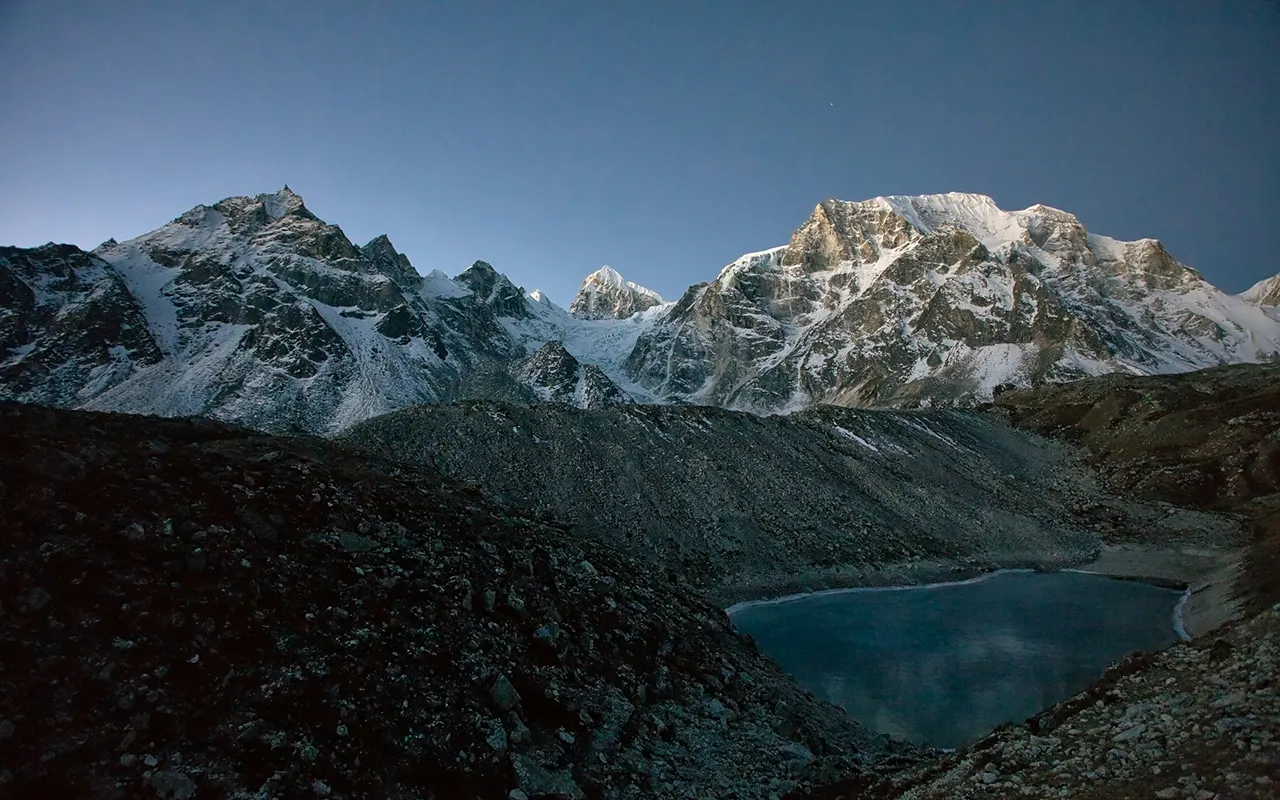
Having crossed the Birendra Lake (3,690 m), we walk through steep moraines to the edge of the glacier where some towering ice walls prove how powerful the Himalayas can be. We return to a comfortable teahouse at Samagaon, one of the best on the route. Optional acclimatization hikes include Manaslu Base Camp (4,800 m) or Pungyen Monastery (4,070 m).
Activity: 6–8 hours side trip
Max. Altitude: 3,530m/11,581ft. Samagaon
Meal: Breakfast, Lunch, Dinner
Accommodation: Teahouse
Day 08: Trek from Samagaon to Samdo
After waking up at Samagaon we walk up to Samdo. The route descends to the Budhi Gandaki, and passes across an expanse open valley. There are numerous mani walls in the valley and yaks are grazing around. Himalchuli and Manaslu are still in our backs.
In the middle of the day we arrive at Samdo. It is the finals permanent settlement before the pass and mere kilometers before the Tibetan border. Afternoon is reserved to explore the village or go hiking (short acclimatization), or to see the local small monastery.
Activity: 2–3 hours trek
Max. Altitude: 3,865m/12,680ft. Samdo
Meal: Breakfast, Lunch, Dinner
Accommodation: Teahouse
Day 09: Acclimatization Day in Samdo – Optional Hike to the Tibetan Border (5000 m)
We then go up in altitude, after another night at Samdo. Trekkers may take an optional hike to Lajyung Bhanjyang (Rui La, 4,950–4,995 m), near the Tibetan border. This is not part of the main route but an acclimatization option offering expansive Himalayan views.
Trekkers with a lighter day may hike nearby tracks, hill climb nearby viewpoints or spend time resting in the village. Staying over this extra night at 3,860 m is very beneficial in terms of preparation to the Larke Pass crossing.
Activity: 8 hours round trip
Max. Altitude: 3,865m/12,680ft. Samdo
Meal: Breakfast, Lunch, Dinner
Accommodation: Teahouse
Day 10: Trek from Samdo to Dharmasala (4,480 m)
Next morning we cross the head of the Budhi Gandaki River and go slowly upwards through barren high-alpine country. As we pass the seasonal yak herding encampment of Larke Bazaar we arrive at Dharmasala (also called LarkePhedi), a simple high camp with simple accommodation and food. Here we rest and our guide briefs us about the early start and the safeguards in the big day to come.
Activity: 4–5 hour trek
Max. Altitude: 4,480m/14,698ft. Dharmasala
Meal: Breakfast, Lunch, Dinner
Accommodation: Teahouse
Day 11: Cross Larke Pass (5,160 m) and Descend to Bimtang
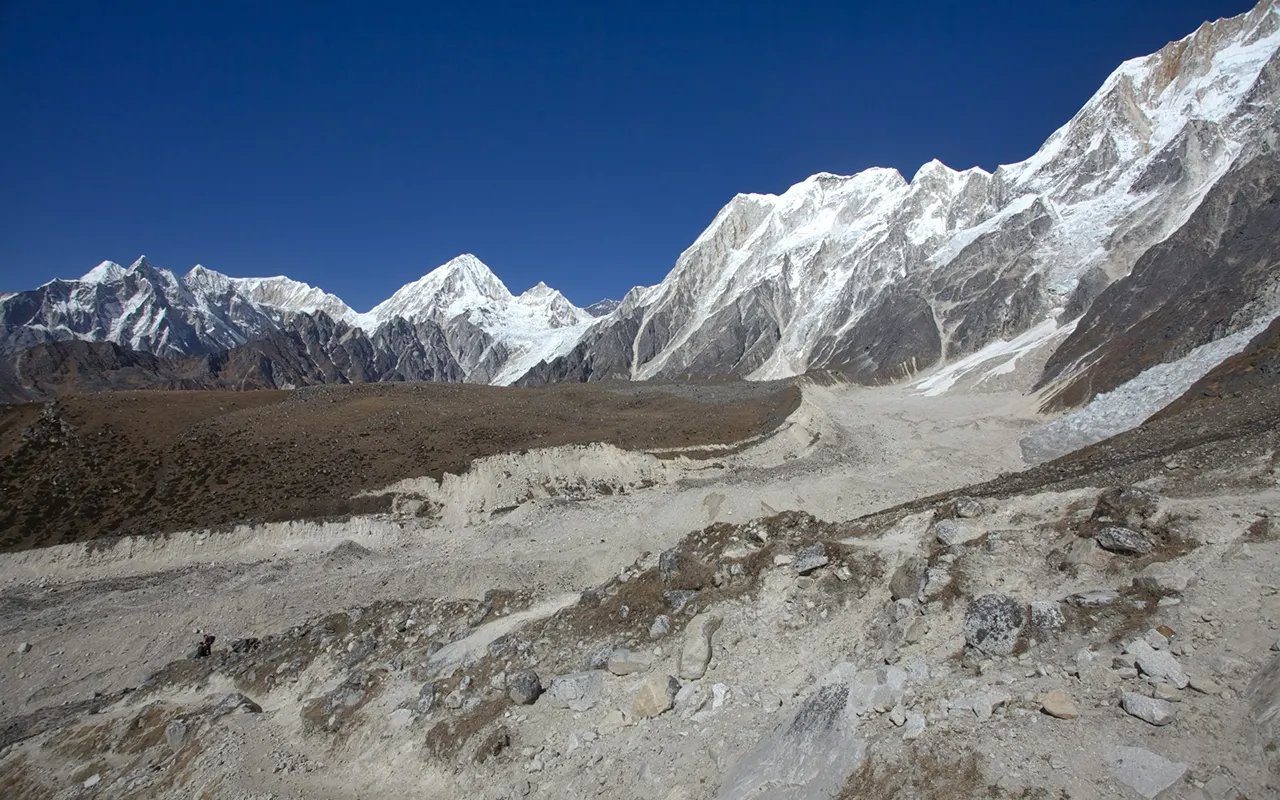
We get out early before the dawn and hike through rocky moraine in starlight. When the sun comes out, there are snowy mountains around. After several hours, we reach Larke Pass (5,160 m), the highest point of the Manaslu Larke Pass trek, adorned with prayer flags and breathtaking panoramas of Himlung, CheoHimal, Annapurna II, and Manaslu.
This descent commences over a broad snowfield, and soon grades into loose rock before getting gentle on grassy slopes. By the afternoon, we arrive to the beautiful valley of Bimtang -surrounded by glaciers and mountains.
Activity: 8–9 hours trek
Max. Altitude: 3,750m/12,303ft. Bimtang
Meal: Breakfast, Lunch, Dinner
Accommodation: Teahouse
Day 12: Trek from Bimtang to Tilche Village
We have a final sunrise on the mountains and then head down through rhododendron forests and lovely villages such as Karche and Gho among others. It is considerably warmer and there is a lot of vegetation that surrounds us.
Later we arrive at the Tilche Village and stone houses welcome us with terraced fields. Tonight is a celebratory evening with the trekking group, marking the end of the journey.
Activity: 8-9 hours trek
Max. Altitude: 2,250m/7,382ft. Tilche Village
Meal: Breakfast, Lunch, Dinner
Accommodation: Teahouse
Day 13: Drive from Tilche to Besisahar and Kathmandu
Starting back to Kathmandu, we drive by a jeep towards Besisahar then we take a private vehicle to enjoy a beautiful drive back to Kathmandu after having breakfast. The trek is along river valleys and terraced hillside, with a final chance at a glimpse of rural Nepal.
By evening, we arrive in Kathmandu, bringing our Manaslu Larke Pass trek to a close. Memories of misty valleys, teeming culture and the excitement of passing Larke Pass will fade only after the trek is over.
Activity: 8–9 hours drive
Max. Altitude: 1,400m/4,593ft. Kathmandu
Meal: Breakfast, Lunch
Accommodation: Hotel
Includes & Excludes
What are included with package?
Accommodation
- Twin-sharing/double accommodation in a 3-star hotel for 2 nights in Kathmandu including breakfast (Private room accommodation can be organized at an extra cost)
- Best available accommodation Tea house/lodge accommodation during the trek
Meals & Drinking Water
- All your standard meals during the trek 3 meals a day (Breakfast, Lunch & Dinner) in a guest houses.
- A farewell dinner on the last night in Nepal
- Purified drinking water during the trek using Water Filter or water purification tablets.
Transportation
- All (international and domestic) airport transfers on a tourist vehicle
- Transportation from Kathmandu to Machha Khola by bus and from Dharapani to Besisahar by Sharing Jeep & Besisahar to Kathmandu via public bus.
Guide and Staff
- Experienced, first-aid trained, government licensed, English speaking, and locally recruited Nomad Adventure’s trekking guide (2 guides for group size more than 7 people)
- Porters during the trek for carrying luggage (1 porter for every 2 clients)
- Wages, accommodation, meals, gear, insurance and medications for all staff
Medical Assistance
- Assistance in arranging rescue operations in case of complicated health conditions (funded by travel insurance)
- Medical kits, including an oximeter to monitor blood oxygen saturation levels in high altitudes
Permits
- TIMS (Trekkers’ Information Management System) card
- Annapurna Conservation entry permits
- Manaslu Conservation entry permit.
- Restricted Manaslu Trekking Permit.
Benefits and Takeaways
- Sleeping bags and down jackets, duffle bag (one for every two trekkers) if you do not have your own
- company’s T-shirt & Cap
- Trip completion certificate
Administrative & Taxes
- All administrative expenses and government taxes
What are not included with package?
Price Excludes
- Lunch and dinner in Kathmandu
- International flight fare and airport departure tax
- Nepal Entry Visa (Visa can be acquired easily after your arrival at Tribhuvan International Airport in Kathmandu with a fee of USD 30 for 15 days visa, USD 50 for 30 days visa and USD 125 for 90 days visa)
- Extra night accommodations in Kathmandu due to early arrival or late departure, early return from the trek or other itinerary changes
- Travel insurance along with high-altitude emergency evacuation coverage
- Medical check-ups, vaccinations, or medications required for the trek are not included.
- Any beverages including bottled and boiled water
- Tips to trekking staff and driver
- Personal trekking gear and equipment
- Personal expenses (shopping, snacks, boiled bottle water, hot (Tea/ Coffee) and cold drinks, hot shower, alcohol, Wi-Fi, telephone call, battery re-charge fee, extra porters, etc
- Personal clothing and gear
- Any expenses other than the Price Include section

Note:
If you have a private group and prefer a personalized experience, we can organize a custom trip tailored to your requirements and group size, running it any day you choose.
Detail Information about Manaslu Larke Pass Trek – 13 Days
Difficulties
The Manaslu Larke Pass trek is graded moderate to challenging. You require a good fitness and endurance. On average you will cover about 160 km total over 13 days over many different types of paths as follows: stone steps, suspension bridges, and rocky moraine approaching the pass. Walking per day lasts 5 to 8 hours on average, the most difficult day being the passage of the Larke Pass (8–9+ hours).
Cardio: jogging, cycling, swimming, strength training: hiking, train with regular cardio, hill walking, and carrying a backpack to prepare for long trekking days. Train so that you can comfortably walk 6–7 hours with a daypack before travelling; ideally make sure you practise at least some days at a time. It also requires mental preparation with apositive attitude and steady rhythm is the key. In our itinerary, we have acclimatization days which help to enhance your safety and success.
Adaptation & Altitude
In order to adapt you once to high altitudes, we use the “climb high, sleep low” rule. Adaptation days are incorporated into the schedule (at Samagaon (3,540 m) and Samdo (3,860 m) with an optional trek to Manaslu Base Camp (~4,800 m) or the Tibetan border (~ 5,000 m).
Water, slow movements and healthy foods are needed. Before crossing the pass, the sleeping altitudes gradually increase up to 4,480 m, reducing the risk of AMS.Our guides are skilled to recognize symptoms and make changes in plans in case required.
Best Season
Choosing the right season greatly enhances the experience of the Manaslu Larke Pass Trek. The most recommended periods are autumn (September-November) and spring (March- May).
Autumn has steady weather condition, sunny skies, and perfect visibility of Mount Manaslu and the other mountains. The weather in the daytime is pleasant at lower altitudes, yet it is cold and bearable to specific extremes at higher altitude. The journey also has cultural diversity as some of the major Nepalese festivals like Dashain and Tihar coincide with this season.
The spring is warmer and has a longer daylight period with hillsides in blossoming rhododendrons. The view is generally clear during the early spring and with an uplifted atmosphere with climbing treks getting ready to go up their mountain.
In winter, heavy snow often blocks high altitudes, making it nearly impossible to cross the pass. The summer monsoon months (June–August) are best avoided due to heavy rain, leeches, landslides, and slippery trails with low visibility.
Food and Accommodation
Lodging is in simple teahouses with twin rooms, simple bedding and shared bathrooms. On lower villages a few lodges have hot showers and Wi-Fi; on higher parts facilities are fewer. Meals are simple but hearty, with staples like dal bhat, noodles, and momo.Electricity is more expensive to charge and at Dharamsala there is no power.
Transportation and Facilities
The journey starts with a 8-9 h driving(by Jeep) to Machha Khola and a Jeep trip to Tilche and further a drive back to Besisahar and Himalayas back to Kathmandu. Roads are somewhat rough mountain roads, and hence personal 4×4 transport assures safety and flexibility.New scenery, terraced fields, pine forests, glacier valleys, alpine panoramas every day.
Guide and Staff
Your guide on the Manaslu Larke Pass trek keeps you safe, comfortable and at global culture touch through the trek. It is guided by an experienced, talking guide speaking English and familiar with the environment and local customs, as well as dealing with any difficulties that might emerge including altitude or weather.
With a bigger group an assistant guide offers increased support and attention, and the porters, who could well be called the backbone of the trek, carry your larger bags leaving you to trek with just a small daypack. It is mostly served in teahouses, but it can also be a kitchen crew when it comes to larger groups.
The members of the team are thoroughly united by the relationship of a kind of family, and regularly they laugh, tell the stories, and sing at the evenings. The priority should be safety, your guide will have first aid and communication gear, and everybody is supposed to take correct precautions. At the conclusion of the trek it is common to hear trekkers say that they have made friends which they will keep for years and years.
Is this trek Beginner-Friendly?
One should learn to hydrate, maintain speed, and talk with guides. suitable for fit trekkers, including first-timers with strong preparation and guidance. The program is planned in a progressive way towards acclimatization, and our staff gives complete assistance and motivation.
Altitude Sickness
Our strategy in managing AMS risk includes an increasing altitude, acclimatization days and close monitoring. We include rest days to help you acclimatizeand whenever we can use the “trek high, sleep low” method. Your guide will pay daily attention to your health, including an oximeter to monitor blood oxygen levels, and react on time with any signs of altitude sickness.
Tips to prevent it are that one should walk with a stable pace, swallow a lot of water, eat properly, and not drink any alcohol or smoke. When the symptoms are serious, the most effective way of treatment is descent immediately, and we are ready to organize the emergency evacuation in case of necessity.
Gadgets & Internet
Most places have charging available at a cost except at Dharamsala. Wi-Fi is intermittent and slow and restricted to lower villages. There is uneven coverage in most areas and you can even be out of coverage largely on most of the hike. We make whatever permitting is necessary:
Permits & Rules
- Manaslu Restricted Area Permit(RAP)
- Manaslu conservation area permit (MCAP)
- Annapurna conservation area permit (ACAP)
A certified tour guide is required and checkpoints need your passport and permits. Hiking in this restricted zone leads to the preservation of its culture and environment and also maintains the numbers of people to be low.
Extra expenses
Most of the core services are covered in trek packages but you are advised to budget on personal consumption of snacks, drinks, hot showers, charging, and souvenirs. It is also preferred to tip your guide and porter after the trek as a kind of reward.
ATMs are unavailable in the trekking route; therefore, it is vital to exchange the amount of money you have in Kathmandu in order to fulfill your additional requirements.
Trip Extension
Completing the Manaslu Larke Pass trek doesn’t mean your Nepal adventure has to end. Most trekkers combine side trips, e.g. the Tsum Valley, remote Buddhist area that adds 5 ,7 days, or merge directly to the Annapurna Circuit or TilichoLake. Others choose to rest in Pokhara, have a wildlife safari in Chitwan or Bardia or visit the UNESCO sites in Kathmandu. All extensions can be organized prior to your trek or changing plans as you go. All you need to do is tell us what you are interested in and we would design the most ideal post-trek experience.
Alternative Routes
There are variants of the trek in the Manaslu area, adding the Tsum Valley, making shorter the trek a base camp Manaslu round trip or connecting directly to the Annapurna Circuit. Both of them imply various sceneries, altitude difficulties, and cultural experiences. While there are options other than Manaslu (such as Annapurna Circuit, Everest Base Camp, Upper Mustang, and Langtang Valley) diversity can be found in the landscape and mode of trekking. Due to the diversity of routes and landscape, it is important that we connect you with a route that suits your time constraints, levels of fitness and adventure targets. Our guide can assist with this.
Personal trip and Group join trip
We offer the Manaslu Larke Pass trek as both private and group. A personalized trek offers all the freedom needed-one that can be tailor made in terms of speed, dates and side destinations. Group treks are very affordable and social with small group of like-minded adventurers walking on the same path. Good safety standards, professional guides, and potter services are offered in both alternatives. Are you a loner or do you like to be around people, either way we guarantee that your experience is well-planned, unforgettable, and has your touch.
Photography Hot Spots, Sunrises & Sceneries
The Manaslu Larke Pass trek is a photographer’s dream. Shyala Village is the place that has amazing sun rises over yak pastures as well as Manaslu shining pink. Lho Monastery offers postcards sceneries particularly during a sunset. PungyenGompa presents a picture of glaciers and mountain fauna in a close-up manner, and the name of Birendra Lake suggests the reflection of turquoise waters and mountains. Take 360 panoramas of snow ranges and prayer flags at Larke Pass. The sights of the sunrise and the bright skies in Bimtang are also just as beautiful and villages such as Samagaon and Samdo present culture rich portraits.
Nature & Wildlife Highlights
A total of the Himalayan Tahr, musk deer and colourful birds such as the Himalayan Monal can be found in the preserved Manaslu Conservation Area. The trek transverses the subtropical forests to rhododendron blossoms, alpine fields and bare surface of a glacier. Some of them are the highlighting of Manaslu and Pungyen glaciers, Birendra and Ponkar lakes, Budhi Gandaki River, and thousands of waterfalls. In spring there are bright flowers; clear nights show Milky Way. Be careful of the wildlife and have no trace to keep this original region. The region is also habitat for elusive snow leopards, though sightings are extremely rare.
Attractions
The Manaslu Larke Pass trek combines natural beauty with cultural heritage. The Mount Manaslu, the tough Larke Pass, the Birendra Lake and the Manaslu Base Camp are the highlights. The Tibetan Buddhist traditions can be seen in monasteries such as Ribung, Pungyen, and SamaGompa, and it will be provided in the rare looks into Tibet through a Tibetan border hike. The villages like Namrung, Lho, and Samagaon expose the old houses made of stone, cases of mani wall, and mountain life. To make this trek memorable, each of the stops will present various interesting scenery and cultural richness.
Frequently Asked Questions
How difficult is the Manaslu Larke Pass Trek?
The Manaslu Larke Pass trek is moderately to very challenging, with 5–8 hours of walking most days, remote trails, and a high point at 5,160 m. With some preparation, moderate-paced hiking and acclimatization days it can be done even by fit beginners and experienced trekkers.
How long is the Manaslu Larke Pass trek and how many hours do we hike per day?
The trekking section is 11 trekking days, with 13 days total including transport. There are 6-7 hours walking days with a couple of longer days (Larke Pass day notably 8-9 hours). Day distances average 12 – 18 km with a few longer days.
When is the best time to do the Larke Pass trek?
September–November offers stable weather and clear skies, while March–May brings warmer days and blooming rhododendrons. Both are the best seasons for this trek.
Do I need a guide and what permits are required for this trek?
There must be certified guide and registered trekking company. In-depth details: You will need a Manaslu Restricted Area Permit (RAP), Manaslu Conservation Area Permit (MCAP) and Annapurna Conservation Area Permit (ACAP).
Is altitude sickness a concern on the Manaslu Larke Pass trek?
The risk management is made through the progressive climb, off-days in Samagaon and Samdo and acclimatization hikes. Guides will notice symptoms, and can mobilize descent or evacuation as needed.
What kind of accommodation and food can I expect on the trek?
Teahouse Lodges consist of a basic twin room, shared bathrooms and a common eating hall. The menu consists of Dal bhat, noodles, soups, potatoes and sometimes even western type of food. Vegetarian food can be found at quite popular options.
Is there electricity or Wi-Fi on the Larke Pass trek route?
Can be found in lower/mid villages with charge; at high camps it was limited or non-existent. There are frequent Wi-Fi dead spots and slowness mostly in Namrung, Lho and Samagaon. You are in for much offline.
What equipment do I need to pack for this trek?
Layers, hiking boots, sleeping bag (-15 C), trekking poles, daypack, water purification, sun protection, headlamp, personal first aid, snacks, and cash in NPR. Weight: Duffle should be less than 15 kg.
How do we get to the starting point and back from the trek?
Private jeep KathmanduMachha Khola (~9 hrs). Trek to Tilije/Dharapani, get a jeep to Besisahar and drive back to Kathmandu (~8-9hrs). There are gravelly roads (but beautiful).
Is travel insurance necessary, and how are emergencies handled?
You need high altitude trekking insurance (up to 5,200m+ and helicopter). In times of emergency, guided facilitate rescue, stabilization and evacuation, and these are covered in your policy.
Reviews on Manaslu Larke Pass Trek – 13 Days
 Write a Review
- 1 - 2 personUS$ 1075
- 3 - 6 personUS$ 910
- 7 over 9999 US$ 850
Total Cost:
US$ 1075
- Your safety, our no 1 priority
- Best price guarantee
- Experienced & dedicated team
- Easy booking, no hidden charge
- You can customize this trip
Talk to Travel Expert Samundra Rimal (+977-9843127084)