




Mohare Danda Trek

Duration
9 Days

Max Altitude
3,300 m. / 10,827 ft.

Difficulty
Easy

Group Size
2-12 Pax

Meals
- 9 Breakfast
- 4 Lunch
- 5 Dinner

Accommodation
- Hotel
- Lodge

Transportation
Private Jeep

Activities
- Trekking
- Sightseeing
- Driving

- Your safety, our no 1 priority
- Best price guarantee
- Experienced & dedicated team
- Easy booking, no hidden charge
- You can customize this trip



Talk to Travel Expert Samundra Rimal (+977-9843127084)
Introduction of Mohare Danda Trek
The Mohare Danda Trek is a peaceful and rewarding journey in the Annapurna region of Nepal. It is the best trek for people who do not want to walk on crowded trails, preferring to see beautiful mountainous sceneries, traditional villages, and quiet forest walks. This is a trek that combines nature, culture, and community-based tourism, making it a worthwhile adventure in the Himalayas.
The Mohare Danda Trek starts in Kathmandu (1,400 m / 4,593 ft), the capital of Nepal. The actual walking begins from Galeshwor (1,170 m / 3,838 ft) near Pokhara (822 m / 2,696 ft). That is the beginning point of the trail, which slowly ascends to terraced farm-land, riverside walks, and verdant hills. The road cuts across the traditional Magar villages, whereby one can view the local way of life, agriculture, and projects in the villages. The friendliness of the villagers also makes the trekking experience pleasant.
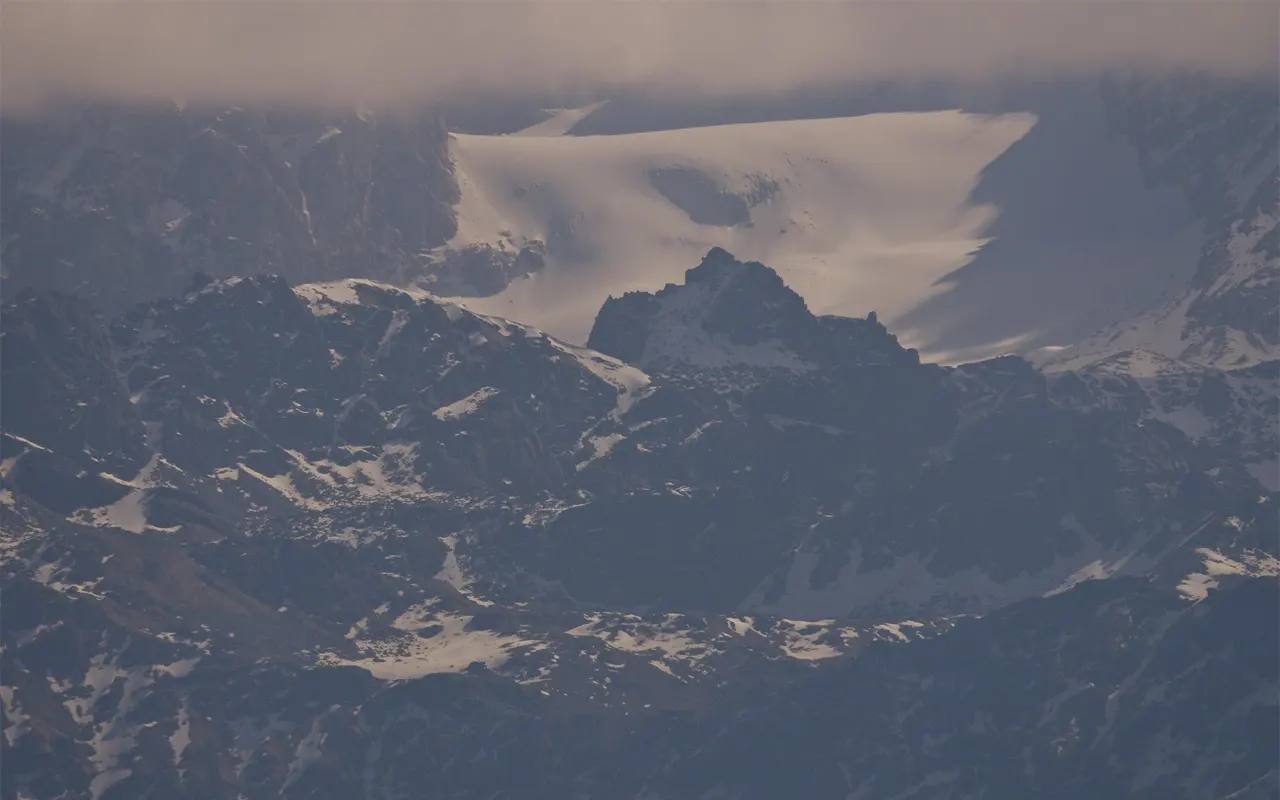
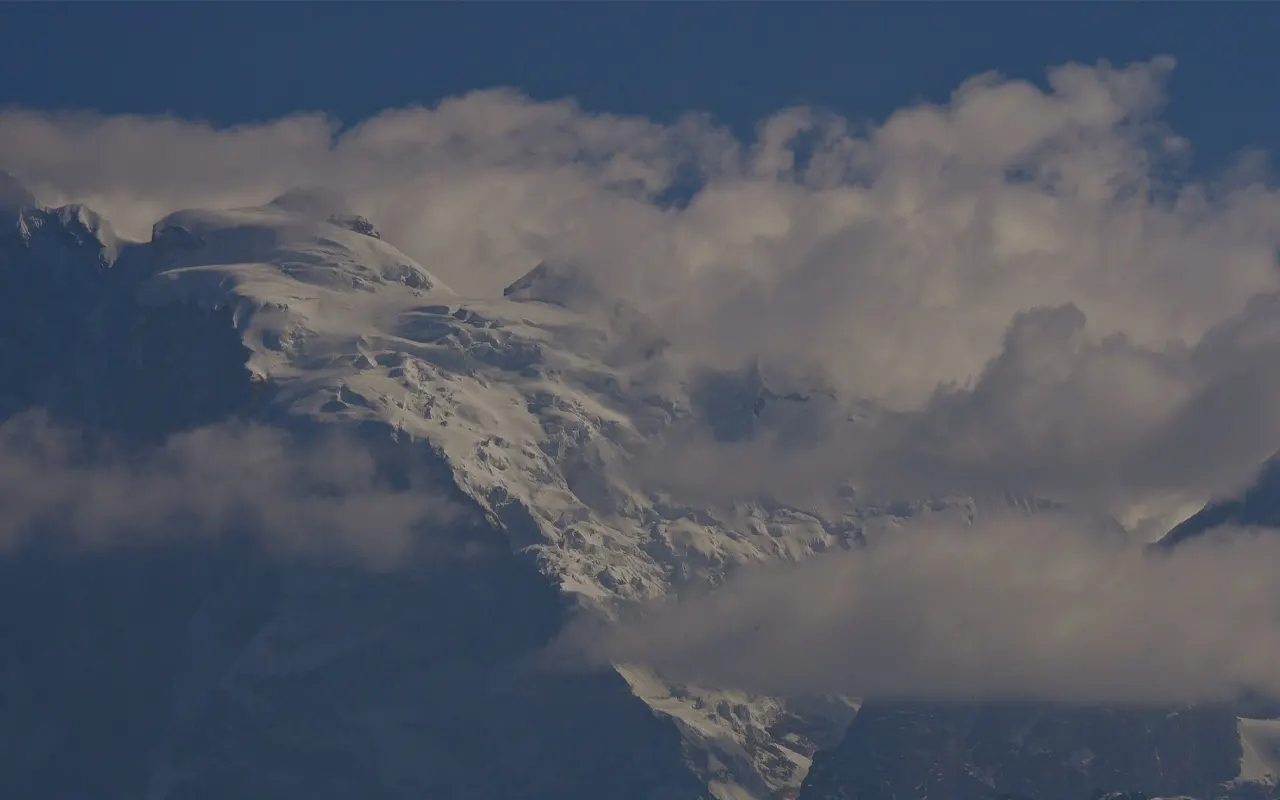
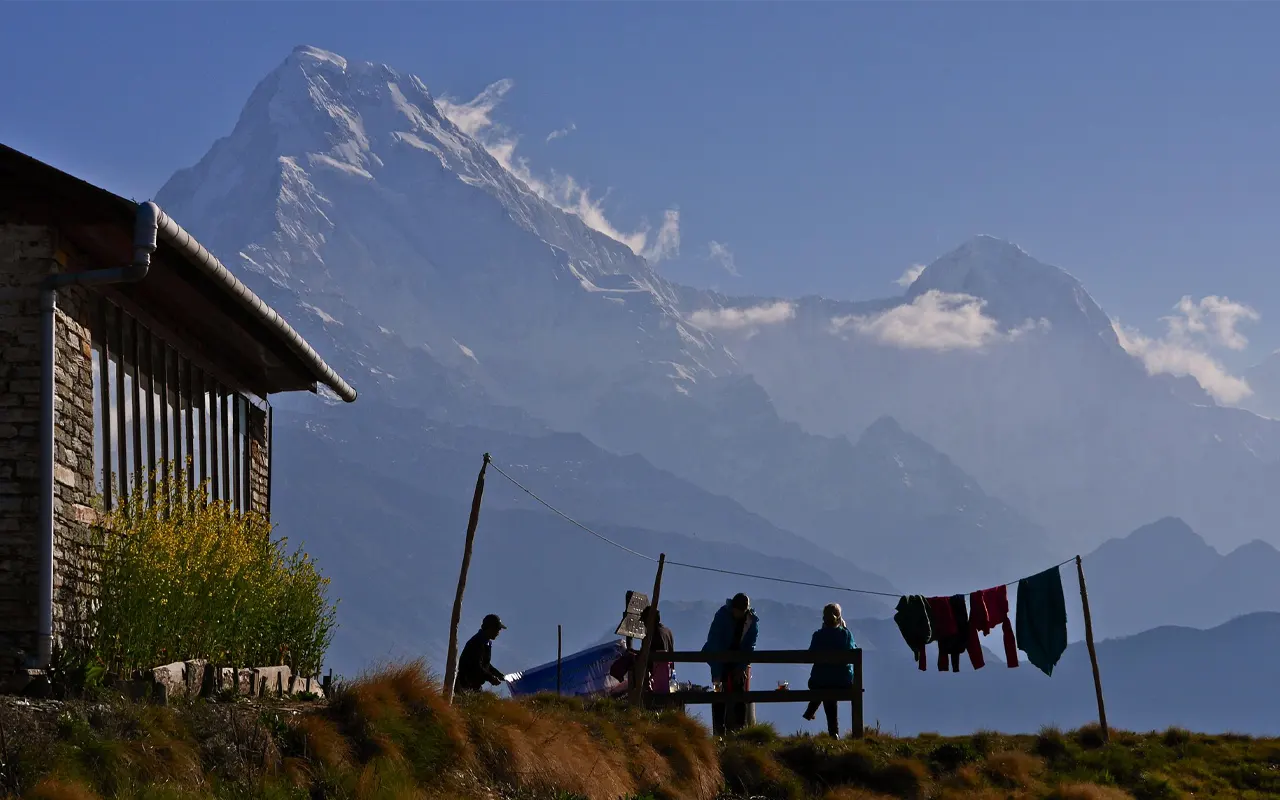
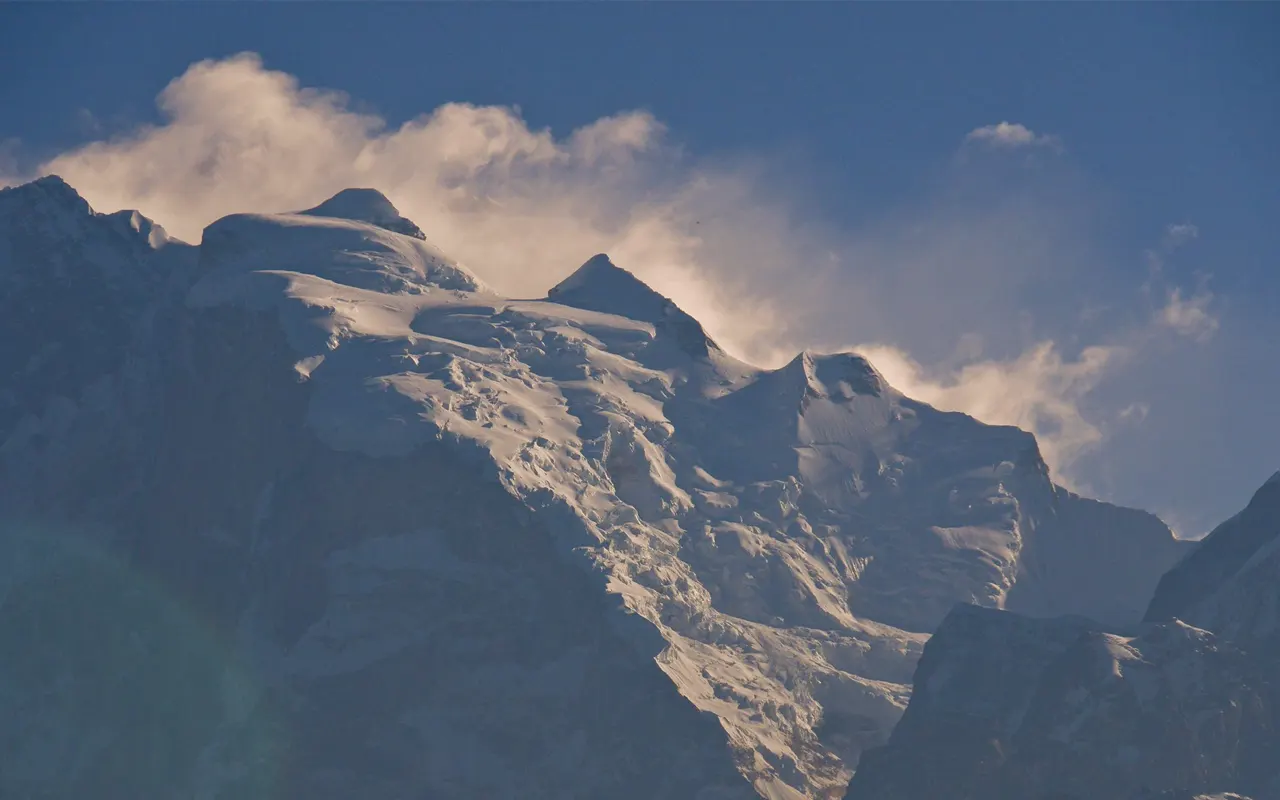
Reaching Mohare Danda at 3,300 m / 10,826 ft is considered one of the key highlights of the Mohare Danda Trek. It is the best part of the trek and has expansive panoramic views of the Himalayan range. Here you have a view of great mountains, including Mt. Dhauligiri, Annapurna South, Machhapuchre, and Nilgiri. The views of sunset and sunrise are certainly unforgettable as the snow-covered mountains turn their color in the golden light under this ridge.
The Mohare Danda Trekking trail is moderate in itself. Trekkers generally have the privilege of walking between 5 and 7 hours daily on forest trails, stone steps, and village trails. The highest point of the trek is 3,300 m / 10,826 ft at Mohare Danda renders the trek an easy-going one that can be done by individuals with average fitness levels.
Although there is steep uphill walking, it is not that challenging, and one has time to enjoy the scenery. Because the altitude is not so high as in many high Himalayan treks, the chances of developing serious forms of altitude sickness are low.
The trek is accommodated in community lodges. These lodges are basic, though clean and comfortable. By staying in these lodges, one is indirectly contributing to the local communities and to sustainable tourism. The trek was designed as an environmentally friendly alternative trail in the Annapurna area. Selecting the Mohare Danda Trek, the travelers will work in the sphere of education projects, local employment, and village development.
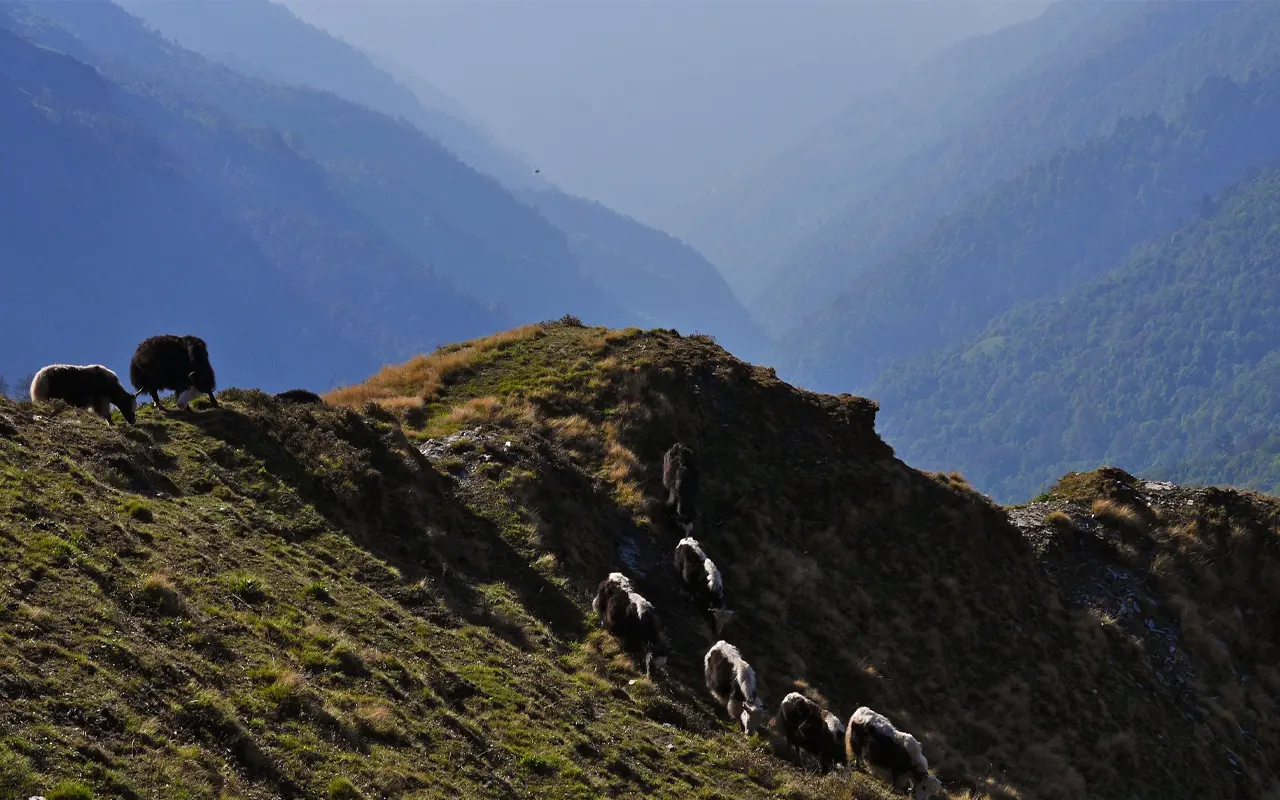
The Mohare Danda Trek also has a range of landscapes. You will be walking along rhododendron and oak forests, open grazing fields, and serene villages on the hilltops. There are likely to be birds and local livestock as well as old houses constructed of stone and wood along the way. The landscape varies, making every day interesting and enjoyable.
The Mohare Danda Trek adventure is ideal for those who want to experience the balance between nature, culture, and comfort. It offers very beautiful mountain scenery and does not go very high; it also gives significant interaction with the local population.
To ensure that the experience is safe, well-run, and managed, this trek is organized by Nomad Adventure Treks professionally, which will ensure that it is guided well, as well as with the right logistics, and will support the entire journey.
Trip Highlights
- Stunning sunrise and sunset from Mohare Danda (3,300 m / 10,826 ft) with a panoramic view of the Himalayas.
- See beautiful close-ups of Mt. Dhauligiri, Annapurna South, Machhapuchhre, and Nilgiri.
- Walk through the peaceful trails in the Annapurna area.
- Wander through beautiful rhododendron and oak, as well as bamboo trees.
- Explore the Traditional Magar village culture.
- Stay overnight in community-based eco-lodges, which foster the community.
- Witness the lush diversity of sceneries, terraced fields, or mountain ridges.
- An ideal fusion of mountain view, culture, and an environmentally friendly trek.
Detail Itinerary of Mohare Danda Trek

Day 01: Arrival in Kathmandu (1,400 m / 4,593 ft)
Welcome to Nepal. Once you reach Tribhuvan International Airport, our representative from Nomad Adventure Treks will welcome you at the airport. A private vehicle will then get you to a 3-star hotel in Kathmandu at 1,400 m / 4,593 ft above sea level. Kathmandu is a vibrant city with many ancient temples, colourful flags of prayer, crowded markets, and heritage sites.
You can relax after arriving at your hotel and freshen up. When there is time, you can go out to the local streets, explore local stores, or go to a cafe and have a traditional Nepali tea. Thamel is a colorful locality that is quite well off in terms of restaurants and souvenirs among tourists.
A pre-trip meeting will take place later in the day. In this session, your guide will provide detailed information about the Mohare Danda Trek, the day-to-day timetable, inspect your trekking gear, and answer the last questions. This pre-departure meeting will make you feel perfectly ready to go on the adventure. The remaining evening is at liberty to relax and prepare yourself before the onset of your trip to the Annapurna region.

Activity: 5 km driving, 45 mins drive

Max. Altitude: 1,400m/4,593ft. Kathmandu

Meal: Breakfast

Accommodation: Hotel
Day 02: Drive from Kathmandu (1,400 m / 4,593 ft) to Pokhara (822 m / 2,696 ft)
The picturesque journey starts from Kathmandu to Pokhara (822 m / 2,696 ft) after breakfast. The distance is about 205 kilometers (127 miles), and the trip will last about 7-8 hours with a tourist bus, contingent on the road and traffic.
The drive gives beautiful scenery. It will go through terraced farmland, hills in green, running rivers, and tiny rural communities. The route takes along the Trishuli River, which gives picturesque scenery during the trip. Under clear weather, mountainous views of Manaslu and Lamjung Himal could be seen.
When you arrive at the city of Pokhara, you will be transferred to a 3-star hotel in the area of Lakeside. Pokhara is a calm lakeside city that is renowned for Phewa Lake and breathtaking views of Annapurna. In the evening, you can have a nice walk along the lake, visit the shops, or have a meal at any of the numerous restaurants.
Any travelers who want to save time can get a domestic flight of approximately 25 minutes from Kathmandu to Pokhara at an extra cost. The overnight stay at Pokhara will be a preparation for the trek, which starts the following day.
Activity: 205 km driving, 7-8 hours driving
Max. Altitude: 1,400m/4,593ft. Kathmandu
Meal: Breakfast
Accommodation: Hotel
Day 03: Drive to Galeshwor (1,170 m / 3,838 ft) and Trek to Bans Kharka (1,526 m / 5,006 ft)
You get on the private jeep after breakfast in Pokhara, and then drive to Galeshwor at 1,170 m / 3,838 ft. This is the beginning of your actual walking journey. You can first go to the sacred Galeshwor Shiva Temple, which is a major pilgrimage.
It starts with a trek across a suspension bridge over the Kali Gandaki River. The path slowly ascends through terraced fields, forest paths, and villages. This hike to Bans Kharka at 1,526 m / 5,006 ft takes about 2-3 hours and spans to some 6.5 km (4 miles).
On your way, you will enjoy a quiet rural environment and gain an insight into village life. The hiking up the hill is gradual and enables your body to adapt to the rising height. When you get to Bans Kharka, you can visit the settlement and get to know about the community traditions and the lifestyle of the Magar people.
You are going to stay in a tea house or a community lodge. This initial trekking day is a pleasant introduction to the nature and culture of the Annapurna region.
Activity: 6.5 km walking, 3 hrs hiking
Max. Altitude: 1,526m/5,007ft. Bans Kharka
Meal: Breakfast, Lunch, Dinner
Accommodation: Lodge
Day 04: Trek from Bans Kharka (1,526 m / 5,006 ft) to Nangi (2,300 m / 7,545 ft)
The current trail gradually ascends out of Bans Kharka to Nangi village at 2,300 m / 7,545 ft. The walk lasts about 5 to 6 hours and covers a distance of 9.1km. The trail goes through wooded lands, terraces of farmlands, and open grounds.
After 3 hours of walking, you will arrive at Danda Kateri, where you have lunch with views of the Kali Gandaki Valley. This is a nice place to rest, as the surrounding hills and distant mountain scenery are very nice.
After lunch, you resume the ascent of the hill to Nangi. The further you get to the village, the cooler and greener the environment is, as the altitude of 2,300 m / 7,545 ft. is higher, and Nangi has a good community development program.
You can pay a visit to the Himanchal High School and see how they make Lokta paper by hand, as well as learn about the local medicinal herbs farming at Nangi. The village has community lodges, which help in sustainable tourism.
We will be staying in the community lodge or homestay as an overnight location to provide the experience of the local culture.
Activity: 9.1 km walking, 6 hrs hiking
Max. Altitude: 2,300m/7,546ft. Nangi
Meal: Breakfast, Lunch, Dinner
Accommodation: Lodge
Day 05: Trek from Nangi (2,300 m / 7,545 ft) to Mohare Danda (3,300 m / 10,826 ft)
You set off from Nangi after breakfastand start a difficult climb up to Mohare Danda (3,300 m / 10,826 ft). Today is the longest day of the Mohare Danda Trek and should last 6 to 7 hours with approximately 7.7 km.
The path goes up through the thick woods of oak, rhododendron, and bamboo. Mountain views slowly become open as you ascend in elevation. On bright days, it is possible to see Mount Dhaulagiri, Annapurna South, Machhapuchhre, and Nilgiri.
Hiking to Mohare Danda is a satisfying experience. It is the highest point of our trek and has a breathtaking panorama of the Himalayan range. The massive mountain landscape spreads on the horizon.
You will spend the night in a top-level community lodge. When it is clear in the sky, you can see that the sunset behind snow-covered mountains is spectacular. Look forward to the early sunrise the next day.
Activity: 7.7 km walking, 7 hrs hiking
Max. Altitude: 3,300m/10,827ft. Mohare Danda
Meal: Breakfast, Lunch, Dinner
Accommodation: Lodge
Day 06: Trek from Mohare Danda (3,300 m / 10,826 ft) to Tilkot (2,250 m / 7,381 ft)
The day starts early at Mohare Danda, which is the highest point of the trek. If the weather is clear, we are able to see a fantastic sunrise beyond the Himalayan range. Mountains like Dhauligiri, Annapurna South, Machhapuchhre, and Nilgiri are brightly illuminated in the morning. You begin the descent in a scenic ridge after having had your breakfast in the community lodge.
The trail initially proceeds along the ridgeline pathways that have gentle slopes and then gets into the wooded areas with oak and rhododendron trees. After 2 to 3 hours of walking, you arrive at Danda Kharka, a very quiet grazing field where you have lunch. Here, the trail goes on down the hillside with varied terrain, open fields, and little towns.
As you go down to Tilkot (2, 250 m / 7, 381 ft), there is a warmer climate, and the vegetation is different. The total walking distance is 11.5 km, and it is estimated to be a 6 or 7-hour walk. You will also see life in the daily village life, the farmers in the fields, and the kids going to school.
On reaching Tilkot, you stay in a local lodge or homestay. The village gives a close insight into the traditional Magar culture and hospitality.
Activity: 11.5 km walking, 7 hrs hiking
Max. Altitude: 3,300m/10,827ft. Mohare Danda
Meal: Breakfast, Lunch, Dinner
Accommodation: Lodge
Day 07: Trek to Tiplyang (1,550 m / 5,085 ft) and Drive to Pokhara (822 m / 2,696 ft)
This is the last day of trekking, which starts after breakfast at Tilkot. The trail leads down through the forested roads to the village of Tippyang (1,550 m / 5,085 ft). The distance is about 4 km that can be covered in 2-3 hours of this section of the trek. The downhill trail is not very long yet, but in some parts, it can be steep, and thus, caution is necessary.
As you carry on the descent, you can have a view of the Kali Gandaki River drifting below. The hills and terraced lands around it and the few settlements in the area provide a serene country atmosphere. The lower the elevation, the warmer the temperature and the more comfortable it becomes.
On reaching Tiplyang, your walking adventure is finally over. From here, you drive for about 4 hours through Beni to reach Pokhara (822 m / 2,696 ft) in a private vehicle. The road trip is based on the river valleys, and it crosses small towns on its way.
Upon arrival in Pokhara, you check into your 3-star hotel at Lakeside. You are at liberty to relax in the evening by Phewa Lake, to have a good meal or a party, since you have successfully finished your Mohare Danda trek.
Activity: 4 km walking, 3 hrs hiking
Max. Altitude: 2,250m/7,382ft. Tilkot
Meal: Breakfast
Accommodation: Hotel
Day 08: Drive from Pokhara (822 m / 2,696 ft) to Kathmandu (1,400 m / 4,593 ft)
This morning, you came back to Kathmandu following breakfast in Pokhara. The distance is about 205 kilometers (127 miles) and typically takes 7 to 8 hours in a tourist bus. The trip provides picturesque scenery of rivers, hills, terraced farms, and villages.
The road gradually goes uphill as you travel to Kathmandu, reaching 1,400 m / 4,593 ft. You may think about the experience of the trek during the drive. The evolving scenery offers a last chance of enjoying the natural beauty of Nepal. The drive has some Trishuli River sections and some roadside towns.
On reaching Kathmandu, you move to a 3-star hotel. The remainder of the day will be at personal leisure. You can either go around shopping for souvenirs in Thamel, explore the local cultural places, or just rest at the hotel.
To mark the end of your adventure, a farewell dinner can be organized in the evening. In order to reduce the distance on the way back to Kathmandu, you may opt to have a domestic flight connecting Pokhara and Kathmandu within a range of 25 to 30 minutes at an extra charge.
Activity: 205 km driving, 7-8 hours’ drive
Max. Altitude: 1,400m/4,593ft. Kathmandu
Meal: Breakfast, Dinner
Accommodation: Hotel
Day 09: Final Departure
This is the end of your Mohare Danda Trek in Nepal. You wake up in Kathmandu and get ready to leave. Airport transfer will be undertaken about 3 hours ahead of your international flight, depending on the timing of the flight.
If you have some time before your flight, you can make a short walk around your hotel neighborhood, visit a local temple, or have a last cup of Nepali tea. Kathmandu has bustling streets where one can find last-minute shopping for souvenirs and handicrafts.
Our team from Nomad Adventure Trek will pick you up from the hotel and drop you off at Tribhuvan International Airport on time. This is where the trekking in Nepal comes to an end.
When you are leaving Nepal, you have a vision of the Himalayan viewpoints at Mohare Danda (3,300 m / 10,826 ft), of the village life, hiking trails, and the smiling hospitality of the locals. The Mohare Danda Trek can provide nature and cultural insights. Hopefully, this experience will be one to remember and be inspired.
Activity: 5 km driving, 45 mins drive
Max. Altitude: 1,400m/4,593ft. Kathmandu
Meal: Breakfast
Includes & Excludes
What are included with package?
Accommodation
- Twin Sharing or double accommodation in a 3-star hotel, 2 nights in Kathmandu with
- Twin-sharing/ double accommodation in a 3-star hotel in Pokhara for 2 nights with breakfast.
- Simple room with shared facilities, twin-sharing in community lodge or tea house accommodation during the Mohare Danda Trek.
- (The option of private rooms is available at an additional cost.)
Meals & Drinking Water
- Basic meals during the trek (Breakfast, Lunch, and Dinner) in the community lodges or tea houses.
- Farewell dinner in Kathmandu at the end of the trek.
- Clean drinking water on the trek with the help of a water filter or water purification pills.
Transportation
- Airport pick up and drop off
- Transportation from Kathmandu to Pokhara and back to Kathmandu in a standard tourist bus. (The option of a private vehicle or flight is available at an additional cost.)
- Jeep transfer from Pokhara to the trek start point and trek finish point to Pokhara.
Guide and Staff
- Experienced, first-aid trained, government licensed, English speaking Nomad Adventure Treks’ guide (2 guides in case of a group size of more than 7 people)
- Porters throughout the trek to carry the luggage (1 porter per 2 trekkers)
- Salaries, accommodation, food, equipment, medical coverage, and medication for guides and porters.
Medical Assistance
- The support in the organization of rescue operations in the case of complex health cases (reimbursement by the travel insurance)
- An oximeter to measure blood oxygen levels at high altitudes (up to 3,300 m / 10,826 ft).
Permits
- The Annapurna Conservation Area Permit (ACAP).
- TIMS (Trekkers Information Management System) card.
- Entry permits for local communities.
Benefits and Takeaways
- During the evening trek, a sleeping bag and a down jacket (where necessary and to be returned after completion of the trip)
- Duffle bag (one in every two trekkers) during the trek.
- Company’s T-shirt & Cap
- Trip completion certificate.
Administrative & Taxes
- Any administrative costs and governmental duties.
What are not included with package?
- Lunch and dinner in Kathmandu and Pokhara (except farewell dinner)
- International Flight fare and airport departure tax.
- Nepal Entry Visa (Visa can be taken easily after landing on Tribhuvan International Airport in Kathmandu at USD 30 visa 15 days visa, USD 50 visa 30 days visa, and USD 125 visa 90 days visa)
- Assistance with arranging a sightseeing tour in Kathmandu (private car and tour guide), including monument entrance fees during the tour.
- Travel insurance (high-altitude rescue/ evacuation to 3,300 m / 10,826 ft)
- Additional night rooms in Kathmandu or Pokhara, caused by a late arrival, late departure, early arrival from the trek, or a change of itinerary.
- Personal costs like hot showers, drinks, snacks, gadget charging, wifi, laundry, and staff tips.

Note:
If you have a private group and prefer a personalized experience, we can organize a custom trip tailored to your requirements and group size, running it any day you choose.
Detail Information about Mohare Danda Trek
Weather and Best Season
The weather is an important factor to consider when planning the Mohare Danda Trek. There are four seasons in Nepal, namely spring, summer, autumn, and winter. The Mohare Danda Trek is possible at any time of the year, although some months have a more comfortable time, and the mountain landscape is seen better.
The optimal times of the Mohare Danda Trek are spring (March, April, and May) and autumn (September, October, and November). The climate of these months can be considered stable; there is not much rainfall, and the sky is not cloudy in the morning and evening. This gives the Himalayan mountains a good view. The temperatures are moderate during such seasons, so hiking is enjoyable.
During spring, the rhododendron forests are in the process of blooming, and hence it is a great time to have beautiful flowers. Autumn is a cool season with sunny mountainous views. The seasons are colder in winter, particularly at 3,300 m / 10,826 ft, whereas in summer, it is rainier and cloudier.
Nomad Adventure Treks suggests spring and autumn to be the most delightful experience of a Mohare Danda Trek, although with adequate preparation, other seasons are also available.
Difficulty and Altitude Sickness
The Mohare Danda Trek is a moderate trekking route. It can be offered to people who are physically fit and do not have prior experience in trekking. During the Mohare Danda Trek, one walks on average 5 to 6 hours a day over forest trails, stone steps, and village paths.
Mohare Danda Trek has the highest point of Mohare Danda at 3,300 m / 10,826 ft, which is not as high as other Himalayan treks, thus minimizing the chances of severe altitude sickness. Nevertheless, within a range of 3,000m, mild symptoms of altitude sickness can occur, like a headache, fatigue, or shortness of breath.
To avoid discomfort caused by altitude, one should walk slowly and consume a lot of water. Proper acclimatization is a natural part of the Mohare Danda Trek itinerary. In case of the appearance of any symptoms, rest or lowering oneself to a lower level aids in healing.
Nomad Adventure Treks ensures that the trekkers are well monitored by experienced guides, and in doing so, they get a safe and comfortable experience during the Mohare Danda Trek.
Insurance, Visa, and Permit
Travel insurance is highly recommended for the Mohare Danda Trek. Though the trek is moderate in nature, having a maximum height of 3,300 m / 10,826 ft, it may be unforeseen that an accident, disease, or weather conditions may happen. The coverage of the insurance should involve emergency medical services and high-altitude helicopter evacuation.
Trekkers should submit a copy of their valid insurance records to Nomad Adventure Treks before setting off on the Mohare Danda Trek. This makes sure that there will be a fast response in case of an emergency.
A Nepal tourist visa is also needed by international visitors. The majority of travelers can receive a visa at Tribhuvan International Airport in Kathmandu (1,400 m / 4593 ft). You must have a passport with a minimum of six months ‘ validity.
For the Mohare Danda Trek, the required permits for the Annapurna region are compulsory. These are the Annapurna Conservation Area Permit (ACAP) and Trekkers’ Information Management System (TIMS) Card.
Nomad Adventure Treks will take care of all the necessary permits so that your Mohare Danda Trek will be legal and hassle-free.
Health and Safety
The Mohare Danda Trek requires good health and safety. The path takes us through forests, hills, and classic villages and has a peak of Mohare Danda (3,300 m / 10,826 ft). Although this is a manageable altitude for most trekkers, good health is of importance.
Nomad Adventure Treks provides a trained guide with wilderness first-aid knowledge. They bring basic first aid kits and check on your progress during the Mohare Danda Trek. The guide is in a position to advise one to rest or to go down to a lower level should somebody feel ill.
The trekkers are advised to consume clean water (either boiled, purified, or bottled), freshly cooked meals, and walk at a comfortable pace. Hydration will minimize the occurrence of altitude sickness at altitudes higher than 3,000 m. In the Mohare Danda Trek, accommodation is easy and clean, and food is cooked with care in the local lodges.
The Mohare Danda Trek is a safe and enjoyable Himalayan adventure as long as it is planned and professionally guided and individually aware.
Transportation
The Mohare Danda Trek transportation is arranged comfortably and conveniently. The trek starts in Kathmandu at 1,400 m / 4,593 ft. From there, you travel by tourist bus or take an optional domestic flight to Pokhara (822 m / 2,696 ft).
The distance covered by road is about 7 to 8 hours, and the duration covered by flight is about 25 minutes.
A private jeep, which you take out of Pokhara, takes you to the trek starting point at the base of Galeshwor (1,170 m / 3,838 ft). Having completed the Mohare Danda Trek and gone down to the lower villages, you come back to Pokhara by road.
The Mohare Danda Trek has all its transport on the ground being made in advance. The choice of the vehicles depends on the conditions of the road and the size of the group to make sure that the vehicles are safe and comfortable. Scenic drives are through rivers, terraced farms, and hillside villages, and therefore, travelling is a pleasant aspect of the whole experience.
At Nomad Adventure Treks, there is proper management of transportation logistics that helps in a smooth movement during the Mohare Danda Trek.
Your Extra Expenses
In the Mohare Danda Trek, some of the personal expenses are not part of the cost of the main package. Although the accommodation and the standard food are included, the trekkers are expected to spend extra money on personal purchases and other services.
The prices naturally rise when you get to elevated altitudes like Mohare Danda (3,300 m / 10,826 ft), where the goods are carried to far-off villages by porters or mules.
Additional costs in the Mohare Danda Trek could be the hot shower, bottled water, or any other drink, snacks, tea, coffee, and soft drinks. An extra payment is normally charged for a hot shower. Community lodges may also have a small fee involved when charging electronic gadgets such as phones or cameras.
Another potential cost is souvenir shopping. Sometimes, trekkers buy handicrafts or gifts at Pokhara or Kathmandu before or after the Mohare Danda Trek. Extra costs also involve personal traveling insurance, tips to the guides and porters, and the laundry services.
Nepalese currency in small bills should also be carried out in the Mohare Danda Trek, so it is enough to be useful because there are no ATMs after Pokhara.
Language and Communication
The language and communication are usually comfortable in the Mohare Danda Trek. The national language of Nepal is Nepali, and in the trekking trail, most of the villagers also use their regional language, Magar. English is commonly spoken in hotels, restaurants, and shops in major cities such as Kathmandu and Pokhara.
In the Mohare Danda Trek, simple English is spoken in most community lodges, even in the higher altitudes of Mohare Danda (3,300 m / 10,826 ft). In remote villages, people are not very complex; however, locals are hospitable and supportive.
The communication of your guide is important. Guides will assist in translation and will guide you to socialize in a decent manner with the local communities. It is welcome to learn some Nepali greetings like Namaste, which form good contacts.
The Mohare Danda Trek is the chance to have a valuable experience in communicating with locals and learning how they live their everyday life. Cultural exchange is an unforgettable experience of the trip since you undergo the traditional hospitality and the simple life of the mountain.
Mobile Network, Internet, and Charging Facilities
Most part of the Mohare Danda Trek has access to mobile network connectivity, but it differs with location. Mobile service and internet connection are fast and stable in such cities as Kathmandu (1,400 m / 4,593 ft) and Pokhara (822 m / 2,696 ft).
When climbing to altitudes like Mohare Danda (3,300 m / 10,826 ft), network coverage can be weaker or unreliable. Community lodges come with limited Wi-Fi for internet services at an additional fee, but because of the remote location, connections can be slow.
Most lodges along the Mohare Danda Trek have charging facilities. There might be a minor charge, however, for charging phones, cameras, and other electronics. Solar power can be used to supply electricity in remote areas.
It is recommended to bring a power bank so your devices do not run out of battery during the Mohare Danda Trek. Though there are communication facilities available, this trek provides an opportunity to stop the everyday online life and pay attention to the natural environment.
Don’ts on this Trip
The Mohare Danda Trek requires responsible behavior. The route goes through conserved forests, classic villages, and even up to 3,300 m / 10,826 ft; hence, it is of great importance to admire the nature and culture.
Trekkers must avoid littering and dropping plastic material on the trail. Bring in reusable containers and put garbage in its place. During the Mohare Danda Trek, one should not disrupt wildlife or destroy plants. You should not behave loudly and dress modestly in the villages.
Always seek permission when you take photographs of the locals. Adhere to sacred areas and observe local traditions. It is not recommended to drink water that has not been treated, especially at high altitudes, since this can cause sickness.
Neglecting the symptoms of altitude sickness on the Mohare Danda Trek may be dangerous. Report to your guide in case of poor health. Going with the instructions of your guide will be safe and comfortable. Responsible trekking conserves the environment and forms part of the treasure trove of the region.
Cultural Festivals on the Trail
The Mohare Danda Trek passes through traditional Magar villages where the culture remains strong and vibrant. Trekking along the route, a visitor can witness some cultural events in places like Nangi (2,300 m / 7,545 ft) and other similar villages along the way, depending on the season.
Nepal has major festivals like Dashain and Tihar, which are celebrated during the autumn. These are the times when family members come together, houses are painted, and various religious ceremonies are held. There is a cheerful environment due to music, dance, and community gatherings.
In larger villages at Mohare Danda ( 3,300 m / 10,826 ft), village cultures indicate a strong bond of community. Tourists have the option of viewing or attending their request.
The Mohare Danda Trek offers more than mountain views; it also provides rich cultural experiences. It gives a glimpse of the Nepali rural life, their traditions, and values. Experience of local festivals provides significant memories and bonding between the trekkers and host communities.
Tips for First-Time Visitors
When you are making your first Mohare Danda Trek, the general preparation will help you to have an improved experience. Before the arrival, regular walking or light exercise will prepare one to climb daily with up to 3,300 m /10, 826 ft.
Keep warm clothes even in the spring and the autumn because the weather can get colder at high altitudes. You also need proper trekking shoes, sun protection, and a refillable water bottle. It can be noted that staying hydrated minimizes the chances of altitude sickness during the Mohare Danda Trek.
Reach Kathmandu (1,400 m / 4,593 ft) at least one day before the departure for the trek. This will give time to rest, check equipment, and receive a briefing on the trek. Take good advice and walk slowly.
Psychological preparation is also necessary. The Mohare Danda Trek does not focus only on elevation, but also on forests, mountain view and village life. The initial trekking experience will be very rewarding with the right attitude and being flexible.
Frequently Asked Questions
What is the duration of the Mohare Danda Trek?
The Mohare Danda Trek typically takes 9 days, with arrival, trekking days, and travel back to Kathmandu.
What is the highest point of the Mohare Danda Trek?
Its summit is Mohare Danda with an elevation of 3,300 m, 10,826 ft above sea level.
What are the starting point and the endpoint of the Mohare Danda Trek?
The trek begins from Galeshwor and finishes at Tiplyang, and then returns to Pokhara by driving.
What is the number of hours we walk per day?
You walk about 5 to 6 hours each day, and this is based on the path and pace of walking.
Do I need previous trekking experience for this trek?
You do not need any previous trekking experience, but a good physical condition is highly suggested.
Do the lodges have attached bathrooms?
Shared bathrooms are common in most lodges, and other attached facilities are minimal on the trail.
Does the trek have access to a hot shower?
The lodges have hot bucket showers at an extra charge.
What is the food served on the trek?
Food consists of rice, lentils, vegetables, noodles, potatoes, eggs, pasta, and other traditional Nepali foods.
Do the teahouses have dal bhat daily?
Yes, dal bhat is the most popular energy-rich meal and is widely available during the trek.
Do they offer vegetarian meals?
Yes, vegetarian food is common all over the Mohare Danda Trek.
Can solo trekkers do this trek?
Yes, solo trekkers are accepted, and they can participate in group activities or have their own trips.
Is porter service included?
Yes, there is a porter set for two trekkers.
What is the maximum group size?
The maximum group size is 16 people.
Can an evacuation through a helicopter be done?
Yes, the evacuation by helicopter can be made in the case of having good travel insurance.
What is the temperature of Mohare Danda?
The temperatures at Mohare Danda can drop below freezing during the winter mornings and evenings.
Do lodges have charging facilities?
Yes, most lodges have charging facilities, which are normally charged at a minimal fee.
Does the trek have Wi-Fi connectivity?
In certain lodges, there are Wifi, yet the connections are slow and unreliable.
What wild animals are found on the trail?
Birds, monkeys, and other small wildlife can be seen in forested regions.
Does it have sharp climbs on the trail?
Yes, there are a few sharp steps of the stone and an uphill climb.
Do we have access to safe drinking water?
Yes, you can purify water by the use of filters or purification pills on the trek.
Is it possible to take children to the Mohare Danda Trek?
Yes, this moderate trek can be made by the children who are well-fit, and the supervision is right.
Is tipping mandatory?
Tipping Guides and porters is not mandatory, but they are welcome.
What documents do you require for booking?
We require a copy of your passport, travel insurance information, and a passport-sized photograph for booking.
What is the distance from Pokhara to Kathmandu?
Pokhara is approximately 205 kilometers away from Kathmandu, and it takes 7 to 8 hours of road transport.
Is it possible to tailor the itinerary?
Yes, the itinerary may be tailored in line with your schedule and preferences.
Is the trek crowded?
No, Mohare Danda Trek is not as congested as other Annapurna trails.
Does it have medical facilities on the trail?
The medical service is basic, and the bigger ones are found in Pokhara.
What is the nature of the terrain on which the trail is taken?
The trail has both forest trails, village trails, terraced farms, and ridge walk.
Is it possible to see the sunset and the sunrise at Mohare Danda?
Yes, beautiful sunrise and sunset seen in the clear weather from Mohare Danda.
Reviews on Mohare Danda Trek
 Write a Review
- Your safety, our no 1 priority
- Best price guarantee
- Experienced & dedicated team
- Easy booking, no hidden charge
- You can customize this trip
Talk to Travel Expert Samundra Rimal (+977-9843127084)