





Mount Kailash tour – 10 Days

Duration
10 Days

Max Altitude
5,670 m. / 18,602 ft.

Difficulty
Moderate

Group Size
2-20 Pax

Meals
- 10 Breakfast
- 10 Lunch
- 10 Dinner

Accommodation
- Guest House

Transportation
Bus

Activities
- Sightseening
- Trekking

- Your safety, our no 1 priority
- Best price guarantee
- Experienced & dedicated team
- Easy booking, no hidden charge
- You can customize this trip



Talk to Travel Expert
Samundra Rimal (+977-9843127084)
Introduction of Mount Kailash tour – 10 Days
The 10-day Mount Kailash tour is a unique spiritual and overland experience where the travelers will be transported to one of the most sacred places in the Himalayas. This pilgrimage is a combination of scenic road journey, cultural exploration, adventure at high altitude, as well as the strongly meaningful Kailash Yatra experience. The route begins in Kathmandu and crosses the Nepal-Tibet border by land to the peaceful Nepalese town of Kyirong, where the acclimatization process starts and then proceeds to the remote Tibetan plateau. This step-by-step strategy allows the travelers to acclimate to the elevations to come as well as experience the landscape alteration, mountain views and distinctive cultural environment.
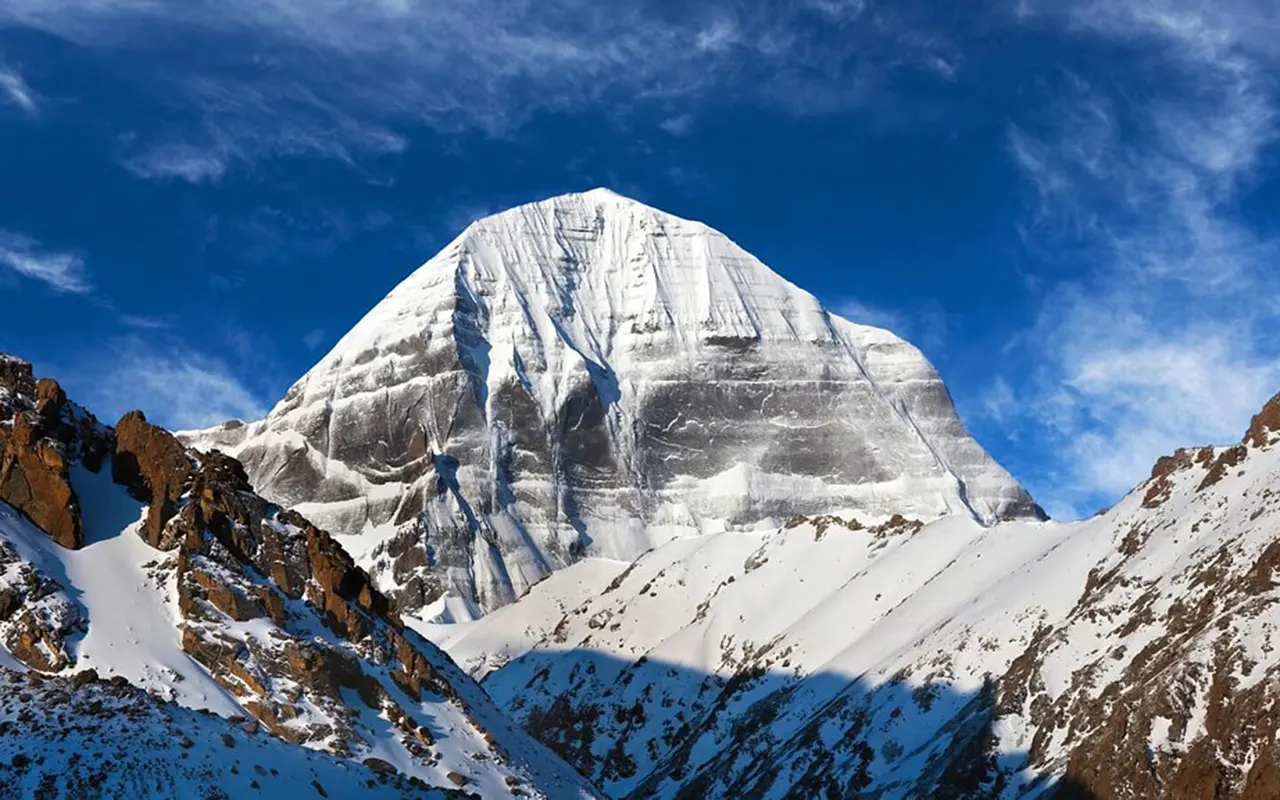
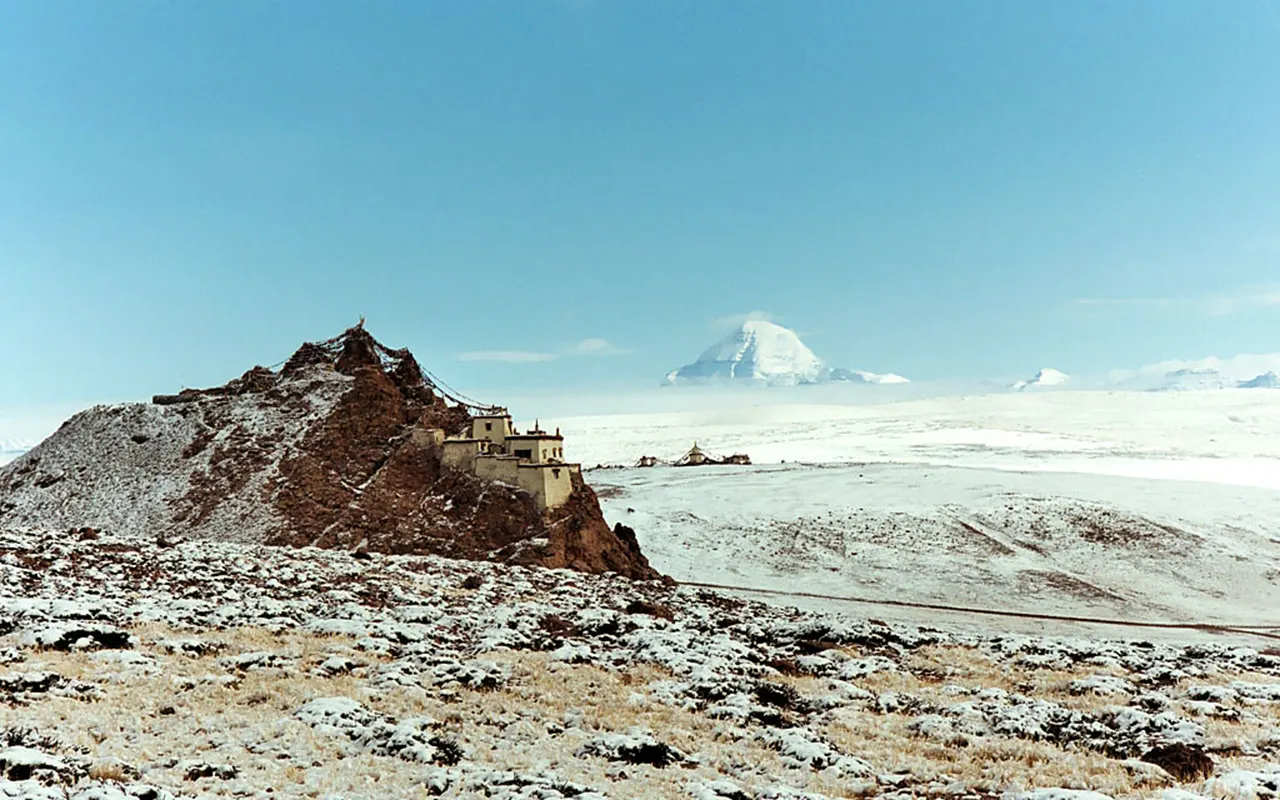
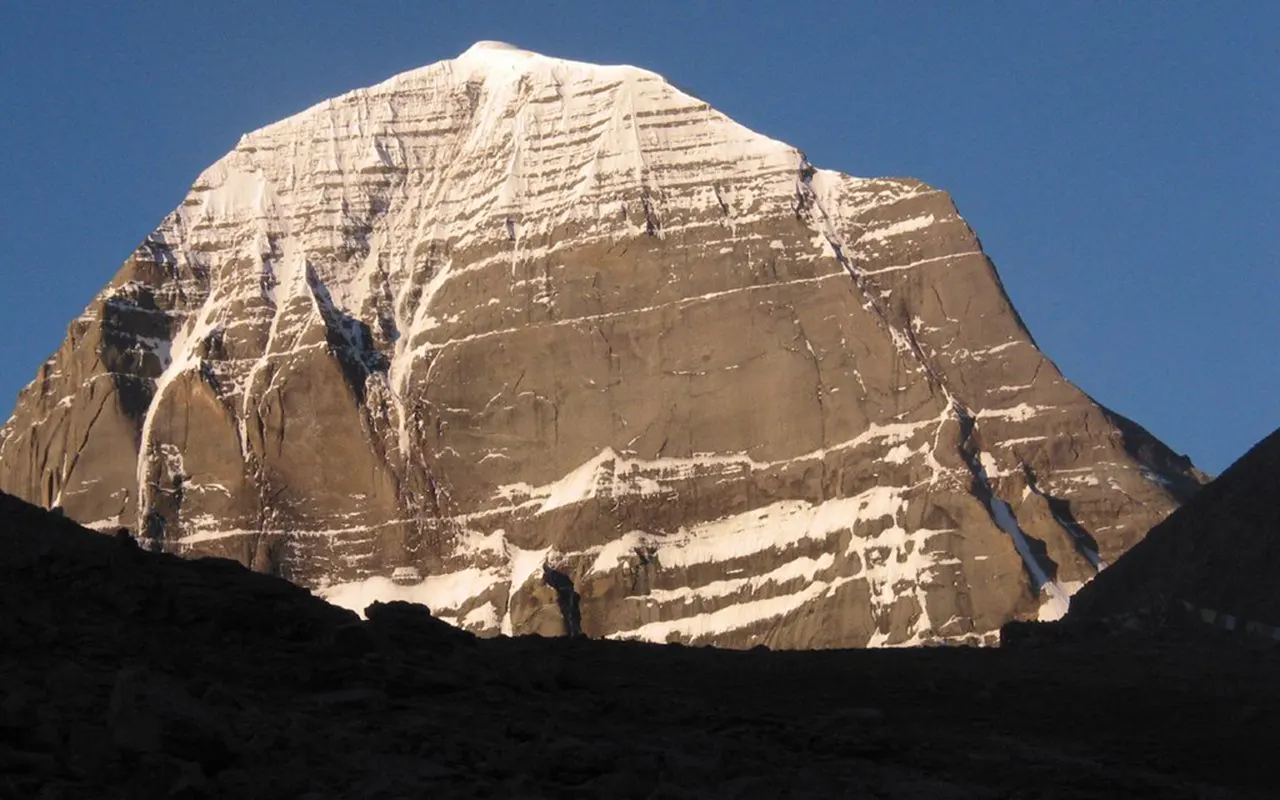
During the Mount Kailash trip, visitors will pass through the expansive open valleys, desert-like landscapes, nomadic camps and breathtaking Himalayan vistas before they arrive at the holy Lake Mansarovar. This is a gorgeous freshwater lake with profound spiritual significance to the pilgrims and a serene environment with a picturesque mountainous landscape. One of the most unforgettable experiences of the trip is the sight of Mount Kailash very close by, and this part of the Mount Kailash tour program is particularly significant to spiritual tourists.
The biggest attraction of this 10-day tour to Kailash is the sacred Mount Kailash Kora, which is a three-day pilgrimage walk around the sacred mountain. Mount Kailash is regarded as one of the most spiritually important mountains in the world by Hindus, Buddhists, Jains, and Bon followers. The trekking part guides the travelers along the rugged mountain terrain, rocky paths, and sacred pilgrimage paths such as the difficult Dolma La Pass (5,670 m / 18,602 ft), which is the highest point of the whole trip. The Kora is a physically challenging feat, but nonetheless, it is a strong achievement on a spiritual level.
The tour of Mount Kailash is something that fit travelers (reasonably) should consider, with high altitude, simple guest houses, and long overland driving days. It is not a luxury experience; rather, a spiritual bond, adventure, and personal accomplishment in a very unique environment. Nomad Adventure Treks can make this difficult pilgrimage smooth and successful with coordinated transportation, guides, permit regulations, and proper trip planning. Be it in religious worship, to explore the culture, or to reflect on yourself, this memorable tour will be a rare experience to see one of the most sacred pilgrimage sites in Asia in a meaningful and memorable manner.
Trip Highlights
- Holy pilgrimage to sacred Mount Kailash.
- Finish the three-day Mount Kailash Kora (Parikrama)
- Cross Dolma La Pass at (5,670 m / 18,602 ft)
- Pay a visit to the holy Lake Mansarovar.
- Picturesque overland journey across the Tibetan plateau.
- Explore Tibetan culture, landscapes and spiritual traditions.
Detail Itinerary of Mount Kailash tour – 10 Days

Day 01: Drive from Kathmandu to Kyirong
Our road trip begins from Kathmandu to Kyirong. We embark on a trip to remember on the overland trip to Tibet. Kathmandu road is a scenic mountain highway with beautiful scenery of rivers, green hills, terraced farmlands, as well as ancient villages along the way. As we approach to Nepal Tibet border, the terrain slowly shifts from the bustling city environment to more serene mountain environments. Once at the border, immigration and customs procedures are done, and then one enters Tibet. After the border process is completed, we are greeted by our Tibetan guide and a driver, who will be with us all through the journey.
Upon a brief trip briefing, we move onwards to Kyirong, a peaceful Tibetan town amidst mountainous terrain. Kyirong is a key entry point for travelers entering Tibet overland, as well as a comfortable location to start acclimatization before going to higher altitudes. Once there, we put down our bags in the guest house and sleep after the tedious journey. This new mountain setting and reduced altitude as compared to the next destination make this a good introduction to the upcoming destinations further into the Tibetan plateau over the next few days.

Activity: Drive, 7–8 hrs

Max. Altitude: 2,700m/8,858ft. Kyirong

Meal: Breakfast, Lunch, Dinner

Accommodation: Guest house
Day 02: Rest Day in Kyirong
We are today resting in Kyirong to allow our bodies time to acclimatize slowly, before proceeding to the much higher tracts of Tibet. This acclimatization day is a significant aspect of the adventure since the right acclimatization to the altitude can help to make the following days safer and more comfortable. Kyirong is a good place to unwind after the long journey from Kathmandu due to the peaceful nature of the area.
During the morning, we will be able to rest in the guest house, to get rid of travel fatigue, and to admire the fresh mountain landscape. We can later in the day go on a light walk around the local area to facilitate the acclimatization process without subjecting the body to excessive demands. It is also during this free time that we have an opportunity to see the peaceful mountain life and appreciate the peaceful landscape. Tourists are advised to take plenty of water, go at a slow pace, and not to work too hard.
We spend a restful night in Kyirong, then move back to the guest house to have another day of rest and get physically and mentally ready for the more elevated altitude drive that will take us further into the Tibetan plateau on the following day.
Activity: Acclimatization / Rest, Free day
Max. Altitude: 2,700m/8,858ft. Kyirong
Meal: Breakfast, Lunch, Dinner
Accommodation: Guest house
Day 03: Drive from Kyirong to Saga
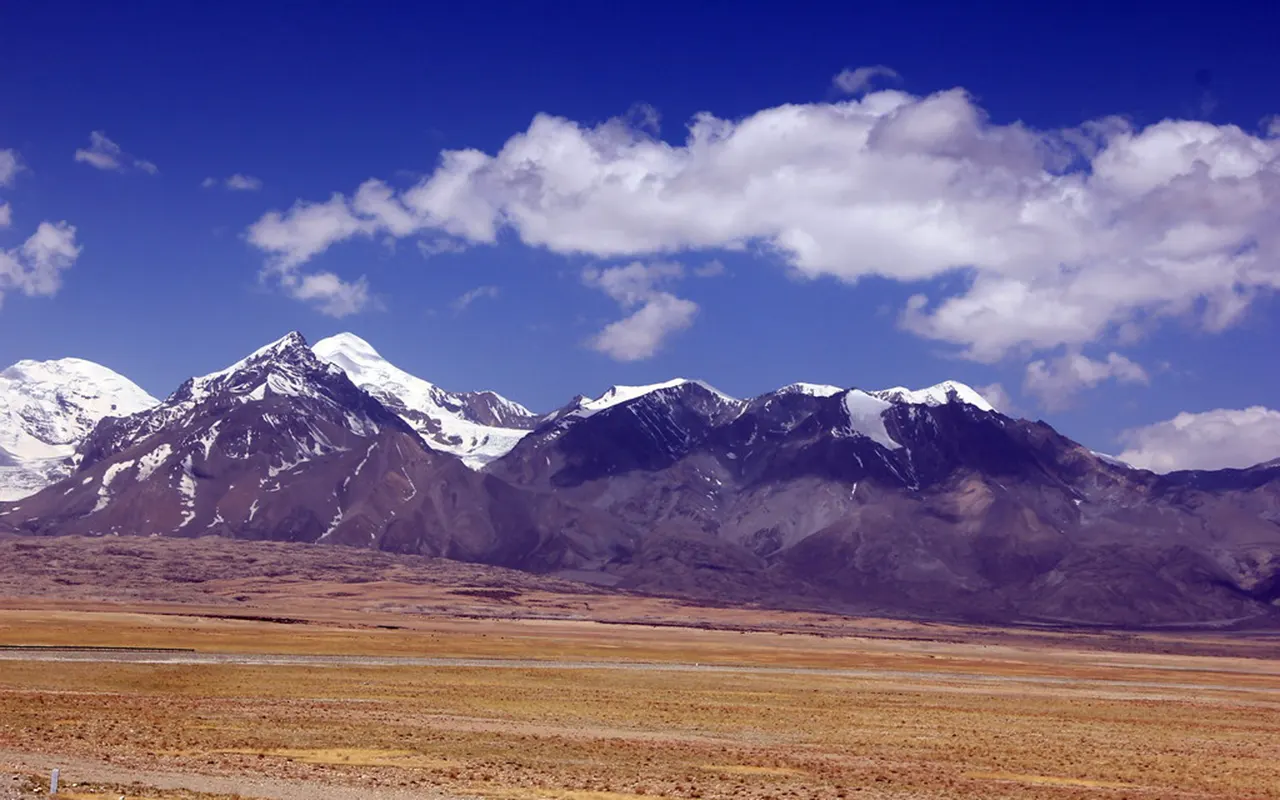
Our trip begins at Kyirong, heading to Saga, and we enter the dramatic scenery of the Tibetan plateau. Today is a day of the first big high-altitude driving, lengthy stretches of open desert country, great valleys, and mountain vistas. On our way, we will encounter nomadic villages, sheep, yaks, and expansive, unspoiled landscapes, which characterize this section of Tibet.
Beautiful mountain panoramas can be seen with Gaurishankar, Shishapangma, and the Langtang Himal range, both from high passes. The route also traverses scenic sites such as Khunmen Tso, Sinling, Karru Ongchen, and Peiku Tso Lake at (4,400 m / 14,436 ft). This is an unforgettable overland trip due to the changing scenery. We then cross the great Brahmaputra River, which is called in Tibetan Yarling Tsangpo, and proceed to Saga.
We should also be hydrated and take our time when taking breaks as we increase in altitude. Saga is a significant resting place for tourists on their way to Mount Kailash. On arrival, we settle down in the guest house, have a rest, and we keep on adjusting to the rising altitude.
Activity: Drive, 6–7 hrs
Max. Altitude: 4,600m/15,092ft. Peiku Tso Lake
Meal: Breakfast, Lunch, Dinner
Accommodation: Guest house
Day 04: Drive from Saga to Mansarovar via Paryang
Our journey begins in Saga towards the sacred Lake Mansarovar, across Paryang, over the vast Tibetan plateau. It is one of the most driving days of the whole trip, and the dramatic scenery varies along the way. We pass through open country, lonesome villages, and long distances of highways through mountain scenery. The road goes via the small town of Zhongba and then moves on to Paryang. As the journey continues, there is anticipation since this is the day when the first distant sight of Mount Kailash can be seen.
Coming to Lake Mansarovar is an extremely significant experience for many pilgrims. Chiu Monastery is evident on the north-western side of the lake, bringing spiritual beauty to the picture. The calm environment of Lake Mansarovar is formed by the turquoise waters of the lake with Mount Kailash, Mount Gurula-Mandata, and the adjacent Lake Rakshas.
Following a lengthy and fruitful journey, we arrive at the sacred lake region, and we relax at the guest house. This is one of the most memorable days of the pilgrimage because of the spiritual ambiance, tranquil environment and breathtaking views.
Activity: Drive, 8–9 hrs
Max. Altitude: 4,600m/15,092ft. Mansarovar
Meal: Breakfast, Lunch, Dinner
Accommodation: Guest house
Day 05: Drive from Mansarovar to Darchen
Our journey begins in Lake Mansarovar and moves on to Darchen after spending a serene time around one of the holiest lakes in the area. The lake has a beautiful reflection and spectacular mountain landscape due to the tranquil morning around the lake. The snow-capped Mount Gurla Mandhata (7,694m / 25,243 ft) stands steeply across the waters, forming an unforgettable scenery. Lake Mansarovar is revered among pilgrims, and this quiet place provides a significant spiritual rest prior to the trekking part. We then make a brief journey to Darchen, the principal base of Mount Kailash Kora, after spending time with the sacred lake.
Though the distance of travel is not so long nowadays, it is a significant preparation day. On entering Darchen, one can make the final preparations for the three-day pilgrimage trek around Mount Kailash. Tourists can pack the necessary equipment, sleep, and be psychologically ready for further hiking in high altitudes. Darchen is where pilgrims around the world start. Once we have settled into the guest house, we take the evening to sleep and prepare properly for what we will do tomorrow, as it will be our first day of trekking.
Activity: Drive / Preparation, 1–2 hrs
Max. Altitude: 4,565m/14,977ft. Darchen
Meal: Breakfast, Lunch, Dinner
Accommodation: Guest house
Day 06: Trek from Darchen to Dira Puk
Our walk starts at Darchen to Dira Puk and begins the sacred Mount Kailash Kora, one of the most significant pilgrimage walks in the Himalayas. The trail used today has a scenic route through mountainous terrains, rocky roads, running streams, and beautiful cliffs that offer a great scenic view. The trip starts slowly as the altitude is high, and one has to walk slowly and carefully. This is not the most difficult of the Kora, but even a walk of moderate difficulty becomes more challenging with the thinner air.
The landscape also becomes more and more impressive as we go on, the sacred mountain landscape forming a very religious mood. It is a walk of about 15 km and typically a walk that takes about six to seven hours, depending on the speed of the walker and the weather. When we arrive at Dira Puk (5,000 m / 16,404 ft), we are rewarded with spectacular views of the northern face of Mount Kailash.
This is a one-day rest and is said to be one of the most picturesque on the whole pilgrimage journey. Upon arrival, we check into the guest house, sleep well, and look forward to the demanding high-pass crossing tomorrow.
Activity: Trek, 6–7 hrs
Max. Altitude: 5,000m/16,404ft. Dira Puk
Meal: Breakfast, Lunch, Dinner
Accommodation: Guest house
Day 07: Trek from Dira Puk to Zuthul Puk via Dolma La Pass
We set out on our walk from Dira Puk to Zuthul Puk and the most difficult and spiritual day of the whole pilgrimage to Mount Kailash. The current path is a strenuous climb to Dolma La Pass, the summit of the Kora at (5,670 m / 18,602 ft). Due to the mountainous terrain and the high altitude, slow walking and constant breathing are crucial during the day. The pass is a very emotional and spiritual experience for most pilgrims and is usually full of prayer, introspection, and offerings.
Once over the top, the path meanders down across rugged terrain, so the trip is physically difficult in both directions. The route contains rocky tracks, shifting mountainous landscapes and dramatic landscapes, contributing to the severity of the day. This stop was also spiritually important by local belief, which states that the great ascetic Milarepa practiced miracles around Zuthul Puk. Having made this long and difficult journey, we come to the local guest house, have a rest, and recuperate after one of the most memorable days of the pilgrimage.
Activity: Trek, 6–7 hrs
Max. Altitude: 5,670m/18,602ft. Kora
Meal: Breakfast, Lunch, Dinner
Accommodation: Guest house
Day 08: Complete Kailash Parikrama and Drive to Saga
Our day starts with the completion of the last part of the sacred mountain Kailash Parikrama, and we come back by road to Saga. The trek that they have left to do today is easier and slower compared to the tough mountain crossing that they had done yesterday, and this gives them time to reflect on the spiritual significance of accomplishing the entire pilgrimage circuit around Mount Kailash. Completing the Kora is a huge accomplishment for most travelers, integrating physical endeavor, mental endurance, and spiritual dedication. Once the final walking part is done, we are picked up by our means of transport and taken on the long ride across the Tibetan plateau.
The road again provides great expansive plains, wide valleys, far mountain scenery, and the remote scenery that characterizes this incredible area. Though trekking and driving are encompassed in the day, the feeling of achievement makes the journey particularly important. We revert to the inland road to Saga, and down out of the pilgrimage land to a more homely rest-place. On arrival at Saga, we enter the guest house where we have a well-deserved rest, and we recuperate after a long day of walking and road transport.
Activity: Trek and Drive, 9–10 hrs
Max. Altitude: 4,600m/15,092ft. Saga
Meal: Breakfast, Lunch, Dinner
Accommodation: Guest house
Day 09: Drive from Saga to Kyirong
Our journey begins with a Saga to Kyirong drive to the scenic overland path in the back of the plateau through the dramatic Tibetan plateau. It is the start of the journey back to Nepal today, another opportunity to experience the expansive scenery, open valleys, arid mountainous terrain, and distant Himalayan ranges that make this path so memorable. The further we get down, the lower we get out of the Tibetan plateau, the more physically comfortable the journey becomes, as opposed to the extreme high-altitude hiking days. On the way, we might be able to view nomad camps, grazing animals, yaks, and sheep again, as well as distant plateau landscapes.
The pilgrimage also offers time to contemplate the spiritual and physical experience of the Mount Kailash pilgrimage. The lowland that Kyirong is located in is a relief to him after several days at very high altitudes. On arrival, we are registered into the guest house and have a nice stay overnight in this quiet border town. It is a less strenuous day than the last few days, and after this, it turns into a relaxing day as we gear up to drive back to Kathmandu the next day.
Activity: Drive, 6–7 hrs
Max. Altitude: 4,600m/15,092ft. Saga
Meal: Breakfast, Lunch, Dinner
Accommodation: Guest house
Day 10: Drive from Kyirong to Kathmandu
In the morning, we begin our journey from Kyirong towards Kathmandu, and this is the last day of our memorable Mount Kailash overland pilgrimage. We move on after breakfast to the Nepal-Tibet border, where immigration and customary formalities are carried out, then re-enter Nepal. After completion of the border processes, we resume the scenic drive back to Kathmandu on the familiar mountain roads, river valleys, mountain settlements, and changing landscapes. The journey back takes us slowly back to the more hospitable environments and populated areas, in contrast to the distant Tibetan plateau.
The final motivation provides the time to consider the spiritual experiences, physical accomplishments, and memorable landscapes that one has encountered during the trip. The pilgrimage creates long-lasting memories of the sacred lakes, mountainous, dramatic passes, and the desolate Tibetan landscape. The long road trip is worth it, though, with the feeling of accomplishment achieved after returning to the location. The Mount Kailash tour comes to an end upon reaching Kathmandu.
The travelers can relax at the end of a remarkable journey, which has combined pilgrimage, cultural experience, mountain travel, and personal accomplishment throughout one of the most sacred locations in Asia.
Activity: Drive, 7–8 hrs
Max. Altitude: 2,700m/8,858ft. Kyirong
Meal: Breakfast, Lunch, Dinner
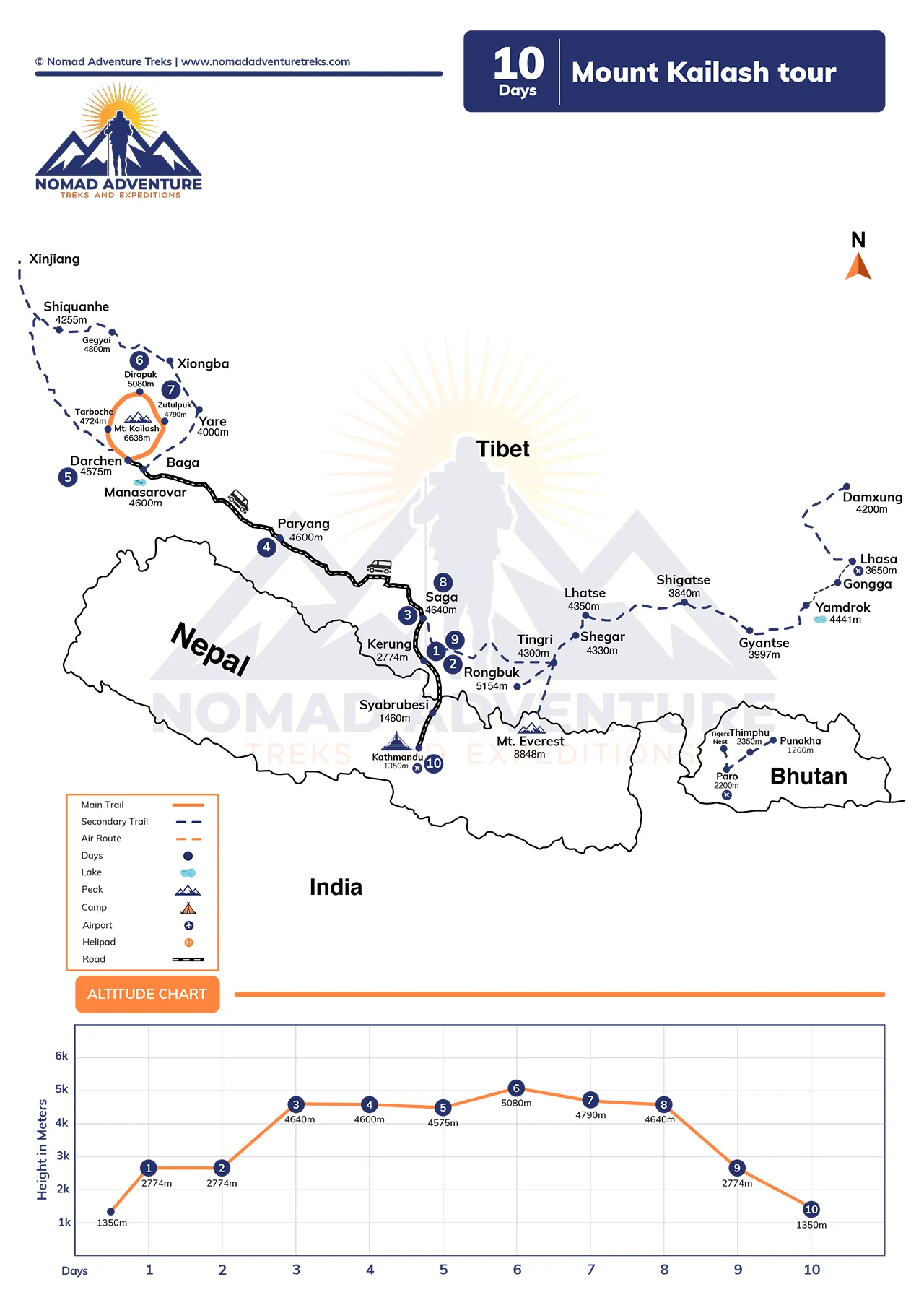
Trip Route Map
Includes & Excludes
What are included with package?
- Hotel/Guest House Accommodation as per program
- Individual Transportation by Van / mini coach.
- All necessary Tibet Travel and trekking permits
- English-speaking Tibetan Guide.
- All Sightseeing and entrance fees as per the itinerary.
- Meal plan on B/B Basis.
- Kathmandu to the border to Kathmandu transportation
What are not included with package?
- Lunch and Dinner
- Insurance of any kind.
- Hiring a porter, Yak/ horse
- Rescue and Evacuation Service.
- Any Additional cost due to Nature calamity and Unforeseen Circumstances, etc.

Note:
If you have a private group and prefer a personalized experience, we can organize a custom trip tailored to your requirements and group size, running it any day you choose.
Detail Information about Mount Kailash tour – 10 Days
Weather and Best Season
Ideally, the most suitable season to undertake a tour of Mount Kailash is between May and September, when the weather is more predictable, and most roads are usually open. The daytime temperatures are warmer during these months, the sky is pretty clear, and mountain sights are more visible. Early autumn and spring are particularly the most popular months of the Kailash Yatra, as traveling is more comfortable. Evenings may yet be chilly because of the elevation in the areas around Darchen and when going around Mount Kailash.
Summer can be a time of occasional rain along the Nepal border, but Tibet itself is fairly dry. Winter is not advisable due to excessive cold, snow-covered routes, and potential closure of roads. The trip is very high in altitude, and therefore, Dolma La Pass(5,670 m / 18,602 ft), and thus the weather can shift very fast; this is why people should always expect cold winds, strong sun, and the temperature can change at any moment.
Difficulty Level
A tour of Mount Kailash is rated as moderately difficult to challenging due to the high altitude, extensive overland travel, and trekking days in the parikrama. The Kailash Kora, with Dolma La Pass at (5,670 m / 18,602 ft) being the most challenging, is the toughest of them. Although it does not need technical climbing, the altitude makes walking a little bit more difficult. The travelers ought to be in decent physical shape and have no problem with hours of hiking on rugged mountain paths. The overland route is also characterized by long drives over remote Tibetan terrain, which may be exhausting.
The Kailash tour is the one that most healthy people can enjoy, provided they prepare carefully, pace themselves, and acclimatize. Beginners are capable of doing the trip provided they train properly, but individuals with severe heart or breathing issues need to consult a medical professional before joining. This spiritual and physically challenging pilgrimage also requires mental preparation.
Food and Drink
Foods in a Mount Kailash tour are usually easy, convenient, and appropriate for remote traveling. Meals served in the guest houses and local lodges usually consist of rice, noodles, soup, bread, potatoes, vegetables, eggs, and some simple Tibetan or Chinese cuisine. The further one goes into Tibet, the more restricted are the food options, notably when trekking to Kailash Yatra. Specialty meals and fresh fruits are not always available. Water consumption is very crucial as high altitude may augment dehydration. Tourists are required to consume boiled or purified water and to shun the untreated water.
It is highly advisable to always carry purification tablets for water or filtered bottles that can be reused. Hot beverages such as tea are usually prepared, and they are useful during cold weather. No one’s tastes are similar, so it is better to have some snacks like nuts, energy bars, or biscuits to make the trip to Mount Kailash more comfortable, particularly on days of long travelling and trekking.
Insurance, Visa, and Permits
Travel insurance is a critical aspect of planning a Mount Kailash tour since the trip includes remote and high-altitude travel and inadequate health care facilities. The insurance must include emergency evacuation, medical treatment, trip interruption and altitude-related illness. This trip will require a Chinese visa, Tibet Travel Permit and other regional permits. Travelling to Mount Kailash independently is usually not permitted, and thus tourists are required to travel as part of an organised tour with a reputed operator.
Nomad Adventure Treks helps in the arrangement of the necessary traveling logistics and permits. Before booking, the passport validity must be in line with the current travel requirements. Processing of permits may be time-consuming; thus, prior preparation is of the essence. Travelers are advised to confirm the new rules and regulations before traveling because of the possibility of changes in border rules and regulations. A hassle-free trip to Kathmandu, Tibet, and back is only possible with proper documentation of the Kailash Yatra.
Health and Safety
A Mount Kailash tour is very sensitive regarding health and safety due to the extreme altitude and remote setting. The biggest concern is altitude sickness, which occurs particularly at higher altitudes (above 4,500 m / 14,764 ft). The common symptoms are headache, nausea, tiredness, dizziness and shortness of breath. It is important to have acclimatization days to allow the body to adapt slowly. Travelers are advised to walk slowly, consume more water, eat healthily and avoid alcohol. It is advisable to have personal medicine and a first aid kit.
The weather is subject to rapid changes, which means that warm layered clothes, gloves, and sunscreen are required. There is a lack of medical services in the remote Tibetan regions, and prevention is particularly significant. Heart, lung, or serious medical conditions should be discussed with a doctor before joining. Adherence to the guidelines of the guides enhances safety during the Kailash Yatra, particularly when trekking and when crossing the high mountain passes.
Transportation
Travel in a Mount Kailash tour is mainly by overland vehicle, usually a van, jeep, or mini coach, depending on the size of the group. The trip starts with a road trip to the Nepal-Tibet border, Kathmandu, and then proceeds to the Tibet plateau with a local Tibetan guide and driver. The roads in Tibet are usually broad and open, but a few areas may be rough because of weather or road conditions. One of the key components of the Mount Kailash tour itinerary is long driving days, and some of them require hundreds of miles of traveling through remote locations.
In the Kailash Kora, the use of transportation is substituted with walking. Trekkers who are unable to walk the entire distance are known to hire a horse locally, although this is not always available. Due to the conditions of remote travel, patience and flexibility are essential, and the schedule may be altered in case of adverse weather, road conditions, or formalities at the border.
Your Extra Expenses
Most of the important travel services can be booked in advance, but in the Mount Kailash tour, the traveler would need to budget for personal additional costs. Other expenses, such as lunch, dinner, and snacks, drinking water (bottled or purified), personal shopping, guide and driver tips, and optional horse or porter services are common during the Kailash Yatra trek. Some of the guest houses may also have charges for hot showers, charging electronic devices, or the internet.
Personal Medicine, first aid kits, and travel insurance are additional costs that ought to be budgeted ahead of time. Other costs could also be caused by border-related changes, weather delays, or unanticipated travel delays. It is helpful to bring some cash in the appropriate currency since there are not so many opportunities to pay with cards in remote places in Tibet. Prudent budgeting will make the 10-day Kailash tour easier and will save the travellers from unneeded stress on the trip.
Language and Communication
Language in a Mount Kailash tour can be different depending on the places. Nepal has Nepali and English as the common languages in the tourism services, with Tibetan and Mandarin Chinese as the main local languages in Tibet. Most Kailash Yatra teams of organized tours have an English-speaking Tibetan guide to facilitate communication, organize travel, and provide local support. English might be extremely scarce in the distant villages and guest houses, and therefore, simple communication and basic patience can be of use.
The Internet may not be reliable all the time, but the translation apps can help. Knowing some basic greetings can allow establishing good communication with the locals. Since the route runs through sparsely populated regions, the possibility of communication is not always the same. Customers should not be required to be connected all the time or have immediate access to an external contact. Taking a well-planned tour to Mount Kailash will assist in minimizing communication challenges, and it will be easy to handle the trip.
Mobile Network, Internet, and Charging Facilities
Mobile network and internet in a Mount Kailash tour may be restricted, particularly in isolated Tibetan areas. The bigger towns like Kyirong, Saga, and Darchen might also have coverage on the network, but the quality of the connection can be slow or unstable. The availability of the Internet in guest houses is not certain, and certain services can be limited in Tibet. Possibly, the travelers need to be ready to spend some time with no good communication. Depending on your provider, international roaming can be effective, although it can be expensive.
Electricity can be unreliable, but some guest houses have the option of charging facilities. An additional fee to charge phones, cameras, or power banks is a usual practice in isolated areas. It is highly advisable to carry a fully charged power bank, spare batteries, and required charging adapters. Leaving the internet and being always online is also not on the list of meaningful experiences during a Kailash Yatra.
Don’ts on This Trip
When visiting Mount Kailash, there are some things to avoid so that the trip can be safer and more respectful. High speed is not permitted in high-altitude areas since rapid movement may raise the possibility of altitude sickness. Symptoms, like severe headache, difficulty in breathing, or dizziness, should not be overlooked. Alcohol and smoking should be avoided as they may worsen the dehydration and altitude-related issues. Keep clean. Mount Kailash and its environs are sacred and sensitive to the environment. Always respect the local traditions, monasteries, and places of worship by keeping a low profile and dressing the part.
Do not take photos in areas where photography is taboo. Never rely solely on internet access or tech in rural places. It is advisable not to carry any heavy luggage that is not necessary on the hike. Do not travel without due permits, identification, and insurance. These are some of the easy things to remember that can make the Kailash Yatra a safer, smoother, and more respectful experience for all.
Cultural Festivals on the Trail
A Mount Kailash tour is a great destination that not only provides natural beauty and spiritual hiking, but also a chance to explore the Tibetan culture. The Saga Dawa Festival is one of the most significant events that occur in relation to Mount Kailash, and it is believed by Tibetan Buddhists that the festival marks the birth, enlightenment, and death of Buddha. The festival time is typically in May or June, according to the lunar calendar, and pilgrims come to attend the festival in most regions.
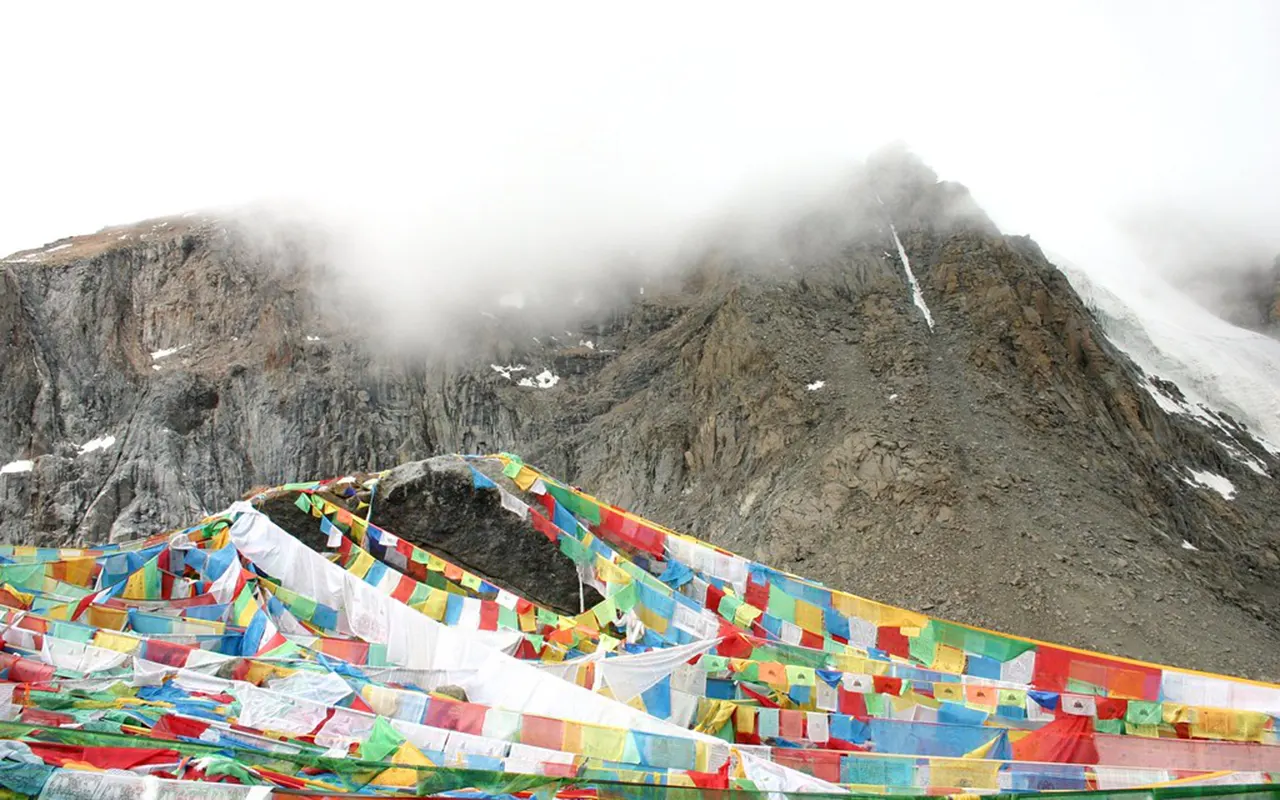
It can be particularly significant to visit during this period, and prayer rituals, colorful flags, and spiritual meetings are held at holy sites. On their way, travelers can also learn about local Tibetan traditions and rituals in the monasteries and traditional prayer. Travel to festivals may be associated with increased logistical pressure as well as crowds; planning is essential. To the culturalists who are interested in the experience of the Mount Kailash tour, the period will give the tour an unforgettable spiritual touch.
Frequently Asked Questions
What is the location of Mount Kailash?
Mount Kailash is a mountain in western Tibet, China, bordering the holy lake Mansarovar in the remote Transhimalayan area.
How difficult is the Mount Kailash tour?
The Mount Kailash Tour is of moderate to strenuous difficulty because of elevation, excessive overland travel, and rigorous hiking across Dolma La Pass (5,670 m / 18,602 ft).
What is the number of days taken in the Mount Kailash tour?
This plan is a 10-day Mount Kailash tour, which includes travelling, acclimatization, and the Mount Kailash Kora.
When is the ideal time to go on the Mount Kailash tour?
The most favorable period is between May and September, when the weather is not so unpredictable, and roads are not usually blocked.
Is there a requirement for trekking experience in this trip?
Prior experience in trekking is an advantage but not a precondition. It is essential that one is physically fit and well-prepared.
What is the elevation of the highest point of the tour?
The summit is Dolma La Pass (5,670 m / 18,602 ft) when doing the Kailash Kora.
Will I get altitude sickness?
Yes, altitude sickness is a significant issue, as a significant portion of the trip occurs at higher elevations (4,500 m / 14,764 ft).
Am I required to have a visa and permits?
Yes, tourists need to have a Chinese visa, a Tibet Travel Permit and other necessary regional permits.
Am I able to go to Mount Kailash on my own?
No, independent travel is generally not allowed. The visit should be organized by an official tour operator.
Is Lake Mansarovar to be covered in the itinerary?
Yes, the holy Lake Mansarovar is part of the tour.
What type of accommodation?
They are typically accommodated in simple guest houses or simple lodges in the far corners of Tibet.
What will you be eating on the trip?
Food is usually plain and can contain rice, noodles, soup, bread, vegetables, eggs and local Tibetan food.
Do you need travel insurance?
Yes, extensive travel insurance, including emergency evacuation insurance, is highly recommended.
Can I get a horse or a carrier to carry me?
Yes, horses and porters can be found locally at the Kailash Kora at extra prices.
Is a mobile network or the internet available?
In some towns, there might be limited network coverage, but the internet and connectivity lack reliability in the remote areas.
What are some of the things I should bring on the Mount Kailash tour?
Bring warm clothes, hiking shoes, sunglasses, sunscreen, a water bottle, medicine, snacks, a power bank, and personal things.
Can older travelers take this tour?
Yes, provided that they are healthy and fit to travel at high altitude. Booking is advised with medical advice.
What is the length of Mount Kailash Kora?
The entire Mount Kailash Kora measures around 53 km, and is typically accomplished in three days.
Is it a spiritual or adventure trip?
This is possible as it can be based on the purpose of the traveler. Some come to pilgrimage, and others come to get an adventure and explore cultures.
What is so special about Mount Kailash?
Hindus, Buddhists, Jains, and Bon believers consider Mount Kailash as one of the most sacred spiritual mountains in the world.
Reviews on Mount Kailash tour – 10 Days
 Write a Review


- Your safety, our no 1 priority
- Best price guarantee
- Experienced & dedicated team
- Easy booking, no hidden charge
- You can customize this trip
Talk to Travel Expert
Samundra Rimal (+977-9843127084)