


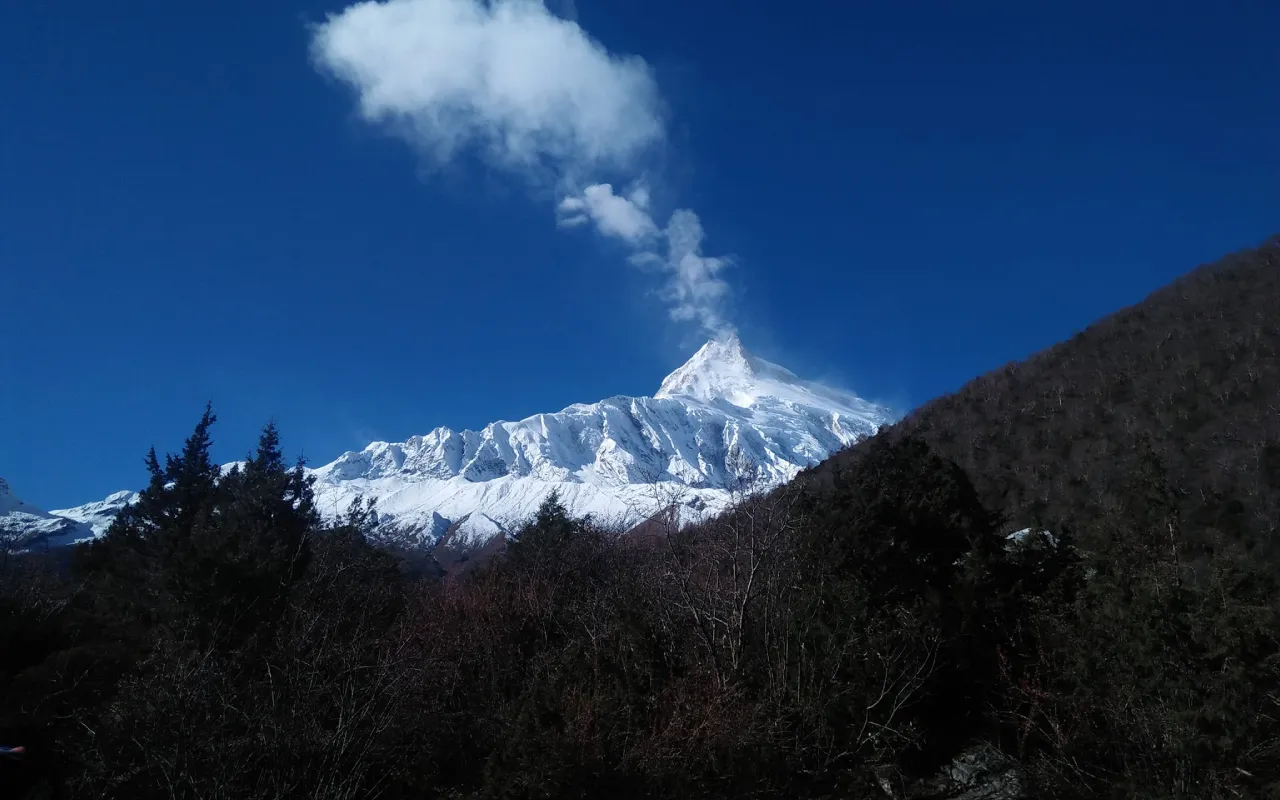


Pikey Peak Trekking

Duration
9 Days

Max Altitude
4,160 m. / 13,648 ft.

Difficulty
Moderate

Group Size
2-3 Pax

Meals
- 8 Breakfast
- 7 Lunch
- 6 Dinner

Accommodation
- Guest House
- 3 Star Hotel

Transportation
Car/Jeep/Plane

Activities
- Trekking
- Driving
- Scenic Flight

- 1 personUS$ 1090
- 1 - 2 personUS$ 1050
- 2 - 3 personUS$ 990
- 4 - 6 personUS$ 950
- 7 - 12 personUS$ 890
- over 9999 US$
Total Cost:
US$ 1090
- Your safety, our no 1 priority
- Best price guarantee
- Experienced & dedicated team
- Easy booking, no hidden charge
- You can customize this trip



Talk to Travel Expert Samundra Rimal (+977-9843127084)
Introduction of Pikey Peak Trekking
Pikey Peak Trek in Nepal’s lower Everest region is an adventure that is not to be missed. Stunning mountain views, peaceful trails, and rich Sherpa culture over nine days.
Your trek starts with a scenic drive from Kathmandu to Chuplubhanjyang. Then, you hike in the green forests and remote villages like Salleri, Junbesi, Taklung, Phaplu, Ghunsa, Pattale, and Jhapre. Trekkers experience a well-balanced combination of culture, nature, and adventure.
In spring, it offers a trail through oak, pine, and brightly colored rhododendron forests. In the trekking route, you can visit warm hospitality from traditional Sherpa villages such as Jhapre, Junbesi, Sherpa Mude, Pattale, Kerung, Dhap, Jase Bhanjyang, and Lamajura.
Thupten Choling Monastery and Chiwang Monastery are some of the famous Buddhist Monasteries you can visit, and learn about local customs. The final climb from Pikey Peak Base Camp up to Pikey Peak takes you to 4,070 meters.
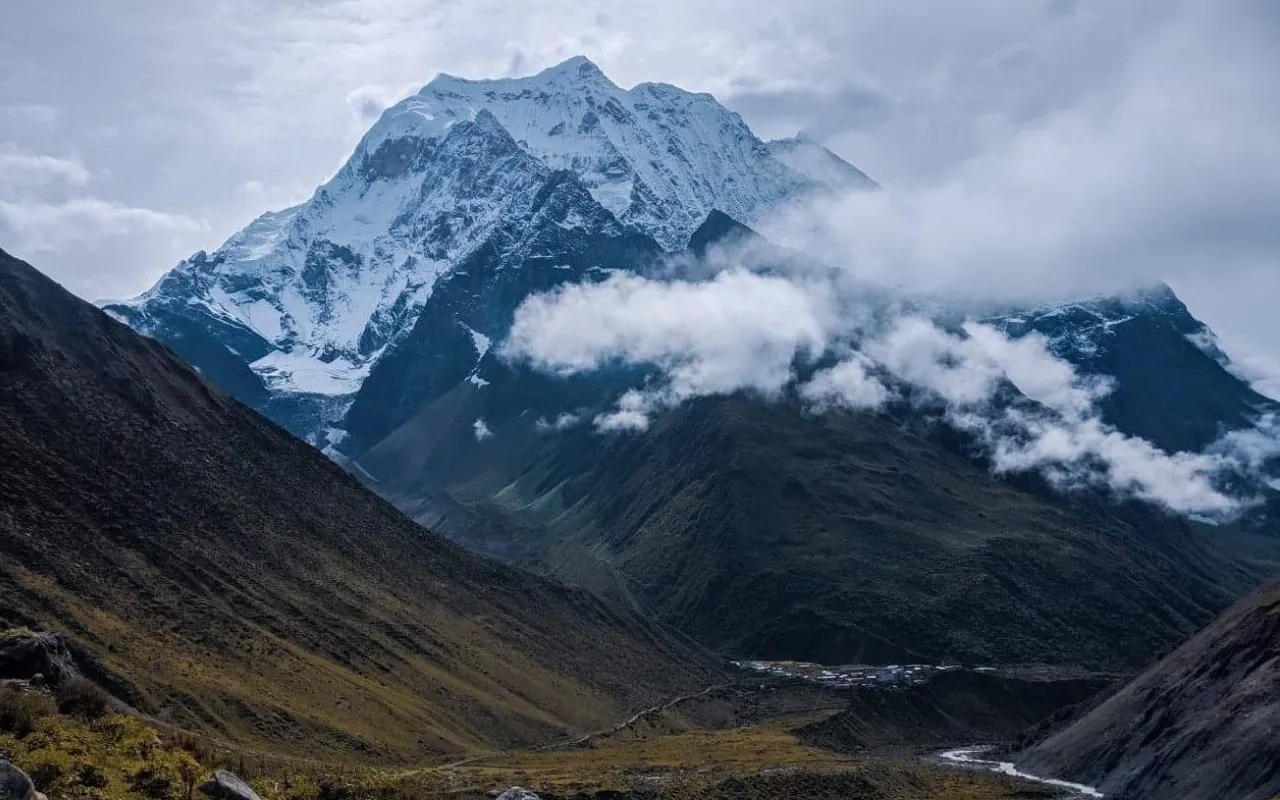
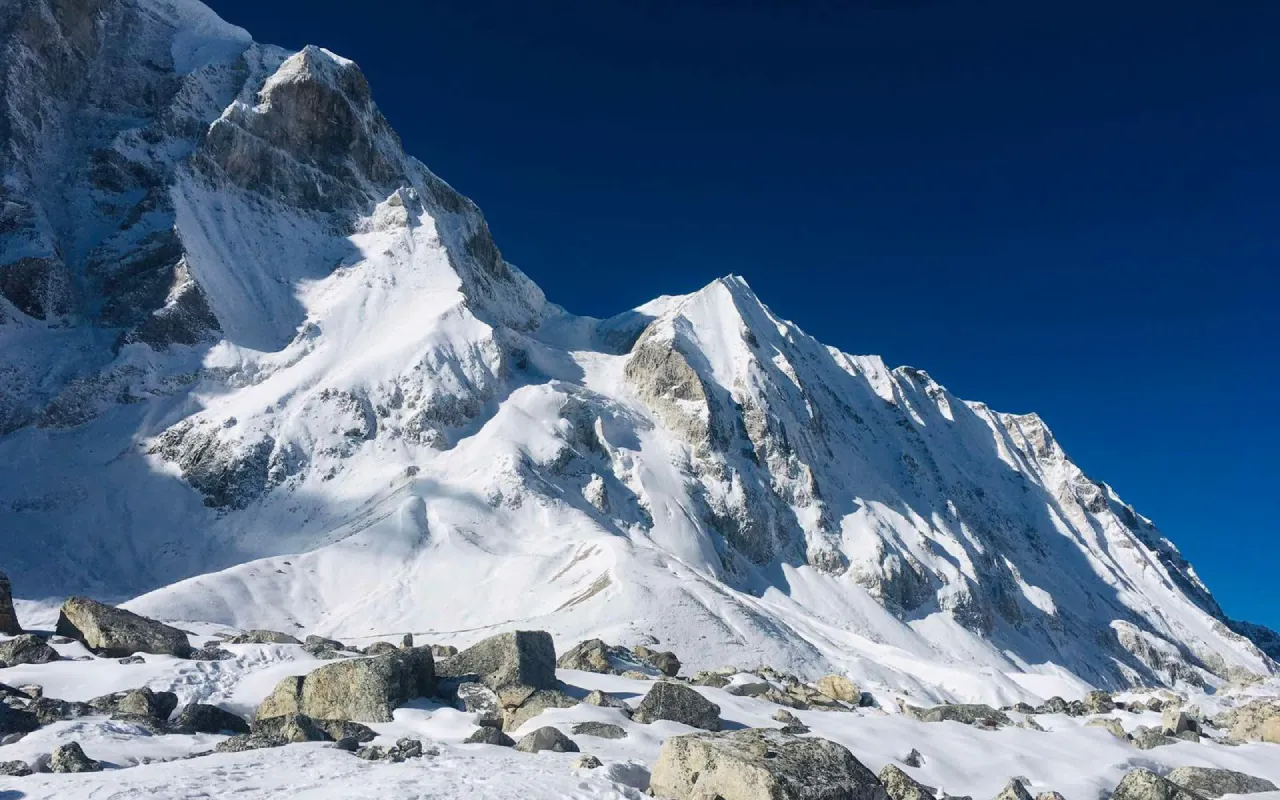
The part that will bring the memorable moment is the sunrise on the trek will give a 360 degrees view of snow covered peaks including Everest, Kanchenjunga, Makalu, Annapurna, Manaslu, Lhotse, Cho Oyu, Shishapangma, and Dhaulagiri.
You will also see tall peaks like Mera Peak, Gaurishankar, and Numbur. Unlike other Everest routes, this trek’s views are spectacular and don’t involve a long duration or difficulty, so if you seek a moderate challenge, this trek is perfect.
You’ll pass through charming Sherpa villages like Chuplubhanjyang, Taklung, Junbesi, and Phaplu, followed by the religious Thupten Choling Monastery. On your return trip to Kathmandu, you will drive through Phaplu to visit Salleri Bazaar.
Pikey Peak Trek difficulty is moderate, and easily accessible for trekkers with basic fitness, together with cultural exploration and natural beauty. It is a peaceful and less crowded trail, where you can enjoy thrilling views. If you want an awesome adventure, don’t miss Pikey Peak.
Trip Highlights
- Wide views from Pikey Peak include Mount Everest, Makalu, Dhaulagiri, Manaslu, Mera, Gaurishankar, Lhotse, Annapurna, Kanchenjunga, Shishapangma, Lhotse and Cho Oyu.
- Peaceful and quiet trekking routes, unlike the Everest region.
- Witness Sherpa culture in the chortens, mani walls, prayer flags, and major festivals like Mani Rimdu, Dashain, and Tihar.
- Chance to view various wildlife such as Himalayan Tahr, musk deer, and red pandas.
- View the trails full of rhododendron forests, and pine and oak
- Have traditional Nepalese food like Dal Bhat, Tibetan food like momos, and thukpa, and Western food such as pizza and sandwiches.
- Visit the Thupten Choling Monastery and Chiwang Monastery for insights into Buddhist practices.
- View charming villages such as Chuplubhanjyang, Taklung, Junbesi, Phaplu, Dhap, Jhapre, and Jase Bhanjyang, and learn about the daily life of the Sherpa community.
Detail Itinerary of Pikey Peak Trekking

Day 1: Arrival Day
You have your flight into Kathmandu, Nepal’s liveliest city. Landing in Kathmandu, you will be met by our team representative, who will take you to your hotel. We will give you a brief description of the Pikey Peak trek itinerary, and then you can prepare your essentials for the trek.
If you have any leisure time, you can visit UNESCO World Heritage Sites like Pashupatinath and Swayambhunath Temple. You can also stroll around Thamel and visit cafes, bars, and authentic restaurants, or rest for upcoming adventures.

Activity: Drive for 30 minutes

Max. Altitude: 1,324m/4,344ft. Kathmandu

Accommodation: 3 Star Hotel
Day 2: Drive from Kathmandu To Chuplubhanjyang
Today, we leave Kathmandu and move towards Chuplubhanjyang. This natural beauty is 3,150 meters high surrounded by breathtaking scenery and filled with local charm. The most beautiful thing about this trek is going through the fields, terraced hills, and amazing villages like Khijiphalate, located in the northwest of Okhaldhunga district.
When you arrive, it greets you with stunning wide views of surrounding hills and rhododendron forest. The stone mane and Bouddha here in Chuplubhanjyang is another gem, to explore. It feels like a retreat from the regular world and a peaceful environment. There will be local lodges where you can relax with the mountain’s cozy hospitality and fresh air.
Activity: Drive for 7-8 Hours
Max. Altitude: 3,150m/10,335ft. Chuplubhanjyang

Meal: Breakfast, Lunch, Dinner
Accommodation: Guest House
Day 3: Trek from Chuplubhanjyang To Taklung
Further up the hill, we step into a realm of natural gifts. Along with the colorful villages of Solukhumbu and Okhaldhunga, we trail and witness the local lives and the beauty of traditional mountain homes. Along the way, we pass awe-inspiring views of Mt. Gaurishankar and Mt. Numbur against the clear skies.
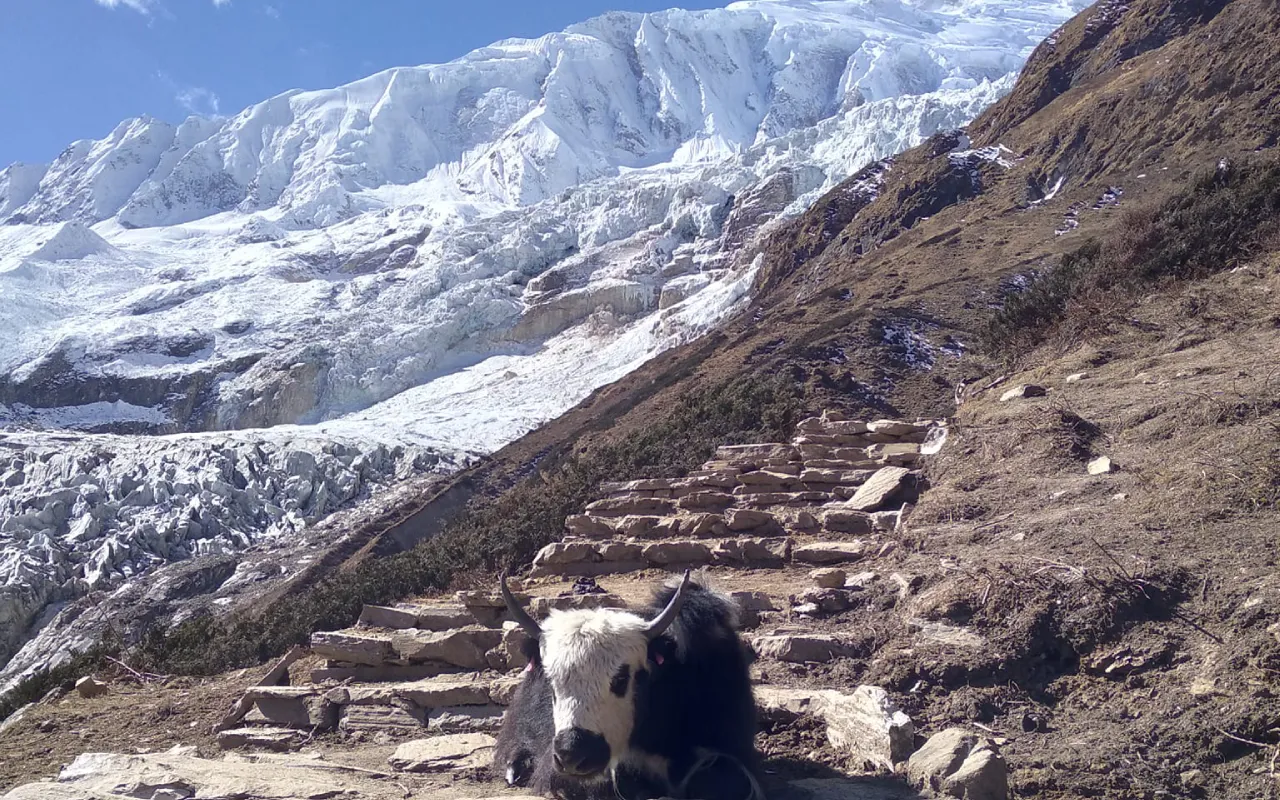
Our walk along the route is now alive, with grazing chauri cattle and yaks adding a nice touch. Visiting the ancient Buddhist monastery in Guangdong is a real highlight of the day, as this place is tranquil and radiates peace. By the end of the day, we arrive at Taklung, a quiet village where we can reflect on today’s enriching experiences.
Activity: Trekking for 5-6 Hours
Max. Altitude: 3,300m/10,827ft. Taklung
Meal: Breakfast, Lunch, Dinner
Accommodation: Guest House
Day 4: Trek from Taklung To Pikey Base Camp
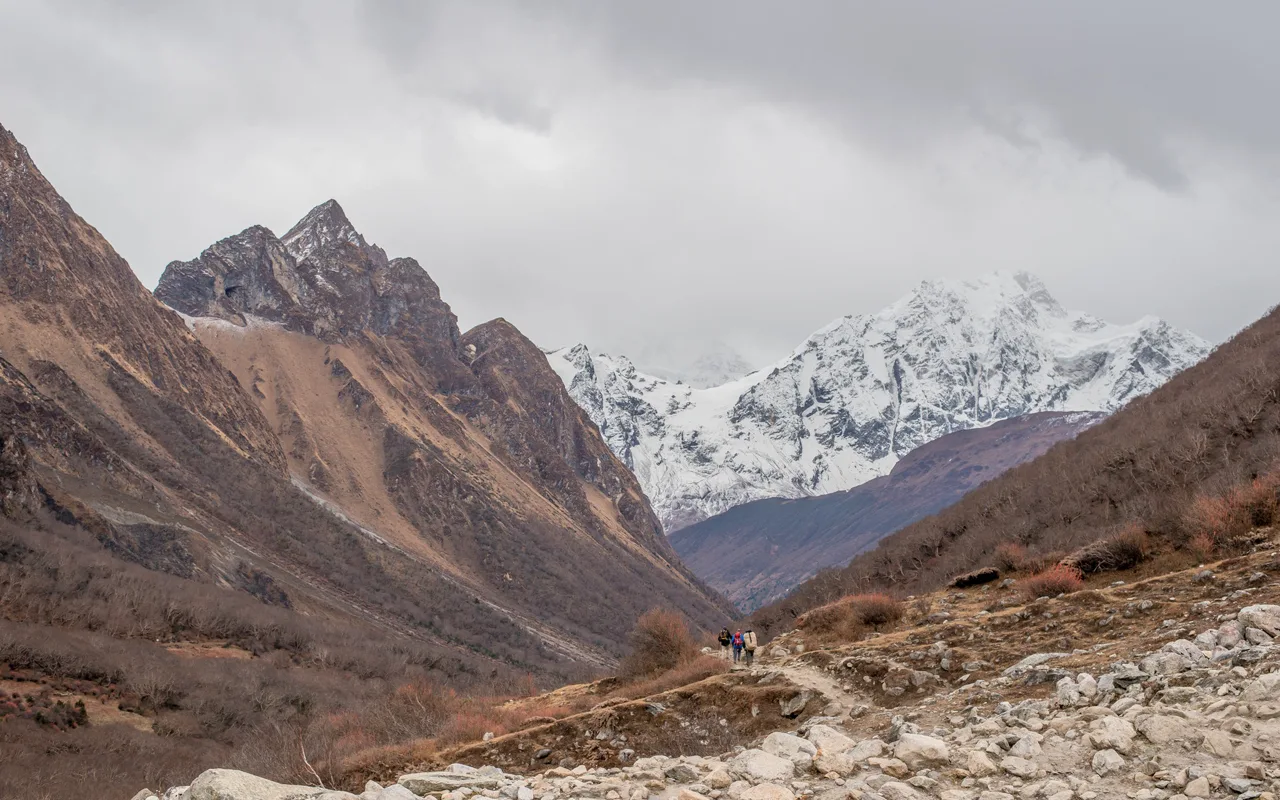
We start our day from Taklung, taking a path through serene trails between pine and rhododendron forests. We also cross one of the highlights of the trek today, climbing upward to Pikey Base Camp of 3,600 meters where the air feels crisp and fresh.
We take a sweet breakfast at tea houses near the Base Camp and enjoy the surrounding views of Mount Everest, Kanchenjunga, Lhotse, Nuptse, Langtang, Makalu, Gaurishankar, Shisha Pangma, Thamserku, Lobuche Peak, Island Peak, and Mera Peak.
You can find routes filled with bright rhododendrons, adding life to the environment, and cozy lodges to sit, eat, rest, and enjoy the astounding surrounding views.
Activity: Trekking for 5-6 Hours
Max. Altitude: 3,600m/11,811ft. Pikey Base Camp
Meal: Breakfast, Lunch, Dinner
Accommodation: Guest House
Day 5: Trek from Pikey Base Camp to Junbesi via Pikey Peak
We have our awaited day, and the highlight of the trek, a trek to Pikey Peak. We started an early hike to Pikey Peak (4,070m). With all these hours and days of trekking, you reach Pikey Peak, where the views are lovely.
The sun’s golden rays hit the peaks, including Everest, Lhotse, Makalu, Kanchenjunga, Ama Dablam, and Dhaulagiri, perfectly creating a once-in-a-lifetime scene.
After this breathtaking view, we descend to Jase Bhanjyang for breakfast and then to Junbesi, a beautiful Sherpa village popular as a camping spot. Junbesi is located 2,990 meters between the tall peaks and is renowned for its ancient Sherpa culture, Buddhist monasteries, and great folks ready to welcome you.
Here, you not only see the natural beauty of the mountains and terrains but get a chance to witness the deeply rooted culture with local Sherpa culture.
Activity: Trekking for 6-7 Hours
Max. Altitude: 2,990m/9,810ft. Junbesi
Meal: Breakfast, Lunch, Dinner
Accommodation: Guest House
Day 6: Trek from Junbesi to Thupten Chholing and back to Junbesi
We start from Junbesi on a short hike to Thupten Chholing Monastery, a sacred spot for local Sherpas. Kyabje Trulshik Rinpoche created this monastery in the 1960s. Over 700 monks and nuns live at this monastery, packed with a history of spirituality and Tibetan heritage.
Sherpas come here to meditate, learn about monastic life, and admire the delicate monastery’s architecture. The environment is serene and peaceful. We grab lunch near the monastery and hike back to Junbesi, where we have the rest of the day free to explore.
Activity: Trekking for 3-4 Hours
Max. Altitude: 3,000m/9,843ft. Thupten Chholing
Meal: Breakfast, Lunch, Dinner
Accommodation: Guest House
Day 7: Trek from Junbesi to Chiwang and to Phaplu
From Junbesi, we travel to Chiwang Monastery. This monastery was founded by Sangey Tenpa Lama in 1923 and is linked to the Rongbuk Monastery, near the northern side of Mount Everest. Chiwang is a religious spot for trekkers who want to immerse themselves in the deeply rooted culture of Tibetan Buddhism.
You can witness the Mani Rimdu Festival worships Guru Rinpoche, and other traditions and festivals like Dashain and Tihar being celebrated in the region. It is a chance to explore Buddhist traditions and experience spirituality from the culture.
From there, we continue to Phaplu, a lovely town at 2,400 meters. Phaplu has small airports, a local bazaar, and comfortable accommodations. After having a filling lunch, you can wander Salleri Bazaar, the main Solukhumbu district headquarters. You have a blend of Sherpa culture and modern influences in this region.
Activity: Trekking for 5-6 Hours
Max. Altitude: 2,400m/7,874ft. Phaplu
Meal: Breakfast, Lunch, Dinner
Accommodation: Guest House
Day 8: Drive from Phaplu to Kathmandu
From Phaplu, we start with breakfast and wave farewell to Phaplu. Reaching the end of the trek, we have a joyous moment together, then follow with either a thrilling 40 minute flight or an adventurous 8 hour jeep ride to Kathmandu.
Reflecting on the trip you took in the past few days can give you a completely different perspective on the trail.
Activity: Fly for 40 minutes
Max. Altitude: 1,324m/4,344ft. Kathmandu
Meal: Breakfast, Lunch
Accommodation: 3 Star Hotel
Day 9: Departure Day
After completing the Pikey Peak Trek itinerary entirely, we finally have our goodbyes. Our team representative will transfer you to the airport. Leaving Kathmandu, you will leave memories of tall peaks, lively culture, and the heartwarming hospitality of the Sherpa people.
We would love to see you again to have more incredible experiences in the beautiful landscapes of Nepal.
Meal: Breakfast
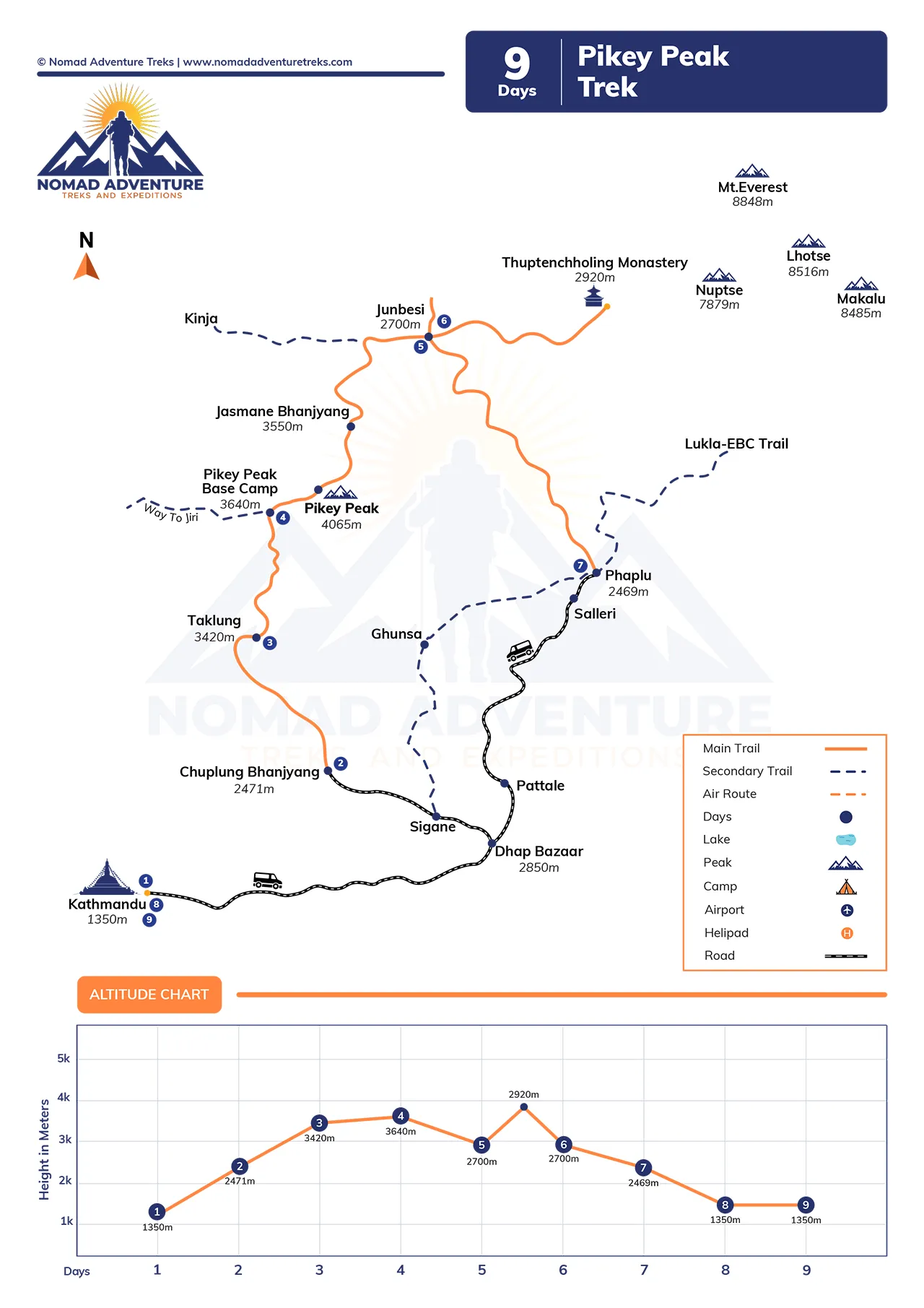
Trip Route Map
Includes & Excludes
What are included with package?
Accommodation
- Twin-sharing/double accommodation in a 3-star hotel for 2 nights in Kathmandu including breakfast (Private room accommodation can be organized at an extra cost)
- Twin-sharing guesthouse accommodation during the trek for 6 nights .
Meals & Drinking Water
- All your standard meals during the trek 3 meals a day (Breakfast, Lunch & Dinner) in a guest houses
- A farewell dinner on the last night in Nepal
- Purified drinking water during the trek using Water Filter or water purification tablets..
Transportation
- All (international and domestic) airport transfers on a tourist vehicle
- Kathmandu to Chuplubhanjyangand Phaplu to Kathmandu Private Jeep
Guide and Staff
- Experienced, first-aid trained, government licensed, English speaking, and locally recruited Nomad Adventure’s trekking guide (2 guides for group size more than 7 people)
- Porters during the trek for carrying luggage (1 porter for every 2 clients)
- Wages, accommodation, meals, gear, insurance and medications for all staff
Medical Assistance
- Assistance in arranging rescue operations in case of complicated health conditions (funded by travel insurance)
- Medical kits, including an oximeter to monitor blood oxygen saturation levels in high altitudes
Permits
- All necessary National Park Permit and Paperworks
- TIMS (Trekkers’ Information Management System) card
Benefits and Takeaways
- Sleeping bags and down jackets, duffle bag (one for every two trekkers) if you do not have your own
- company’s T-shirt & Cap
- Trip completion certificate
Administrative & Taxes
- All administrative expenses and government taxes
What are not included with package?
Price Excludes
- Lunch and dinner in Kathmandu
- International flight fare and airport departure tax
- Nepal Entry Visa (Visa can be acquired easily after your arrival at Tribhuvan International Airport in Kathmandu with a fee of USD 30 for 15 days visa, USD 50 for 30 days visa and USD 125 for 90 days visa)
- Guided tour in Kathmandu (Private car + tour Guide), Monument entrance fees while sightseeing in Kathmandu
- Extra night accommodations in Kathmandu due to early arrival or late departure, early return from the trek or other itinerary changes
- Travel insurance along with high-altitude emergency evacuation coverage
- Medical check-ups, vaccinations, or medications required for the trek are not included.
- Any beverages including bottled and boiled water
- Tips to trekking staff and driver
- Personal trekking gear and equipment
- Any expenses other than the Price Include section
- Personal expenses (shopping, snacks, boiled bottle water, hot (Tea/ Coffee) and cold drinks, hot shower, alcohol, Wi-Fi, telephone call, battery re-charge fee, extra porters, etc
- Personal clothing and gear

Note:
If you have a private group and prefer a personalized experience, we can organize a custom trip tailored to your requirements and group size, running it any day you choose.
Detail Information about Pikey Peak Trekking
Pikey Peak Trek Location
The Pikey Peak is in the lower Everest region of Nepal, in the Solukhumbu area. Located southeast of Mount Everest, it presents wonderful views of the Himalayan range.
Like the others, this trek takes you through remote villages like Chuplubhanjyang, Taklung, Junbesi, Phaplu, Dhap, Jhapre, and Jase Bhanjyang, as well as dense forests. Cultural landmarks like Thupten Choling Monastery and Chiwang Monastery offer an off-the-beaten-path experience in the region filled with Sherpa heritage.
Latitude: 27.5335° N
Longitude: 86.4744° E
History and Legacy of Pikey Peak Trek
Pikey Peak is a historical peak situated in the Solu district of Nepal and is full of spiritual significance.
It is named after “Pikey” which in the Sherpa language means “Deity of the sky”. It’s the local Sherpa deity, Chyabo Pikey also called Pikey Hlapchen Karbu, who is responsible for taking care of the area. The mountain is a natural wonder and a sacred site to the Sherpa people.
Historically, the Pikey Peak is a place of spiritual significance, where local Sherpas pray and give respect to the sky deity. This mountain is a perfect site for pilgrims seeking spiritual connection.
In recent years, the Pikey Peak Trek has become a particularly popular route for the trekker who enjoys the vistas of the Everest region. This trek has fewer crowds than popular treks like Annapurna Base Camp and Everest Base Camp.
There are historical cultures connected to monasteries like the Thupten Choling and Chiwan Monastery. Thupten Choling was built in the 1960s by Tibetan monk Trulsik Rinpoche. This monastery near Junbesi is a peaceful spot with colorful paintings, prayer flags, and calming sounds of chanting monks.
Chiwang Monastery was built in the 1800s, meaning it is older than Thupten. Popular festivals like Mani Rimdu worships Guru Rinpoche in the monastery through traditional dances and prayers.
The Pikey Peak Trek brings together Nepal’s natural beauty, cultural and spiritual heritage together, making a memorable adventure.
Is Pikey Peak Trek worth it?
The Pikey Peak Trek is an amazing trek to consider while visiting Nepal. From the peak, you can enjoy broad vistas of the Himalayan range, including iconic mountains like Mount Everest, Makalu, Kanchenjunga, Annapurna, Manaslu, Dhaulagiri, Lhotse, and Cho Oyu.
Anyone who loves the mountains will find the trek a reward because these breathtaking views are worth it. It also has an incredible amount of natural beauty. You will go along the trail and pass some rivers like Sunkoshi, Junbesi river, green forests, terraced fields and water falls which offer many options to take lovely pictures and for tranquility.
You’ll also get acquainted with the Sherpa culture. Visiting Thupten Choling and Chiwang Monasteries and other chortens and prayer flags will introduce you to life in Everest region. Festivals like Lhosar (Tibetan New Year), Holi, Manghe Sankranti and Mani Rimdu will enrich the cultural experience on the trek.
One of the other great reasons why the Pikey Peak Trek is worth it is due to the fact that it is less crowded than many popular treks in Nepal. It is another peaceful option, a quieter experience where trekkers can sense nature without feeling they are overwhelmed by too many fellow trekkers.
It’s also family friendly being easy for families with young or elderly members to do the trek.
Also, numerous bird species like the Danfe, Lophophorus, Crimson Horned Pheasant, and rare animals like musk deer or red panda, Himalayan Thar can be found. The Pikey Peak Trek has its beauty in its beautiful rhododendron forests, high mountain meadows, and variety in its landscapes.
Pikey Peak Trek Difficulty
Pikey Peak Trek difficulty falls in the moderate level, as the highest altitude is only 4,065 meters. You don’t need high mountaineering skills like you need in Everest.
You still need basic fitness to accomplish the trek without any problems. Trekkers should start improving their stamina and endurance for the trek. For endurance, it is recommended to include cardiovascular exercises like running, swimming, and cycling, as well as strength training like squats, lunges, step-ups, and planks.
Who can do the Pikey Peak Trek
The 9 days Pikey Peak Trek is suitable for people aged 12 to 65, as the trail is of moderate level. Trekking is doable for those over 12 years old since their cardiovascular systems are fully developed at that age and they usually have the energy and motivation to handle moderate physical tasks.
Daily climbs and elevation are manageable in this trek, making it a great option for young trekkers.
Older trekkers, up to 65 years old, usually have more experience and know how to tackle the difficulties. Younger trekkers tend to rely on their natural stamina, while older trekkers usually give themselves the luxury of experience by pacing themselves and dealing with physical challenges.
Is the Pikey Peak trek suitable for beginners and kids?
The Pikey Peak Trek is also suitable for beginners and kids. It is even ideal for those who are new to a trek. You don’t need to have some crazy advanced skills or have crazy high fitness levels, the trail has a manageable elevation (peak elevation being 4,065m) and daily hikes of 5 to 6 hours.
If they’re at least 12 years old and in good physical condition, the trek is accessible for kids. Its gradual ascent and lower altitude make it easier for children to handle. But it’s important to ensure they are ready and well rested, with enough breaks and rehydration.
Beginners can enjoy the trek as long as preparation is considered. Beyond the natural beauty of the trek and cultural experiences through traditions and customs, it is a satisfying trek for everyone, beginners and children.
Cultural Heritage Along the Pikey Peak Trek
Pikey Peak is rich in cultural heritage, nature walks with great accommodations in traditional houses of various ethnic communities living in Sherpa, Tamang, and Chhetri.
As you go along the route, you will meet many ethnic villages like Chuplubhanjyang, Taklung, Junbesi, Phaplu, Dhap, Jhapre, and Jase Bhanjyang with their cultural landmarks, customs, and lifestyles.
The Sherpa culture is a big part of the trek since they mostly live in the area. Their special lifestyle, which includes their language, clothing, and religious practices, makes for a dream trekking experience.
On the way, there will be Buddhist monasteries like Thupten Choling and Chiwang, Monastery which provide deep spirituality and culture.
One of the most famous cultural stops is the Thupten Choling Monastery in Junbesi, which has about 300 monks and is a symbol of traditional Buddhist teachings and practices.
Along these paths, there are iconic prayer flags and Mani walls. The route brings Hindu pilgrimage sites for trekkers and provides them with a wonderful spiritual experience. Sherpa, Buddhist, and Hindu traditions give the trek its unique cultural atmosphere.
Pikey Peak Trek Flora and Fauna
A trek to Pikey Peak is a must for anyone who wants to enjoy the wonderful feel of flora and fauna. The route takes you through colorful rhododendron forests that color itself with the season. The hills are lovely in spring covered, with red and pink rhododendron flowers.
The trail weaves over magnolia and oak forests, strengthening the landscape’s natural beauty. Wildlife in the Pikey region can be attractive to wildlife enthusiasts as they can see red pandas, musk deer, Himalayan Tahr, etc.
Along the trek, you’ll see various bird species that bird watchers will enjoy, such as the Danfe, Nepal’s national bird. Due to the area’s rich ecosystem, a great variety of wildlife thrives in the area.
The trek also goes through Gaurishankar Conservation Area, which is rich in biodiversity and provides an ideal spot for nature enthusiasts. This region contains not only mammals, but 235 species of birds, 14 species of reptiles, 10 varieties of amphibians, and 16 types of fish.
Best Seasons
Best Season to do Pikey Peak Trekking
The best seasons for trekking Pikey Peak are spring (March to May) and autumn (September to November). These months have stable weather, with clear skies and suitable temperatures, which is perfect for trekking.
The mountain peaks are more visible, allowing you to enjoy spectacular views. In the spring, rhododendrons brighten the trail with flower blossoms, creating a splendid atmosphere. The mild autumn weather makes for a pleasant trekking experience.
During these prime seasons, mountain giants like Mount Everest, Makalu, Lhotse, Nuptse, Annapurna, Thamserku, Pumori, Manaslu, Makalu, Nuptse, and Kanchenjunga are more visible because you get clearer weather.
Can I trek Pikey Peak in winter?
Pikey Peak can be trekked in winter (December to February) but it takes strong preparation. The daytime temperatures reach from -5°C to 5°C, and the cold sinks down to -20°C at higher altitudes.
The snow makes for a beautiful and quieter, but far fewer tea houses are open, and some trails can be closed due to snow.
If you want to stay warm, you need to have the right gear for winter trekking, which includes warm clothing and thermal layers. Planning ahead is a good idea, as some tea houses at higher altitudes could be closed. If you do, the trade-off is the beautiful mountain views and almost no crowds among the challenges.
Can you do the Pikey Peak Trek in the monsoon?
Yes, you can trek Pikey Peak in the Monsoon (June to August), but there are some things to contend with. The rain makes trails slippery and muddy and increases the risk of landslides, leading to flight delays to Lukla. This time is also a time when leeches are more common.
Temperatures are around 25°C, which is hot, and many trekkers avoid this season. Waterproof gear is essential to trek safely, and extra planning is required.
The monsoon season requires a trickier approach to the trek but if you’re prepared well enough you still have a chance to have some fun on the trail with some adjustment to your gear and time.
Permits required for Pikey Peak Trek
For the Pikey Peak Trek, you do not get the mandatory permits for the trek.
The trek passes through the Sagarmatha National Park, a UNESCO World Heritage site so you will require the Sagarmatha National Park entry permit. Foreigners must pay $30 per person, SAARC nationals around $15, and Nepalese only NPR 100.
The trek goes around Gaurishankar Conservation Area and requires the Gaurishankar Conservation Area Permit (GCAP). SAARC nationals pay $10, foreigners pay $30, and Nepalese pay NPR 100.
In addition, a Local Area Permit is also needed to trek through local communities. It costs NPR 2,000 per person per week. The permits fund supports the permit fund supports the conservation of biodiversity within the region and contributes to local infrastructure and tourism development.
These permits help promote sustainable tourism, conserve the natural environment, and protect communities. They make sure trekkers respect regulations and at the same time encourage a responsible use of natural and cultural resources on the trek.
You can obtain the Sagarmatha National Park entry permit and Gaurishankar Conservation Area Permit from the Nepal Tourism Board in Kathmandu. You can get the Local Area Permit at Lukla’s checkpoint.
Trip Cost
9 Days Pikey Peak Trek Cost Breakdown
For a 9 Days Pikey Peak Trek budget, you need about $1000 per person which is an affordable adventure. It includes permits, meals, accommodation, a guide, transportation, and gear.
Accommodation in a tea house costs between $8 and $10, while meals like dal cost $8 to $10. At lower altitudes, drinks such as tea and coffee cost $1 to $4, while at higher elevations, they cost $3 to $6.
Bottled water costs $1 to $3, but depending on the altitude, it can be as high as $5. Group trekking is the cheapest way to enjoy the trek since meals and lodging are included in packages.
The permits for the trek are the Sagarmatha National Park Entry Permit, the Gaurishankar Conservation Area Permit (GCAP), and the Local Area Permit. They cost around $45 to $80, depending on whether you are a SAARC national or a foreigner.
Gear costs like trekking boots, jackets, or trekking poles range from $200 to $400, depending on whether you got it as a rental or bought it. The cost for getting to the trek’s starting point is $20 for a public bus and $300 for a private Jeep, which can be lowered if shared.
Travel insurance which costs approximately $100 to $200 helps cover emergencies or unexpected things. So, for the 9 days Pikey Peak Trek budget, you need around $1000, to enjoy the food and accommodation, without having to worry about permits and transport as we got them included in the package.
Additional expenses
During the trek, there are no limitations to unplanned expenses. You can also tip porters at about $5 to $10 a day and guides at about $10 to $15 standard daily. Tipping is not unavoidable but it is welcome for you to do something.
Tea houses charge more for services like Wi-Fi, usually $8 per day, and charging electronic devices, which generally charge $2 to $5. A hot shower is a relief in cold weather, but that costs $3 to $6 per shower.
Overlooked costs often include snacks, bottled water, or last minute gear purchases, which can quickly bump up your total spending.
Budgeting tips on Pikey Peak Trek
The Pikey Peak Trek budget can be managed well by taking in the slight consideration of altitudes, meals, accommodations, and transport.
Opt for public transportation or shared jeeps, as they are much cheaper than private jeeps, which can cost as much as $300. You should also consider travel insurance. The emergency helicopter rescues and medical coverage can cost $2000 to $5000. Travel insurance costs between $100 and $200, reducing the chances of your wallet being empty during the trek.
Pikey Peak Trek Budget can be more manageable by reducing luxury. Stay in a tea house for accommodation rather than high end options. Food is an important expense but you can save money on bottled water.
Carry a reusable water container with purification tablets or a portable filter instead. It costs less than bottled water and has less of an impact on the environment.
By being thoughtful in your choices you can eliminate excess cost.
Pikey Peak Trek Packing List
The Pikey Peak Trek needs proper and careful packing to have not only safety but also comfort and enjoyment. Here’s a comprehensive packing list to help you get ready.
You need to have layered clothing like moisture wicking base layers, fleece jackets, down jackets, and trekking pants. For sudden rain and cold winds, you would want to have a waterproof and windproof outer layer.
Pack trekking socks to keep your feet away from blisters and cold. Accessories like a sun hat, beanie, and gloves will also be helpful in dealing with fluctuating temperatures.
Sturdy trekking boots with ankle support will bring you comfort on rugged terrain. Camp shoes are required to walk around the tea houses or for short hikes.
A durable backpack of 40 to 50 liters is also essential with a rain cover to protect the items within.
To be hydrated during the trek, you need reusable water containers. Water purification tablets are also important as the local water sources aren’t free of impurities.
High-altitude sun exposure demands sunglasses with UV protection, sunscreen with a high SPF (+50), lip balm, hand sanitizer, and wet wipes if showers aren’t daily available in there. Extra batteries on a headlamp will be necessary for early mornings and night trekking. Trekking poles will be useful to reduce strain on the knees and provide stability on the trek.
A sleeping bag rated for below freezing points (-10°C) is recommended for sleeping gear as some tea houses do not have warm blankets. Toiletries include biodegradable soap, a quick-dry towel, and toothpaste.
An inclusive first aid kit is a necessity, one with bandages, pain relievers (paracetamol and ibuprofen), blister pads, and altitude sickness medicines (Diamox).
Remember to bring the cameras along to capture the once-in-a-lifetime moment. You should also take snacks like granola bars, nuts, and chocolate to bring energy, as the long hours and days of trekking can get very exhausting. You will need to have a portable charger to keep your electronics charged since it is a remote region with a scarcity of electricity.
If you concentrate on these essentials, you’ll find that the Pikey Peak won’t be an uncomfortable or dangerous trek.
Accommodation and Meals on the Pikey Peak Trek
The Pikey Peak Trek accommodation is mainly in the form of tea houses giving rudimentary but essential facilities.
Rooms are usually simple, with basic bedding and blankets. But the warming system is unreliable and can be even worse at higher altitudes with colder weather.
Some of the tea houses provide extra amenities like hot showers, Wi-Fi, and electricity at an extra cost. As you go higher, the facilities get expensive and more basic, but the communal dining area gives a sense of camaraderie and cozy atmosphere.
Teahouses are amazing spots to rest, share stories, and get to know other adventurers who are traveling the same route.
The meals along the trek range from traditional Nepali to Western. Traditional Nepali Dal Bhat (rice and lentils) with vegetable curries is a filling and nutritious dish.
Noodle soup, Thukpa, and Sherpa stew are cozy meals for dinner after a cold day of trekking. Options such as potato and Gundruk (fermented vegetables) are normally available for vegetarians.
Tibetan cuisines like momo (dumplings) are available to nonvegetarians and vegetarians. Western dishes such as sandwiches, pizza, and pasta can also be found in some tea houses.
The meals are great to fuel your trek and exactly what you need. High altitude brings you a different meal, each tea house has its menus so you get a different one each day.
Frequently Asked Questions
What is the best time to do the trek Pikey Peak?
Spring (March to May) and autumn (September to November) are the best times. Weather is clear with moderate temperatures during these seasons which gives a great view of the Himalayas.
Which festivals can you witness during the trek?
Festivals such as Lhosar (Tibetan New Year) are celebrated in February. Nepal’s two biggest Hindu festivals, Dashain and Tihar, in October and November, lit the region with bright decorations and cheer.
Cultural richness is added by the Mani Rimdu festival in November, the Dumji festival, and Buddha Jayanti in April or May.
What is the fitness level required for the trek?
The Pikey Peak Trek difficulty is a moderate. It’s easier, however, trekkers must prepare themselves through daily cardio exercises like running, cycling, or swimming. Also, lunges, planks, and squats will help strengthen the body and bring stability on rough terrain.
Can you solo trek on the Pikey Peak?
As of the Nepalese government’s rule on April 1, 2023, independent trekking is banned and trekkers must hire a licensed guide to measure safety and navigation.
What are the available facilities for accommodation?
Accommodation here is just basic tea houses with simple bedding and blankets. Hot showers, Wi-Fi, and charging amenities are available but you need to pay extra for it.
How is the weather on the Pikey Peak Trek in Nepal?
Weather is moderate during spring and autumn and slightly cooler during nights. Additionally, monsoons are slippery and treks can be extremely cold in winter.
Is there possibility of altitude sickness on the Pikey Peak Trek?
Altitude sickness is possible even if slight as the trek hits more than 4,000 meters. However, AMS can be easily prevented here by proper acclimatization, hydration, and nutrient rich food.
Are there ATMs on the trek?
Route has no ATMs and even if you find one be assured it’s not always reliable. It is recommended that before beginning your trek, you should carry enough cash from Kathmandu.
Reviews on Pikey Peak Trekking
 Write a Review
- 1 personUS$ 1090
- 1 - 2 personUS$ 1050
- 2 - 3 personUS$ 990
- 4 - 6 personUS$ 950
- 7 - 12 personUS$ 890
- over 9999 US$
Total Cost:
US$ 1090
- Your safety, our no 1 priority
- Best price guarantee
- Experienced & dedicated team
- Easy booking, no hidden charge
- You can customize this trip
Talk to Travel Expert Samundra Rimal (+977-9843127084)