




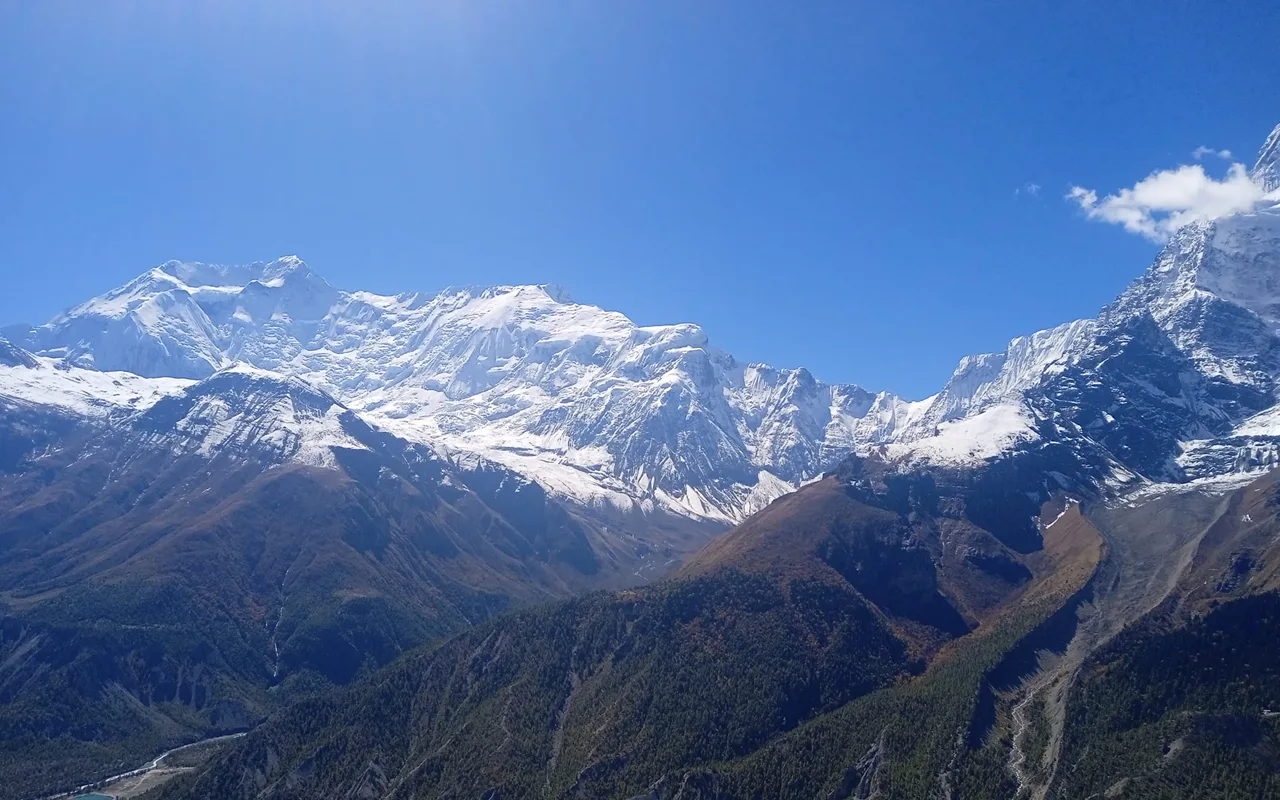


Poon Hill Trek

Duration
4 Days

Max Altitude
3,210 m. / 10,531 ft.

Difficulty
Moderate

Group Size
2-5 Pax

Meals
- 4 Breakfast
- 3 Lunch
- 3 Dinner

Accommodation
- Teahouse
- 3 Star Hotel

Transportation
Car/Jeep

Activities
- Trekking
- Driving

- 1 personUS$ 470
- 2 - 6 personUS$ 430
- 7 over 9999 US$ 350
Total Cost:
US$ 470
- Your safety, our no 1 priority
- Best price guarantee
- Experienced & dedicated team
- Easy booking, no hidden charge
- You can customize this trip



Talk to Travel Expert Samundra Rimal (+977-9843127084)
Introduction of Poon Hill Trek
Among all the trekking routes, the Ghorepani Poon Hill Trek Nepal stands as one of the most sought-after short trips. Hikers enjoy spectacular panoramas of the Himalayas while getting fully involved with Nepalese culture.
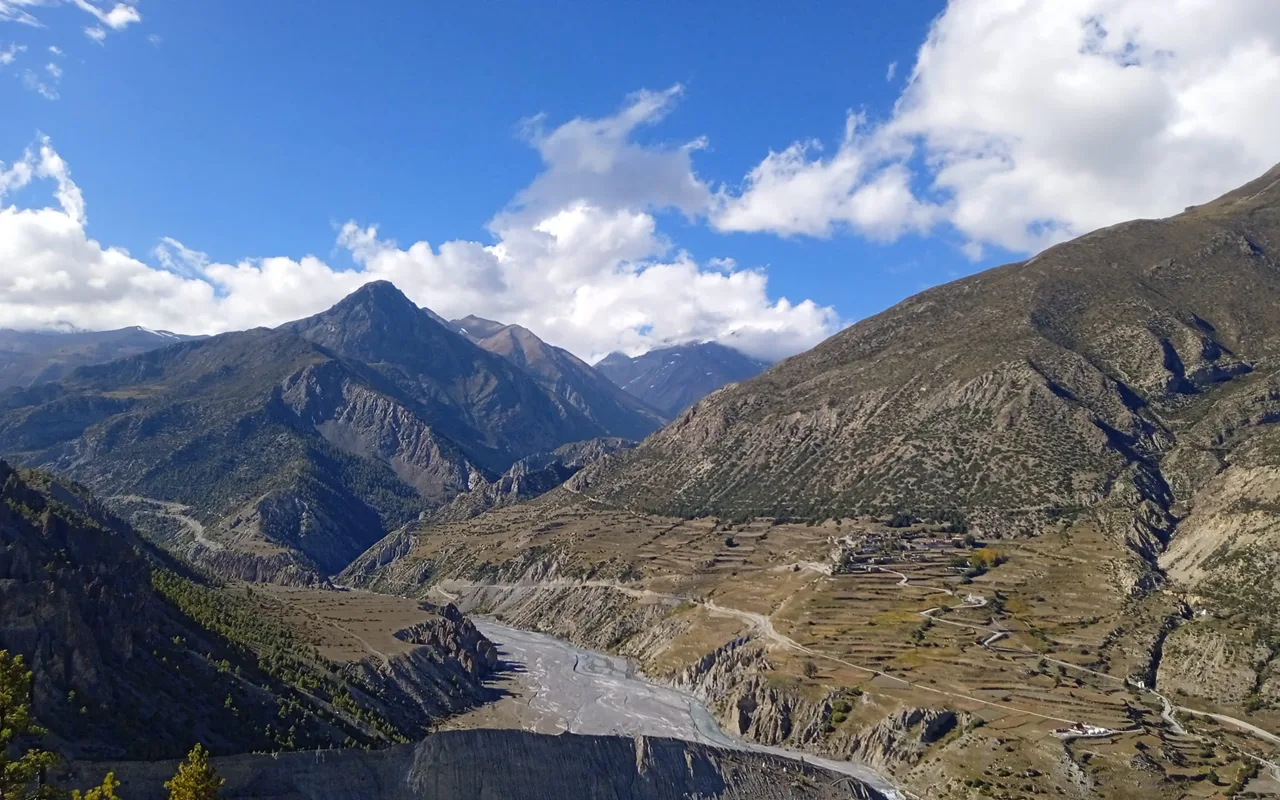
The trekking path exists within the Annapurna region. The trek leads walkers through fertile jungle areas and local rural communities, and picturesque mountainous plateaus.
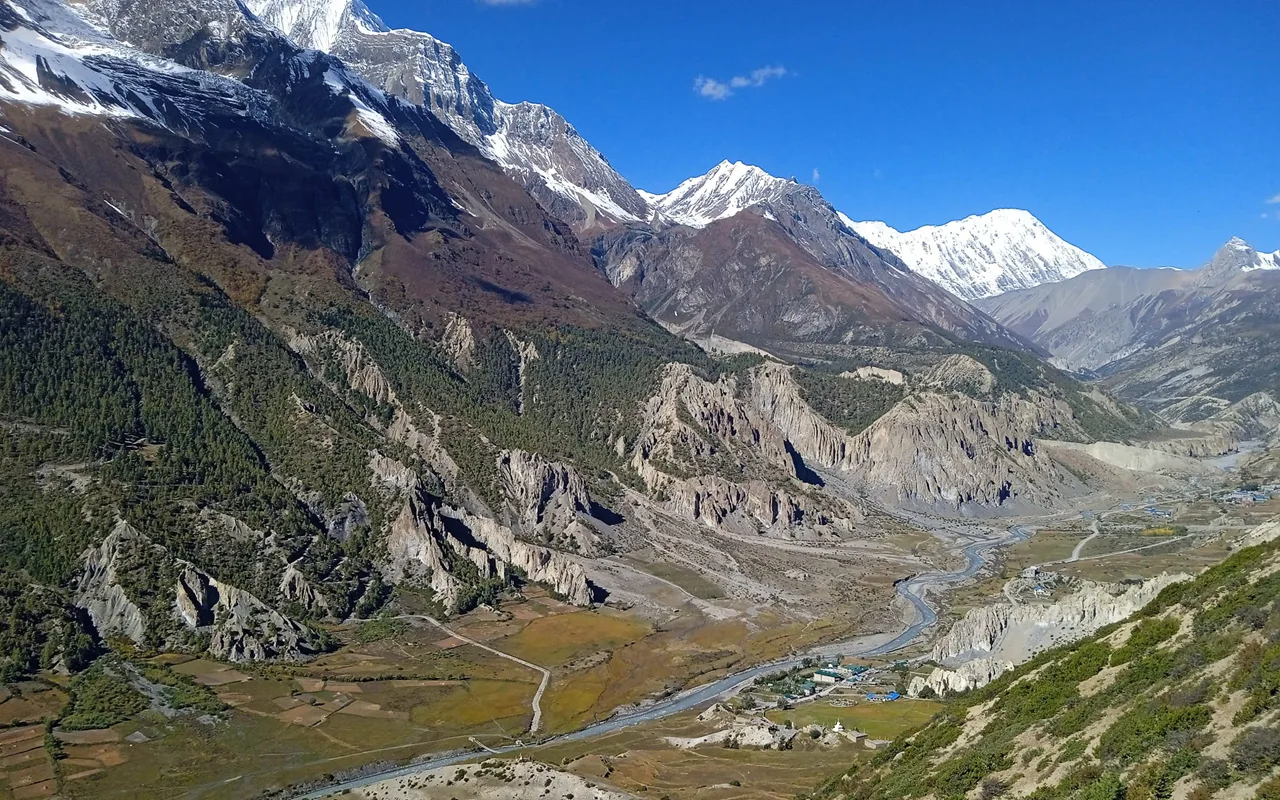
Poon Hill on the trip acts as one of its main attractions at its 3,210 meter elevation. Sunrise viewers from Poon Hill get to see a full view of Annapurna and Dhaulagiri peaks.
Tourists traveling through Ulleri reach Ghorepani before proceeding to Tadapani. Residents in these settlements belong to the Magar people as well as the Gurung people.
The walking trail is suited for persons of all ages and presents a standard degree of challenge. Both new and experienced trekkers can accomplish the trek because it needs no previous experience.
The maintained trail routes lead to accommodation services at various teahouses. Paths allow easy accessibility because of the facilities along the route and spans typically around four to five days. People with restricted time in Nepal would find this trek particularly suitable.
The weather patterns create different environmental conditions throughout the year. Rhododendrons bloom during springtime, and clear autumn skies present an attractive sight.
Nature enthusiasts, together with photography enthusiasts, should experience this adventure.
The 4 days Poon Hill Trek serves as an ideal starting point to learn about trekking through Nepal. The footpath stands as a top-rated short hike throughout the Himalayan Mountains because it presents a moderate hiking level while showing beautiful views to its trekkers.
Trip Highlights
- Witness panoramic views of Annapurna, Dhaulagiri, Machhapuchhre, and other Himalayan giants.
- At Poon Hill’s 3210m elevation the sunrise reveals golden mountain sceneries.
- Hikers find numerous colors of rhododendrons during spring in the forest surroundings.
- Experience the traditions of Gurung and Magar people when walking through delightful towns such as Ghorepani and Ghandruk.
- The family-run teahouses in this area provide visitors with homelike comfort while serving Nepalese traditional dishes.
- A moderate 3 to 4-day trek suitable for beginners, families, and those with limited time.
- Encounter langur monkeys, deer, and various bird species in the Annapurna Conservation Area.
- You can admire traditional Himalayan foothill farming systems that use expertly constructed rice terraces.
- Travelers at the trek can stay at an elevation of less than 3,500 meters, which creates a safer environment for people of all ages.
- The excursion can be extended by visiting destinations like Annapurna Base Camp, Mardi Himal or Khopra Ridge.
Detail Itinerary of Poon Hill Trek

Day 1: Drive to Birethani, trek to Ulleri (2050 m)
We begin the Poon Hill Trek Itinerary 4 Days with a picturesque drive from Pokhara that leads them to Birethanti which stands as the first base while offering its riverside charm. Walking from this point forward, you will move through forests and visit fields before reaching small settlements.
The trail climbs progressively higher to Tikhedhunga and then reaches Ulleri, which stands as an attractive Magar village at this elevation. Trekkers who tackle the demanding staircase of stone steps at this section can gaze in awe at Annapurna South and Hiunchuli.
Travelers who stay overnight in Ulleri experience peaceful surroundings that include local houses, friends’ areas, and natural surroundings.

Activity: Drive & Trek for 5 hours

Max. Altitude: 2,050m/6,726ft. Ulleri

Meal: Breakfast, Lunch, Dinner

Accommodation: Teahouse
Day 2: Trek to Ghorepani (2,874 m) from Ulleri (2050 m)
The trail forward leads from Ulleri into dense rhododendron and oak forests while the air temperature noticeably drops. Hikers hear both bird chirps and stream sounds while walking through the settlements of Banthanti and Nangethanti.
During the moderate climb toward Ghorepani one can behold splendid views of the Annapurna and Dhaulagiri mountain ranges in the horizon. The path ends at Ghorepani, which stands as a Magar settlement with energy-filled people who live on a mountain ridge.
Walking through the area often makes Ghorepani as the resting point while enjoying broad mountain views from the local teahouses. We experience high energy during their Ghorepani stopover because the following morning brings a thrilling sunrise hike to Poon Hill.
Activity: Trekking for 6 hours
Max. Altitude: 2,874m/9,429ft. Ghorepani
Meal: Breakfast, Lunch, Dinner
Accommodation: Teahouse
Day 3: Hike to Poon Hill (3,210 m), trek to Tadapani (2610 m)
We start the short yet fulfilling Poon Hill Hike (one of Nepal’s top viewpoints) before sunrise begins. Climbing before sunrise to witness the sunrise illuminating the mountains of Dhaulagiri, Annapurna, Machhapuchhre and Manaslu results in an effort that proves its worth.
We experience an indelible sight when reaching the summit of Poon Hill because we can see mountains extending in every direction. The spectacular dawn sunrise leads to downhill trekking back to Ghorepani before continuing the path to Tadapani.
This path guides through diverse areas consisting of rhododendron woodlands and open hills in addition to calm valleys which let people experience more of the Annapurna region’s aesthetic wonder. Tadapani rests in woodlands where explorers find tranquility and look across to Annapurna South and Machhapuchhre peaks.
Activity: Trekking for 6-7 hours
Max. Altitude: 2,610m/8,563ft. Tadapani
Meal: Breakfast, Lunch, Dinner
Accommodation: Teahouse
Day 4: Trek to Kimche from Tadapani, Drive to Pokhara (822 )
Ending the trek leads into dense forest territories before they reach Ghandruk which stands as one of the notable Gurung villages renowned for its conventional houses alongside cultural heritage.
We can fully experience the Gurung traditions at this place by visiting both the community museum and talking with welcoming locals. You will find transportation at Kimche awaiting them to return to Pokhara through a downhill trail.
The trip home becomes an opportunity for reflection as strong mental images of the Himalayan splendor together with friendly local encounters and marvelous vistas from the last days’ stay fresh like living memories.
Activity: Trek & Drive for 4-5 hours
Max. Altitude: 822m/2,697ft. Pokhara
Meal: Breakfast
Accommodation: 3 Star Hotel
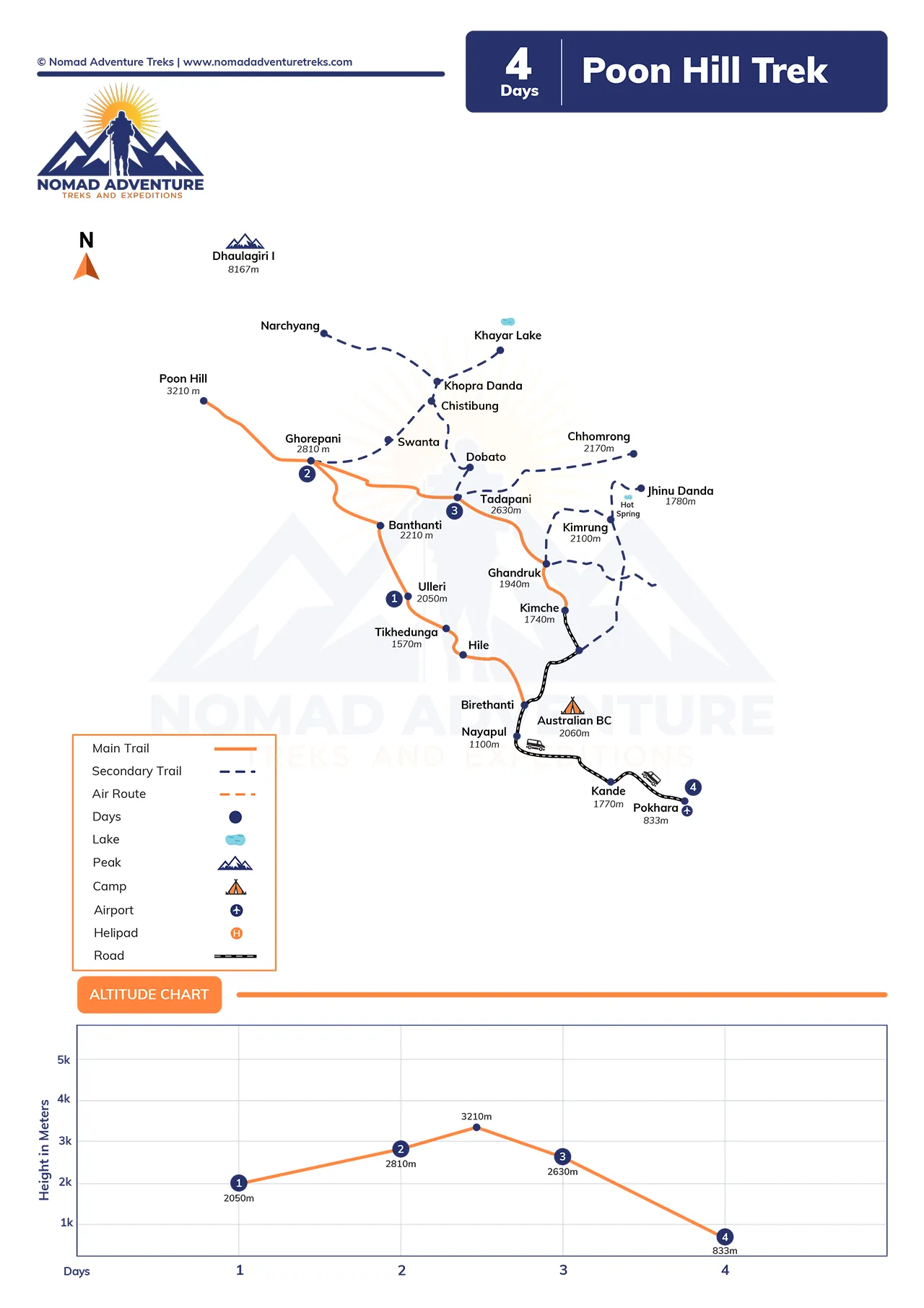
Trip Route Map
Includes & Excludes
What are included with package?
Accommodation
- Twin-sharing/double accommodation in a 3-star hotel for 1 nights in Pokharaincluding breakfast (Private room accommodation can be organized at an extra cost)
- Best available accommodation Tea house/lodge accommodation during the trek
- Meals & Drinking Water
- All your standard meals during the trek 3 meals a day (Breakfast, Lunch & Dinner) in a guest houses
- A farewell dinner on the last night in Nepal
- Purified drinking water during the trek using Water Filter or water purification tablets.
Transportation
- Private transportation to and from Kathmandu Airport and your hotel
- Both-way transportation between Kathmandu and Pokhara on a tourist bus
- Private transport from Pokhara bus station to your hotel in Lakeside, Pokhara.
- Both-way private transportation service from Pokhara to Birethanti (trek start) and Syauli Bazaar (trek end) to Pokhara
.
Guide and Staff
- Experienced, first-aid trained, government licensed, English speaking, and locally recruited Nomad Adventure’s trekking guide (2 guides for group size more than 7 people)
- Porters during the trek for carrying luggage (1 porter for every 2 clients)
- Wages, accommodation, meals, gear, insurance and medications for all staff
Medical Assistance
- Assistance in arranging rescue operations in case of complicated health conditions (funded by travel insurance)
- Medical kits, including an oximeter to monitor blood oxygen saturation levels in high altitudes
Permits
- Annapurna Conservation Area Permit (ACAP) fee
- TIMS (Trekkers’ Information Management System) card
Benefits and Takeaways
- Sleeping bags and down jackets, duffle bag (one for every two trekkers) if you do not have your own
- company’s T-shirt & Cap
- Trip completion certificate
Administrative & Taxes
- All administrative expenses and government taxes
What are not included with package?
Price Excludes
- Accomodation in kathmandu
- Lunch and dinner in Kathmandu and Pokhara
- International flight fare and airport departure tax
- Nepal Entry Visa (Visa can be acquired easily after your arrival at Tribhuvan International Airport in Kathmandu with a fee of USD 30 for 15 days visa, USD 50 for 30 days visa and USD 125 for 90 days visa)
- Extra night accommodations in Kathmandu and pokhara due to early arrival or late departure, early return from the trek or other itinerary changes
- Travel insurance along with high-altitude emergency evacuation coverage
- Medical check-ups, vaccinations, or medications required for the trek are not included.
- Any beverages including bottled and boiled water
- Tips to trekking staff and driver
- Personal trekking gear and equipment
- Any expenses other than the Price Include section
- Personal expenses (shopping, snacks, boiled bottle water, hot (Tea/ Coffee) and cold drinks, hot shower, alcohol, Wi-Fi, telephone call, battery re-charge fee, extra porters, etc
- Personal clothing and gear

Note:
If you have a private group and prefer a personalized experience, we can organize a custom trip tailored to your requirements and group size, running it any day you choose.
Detail Information about Poon Hill Trek
Why Choose the Poon Hill Trek for Your Nepal Adventure?
The Ghorepani Poon Hill Trek Nepal stands among the most fulfilling short treks. Trekkers of any fitness level can easily attempt this trip.
You avoid high altitude elevation because its maximum point sits at 3,210 meters above sea level, which reduces the chances of developing altitude sickness.
Tourists travel to the trek mainly because of the breathtaking Poon Hill sunrise view. No one can forget the unforgettable golden sunrise illumination of Annapurna and Dhaulagiri.
The trek spans a few short days, which amounts to four to five days total, a short duration trip that matches travelers with time constraints. The trekking route moves through thick forests, together with the well-kept farmlands which allows you to see the varied landscapes.
Cultural interaction is another highlight, as the path leads to Magar and Gurung villages where you have opportunities to study local customs. Teahouses along the route offer cozy accommodations with a shared experience with fellow trekkers and interactions with locals.
Visitors can perform Ghorepani Poon Hill Trek Nepal at any time but spring and autumn months provide the ideal environment. The seasonal cycle of life presents distinctive appearances.
The adventure begins, with a quick driving distance from Pokhara, one of Nepal’s most visited tourist destinations. The Poon Hill Trek represents an outstanding Himalayan adventure because it provides easy access to stunning scenery as well as cultural depth.
Best Time to Trek Poon Hill
The ideal seasons for Poon Hill Trek occur from March to May during spring and from September through November in autumn. During these seasons, weather conditions remain the most reliable.
The spring season stands as the best time to observe the surrounding view as the skies are clearer and temperatures are pleasant. During this season, the forest colors transform into red, white, and pink hues from rhododendron flowers. Although the daytime temperatures bring comfort, the nighttime temperature can get cold.
The season of autumn stands as the leading yearly period of choice. During this period, you can see all mountains since the sky remains free of clouds. After the monsoon’s rain, nature creates clean and refreshing air conditions, providing clear views of Annapurna, Dhaulagiri and Machhapuchhre.
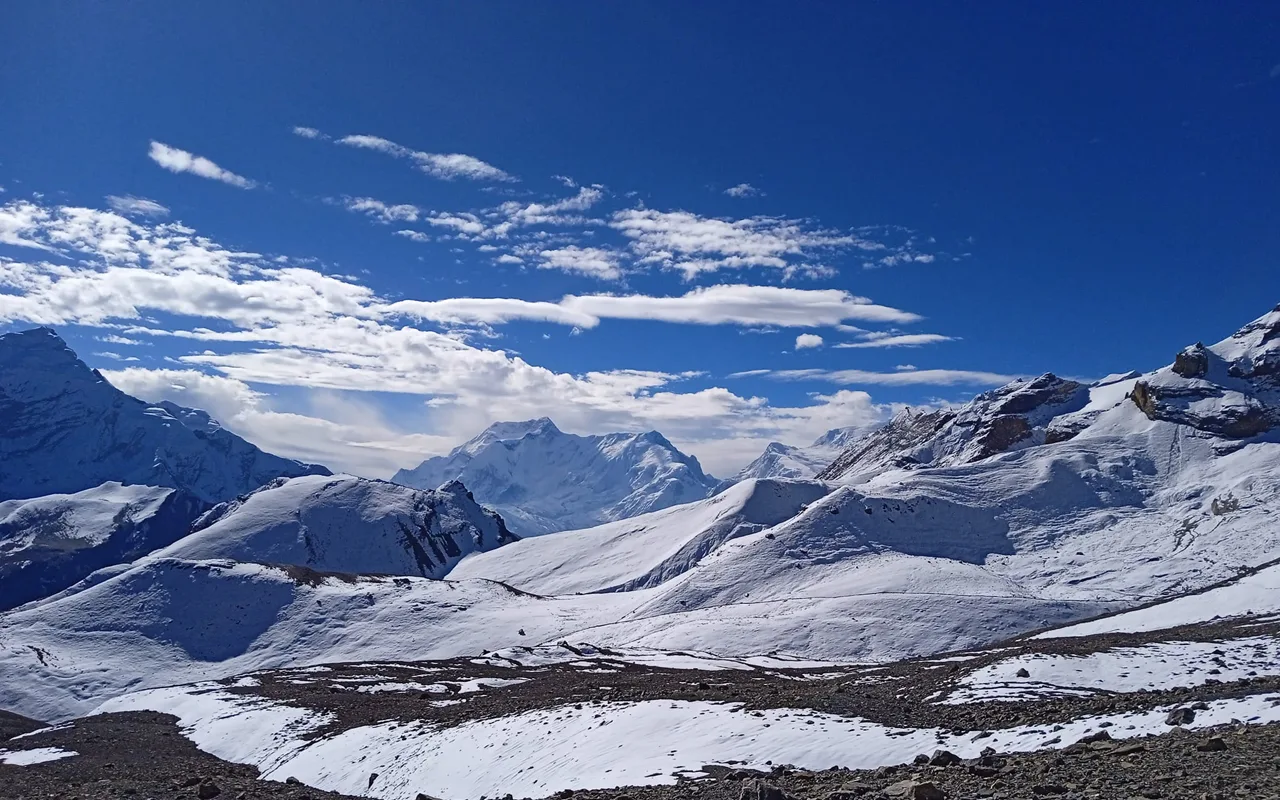
Those seeking an abundant amount of seclusion can explore Nepal during the wintertime from December through February. The beauty of snowfall creates amazing scenery, but the snow accumulation will be a hassle for most trekkers.
Visitors need appropriate warm garments while visiting Poon Hill because the climate stays below -5°C. During this period, the teahouses maintain their operations, yet some facilities can be restricted.
The month of June through August constitutes the worst time to engage in this activity. Excessive rainfall transforms the mountain paths into slippery mud that increases the possibility of land movement.
The obstacles do not block the possibility of completing monsoon trekking activities. During that period, the forests retain their lush quality while the number of trekkers remains low.
Selecting the proper season leads to the finest possible trek experience. Explorers should choose spring and autumn periods as their perfect timeframe to tackle this trek.
How Difficult Is the Poon Hill Trek?
Both novice and professional hikers can complete the 4 days Poon Hill Trek because it is classified as moderate in difficulty. Newcomers to trekking, along with people who lack mountaineering expertise, can succeed on this high-altitude trek because it needs fewer prerequisites.
At 5 to 7 hours daily, the trek includes steep climbs along with descents. Travelers find the path to Ulleri particularly demanding due to its long staircase of stone steps reaching 3,000 in number. Moving at a steady pace with proper rest periods enables most people to handle this moderate trail.
The elevation peak at Poon Hill (3,210m) maintains low risk for altitude sickness and creates an ideal trek for beginners interested in exploring Nepal. Hydration and keeping a suitable walking speed will prevent any unwanted physical stress.
Walkers can enjoy diverse landscapes and interesting sights because the trail marker system leads them between forests and villages alongside terrace fields.
Along the route, there is a complete network of teahouses which provides trekkers with provisions including food, drink and lodging while reducing the need to transport weighty camping supplies.
The Poon Hill Trek becomes accessible for different fitness levels when properly ready and when determination meets basic physical capabilities.
Essential Permits for the Poon Hill Trek
To undertake Poon Hill Trek visitors must obtain both Annapurna Conservation Area Permit (ACAP) and Trekkers’ Information Management System (TIMS) Card. The documentation controls hiking activities as well as supports the preservation of the region.
Getting an ACAP permit stands at $30 while the cost for TIMS Card amounts to $20. You can acquire both permits from tourism offices located either in Kathmandu or in Pokhara.
Every participant must prove possession of their permits for the duration of the trek. All trekkers must provide their documents to multiple checkpoints found throughout the path. Lack of valid permits will lead to fines or ultimately force trekkers to stop their walk.
Revenue from this funding stream enhances both new trails and community development infrastructure as well as bridge construction in the region.
The permit is used to safeguard the Annapurna Conservation Area’s wildlife species and natural plant life, together with historic sites. Through proper management, this system protects tourism activities to benefit visitors in upcoming generations.
The information recorded in TIMS Cards serves as a safety measure for tracking trekkers in case of emergencies. The monitoring system enables authorities to track trekkers through the areas for accident response purposes.
Having a hired guide or porter does not spare trekkers from needing to obtain the required permits for their trip. Tour package holders need to have their permits as they do not eliminate the necessity of possessing them.
Unique benefits emerge from proper permit acquisition and correct handling for trekking. Both safety and environmental standards and regulatory requirements guarantee this journey to be secure and sustainable.
Poon Hill Trek vs. Other Short Treks in Nepal
Nepal ranks the Poon Hill Trek as its leading tour for short distances. During a 4 to 5-day schedule, the itinerary includes spectacular mountain scenery together with cultural moments.
People who choose Poon Hill will encounter a lower altitude and reduced chances of developing altitude sickness symptoms when compared to Everest View Trek. Everest View Trek requires visitors to acclimate for extended periods since it guarantees Everest sightseeing.
Reaching Mardi Himal Trek lets people enjoy both adventure and serenity through its peaceful path. Trekkers who want to explore a distant wilderness should consider this destination as their ideal choice.
The Langtang Valley Trek exists as a well-known trekking choice for visitors. Viewing glaciers together with cultural interactions with Tamangs is possible on this trail, although it extends beyond average trek duration.
The sunrise view encompassing Annapurna and Dhaulagiri can be experienced from the prominent vantage point of Poon Hill. Due to its established amenities the Poon Hill Trek differs from other treks in the region and allows trekkers to find convenience and well-established facilities.
One can choose the Annapurna Base Camp (ABC) Trek which extends longer when they would prefer the shorter days of Poon Hill. One can find stunning Annapurna scenery at lower altitude points without completing the highest sections of the route.
People wanting to walk moderate distances alongside cultural interactions should consider Poon Hill. Most travelers without trekking experience can participate in Poon Hill because its entry points remain doable.
Among all trails, Poon Hill stands out as one of the most remarkable brief treks. Travelers interested in Himalayan experiences should consider Poon Hill since it offers the perfect Himalayan trek.
Local Culture on the Ghorepani Poon Hill Trek Nepal
People walking through the 4 days Poon Hill Trek get to observe villages that retain their Gurung and Magar cultural traditions. Members of these ethnic communities share their famous appreciation for visitors while maintaining traditional customs.
The Gurungs maintain a long-standing heritage as part of the British Gurkha Army. Men who retire from military service often migrate home to their birthplace after their prolonged period of service.
Traditional music along with traditional dances and colorful clothing make Magar communities famous. The ancestry of these communities extends their relationships with natural environments as well as spiritual traditions.
Travelers walking the trail can participate in the traditional celebrations conducted by local communities. The community celebrates three major festivals, Dashain, Tihar, and Maghe Sankranti which make villages lively during their observances.
Each Gurung house displays complex wooden decorations on its walls. A considerable number of houses incorporate little prayer corners for both Hindu and Buddhist worship.
Cultural identity strongly relies on local food because it acts as a fundamental cultural expression. Local traditional food consists of dal bhat, together with sel roti, besides gundruk and drinks made from millet.
Several family-operated guesthouses provide authentic cultural encounters to their visitors. Trekkers can have close discussions with residents who share their past and religious traditions.
The local markets of the village offer for sale handicraft items including woolen shawls and baskets alongside wooden carvings. Such purchases help Nepalese artisans while sustaining their traditional crafts.
Understanding the native culture of the area will improve your overall trekking experience. Through such connection one develops a stronger bond with the land alongside its indigenous inhabitants.
The fascinating mix of local culture during this expedition gives it something beyond touristical touring. Through 4 days Poon Hill Trek, you can entirely experience the Nepalese heritage.
Accommodation and Meals on the Ghorepani Poon Hill Trekking
Every section of the Poon Hill Trek features affordable accommodations at teahouses that ensure guest comfort. The family-operated accommodation facilities of these lodges provide travelers with comfortable albeit simple sleeping quarters.
Each accommodation unit has two single beds together with blankets while bathrooms are meant for common use. The availability of private rooms becomes scarce when reaching higher elevation points.
The majority of teahouses operating in the area offer hot showers and electricity access to visitors. Trekkers need to pay separate fees as additional charges for these supporting services.
Nepali dishes accompany both Tibetan and Western food choices in the dining establishments. Dal bhat stands as the primary food choice during the trek since it consists of rice accompanied by lentils and vegetables.
Travelers who stay at these accommodations can choose from pancake, porridge or egg breakfast items. Trekkers can select among noodles and soups as well as momos and fried rice when dining at lunch or dinner hours.
The teahouses offer three types of hot beverages consisting of ginger tea and masala chai together with black coffee. The hot drinks play an important role in maintaining body temperature during cold conditions.
Food prices rise higher up in elevation since transport becomes difficult. Mules and porters who transport supplies need to come from lower villages.
Trekkers visiting the communal dining areas at teahouses can use them to meet fellow visitors. The trip becomes more enjoyable because of the welcoming atmosphere that surrounds the trek.
Drinkable water can exist along the tea houses and the route, yet water purification devices will provide the safest option. Bottled water costs a lot while generating excessive plastic waste.
The simple lodging facilities along with hearty eateries increase the overall charm of trekking adventures. There exists an opportunity for trekkers to encounter traditional Nepalese hospitality and experience village life in the mountains.
Flora and Fauna Along the Poon Hill Trek Route
The 4 days Poon Hill Trek extends across different natural environments starting from subtropical forests and ending in alpine meadows. The hill elevation produces spectacular landscape alterations.
A dense mixture of rhododendron trees organically combines with oak trees and bamboo plants in the lower areas of the trekking trails. During spring, rhododendron trees bloom in shades of red, pink, and white.
Further up, the vegetation shifts to fir, hemlock, and moss-covered trees. During the trek, these forests develop an ethereal environment which surrounds the path.
The region contains numerous species of wildlife because langurs, Himalayan tahrs and barking deer regularly appear during sightings. Trekkers who are fortunate enough may observe red pandas if they enter the forest areas.
Birdwatchers can spot Himalayan Monals and pheasants together with eagles in the area. The nature receives colorful additions through the appearance of these birds.
Very few people manage to spot Himalayan black bears or snow leopards which inhabit the region. These predators exist in the distant elevated regions of the upper parts of the area.
The warmer regions of the landscape serve as conditions suitable for both insects and butterflies together with small reptiles. Conservation programs have allowed the preservation of the entire ecosystem.
Being considered sacred to residents, the ancient trees contain spirits according to their beliefs. The local people adorn numerous trees with prayer flags along with constructing small shrines on them.
The stunning wide views of Poon Hill Trek stands without equal. Nature enthusiasts find absolute pleasure in this location because of its various plant and animal life.
Each move provides an excellent opportunity for travelers to observe natural marvels during this trekking route. Tourists can explore one of Nepal’s richest ecological zones during this expedition.
Weather on the Ghorepani Poon Hill Trek Nepal
Poon Hill Trek visitors must consider seasonal weather patterns because these elements strongly determine visibility conditions together with weather temperatures and trekking conditions. The proper season selection guarantees safety together with a pleasant adventure.
Mild spring temperatures in March through May create an ideal time for rhododendron flowers to bloom across the forest. This is the most appealing time to see mountains since fog-free conditions prevail.
Between September and November, the autumn brings reliable weather with cold airflow while delivering stunning meteorological conditions. During this period, trekking reaches its peak because perfect conditions prevail with clear skies, and social trekking.
During the winter season (December through February) temperatures become intensely cold mainly throughout the elevated elevations. Although snow becomes typical in these months, the trails stay dangerous because of slippery conditions while the snowy environment becomes enchanting.
The season of monsoon, from June through August brings the worst conditions to the destination. The flora in this season can be green, but the hiking route is slippery because of heavy rainfall, and leeches frequently appear throughout the forests.
Daytime temperatures in spring and autumn range from 10°C to 20°C. Experiencing low temperatures becomes especially pronounced during nighttime in Ghorepani.
The temperatures at Poon Hill (3,210m) reach freezing points before dawn’s arrival. Upon wearing multiple clothing items, you gain control of fluctuating environmental factors.
The temperatures during wintertime start below -5°C which necessitates wearing heavy warm outfits. The scenic beauty stems from the freezing environment joined with snowy mountain peaks.
Visitors participating in monsoon treks need to use waterproof items and apply leech protection to their skin. The diverse vegetation of the forests persists undamaged throughout the year.
Very rapid weather changes are typical throughout the Himalayan region. A comfortable trek experience is guaranteed through the practice of checking weather forecasts followed by proper preparation methods.
The distinctive nature of weather throughout the year enables Poon Hill to function as a trekking site during all seasons.
Fitness and Training Requirements for Poon Hill Trekking
The Poon Hill trek suits beginner hikers because it holds a moderate challenge level. The successful completion of this trek depends on proper preparation which leads to an enjoyable trekking experience.
All Poon Hill trekkers must plan for walking 5 to 7 hours every day while ascending challenging uneven slopes. The Ulleri ascent represents the toughest challenge of the overall trek because it requires climbers to scale 3,200 steps.
Beginners should start their training by performing jogging, hiking or cycling to build their endurance capacity before trekking. The strength training of legs creates better conditions to tackle uphill slopes.
The same experience as trekking emerges when practicing on hilly terrain with backpacks included. The physical adjustment to bear weight during steep trail conditions becomes possible through this preparation.
Physical exercises which incorporate stretching or yoga practice, decrease the stiffness in muscles. When joints are strong and movement remains balanced, it blocks both strain and possible injuries from occurring.
All trekkers need to initiate their training period a minimum of four weeks in advance of their trek. An increase of training difficulty develops endurance needed for extended trekking days.
Hydration plays an essential role for both before beginning and throughout the trekking period. Consuming water plays a key role in warding off fatigue together with altitude sickness symptoms.
Boot blisters during trekking can be prevented by performing proper boot break-in before the trip. Walking a long distance requires comfortable footwear to be essential for your success.
Your state of mind matches physical readiness in importance for success. Having mental determination allows people to face difficult sections while hiking.
First-time trekkers who prepare adequately will succeed in completing their goals on 4 days Poon Hill Trek. A fundamental exercise program ensures that your trekking becomes more pleasant to experience.
How to Get to the Poon Hill Trek Starting Point
Travelers use both flights and road vehicles and walk brief distances to reach the starting location of Poon Hill Trek. The Annapurna region entry point is Pokhara, where trekkers need to arrive. The trip begins through two options, 25 minutes by domestic flight and six to seven hours touring Pokhara by private vehicles and tourist buses.
The path to begin the trek at Nayapul starts immediately after arriving in Pokhara. Traveling from Pokhara to Nayapul requires 1.5 to 2 hours by public bus or private jeep since the destination stands approximately 42 kilometers away.
The route to Nayapul requires reserved transportation choices between hiring a private jeep for ease or taking a public bus for cost-effective travel. The starting location for the trek depends on individual preferences and experience, because some people choose either Tikhedhunga or Ghandruk instead of Nayapul.
Entry into the Annapurna region demands two mandatory permits, the Annapurna Conservation Area Permit (ACAP) together with the Trekkers’ Information Management System (TIMS) card.
Before trekking participants can obtain permits in Kathmandu and Pokhara to access the trekking path. Planning vehicle arrangements before the trek is essential at all times but becomes vital during peak season because vehicle demand reaches its peak.
Altitude Sickness on the Poon Hill Trek
Travelers consider the 4 days Poon Hill Trek to be a trek that stays at lower altitudes. Acquaintance with altitude sickness demands understanding because it can relate to personal safety.
The peak elevation at Poon Hill (3,210m) remains beneath the typical limits for experiencing altitude sickness symptoms. The majority of trekkers experience no problems while completing the trek.
The primary symptoms of altitude sickness affect the body with headache and dizziness together with nausea and breathing difficulties. A majority of individuals starting to feel altitude sickness symptoms will experience them above 3,500m, but symptoms can also manifest at this low-altitude level.
The body requires both moderate speed along with rest intervals to adapt to increased altitudes. Sprinting uphill during elevation becomes more likely to cause physical distress.
Water intake stands as a main prevention method against altitude sickness. Walking trekkers should consume between 3 to 4 liters of water every day during their trek.
Consuming alcohol together with caffeine leads to dehydration, so these products must be eliminated. Nutritional consumption supports sustainable energy flow in the body.
Having carbohydrate-filled foods, especially rice and pasta, serves as an excellent source of sustained energy for the body. Food intake with minimal fats becomes simpler to process when traveling at elevated heights.
Using the medication Diamox enables prevention of altitude sickness. A doctor consultation must occur before you start using the medication.
Symptom appearance requires both resting and descending as the most suitable action. Aggressive ignorance of sickness indicators results in the development of serious medical issues.
Knowledge of this condition helps protect trekkers from experiencing serious altitude sickness although the probability remains minimal. Being vigilant will help you achieve an uneventful adventure through the trek.
Poon Hill Trek to Annapurna Base Camp Extension
The additional trip from Poon Hill Trek leads to Annapurna Base Camp (ABC). The extended Himalayan adventure becomes possible because of this trek addition.
The trail continues from Tadapani toward the destinations of Chhomrong, followed by Bamboo and concluding at Deurali. The path transforms from woodland to mountainous alpine territory.
Trekkers need to commit an extra four to five days when choosing to explore the ABC Trek. After a nearly 9-day trek, trekkers will find the glacier views at Annapurna Base Camp (4,130m) as they reach their destination.
Climbing to ABC base camp necessitates a more thorough process of adjusting to higher altitude than visiting Poon Hill. Trekkers experience height concerns for altitude sickness when the trek reaches altitudes that exceed 3,500 meters.
The multiple environment types are visible to trekkers throughout this journey. The path combines thick wooded areas with stony paths and snowy terrain. Multiple teahouses across the ABC trail serve essential eating and accommodation services. Far up in this region facilities become fewer as the location remains remote.
Trekkers achieve ABC status through which they can observe a beautiful sunrise shining on the peak of Annapurna I (8,091m). The mountains glow with breathtaking golden light during that moment.
The weather at ABC remains challengin,g particularly during the winter season. Visitors need suitable clothing to survive the temperatures which fall below -10°C.
The extension adds substantial altitude gains to convert a typical short trek path into an authentic high-altitude mountain ascent. The ABC experience provides additional difficulty to trekkers who look for further challenges.
Additional time allows travelers to complete the Poon Hill route leading to ABC. The landscapes and cultural heritage interweave with scenic mountain views.
Frequently Asked Questions
What is the best time to do the Poon Hill Trek?
The ideal times to visit the region run from spring in March through May and autumn from September until November. Visitors experience clear weather conditions enabling them to see distant mountain views while also witnessing the rhododendron forest blooms.
Do I need a trekking permit for the Poon Hill Trek?
Both Annapurna Conservation Area Permit (ACAP) and Trekkers’ Information Management System (TIMS) card can be obtained from Pokhara or Kathmandu.
Is the Poon Hill Trek difficult?
This walking trail is suitable for beginners who maintain a good level of fitness because of its moderate difficulty. The main difficulty of the journey comes from the steep climb to Ulleri, although climbers do not need any specific technical abilities.
What are the accommodation and food options like?
Teahouses along the trail offer basic rooms with shared bathrooms. Tea, Nepali dal bhat, noodles, soups and pancakes make up the available meal options. Vegetarian options are widely available.
How high is Poon Hill, and will I get altitude sickness?
The elevation of Poon Hill stands at 3,210 meters (10,531 feet) below what defines the altitude sickness risk zone. Trekking participants normally develop proper acclimation, but they must prioritize water consumption for prevention purposes.
How do I reach the starting point of the trek?
A 1.5-hour drive from Pokhara leads to Nayapul or Birethanti from where the trek begins, and you can reach there by using a local bus or private jeep.
What should I pack for the Poon Hill Trek?
Traveling to Annapurna requires trekking boots, together with warm clothing, rain jacket, sunscreen, and water bottle, and snack items. A sleeping bag serves as an additional warmth source when staying in the teahouses.
Are there ATMs or WiFi on the trail?
All ATMs are out of service, so bring enough cash when coming from Pokhara. Despite offering WiFi at some teahouses, visitors should be aware that the internet speeds become slower in higher locations and the connection remains unstable.
Can I complete the trek in three days?
A modified itinerary enables this trip, but it is best to do the trek in four days for both relaxation and successful adjustment to the altitude.
Reviews on Poon Hill Trek
 Write a Review
- 1 personUS$ 470
- 2 - 6 personUS$ 430
- 7 over 9999 US$ 350
Total Cost:
US$ 470
- Your safety, our no 1 priority
- Best price guarantee
- Experienced & dedicated team
- Easy booking, no hidden charge
- You can customize this trip
Talk to Travel Expert Samundra Rimal (+977-9843127084)