



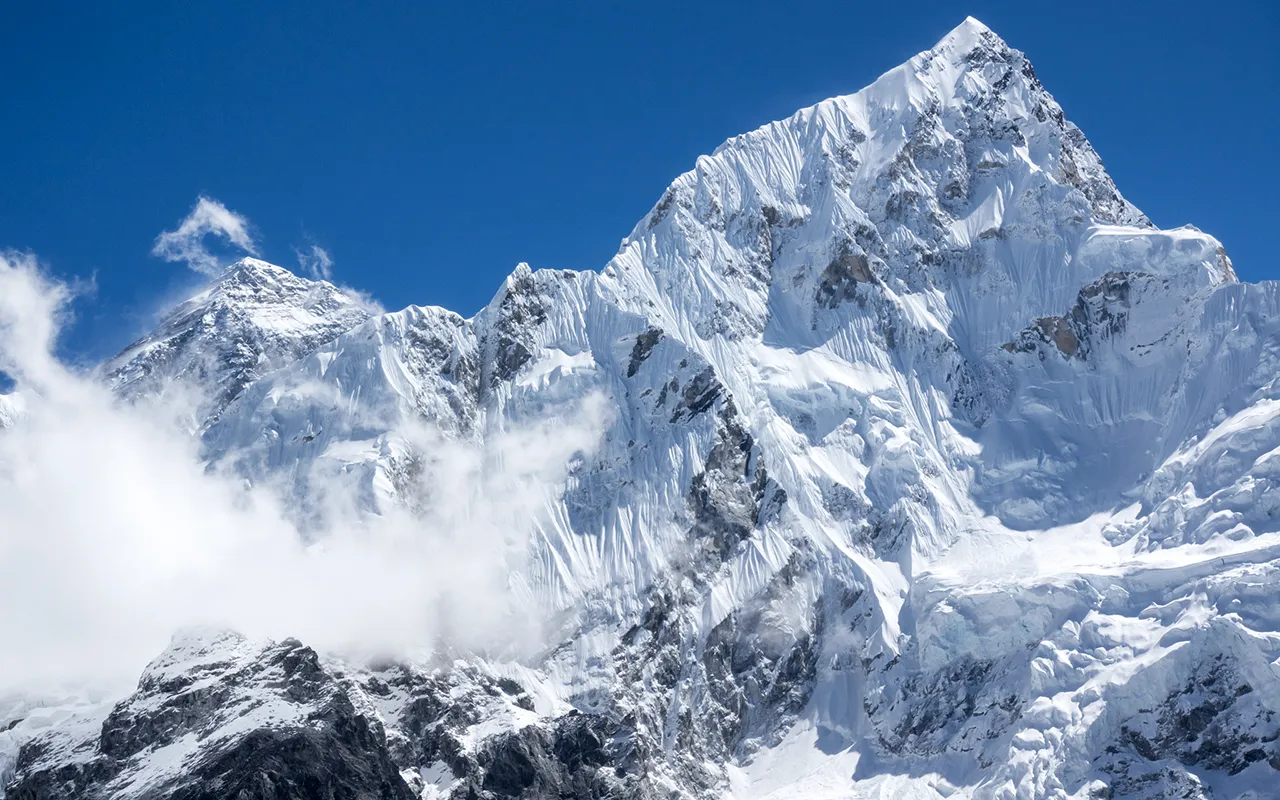
Hiking to the base camp of Everest is the dream of most travelers, and there are various expenses associated with this activity. When developing your budget of the Everest Base Camp Trek, some of the costs that you must take into consideration include flights, permits, guides or porters, accommodation, meals, gear and insurance.
In 2026, these prices may fluctuate according to season and the kind of service you will be using. An illustrative case is that a 14 days guided trek package will cost approximately $1450 per-capita whereas independent budget trekkers will cost approximately $1100 to $1300. On the other hand, luxury trek with helicopter return and luxurious lodges can run $3,000 or more. This post breaks down every major cost category so you can plan your Everest Base Camp Trek Cost by stage – budget, mid-range, and luxury.
Flights: International and Domestic
A large amount of the Everest Base Camp trek cost comes from airfare.
- International flights (to Kathmandu): Expect about $600–$1,200 round-trip from Europe or North America. (For instance, Flights Finder notes good deals in the $620–760 range.) Seasonal timing matters – flying in off-season (e.g. January) can be slightly cheaper.
- Domestic flights (Kathmandu –Lukla – Kathmandu): The 30–40 minute Kathmandu–Lukla flight is $215 one-way (about $430 round-trip). Note that in peak season (spring/autumn) many flights operate from Ramechhap to Lukla, costing about $175 for the flight plus a $25 road transfer ($200 one-way, $400 round-trip). Ramechhap is about 4–5 hours by road from Kathmandu; travellers should budget extra time and transport cost.
- Helicopter option: Travellers with a higher budget may choose to include a helicopter for faster travel or a scenic return flight from Everest Base Camp. A one way helicopter flight Kathmandu-Lukla typically runs $500–$800. (A private charter can cost $2,500–$3,000 one-way.) While expensive, this removes the gamble of weather delays.
Factoring both, expect roughly $1,000–$1,500 in air travel even at the budget level of your Everest Base Camp trek cost. Wise travelers compare airlines (Tara, Summit, Sita) and consider early booking to avoid last-minute price hikes.
Permits and Entry Fees
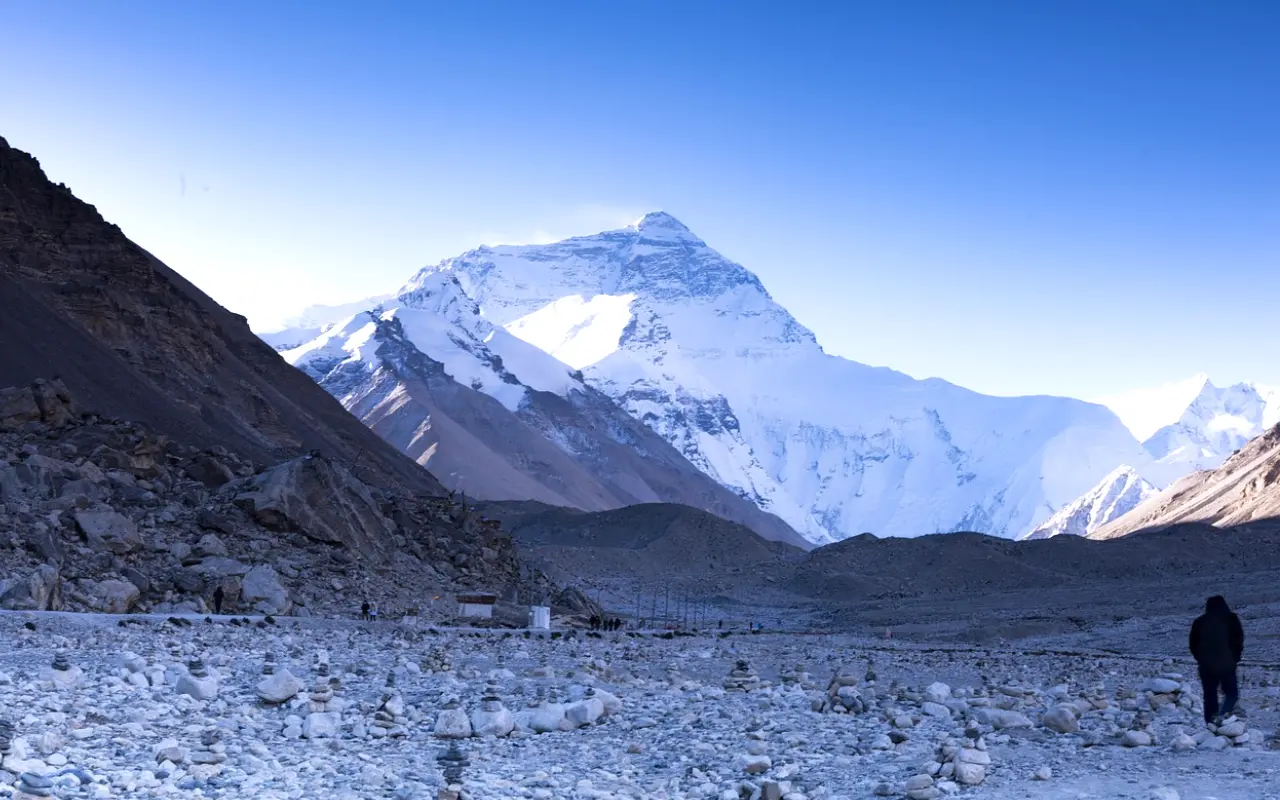
Every trekker needs official permits. As of 2025+, TIMS cards are optional for the Everest region, but two permits are mandatory:
- Sagarmatha National Park Permit: NPR 3,000 ($25–$30 for foreigners). (SAARC nationals pay NPR1,500, Nepalese NPR100.)
- Khumbu Pasang Lhamu Rural Municipality Permit: NPR 3,000 ($20–$25).
Combined, these total NPR 6,000 ($45–$50) based on updated rates. (Visa fees and TIMS are separate – TIMS is not required by law for EBC, though an optional card costs NPR1,000 ($8).)
These permit fees are fixed charges set by the Nepali government. Sagarmatha permit is available in Kathmandu (NTB office) or Monjo; the Khumbu Pasang Lhamu permit must be purchased in Lukla or Monjo. Included tip: if you hire a trekking agency, they usually handle permit processing so you pay these fees to your operator. Otherwise budget $40–50 for permits under Everest Base Camp Trek Cost.
Guide and Porter Fees
Hiring local support is optional but highly recommended (for safety and comfort). These daily wages add significantly to the Everest Base Camp trek cost:
- Guide: Typically $25–30 per day. (This usually includes the guide’s meals, accommodations and trekking insurance.)
- Porter: Roughly $20–25 per day. A porter will carry up to 25 kg of your gear (backpack plus heavy clothing/equipment), making your trek much easier.
Most agencies charge these as separate daily fees. For a 12–14 day trek, a guide costs $300–$420 total and a porter $240–$350 (depending on days and rates). If you trek without a guide to save money, double-check regulations: Hiring a licensed guide is strongly recommended, though solo trekking is still permitted in the Everest/Khumbu region.
Tipping: At trip’s end, it’s customary to tip about 10% of total wages or roughly $10–15/day for a guide and $5–10/day for a porter (per trekker). Budget a few hundred dollars for tips overall. These gratuities are expected as part of your crew’s income in Nepal.
Accommodation Costs
Where you sleep each night directly affects your budget. The Everest region lodges range from bare-bones tea houses to deluxe hotels:
- TeaHouses (budget): Simple guesthouses run by locals. In spring/autumn, dorm beds or basic twin rooms cost only $3–$10 per night (sometimes as low as $2 off-season). These rooms have shared bathrooms, no hot water unless you pay extra, and limited heating (cold at altitude!).
- Mid-Range Lodges: In larger villages (Lukla, Namche Bazaar, etc.), you can find private rooms with attached bathrooms. Expect $20–$30 per night in Namche or Lukla for a private room with shower. For example, Lukla or Phakding hotels may charge $20–30 for an en-suite room. Basic private rooms higher up (Dingboche/Lobuche) run a bit more.
- Luxury/Everest View: High-end lodges like Yeti Mountain Home and Hotel Everest View cost about $150–$500 per night depending on season. These often include hot showers and free Wi-Fi.
Everest Base Camp Trek Cost – Lodging varies with elevation. Lower villages (Namche, Lukla) have more options, higher ones (Dingboche, Lobuche, Gorak Shep) only basic tea houses. Here’s a quick summary:
- Namche Bazaar: Basic room $10/night, mid-range $20–30/night. Everest View hotel $250–500.
- Lukla/Phakding: Rooms without attached bath $5; with bathroom $20–30.
- Tengboche: Few places; basic beds $7.
- Dingboche: Lodges $5–$30 depending on amenities.
- Lobuche/Gorak Shep: Only tea houses; rooms about $10–30.
All told, a 12-night trek staying in cheap tea houses might run $100–$200 per person for lodging (total). A mid-range trek (private rooms half the nights) might be $300–$500. If you insist on luxury stops every night, lodging alone exceeds $1000.
Food and Snack Expenses
Food in the Khumbu is generally pricier than Kathmandu (supply costs). Budget $25–$35 per day for three meals and snacks. Typical meal costs:
- Dal Bhat (rice & lentils): $5–10 (always available).
- Other meals: Momo, noodles, pasta or omelets run $5–$15 each. Breakfasts (pancakes, eggs) are cheaper, dinners (steaks, curries) cost more.
- Hot drinks: Tea/coffee $1–$3 each. Bottled water is expensive (up to $3–$4 per liter at high camps). Most trekkers drink boiled water (free) or use purification tablets.
- Snacks: Energy bars or chocolate cost $2–$4, so bring some from Kathmandu or Pokhara to save.
On average, plan $30/day for food. For 14 days that’s roughly $420. In budget mode, you might spend $20/day by sticking to dal bhat and simple items; comfortable travelers often spend $40/day to enjoy variety. All meals are usually included if you join a lodge-based tour, but if independent; tally your receipts as you go.
Gear and Equipment
If you lack high-altitude gear, you’ll need to rent or buy some items before the trek:
- Rentals: Good gear rentals are available in Kathmandu. A sleeping bag, down jacket, trekking poles, gaiters, etc., can rent for $50–$100 for the whole trek.
- Purchase: Outfitting yourself from scratch costs more (down jacket $100+, sleeping bag $150+, boots $100+, etc.). High-quality boots and jackets can easily total $300–$500 new.
Rather than buying expensive gear at home, many trekkers rent heavy items in Kathmandu and buy cheap rain gear or base layers. So include $50–$100 rental (budget) or up to $300–$500 if you choose to buy.
Insurance and Emergency Evacuation
Travel insurance is essential for Everest Base Camp. Policies must cover high-altitude trekking and helicopter rescue. A typical 2–3 week adventure policy runs $100–$300 depending on age, country, and coverages. (Polices that exclude >4,000 m altitude are not acceptable.)
Also note: emergency helicopter evacuations from 5,000 m can cost $2,000–$10,000. Ensure your insurance explicitly covers altitude rescue. This cost category doesn’t vary by budget tier, but everyone should budget at least $150–$300 for a good high-altitude policy.
Miscellaneous Costs
Other small expenses can add up:
- Hot Shower: Usually $2–$8 per shower. Many lodges charge extra for hot water (cold showers are generally free).
- Battery Charging: $2–$6 per session; power banks (10,000 mAh $25 in Kathmandu) are useful back-ups.
- Wi-Fi/Internet: Wi-Fi/Internet: Everest Link cards cost about $20 for 10 GB and $30 for 20 GB (30-day validity).
- Snacks/Extras: Extra tea, coffee, snacks, soda – plan a bit extra each day if you like treats.
- Tipping: As noted, budget a gratuity of $10–$20 per day for your guide and $5–$10for your porter in total. Over a 14-day trek, that could be $150–$200.
While each of these is modest, in remote tea houses small fees are common. Allocating $100–$200 in total for extras (showers, charging, wifi, tips) is wise.
Cost Table: Budget vs Mid-Range vs Luxury
To summarize, here’s a rough comparison of total costs by travel tier (per person, 12–14 day EBC trek):
| Expense Category | Budget | Mid-Range | Luxury |
| Intl. Flights (RT) | $600–$800 | $800–$1,200 | $1,000+ |
| Kathmandu-Lukla-Kathmandu Flights | $400 (return) | $400 | (Helicopter $1,000–$3,000) |
| Permits (Sagarmatha+KPL) | $40–$45 | $40–$45 | $40–$45 |
| Guide/Porter (14d) | $0 (self-guided) | $600–$700 | $700–$800 |
| Lodging (13 nights) | $100–$200 | $300–$500 | $1,000+ |
| Meals (14 days) | $300–$400 | $420–$600 | $700+ |
| Gear (rent/buy) | $50–$100 | $100–$200 | $300+ |
| Insurance/Evacuation | $100–$200 | $100–$300 | $300 |
| Misc (showers, wifi) | $50–$100 | $100–$200 | $200+ |
| Tipping | $50–$100 | $100–$150 | $150+ |
| ▶ Total Estimate | $1,500 | $2,500 | $5,000+ |
Examples: A budget trekker might fly economy ($600), skip guide/porter, stay in $3 night dorms, and cook simple meals, totaling roughly $1,100–$1,300. A mid-range trek (with guide, porter, private rooms, all meals) typically comes out to $1,500–$2,000. Full-service luxury treks with private guides, comfortable lodges like the Everest View Hotel, and optional helicopter flights usually cost more than $3,000.
Here’s an example budget breakdown for a 12-day trek: flights $1,000, permits $40, guide/porter $300, lodging & food $700, gear & insurance $300 = $2,340 total (mid-range estimate).
Budget, Mid-Range, and Luxury Breakdown
Budget Trips: Aim to minimize costs. Stay in basic tea-houses ($3–$5 beds), eat local meals (dal bhat), hire no or only a porter (no guide), and use shared jeeps to Lukla if possible. You might end up camping your own food or carrying supplies. An independent trekker can target $1,000–$1,300 total (not including personal gear purchase).
Mid-Range Trips: Most travelers fall here. You get a licensed local guide (\$25–30/day) and porter ($20/day), private double rooms (around $20–30 night), and cooked meals at teahouses ($30/day). Domestic flights and permits are included. Total $1,500–$2,500 covers a comfortable 12–14 day trek (often sold as “standard packages”).
Luxury Trips: Designed for ultimate comfort. Expect en-suite lodges (Everest View $300+night, Kathmandu 4-star hotels), personal sherpa-guides or multiple guides, and helicopter flights. All extras (hot showers, Western meals, extra acclimatization days) are included. Luxury trips start around $3,000–$4,000 and can exceed $7,000. They often bundle everything (insurance, permits, high-end gear rentals) into the price.
Summary
The Everest Base Camp Trek Cost in 2026 depends on your style. A full guided trek with mid-range lodging runs roughly $1,400–$2,000 total. If you keep costs low on a self-planned trek, it can be under $1,300, but choosing comfort, helicopter flights, and luxury lodges can raise the price to over $3,000. Knowing the individual costs – flights, permits (about $40–45), guide wages ($25–30/day), lodging per night ($3–$150), meals ($30/day) – lets you mix and match choices.
With this breakdown of costs, international travelers are in a position to prepare a realistic budget towards their adventure in the Everest Base Camp. Keep in mind to add in additional costs (unplanned expenses, weather delays, emergencies) and personal expenses. When you plan it, you will be able to see precisely how much the Everest Base Camp trek will cost in 2026, not even considering the adventure.