noti-icon

Unbeatable Holiday Offers - Save Up to 20% on Your Next Adventure!

Yoga Tour in Nepal: Popular Destinations for Himalayan Yoga Experience

Over the past few years, Yoga Tour in Nepal has grown to be more popular as travellers worldwide seek meaningful and peaceful travelling experiences. A Yoga tour is more than a holiday because visitors can experience travel, yoga, meditation, and self-reflection. Nepal has a naturally tranquil and spiritual setting, which promotes inner healing and calming with a backdrop of amazing Himalayan scenery.

When practising yoga in the tranquil mountain environment, on the side of peaceful lakes, or in picturesque forests, people can forget about stress and reconnect with themselves. Yoga Tour in Nepal is the best option that can help you to find balance of body, mind, and soul, as the country has a long history of yoga, meditation, and mindfulness.

The fact that Nepal is a land of spirituality and a genuine cultural environment is what makes a Yoga Tour in Nepal special. Centuries after centuries, Nepal has been the sacred country of Hindu yogis and Buddhist monks, and the meditation caves, old temples, and monasteries are scattered all over the hills and valleys. Nepal, as the birthplace of Lord Buddha, also has a strong spiritual energy that can be traced during the voyage.

In vibrant spiritual towns and remote mountain resorts, Nepal has a variety of places that can accommodate both beginners and experts in Yoga. Yoga Tour in Nepal is not only a trip to enhance flexibility or fitness, but it is also a self-discovery trip, cross cultural experience, and a spiritual development trip which has an enduring effect even after the tour.

Why Choose Nepal for a Himalayan Yoga Experience

When you decide to take a Himalayan yoga experience in Nepal, you are entering a country where there is great spirituality, peace with nature, and the wisdom of ancient times. Nepal, a country with holy traditions and serene mountainous surroundings, is the best location to rejuvenate your inner being and rediscover yourself.

Spiritual Heritage and Ancient Yogic Traditions

Attending a Yoga Tour in Nepal implies entering the spiritual landscape of one of the oldest in the world. For thousands of years, Nepal has been the home of sages, yogis, monks, and spiritual teachers.

The Yoga in this case is not seen as a trend of contemporary fitness but is a way of life that is intertwined with philosophy, religion, and day-to-day life. Traditions of Tantra, Ayurveda, and meditation are still maintained and administered together with yoga.

The Yoga Tour in Nepal allows those wanting to learn to study with some of the experienced teachers in some of the holy places, that inclusive of hilltop temples, forest hermitages, and serene monasteries. This spiritual mystique makes the traveller have a true yogic experience that can hardly be encountered anywhere in the world.

Peaceful Himalayan Landscapes

The natural beauty of Nepal is one of the key factors that make a Yoga Tour in Nepal unique indeed. The high Himalayas, running rivers, green valleys, and the silence of the mountain villages make the environment calm and inspiring to do yoga and meditation.

The yoga practised with the backdrop of snow-covered mountains or meditation in the midst of nature serves to calm the mind and bring it back to itself. Fresh mountain air enhances breathing exercises and helps in deeper relaxation. The tranquillity of the environment, be it in deep valleys, lakes, or in the alpine meadows, is a natural aid to mindfulness.

Yoga Tour in Nepal is an ideal combination of physical exercise and natural calmness, which enables each session to be more meaningful and reinvigorating.

Authentic Ashrams, Monasteries, and Retreat Centres

The large variety of locations to practice is also one of the attractions of a Yoga Tour in Nepal. Travellers are allowed to choose between classical ashrams, Buddhist monasteries, and contemporary retreat centres.

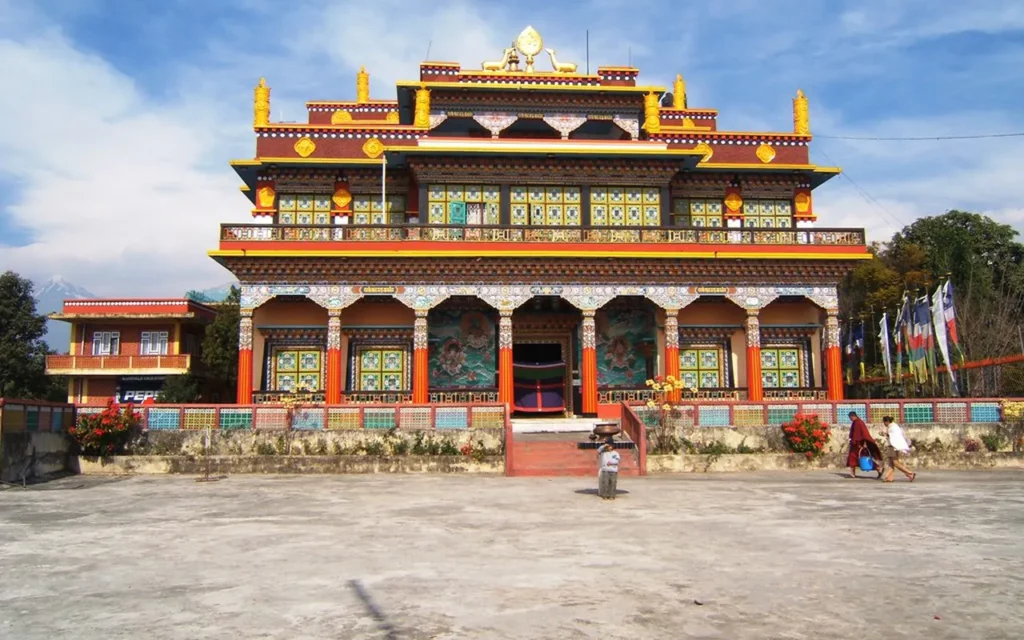
Most monasteries and ashrams offer guests yoga and meditation courses, and they give them an opportunity to live a simple and mindful life. Destinations such as Kopan Monastery, Osho tapoban and a retreat centre located at Pokhara and Lumbini offer serene environments to practice intensively.

A Yoga Tour in Nepal provides a true experience over commercial tourism, where you choose either a structured retreat where you are led by a teacher, or have the flexibility to study daily classes in various forms that resonate with your spiritual tradition.

Combination of Yoga, Meditation, and Mindfulness

A Yoga Tour is generally a vacation where yoga, meditation, and mindfulness are combined to achieve full well-being. Most of these practices are integrated into daily routines that comprise yoga poses, breathing practice, guided meditation, and conscious activities like a walk in nature or silent contemplation.

It is possible to actually have trekking with yoga tours, where the traveller can hike all day and get to practice yoga in beautiful mountain places. This is a middle way that can be used to enhance physical health, relax the mind, and enhance inner perception.

A Yoga Tour in Nepal is a reminder of simple living, minimal digital consumption, and reflections, as it enables visitors to go home with a new sense of clarity, harmony, and calmness.

Best Destinations for a Himalayan Yoga Experience in Nepal

Nepal has a wide variety of places where spirituality, nature, and mindfulness are united in harmony. Every location gives a distinct touch to a Yoga Tour in Nepal, whether it is holy urban areas or isolated Himalayan valleys. These are the best places that make a yoga trip in Nepal effective and enlightening.

Kathmandu Valley – Sacred & Cultural Yoga Hub
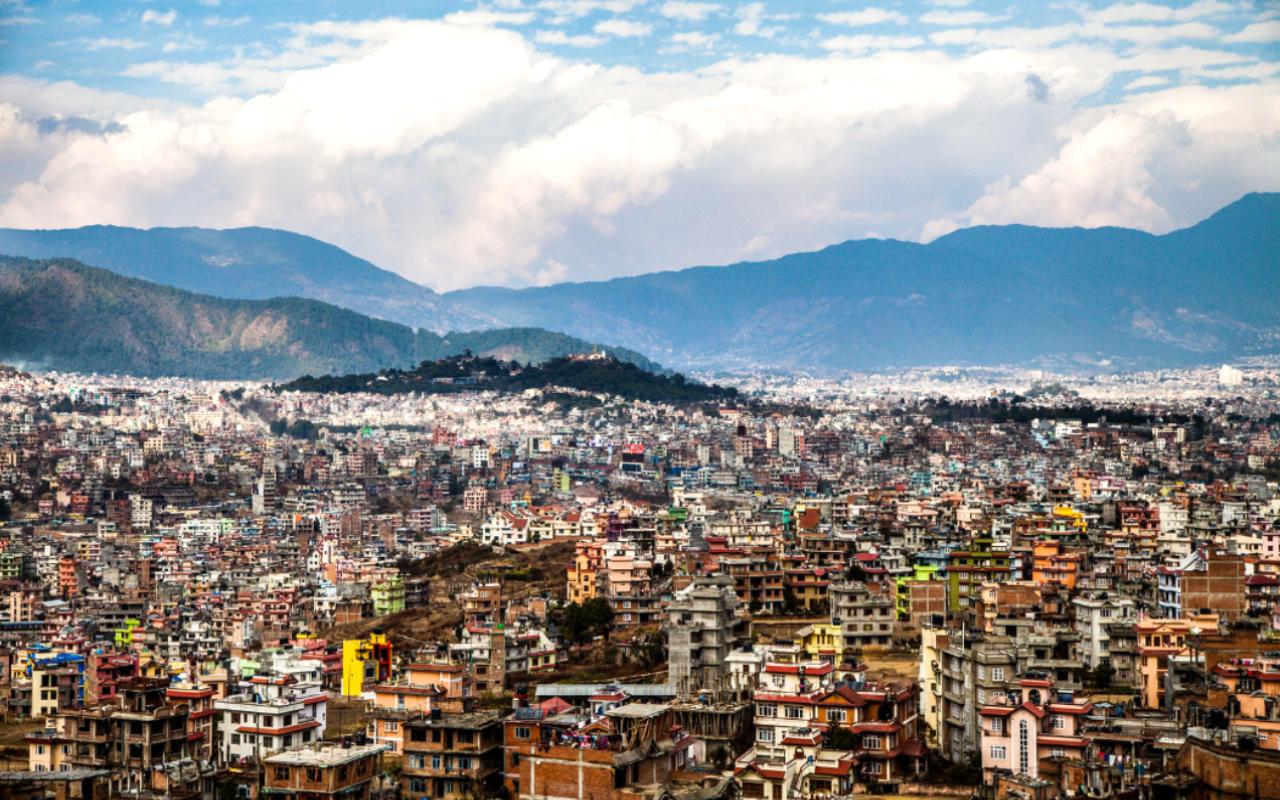
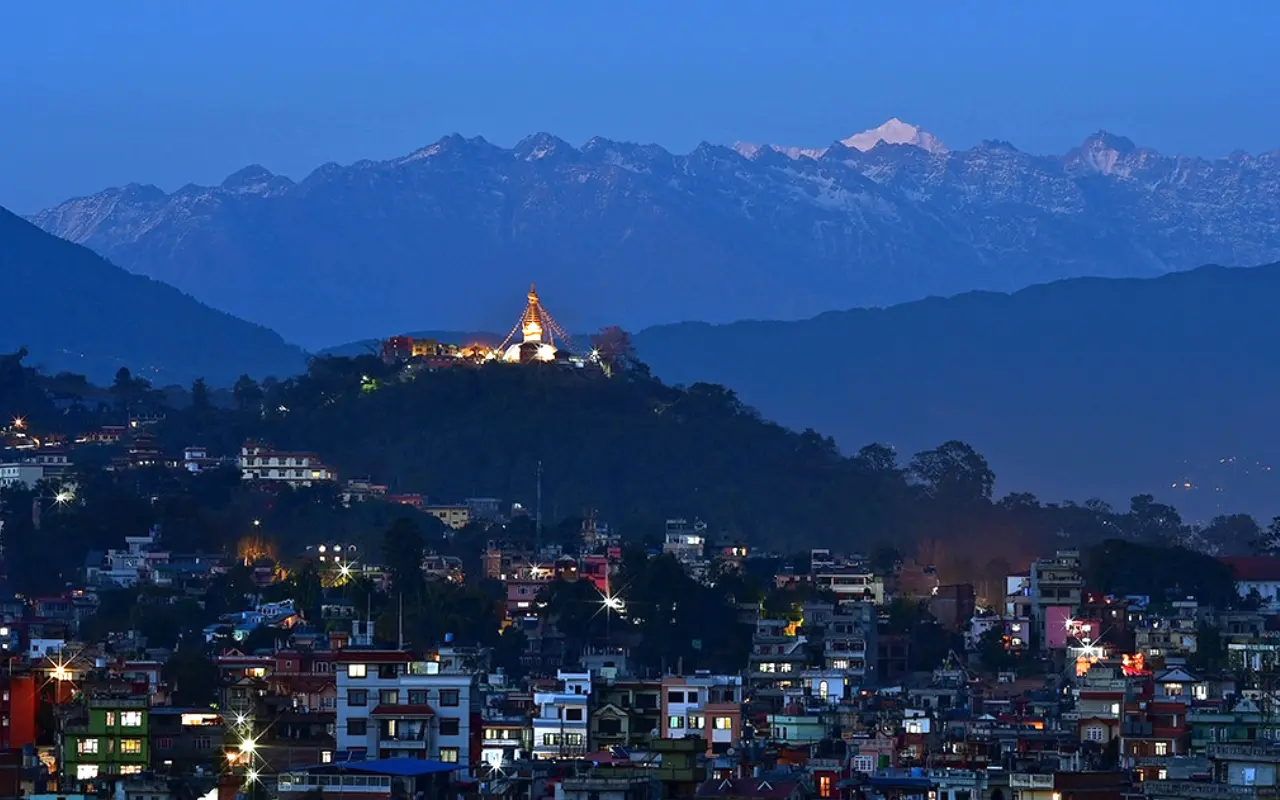
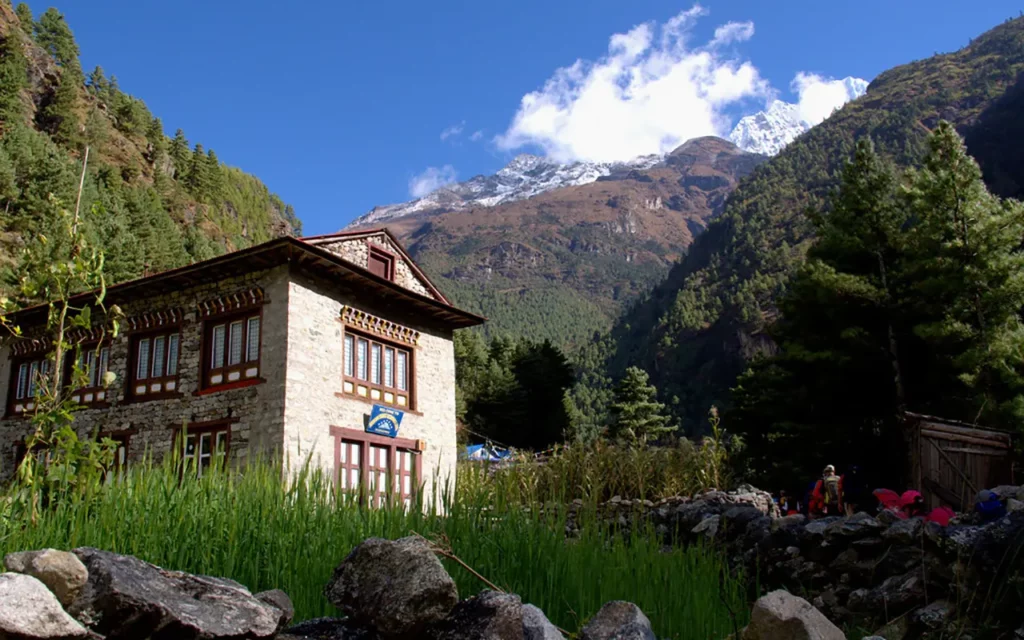
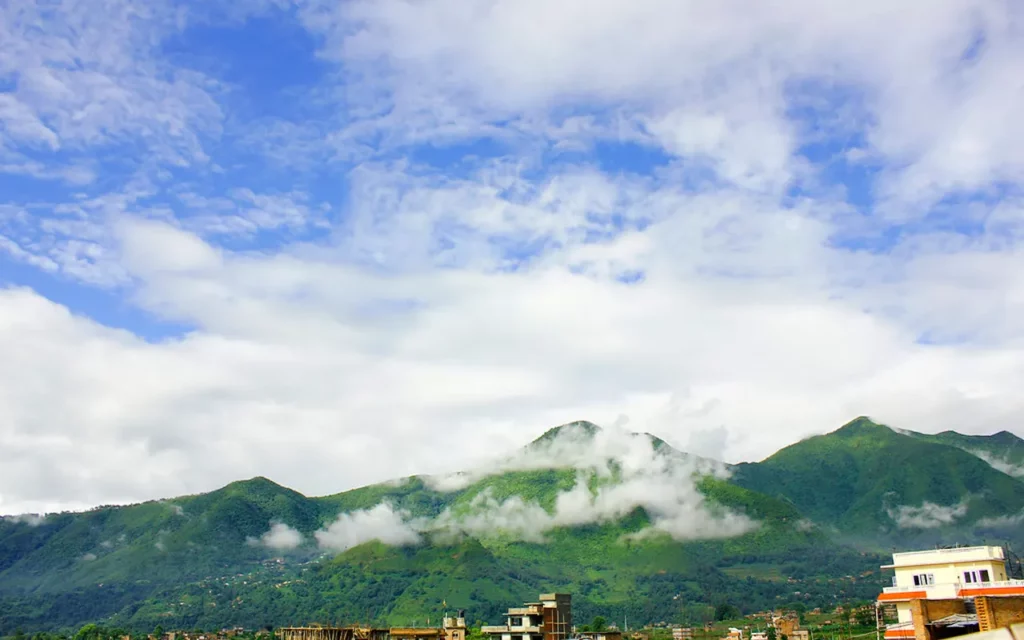
Kathmandu Valley
Kathmandu Valley

The spiritual and cultural centre of a Yoga Tour in Nepal is Kathmandu Valley. This is an ancient valley promptly loaded with ancient temples, monasteries, stupas, and spiritual centres that give the area a very strong spiritual atmosphere as far as yoga and meditation are concerned.

Yoga is practised at sacred places such as Pashupatinath, Boudhanath, and Swayambhunath to enable the traveller to get a close feeling of centuries of devotion and prayer. The valley has numerous yoga studios, meditation centres, and traditional ashrams that can be used by both beginners and experts.

Yoga Tour in Nepal, beginning in Kathmandu, is a good place to start with a slow introduction to yoga because it incorporates yoga lessons with a blend of culture and spiritual education. You can attend morning yoga, go to meditation retreats, visit UNESCO heritage sites, and at the same time have the comforts of the modern world.

Kathmandu Valley is an ideal location to combine urban living and serene spiritual experiences and serves as a solid base for every Himalayan yoga trip.

Pokhara – Lakeside Yoga with Himalayan Views
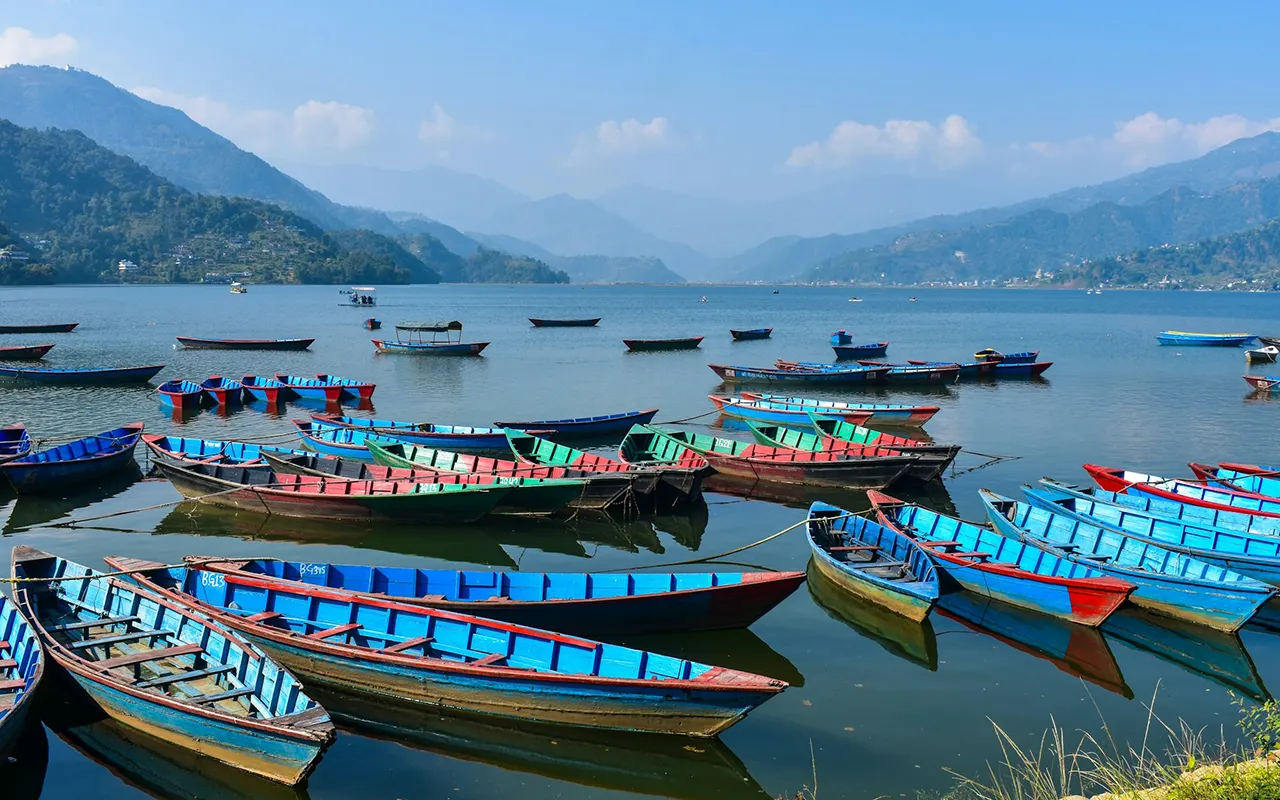
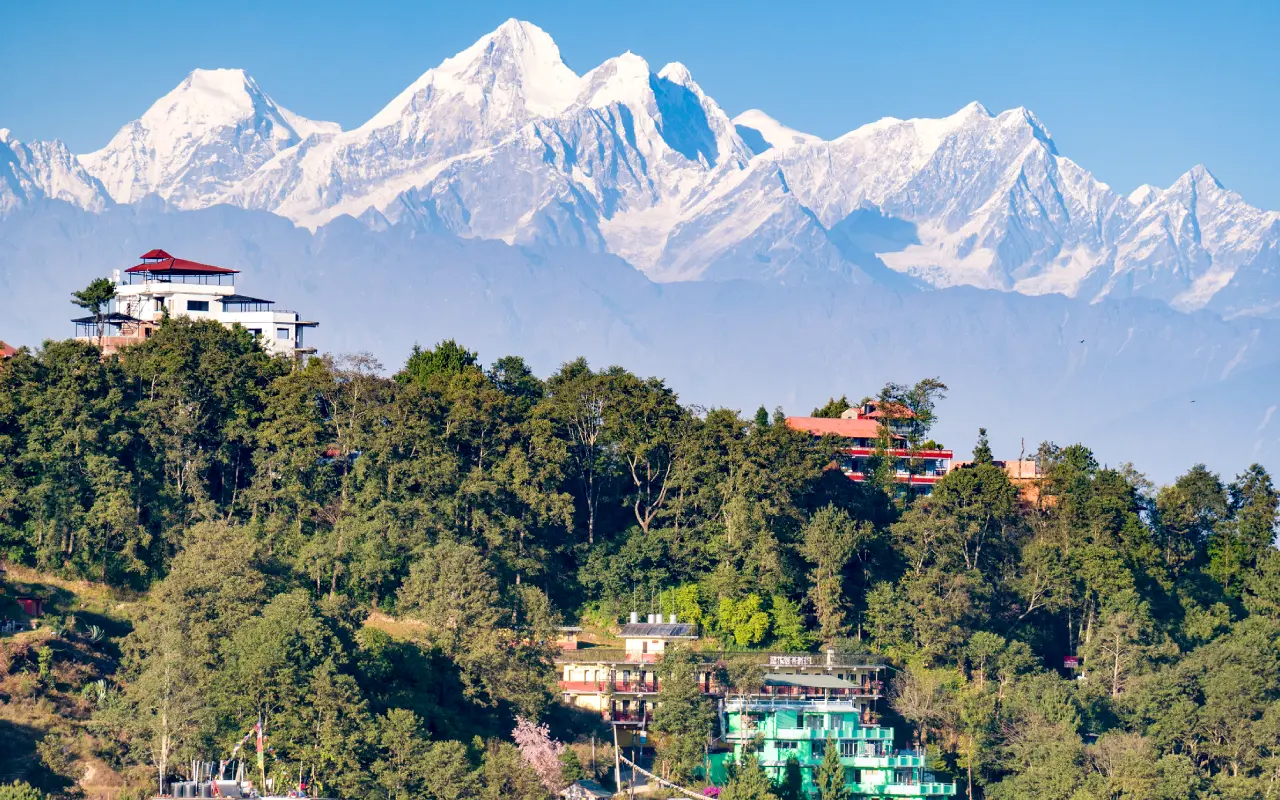
Phewa Lake, Pokhara
Phewa Lake, Pokhara

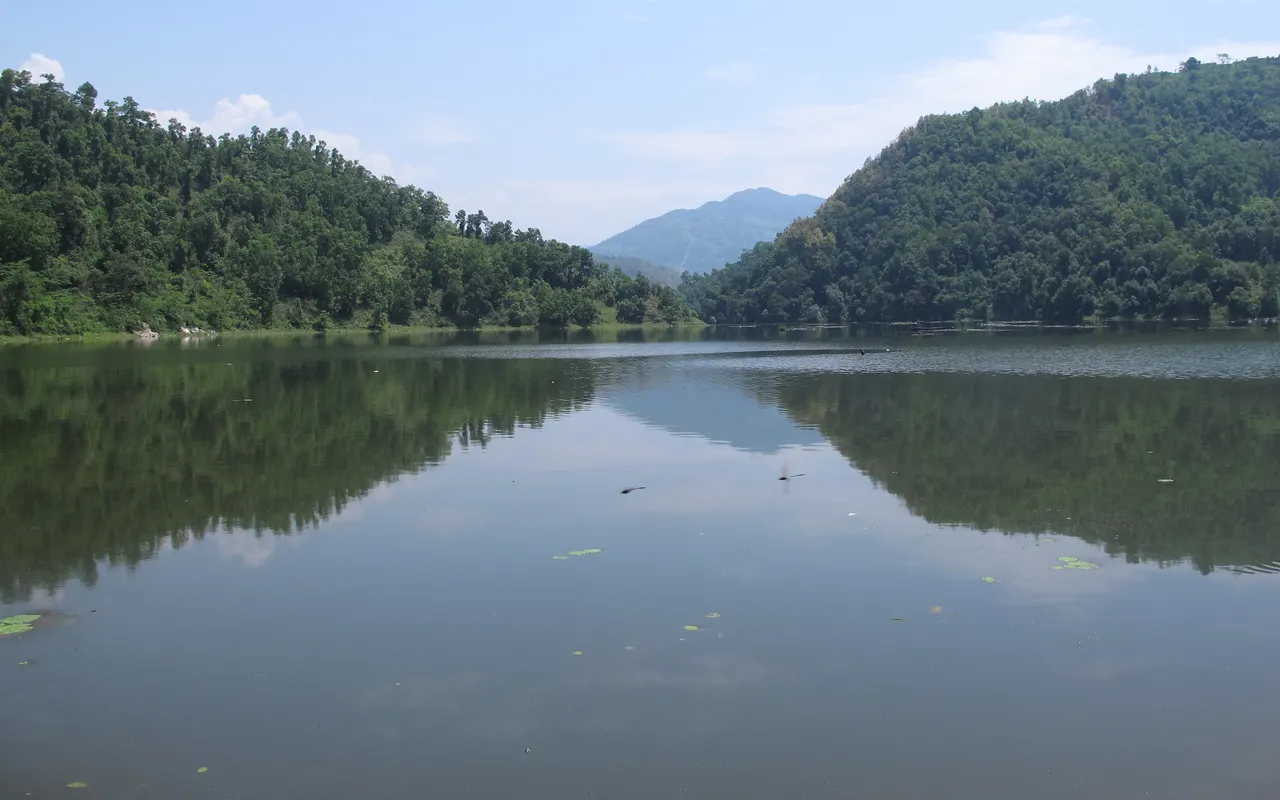
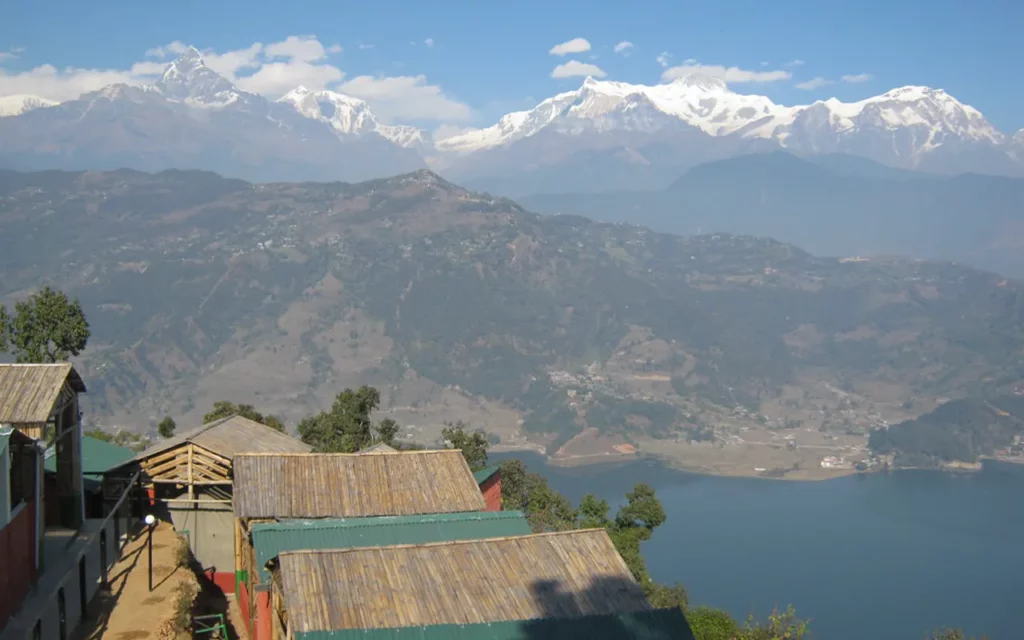
One of the most relaxing Yoga Tour destinations in Nepal is Pokhara, which boasts of peaceful lakes, pure air, and beautiful mountain scenery. Pokhara, which homes Phewa Lake and sits between the Annapurna range, provides a relaxing atmosphere where yoga and meditation can be performed well.

Most yoga retreats have been located on the hills or close to the lake to enable the practitioners to have the opportunity of practising sunrise yoga with the Himalayan panoramas. An outdoor yoga tour in Nepal in Pokhara would typically involve a nature walk in the countryside, breathing sessions, meditation, and yoga exercises. The relaxed lifestyle of the place facilitates inner harmony and calmness.

Pokhara is ideal for those travellers who prefer yoga and light exercises like hiking, boating, or just resting in nature. Pokhara is a popular yoga retreat due to its mild energy, natural beauty, and the increasing number of wellness centres.

Lumbini – Yoga at the Birthplace of Buddha
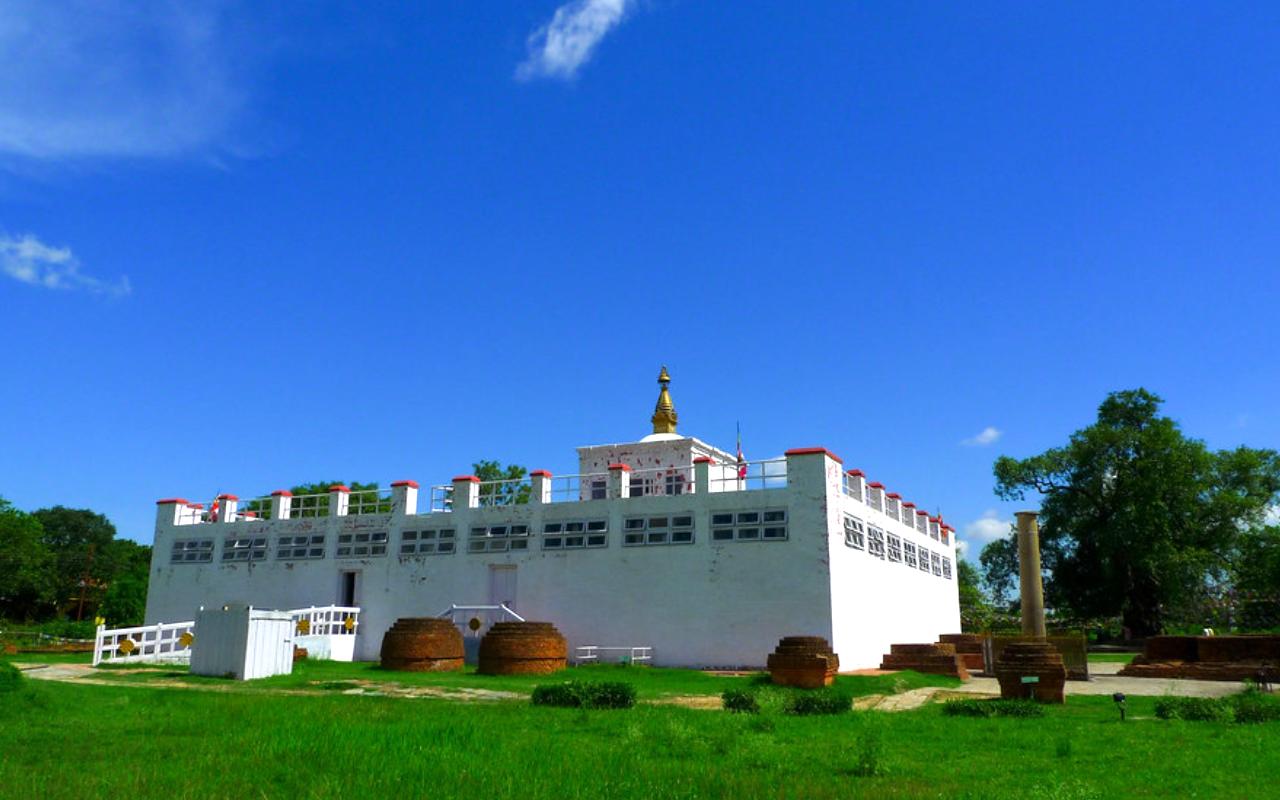
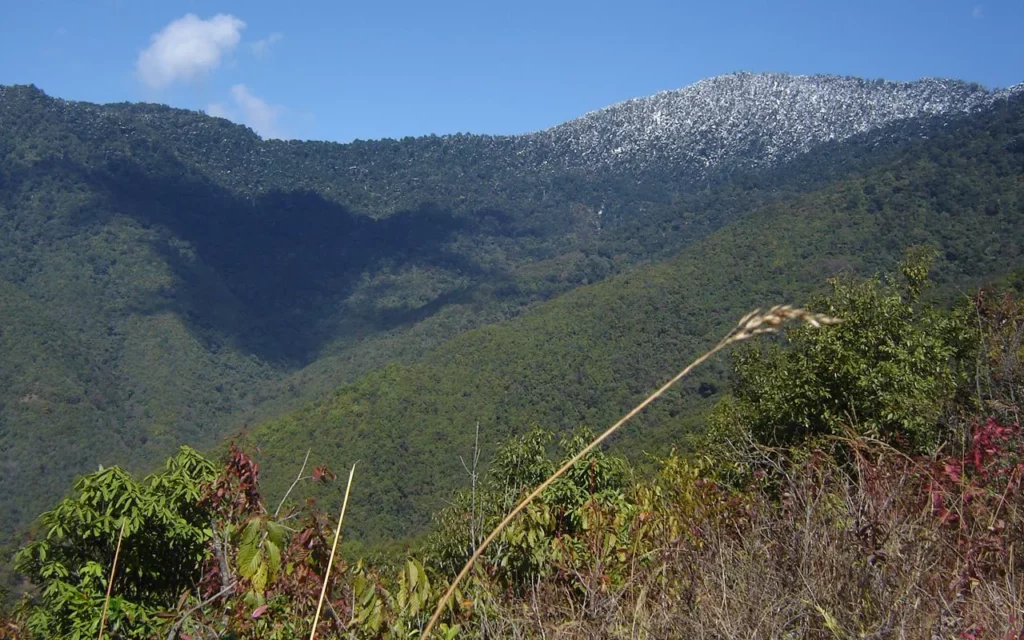
Lumbini
Lumbini

Lumbini is among the most spiritually influential destinations of a Yoga Tour in Nepal. Being the birthplace of Lord Buddha, Lumbini is a peaceful and meditative setting that allows quiet yoga, mindfulness, and meditation. It is a tranquil monastic area with gardens, ponds, and monasteries constructed by the Buddhists of the world.

Yoga at Lumbini promotes inner calmness and self-awareness, not physical vigour. Nepal Yoga Tour, including Lumbini, often aims at meditation retreat, Vipassana practice, and spiritual study. Temples Visitors have access to the Maya Devi Temple, where they can practice meditation, attend music chants, or mindfully walk along the monastery lanes.

Lumbini is ideal when one wants to find the state of inner peace, spiritual development, and escape the busy life.

Annapurna Region – Yoga Amid Snow-Capped Peaks
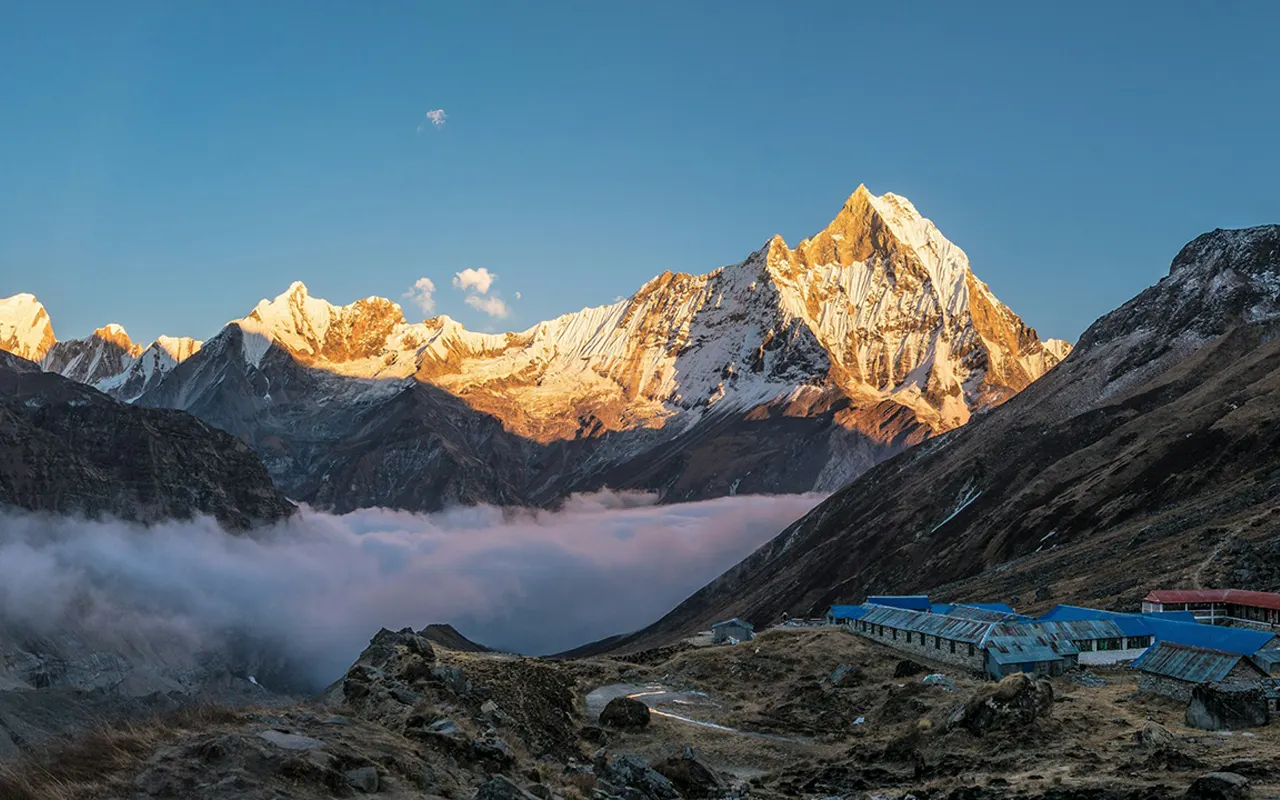
Annapurna Base Camp
Annapurna Base Camp

The Annapurna region Yoga Tour is an adventurous part of a yoga tour in Nepal, which is a combination of trekking, yoga, and meditation. This place is known to have dramatic Himalaya scenery, established villages, and well-documented trails.

Trekking activities in these places have yoga excursions to keep the body and the mind clear, with yoga classes in the morning and after the hiking. The experience of yoga in the midst of snow-white mountains, forests, and silence in the mountains is a strong feeling of unity with nature.

Yoga Tour in Nepal in the Annapurna region is a good destination because it allows travellers to engage in physical activities as well as mindfulness. There are cultural interactions with the Gurung and Magar people, which provide an added flavour to the experience.

The flow, breathing, nature, and culture are all combined to make the Annapurna region the best place to be as a yoga practitioner who is an adventurer.

Langtang Valley – Remote & Tranquil Yoga Destination
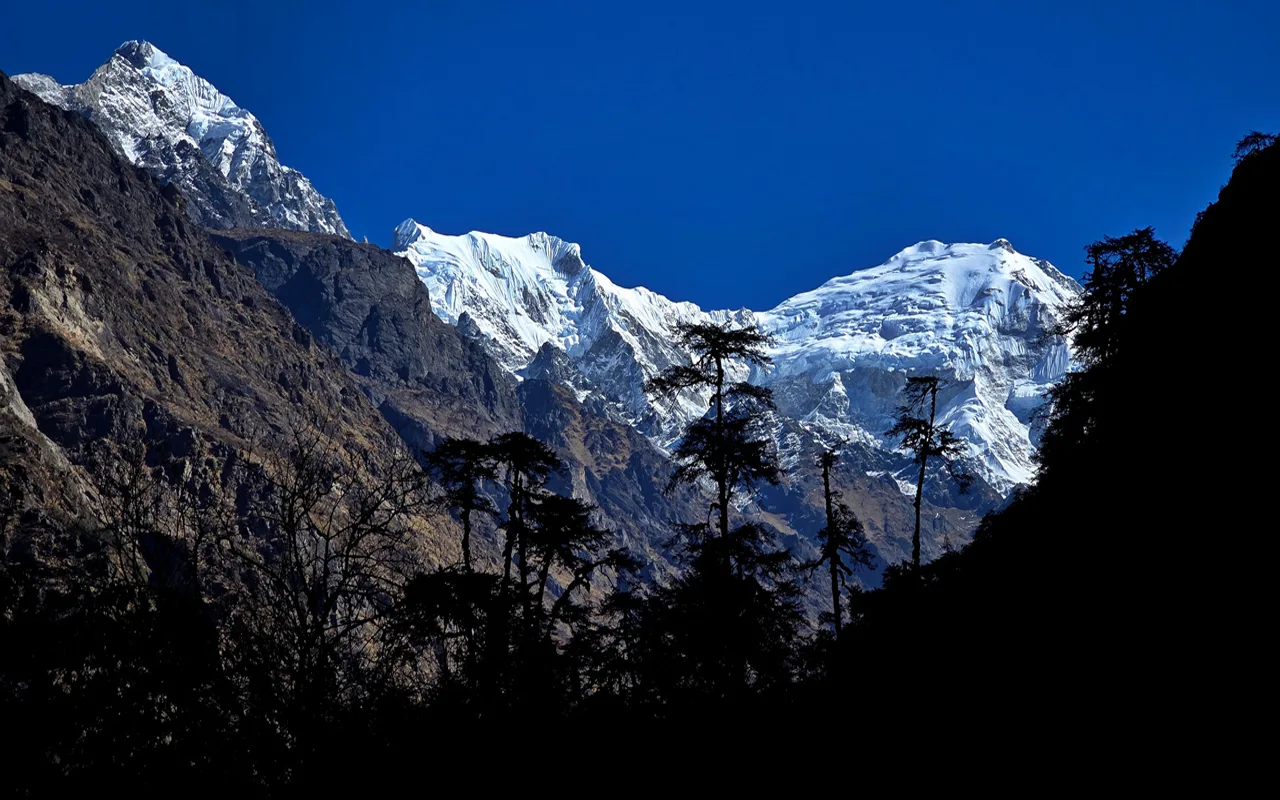
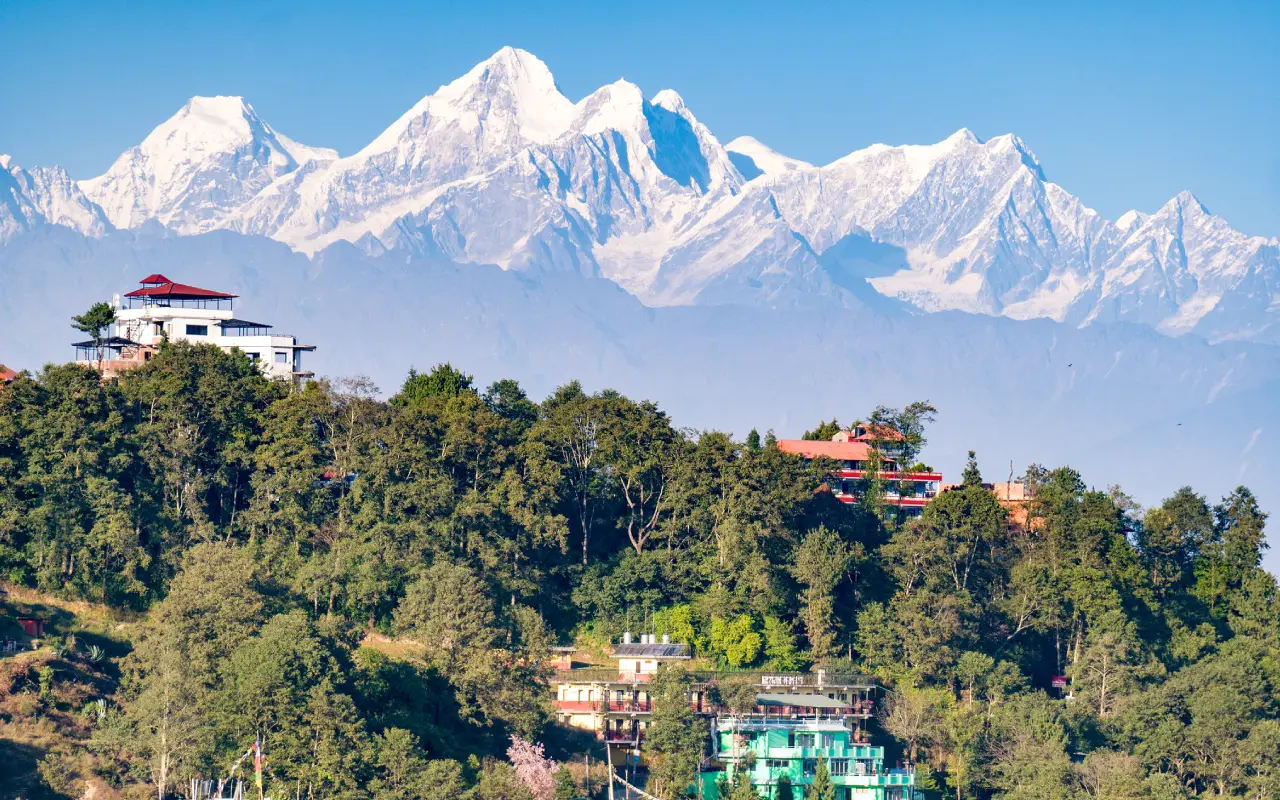
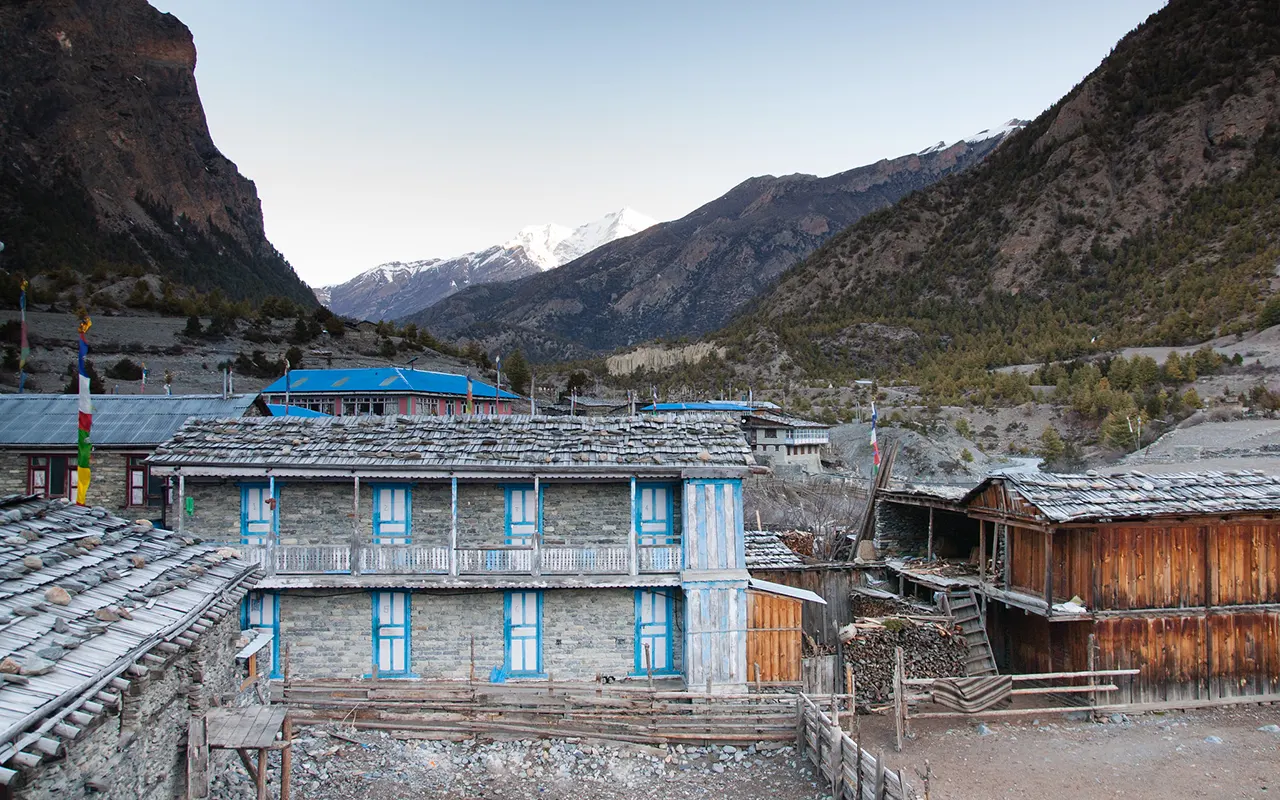
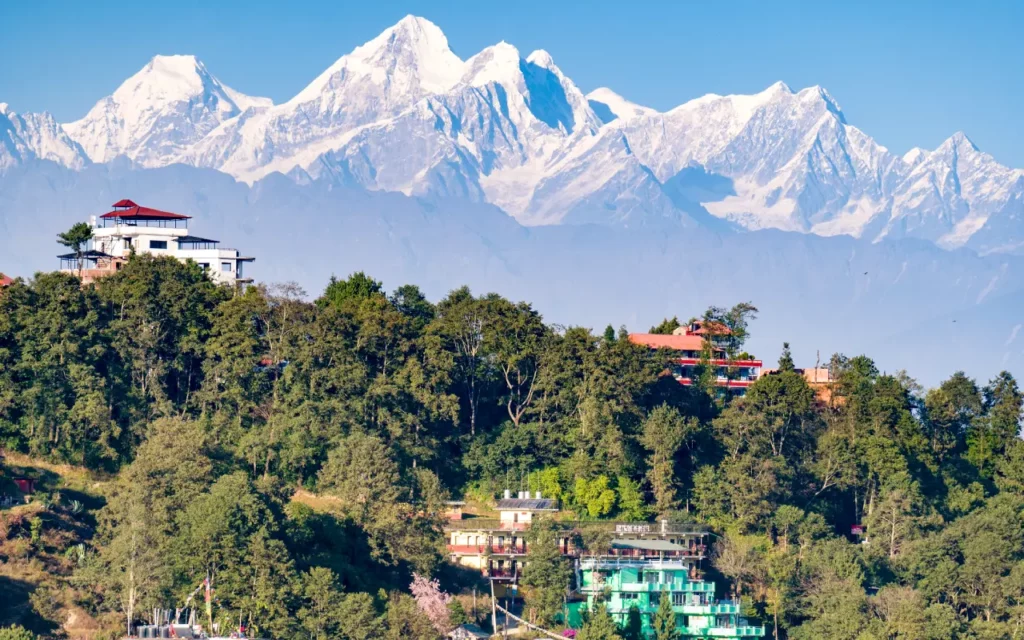
langtang
Langtang

A Yoga Tour to Langtang Valley is ideal when an individual wants to be alone in Nepal. Langtang is situated near Kathmandu but is far enough and offers serene views, alpine forests with a robust Buddhist touch.

The serene atmosphere in the valley facilitates the process of deep meditation and conscious yoga. The yoga can be practised along the rivers, open meadows, or even along the monasteries such as Kyanjin Gompa.

A Yoga Tour in Nepal in Langtang is one that would be best to disconnect from life in the modern world and reconnect with the inner world. The journey is further enriched with spiritual richness by the Tamang culture, prayer flags, and daily rituals.

As the number of tourists is reduced and the landscape is untouched, Langtang enables the practitioners to relax, tune in to themselves, and practice yoga in harmony with nature.

Mustang – Secret Himalayan Spiritual Kingdom
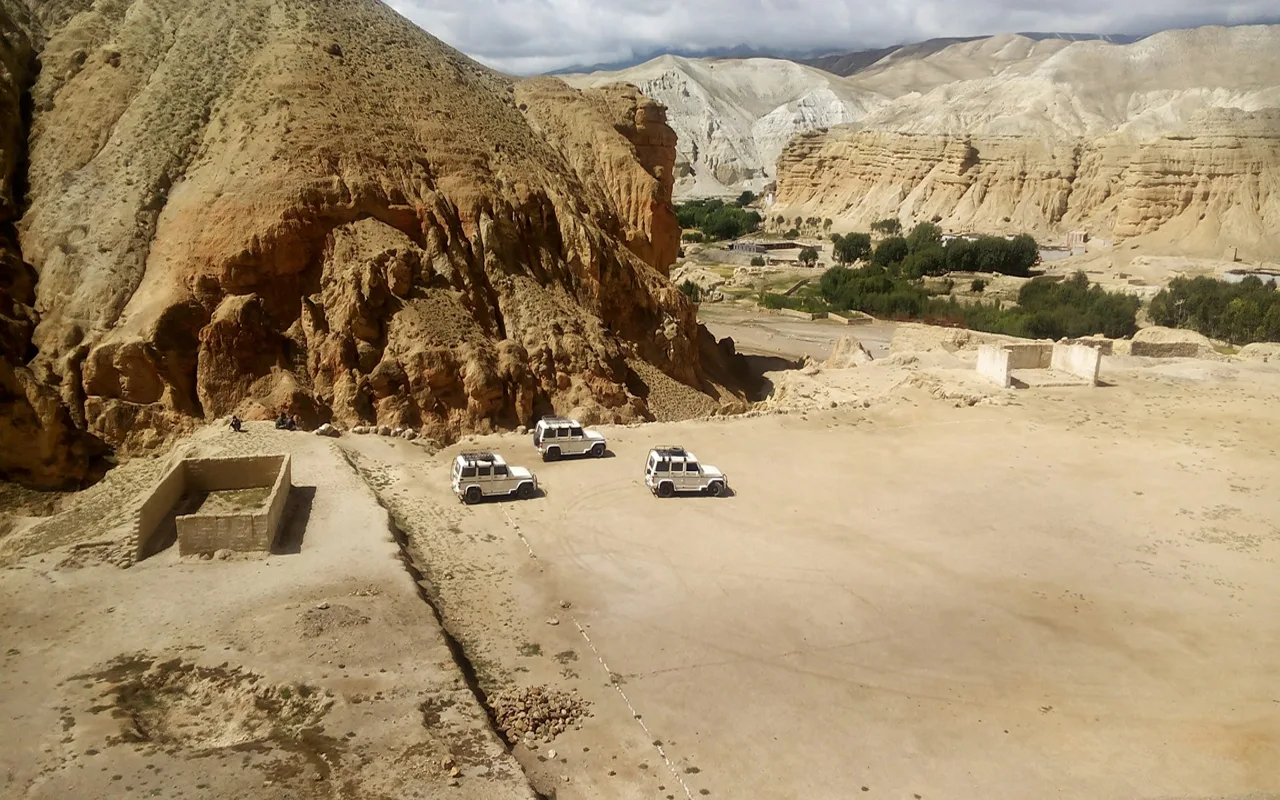
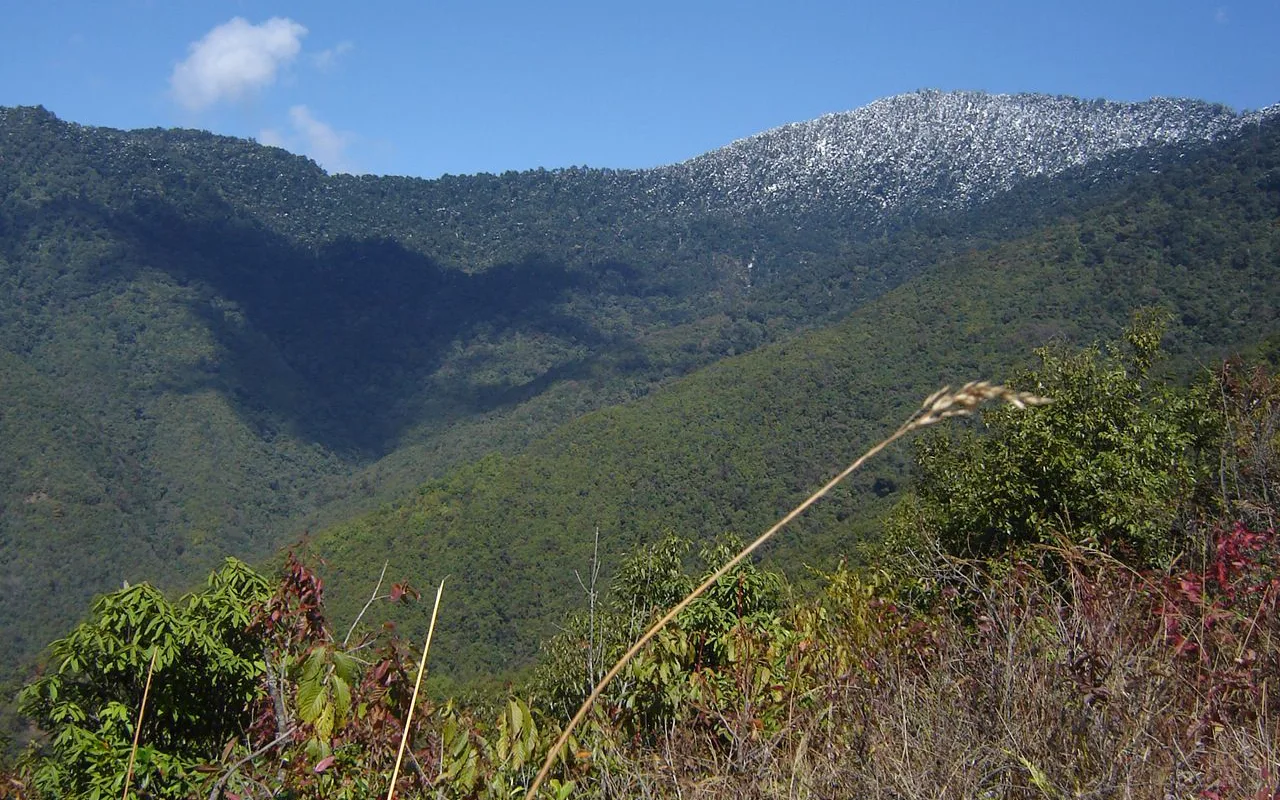
mustang
Mustang

Mustang is a Yoga Tour destination that is really unique because of the desert-like terrain and ancient culture of Tibetan Buddhism. This kingdom, previously prohibited, seems to stopped in time, with cave monasteries, prayer walls, and villages hundreds of years old. Yoga in Mustang is the act of living with silence, simplicity, and powerful spiritual energy.

A large number of yoga retreats in the area include hiking, meditation, and conscious living in an isolated environment. A Yoga Tour in Nepal in Mustang is ideal for the experienced traveller who wants to change and not be comfortable.

Yoga in open plateaus or in the vicinity of ancient monasteries is immensely relaxing. The Isolation, the mighty landscape, and the nature of traditions contribute to the fact that Mustang is one of the spiritually saturated places in Nepal to be exposed to yoga and self-exploration.

Best Time for a Himalayan Yoga Tour in Nepal

The selection of the season is quite crucial for a successful Yoga Tour in Nepal. Its most favourable periods are spring (March -May) and autumn (September -November).

The weather is favourable during these months, the skies are clear, and the temperatures are good for doing some yoga and also light trekking. These seasons will give you a chance to take beautiful Himalayan scenery outdoor yoga lessons and a relaxing scenery.

The Yoga Tour in Nepal is very nice in spring, as nature is vibrant. Fields and mountains are full of flowers, and the air is pure and invigorating. Days are hot, and mornings and evenings are cool, and this makes the environment ideal with regard to yoga and meditation.

The mountain scenery is transparent, and snow-white mountains are shining in the distance. This is accompanied by cultural festivals in spring, making your travel a happy and religious experience.

Autumn is regarded as the season that has the greatest demand for a Yoga Tour in Nepal. Clean air that follows the monsoon rains gives beautiful mountain scenery. It is not very hot, rainy, or cold, and outdoor yoga is comfortable and easy. Big festivals such as Dashain and Tihar are also held in season, providing travellers with the opportunity to spend time in the local atmosphere.

The monsoon and winter are not very ideal, but with proper planning, lower areas or special places such as Mustang can be a good choice. All in all, spring and fall are the most comfortable seasons in terms of weather, landscape, and spiritual power to experience yoga in the Himalayas.

What to Expect on a Himalayan Yoga Tour

Yoga Tour in Nepal is a magnificent combination of yoga getaway, mild adventure, and cultural exploration. It will give you an idea of what to expect and will make you feel prepared and relaxed before you step on a journey.

Daily Yoga and Meditation Routine

A Yoga Tour in Nepal is mostly driven by a relaxed and balanced schedule. The day begins early in the morning with morning yoga and meditation, commonly at sunrise. The yoga practise at dawn, when the sun is rising above the mountains, assists in the body and quieting the mind. Morning classes will consist of light stretching, breathing, and basic meditation.

Following breakfast, the day can be spent on trekking, sightseeing, or cultural visits, based on the itinerary.

Another yoga or meditation session is in the late afternoon or evening, which is aimed at relaxation, healing, and reflection. This is a daily routine that contributes to physical fitness and promotes clarity of mind and inner calmness.

Accommodation and Healthy Yogic Meals

The accommodation in the Yoga Tour in Nepal depends on the location. You can either spend the night in nice hotels or yoga retreat centres in such places as Kathmandu and Pokhara. In the mountain areas, it is easier to stay, usually in the teahouses, homestays, and monastery guesthouses.

These destinations are hygienic, secure, and rich in local flavours. Eating is typically yogic, vegetarian, and healthy. Gourmet food to expect includes rice, lentils, vegetables, soups, herb teas, and fresh fruit. The diet is helpful in digestion, energy, and general well-being, particularly in high altitudes.

Cultural and Spiritual Experiences

Another significant aspect of the Yoga Tour in Nepal is the cultural and spiritual experiences. You can attend temples, monasteries, and places of worship, participate in prayer sessions, or to understand Buddhist and Hindu cultures.

Other tours have philosophy talks, chanting sessions, or meditation teachings by the local monks or teachers. Mingling with the local communities, eating with them, or observing their traditional ways gives a sense and substance to the trip.

Silence, Digital Detox, and Mindful Living

The other important feature of a Yoga Tour in Nepal is mindful living. Numerous tours promote silence at specific times and phone restraint, which makes it possible to go on a digital vacation. When there are no distractions, you are in a better place.

Even basic habits such as mindful eating, walking, and listening are promoted during the tour. Towards the end of the trip, the majority of the travellers are revitalised, emotionally unburdened, and in touch with the natural world and their own souls. A Yoga Tour in Nepal is no ordinary vacation; it is a kind of soft reset of body, mind, and soul.

Tips for Planning Your Yoga Tour in Nepal

Setting a Yoga Tour in Nepal is a thrilling move in the direction of rest, self-identification, and travel. To ensure that you have the best experience possible of your trip, you need to be a good tourist and think ahead about what you want to accomplish, whether you are fit enough, what you would like to bring, and what you would like to learn about the country or its people.

These tips will enable you to have a smooth, meaningful, and rewarding experience in Nepal regarding yoga.

Choose the Right Destination for Your Needs

There are numerous destinations to do a Yoga Tour in Nepal, and hence it is important to make the right choice. In case you are a beginner in yoga or you want to feel comfortable and convenient, such destinations as Kathmandu Valley or Pokhara are the right choice. These places are well developed in terms of yoga centres, small altitudes, and well-equipped.

Kathmandu has yoga mixed with culture and spirituality, whereas Pokhara is peaceful with mountain views and lakeside yoga. Lumbini will suit well for a peaceful and religious meditation, which is its primary objective.

The adventurous traveller would be interested in such places as Annapurna or Langtang, where there is yoga and trekking. Mustang should be offered to knowledgeable travellers who want to dive into the depths of spiritualism in isolated locations. It is important to ensure that you align your destinations with your fitness, experience, and comfort zone.

Prepare Your Body and Understand Altitude

Even the most exciting part of your Yoga Tour in Nepal will be just a simple kind of fitness, and you will be glad you came along with their trekking. Before your trip, it can help to make yourself strong and flexible through regular practice of yoga, walking, or light exercises.

Altitude is a significant variable in Nepal, especially beyond 2,500 meters. Prepare adequate acclimatisation, be slow, drink water, and be in touch with your body. Know what to look out for, altitude sickness, and tell your guide to make you feel better.

The breathing exercises may allow adaptation to the higher altitudes, yet it is never a bad idea to take a lower road when necessary.

Pack Smart and Light

The key concept of a successful Yoga Tour in Nepal is wiser packing. Carry comfortable yoga attire that is not revealing or too sensitive to temperature changes. A yoga mat, towel, or lightweight yoga mat will also come in handy in isolated locations.

It is important to have good walking or trekking shoes, warm clothes, a waterproof jacket, sun protection, and a reusable water bottle.
Bring personal medicine, a small first aid kit, and a journal to ponder. Pack light, that is, easy packing makes the travelling and trudging a lot easier.

Respect Local Culture and Traditions

Another significant aspect of the Yoga Tour in Nepal is the respect for the local customs. Wear a simple and non-revealing dress, take off shoes in the temples, and seek permission before taking pictures of people or religious ceremonies.

By greeting them with Namaste, observing local dining customs, and observing local religious considerations when doing yoga around villages or religious places.

Being conscious of the surroundings and being kind to locals will enhance your experience. Respecting the culture and traditions of Nepal will make the yoga experience more significant, respectful, and meaningful.

Conclusion

A Yoga Tour in Nepal is not only a wellness holiday, but it is a journey of great enrichment that links your body, mind, and soul to the inexhaustible energy of the Himalayas.

The valley of holy temples in Kathmandu Valley and the serene lakeshore of Pokhara, the birthplace of Buddha in Lumbini, the mountain tracks of Annapurna, Langtang, and isolated Mustang all contribute to the overall experience in a different way.

Their combination presents the reasons why Nepal could be considered one of the best locations in the world to enjoy yoga and meditation, and mindful travelling.

A Nepal Yoga Tour can be appropriate for all, beginners, experienced yoga practitioners, solo travellers, couple and even the elderly. Nepal can provide the program that suits your interests and your fitness level, whether you want to see the culture and spiritual education, adventure yoga and trekking, or gentle yoga and meditation. The only thing that matters is that one has an open heart, a curious mind, and wants to grow personally.

After all, deciding to visit Nepal on a Yoga Tour, one is deciding to change. It enables you to relax, take time, and re-establish contact with yourself, all in the presence of grand mountains and ancient customs. Even after the trip is over, the tranquillity, clearness, and harmony that you will have acquired will remain to steer your everyday living. Namaste.
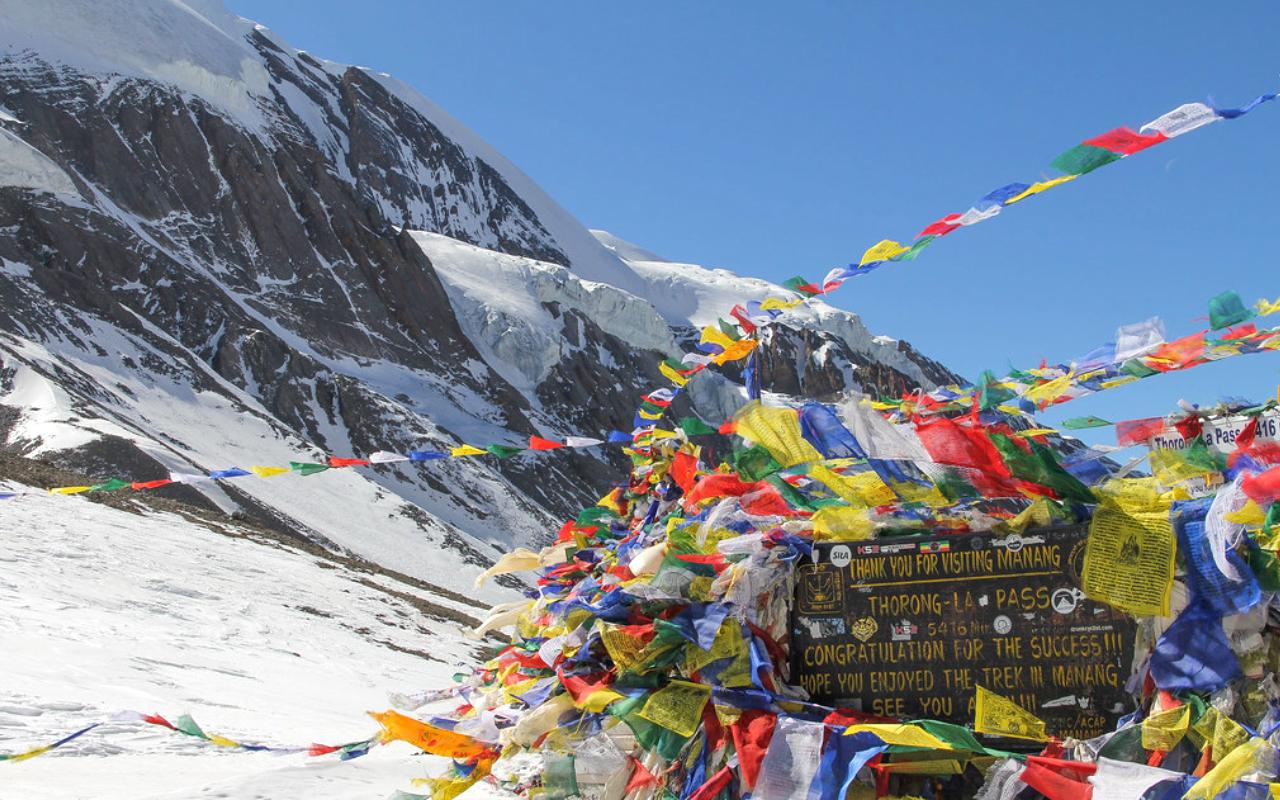
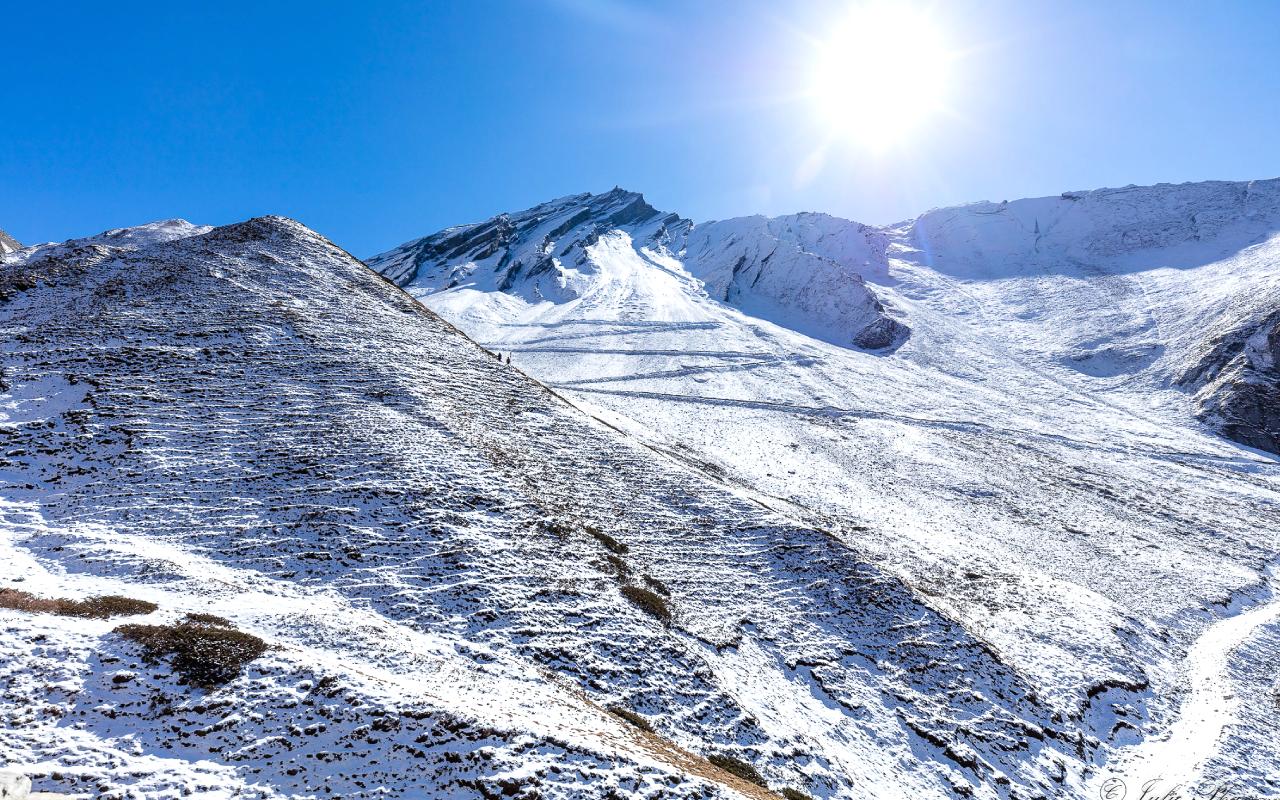
Thorong La Pass Trek: A Complete Guide to Crossing One of the World’s Highest Trekking Passes

New Project 99

The Thorong La Pass Trek is among the most memorable accomplishments of anyone who has been a trekker in the Himalayas. Thorong La is one of the highest points of the popular Annapurna Circuit Trek, standing at 5,416 meters in altitude, as well as the most difficult one in the entire trek.

The achievement of Thorong La is a dream for many explorers. The journey to the pass is an adventure through changing landscapes, old mountain villages, deep gorges, and high alpine terrain.

During the journey, you will experience the local culture, spirituality, and lifestyle of people living in remote Himalayan areas. The Thorong La Pass Trek will test your stamina, patience, and mental stability, but the payoff will be an experience of a lifetime with spectacular views and a feeling of personal accomplishment.

This is a comprehensive guide to the Thorong La Pass Trek. It is a list of the places to go, the most favorable times of the year, the safety of the altitude, the alternatives of the routes, the accommodation, the cultural experience, and the activities that can be done beforehand, so that you can approach this high Himalayan adventure with confidence and respect.

Introduction to Thorong La Pass: Why It Matters

The Thorong La Pass Trek is situated at the centre of the Annapurna Circuit, which is one of the most renowned long-distance trekking routes globally. La in Tibetan translates to pass, and over the centuries, Thorong La was a key commerce route between the Manang and Mustang areas of Nepal.

Traders, pilgrims, and herders used to cross this pass with salt, grain, and other goods between the Mustang region (which borders Tibet) and the fertile Manang valleys. Modern-day trekkers all over the world embark on their journey following them and trek the same trails they took and experience the historical value along with the natural beauty of the area.

Crossing Thorong La is not just about reaching a high point on the map. It is a transition between two extremely different territories. On the eastern side, Manang is green and fertile, with a rich Tibetan Buddhist culture reflected in its villages, monasteries, and prayer flags.

On the west, Mustang is a dry and windy desert at high altitude, which is the result of centuries of trade, spirituality, and nature. Arriving at Thorong La, amidst fluttering prayer flags and towering snow-covered mountains, is a poignant moment for most trekkers on the Thorong La Pass Trek.

Having spent days on slow ascents, early mornings, and long walks, one can feel the real achievement after standing on the pass and feel part of the greatness of the Himalayas.

Location and Geography: Where Is Thorong La Pass?

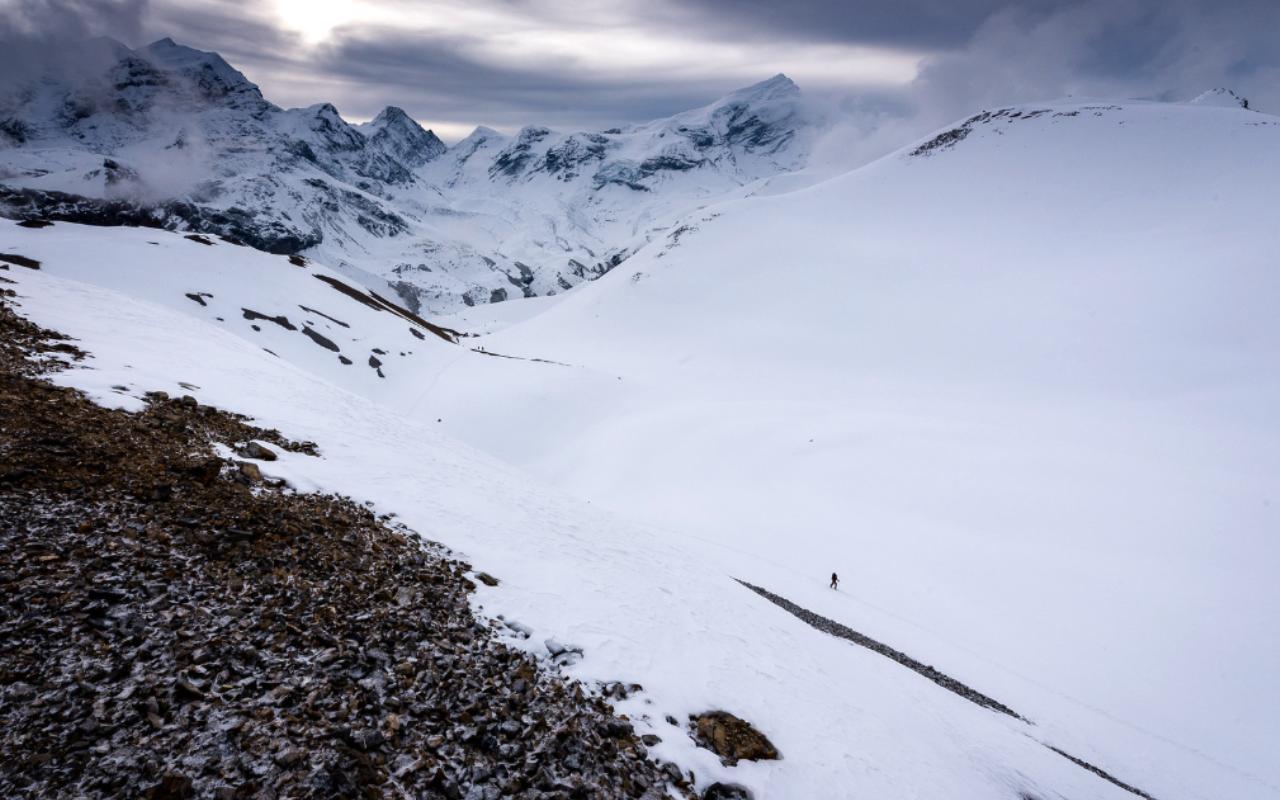
The Thorong La Pass Trek is located in the Damodar Himal of north-central Nepal, just north of the Annapurna mountain group. The pass links the Manang District on the east with the Mustang District on the west.

Thorong La is specifically an interesting geography as it presents a sharp environmental change during the trek. Valleys on the Manang side are more productive, rivers are fed by glacial water, farmland is fertile, and towns are guarded against the severe weather. On the Mustang side, it is dry, rocky, and swept by the wind, and it lies in the rain shadow of the Annapurna and Dhauligiri ranges.

The Thorong La is the tallest point of the Annapurna Circuit, reaching 5,416 meters. During a clear day, trekkers on the Thorong La Pass Trek will have a panoramic view of Annapurna II, Annapurna III, Gangapurna, and Dhaulagiri, among other mountains in the surroundings.

The pass itself is a wide saddle between magnificent mountains, which provides an impression of peace, greatness, and untouched nature. It is this high Himalayan setting that makes the Thorong La Pass Trek a truly unique and inspiring adventure.

Best Time to Trek Thorong La Pass

It is highly essential to select an appropriate season in order to have a safe and enjoyable trek. The weather, the condition of the trail, and visibility vary significantly across the year, and thus selecting the right time can greatly impact your experience as a whole.

Spring (March to May) – One of the Best Seasons

It is a wonderful season to pass Thorong La Pass. The climate is generally predictable, the days are bright, and flowers blossom in the lower part, which makes the journey look brighter and nicer.

  • The weather pattern is mostly predictable, and there are fewer abrupt changes.
  • Views of the mountains are transparent, particularly in the mornings.
  • Snow at higher altitudes melts gradually, and the trail becomes easier to walk.
  • The weather is pleasant during the day, with long walk durations.
  • April and early May are particularly popular, so trails and lodges may be crowded.

Autumn (September to November) – The Best Overall Season

Autumn is regarded as the most suitable time for trekking the Annapurna Circuit and Thorong La Pass. Once the monsoon passes, the skies are clear, and the air is fresh and crisp.

  • The monsoon clears up, leaving the skies with excellent visibility.
  • The trek is full of mountain scenery, which is sharp and dramatic.
  • Trails are dry and comfortable, thus minimizing the chances of falling.
  • The weather is pleasant during the day and cool at night.

The month of October is the busiest, and you will find more trekkers on the trail.

Monsoon (June to August) – Not Recommended

Nepal is located under the monsoon season, and much of the country receives a lot of precipitation. Although the trek tends to be muddy and difficult, even at the lower stages, Manang and Mustang receive less rainfall.

  • The scenery is commonly hazy, particularly in the lower areas.
  • Trails may be slippery and difficult to walk on.
  • Landslides can also take place, leading to route and road disruption.
  • The delays in traveling are frequent because of weather conditions and the state of the roads.

This is a season that can only be done by very experienced trekkers and with flexible plans.

Winter (December to February) – High Risk

It is extremely hard and risky to trek to Thorong La Pass in winter due to heavy snow and harsh conditions.

  • The pass may be blocked by heavy snowfall.
  • The pass temperatures may fall way below zero degrees.
  • High altitude is associated with strong winds and poor visibility.
  • They can close down at any moment with minimal notice.

Only highly experienced trekkers with proper winter gear should attempt a winter crossing.

Altitude and Acclimatization: Staying Safe Above 5,000 Meters

Altitude is the biggest challenge on the Thorong La Pass trek. At this height, the amount of oxygen in the air is much lower than at sea level. Common symptoms of altitude sickness include headaches, nausea, dizziness, fatigue, loss of appetite, and trouble sleeping. In serious cases, altitude sickness can become life-threatening and requires immediate descent.

Proper acclimatization is essential. Most trekking plans include at least two rest days around Manang, which sits at about 3,500 meters. During these days, trekkers walk to higher points during the day and return to sleep at a lower altitude.

Important acclimatization tips include gaining altitude slowly, taking rest days seriously, drinking plenty of water, avoiding alcohol, and eating well even when your appetite is low.

The Himalayan Rescue Association (HRA) operates a medical post in Manang and offers guidance on altitude awareness and safety, though services may vary seasonally.

Route and Itinerary: How to Cross Thorong La Pass

Thorong la Pass Trek
Thorong La Pass Trek

Standard Direction: East to West

Thorong La Pass is traversed by most trekkers between Manang and Muktinath, and this route is said to be the safest and most convenient route. It is best to begin on the east, which will give time to your body to acclimatize slowly to the rising altitudes. The ascent is more gradual and measured, and the threat of altitude sickness and fatigue is greatly diminished.

It is also a more satisfying orientation as the topography shifts gradually, becoming greener in Manang and drier and more dramatic in Mustang. The gradual climb will allow you to embrace the view as well as get used to the physical and psychological environment before you hit the top of the journey.

Typical Route Highlights

The walk typically starts at Besisahar or Chame, depending on the state of the roads at the time and individual choice. Through this, the road climbs rivers, forests, and villages to Pisang, where the landscape starts to take on more of an alpine appearance.

The most significant point on the route is Manang, which is the primary point of acclimatization. Trekkers typically take a break of one or two nights here to rest, visit nearby perspectives, and have their bodies acclimatize to the elevation.

Following Manang, the path is more exposed and rough, traversing Yak Kharka and Chauri Ledar, whose landmarks are grazing grounds and broad mountain scenery.

The last place to pass before the pass is Thorong Phedi. It is a little hamlet at the foot of Thorong La where trekkers stay, harness their equipment, and make ready to start off early the following morning.

The trail on which they cross Thorong LaPass continues down to Muktinath, which is among the most significant religious locations in Nepal to both the Hindu and the Buddhist pilgrims. It starts at Muktinath and proceeds to Jomsom, where trekkers may terminate the trek and proceed by air or road.

Pass Crossing Day

The hardest day of the whole trek is the day when you cross Thorong La Pass. Most trekkers start very early, usually between 3 and 4 a.m., so as to enjoy the conditions in the weather and also to prevent heavy winds in the afternoon.

The ascent to the pass is prolonged and gradual, and requires several hours of tedious and cautious foot-trudging. When the peak has been reached and some time has been spent admiring the views, then the journey back to Muktinath starts. This negative slope is extensive and exhausting, in particular, following the hard work of climbing.

The average time of total walking time on a pass day is between seven and ten hours. On the one hand, the day is physically challenging, but the feeling of accomplishment and the stunning landscape make it one of the most satisfying moments of the whole trek.

Permits and Regulations

In order to trek to Thorong La Pass, you will require an Annapurna Conservation Area Permit. This is a compulsory permit for every trekker to safeguard the natural environment and wildlife of the area. It also promotes the local communities through the use of conservation and development programs. Before the trek, one can get the permit easily in Kathmandu or Pokhara.

In the Annapurna region, hiring a licensed guide is strongly recommended for safety and logistics, though it is not strictly mandatory for the standard Annapurna Circuit. The reason behind this rule is to enhance safety and responsible trekking.

The permits, guide arrangements, and basic logistics are normally processed by the trekking agencies and, therefore, the expedition becomes easier, safer, and more systematic, particularly in the case of first-time trekkers.

Accommodation and Food on the Trail

Tea houses and lodges are also another famous feature of the Annapurna Circuit, as they can be found in nearly every single village on the way. These lodges are very basic and cozy; they sell basic rooms with beds and blankets, shared bathrooms, and warm common eating places. There is no need to camp since there are easily accessible accommodations around the trek.

The trail food is nutritious and is tailored to provide trekkers with sufficient energy to maintain a long day of walking. Rice and lentils with vegetables, noodle soups, dumplings, pancakes, porridge, eggs, and apple product-based meals are commonly served, particularly in the Mustang country. The higher the altitude, the simpler the food choices are, yet they remain nourishing.

Vegetarian food is encouraged in high altitudes as it is simple to digest and it lowers stomach diseases. Proper nutrition and frequent meals are important for staying strong and healthy on the trek.

Physical Preparation and Difficulty Level

Thorong la Pass
Thorong La Pass

The Thorong La Pass is regarded as a moderate-strenuous trek, though it does not involve any technical climbing abilities. You must be able to walk a couple of hours per day over a rough surface and cope with long uphill and downhill positions.

The most challenging day is the day you cross the pass. Steep climbs, cold winds, and high altitude make it a demanding day that should be well prepared to make the trek safe and enjoyable.

Physical Preparation Tips:

  • Take walks or hikes on other surfaces frequently to build up stamina.
  • Engages in cardiovascular exercises such as running, peddling, or climbing the stairs.
  • Build endurance strength in legs, core, and back.
  • Training with a backpack with a weight to recreate the real situation.
  • Wear in those trekking shoes to prevent blisters and soreness.

Mental Preparation Tips:

  • Always have a positive attitude and be patient in the long days.
  • Be flexible and adjust plans according to the weather or health.
  • Take small goals each day instead of making the entire trip at a time.
  • Make frequent pauses to rest, to hydrate, and to stare at the landscape.
  • Train to slow down and to restrain energy in the most difficult parts.

With appropriate physical and psychological training, the journey will be safer, more pleasant, and will enable you to enjoy the stunning scenery and cultural experiences along the trail.

Cultural Experience Along the Trail

Thorong La Pass trek is a culturally enriching and rewarding experience. As the path passes, the trekkers have the opportunity to observe a mixture of Tibetan Buddhism, Hinduism, and the Nepalese traditions, which have been maintained over centuries.

It goes through old monasteries, prayer flags, stone walls inscribed with mantras, and old villages as a hint of the life and spirituality of the population of this area.

Key Cultural Highlights:

  • Buddhist Monasteries in Manang: Pay a visit to small and large monasteries where monks study, meditate and observe the traditional rituals which take place every day.
  • Prayer Flags and Mani Walls: Prayer flags are painted in vibrant flutter in the wind, giving blessings, and stone walls painted with mantras are used to provide spiritual meaning.
  • Muktinath Temple: This is a heritage temple that both Hindus and Buddhists would visit in order to observe their rituals in the sacred waters.
  • Thakali Culture in Mustang: Visit traditional Thakali villages, their own architecture, and hospitality, which has been serving the trekkers over the years.
  • Local Festivals and Customs: The local festivals, dances, and ceremonies subject you to a variety of the rich heritage of the region, based on the time of year.

Guidelines on Respectful Cultural Interaction:

  • Wear simple clothes to religious places.
  • Walk clockwise around stupas, chortens, and temples as a show of respect.
  • Never take pictures without the permission of people or during religious ceremonies.
  • Know a couple of common Nepali or Tibetan greetings; people love the effort.
  • Show respect to local regulations and do not be loud or disruptive.

The culture of the Thorong La Pass trek takes the journey one step further, as it is not merely a physical adventure, but an experience of the culture. It will make your trek a richer experience and valuable memories by knowing and honoring the customs of the people you meet.

Safety Tips and Common Challenges

The first thing should be safety in crossing Thorong La Pass. Getting an early start is highly pertinent due to the fact that mornings tend to be less windy, and the weather is also normally calmer. It is also sufficient to cross the pass and descend safely before the conditions change later in the day.

Weather should always be checked, and local suggestions should be followed by using the guidance of guides and lodge owners. Mountain weather can switch rapidly, and local experience may aid you in preventing unsafe circumstances.

Treking poles enhance the steadiness when walking on steep or snowy areas, and wearing layers will enable you to adapt to the varying temperatures in the daytime. A headlamp is necessary because the trek usually starts before sunrise.

Above all, recognize when to retreat. If you feel unwell, extremely fatigued, or encounter bad weather, it is safer to stop and descend. Your safety is never less important than reaching the pass.

Final Thoughts: Is Thorong La Pass Worth It?

Yes. The Thorong La Pass Trek is not only a trek, but it is also an adventure through beautiful scenery, culture, and solitude. It also teaches patience and persistence, and a sense of appreciation for nature.

The feeling of it being possible to reach the top of the pass is an extremely rewarding one. With snow-capped mountains and waving prayer flags, the trekkers experience a profound sense of accomplishment and belonging to the Himalayas.

Proper preparation and respecting altitudes, a positive attitude may turn Thorong La Pass into one of the most memorable moments of your life. The mountains will push you, but they will also guide and embrace you.

Gorakshep: The Last Stop Before Everest Base Camp – A Complete Guide for Trekkers

Gorakshep: The Last Stop Before Everest Base Camp

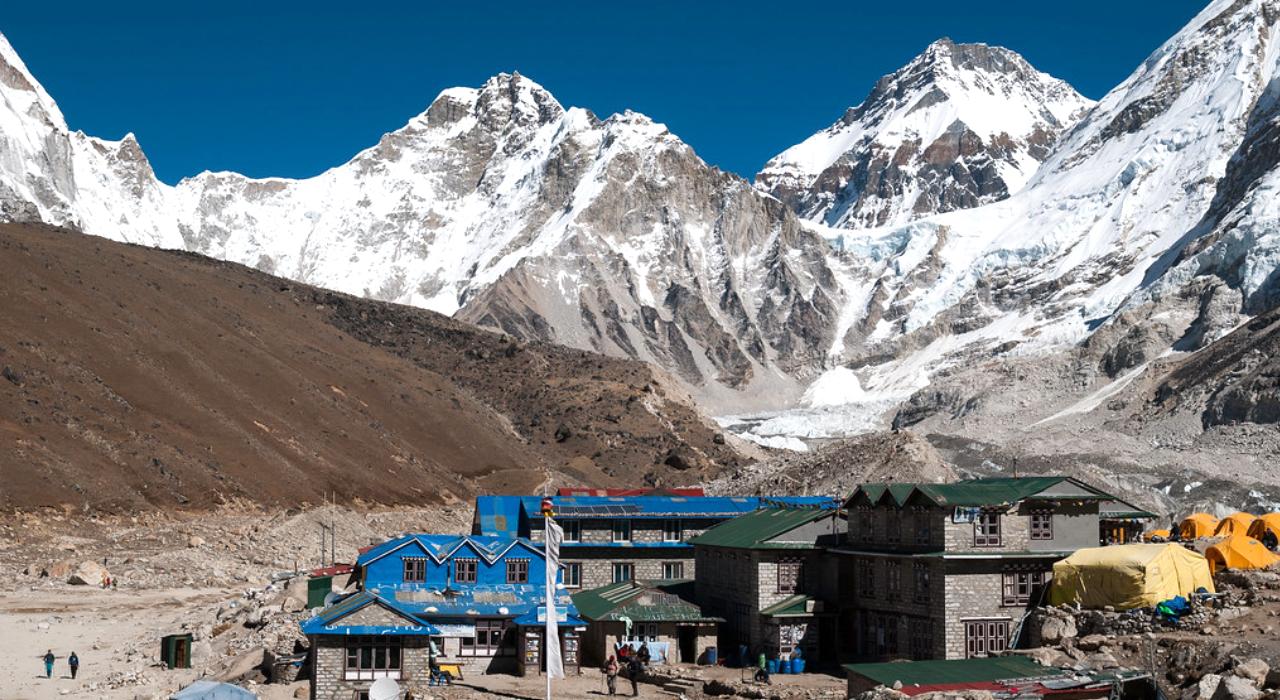
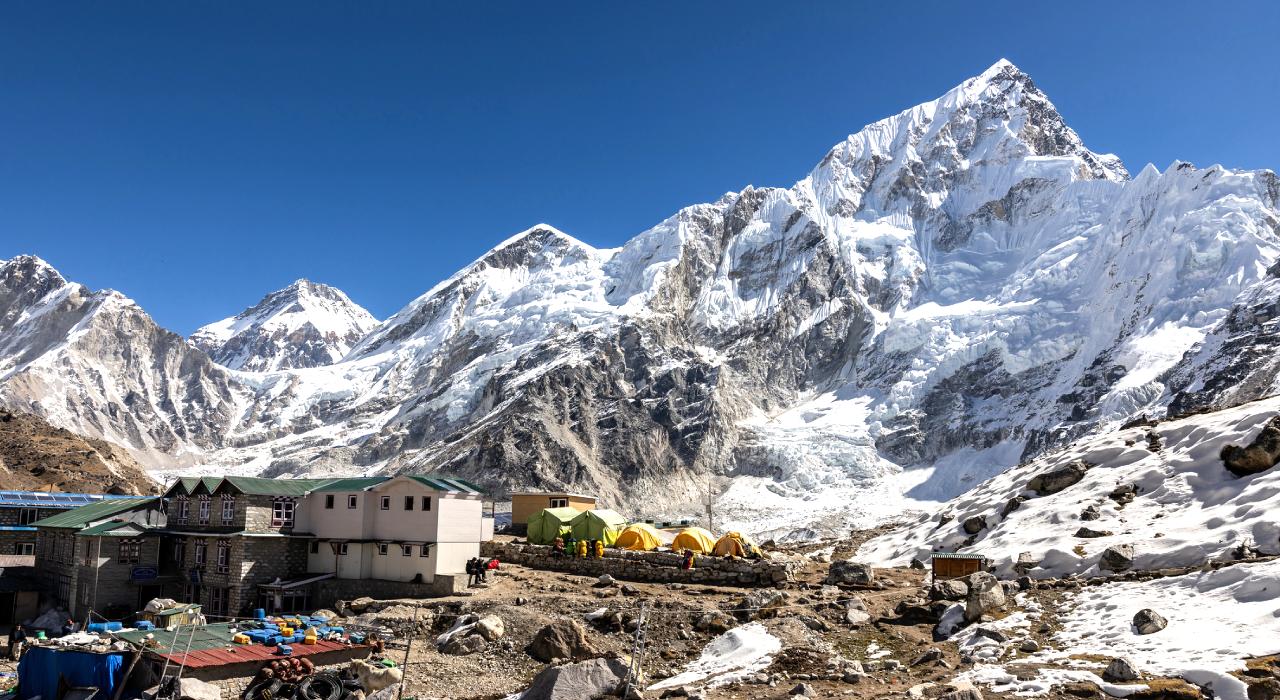
Gorakshep: The Last Stop Before Everest Base CampGorakshep is a tiny high-altitude village in Nepal’s Everest region, and it really is the last stop before Everest Base Camp (EBC). Perched at 5,164 meters (16,942 ft), Gorakshep is a windswept settlement on a flat glacial plain surrounded by the giants Everest, Lhotse, Nuptse, and Pumori. Its name is often said to mean “dead ravens,” although the exact origin of the name is uncertain, a nod to the bare, icy landscape.

Although virtually uninhabited year-round, Gorakshep fills with trekkers and guides in spring and autumn. As the final overnight point on the classic EBC trail, it serves as both a crucial acclimatization site and a jumping-off point for the hikes up to Everest Base Camp and Kala Patthar.
Location and Geography

Gorakshep lies in the heart of Sagarmatha (Everest) National Park in Nepal’s Khumbu valley. Its location on a frozen lakebed means the ground is sandy and rocky – almost like a high-altitude desert. The village is framed by towering peaks: On a clear day, you can see Lhotse, Nuptse, Pumori, and Lingtren, while Everest itself is mostly hidden from Gorakshep and becomes visible only when climbing toward Kala Patthar.

The air is thin at 5,164 m, and temperatures are frigid, so only hearty shrubs and moss survive here. In summer, the sun can be strong, but nights are freezing; in winter, snow blankets the village. Gorakshep’s extreme setting – on an ancient glacial plain beneath the world’s highest mountains – makes it as awe-inspiring as it is remote.

Getting to Gorakshep

Gorakshep is not reachable by road or vehicles – you must trek on foot. The usual route begins with a flight to Lukla (2,860 m) from Kathmandu. From Lukla, you follow the classic Everest Base Camp trail for about a week. Typical waypoints are Namche Bazaar (3,440 m), Tengboche (3,860 m), Dingboche (4,350 m), and then Lobuche (4,940 m).

Trekkers usually reach Gorakshep on about the 7th or 8th day of walking. The final leg, Lobuche to Gorakshep, is roughly 4–5 km of steep trail, climbing about 200 meters in elevation. It’s a rocky, high-altitude hike, so you must take it slowly and rest as needed. Once you arrive in Gorakshep, you will have earned a sense of achievement – this is as high as most trekkers sleep on the EBC trek.

Role in the Everest Base Camp Trek

Gorakshep’s role in the Everest adventure cannot be overstated. It’s the last overnight village on the way to Everest Base Camp – the point where trekkers rest, eat, and sleep before the final push.

Historically, Gorakshep even served as the original Everest Base Camp for early expeditions in the 1950s (before teams moved the camp closer to the Khumbu Icefall). Today, after Gorakshep, the trail continues up to Everest Base Camp (5,364 m) or to the iconic viewpoint Kala Patthar (5,545 m).

Staying in Gorakshep is crucial for acclimatization. At this elevation, the body needs time to adjust to very low oxygen levels. Most trekking itineraries schedule at least one night in Gorakshep so hikers can rest and recover.

The teahouses here provide a vital chance to slow down before tackling the final high-altitude treks. In this way, Gorakshep is a “launching pad” for the last steps of the journey – whether that’s visiting Everest Base Camp itself or climbing up to soak in sunrise views from Kala Patthar.

Things to Do in Gorakshep

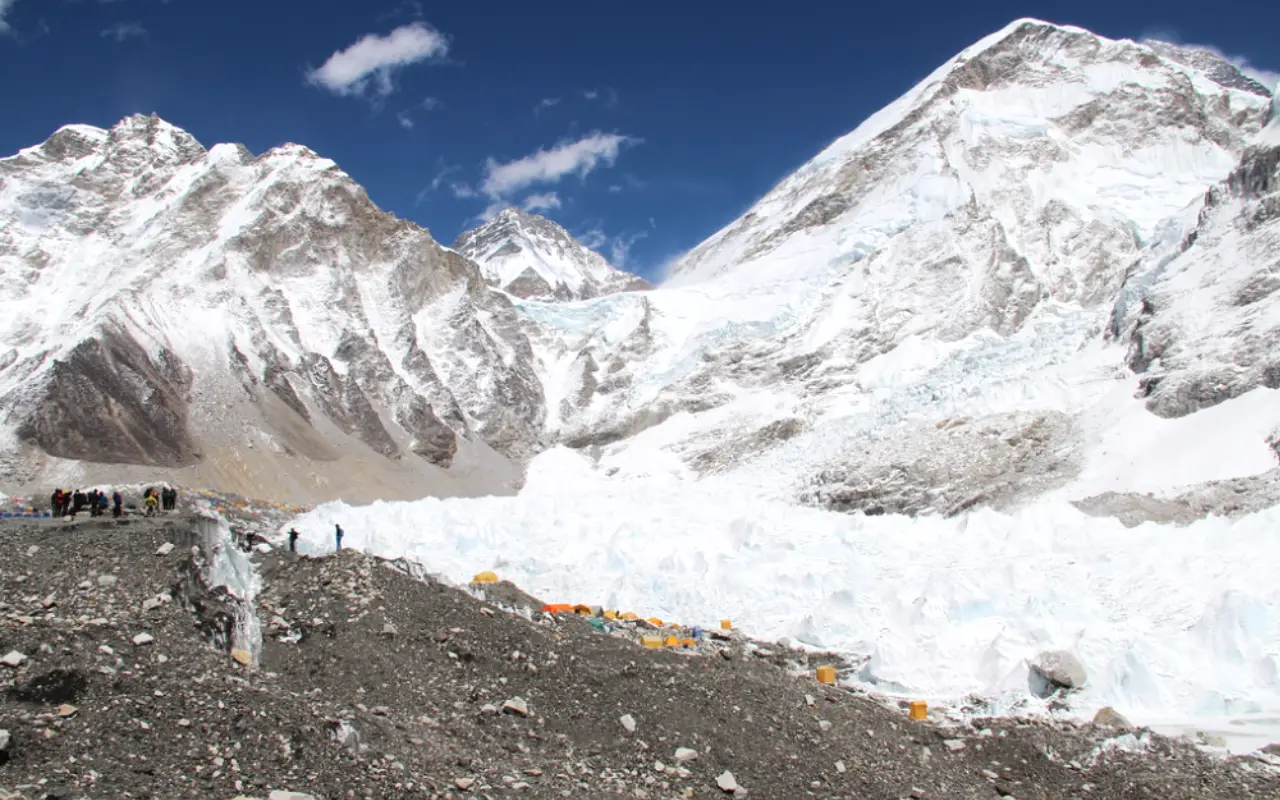
Despite its small size, Gorakshep offers a couple of must-do hikes. The most obvious is the short trek to Everest Base Camp itself. From the village, it is roughly 3.5 km each way (about 7 km round trip), taking about 3–4 hours round trip along a rocky trail that skirts the Khumbu Glacier.

This day-hike rewards you with the famous base camp tents clustered at 5,364 m, and offers up-close views of the Khumbu Icefall and nearby peaks like Nuptse and Pumori. Most trekkers do this as a same-day excursion from Gorakshep and then return to sleep in Gorakshep that night. (No one camps at Base Camp on the trek – you must come back.)

The other highlight is Kala Patthar, a ridge rising above Gorakshep. Starting from the village, Kala Patthar is about 3.5 km and 1.5–2 hours of steep hiking. It is commonly done just before dawn so that you reach the summit for sunrise.

From Kala Patthar’s 5,545-meter vantage point, you get an absolutely legendary panorama: Mount Everest’s peak right in front of you, framed by the huge ridges of Lhotse, Nuptse, and Ama Dablam. Many trekkers rate this sunrise view as the highlight of the entire journey.

Aside from these big hikes, simply exploring the village area is enjoyable. You can walk around the sandy plain and up small hillocks to see different angles of the surrounding summits. Prayer flags flutter in the wind, and it’s humbling to be standing on the “desert” floor under so many 8,000-meter giants.

At the tea houses, you can sit by a stove, enjoy hot soup, and take in the panoramic scenery of Pumori, Lingtren, and the icefall – all part of the Gorakshep experience.

Accommodation and Teahouses

Accommodation in Gorakshep is extremely basic. Only a handful of tea houses and lodges operate here, and they provide the simplest possible rooms. Typically, a room has two single beds with thin mattresses and a small table.

Walls and floors are plywood or concrete; there is no heating in the bedrooms. Temperatures inside will be just slightly warmer than outdoors, so you will definitely want to sleep with a heavy down sleeping bag (and even wear layers in bed).

The shared dining room is the heart of each lodge; it usually has a wood or yak-dung burning stove in the middle to keep the air warmer. Trekkers gather here in the evening to eat, drink chai, and warm up together.

Some teahouses do offer hot showers (bucket showers) and electricity for charging devices, but these are very limited – often only a couple of hours of power per day, and usually at extra cost. Expect to pay a premium for a hot shower (sometimes $5–10 or more). Lighting in rooms is generally solar or generator-powered, so it can be dim or spotty.

In short, don’t expect any comforts at Gorakshep. There’s no Wi-Fi, no laundry service, and no luxury. Everything is rustic. But that’s okay – most trekkers adjust to the campfire-like atmosphere quickly, and the friendliness of the lodge owners makes up for the Spartan rooms.

Bring your own power bank and earplugs (walls are thin and the dining area can be noisy), and you’ll be more comfortable. Remember: a good sleeping bag and layers of clothing are your best defenses against the cold nights.

Food and Water

Food options in Gorakshep mirror what you find in other high Himalayan teahouses – simple, hearty, carb-rich meals. Expect dishes like dal bhat (lentils and rice), vegetable or meat noodles, fried rice, omelets, and soups.

Everything is made on-site in basic kitchen facilities. Because all the food is carried up (by yaks, donkeys, or porters), prices are much higher than in lower villages. For example, a plate of dal bhat that costs $3–4 in Namche might be $6–8 in Gorakshep. Breakfasts are usually plain (oatmeal or eggs), and dinners often include some sort of stew or curry.

It’s very important to keep your calories up here. The cold burns extra energy, so eating regularly (even small snacks between meals) helps you stay warm and strong. Hot drinks like tea, coffee, or hot chocolate are readily available – and well worth it in the cold. Some lodges may also have instant noodles or popcorn as snacks.

Water in Gorakshep is scarce. There is no running tap water in the rooms. Lodges provide boiled or treated water from local sources, and you should always purify or boil your drinking water, but it must be boiled or treated first.

Bottled water is sold, but it’s very expensive (often $3–5 per liter). The cheaper approach is to carry a reusable bottle and water purification tablets or a filter. Many trekkers plan to drink “electrolyte” or “energy” drinks as well for extra fluid and salt. Remember that dehydration comes on fast at altitude, so drink often.

Finally, cash is king at Gorakshep. There are absolutely no ATMs here. (In fact, after Namche Bazaar, you won’t see any more ATMs on the entire trek.) Make sure you withdraw enough Nepali rupees in Lukla or Namche before heading up. You’ll need cash for lodging, food, hot water, showers, and any other supplies – all priced in rupees.

Elevation, Climate, and Seasons

Everest Base camp
Everest Base Camp

At 5,164 m, Gorakshep is very high – one of the highest points most trekkers ever sleep at. Oxygen levels here are about half of what they are at sea level, so everyone feels the effects of altitude. As you might expect, the climate is extreme.

Days (if sunny) may warm just a few degrees above freezing (0–5°C), but nights plunge far below 0°C. In fact, even in the best seasons (spring and autumn), nights often fall to around –10°C or colder. In the winter (Dec–Feb) temperatures can drop to –20°C or below at night.

The weather in Gorakshep is notoriously changeable. One morning might be clear and calm, the next, a snowstorm could blow in without warning. High winds are common, especially in the late afternoon and evening, making it feel even colder. Because the air is dry, you will lose moisture quickly (your throat and skin may dry out), so pack chopsticks and a moisturizer. You should also carry layered, windproof clothing at all times.

The best times to visit Gorakshep (and trek the EBC route) are spring (March–May) and autumn (September–November). During these windows, the sky is usually clear and the weather relatively stable, offering fantastic visibility of the mountains.

In spring, you’ll even catch blooming rhododendrons in the lower forests. Late April and early May have the unique buzz of the Everest climbing season at Base Camp. In autumn (especially October and November), you also get dry, crisp days and cool nights – many consider October the perfect month for Everest trekking.

By contrast, summer monsoon (June–August) brings heavy clouds, rain, and even snow to the high passes, often making trails muddy and views obscured. Winter (Dec–Feb) is extremely cold and snowy; many tea houses in the Khumbu Valley close, and flights to Lukla are less frequent. So, unless you are an experienced mountaineer, sticking to spring or fall greatly increases your safety and enjoyment.

Trekking Challenges and Altitude Sickness

Gorakshep and the trail around it present several serious challenges, even for seasoned trekkers. The obvious one is altitude. At 5,164 m, the air is thin, so breathing is hard and physical work feels strenuous.

Most people will experience some mild symptoms of altitude sickness, here headache, nausea, loss of appetite, fatigue, or shortness of breath are common. In fact, altitude sickness (AMS) is the biggest health risk on the EBC trek.

To minimize AMS, ascend slowly and acclimatize properly. It’s crucial to drink plenty of water and eat carbohydrate-rich foods to help your body adjust. Many travelers take a rest day in Dingboche or Lobuche before moving on to Gorakshep, and some even take an extra rest night in Gorakshep itself.

Allow your body to adapt – walk at a slow, steady pace and don’t rush. If you start feeling severe symptoms (confusion, coughing up frothy liquid, extreme weakness), descend immediately and seek medical help. Emergency oxygen may be available at some lodges or via helicopter if needed, but the safest course is going down.

Besides altitude, the cold and wind are a big challenge. Even in late season, you should expect freezing nights. Strong winds can also increase heat loss. Proper clothing (see below) is mandatory. Also, the physical trail itself can be rough: loose rocks, icy patches (especially in spring snowmelt), and uneven moraines require good footwear and careful footing.

Resources are limited. Gorakshep has minimal electricity (often just a few hours at night) and no real medical facilities. Carry a basic first-aid kit, personal medications, and any supplements you think you might need.

There may also be patchy communication; a few lodges have satellite-phone service or limited SIM coverage, but it should not be relied on. Emergency plan: It is highly advisable to have travel insurance with helicopter evacuation cover.

Nevertheless, there have been several attempts to overcome these challenges; although it faces numerous problems, thousands of trekkers arrive at Gorakshep without complications annually through proper preparation and taking care of the mountain environment. These challenges are not to be ignored, and with proper listening to your body, you will reach Gorakshep and have a good time there.

What to Pack for the Gorakshep Trek

Packing smart is essential for the harsh conditions at Gorakshep. Here are the most critical items:

  • Warm Sleeping Bag: A winter-rated down sleeping bag (–10°C to –15°C comfort rating, or –18°C for winter months) is recommended to use on a winter day, and it must be winter-rated, meaning no less than -18 °C. There is no heating in the rooms, the teahouse blankets are thin, and therefore, this is not an option.
  • Layered Clothing: Pack thermal base (wool or synthetic), fleece or insulated mid-layers, and windproof/waterproof outer shell. Even mornings and evenings are the times when a quality down jacket or parka is needed.
  • Insulating Accessories: Carry a warm hat/beanie, neck gaiter or scarf, waterproof/windproof gloves (with liners), and heavy wool socks. Originally, hand warmers can be helpful as well.
  • Trekking Boots: Waterproof: Sturdy, ankle-high, trekking shoes with good tread. Gorakshep will make them fit you in, and you will have no time to think of blisters.
  • Daypack: The daypack is a 20 to 30L size that fits comfortably to carry everyday needs (water, snacks, and extra layers). It should have a rain cover.
  • Sun Protection: Altitude sun is severe. Strong UV sunglasses, sunhat, and high-SPF sunscreen (with lips) are essential.
  • Hydration: Have a 2-3 liter water bladder and a spare bottle. Sources of water are scarce and expensive, thus requiring refilling and purifying.
  • Water Cleaning: Pack water purifying pills or a filter. There are also trekkers who purify the water using UV pens.
  • Headlamp and Spare Batteries: It is short in days, and you might find yourself hiking at night. A searchlight is useful, and batteries are quickly exhausted in the cold.
  • Trekking Poles: Not necessary, but useful on the rugged path, for the knees and balance.
  • Toiletries/First Aid: Toilet paper, hand sanitizer, altitude sickness pills (e.g. Diamox), pain killers, blister care, and any personal medication.
  • Power Banks/ chargers: Power is limited. Carry a mobile phone/camera battery charger.
  • Snacks: Quick energy boosts between meals in the form of energy bars, nuts/chocolate.
  • Travel Documents: You are required to carry your trekking permits (TIMS, Sagarmatha National Park) with you, and enough cash (in Nepali rupees) to get you through the trek.

Be mindful of weight limits on the Lukla flight (around 10 kg in a duffel). Many trekkers hire porters or use pony services to carry the bulk of their gear. But even if someone carries your bag, have your daypack with those essentials listed above.

Safety Tips

  • Gradual Acclimatization: Adhere to the scheme of the trek with rest days in higher camps. Do not ascend faster than the recommended pace.
  • Practices and Preventions: You should drink water frequently (about 3–4 liters per day) and consume an adequate amount of carbs and caloric intake. Do not take alcohol and heavy meals before going to sleep.
  • Listen to Your Body: In case you experience the symptoms of AMS (see above), do not neglect them. Halting, resting, and contemplating with a downward condition will get worse. In case of problems, always inform your guide or trekking partner.
  • Weather Planning: See what the weather is going to be every day on your phone or at the lodge. Always have waterproof clothes in case of snow or rain. When a storm strikes, be at home until it blows away – whiteout and high winds can be hazardous.
  • Trek Early: Start your rises earlier than the sun. There is afternoon wind and snow over. In addition, sunrise is more motivating to watch in Kala Patthar!
  • Group Up: Particularly when you are not very experienced, walk with a carefully arranged group or with a guide who knows the path.
  • Emergency Kit: Pack a small first-aid kit, some packets of glucose or salt, and (assuming you can fit it) a personal locator beacon or a satellite messenger.
  • Permits and Insurance: Carry all the necessary permits(See below) with you, and have travel insurance including helicopter evacuation to high altitude.
  • Cash: Draw additional rupees either in Kathmandu or Lukla. There are no banks/ATM further than Namche Bazaar.

By preparing for altitude and cold, keeping safety gear handy, and taking it slow, you can greatly reduce risks. Gorakshep may be wild, but with caution, it’s a wonderfully rewarding stop on your Everest journey.

Best Time to Visit Gorakshep

Gorakshep
Gorakshep

The ideal seasons for trekking to Gorakshep (and Everest Base Camp) are spring (March–May) and autumn (Sept–Nov). In spring, you benefit from many sunny days, mild weather, and the excitement of the Everest climbing season.

Autumn offers crystal-clear skies and stable conditions, with October being particularly popular. During these months, the trails are clear of snow and monsoon rain, and the daytime temperatures are bearable (though still cold at night).

By contrast, the monsoon season (June–August) brings heavy clouds and rain to the Khumbu, making high camps wet and slippery. Most of the lower villages are lush and green then, but above 5,000 m it can still snow. Winter (Dec–Feb) means serious cold, deep snow, and shorter daylight; very few teams attempt EBC in winter.

March–May and September–November combine the best weather and long days for trekking. If you time your trek for these seasons, you maximize your chance of clear mountain views (including of Everest itself) and manageable trail conditions.

Frequently Asked Questions

Q: What is the height of Gorakshep?

A: Gorakshep is some 5,164 meters (16,942 feet) above sea level. This renders it as one of the most elevated overnight halts in EBC hiking and implies that elevation is a significant element in the trip.

Q: What is the distance and the duration of the hike between Gorakshep and Everest Base Camp?

A: At a distance of 3-4km (approximately 8km round trip) is Everest Base Camp and Gorakshep. The Gorekshep to EBC walk is a 3-4 hour round-trip hike that goes through uneven landscapes. It is a day trip for many trekkers: hiking to Base Camp and then they go back to sleep in Gorakshep.

Q: Does Gorakshep have any accommodation?

A: Yes, but only basic lodging. There are a few small tea houses/lodges that are run in Gorakshep during the trekking season. They are basic twin-bed rooms which share toilets. It has minimal facilities, very thin walls, no heating in the room, and hot water is scarce. You do not need to book things too far ahead, and in most cases, assignments are done by your tour leader.

Q: What food can I get in Gorakshep?

A: Gorakshep tea houses offer simple, high-carb Nepali cuisine. The common ones are dal bhat (rice and lentils), soups, noodles, fried rice, and eggs. These aid in the recharging of body energy and prevent coldness. Hot beverages (tea, coffee) and occasionally snacks (instant noodles or biscuits) are typically served.

Q: What permits are required to go trekking to Gorakshep and Everest Base Camp?

A: It requires a TIMS card and a Sagarmatha National Park permit to hike in this area. All independent trekkers are obligated to have the TIMS (Trekkers’ Information Management System) card (around USD 20). To get into the Everest region, the Sagarmatha permit (approximately USD 30 for foreigners) is required.

Nepal Visa on Arrival: Complete Guide for Tourists in 2026

Everest Base camp
Everest Base Camp

Nepal visa on arrival is one of the most accessible and accommodating visa regimes in Asia. You are planning a Himalayan trek, cultural tour, business trip, or just a spontaneous holiday; the visa on arrival ensures that there is no hassle in entering Nepal. The visa of nearly all the tourists is obtained upon arrival at the airport or at the major land borders without prior attendance at an embassy.

This is the ultimate guide to all the knowledge you require about the Nepal visa on arrival 2026, such as how to qualify, costs, required documents, step-by-step process, entering the land border, extending the visa, nationality-based requirements, and handy travel suggestions. It is maintained in a very basic and simple language that any traveler would understand, hence they could walk into Nepal without any second thoughts.

Introduction to Nepal and Why You Need a Visa Guide

Nepal is a beautiful country between India and China, famous for the Himalayas, Mount Everest, its rich culture, friendly people, and diverse landscapes. More than a million travelers visit Nepal every year, and the number continues to rise. With so many visitors entering the country, understanding the visa process helps you avoid delays and confusion.

Except for Indian nationals, almost all foreigners need a visa to enter Nepal. Luckily, Nepal offers a very friendly visa-on-arrival service for tourists. It implies that you can obtain your visa either at the airport or at the border without having a trip to a Nepali embassy.

An easy roadmap is essential since it takes less time and is easier to fill out the visa form when one knows what documents to bring along, the price of the visa, and what to take once there.

This blog explains the full process in a simple way so every traveler, whether visiting for trekking, sightseeing, or business, can enter Nepal without any difficulty.

What Is Nepal Visa on Arrival

A Nepal visa on arrival is a tourist visa that you receive at Nepal’s entry points, such as Tribhuvan International Airport in Kathmandu or major land borders. It is the same tourist visa you would get from an embassy, but instead of applying in advance, you complete everything when you arrive in Nepal.

The visa on arrival was created to make tourism easier. You simply fill out a form, pay the visa fee, and get your visa stamped inside your passport. It is extremely convenient for travelers who plan their trip last minute or who do not have a Nepali embassy in their country.

The visa on arrival is intended for short visits, general travel, trekking, adventure trips, cultural holidays, business meetings, and similar purposes. It is not meant for long-term study, employment, or permanent residence. Visitors who want to stay long-term usually arrive on a tourist visa and later apply for another visa category inside Nepal.

All tourist visas in Nepal are multiple-entry. This means you can leave Nepal and come back within the visa period without buying a new visa.

Eligibility for Nepal Visa on Arrival

Nepal visa can be obtained by a very high percentage of the travelers who visit the country without any complications. The United States, Canada, the United Kingdom, all the European Union countries, Australia, New Zealand, Japan, South Korea, Singapore, Thailand, Malaysia, Indonesia, South Africa, Israel, Turkey, the UAE, and many more can just reach the airport or land border and get their visa.

It is this broad eligibility that makes Nepal one of the most convenient countries to enter into tourism. The majority of travelers are just required to fill out a brief form, pay the visa fee, and present their passports at the immigration counter. This is a fairly straightforward procedure, and the reason is that Nepal is a famous trekking and holiday destination for many individuals.

There are some nationality-based rules:

Countries Eligible for Visa on Arrival

Travelers from the United States, Canada, the United Kingdom, all European Union countries, Australia, New Zealand, Japan, South Korea, Singapore, Thailand, Malaysia, Indonesia, South Africa, Israel, Turkey, UAE, and many more are eligible. Most nationalities in the world fall into this category.

SAARC Countries

Bangladesh, Bhutan, Maldives, Pakistan, and Sri Lanka citizens receive a free 30-day tourist visa on arrival once per calendar year. If they visit again within the same year or stay longer than 30 days, normal visa fees apply.

This advantage is to promote tourism in South Asia and ease the travelling between the countries. In case a traveler in a SAARC country wishes to spend more than 30 days or visit Nepal once more within the same year, the regular visa fee will be charged.

Indian Citizens

Indian nationals are not required to have a visa to enter Nepal. The two countries have a long-standing agreement which they move freely between the two countries.

Indians can remain as long as they wish, but they are expected to carry a valid ID document like a passport or a voter ID card. Age or school documents should also be carried by the children travelling with their parents. There are no charges or applications to make, and thus, movement between India and Nepal is very easy.

Chinese Citizens

Chinese passport holders receive a free 30-day visa on arrival as per the current tourism cooperation policy between Nepal and China. This has been given considering that there is a tourism cooperation agreement between Nepal and China.

Chinese tourists just have to complete the arrival form and present their passports at immigration. The visa is issued at no cost. In case a Chinese tourist wants to extend past 30 days, he or she can do so by paying the standard extension fee in Nepal.

Children Under 10

Children aged below 10 are given a free visa on arrival, irrespective of their nationality. This policy can help family travel as it will lower the visa costs of young travelers. This excludes children holding United States passports, who must pay the normal visa fee.

The child should also travel with the passport, photo, and documents with the parents so as to have a hassle-free time completing the passport registration. This simple rule will facilitate the traveling of families and make Nepal a child-friendly destination.

Nationalities Not Eligible

Some nationalities must apply for a visa before traveling to Nepal. They include Afghanistan, Syria, Iraq, Palestine, Nigeria, Ghana, Liberia, Somalia, Cameroon, Ethiopia, Zimbabwe, and Eswatini. Travelers from these countries must obtain a visa from a Nepali embassy before flying. Airlines may refuse boarding if they do not have a visa in their passport.

Documents Required for Visa on Arrival

Preparing the right documents helps you complete the visa smoothly. You only need a few items:

First, you need a valid passport with at least six months’ validity from the day you arrive. Your passport must also have at least one blank page for the visa sticker. Passports that are damaged or have no blank pages may be rejected.

Second, carry at least one or two passport-sized photos. Sometimes the airport takes your photo digitally, but it is always safer to bring physical photos, especially if you enter by land.

Third, you must fill out the Nepal tourist visa application form. You can either complete it at the airport on paper or fill it out online within 15 days of arrival. Filling it out online saves time because you avoid standing in the long line for paper forms.

Fourth, keep your arrival card ready. Airlines normally provide it during the flight.

Finally, bring the visa fee in cash. Nepal accepts the United States Dollar and a few major currencies. Nepalese rupees and Indian rupees are not accepted for visa fees. Some airport counters may accept card payments, but this is not reliable every day. With these simple items, your visa process becomes very smooth.

Step-by-Step Visa on Arrival Process at Kathmandu Airport

Kathmandu City
Kathmandu City

Kathmandu’s Tribhuvan International Airport is the main entry point for most tourists. The process is simple if you follow the steps in order. When you land, follow the signs for arrival and go to the visa on arrival area. If you filled out the online form, go to the dedicated counter for online applicants. If not, pick up a paper form and an arrival card and fill them out carefully.

After the form is complete, go to the payment counter. Choose the visa length you want. You can take a 15-day, 30-day, or 90-day visa, depending on your travel plan. Pay the fee in cash. The officer will issue a receipt, which will be presented at the immigration counter.

The second step is to go to the desk of immigration desk. Give your passport, filled form, receipt of arrival card, photo, and receipt of payment. The officer will examine your papers, ask some basic questions regarding your visit then will stick the visa sticker on your passport. The visa will indicate your entry date and the number of days that you can remain.

Check the sticker again before walking out of the counter to make sure that you have the right name, passport number, and validity dates. Once you pass this area, correcting mistakes becomes difficult. After receiving the visa, collect your luggage and proceed through customs to exit the airport.

Updated Visa Fees and Accepted Payment Methods

Nepal visa fees are simple and clear. They depend on how many days you want to stay.

Tourist Visa Fees

  • 15-day visa costs 30 dollars
  • 30-day visa costs 50 dollars
  • 90-day visa costs 125 dollars

These fees apply to most nationalities, except those who receive free visas, such as Chinese citizens, SAARC citizens on their first visit of the year, and children under 10.
Payment is normally accepted in United States dollars.

Other major currencies like the Euro, the Pound, and the Australian Dollar are often accepted, but sometimes only dollar bills are preferred. Nepalese rupees and Indian rupees are not accepted at the visa counter. At land borders, only cash is accepted.

Some airport counters have card readers, but they are not reliable every day due to network issues, so carrying cash is strongly recommended. It is safest to bring cash.

Visa on Arrival at Land Borders

Many travelers enter Nepal by land from India or Tibet. Nepal provides a visa on arrival at several land borders as well.

The major India-Nepal entry points include:

• Kakarbhitta
• Birgunj
• Bhairahawa
• Biratnagar
• Nepalgunj
• Dhangadhi
• Mahendranagar

The main entry point from Tibet is Rasuwagadhi near the town of Kerung.

The process at land borders is similar: fill out a form, pay the visa fee, and get your passport stamped. However, the facilities may be simpler than the airport. You may not find electronic kiosks, so bring passport photos and a pen.

Always make sure your bus or taxi stops at the official immigration office. Do not cross the border without getting your entry stamp. Entering without a stamp can cause serious problems later when exiting the country.

Visa Extension Rules and Overstay Penalties

Sometimes travelers fall in love with Nepal and decide to stay longer. Nepal allows tourists to extend their visa up to a total of 150 days per year. To extend your visa, visit the Department of Immigration in Kathmandu or the Immigration Office in Pokhara. Bring your passport, one photo, and the extension fee.

The minimum extension is 15 days for 45 dollars. After that, each extra day costs 3 dollars. You can also add a multiple-entry facility for 25 dollars, though your visa on arrival is generally multiple entries. Extending your visa is important before it expires.

Violating the maximum even by a single day means you will have to pay a fine of $5 every day on top of the usual extension charge. Extended overstays result in much stricter punishment and, in severe cases, a travel ban. You should always note the expiry date on your visa sticker and remind yourself on your phone.

Visa on Arrival for Tourists, Trekkers, Business Travelers, and Students

Most tourists enter Nepal with a visa on arrival. If you are sightseeing, taking a holiday, or visiting family and friends, the normal visa is enough. Trekkers and climbers also use the tourist visa, even for long treks. You can choose a 30-day or 90-day visa, depending on your trekking plan. Trekking permits, such as conservation area permits or national park entry permits, are separate from the visa.

Business travelers visiting for meetings or conferences can also use a tourist visa. Only those planning long-term business activities need other visa types later. Students and volunteers normally enter on a tourist visa first and then change to a student or volunteer visa inside the country if needed. A tourist visa cannot be used for paid work.

Special Notes for Popular Nationalities

Visa regulations might vary slightly across the travellers of the various regions in the world, but the general visa on arrival policy is comparable, with barely any difference. To make its visa policy visitor-friendly, Nepal has made sure that the policy includes simple guidelines and rules that can be comprehended by a first-time visitor.

There are nationalities that get a free visa, the ones that get a standard visa, and a few that have to apply in advance. These minor variations are going to make you better prepared and prevent any kind of surprise during the immigration process. The following are brief and clear points on the key nationalities that visit Nepal in large numbers.

  • American, British, Canadian, European, Australian, and New Zealand travelers are fully eligible for a visa on arrival. United States citizens also have the option to apply for a five-year multiple-entry visa at the Department of Immigration inside Nepal (not on arrival).
  • Indian citizens do not need a visa. They can enter with a passport or a voter ID card.
  • Chinese citizens receive a free visa on arrival for up to 30 days.
  • Most Asian travelers, including Japan, South Korea, Thailand, Malaysia, Singapore, and Indonesia, get a normal visa on arrival with standard fees.
  • African and Middle Eastern nationals can also get a visa on arrival, except those from the restricted list.
  • Travelers with more than one passport should choose the passport that is eligible for a visa on arrival.

How to Fill the Online Visa Form

Filling out the online visa form before your flight saves a lot of time. You can fill it up to 15 days before arriving in Nepal. The form asks for your passport details, your arrival date, your contact information, and your first night’s hotel address.

After submitting the form, you will receive a confirmation page with a barcode. Print it and bring it with you. At the airport, show this paper at the online visa counter. You still need to fill out the arrival card and then pay the visa fee. The online form simply helps you skip one long step at the airport.

Best Times to Arrive for a Smooth Entry

Your arrival in Nepal can influence the speed at which you receive your visa. The most frequent ones are spring and autumn, and most flights are coming close to each other and which might cause a congested immigration hall. During these months, particularly in the late morning or early afternoon, you may have to wait longer in line.

The winter and monsoon seasons are very silent, and there are fewer tourists. Most of the travelers complete their visa process in 15 to 30 minutes during these seasons. There is also always a shorter line at early morning and late night flights since not as many planes land during the early morning and late night.

To get the quickest entry, you should take a flight that is landing in the off-peak hours or in a season that has low traffic. Filling out the online form prior to traveling can also enable you to get through the process faster.

Common Mistakes to Avoid

A few simple mistakes can delay your visa process. Many travelers forget to check their passport validity. Nepal requires a six-month validity after entry. Also, remember to bring passport photos, cash for the visa fee, and at least one blank page in your passport. At land borders, do not walk past the immigration building without getting stamped.

At the airport, do not rely only on credit cards for payment. Another common mistake is not checking the visa sticker before leaving the counter. Always confirm that the visa duration and your details are correct. The biggest mistake is overstaying the visa. Even a short overstay requires a fine and can cause a delay at departure. Always extend in time.

Practical Tips for a Smooth Visa Experience

A few simple tips make your arrival even easier. Fill out your arrival card during the flight. Keep your passport, photos, cash, and online form printout in one folder for easy access. Carry a pen, as forms are often handwritten. Treat the immigration officers patiently and politely, particularly when they have a heavy workload.

Nepal is also a good country to have travel insurance in case you will trek or participate in adventure activities. Once immigration is completed, withdraw Nepalese rupee from the airport ATM to cover transport and hotel bills.

Always have a copy of your passport and visa sticker with you in case you lose them. In case you are travelling with a tour company, listen to them; they usually help with the visa settlement.

Frequently Asked Questions

Do I need a visa to enter Nepal?

Yes, most foreigners need a visa. Indian citizens do not need one.

How much does the visa cost?

A fifteen-day visa costs 30 dollars, a thirty-day visa costs 50 dollars, and a ninety-day visa costs 125 dollars.

Can I pay in Nepalese rupees

No. Pay in United States Dollar or other major foreign currencies.

Can I get a visa late at night?

Yes. The airport immigration operates whenever international flights arrive.

Can I re-enter Nepal with the same visa?

Yes. Tourist visas issued on arrival are already multiple-entry, so you can leave Nepal and return again as long as the visa is still valid.

Can I work or volunteer on a tourist visa?
Working is not allowed. Short informal volunteering is common, but long-term volunteering requires a proper visa change.

What if I overstay?

You must pay a fine of five dollars per day and extend your visa before leaving.

Conclusion

Phewa Lake, Pokhara
Phewa Lake, Pokhara

Nepal visa on arrival is one of the most convenient entry systems in Asia. Almost every traveler can receive their visa quickly and continue their journey without stress. The process is very smooth with proper preparation. Carry your passport, which has a validity of six months, your photos, the visa fee in cash, and your filled online form, in case possible. Nepal is a friendly and hospitable nation.

This friendliness is reflected in the visa-on-arrival system. As soon as you get you will experience the warmth and comfort of travelling. Nepal visa on arrival is your first step to a great adventure, whether you are hiking to the Everest Base Camp, hunting for Kathmandu temples, visiting Lumbini, or taking time in Pokhara.

This is all you need to realize that you can now enter Nepal in 2026 with all the confidence you have with this simple and complete guide.

Best One-Day Hiking Trails near Kathmandu for Beginners

Kathmandu Valley
Kathmandu Valley

Hiking around Kathmandu is one of the beautiful experiences that foreigners can have a taste of Nepal and its culture without hiking far. Kathmandu Valley itself is enclosed in the green hills and villages, and there are numerous pretty trails to be completed within a single day. These short hikes are great in case you lack sufficient time or you are not fit for high-altitude hiking.

The majority of hikes around Kathmandu are not too challenging. No special climbing skills or technical equipment are required, just a good pair of shoes, a little water, and a basic level of fitness. These trails enable one to view snow-capped mountains, forests, local farms, temples, and small villages, all just a few hours away within the city.

The following are some of the finest one-day hiking trails in the Kathmandu region that are suitable for beginners. Every part describes the trail description, attractions, starting point, time spent, difficulty, and why it is a good trail to take as a first-time hiker.

Nagarkot to Changunarayan: Panoramic Views and Heritage

Nagarkot
Nagarkot

Trail Overview:

One of the best one-day hiking trails near Kathmandu is Nagarkot to Changunarayan. There is the Nagarkot hill station located approximately 32 km east of the city, where it is possible to see the beautiful sunrise over the Himalayas. Nagarkot is at the start of a day where many people drive up in the morning and see the sunrise, take breakfast, and start hiking.

The trail normally starts at Telkot, just below the main Nagarkot viewpoint. From there, an easy downhill and level road through terraced lands, and Tamang and Newar villages, and winding country lanes brings you to Changunarayan. This is approximately 8 to 10 km and is usually covered in 4 to 5 hours in a slow manner. It is not very steep and is suitable for beginners and families.

Highlights:

The largest attraction in this hike is the broad Himalayan view. During a clear day, you observe numerous mountain ranges, and some of them include Langtang, Ganesh Himal, and even distant sights of Everest. There are also the valleys, green hills, and villages that you see as you walk.

The countryside landscape is very serene. You walk through the farms, observe people toiling in the fields, and stroll through tiny traditional villages. You cannot imagine that you are close to Kathmandu, as the place is very quiet and peaceful.

The climb finishes at Changunarayan Temple, one of the oldest temples in Kathmandu Valley and a UNESCO World Heritage Site, which is dedicated to Lord Vishnu and is famous due to its wood and stone carvings. As you wander around the temple courtyard, there are some old statues, old Newari houses, and traditional artwork.

Starting Point, Duration & Difficulty:

You travel from Kathmandu to Nagarkot (approximately 1-1.5 hours on the road). A large number of individuals come earlier than the sun sets. The hike begins at Telkot and moves on to Changunarayan after breakfast.

The hike takes approximately 4 hours of walking, and it is a downhill or level hike. It is rated easy. On the downside, it can be assisted with trekking poles, and you should carry water, sunscreen, and some snacks.

Why It’s Great for Beginners:

This hike provides a great balance of landscape, culture, and comfort. You have wonderful mountain landscapes, village life, and an ancient temple without trying hard to climb it. The path is not very long but clear, hence a good first Himalayan hike, anyone of any age can do it.

Shivapuri to Budhanilkantha: Forest Walk to a Hilltop Monastery

shivapuri
shivapuri

Trail Overview:

The Shivapuri to Budhanilkantha hike takes you into Shivapuri National Park, just north of Kathmandu. The hike usually starts at Budhanilkantha, which is famous for its reclining statue of Lord Vishnu lying in a pond. After visiting the temple, you walk up into the forest of Shivapuri National Park on a well-marked trail.

Many day hikers go up to Nagi Gompa, a small Buddhist nunnery and monastery on the hillside, and then return the same way. The trail climbs steadily through forests of oak and rhododendron, with occasional open spots that offer views of Kathmandu Valley.

Highlights:

This hike is ideal if you want peace and nature close to the city. Once you enter the park, the noise of traffic fades, and you are surrounded by birdsong and trees. Shivapuri is home to many species of plants, birds, and small animals, so nature lovers will enjoy this walk.

Nagi Gompa is one of the main highlights. The monastery is simple, calm, and decorated with prayer flags. You have wonderful views of the valley, and, on fine days, some glimpses of the Langtang range to the north, which are to be caught from the surrounding area of the gompa. It is a silent, meditative air, and you can find nuns or monks in the process of their daily business.

Starting Point, Duration, and Difficulty:

Budhanilkantha is approximately a 30-40 minute drive from central Kathmandu. The temple area is located a short distance away, and by walking past the temple area, you reach the entrance of Shivapuri National Park, purchase a ticket, and register your details.

The total time spent on the hike to Nagi Gompa and back is normally approximately 3-4 hours. The road is a gradual ascending one, not too steep or dangerous. It is regarded as being easy to moderate. It can be done comfortably by beginners with average fitness as they take frequent breaks.

Why It’s Great for Beginners:

This hike is short, accessible, and highly flexible. You may stop whenever you are tired, and still have a good time in the forest. There is also a blend of Hindu and Buddhist culture on the same day, first in the Budhanilkantha temple and then in Nagi Gompa. The route is popular and safe, and since Kathmandu is never too far away, it feels reassuring for first-time hikers.

Champadevi Hike: Panoramic Valley and Mountain Vistas

Champadevi
Champadevi

Trail Overview:

Champadevi is a scenic hill located southwest of Kathmandu, and the height of the hill is approximately 2,285 m. It is among the elevated hills in the valley and provides an excellent vantage point. The climb typically begins in the Hattiban or Pharping region, approximately a 45-minute drive from Kathmandu.

From the starting point, a clear trail climbs up through pine forests and grassy slopes to the ridge and then to the small temple on the summit. The climb takes about 2–3 hours, and the descent another 1.5–2 hours.

Highlights:

On Champadevi, you have panoramic views of the valley as well as the mountains. During a clear day, Langtang, Ganesh Himal, Gaurishankar, and dozens of other peaks are visible. The distant glimpses of Everest and Annapurna are sometimes even available in case the air is very clear.

There is the Kathmandu Valley below, also, the urban districts of Kathmandu city and Lalitpur city, the surrounding villages, and the croplands. It is such a contrast between the life of the city bustle and the silent hills.

A little temple to the goddess Champadevi, who was thought to be a guardian of the valley, is at its top. You will find pilgrims of the area at the shrine, particularly in the case of festivals or full moon days. Also close to the starting point is the village of Pharping, which is also a religious destination with caves and monasteries associated with Guru Rinpoche (Padmasambhava).

Starting Point, Duration & Difficulty:

Most hikers drive to Hattiban or Pharping and start walking from there. Others also form a circle, going up the hill on one side and down it on the other.

The duration of the hike is approximately 4-5 hours, and the elevation gain is approximately 800 meters. It is not a demanding track in terms of technical difficulty, but it is constant uphill, so you will have to move slowly. The commute is approximately 8-10km.

Why It’s Great for Beginners:

Champadevi is an ideal choice for beginners who enjoy receiving big rewards despite challenges. The hike is short enough to do in half a day, but the views feel like those on a longer trek. If you are reasonably fit, you can complete the hike without problems.

You get fresh air, forest paths, prayer flags, local temples, and wide views, all in one simple route. It is also easy to reach from the city, which makes it a convenient choice.

Phulchowki Hike: Highest Valley Ridge for Nature and Views

Trail Overview:

The highest point in the Kathmandu valley is the Phulchowki (or Phulchoki), which is about 2,760- 2,780 meters. It is located to the southeast of the valley and is known to be home to forests, flowers, and birds.

The hike usually starts from Godavari, a village about 14 km from Kathmandu, known for its botanical garden. From near the garden entrance, a forest road and trail climb steadily up to the Phulchowki summit. The uphill walk takes about 4 hours, and the descent takes about 2–3 hours.

Highlights:

Phulchowki is very popular with nature lovers. The trail passes through dense green forests, which are especially beautiful in spring when rhododendrons and other wildflowers bloom. The location is among the finest bird-watching locations in Kathmandu, with numerous kinds of birds inhabiting the trees.

At the top, there is a small shrine and some communication towers, but the main attraction is the view. On a clear day, you can see a long stretch of the Himalayas, including parts of the Annapurna range, Manaslu, and other peaks to the east. You also look down on the whole Kathmandu Valley. In winter, Phulchowki sometimes gets light snowfall, which makes it a special place for locals who want to see snow.

Starting Point, Duration & Difficulty:

You drive from Kathmandu to Godavari in about 40–50 minutes. The hike starts near the botanical garden gate. The total hiking time is around 6–7 hours. The trail is a long, steady climb, but it is on a clear jeep track or path, so it is easy to follow.

It is classed as easy to moderate: easy because it is non-technical, and moderate because of the distance and elevation gain. Most beginners can manage it if they take their time, start early, and take enough breaks.

Why It’s Great for Beginners:

Phulchowki gives you the feeling of a “big trek” in just one day. You gain a lot of height, walk through different forest zones, and reach the highest hill around the valley. For beginners with basic fitness who are ready for a longer outing, it is a very rewarding hike.

There are no tea houses along the way, so you feel close to nature. You just need to carry enough water, snacks, and warm clothing.

Nagarjun (Jamacho) Forest Hike: A Peaceful Retreat Above the City

Nagarjun (Jamacho) Forest

Trail Overview:

One of the simplest and shortest hikes around Kathmandu is the Nagarjun Hill or Jamacho Gumba hike. Nagarjun lies to the northwest of the city and is part of the Shivapuri-Nagarjun National Park.

The hike starts at the Fulbari (Nagarjun) Gate near Balaju, about a 15–20-minute drive from Thamel. From the gate, a clear path and stone steps lead up through the forest to the Jamacho monastery and viewpoint at about 2,100+ meters. The trail is about 4–5 km uphill and the same back down.

Highlights:

Even though Nagarjun is very close to the city, once you enter the forest, you feel far away from the noise. The trail goes through thick jungle with tall trees. You will find monkeys, birds, and other small animals.

About halfway up, there are some open places, where you may rest and have the first glances of the valley. The highest point is Jamacho Gumba, which is a small Buddhist monastery adorned with prayer flags. It also has a viewing point or a small tower which gives a panorama of Kathmandu Valley and, on clear days, the Himalayas as well.

Starting Point, Duration & Difficulty:

It is a national park, and you pay a small amount of money as an entrance fee and register at Nagarjun Gate. The total time for the hike is about 4–5 hours, including breaks. It usually takes 2–2.5 hours to climb up and 1.5 hours to come down. The distance is around 9–10 km round trip. The walk is uphill but not very steep, and the path is well-defined. It is considered easy, and many locals walk it for exercise.

Why It’s Great for Beginners:

Nagarjun is a wonderful first hike in Nepal. It is very close to the city, short, and safe, yet gives you a real forest experience and fine views. It does not require good fitness or any special equipment, only comfortable shoes and a little patience to climb. The hike can be completed by lunchtime or early afternoon, and you still have energy to undertake other activities in Kathmandu.

Sundarijal to Chisapani: Waterfalls and Mountain Village Trek

sundarijal
sundarijal

Trail Overview:

The Sundarijal to Chisapani hike is a more difficult and longer day hike that provides the flavor of trekking. Sundarijal is situated in the northeastern portion of Kathmandu Valley and is identified with waterfalls and a small dam. From Sundarijal (about 1,460 m), the trail climbs up through Shivapuri National Park to the ridge-top village of Chisapani (around 2,300 m).

This route is actually the first day of the well-known Helambu trek. Many people hike from Sundarijal to Chisapani as a one-day hike and return the same way, while others stay overnight in Chisapani and come back the next day.

Highlights:

It starts with a beautiful stroll along waterfalls, streams, and stone steps along the water channels. The beginning of the hike is very refreshing due to the sound of water and cool air.

Once you are up the first hill, you enter a small Tamang village called Mulkharka, which has terraced farms and thatched-roof houses. Here one may take a rest, have a cup of tea, and come to the local village. The path further continues through rhododendron and mixed forests in the national park. It is spring, and the rhododendrons are colouring the hillside with a bright red and pink.

As we move toward Chisapani, the forest is replaced by open ridges where the views are wide. Chisapani is a trivial village having some lodging and tea houses. One looking from the aspects close to the village can observe a row of snow-crested mountains, one of them being the Langtang range and the Ganesh Himal. During the clear days, the sunrise and the sunset in Chisapani are very beautiful.

Starting Point, Duration & Difficulty:

You drive around 45 minutes from central Kathmandu to Sundarijal. At the national park entrance, you buy a ticket and start walking. The ascent to Chisapani requires approximately 5 hours of uphill and 4 hours of downhill work in case you do the entire mission in a single day. The total length is approximately 16km.

The path is primarily rocky steps and plain trails that locals use, and it is not so difficult to find the way. It is categorized as moderate due to the distance and height gain, yet many novices with comparatively good fitness will cope with it, provided they begin early enough and take it at a slow pace.

Why it’s Great for Beginners:

Chisapani to Sundarijal is a mini trek around Kathmandu. You see mountain views, forests, waterfalls, and villages all within a single route. This hike is a significant accomplishment for beginners, and they prepare well before they go on any multi-day hikes. There is also the social aspect of meeting the local villagers and other hikers on the way, making the whole journey enjoyable.

Tips for Beginner Hikers in Kathmandu, Nepal

Generally, hiking in Kathmandu is a safe and enjoyable experience, but with some simple tips, you can make it even better:

Choose the Right Season:

Autumn (September to November) and spring (March to May) are the most optimal seasons to hike in the area of Kathmandu area. The weather is normally stable during these months, and the skies are clear with comfortable temperatures.

The winter (December to February) is also a good time, and it has clear sight with colder mornings and short days. During monsoon (June to August), it rains, there are clouds, leeches, and thus the trails may be muddy and the views can be hampered.

Start Early in the Day:

Attempt to start your hiking early in the morning. You will have more pleasant weather and clearer sights before the afternoon clouds form. It is also an excellent time to start the hike with enough time to complete it during the day, even if you have a slow pace or more frequent breaks.

Pack Light but Carry Essentials:

A small backpack with at least 1-2 litres of water, some snacks or a light lunch, a first aid kit, sun protection (hat, sunscreen, sunglasses), and a light rain jacket would be recommended in the case of a day hike. Wear several layers of clothes to be able to adapt to the changing temperature.

Wear Proper Footwear:

It is very important to have comfortable shoes with a good grip. You do not even necessarily require heavy trekking boots; however, your shoes must be strong enough to cope with dirt paths and stone steps. New shoes can cause blisters, so avoid these and use thick socks that keep the feet dry and cozy.

Take Your Time and Keep Hydrated:

Walk slowly, particularly around the steep areas, and take rest when necessary. Take water frequently, and not only when you are thirsty. Taking breaks to have a rest, appreciate the scenery, and take pictures will make the hike less challenging and more enjoyable.

Permits and Entry Fees:

Some hikes, such as Shivapuri/Budhanilkantha, Nagarjun/Jamacho, and Sundarijal/Chisapani, are inside Shivapuri-Nagarjun National Park and require entry tickets. The fee is simple to pay at the gate, and you should keep the ticket with you.

In other hikes, such as Nagarkot to Changunarayan or Champadevi, no formal permits are issued; however, rules can vary, so enquire with your hotel or local agencies when you are in doubt.

Respect Local Culture and Environment:

There are numerous trails that go through villages and religious places. Wear a simple dress, particularly when around temples and monasteries. Smile and greet the locals with Namaste, and before taking photos of individuals, always seek permission first. Keep the trail clean, take your rubbish away with you. Feeding wild animals like monkeys should be avoided.

Stay Safe:

When you can, hike with a friend or in a small group. If you are unsure about the route, hiring a local guide is a simple and affordable option. You should tell somebody where you are heading and when you are coming back. Always take a fully charged phone, but also a small torch or headlamp in case your hike lasts longer than expected.

Look After Your Health:

These hikes are not very high, yet when someone is coming out of the sea, the altitudes can make them feel more fatigued than normal when walking uphill. Be patient and listen to your body. In case of health conditions, consult with your physician before attempting any long rises. Do not use untreated water on taps or streams; use bottled or purified water.

Enjoy the Experience:

Most importantly, keep in mind that these hikes are not only the reaching the top or the perspective. They are all about living in the little things: the noises of the forest, a cup of hot tea in a village, the smile of a local child, or your first sight of a snow-capped mountain.

The best introduction to the world of Nepalese trekking is by hiking around Kathmandu. A one-day hike with a little preparation, an open mind, and mere respect for the local culture and nature can be one of the happiest memories of your visit.

In summary, whether you choose an easy downhill walk from Nagarkot or a more active climb to Phulchowki, every one-day hike gives you a lovely glimpse of Nepal’s landscapes.

Hiking near Kathmandu is very rewarding for beginners – the trails are friendly, the views are beautiful, and the cultural experiences are meaningful. With these tips and suggestions, put on your shoes, step out of the city, and enjoy a peaceful day in the hills around the Kathmandu Valley.

Top 12 National Parks in Nepal You Must Visit

Introduction

Bound by the Himalaya and the Indian plains, national parks in Nepal feature one of the most diverse ecosystems in the world. These parks preserve everything possible including the tropical grasslands that are home to rare mammals to the alpine valleys with ice-clad peaks.

They protect the last populations of one-horned rhinoceros and habitation of Royal Bengal tigers, and forests that harbor red pandas as they forage among rhododendron blossoms. Long ago monasteries that are buried in these terrains are still rooting with Buddhist incantations. Each park is a sanctuary of rare animals, the entrance to famous trekking routes, and an intensive portal to traditional mountain culture.

Sustainable tourism is being undertaken in national parks of Nepal. The co-management of these locations entails the management of local communities, where local communities lead tourists on jungle safaris, rafting, and hiking expeditions at high altitudes, as well as preserving the sacred cultural sites. The fees collected on the entry fees and conservation permits are used for trail maintenance, anti-poaching patrols and community development work. Along with experiencing untouched natural environments and authentic cultural experiences, travelers will also make a lasting contribution to preservation.

In 2025, these amazing parks will provide the perfect time to visit them. The tourism infrastructure has been enhanced, lodges and homestays are ready to receive the visitors and new guided tours and community-based experiences are designed in that regard.

We live in a world where sustainable travel is increasingly becoming a global concern and by traveling to Nepal in 2025, you can explore wild outstanding nature in a sustainable way, contributing to conservation and the local economy. This guide will assist you in planning your trip and taking optimal advantage of the time in Nepal in the most stunningly beautiful conservation areas the country has to offer.

Quick Facts About National Parks in Nepal

Number and distribution: The 12 national parks in Nepal plus other conservation areas comprise 34,000 km². These parks extend from the high-altitude Himalayan mountains to the floodplains of the subtropical Terai. In addition to hundreds of animal and bird species, they are home to over 6,500 plant species.

UNESCO World Heritage Sites: Nepal has two national parks which are UNESCO World Heritage Sites. In terai or the low plain lands in the South, there is the Chitwan National Park which is home to one horned rhinoceros and Bengal tiger. Sagarmatha National Park is in the northeastern Himalaya region, a park including Mount Everest and greatest alpine sceneries of the world.

Entry permit and fees: All visitors are required to acquire an entry permit be it national park or conservation area. Fees vary according to each place, months and nationality, for example the foreign visitors are required to pay USD 15-30 to visit Chitwan or Sagarmatha. Restricted regions like the Upper Dolpo come under the special permit category that can cost up to USD 500 or more.

These charges go directly to maintain the park, local activities and to preserve the environment. Visitors should always carry copies of passports and photographs when making applications to the permits.

The Top 12 National Parks in Nepal

Chitwan National Park

Chitwan National Park, Nepal’s first national park, was established in 1973 and designated a UNESCO World Heritage Site in 1984. home to more than 750 one-horned rhinoceroses (2021 census) and it harbors a population of Royal Bengal tigers and gharial crocodiles which are thriving.

Dense sal forests and tall elephant grass make it the home of elephants, sloth bears, and around 640 bird species have been recorded. Visitors often see rhinos grazing or crocodiles basking during jeep, canoe, or elephant safaris in jeep rides, rides in elephants or canoes along the Rapti and Narayani Rivers.

Chitwan National Park

Other than wildlife, Chitwan has diversified cultures. Local Tharu villages in the area have evening programs of traditional stick dancing and jumps over the fire. By taking guided forest walks, travellers learn about medicinal plants and animal tracks, whereas, homestays enable travellers to take part in rice farming or cooking lessons. Being one of the most accessible Nepal national parks, Chitwan makes a good initial destination on an itinerary in 2025.

Bardia National Park

It is the one national park located in far-western Nepal that little people know about: Bardia national park (968 km2). It was founded in 1988 and remains home to Royal Bengal tiger, wild Asian elephants and swamp deer in a sal forest, riverine grass and savannah habitats.

Since it does not get as many visitors as Chitwan, wildlife experiences are more personal. Jeep safaris are used to spot herds of blackbuck antelope, boar and occasionally the rare Gangetic dolphin on the Karnali River. More than 300 species can be seen by the birdwatchers including the endangered Bengal florican and great hornbill.

Bardia National Park

Bardia also calls to adventurers, with rafting or kayaking on the Karnali, Tharu village visits, and community homestays. the community have established are options available to travellers. In 2025, tiger-tracking walks guided by park rangers will make this impeccable national park in Nepal even more rewarding as the trackers will be direct beneficiaries of conservation.

Sagarmatha National Park

Sagarmatha National Park (1,148 km²) in Khumbu region comprises the Mount Everest and is a UNESCO World Heritage Site. It varies in elevations between 2,845 m at Monjo and the summit elevations of 8,848 m, rising from pine and oak forests to glaciers and alpine meadows. Snow leopards, Himalayan tahrs and black bears are among the creatures which wander here and in the avian category include the Himalayan monal and blood pheasant.

The park’s Sherpa culture is equally famous. The villages of Namche Bazaar and Tengboche, where monastic festivals are held and prayer wheels turn, are connected by the treks to Everest Base Camp and Gokyo Lakes. The permit fees paid by trekkers are what are used to fund conservation and infrastructure at the local level. By using eco-lodges and reducing the quantity of plastic waste you make during your trip to Nepal in 2025, you help ensure that one of the country’s most visited national parks remains sustainable for upcoming generations.

Langtang National Park

The Langtang National Park (1,710 km²) just north of Kathmandu, provides a combination of alpine meadows, glacier-carved valleys, holy lakes, and mountains covered in snow. Set up in 1976, It is renowned for the Langtang Valley trek and the sacred Gosaikunda Lakes. Over 1,043 plant species grow here as well as orchids and rhododendrons along with red pandas, snow leopards, and Himalayan tahrs that live in bamboo and pine forests.

Langtang National Park

In places like Kyanjin Gompa (Tamang village) one gets to experience the tradition of yak herding, production of cheese and Buddhism festivals. Trekkers on mountains such as Kyanjin Ri build up panoramas of Langtang Lirung and the Ganesh Himal. In 2025, the Tamang Heritage Trail will be easier to access due to the new lodges built in the national park in Nepal, yet, they will not disrupt the cultural authenticity of the location.

Rara National Park

Rara National Park is Nepal’s smallest but also one of its most beautiful parks. covering 106 km². On its territory, there is the largest lake-Rara Lake, a natural lake at 2,990 m, surrounded by pine, juniper and spruce forests. In spring and fall, creatures visit the clear waters that reflect the snow-covered hills. Red pandas, Himalayan black bears, and musk deer are among the wildlife.

Red Panda
Red Panda

To get to Rara one has to fly to Jumla or Talcha and then trek through villages where the only frame of reference left is the distant mountains. The attraction of it is also enhanced by this quietness, as well as the camping by the stationary lake too, with jackals in the night no less. Improved trails and campsites will also simplify access to Rara but all the beauty will remain as untouched as it is now in 2025. Among the national parks in Nepal, Rara remains a true hidden gem.

Shey Phoksundo National Park

Shey Phoksundo is Nepal’s largest national park and is situated in Dolpo that features some of the most dramatic scenery of Nepal. Its most striking feature is the Phoksundo Lake whose bright turquoise waters are flanked by cliffs. The park also harbors the Shey Gompa and the 900-year-old Thashung Monastery, the Tibetan Buddhist history the area being deep-rooted.

Shey Phoksundo National Park

Snow leopards, blue sheep, musk deer and grey wolves are sheltered in the park. There are over 200 bird species and 300 healing plant species. The Upper Dolpo Treks offer a glimpse into ancient customs as they ascend high passes and remote communities. For travellers in 2025, Shey Phoksundo promises solitude, cultural immersion, and some of the most breathtaking scenery of all the national parks in Nepal.

Makalu Barun National Park

Among Nepal’s national parks, Makalu Barun National Park (1,500 km2) is special because it protects the deepest valleys and the highest peaks of the eastern Himalaya. It is the only designated area in the whole world where the altitudes range from 435 m in the Arun Valley to over 8,000 m at Mount Makalu.

The park include tropical lowlands around the lower Arun River up to high mountains that freeze including the fifth-highest mountain, Mount Makalu (8,463 m), and adjacent mountains including Chamlang and Baruntse. The various species of rhododendron and orchids that grow here are 25 and 47 respectively, and have dozens of the rare plants.

Wildlife includes snow leopards, red pandas, musk deer, and hundreds of bird species. The treks to Makalu Base Camp require passing through distant Sherpa, Rai and Shingsawa settlements where people engage in long-term sustainable use of forests and pastures. Strict permits and restricted lodges preserve the nature of the wilderness. In 2025, guided expeditions will allow travellers to support conservation while experiencing one of the most spectacular national parks in Nepal.

Khaptad National Park

Khaptad National Park (225 km 2 ), in the far-western part of Nepal, is not only a bird sanctuary and a place of beyond importance but needs to be explored. The park is named after the hermit, Khaptad Baba, who practiced meditation here decades together. The park includes meadows, rich forests and hermitages. The altitude ranges between 1,400 and 3,300 m, and these densities provide alpine fields, full of wildflowers during spring as well as dense chir pine, oak, and rhododendron forests. Wildlife: red pandas, Himalayan black bears, leopards, and barking deer can be found.

Pilgrims come to Khaptad Baba shrine and performing meditation at the forest ashrams. There are hiking tracks through field and across hilltop villages, and views of the Himalayas as well as true cultural encounters in the people. More than 270 species of birds can be spotted by the birdwatchers, including pheasants and eagles. By 2025, there will be eco-camping sites and new interpretive trails to give access to this serene national park in Nepal without degrading its ecological and spiritual heritage.

Shivapuri Nagarjun National Park

On the border of Kathmandu Valley is Shivapuri Nagarjun National Park (159 km²) which is a quick getaway into the natural habitat. Reaching its highest point of 2,732 m on Shivapuri Peak, the park provides almost 40 per cent of Kathmandu drinking water. Its trees, of oak, pine and rhododendron are home to more than 300 species of bird and mammals, the barking deer and the Himalayan black bear. Famous routes take hikers to Baghdwar (the source of the sacred Bagmati River), Bishnudwar and Jamacho Gumba on top of a hill where refreshing sceneries of the city and Langtang range are seen.

The Nagarjun part retains cave temples and an ancient Jamacho Monastery where mystics saturated into a trance centuries ago. Ideally situated to help an individual acclimatize or as a day trip, Shivapuri is very convenient regarding accessibility due to its proximity to the capital. By 2025, the reforestation combined with the anti-poaching initiative will help keep this nearby national park in Nepal a source of fresh air and clean water to millions of people.

Parsa National Park

Parsa National Park (627 km²), which borders Chitwan to the east, protects subtropical jungle in the Terai lowlands. It was designated a wildlife reserve in 1984 and upgraded to a national park in 2017. The park is dominated by sal forests, with riverine woodlands along the Rapti and Bagmati rivers. More than 500 bird species, including giant hornbills and kingfishers, thrive here.

Since compared to Chitwan, Parsa has fewer visitors, the safari in this region is very quiet and not crowded. Watch towers provide glimpses of deer, peacocks and wild elephants and there are also historic temples on Kailas Bhata hill which are attractions to pilgrims. Elephant camps around Amlekhgunj will give the traveller to observe the domesticated elephants in natural environment. In 2025, Parsa will emerge as a quieter alternative among national parks in Nepal, perfect for travelers seeking off-beat wildlife adventures.

Banke National Park

Established in 2010, the 550 km2 Banke National Park is a crucial wildlife conservation area. This interconnection enables tigers and elephants to move in their habitats and helps maintain genetic diversity. Sal and hardwood forests, grasslands, and oxbow lakes in the park have 34 mammal species and over 300 species of bird. Large animals include Bengal tigers, sloth bears, leopards, wild elephants, and blue bulls that graze the open meadows.

Travelers can experience wildlife up close and unspoiled in Banke, which is still largely unexplored. Visitors can get up close and personal with rare birds and mammals on jeep and elephant safaris, and otters and crocodiles can be found in wetlands. You can actively support Nepal’s newest protected area and explore one of the country’s least-visited but most promising national parks by traveling to Banke in 2025.

Koshi Tappu Wildlife reserve (Mentions)

Despite being a wildlife reserve, Koshi Tappu (176 km2) is frequently mentioned when talking about Nepal’s national parks because of its significance for birds worldwide. It is located on the floodplains of Sapta Koshi River and defends the last wild population of Arna (Asiatic water buffalo). It is also home to hog deer, blue bull and aquatic fauna including gangetic dolphins and crocodiles.

Koshi Tappu Wildlife Reserve

According to Birdwatchers, there are over 440 species have been recorded here, including the rare Bengal floricans, ibises and swamp partridges. During winter, wetlands are covered with migratory ducks and geese which offers some spectacular scenic photos. It is a Ramsar site of international importance, and proposed as a World Heritage Site, so it is well worth a visit in 2025 by any enthusiast of wetlands and waterfowl and birds, or interested in conservation and successful conservation efforts in the natural world.

Best Time to Visit National Parks in Nepal

Most national parks in Nepal experience distinct seasons shaped by altitude and geography.

Spring (March to May): Spring is the most popular time, with warm days, cool nights, rhododendron blooms, and excellent visibility. Chitwan and Bardia offer excellent chances to spot rhinos and tigers, and the trails in Langtang incorporate mountains of flowers. It is the season when migratory birds fly to visit Koshi Tappu and Rara Lake.

Autumn (September to November): Stable weather and clear skies make the trekking in Sagarmatha and Makalu Barun and Shey Phoksundo the best one. There are also their Terai safaris, which are rewarding. Autumn tours in Nepal are also coloured by the biggest festivals in Nepal, Dashain and Tihar.

Monsoon (June to August): Nepal becomes green in monsoon. Although trekking tracks are muddy with leeches and sometimes landslides, rivers become turbulent, which makes Bardia rafting as well as canoeing in Chitwan exciting. Parks are quieter, but you cannot see wildlife in forests.

Winter (December to February): There is heavy snow and cold, restricting the high pass treks such as Larkya La or Thorong La whereas lower altitude national parks remain open. The winter turns Rara and Khaptad into enchanted winter paradises and Koshi Tappu into a birdwatcher’s paradise. Cleared skies at times are very good mountain viewing opportunities

Activities to Try in Nepal’s National Parks

Jungle Safaris

Take an elephant safari (in certain places), a jeep safari, or a canoe safari through Nepal’s wild national parks. Jungles and grasslands in Chitwan and Bardia present the best jeep safaris in sal forests where sloth bears, tigers and rhinos can be sighted. A canoe ride on the Rapti or Karnali Rivers presents crocodiles (gharials and mugger crocodiles), and sparkling kingfishers. In ethical travel, choose operators that prioritise animal welfare.

Trekking & Hiking

Himalaya regional parks provide world level trekking. Sagarmatha has the famous Everest Base Camp and Gokyo lakes trails and Langtang has the Langtang Valley, Gosaikunda, and Tamang Heritage trail. Far parks which include Shey Phoksundo and Makalu Barun are those visited by adventurous people. To make the hikes less demanding, Shivapuri Nagarjun, Khaptad and Rara are recommended as peaceful trails with no high altitudes involved. Always acclimatize and contemplate hiring such local guides.

Camping & Boating

Camping overnight at Rara Lake, Phoksundo Lake, or Khaptad lets you sleep under Himalayan stars. Select camping areas that are designed to have no trace of travelers and use portable stoves. There is boating on Rara and it was possible on Phoksundo on dry seasons, Stay warm at all times and wear life jackets since glacial lakes are cold and windy.

Birdwatching & Photography

With habitats ranging from subtropical wetlands to alpine tundra, national parks in Nepal are a birder’s paradise. Koshi Tappu is now synonymous to migratory waterfowl. Hornbills and kingfishers can be found in Chitwan and Bardia with Langtang and Khaptad also supporting pheasants, eagles, and sunbirds. Photographers will be inspired endlessly-the color of the waters of Phoksundo, the reflections of the Rara Lake as well as the mountains Everest and Makalu.

Cultural Encounters

All national parks of Nepal are an integration of nature and culture. Sagarmatha allows tea-sharing with families of the Sherpas and ancient monasteries. Chitwan and Bardia point to Tharu culture by means of dances and homestays. Langtang, Makalu Barun and Shey Phoksundo offer the visitor to a Tibet influenced culture, monasteries and yak based lifestyles. Khaptad attracts pilgrims to hermitages and Shivapuri and Parsa have maintained old Shrines. Being respectful in dealing with locals is not only making the trip a more interesting one, but also contributing to sustainable tourism.

Travel Tips for Visiting Nepal’s National Parks

Permits & Fees

Most national parks in Nepal require entry permits, which vary by park, nationality, and trip duration. In Sagarmatha and Chitwan, the permits can be purchased at entry gates or Kathmandu. Special permits may also be needed to visit such far-off parks as Shey Phoksundo or Makalu Barun, and occasionally even a communication officer is needed. Treks that traverse several conservation areas, eg Annapurna or Manaslu also require conservation area permits. Always have copies of the passport and photographs when one is applying and retain all the checks slips on the way.

The responsible travel and eco-guidelines

The ecosystems within national parks in Nepal are fragile, so travel responsibly. Use designated trails, Do not litter; carry out all non-biodegradable waste. Stay away and keep a safe distance to the wildlife and never feed the wild animals.

Mind the cultural practices: walk in a clockwise direction around stupas and prayer wheels, in villages and monasteries; dress decently; Before taking a picture of a local, always ask them. Please practice conservation by purchasing locally made goods, encouraging the use of local guides, and avoiding staying at lodges that are not eco-friendly.

Packing Essentials

Pack  according to the park you visit. In the low land parks like Chitwan, Bardia and Koshi Tappu, lightweight, breathable light-coloured clothing to blend with the terrain is recommended. Things to bring include insect repellent, binoculars, sun protection and a reusable water bottle. In the Himalayan parks, take layer clothing, a down jacket, fleece, and waterproof clothing, sturdy boots, and trekking poles. Other necessities are gloves, hat, sun cream that they can use in the high altitude, first-aid kit, medications to overcome the effects of altitude, and purification tablets. Carry sufficient cash, as ATMs are rare in remote regions.

Hiring Local Guides

Employment of local guides and porters enhances your visit. Guides that can help negotiate parks like Sagarmatha, Makalu Barun and Shey Phoksundo are available to guide, manage cultural understanding and altitude risk. Local employees will also enhance your opportunities to see rare wildlife and guarantee some kind of safe communication with isolated communities. Whenever possible, one should pick guides that are certified by Trekking Agencies Association of Nepal (TAAN) or advised by reputable operators as this is an indication of professionalism. In the process, you provide direct benefits to the livelihoods of the people.

Conclusion

From the steamy jungles of the Terai to the icy glaciers of the Himalaya, national parks in Nepal capture the country’s incredible ecological and cultural diversity. All parks have their different stories to share Chitwan with its rhinos and Tharus, Bardia with its tiger trails, Sagarmatha with its Sherpas and the towering Everest, Langtang with the red pandas and the yak herders, Rara with her mirror lake, Shey Phoksundo with her turquoise depth and Makalu Barun with her rugged wilderness.

Khaptad has the sense of spiritual reflection, Shivapuri is a quick city escape, whereas Parsa and Banke preserve tigers and elephants. Koshi Tappu is a buffer zone, which although a reserve is full of birds and wild buffaloes, and no less memorable.

In driving towards your visit in 2025, keep in mind that it is important that every action counts. Use refillable water bottles, be sensitive to local customs, employ local staff, and be a responsible traveller. By responsibly going around these landscapes, you will help in the preservation of these lands so future generations can enjoy the beauty, wilderness, and heritage of Nepal’s national parks. Visiting national parks in Nepal is not just a journey into nature, it is a contribution to conservation and community well-being.

 Frequently Asked Questions (FAQs)

Which is the best national park in Nepal for wildlife?

The most popular national parks for wildlife are Chitwan and Bardia. They contain rhinos, Bengal tigers, elephants and many birds. Chitwan has better infrastructure, while Bardia is quieter and wilder.

How much is the entry fee for Chitwan National Park?

As of 2024, foreign visitors pay NPR 2,000 ( USD 15) and SAARC nationals pay NPR 1,000. Always check updated rates before travelling.

Can I see tigers in Bardia or Chitwan?

Yes. Both parks are the preserve of Royal Bengal tigers Sighting are never assured, but in Bardia there are greater chances owing to the fewer tourists in the park and in Chitwan there are expert guides giving you higher probabilities of getting a sighting.

Which national park is best for short treks near Kathmandu?

Shivapuri Nagarjun National Park is ideal on a day hike with spectacular views of the valley and Himalaya. Langtang National Park, a bit more distant, has the possibility to spend multi-day treks to Kyanjin Gompa.

Are permits required for all national parks in Nepal?

Yes. Every park requires an entry permit. Some, like Sagarmatha or Makalu Barun, also require special permits for restricted areas. Always obtain permits through authorised offices or trekking agencies.

What’s the best season to visit Sagarmatha National Park?

The best time to visit is the spring (March-May) and autumn (September-November), as there is a clear sky and pleasant temperatures. In winter, extreme cold can be experienced and the monsoon season usually shrouds views on the mountains.

Is Rara Lake trek suitable for beginners?

Yes. It is of the average level with easy trails but the isolated location and lack of services should be considered before taking this trek. It is not a challenging hike especially when accompanied by a guide even though beginners with basic fitness can do it without problems.

Can I camp inside Nepal’s national parks?

Camping in certain parks, like Rara, Shey Phoksundo, and Khaptad is also authorized only at specific camps. Tourists usually lodge in lodges or homestays in the majority of the areas. Check the rules of the park in case you can make camping there

Which parks are good for birdwatching?

Koshi Tappu is Nepal’s premier bird sanctuary, with over 440 species recorded. Other attractions to birdwatchers particularly during spring and autumn migrations are Chitwan, Bardia, Langtang and Khaptad.

Which is the most Remote Nepalese national park?

The most remote, unreachable except on foot or by air, is Shey Phoksundo in Dolpo. Makalu Barun is also an adventurous trek that offers remote wilderness away from crowds.

Nepal Tea House Trek: Everything You Need to Know Before You Go

Nepal tea house trek has gained global recognition for its unique meeting of adventure with cultural experience. The breathtaking mountain scenery and nearby local communities of Nepal provide a great backdrop for tea house trekking, and therefore make it a likely favorite of many people who want to explore the Himalayas.

When embarking on a tea house trek in Nepal, trekkers will walk on established trails while staying in some basic lodging called tea houses. Camping-based trekking involves carrying everything you need, which is more demanding than tea house trekking. Unlike camping-based trekking, tea-house trekking involves enjoyable and comfortable overnight lodging, with meals included, which can be appealing to the wider trekking audience.

Tea House
Tea House

In Nepal, the tea house system operates as a series of family-run tea houses or lodges that can be found on the main trekking routes. The tea houses create a more relaxing atmosphere where trekkers can relax, socialize, and share trek stories during their Nepal tea house trek experience.

In order to immerse yourself into the culture and customs, it is vital to understand how the tea house system works. Understanding how the system works will help you set your expectations for cultural interactions, basic creature comforts, and makes it easy when exploring the stunning trails of Nepal on your tea house trekking adventure.

Top Regions for Nepal Tea House Trek

  • Everest Region

The difficulty of the Everest Nepal tea house trek is moderately difficult, mainly due to being at a greater altitude and the subsequent challenges that come with it. This trek requires good fitness and a good trek training program before attempting the trek.

Trekking to Everest Base Camp usually sees many other trekkers. At busy times and peak season, it is popular and elite. Gokyo Lakes is a viable alternative as it draws fewer trekkers and offers some amazing views of glacial lakes.

  • Annapurna Region

Annapurna is moderately challenging, depending on the route. Along the way, you will get amazing views of the Annapurna massif and varying terrain from lush valley to high passes. You will also find blooming flower scenery along the way.

The Annapurna Circuit trek is commercial, so you will encounter a large number of trekkers.  However, the Annapurna Base Camp trek is less crowded, but you will encounter many trekkers in busy seasons.

  • Langtang Valley

The Nepal tea house trek in Langtang is easy to moderately challenging. During the trek, you will be walking through lush rhododendron forests and many Traditional villages. On your journey, you will eventually arrive at a location where you may take in breathtaking views of Langtang Lirung.

Compared to the Everest and Annapurna treks, Langtang is less congested. You can get a rich cultural experience and stunning scenery in a short period.

  • Manaslu Circuit

The Manaslu Nepal tea house trek is physically demanding due to the rough terrain and Narrow Mountain trails, which require good physical fitness to complete. It is less commercialized than Everest or Annapurna, with opportunities to experience remote, inaccessible Nepal.

Landscape includes dramatic mountain vistas and villages rich in cultural and local traditions. Manaslu receives less foot traffic than Everest and Annapurna, which is ideal for more advanced trekkers looking for solitude as well as adventure.

  • Poon Hill for short treks

Poon Hill Nepal tea house trek is an easy trek and suitable for beginners, or trekkers with a limited time, offering the breathtaking panoramic sunrise view of the Annapurna and Dhaulagiri range.

This area can experience high foot traffic during peak season due to the short duration and accessibility, but it is still a popular choice for a quick Himalayan trip.

What to Expect in a Typical Tea House

A typical Nepal tea house trek will have a simple private or shared room that offers twin beds with blankets and pillows. Private rooms can be expensive; however, it is common to share a room with other trekkers because of the space limitations on popular routes.

The toilet facilities are mostly shared and can be Western-style or squat toilet style, especially at higher altitudes. Some tea houses have showers – maybe a cold shower and sometimes a hot shower with an added cost. You are advised to carry with you toilet paper and hand sanitizer.

Tea House Nepal
Tea House Nepal

Within the tea house, you will have a menu with traditional Nepalese dishes (dal bhat, momos, thukpa, etc.) and some western meals (pastas, pancakes), and your drinks will be tea, coffee, and hot chocolate with alcoholic beverages. Meals are often bundled with the accommodation.

Regarding electricity, it varies, and basically, most tea houses will have charging points for your devices for a fee. There are power outages for long periods. There is limited wi-fi, most of which is slow and typically has an added cost. There is no heating in your room, only heating in the common dining room, usually with a stove.

Cost per night on a Nepal tea house trek will generally be in the vicinity of $5-$15 per night, and likely differ based on the area and the season. Tea houses are hospitable with opportunities to engage with culture, experience with local hosts, and mix with other trekkers in a relaxing and cozy mountain setting.

Meals on a Nepal Tea House Trek

During a Nepal tea house trek, the typical food will be Dal Bhat, momos, fried rice, and various western-style options (pasta, pancakes) – there will be some filling, hearty options to choose from.

Most tea houses will certainly allow trekkers to boil, filter, or buy bottled water. It is sensible not to drink untreated water, and trekkers should consider carrying purification tablets or filters for extra measure during a Nepal tea house trek.

To remain healthy during a Nepal tea house trek, drink lots of fluid to stay hydrated, eat a balanced diet, and use caution with food choices at higher altitudes. It is also a good idea to carry some snacks to sustain your energy during the trek.

Personal hygiene is important while on a Nepal tea house trek. Always use hand sanitizer before eating a meal, and make sure you order food at the beginning of the day; you nearly always have time to rest after your meal and allow for digestion. All these little things will allow for an easier and safer trekking trip.

Packing Essentials for a Tea House Trek

On a Nepal tea house trek, a comfort loading backpack, between 10 and 15 kg, is a good pack weight for carrying all the essentials without being too much of a burden. The straps help equally distribute the pack weight, making it an easier trek on the longer hikes.

If you are on a Nepal tea house trek, pack layers of clothes, maybe thermal long sleeve and long pants base layers, a fleece jacket or 3-season to 4-season coat for a waterproof shell, hats and gloves, quick dry trekking pants, and hard shell pants to help you in the long walks on a Nepal tea house trek.

To stay warm as it gets very cold at night for sleeping, a sleeping bag rated for a 3-4 season is recommended, although some trekker choose to rent a sleeping bag instead of taking their own, as it can be a burden.

A toothpaste, toothbrush, travel-size toiletries, (eco-friendly) biodegradable soap, and plastic containers must be packed for a Nepal tea house trek.

Must-pack trekking gear include: comfortable sandal, good strong waterproof boots, trekking poles because they don’t have to be right choice size and have to adjust for stability if you require.

You have to pack a purification system for safety on your Nepal tea house trek, which includes tablets, drops, or a portable filter while trekking in remote areas.

Permits and Entry Requirements

For the most part, a TIMS card (Trekkers’ Information Management System) is required on all tea house trek routes in Nepal including the Everest Base Camp region. The purpose of the TIMS card is to ensure the safekeeping and management of trekkers while on the trekking routes, and it must be taken on person for the entire duration of your trek.

National Park or Conservation Area permit cards are required for most of the popular trekking areas of Nepal, including the Annapurna and Sagarmatha trekking regions. The cost of these permits supports the Conservation efforts in the area. All trek entry points will check your permits en route.

Restricted area permits apply to special trekking areas such as Manaslu, Upper Mustang, and Kanchenjunga areas, which have much steeper permit application fees and rules about going to these areas. Restricted area treks typically require trekking with licensed guides for the Nepal tea house trek.

Permits, including TIMS and conservation area entries, can be obtained from the offices of the agency or registered trekking agency in Kathmandu and Pokhara. Most trekkers will have permits arranged through trekking agencies since this will make the process easier and help ensure proper permitting.

Cost Breakdown & Budgeting

The average daily costs on a Nepal tea house trek are around $30 to $5wi0 for food and accommodation. Meals consisting of simple Nepali food, and lodges of different standards ranging from relatively basic to fairly comfortable.

Permit fees can consist of the TIMS ($10-$15) and national park permit fees ($20-$30), depending on which region you are trekking in. The cost of guides is about $25-$35/day; the cost of porters is normally $15-$20/day on a Nepal tea house trek.

In some places, you have to pay for Wi-Fi ($3 to $6) , hot showers, and charging electronics ($1 to $5). These costs vary by location. Although they are additional costs, they will add convenience to your Nepal tea house trek.

Tipping etiquette on a Nepal tea house trek involves appreciative trekkers providing gratuity to guides, porters, and lodge staff. This would be about 10-15 percent of total service cost, demonstrating appreciation and contributing to local livelihoods.

Do You Need a Guide for a Nepal Tea House Trek?

Having a guide or porter on a Nepal tea house trek will provide assistance, local knowledge, and safety. However, hiring this support will be an extra expense. A guide or porter will also make the trek dependent on them, which can decrease your feeling of independent adventure.

Independent trekking on a Nepal tea house trek will allow you the flexibility to decide what you want to do when you want to do it at your own pace. Whereas guided treks will have a set starting point, a clear outline for a daily itinerary, multiple cultural insights, and removed logistical hassles, which are ideal for inexperienced trekkers or those doing their first trek.

Mandatory guide support for a Nepal tea house trek occurs outside andd inside restricted areas like Manaslu and Upper Mustang. These are areas where the government regulates trekking support, which is on a list of more strict requirements to ensure trekkers’ safety, respect for local culture, and adherence to permits upon entering sensitive areas.

Best Time to Go for a Nepal Tea House Trek

The ideal time to undertake a Nepal tea house trek is in the spring (March–May) and autumn (September–November) when the weather is stable and skies are clear.

There are also the off-seasons, winter, and monsoon trekking. Winter trekking provides quiet trails and good visibility of the mountains, but cold conditions. Monsoon trekking provides plenty of rain, slippery trails, crowded trails, but stable conditions in the rain-shadow areas (like Mustang), where trekking is possible.

Spring and autumn have huge crowds on the trail with packed tea houses. The weather is nice and dry in the spring and autumn, but from winter to monsoon trekking weather, it can be very difficult and can affect the trails and the condition of your Nepal tea house trek.

Sustainable and Responsible Trekking Tips

To minimize your impact on a Nepal tea house trek, use a reusable water bottle and avoid single-use plastic products. Pack out all rubbish, respect nature, and stick to trails to protect fragile environments.

By choosing eco-lodges and good trekking companies, you are helping sustainable solutions for Nepal tea house treks. Many tea houses can operate solar, biogas, and/or buildings made of environmentally responsible materials that minimize the use of plastic and help local economies.

Consider supporting local communities on the trail by purchasing handicrafts, hiring local guides or porters, and respecting social norms. Supporting local communities creates paths to preserve community traditions, while also providing further income for people who are paid in little or no local currency.

Avoid single-use plastic on the Nepal tea house trek by bringing reusable bags and containers. Tea houses will help with sorting rubbish, and some will recycle plastic. Bringing biodegradable soaps and limiting rubbish will all contribute to making your experience more environmentally friendly on a trek. On the trail with packed tea houses.

Common Challenges & How to Prepare

Altitude sickness can be an obstacle during a Nepal tea house trek. Follow proper advice to stop it from happening by climbing slowly, drinking lots of water, resting, and acclimatizing. Take Diamox with you only if you were prescribed it and make sure to descend quickly if symptoms get worse.

Food and water hygiene are most important in a Nepal tea house trek. Only drink clean and boiled, filtered, or bottled water. Avoid raw foods entirely, and try to take hand sanitizer with you to avoid illness and stay healthy.

Basic fitness is also a must for a Nepal tea house trek because of the varied terrain and altitude. Train with cardio exercises for trekking, hiking, and strength exercises beforehand, so make sure you have both stamina and endurance, but also to help prevent injury.

Cultural etiquette is important on a Nepal tea house trek. Follow the customs of the locals, be sure to use the greeting of namaste, dress modestly, buy local goods, and be polite when engaging with locals to have a unique experience while ensuring that customs are respected.

Frequently Asked Questions

Is a tea house trek safe for solo travelers?

Yes, the tea house trek is safe for solo travelers because of the friendly hospitality of teahouses and well-maintained trails.

Can you charge your phone and use Wi-Fi?

Yes, you can charge your phone and use Wi-Fi, but some teahouses will charge you extra for that.

What kind of insurance do you need?

You need travel insurance that covers emergency medical evacuations and altitude sickness.

How far do you walk each day?

You can expect to walk around 10 to 15 kilometers a day.

Conclusion

The Nepal tea house trek offers the chance to have stunning mountain views, plus the chance to immerse yourself in local culture while being able to enjoy a modest level of comfort and convenience in the local lodges, while meeting friendly mates and locals on each step of your Nepal travelling adventure.

Trek responsibly by being respectful to nature, local antiques and practices, as well as eco-friendly ways. As long as you prepare properly for a Nepal tea house trek, you will be safe, healthy, and have fun while preserving the magnificent Nepal trails and communities for future trekkers.

Are you ready to explore? Maybe you should consider booking your guided Nepal tea house trek with you getting professional assistance, or you can download my complete checklist and plan your trip as efficiently as possible. Enjoy your Himalayan journey with care and confidence.

Top 10 Best Hiking Places in Kathmandu Valley You Must Try in 2025

There are many excellent options for hiking in the Kathmandu Valley with lush nature and cultural experiences. The hiking trails provide a welcome break from city life for every outdoor enthusiast.

The best hiking places in Kathmandu offer something for beginners, families, and experienced trekkers. Every trail has stunning views, will take you for a walk in peaceful forest landscapes, and visit cultural attractions that are located directly within the city.

With this trek guide, we will explore all of the best hiking places in Kathmandu, which consist of picturesque day hikes, serene hill station hikes, and distinct monastery hikes. All of these best hiking places in Kathmandu are within a 1 to 2-hour drive.

Discovering the best hiking places in Kathmandu involves finding nature to escape to, history to learn and appreciate, and calmness to enjoy. If it’s a 1 day trip or something more adventurous with multi-day trekking, there are exciting hiking routes to discover from the city.

Shivapuri Hike

Shivapuri Hike is one of the best hiking places in Kathmandu Valley. This trek starts in Budhanilkantha and passes through the Nagi Gompa. You have to walk on the forest trail, which is situated in a tranquil atmosphere, making it a great place for hikers who want to experience peaceful nature.

These hiking trails will take you to a height of 2,732 meters, where you can get an amazing panoramic view of Kathmandu Valley and the surrounding Himalayan ranges. Additionally, you will get an opportunity to witness unique flora, fauna, and colorful birds along the trails.

Shivapuri
Shivapuri

The cultural highlights of this hike include the Nagi Gompa monastery and a peaceful tea break in serenity as you hike. The way up through the mixed oak and rhododendron woodlands is beautiful in its own right, making this moderately difficult hike very fulfilling.

To hike in Shivapuri National Park, you must purchase a permit from Shivapuri Nagarjun National Park. As for 2025, the fees are NPR 1,000 for foreigners, NPR 600 for SAARC nationals, and NPR 100 for Nepali nationals. Permits can be purchased at the entrance of the park.

Champadevi Hike

Champadevi is known for being one of the best hiking places in Kathmandu, with a path leading from Pharping or Taudaha. The way passes through beautiful pine forests to the top of a holy hill around a stupa.

At a height of 2,285 meters, this hiking retreat recognizes that your time on top of that hill is rewarded with incredible valley views during sunrise or sunset. This will offer breathtaking and memorable moments for a photographer or nature lover alike.

Champadevi
Champadevi

You can also appreciate the cultural nuggets, such as Buddhist monasteries and the stillness of Taudaha Lake. You will also have the opportunity to appreciate the rich local traditions and spirituality, or just enjoy the peace of a lovely spot.

Whether looking for a day’s adventure while keeping close to Kathmandu, or just wanting to experience the best hiking places in Kathmandu. This place is perfect for you because you can enjoy a mix of forest walks, stunning views of the Himalayas, and charming rural traditions in a day’s escape.

Phulchowki Hill Hike

Phulchowki Hill is the highest point in the Kathmandu Valley at 2,782 meters, and it’s one of the best hiking locations in Kathmandu for some altitude and killer views. The trailhead is in Godawari Botanical Garden, and you can get a nice and serene start before entering the forested area that this area is known for.

Phulchowki is a birdwatcher’s paradise and is filled with birds and seasonal wildflowers, which present some of the best hiking places in Kathmandu for diversity, flora, and fauna in a peaceful forest setting. You also have the benefits of cooler summer temperatures and foggier winters.

These hiking locations in Kathmandu have a steep ascent through tight and thick forest areas with views of the Kathmandu valley and distant Himalayas from the various view spots. Phulchowki’s tranquility and biodiversity make it a great option for nature lovers who want to escape the city limits.

Nagarkot to Changunarayan Hike

Nagarkot to Changunarayan is one of the best hikes in Kathmandu. It begins with Nagarkot’s famous sunrise and follows a picturesque, wooded ridge that is great for a nice, relaxed adventure close to the city.

Nagarkot - one of the best hiking places in Kathmandu valley
Nagarkot

This hike is listed as the best hiking place in Kathmandu because the trail is a combination of greenery and cultural immersion. You will go to the Changunarayan Temple site in this hike, which is the oldest and most cherished UNESCO heritage site in the valley.

Because of the blend of rich nature, archaeology, tranquil villages, and sweeping valley, this hike is one of the best hiking places in Kathmandu.

Nagarjun Hill

Nagarjun Hill is an amazing outdoor getaway in Kathmandu and is located in Nagarjun Forest Reserve. The rocky path ascends to the tranquil Jamacho Gumba monastery after passing through dense forest.

This trek is one of the best hiking places in Kathmandu, providing a relatively short but enjoyable uphill hike. Trekkers enjoy bird watching, seeing a troop of monkeys, and views of the valley while moving along every step, going up the forested ridge.

One of the greatest spots in Kathmandu for hiking is Nagarjun Hill, which is ideal for half-day strolls or early morning climbs. The combination of deep green, spiritual presence, and close access to nature is not only perfect but easier for urban dwellers.

Sundarijal to Chisapani Hike

Another best hiking place in Kathmandu is the Sundarijal to Chisapani trail. You start your hike in Sundarijal from the scenic Sundarijal waterfall and dam area. After passing through Mulkharka village, you will enjoy a peaceful walk through a local community surrounded by nature.

sundarijal
sundarijal

The Sundarijal to Chisapani hike is a trail in one of the best hiking places in Kathmandu that leads you into Shivapuri National Park. The trail goes through rhododendron forests and is a gradual ascent.

For those of you who want more, Chisapani can be your starting point for Nagarkot. This multi-day trek is one of the best hiking places in Kathmandu, and you will experience fresh air, beautiful landscapes, and some great cultural experiences all within proximity to the city.

Namobuddha Hike

Namobuddha Hike is recognized as one of the greatest hiking places in Kathmandu, sharing beautiful trails to a sacred Buddhist pilgrimage destination just south of Dhulikhel, which is still accessible nowadays. It is a peaceful, beautiful trek that is better suited for novice hikers.

Namobuddha
Namobuddha

You will walk through a tranquil trail which consists of beautiful rural settings and pine woods. This gentle trek with awesome valley views has a relaxing atmosphere for contemplation and rest.

Among all the best hiking places in Kathmandu, Namobuddha demonstrates the ability to connect with spirituality, with the highlight being the visit to the beautiful Thrangu Tashi Yangtse Monastery. This is a lovely location to learn about Buddhist practices while enjoying the peaceful and beautiful surroundings.

Lakuri Bhanjyang Ridge Walk

The Lakuri Bhanjyang Ridge Walk is a serene trail that begins in Lamatar or Godavari. Due to being a trail off the beaten path, it doesn’t get much foot traffic and is an excellent place to enjoy the quiet of the escape among the lush forests of rhododendron and pine.

When you reach the Lakuri Bhanjyang, you will get an amazing 360-degree view of the Himalayan range. You will also get a view of Langtang and Gauri Shankar on clear days. Lakuri Bhanjyang is a well-known spot for sunrises and sunsets, with an amazing vista for photographers seeking great shots.

The top of Lakuri Bhanjyang has a number of local tea houses where you can enjoy a warm drink or snack. It is quite common to see families or groups picnicking on the ridge, as this is a popular hike for both day hiking and relaxing picnics for all looking for something close to Kathmandu.

Bishnudwar Trail

Bishnudwar Trail is a Discovery among hiking places in Kathmandu, and is regarded as one of the best start-to-finish beginner trails. It starts at Budhanilkantha and continues up through a serene forest to a holy spring, the source of the Bishnumati River.

If you are considering what are the best hiking places in Kathmandu, Bishnudwar Trail is a very tranquil trail that openly offers a merging of spirituality and nature. For travelers looking for a forest walk, it is ideal; it is also ideal for any other traveler looking for a nice escape from the city.

Bonus: Godawari to Phulchowki Summit

You will start on this tough trail from the Godawari Botanical Garden, where the trail climbs steeply through dense forest, and will challenge the body, no matter what your trekking experience is.

The trail is popular with bird watchers and botanists. It has over 300 species of birds and a rich variety of plant life. The forested nature trail allows for a continuous experience in lush ecosystems and remains a solid option for nature lovers who desire more than an afternoon stroll.

Once you have adjusted to the uphill climb from the trailhead, be ready for a long climb up and down the trail, with about 6-7 hours round-trip. This trek provides an excellent sense of reward while engaging in a serious outdoor adventure.

Best Time to Hike in Kathmandu Valley

Spring is the best time to experience the best hiking places in Kathmandu. You will get vibrant trails with flowers and clear skies. Additionally, the temperature is comfortable for hiking.

The second peak season for the best hiking in Kathmandu is autumn. With crisp mountain air and views of the Himalayas that are crystal clear, it helps give ideal conditions for all kinds of leisure walks and scenery, especially photography. Due to these conditions, locals and travelers come to the heights of the valley during the autumn.

Though a little colder, winter provides dry and stable conditions at the top hiking places in Kathmandu. Most hikes and trails are still open, and it is often less populated with hikers, making it a good alternative if feeling cooped up in the city.

Monsoon creates an adventure for the best hiking trails in Kathmandu. The landscapes become lush with greenery, but the trails will become slippery. If you are an adventure seeker, this may be the best time to explore the best hiking places in Kathmandu, but this time is not generally recommended.

Tips for Hiking in Kathmandu

  • Wear sturdy hiking shoes for hiking on varying terrains.
  • Start early in the day to get sufficient time during daylight hours.
  • Carry water, snacks, and sunblock during the hike to have the best hiking experience.
  • Respect local cultures by dressing modestly and wildlife by not disturbing them.
  • Consider a local guide for longer trails because they will help you navigate the trails and stay safe.

Conclusion

Best hiking places in Kathmandu Valley are perfect for all fitness levels, as they combine culture, nature, and spiritual experience, the main reason to go hiking/exploring. These trails also serve as an ideal refreshing and restorative escape from busy city life, for both beginners and seasoned trekkers alike.

In just a couple of hours from Kathmandu, these best hiking places in Kathmandu can provide an amazing experience. Don’t miss these hiking opportunities in 2025 for beautiful scenic views, peaceful forests, and rich cultural heritage that can be found on great hikes near the city.

Frequently Asked Questions

Do I need permits to hike around Kathmandu?

You will need permits, such as national park or restricted area permits for hiking around Kathmandu.

Can I hike alone safely?

Yes, hiking solo is safe in some trails, but it is restricted in some trails because of safety issues.

What’s the easiest hike for beginners?

For beginner hikers, the easiest hike is the Nagarkot to Changunarayan hike since the elevation is not too steep and the views are very pleasant.

Which trail has the best sunrise view?

The best hike for sunrise views is the hike to Champadevi, since views of the valley from 2285 meters are impressive.

Are there guided day hikes available?

Yes, guided day hikes abound around Kathmandu, and we recommend these as they provide safety and a greater understanding of cultural aspects.

Top 10 Hidden Places in Pokhara You Must Visit in 2025

Pokhara is known for its beautiful mountain views and tranquil lakes. Visitors come to Pokhara looking for both adventure and a place to relax and unwind in the Himalayas. However, Pokhara has much more to offer beyond these popular spaces.

In 2025, hidden places in Pokhara continue to offer peaceful, less crowded spaces, where a traveler may encounter peace and solitude amid the population of tourists. Hidden places tend to be the trace routes, or off-the-grid gems that are usually nothing fancy; however, it will be a more authentic experience when visiting a local village, community, or mountain.

By visiting hidden places in Pokhara, the traveler will be able to experience the natural beauty and culture of Pokhara without the crowds. The excursion to hidden, quieter places gives you personal insight into the soul of Pokhara, and indelibly adds the meaningful or memorable value associated with visits.

This guide seeks to encourage a curious and thoughtful traveler who wants to seek out the secret treasures of Pokhara. All the hidden places in Pokhara will facilitate a meaningful and original trip if the traveler is willing to consider new, unique destinations and experiences beyond the classic tourist locations in and around Pokhara.

Top 10 Hidden Places in Pokhara

Rupa Lake

Rupa Lake is one of the hidden places in Pokhara, and it is tranquil, in contrast to bustling Phewa and Begnas lakes. It feels very natural, attracting more local life and fewer tourists.

You can enjoy boating in Rupa Lake and watching birds in the sky at dawn. This hidden place in Pokhara is for you if you want to go off the beaten path and into nature.

Rupa Lake
Rupa Lake

Along the lakeside, you can find fishing villages so visitors can get a sense of life here. These hidden places in Pokhara provide such interactions and a real sense of reflection.

Matepani Gumba

Matepani Gumba, located on a hilltop, is still a hidden place in Pokhara, where it is a serene sanctuary known for being quieter than other places. Visiting Matepani Gumba provides 360-degree views, which will wow you. These typically impress at sunrise or sunset. Inside, you can hear daily chants that put you in the environment of Tibetan Buddhism.

Matepani Gumba
Matepani Gumba

You will explore the interior or the top of Matepani Gumba, but it will be more about complete quietness, which is what hidden places in Pokhara are meant for, especially for spiritual or reflective travelers.

Pumdi Bhumdi Village

Pumdi Bhumdi Village is also one of the hidden places in Pokhara, situated above the city, and has breathtaking views of the Annapurna mountains, and gives a taste of the local culture.

Pumdi Bhumdi Village

This Gurung village offers trekkers a warm welcome to experience traditional ways of life. Its short treks are filled with forests and fields and reward everyone deeply with unique experiences. In these hidden places in Pokhara, travelers experience untouched hospitality and landscapes away from regular tourist trails.

The Royal Botanical Garden (Begnas Area)

This botanical garden is located near Begnas and is one of the hidden places in Pokhara. It features rare plants from the Himalayas and has hidden picnic places.

Families and nature lovers appreciate this garden for its peaceful and quiet atmosphere, far away from the busy lakeside areas in Pokhara. Shady trees and colourful flower patches light up any visit.

The hidden paths taking you through the garden create a space to stop, relax, or have conversations, making it one of the important hidden places in Pokhara.

Siddha Gufa (Cave)

You can visit Siddha Gufa on the way to Pokhara. To visit this Gufa, you can take a short hike up the hillside from Bimalnagar. Once you reach the Gufa, you will get an opportunity to roam around many grand chambers and contemplate ancient rock formations using hand-held torches.

You can also have the option to take a guide while visiting this Gufa. Visiting this Gufa is an adventure and a sense of self-discovery at the same time, and the hidden place in Pokhara is perfect for the curious and adventurous.

Methlang Hill

Methlang Hill presents a quiet alternative to watch the sunrise or sunset that is not overrun with tourists, and is also one of the hidden places in Pokhara.

Trekking to Methlang Hill gives visitors expansive views of the city and mountains. A serene pastoral image is produced by the nearby farmlands and herders.

The tranquil nature of Methlang Hill encourages people to be mindful and relish this hidden place in Pokhara that celebrates being peaceful observers.

Silence Stupa Trail (Alternative to World Peace Pagoda)

This treed trail joins with the famed World Peace Pagoda yet remains one of the hidden places in Pokhara simply because it is a low-key trail. The hiking provides both lakeside views and mountain views, it is less travelled by tourists, and you can have the soothing soundtrack of birds chirping and the rustle of leaves.

With the stop culminating at the stupa, travellers enjoy a solitary trek with worthwhile reward — a true hidden place in Pokhara, you see an untouched side here.

Begins at Kalika Ridge Trail

Trekking from Begnas Lake to Kalika Ridge brings hikers to one of the hidden places in Pokhara, with a remote path providing an outdoorsy entry. There are several small homestays along the route, exposing sustainable agricultural aspects against the dramatic ridge views.

There is huge demand for authenticity, and the ideas of adventure visit here, tired of the same; this is a hidden place in Pokhara valued for the landscape in the remote, and an everyday rural experience.

Bat Cave Forest Trails (Post-Cave Exploration)

After visiting Bat Cave, few will continue into the forested trekking trails behind the cave, which is why this path ranks very much among the hidden places in Pokhara.

This forgotten, overgrown jungle provides an absence of noise from the outside world, with dense foliage and nothing but the natural world surrounding you. The adventure of every step feels as if you are leaving the urban world behind.

The hidden places in Pokhara, like this experience, will enliven you, as you are refreshed by the discoveries of travel, which feed the insatiable heart of the wanderer’s wish. Ideal for adventurous travelers.

Hidden Waterfall near Dhampus or Astam

Both locals and homestay owners tell of a seasonal waterfall near Dhampus or Astam, a mystical jewel among the many hidden treasures of Pokhara. This location fully comes to life during or after any monsoon activity as sheets of water cascade through an unspoiled forest setting. There are quite a few outsiders who know the location of this waterfall

In arriving here, you are rewarded with solitude, natural beauty, and the amazement of discovering the best-kept secrets of Pokhara, which cements this location as one of the top hidden treasures in Pokhara.

Tips for Exploring Hidden Places in Pokhara

  • Be respectful and responsible with local people, and while traveling in holy places.
  • Hire a guide, especially for trekking trails and caves. Apart from security, the guide will provide you with the necessary information and insights.
  • Don’t visit the place in the monsoon season if you are planning to go for a hike. This seasons have slippery paths, and some of the paths are closed.
  • Visit early in the day to catch the best views and still avoid crowds at hidden places in Pokhara that have very few visitors until later in the day.
  • Carry plenty of water, staying hydrated in remote locations when hiking and visiting.
  • Carry cash, there may not be ATM’s in many of the hidden places of Pokhara and even rural areas.
  • Use offline mapping applications when you go to unknown/or less-traveled remote places without cell service.

Conclusion

By discovering the hidden places of Pokhara, visitors can venture past the already known and find authentic, peaceful experiences. These off-path locations will add to the originality of your exploration, with uniquely beautiful nature and cultural experiences that will never be included in ordinary travel guides.

Hidden does not have to mean impossibly out of reach. Hidden means there will only be you out there amongst the journey, and it won’t be easy to forget. You will find quiet paths, little villages, and open space views to enrich and engage your experience outside of the busy travelling community.

Frequently Asked Questions (FAQs)

What are the best hidden places in Pokhara to avoid crowds?

Rupa Lake, Matepani Gumba, Siddha Gufa, Methlang Hill, and Begnas to Kalika Ridge Trail are the best hidden spots in Pokhara to escape the crowds.

Is Rupa Lake worth visiting compared to Phewa or Begnas Lake?

Rupa Lake is a great option, since it’s a quiet alternative to Phewa and Begnas, as well as offering plenty of local village scenery.

How do I reach Matepani Gumba from Lakeside Pokhara?

After walking for about 30 to 40 minutes from Lakeside Pokhara, you can reach the Matepani gumba.

Are the hidden places in Pokhara safe to visit alone?

Hidden spots in Pokhara are probably safe to visit alone; however, we recommend hiring a local guide on trails and caves for your added safety.

Do I need a guide to explore these lesser-known places?

If you are exploring hidden places, you should have a guide to the caves, especially Siddha Gufa, and on the trails that are not frequented.

When is the best time to visit hidden spots in Pokhara?

The best time to visit hidden places in Pokhara is in the early morning for good views, and outside of monsoons for the best trekking conditions.

Which hidden places in Pokhara offer the best mountain views?

Hidden places in Pokhara with the best mountain views are Matepani Gumba, Pumdi Bhumdi Village, Methlang Hill, and the Begnas to Kalika Ridge Trail.

Are there any short hikes connected to hidden places in Pokhara?

Yes, there are a few short hikes that are linked to hidden places such as the Silence Stupa Trail, Begnas to Kalika Ridge Trail, and trails behind Bat Cave.

Can I visit these places using public transport, or do I need a private vehicle?

For some of the hidden sites, you can reach them by public transit or local buses, but private vehicles and taxis make for better access, and there is flexibility if something else catches your interest.

Are these hidden places suitable for families or kids?

Many hidden sites in Pokhara, like the Royal Botanical Garden and Rupa Lake, are family and kid-friendly options, as these are calm places where the kids are not in any danger.

Which hidden places are good for sunrise or sunset views?

The best hidden sites for sunrises or sunsets include Methlang Hill, Matepani Gumba, and the Silence Stupa Trail.

Are there cafes or homestays near these hidden spots?

Numerous hidden spots also feature nearby homestays and small cafes, especially in and around villages such as Pumdi Bhumdi, and from the Begnas to Kalika Ridge Trail.

Can I cover multiple hidden places in Pokhara in a single day?

Provided you plan your route and start early enough, yes, you can visit various hidden spots in Pokhara in one day.

Is it possible to bike or scooter to these offbeat locations?

There is also the option to bike or take a scooter to different off-beat locations like Matepani Gumba and Rupa Lake, a very popular option for many adventure travelers.

What should I pack when exploring hidden places in Pokhara?

Make sure you pack cash, comfortable shoes, modest clothing for sacred sites, a camera, and if an offline map makes you feel comfortable, definitely pack that if you’re thinking about venturing off to any of the hidden places in Pokhara.