noti-icon

Unbeatable Holiday Offers - Save Up to 20% on Your Next Adventure!

From Kathmandu to Everest Base Camp Trek by Road: A Less-Traveled Adventure

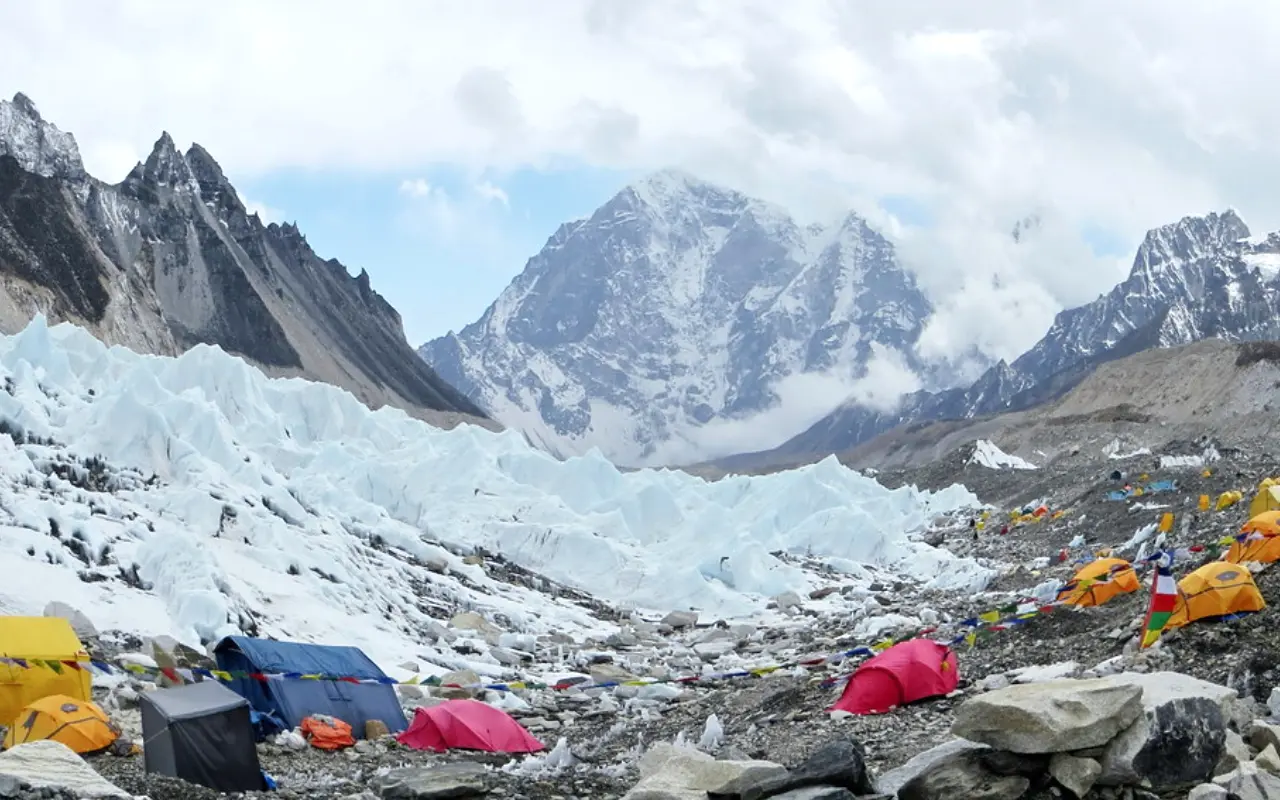
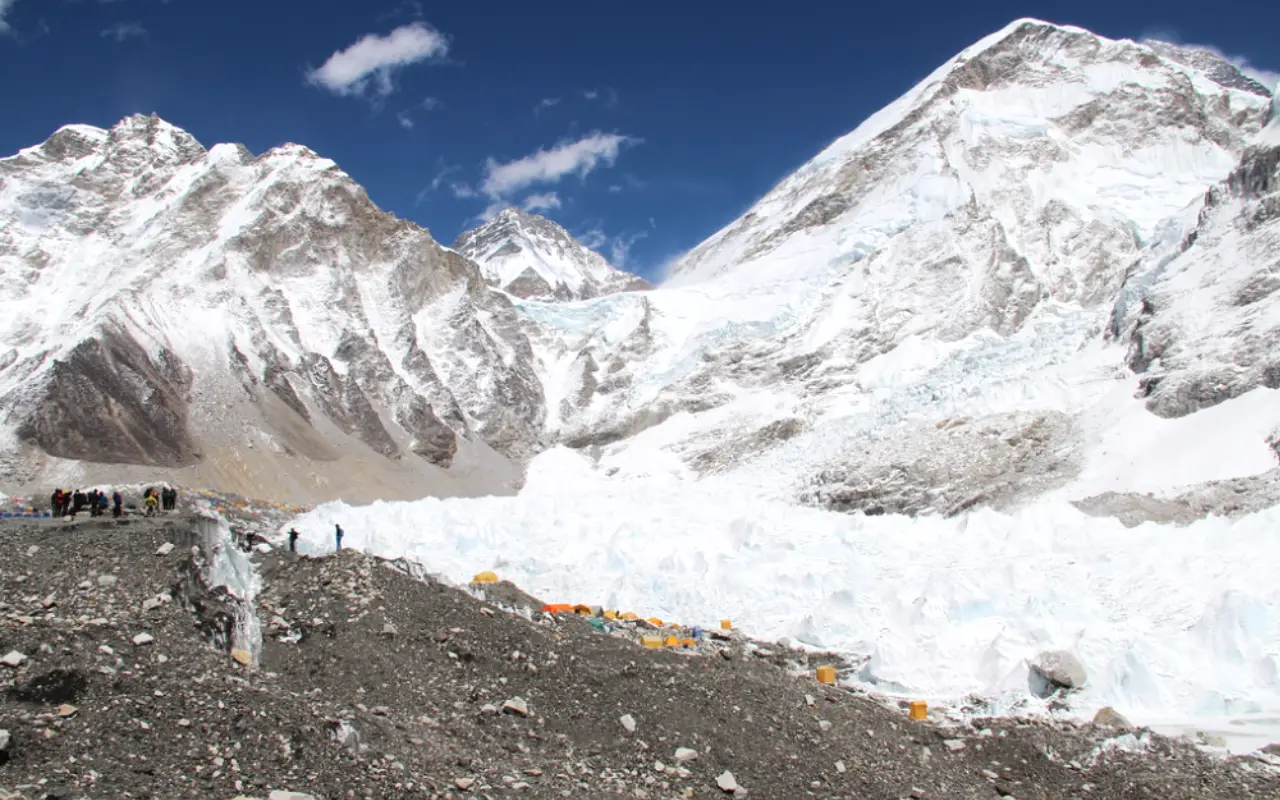
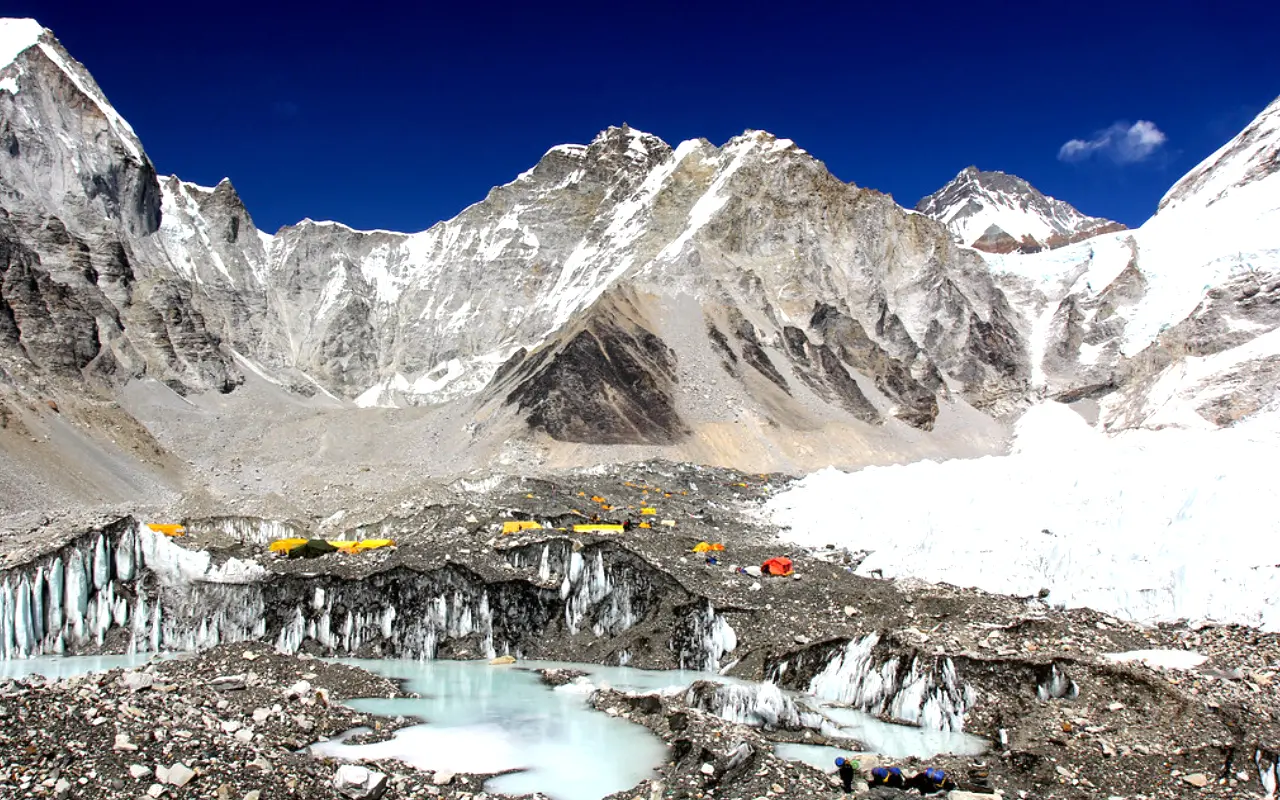
Khumbu Glacier, the gateway to Everest Base Camp.

Everest Base Camp (EBC) is an aspirational trekking destination and has continued to call people from all over the world with its epic mountainous backdrops and associated spirituality. Usually, the journey begins with a flight to Lukla.

But there is another adventure that is lesser known—the Everest Base Camp trek by road. This land option is becoming popular for those who don’t want the standard experience of flying to Lukla but want to take their time and see some off-the-beaten-path little places and sights along the way.

This blog will be your complete guide to the Everest Base Camp trek by road. We will outline the unique advantages and disadvantages of such a trek, and give you some pragmatic advice and pointers on how to plan the ultimate off-the-beaten-path trek to the heart of the Himalayas.

Expect nothing less than a true account of the experience—both the difficulties and experiences, and how this journey is probably unlike most of your past trips. If you are searching for an ample amount of adventure over the mundane, your Everest Base Camp trek by road is waiting for you.

Why Choose the Road Route Over the Flight to Lukla?

By selecting the Everest Base Camp trek by road, you can avoid the inconveniences of the Lukla flight delays and cancellations that often occur with the unpredictability of mountain weather, because the overland travel makes it more likely you´ll commence the trek as expected.

Trekking to Everest Base Camp by road is a more cost-effective and secure option. You can skip the expensive flight to Lukla and continue with your Himalayan experience, hopefully less complicated.

Not only will you get to experience more rural and authentic Himalayan villages through overland travel, but the Everest Base Camp trek by road follows fewer treks. Therefore, you have greater cultural experiences and a better sense of local life in the mountains.

The Everest Base Camp trek by road is for those who love this type of adventure and use their spare time wisely. It is also for someone who wants an experience with a pill of tourism, and without being rushed. For an amazing trip like this, you will transform what you expect into a true Himalayan odyssey.

Route Options for Everest Base Camp Trek by Road

A. Kathmandu to Salleri Route

The Everest Base Camp trek by road using the Kathmandu to Salleri route takes an incredible 8-10 hours of scenic driving through the hills and countryside of Nepal. Salleri is the modern and trendy option for people who are choosing to travel by road rather than in the air.

The Salleri route is much easier than before due to reformed road access. Most of the drive is on paved roads, albeit with a few bumpy spots. This route suits trekkers who want to seek comfort, flexibility, or a minimal budget.

Once you reach Salleri, you will join the main trekking route so that you won’t have to walk through extensive crowds as experienced on the popular trails from Namche Bazaar. The Everest Base Camp trek by road through Salleri gives you greater opportunities for acclimatization and organic interactions with remote Himalayan villages.

B. Kathmandu to Jiri Route (The Classic Route)

From Kathmandu, the road trip to Everest Base Camp via Jiri starts with a 9–12-hour journey. Jiri is historic as the original trek before trekking ever began regarding Everest expeditions; indeed, early expeditions made by Hillary and Tenzing began from Jiri.

This journey is longer but provides the opportunity to travel through lush forests, terraced fields, and remote Sherpa and Rai villages. Each expedition brings you different cultural encounters and superb natural scenery, which will certainly highlight Jiri as historically and culturally important, although more time-consuming.

With fewer crowds, the Jiri route also allows for a gradual period of acclimatization and satisfaction for those who want a traditional and immersive experience on an Everest Base Camp trek by road.

Day-by-Day Itinerary Sample (Salleri Route – 15 Days)

Day 1 is an 8-10 hour drive from Kathmandu to Salleri, the roadhead for your EBC trek by road. There will be some nice views along the way, and you will start to prepare for your trek.

On days 2 and 3, you will trek from Salleri to Ringmo and Nunthala with spectacular villages and terraced fields. This section will allow your body to acclimatize very gradually while integrating the culture during your EBC trek by road.

On days 4 and 5, you will trek from Nunthala to Kharikhola and Surkhe, hiking over some suspension bridges and through the rhododendron forests. The trails will be quiet and include Sherpa and Rai villages on your EBC trek by road.

Days 6 and 7 on your EBC trek by road will join the main Everest trail at Phakding and trek to Namche Bazaar. You will hike through the pine forests in Sagarmatha National Park and arrive at the dynamic Sherpa town of Namche Bazaar.

Day 8 is an acclimatization day in Namche Bazaar. You will be able to shop at local markets and take treks to viewpoints, while your body adjusts to the early stages of acclimatization, which is essential for your safe EBC trek by road.

Days 9 to 11 will trek from Tengboche, Dingboche, and Lobuche with alpine scenery and monastery visits. These days will demonstrate the increasing altitude on your EBC trek by road.

On day 12, you will arrive at Gorakshep, the last settlement before hiking to Everest Base Camp. Consider this to be a cause for celebration of this incredible accomplishment that is possibly the highlight of your EBC trek by road.

Day 13 will involve an early climb up to Kala Patthar to take in the breathtaking sunrise views over Everest and then descend to a lower altitude to continue your EBC trek by road.

Lastly, your trek will be your journey back via the same route to Salleri over days 14 and 15, or you may opt to fly out from Lukla. You have now completed your amazing EBC trek by road.

Road and Trail Conditions

Everest Base camp Trek

The Everest Base Camp trek route from Salleri is filled with bumpy, winding Himalayan roads. You have to travel for several hours on unpaved roads. However, you will have some amazing scenic views along the way.

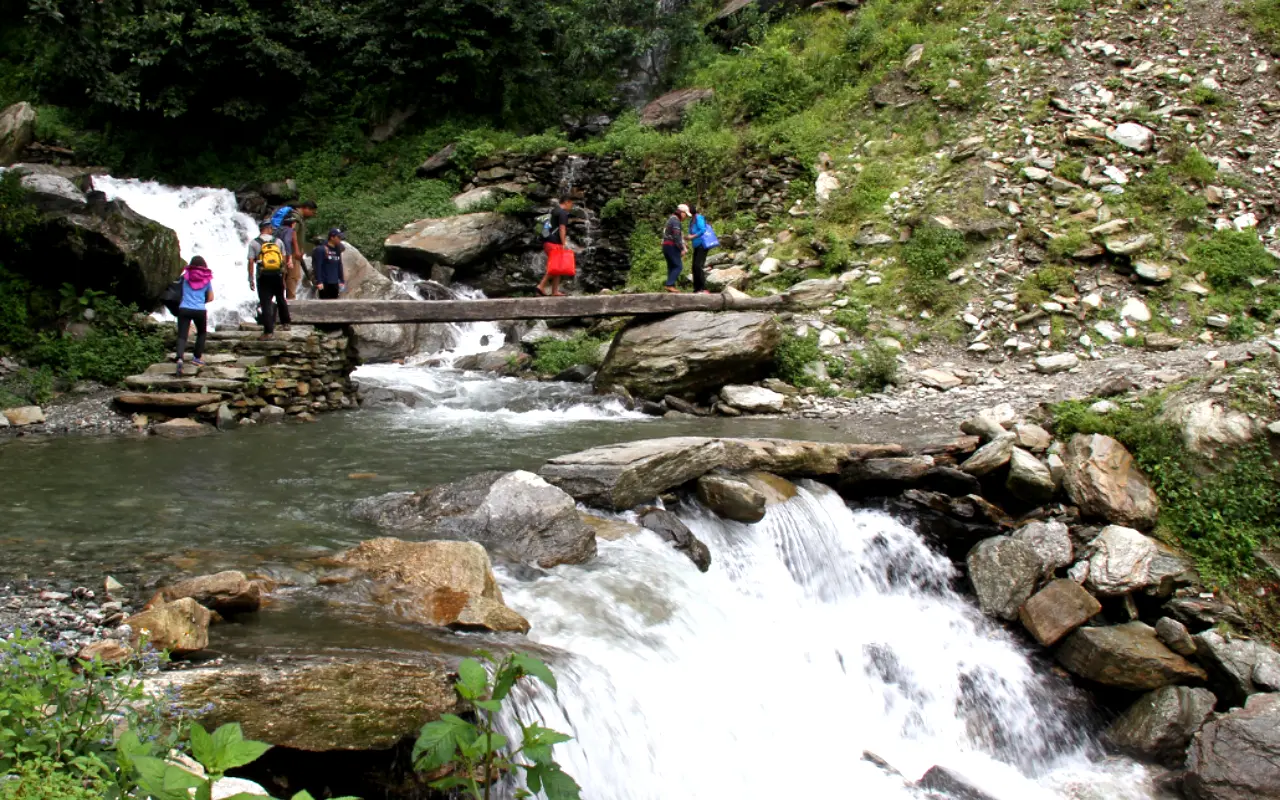
After Salleri or Jiri, the EBC trek by road includes a combination of stone steps, mountain trails through forests, and exhilarating suspension bridges across rivers. Your trail will have a combination of ascents and descents while including remote Sherpa villages and breathtaking valleys.

The seasonal weather largely affects the journey to the Everest region. Because of the muddy and slick roads during the monsoon season and the ice roads during the winter, the car trip to Everest Base Camp is challenging.

Logistics and Permits Required

Sagarmatha National Park permit and Khumbu Pasang Lhamu Rural Municipality Permits are what you will need during the Everest Base Camp trek by road. These permits can be obtained in Kathmandu, at the hiking location, or through a trekking agency.

While this permit is typically obtained en route (e.g., in Lukla or Monjo), some agencies in Kathmandu may facilitate the process in advance. If you intend to travel from Jiri or Salleri via road, you will need to get a Gaurishankar Conservation Area Permit.

Accommodation and Food

The EBC trek by road provides basic tea houses as the normal form of accommodation. Family-run lodges house basic but clean rooms, usually with twin beds and shared bathrooms. At the end of the day, these lodges provide a warmer place to rest than a tent.

You can get simple menu options in these tea houses from Nepali staple Dal Bhat to noodles, momos, and varieties of soups. The food is freshly cooked, filling, and provides nutrition for trekkers in the high Himalayas.

The options for luxury accommodation and dining are limited along the trek to EBC, kept in check in comparison to the roads to Lukla. Your hosts are genuine, and the warmth and hospitality would be considered primitive compared to lodges supporting the Lukla roads, while the experience is both comfortable and provides a window into the culture of the area.

Pros and Cons of the Road Route

Pros:

  • No risky flight delays to Lukla, making it safer
  • More opportunities for cultural engagement and interaction in remote villages
  • A less busy trail means trekking in a quieter and more peaceful environment.
  • Gradual ascent to altitude provides an easier acclimatization process and a lower chance of experiencing altitude sickness.
  • Cheaper than flying to get to the trek, and usually more planning is required in organizing the trip.

Cons:

  • Adds several days to the journey, so makes it longer
  • You can feel the sandy, rough, and uneven roads.
  • You may get limited accommodation options and medical help along the way.
  • Needs more stamina due to long-distance trekking
  • Increased chances of road blockages or travel disruptions because of landslides or weather, especially in the monsoon or winter months.

Best Time to Go

To enjoy the surrounding scenery to the fullest, plan your Everest Base Camp trek by road in March to May. These months offer clear skies, comfortable trekking temperatures, and vibrant wildflowers and rhododendrons along the way, making the landscape colorful.

Another time for the enjoyable trips can be obtained from September to November. The weather is ideal, offering unobstructed views of Everest and the surrounding peaks. The trails are also dry and well-maintained, perfect for trekking.

It is better to avoid the EBC trek by road in the monsoon (June to August), as the roads can become muddy and hazardous. Also, avoid deep winter (December to February), as snow can block trails and make travel difficult.

Final Tips for a Successful Everest Base Camp Trek by Road

  • To get the most out of each travel day, start each day of your road trip to EBC early in the morning to take advantage of the light and possible delays.
  • Flexibility is key on your trek to EBC; road conditions and trail conditions can change quickly.
  • It’s a good idea to have plenty of cash; after Salleri or Jiri, you will no longer find ATMs.
  • Think about hiring a guide or porter to assist you in selecting appropriate paths and to explain cultural values.
  • On your road trip to EBC, you must adequately acclimate to prevent altitude sickness.
  • Ensure your essential gear, such as snacks, warm clothes, and a first aid kit, is easily accessible.
  • Always check weather reports and prepare mentally for poor weather conditions during your Everest Base Camp Trek by road.

Conclusion

The Everest Base Camp Trek by road is a singular and fun experience that allows deeper engagement with the incredible Himalayas than simply flying to the trek start point. It is an experience of culture, challenge, and natural wonder.

For trekkers who feel comfortable with walking to their destination, the less-traveled route to Everest Base Camp allows you to interact with real local culture and have the luxury of being alone on the trail. The slower pace allows adequate time for acclimatization as well as exploring meaningful options in the departing and arriving locations.

The walking route choice to EBC incorporates cultural engagement and physical and mental challenge together. Therefore, the Everest Base Camp trek transforms into a holistic experience, represented in each step taken, reflecting Nepal’s culture and geography, and offering personal discovery through physical challenge.

Everest Base Camp Trek Cost: How to Save Money Without Compromising the Experience

Experience the Majestic Views from EBC

The Everest Base Camp trek is an exciting journey across Nepal’s glorious Himalayas in the Everest region and draws trekkers from around the world. However, the Everest Base Camp trek costs vary widely as the trek has options from a budget to a luxury trek. Research, careful planning, and budgeting are important to make this journey possible for a wide range of travelers.

Just because you book your trek to Everest Base Camp doesn’t mean you will have to spend vast amounts. A savvy trekker will plan to keep costs down. Trekking is typically cheaper based on group size. Book flights in advance, and opt to stay in teahouses instead of lodges.

To help save some costs for your Everest Base Camp trek, use local guides and share stuff. Buying in Kathmandu instead of overseas also helps to save costs, although you will still need to make sure you are safe and comfortable on the trek.

By researching and preparing to see the Everest Base Camp trek cost-effectively, you will soon be able to enjoy stunning views surrounded by the Himalayas. You will get the experience of a lifetime and save on unwanted costs that do not need to be wasted.

Average Cost of EBC Trek (2025 Estimate)

You will find the average price of an Everest Base Camp trek costs between $1200 and $2500 in 2025. Trekking costs depend on many factors such as group size, style of travel, and included services. There are mainly two styles of travel to Everest Base Camp. Trekking options typically fall into two categories: budget and luxury.

You can expect to spend around $1300 to $1400 for a budget trek. For the luxury treks or private tours, the price can vary greatly and cost up to $3000 or more. The prices usually will include permits, any domestic flights, accommodation, most meals, guide and porter payment, as well as some gear rental or purchase. Trekkers can help themselves save money on the Everest Base Camp trek package through early booking and signing up for group treks.

Basic budget breakdown:

• Flights to/from Lukla

The flight from Kathmandu to Lukla and Lukla to Kathmandu is the key part of the Everest Base Camp trek cost. In 2025, you can expect to pay around $200 to $300 per person. If you book in advance, the cost may be reduced.

• Permits

Everest Base Camp trek cost for permits is usually a collective total of $50–$55 to cover Sagarmatha National Park (about $30) and the Khumbu Pasang Lhamu Rural Municipality (about $20–$25). The TIMS card is no longer required, but you will need to obtain these two permits.

• Guide/porter fees

Expenses for hiring a guide and porter represent another key part of the Everest Base Camp trek cost. You should expect to pay between $30–$40 daily for a guide, and $20–$25 for a porter. On a 12–14-day trek, their combined cost would usually be between $500 and $700.

• Accommodation and meals

Spending on teahouse accommodation will be between $10–$25 per night, and while food costs can vary, you might expect to spend between $5–$10 for each meal. In total, the cost will be somewhere between $300 and $700 for both accommodation and food on a two-week trek.

• Gear and insurance

Gear and insurance can represent a key variable in the Everest Base Camp trek costs; typically, for both gear and insurance, you are likely to expect anywhere between $150 and $700 in total. If you search for rent or purchase second-hand gear, your expectations could be lower; however, it is recommended that you purchase travel insurance that covers medical emergencies.

Key Ways to Save Money on the EBC Trek

a. Book with a Local Trekking Agency

Using a local trekking agency will dramatically reduce your Everest Base Camp trek cost. You will skip international middlemen with a local agency. Nepali agencies are negotiable and offer lower prices. You will maximize your budget and not sacrifice customer service.

Using a local agency gives you local knowledge to not only save you on your Everest Base Camp trek cost, but also to enhance safety, as well as optimize your experience. The local guides know the terrain, the weather, and which lodges will give you the best value for your money.
b. Travel in a Group

Operating at all times in a group setting will enable you to minimize costs on your Everest Base Camp trip. You will share both guide and porter fees, but also get to share accommodation and transportation charges, significantly and dramatically reducing total costs per person.

If you are booking a group with trekking agencies, group bookings also generally have discounts, specifically further reducing the base camp trek cost. Once you are walking as a group, you will build bonds and friendships – supporting each other on your journey will be worthwhile for many reasons and allow considerable savings.

c. DIY vs Package Trek

If you decide to take a DIY (do-it-yourself) approach to your Everest Base Camp trek cost, you can save some money by arranging your flights, permits, and accommodations. Since it’s your planning, there are no agency fees, and you have more control over how much you spend.

Despite potentially lessening the Everest Base Camp trek cost, taking a DIY approach can impose additional logistical challenges and time and research. Package treks are more expensive but will provide you with convenience and support for those who want to plan without the hassle.

Save on Flights and Transportation

Everest Base camp Trek
Everest Base Camp Trek

Buy Kathmandu–Lukla flights as far in advance as possible to keep your Everest Base Camp trek price down, including airfare. International travelers usually pay around $215–$228 each way for Lukla flights.

By purchasing flights as far in advance and at as low a rate as possible, even in the offseason, you’ll reduce your Everest trek expenses. Additionally, you can have much better chances of successfully getting flights during busy periods.

If you’re able to travel in March or November, you’ll also save on price, because airfare is cheaper, and you’ll encounter fewer other trekkers on the route. One other way to avoid a huge expense is to travel by bus or jeep to Jiri or Salleri, instead of taking the expensive flight to Lukla, to keep your transportation costs down.

Affordable Accommodation Tips

Teahouses are the cheapest form of accommodation along the Everest Base Camp trek, and they provide limited rooms and plentiful food. Along the path, you will find an abundance of teahouses, making it easy for trekkers to find value accommodation and experience local Nepalese hospitality.

Some lodges along the Everest Base Camp trek offer free rooms when you eat all of your meals there. This is simply an offer designed for lower elevations, whereby trekkers can substantially reduce accommodation expenses while enjoying warm local food.

When trekking to Everest Base Camp, avoid pre-booking rooms in the off-peak season. Teahouse owners will often give substantial discounts to fill a room at lower elevations, especially when few other tourists are hiking the Everest Base Camp trek.

Cut Down Food and Drink Costs

Stay away from bottled water on the Everest Base Camp trek because it is money-saving and environmentally friendly. Bring purification tablets for purification or use a Lifestraw to filter the water from streams as you trek, and you won’t have any additional Everest Base Camp trek costs.

The cost of energy bars and nuts, packed from Kathmandu, is far cheaper than buying snacks on the trek, which can be overpriced in lodges. Bringing your snacks has cost benefits.

One of the best ways to save costs on the trek is to eat the dal bhat. It is locally priced and comes with unlimited refills. The hearty meal will give you energy to stay satiated throughout the trek.

Try to avoid imported snacks, soft drinks, and alcohol on the way to Everest Base Camp, as these options will be expensive once you arrive in Nepal. By eating more local food and drinks, you can minimize your food costs on the hike.

Rent or Borrow Trekking Gear

Renting trekking boots, sleeping bags, and down jackets in Thamel (Kathmandu) is a sensible method to reduce your Everest Base Camp trek cost. The rental shops provide adequate rental equipment at cheaper prices than you would pay to purchase new, which helps keep your budget manageable.

To reduce the Everest Base Camp trek cost even further, try to rent or borrow most of your gear and just invest your funds in personal gear such as base layers and socks. This way, you are properly equipped and comfortable, at the same time, you can establish good hygiene practices for your role in the hike, and you save even more money without compromising on safety and preparedness.

Combine Permits Smartly

When permits are properly combined, they will reduce your Everest Base Camp trek cost by ensuring you only pay for what permits you are required to pay for: Sagarmatha National Park and Khumbu Pasang Lhamu Rural Municipality. A guide will eliminate the need for a TIMS card, and simplifying your costs where possible is key.

Never purchase permits from any third-party sellers who mark up the prices. Purchasing your permits through the official offices in Kathmandu or Monjo provides better prices with no duplicate fees and allows transparency on your Everest Base Camp trek costs.

Choose the Right Season

View from Everest Base Camp

Avoiding the peak trekking months, especially late April and October, will save money on your Everest Base Camp trek by getting cheaper flights and accommodation in less busy times. It is often possible to obtain better rates by booking in advance in shoulder or off-peak months.

Trekking in the off-peak or shoulder months gives you the best chance of saving money on the whole Everest Base Camp trek because you can keep costs down and enjoy fewer crowds on the trek. You will enjoy the benefits of a quieter trail whilst being able to have more control over your budget without sacrificing your experience.
Bonus Tips

Use a solar charger, as the electricity is an expensive cost on the Everest Base Camp trek.

Use a local SIM (in Kathmandu) to call and use the internet along the trail.

Use public transport in Kathmandu to save some more money.

Reuse your water bottle at tea houses, use purification tablets, and do not buy bottled water.

Sign up for a group trek sharing the same itinerary, and both can share the cost of the guides, porters, and accommodation.

Final Thoughts

Trekking to Everest Base Camp does not have to be expensive. With good planning, you should be able to save money while still enjoying amazing Himalayan views and great local culture, without overspending.

It is helpful to think more about value than price; your trip will have a much better focus on experiences such as local meals and authentic teahouse stays. This will help you with the duration of your trek, so your experience is everything you can make it. Smart budgets will make sure you maximize every part of your adventure while not giving up on comfort or safety.

By choosing cost-effective methods such as local companies, group treks, and going during the off-season, trekkers can reduce the cost of their Everest Base Camp trek significantly. Thoughtful spending creates savings for trekkers and a memorable and worthwhile experience.
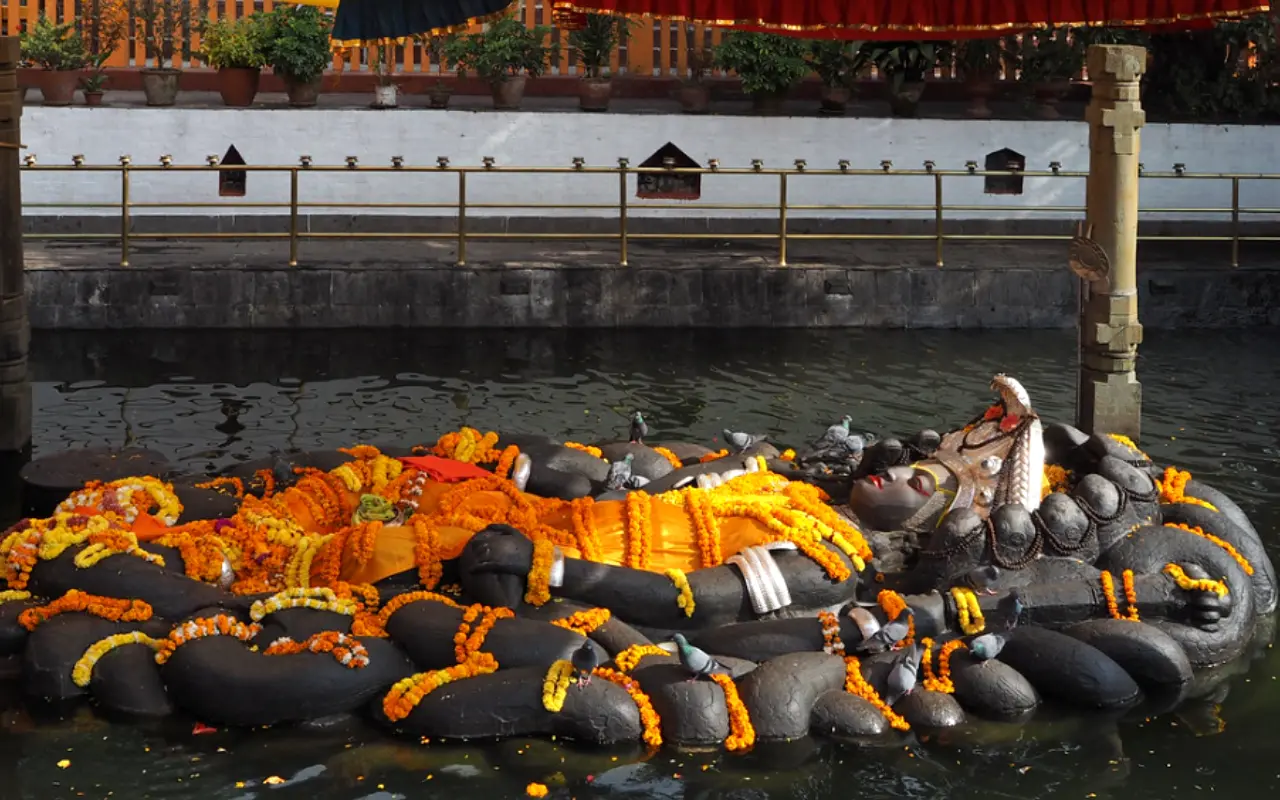
Top 10 Cultural Heritage Sites of Nepal You Must Visit in 2026

Cultural Heritage Sites of Nepal represent this country´s incredible Hindu and Buddhist traditions, older forms of art, and stunning architecture. Every site from Pashupatinath to Changu Narayan presents a spiritual and historical richness within Nepal’s culture.
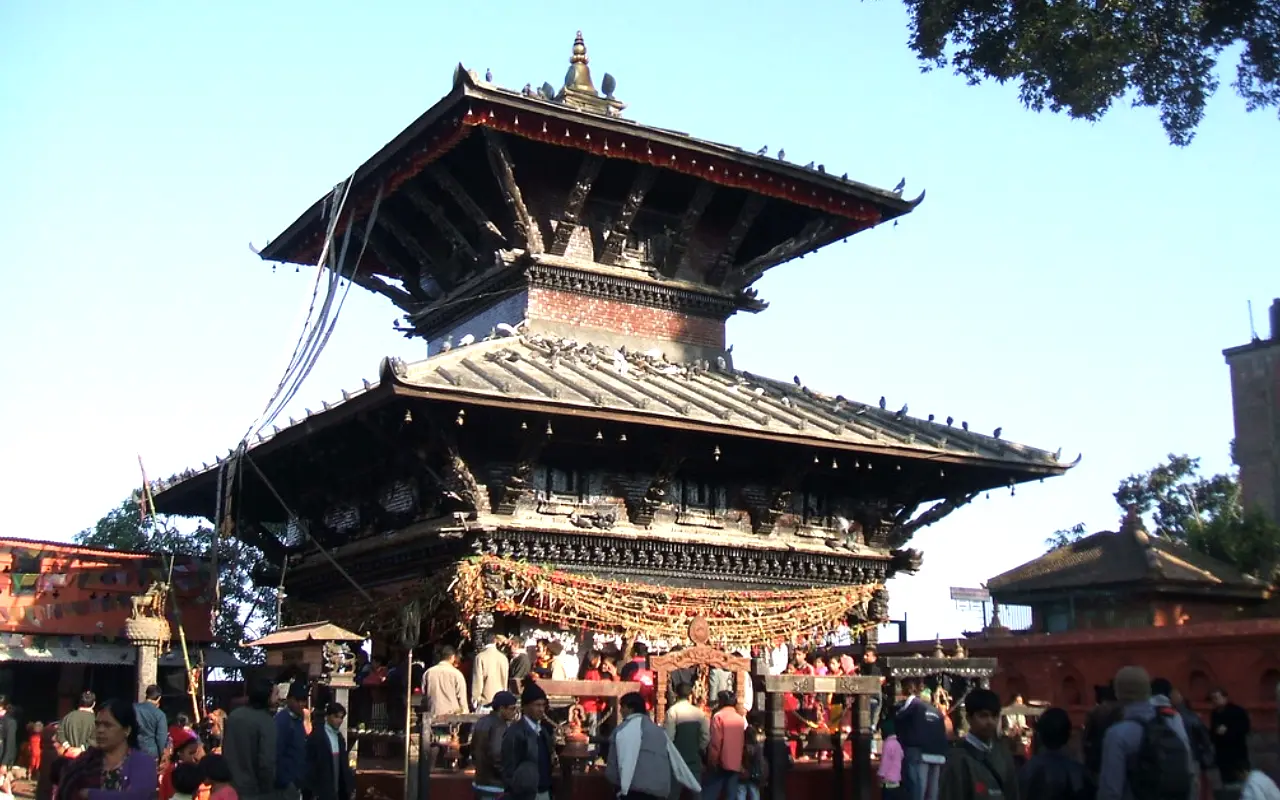
Among the various cultural heritage sites of Nepal, Kathmandu Valley alone is home to seven UNESCO heritage sites, which include Kathmandu Durbar Square, Pashupatinath Temple, Swayambhunath Stupa, etc. In sites like Bhaktapur and Patan Durbar Square, you can witness beautiful wooden architecture, attracting many people.

Boudhanath Stupa and Lumbini, Buddhism’s sacred birthplace, are key landmarks of the cultural heritage sites of Nepal. These sacred places also express the complement, and contrasting fusions of Hindu-Buddhist traditions and rituals, festivals, and place all of these traditions into the synchronicity of spirituality, peace, and each cultural significance and richness of one place in the global community.

The cultural heritage sites of Nepal are also set to attract visitors in 2026 with more robust economic rebuilding, enhanced infrastructure, and a revitalized tourism experience. It is the ideal year to experience the temples and stupas, together with the ancient historic squares and cultural and spiritual living memory of Nepal.

Top 10 Cultural Heritage Sites of Nepal

1. Kathmandu Durbar Square (Hanuman Dhoka)

Kathmandu Durbar Square

A significant piece of cultural heritage of Nepal, Kathmandu Durbar Square was the royal residence of the Malla and Shah dynasties. The site has amazing artwork from the Licchavi to Malla period, incorporating both religious and royal implications.

This cultural heritage site of Nepal has many things to see and experience. This includes the Taleju Temple constructed for the royal goddess, the Kumari Ghar for the living goddess Kumari, and Kasthamandap (a wooden building to show the architectural style).

The architecture of the square shows wood-carved windows, stone sculptures, and courtyards like Nasal Chowk, where they used to coronate kings. Overall, it represents centuries of craftsmanship that show spiritual tradition for all cultural heritage sites of Nepal.

Events like Indra Jatra usually occur in the square that embraces both Buddhism and Hinduism. The durbar square remains alive with the vibrant cultural heritage of Nepal and is a bustling area where people come for a historical and festive experience.

2. Patan Durbar Square

Patan Durbar Square, A Living Museum of Newar Culture

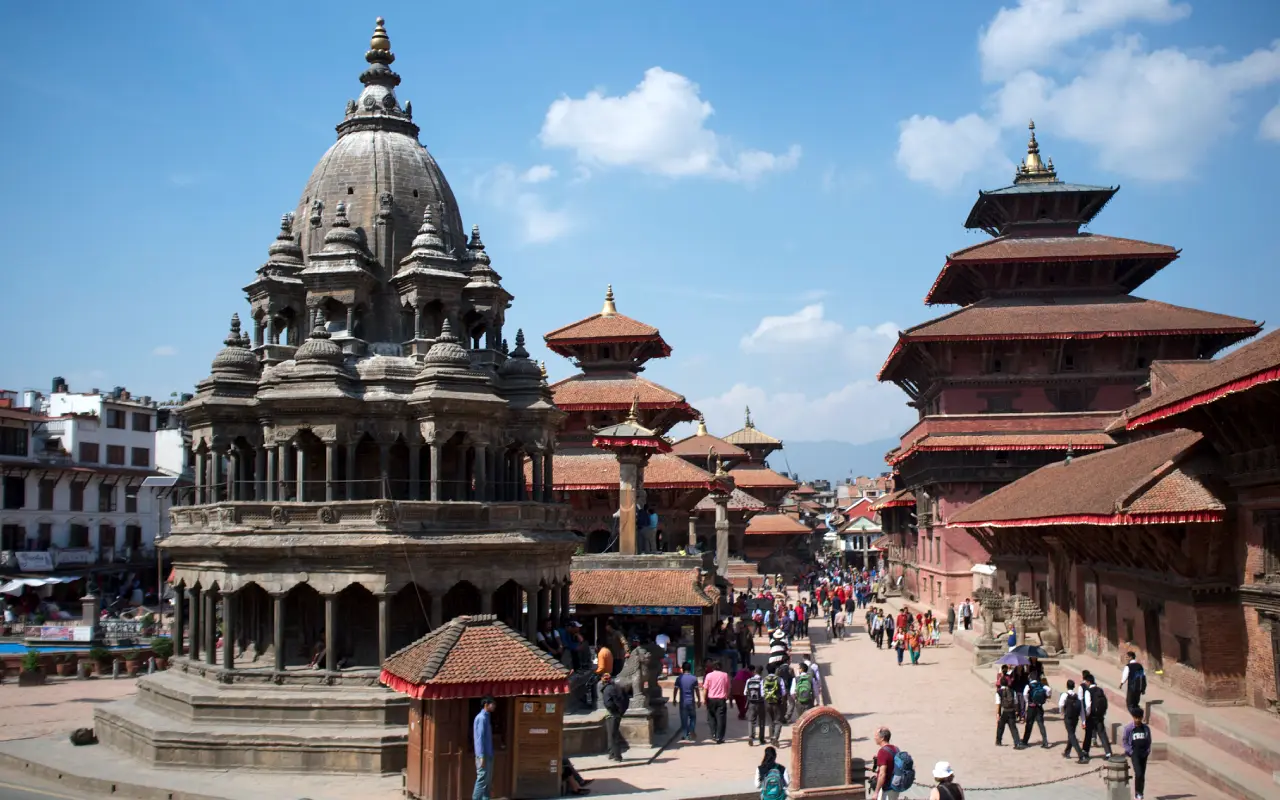
One of the most important cultural heritage sites of Nepal, Patan Durbar Square is known for its beautiful Newar architecture and metalwork. The site is inscribed as a UNESCO World Heritage Site in Lalitpur and showcases Nepal’s past and cultural heritage artistry.

There are many aspects of this cultural heritage site of Nepal, such as the Krishna Mandir, known for its detailed carvings, and the Hiranya Varna Mahavihar (Golden Temple). Whereas, Patan Museum is known for its unique arts and religious practices.

Patan Durbar Square has substantial artistic and spiritual heritage, fusing Hindu and Buddhist traditions. Temples, palaces, and courtyard areas have significant wood carvings and metalwork representing hundreds of years of craft.

This cultural heritage site of Nepal remains an actual place, still vibrant with festivals and traditional Newari life. Visitors will be welcomed with open arms into Nepal’s rich cultural heritage and architectural wonders.

3. Bhaktapur Durbar Square

The Enchanting Beauty of Bhaktapur Durbar Square

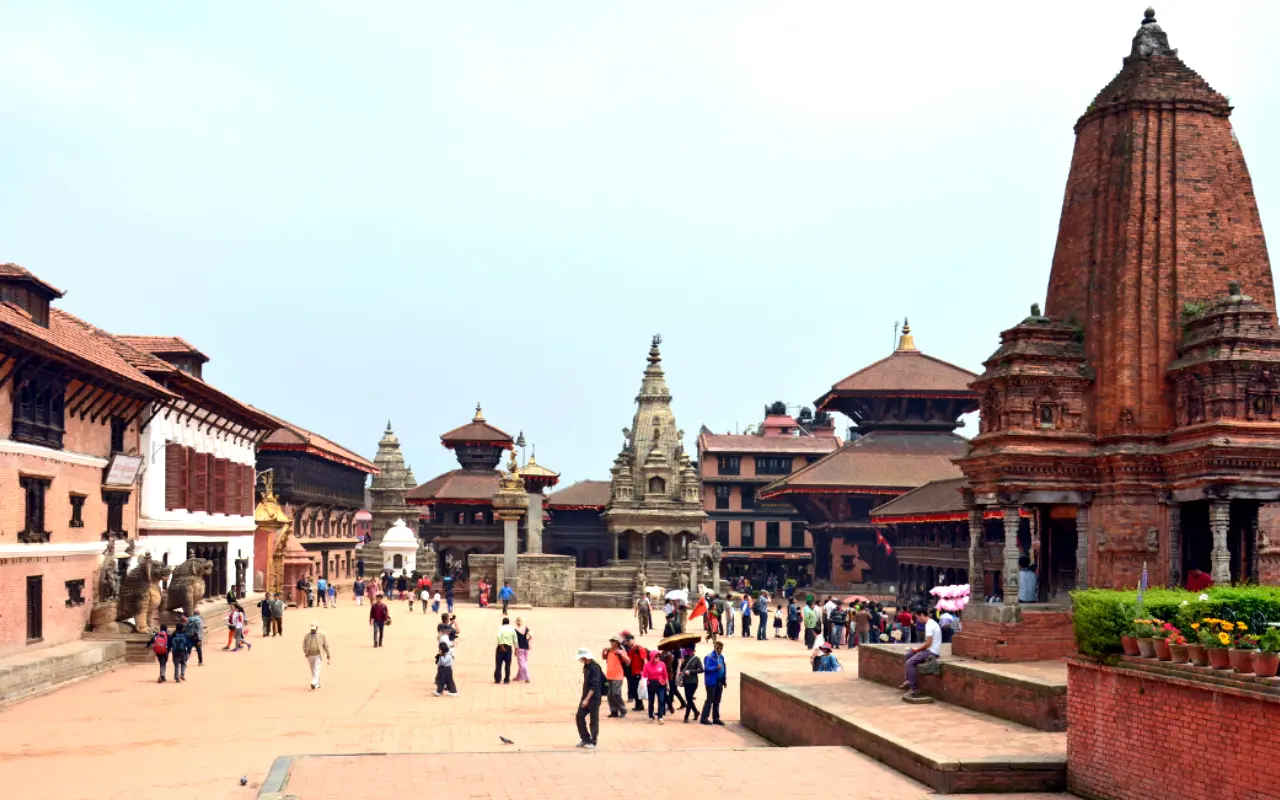
Bhaktapur Durbar Square, a World Heritage Site of Nepal, is celebrated as the best preserved medieval city with extraordinary Newari architecture in Nepal. It represents the glory of the Malla dynasty, superb craftsmanship, and urban heritage.

Magnificent features like the Nyatapola structure, a five-tiered pagoda structure that represents power and determination, may be seen at this cultural heritage site of Nepal. The three-storey, 55-window Palace presents intricate woodwork that represents royal history at its core.

Another notable structure at this cultural heritage site of Nepal is the Vatsala Temple, dedicated to the sacred stone architecture of Nepal, along with its remarkable size silver bell. The distinctively rich religious, artistic, and cultural traditions of Nepal’s Newar people are vibrantly displayed in the Square.

Bhaktapur Durbar Square is a living museum of Newari culture, tea shops, living local pottery & weaving, and annual festivals representing the region within Bhaktapur. It is again an animated heritage site of Nepal where visitors to Nepal can take advantage of the medieval urban environment.

4. Swayambhunath Stupa (Monkey Temple)

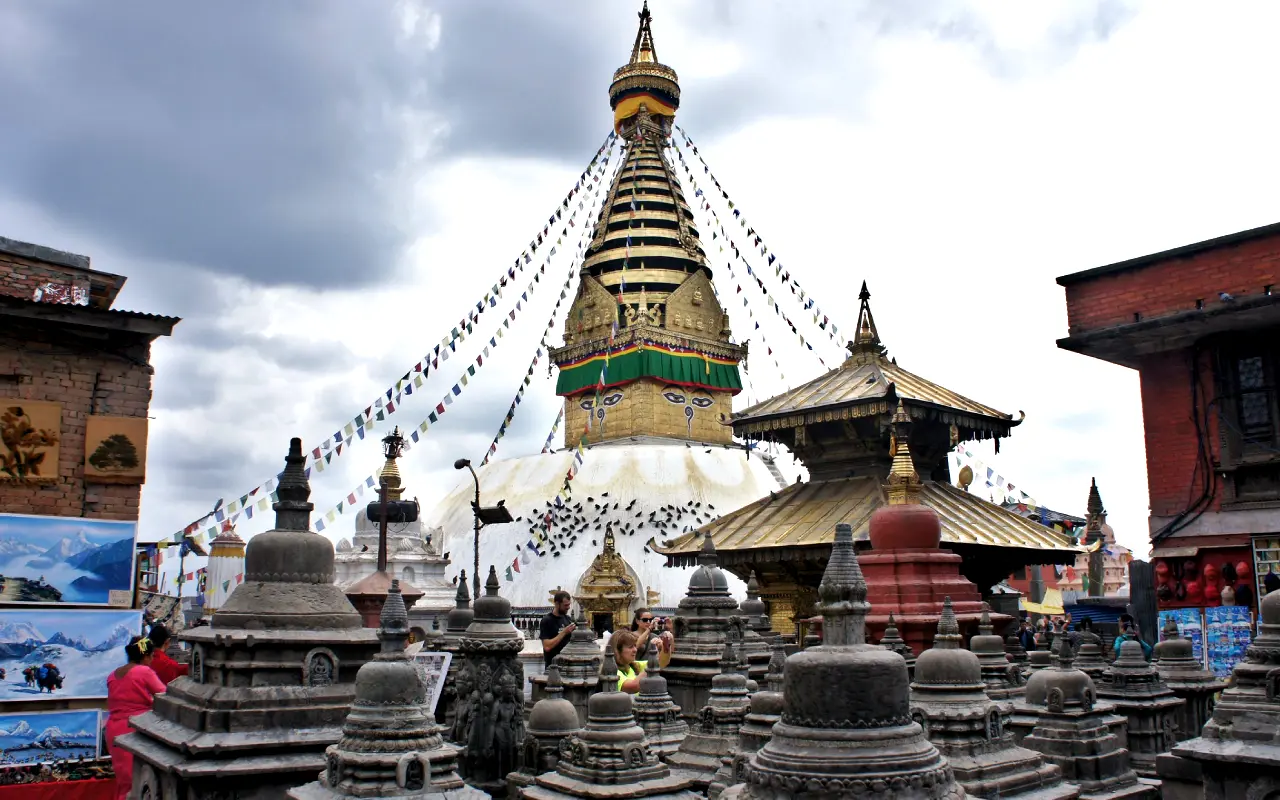
Swayambhunath Stupa, also known as Monkey Temple

Swayambhunath Stupa is a cultural heritage site of Nepal and the oldest Buddhist stupa in Kathmandu, with a history of more than 1,500 years. It represents the self-begotten nature of enlightenment and remains a spiritual compass for the valley.

This cultural heritage site of Nepal gives the best views of Kathmandu from a hilltop. It is a site of cultural and architectural significance, being layered with Hindu religious and Buddhist symbols; both are uniquely blended into the architecture, highlighting the religious solidarity in Nepal and the depth of the spiritual legacy of the valley.

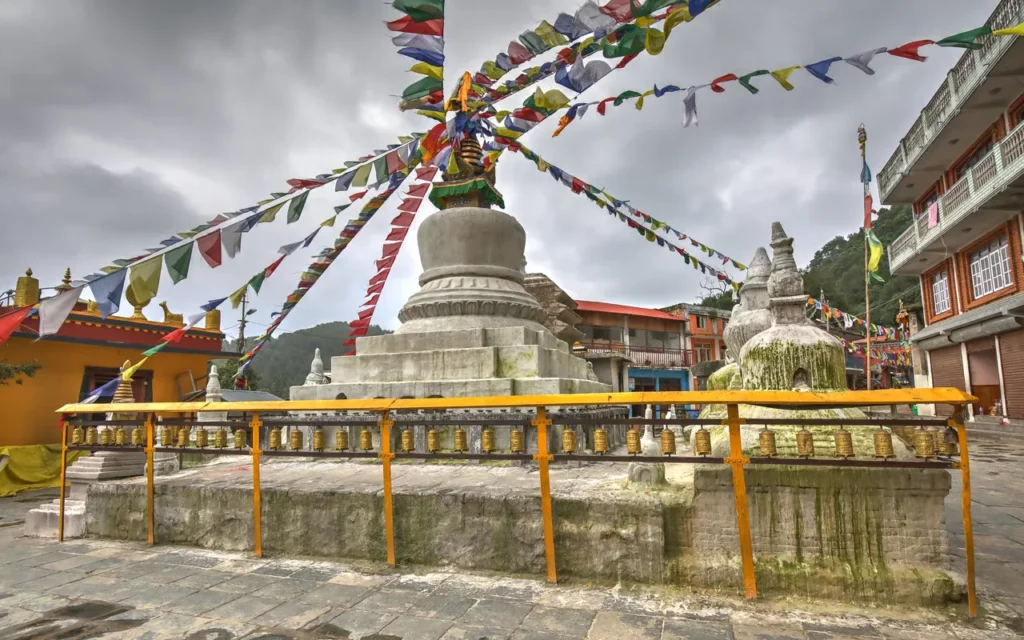
The cultural heritage site of Nepal is known as the Monkey Temple and offers a high level of peace and meditative atmosphere. Visitors can enter this sacred space of the valley, which is occupied by a myriad of prayer wheels, statues, and stupas. Many people simply come to appreciate and enjoy the beauty of this sacred and spiritual space.

5. Boudhanath Stupa

Boudhanath Stupa
Boudhanath Stupa

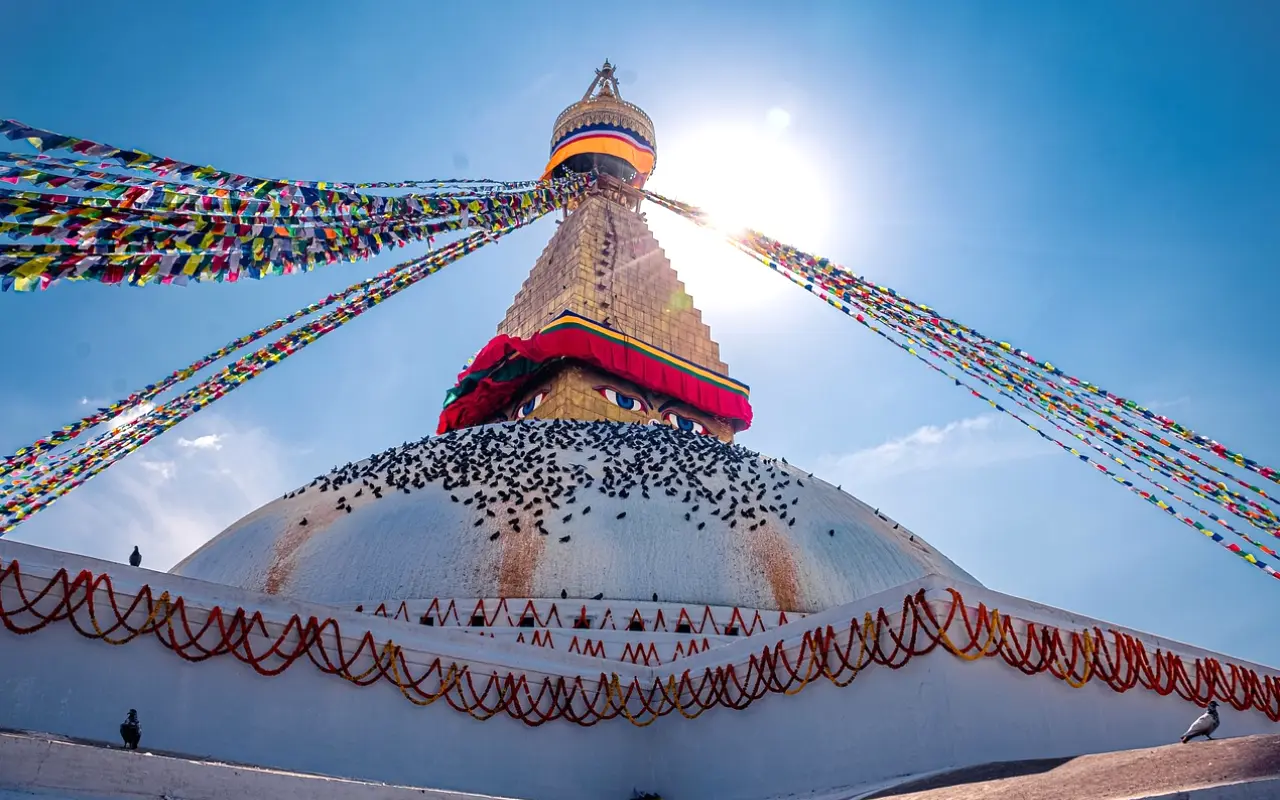
Boudhanath Stupa, an important cultural heritage site of Nepal, is among the largest spherical stupas in the world and a UNESCO World Heritage Site since 1979. This place symbolizes peace, spirituality, and enlightenment consistent with Buddhist traditions.

There are many monasteries in this cultural heritage site of Nepal because it is in the center of the Kathmandu valley. The Boudhanath Stupa is a massive mandala, with Buddha’s eyes, representing wisdom and compassion; it draws many pilgrims and tourists.

Prayer wheel rituals and kora, which is circumambulation (clockwise) while chanting the mantra of “Om Mani Padme Hum,” occur every day at this cultural heritage site of Nepal. The site has a peaceful spiritual atmosphere and is embellished with exuberant festivals and devotion.

6. Pashupatinath Temple

Pashupatinath Temple, Spiritual Serenity on the Banks of the Bagmati

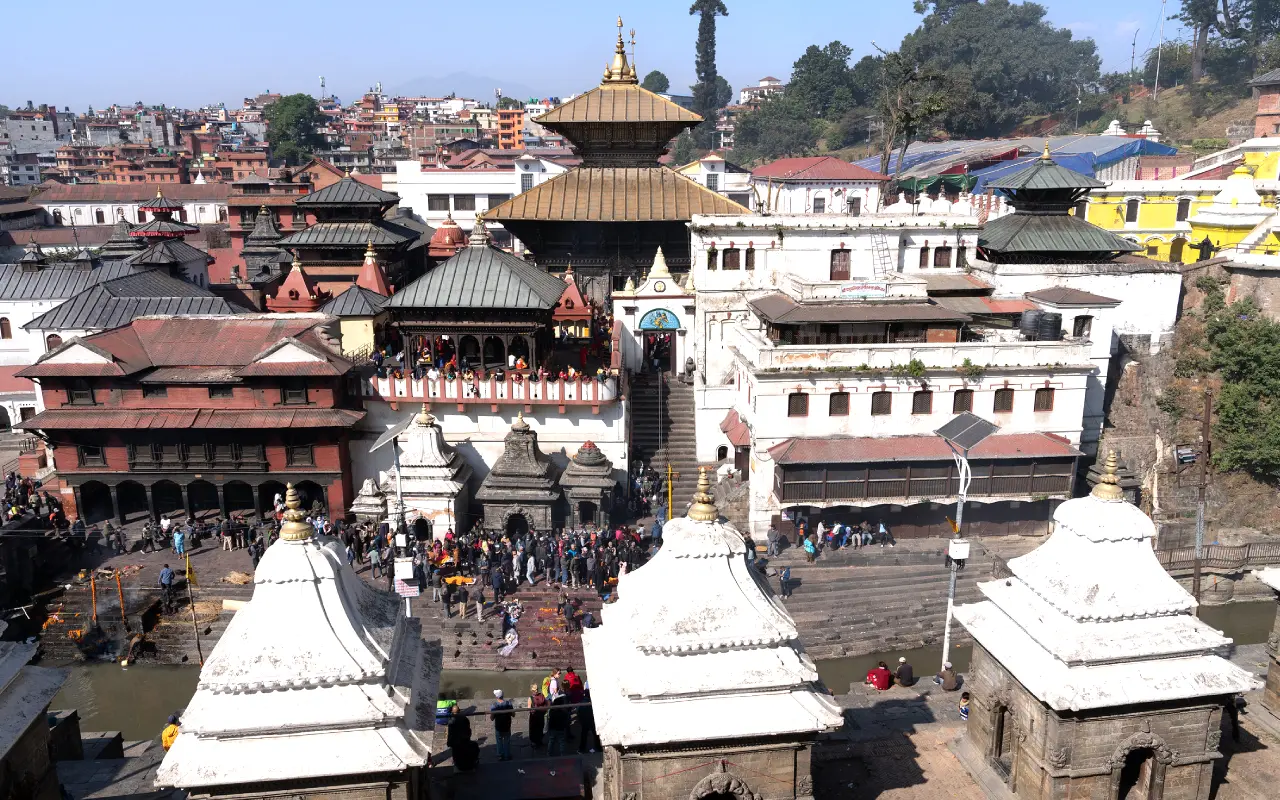
Pashupatinath Temple, a prestigious cultural heritage site of Nepal, dedicated to Lord Shiva, is located on the sacred Bagmati River. It is one of the most significant Hindu temples in the Kathmandu Valley and reflects the spiritual richness of Nepal.

This cultural heritage site of Nepal represents a very large complex of the main pagoda-style temple with 500+ shrines, ashrams, and temples, which showcases intricate wood carvings and traditional Nepali art.

As a major spiritual site for cremation, this cultural heritage site of Nepal consists of extensive religious funerary rituals along the Bagmati River, considered purifying and sacred. The temple precincts see pilgrims year-round, and the religious significance is most evident during the festivals and Maha Shivaratri celebrations.

Maha Shivaratri sees thousands of devotees attend this cultural heritage site of Nepal, where all-night prayers and ceremonies are conducted in honor of Lord Shiva. The connection to Hindu mythology and religious pilgrimage significance makes this particular cultural heritage site of Nepal a major cultural and religious center.

7. Lumbini – Birthplace of Lord Buddha

Lumbini, the birthplace of Gautam Budhha
Lumbini, the birthplace of Gautam Buddha

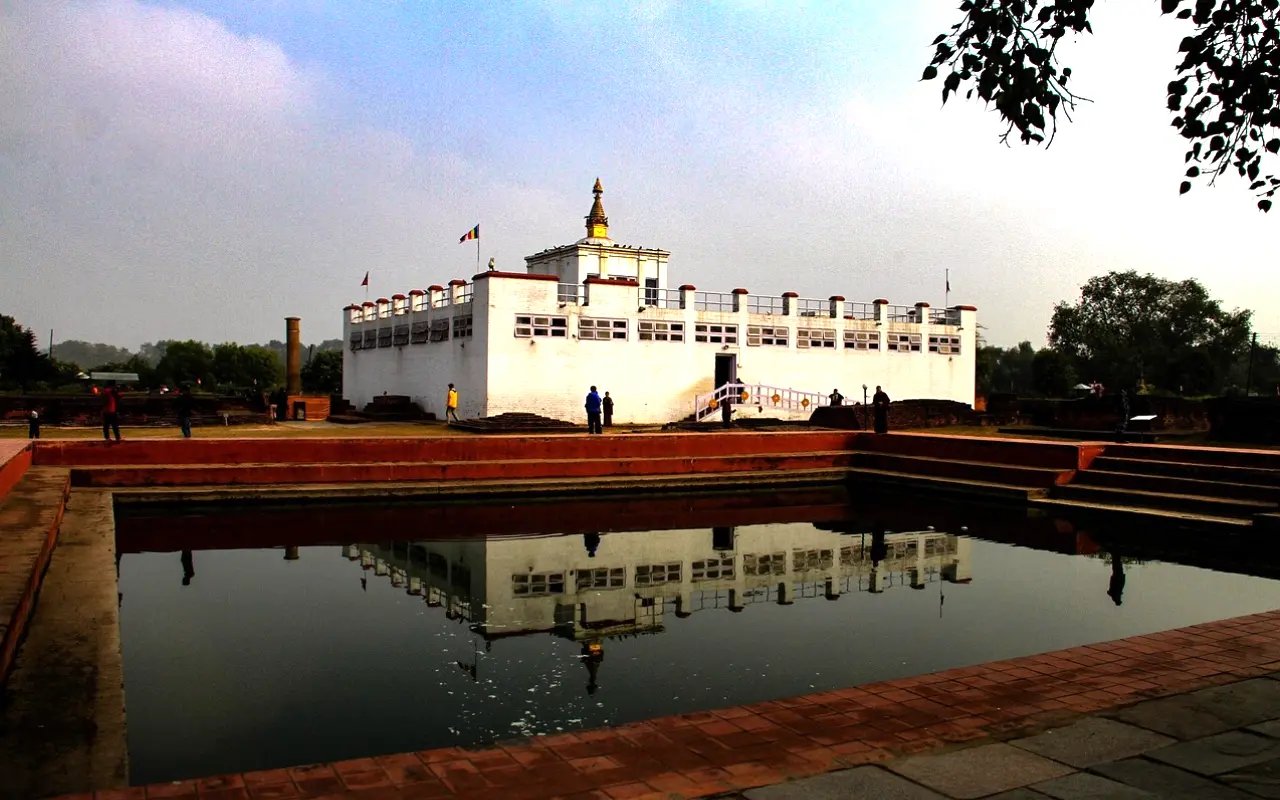
Lumbini is the birthplace of Lord Buddha, and an important Cultural Heritage site of Nepal was declared a UNESCO World Heritage site in 1997. Because of its religious and historical importance, this place attracts a large number of pilgrims.

This cultural heritage site of Nepal has the Maya Devi Temple, the place of Buddha, and the Ashoka Pillar. There are also a large number of monasteries representing Buddhist traditions and cultures.

Lumbini has a calm spiritual atmosphere, with peaceful gardens and monuments that encourage reflection and meditation. This cultural heritage site of Nepal represents peace on a universal level and a continued legacy of Buddhism. It is a well-known pilgrimage site and cultural heritage site for many from around the world, and continues to have a peaceful tranquility within its botanical gardens.

8. Changunarayan Temple

Changu Narayan Temple, Nepal’s Oldest Living Hindu Shrine

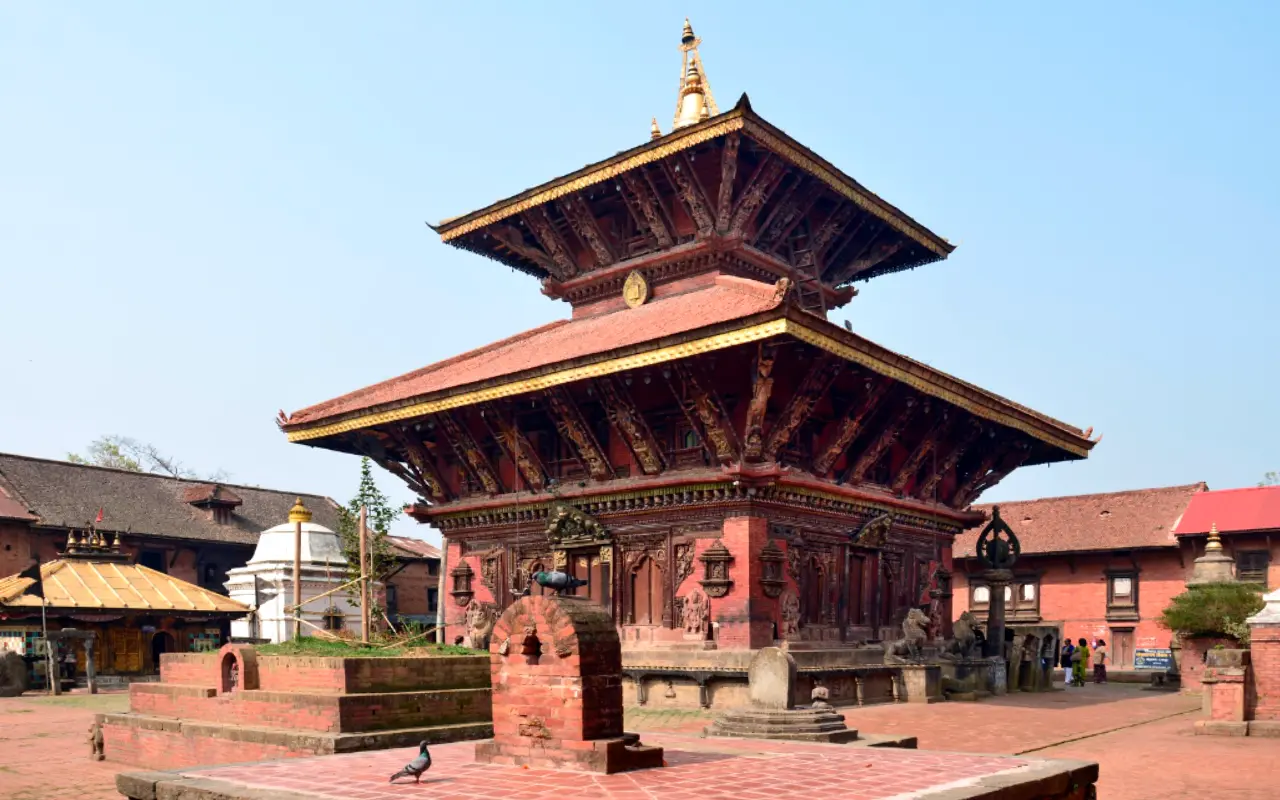
Changunarayan Temple, recognized as a Cultural Heritage Site of Nepal, is the oldest Hindu temple in operation. Because it originated in the 4th century, it displays Nepal’s ancient spiritual and cultural traditions.

This Cultural Heritage Site of Nepal, dedicated to Lord Vishnu (Narayana), has a fantastic two-tiered pagoda roof. The exterior and interior of the temple have fantastic stone and wood carvings that illustrate Lord Vishnu’s ten avatars and other Hindu deities.

Changunarayan temple has a unique style of Nepali architecture, containing elements of the Licchavi period. It includes elaborately carved wooden struts, gilded doorways, stone pillars, and engravings containing Sanskrit inscriptions, with some of the oldest inscriptions to have been made in Nepal.

As a Cultural Heritage Site of Nepal, Changunarayan Temple is a living worship and cultural celebration space, and continues to attract worshippers and visitors interested in reflecting on the temple’s heritage, art history, and spirituality.

9. Janaki Temple, Janakpur

Janki Temple Janakpur: Where Sita’s Birth, Wedding, and Faith Unite

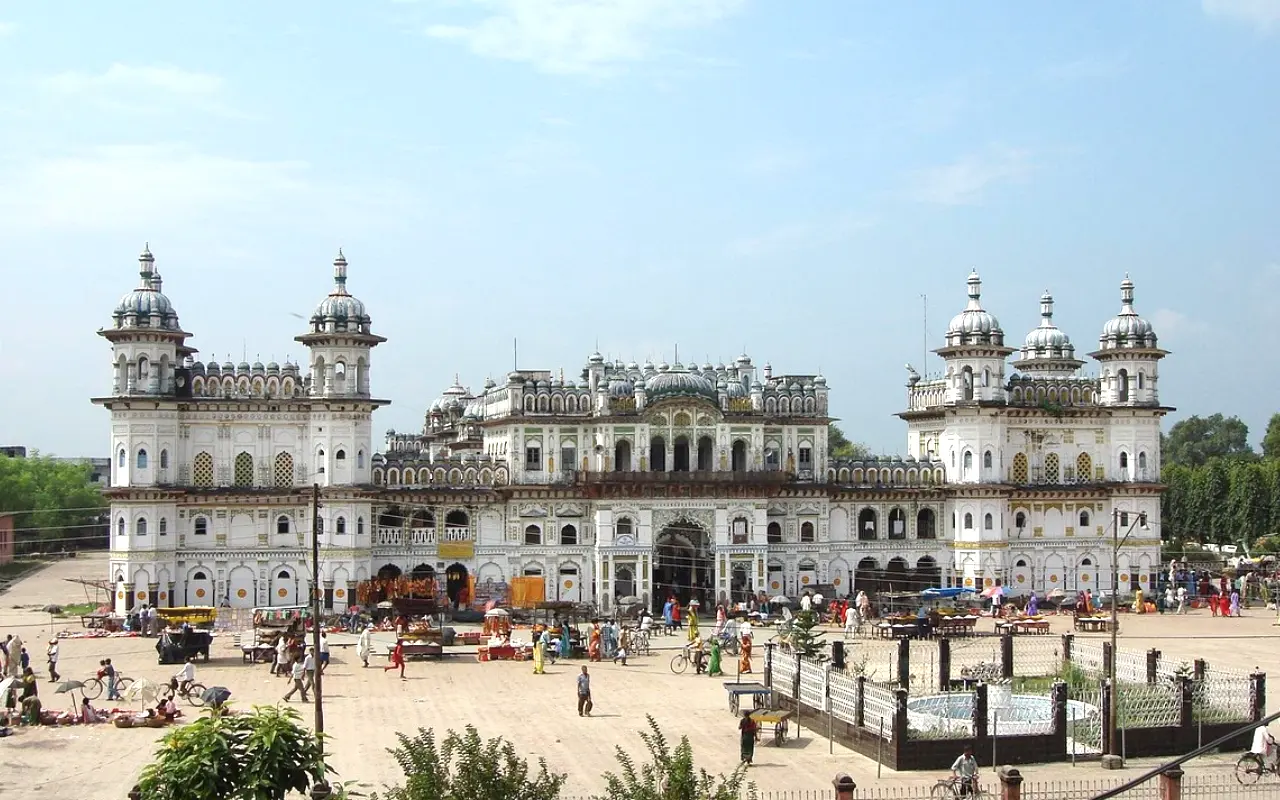
Janaki Temple in Janakpur, Nepal, is a magnificent cultural heritage site featuring Goddess Sita. Built in 1910 by Queen Vrisha Bhanu of Tikamgarh, it represents a unique section of Hindu-Koiri and Mughal architecture, composed of white stones and modern marble.

With 60 rooms covering a large area and decorated with Madhubani painting, colored glass, and lattices in the windows, and carvings, it is a cultural heritage site of Nepal that remembers the divine story of Sita, which is also important for Hindu pilgrims.

Ancient Hindu stories are the source of Janaki Temple’s spiritual significance. It is thought that Sita was born in Janakpur, where she also had her swayamvara with Lord Rama. Within the grounds of the temple are monuments for Rama, Lakshmana, and other associated figures of this significant history.

Janaki Temple represents both Nepali and Indian culture, and is often a place where numerous celebrations of festivals occur, primarily during the celebration of Vivah Panchami, which reflects the divine marriage of Rama and Sita. Pilgrims and tourists can access religious and cultural experiences at this site of worship.

10. Bonus: Tansen Palpa (Optional Add-on)

Tansen Palpa

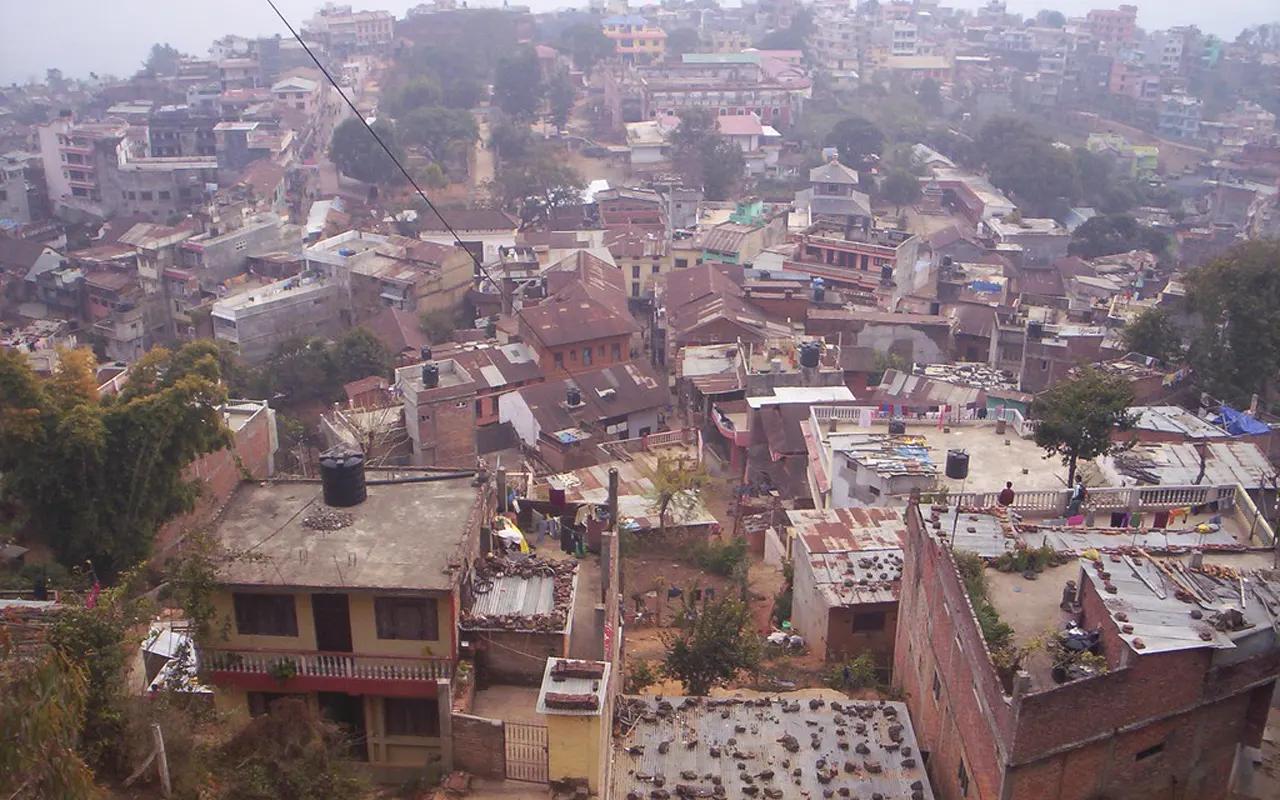
Tansen Palpa, an important cultural heritage site of Nepal, is an ancient hill town representing Newar, Magar, and Muslim heritage. The site provides a curated mix of architecture and customs resulting from centuries of cultural hybridity and strategic significance in western Nepal.

This cultural heritage site of Nepal has beautiful cobbled lanes and traditional Newari houses, ruins of subsequent dynasties, and interesting sites like Rani Mahal. It is known as the “Taj Mahal of Nepal,” and visitors from all over the world come to see this incredibly rare structure because of its rich history and stunning location.

In addition, Tansen Palpa’s cultural heritage sites of Nepal include antiquated temples, palaces, and forts in the shape of Tansen Durbar, Bhairab Temple, and Srinagar Durbar, among others. Despite being in a perilous position on several accounts, there are places of beauty in taking in the artistic, religious, and architectural legacies, possessing a vivid image of Nepal’s history stemming from the medieval era.

Travel Tips for Visiting Heritage Sites in 2026

  • Consider visiting during the spring (March-May) or fall (September-November) for temperate weather.
  • When visiting sacred or religious places, dress conservatively compared to North American dress.
  • Respect local customs, traditions, and ritual practices. Check the admission price and hours of the site before your visit.
  • Always remove shoes and hats when entering temples or sacred places.
  • Local guides can enrich your understanding and experience.
  • Always get a person’s permission before photographing him or her, and it is advisable to get permission if you are photographing a religious ceremony.

FAQs

1) Do I need permits to visit the heritage sites in Nepal?

Most cultural heritage sites in Nepal (particularly UNESCO World Heritage sites) have an entry fee or permit for tourists. The entry or permit fee goes toward site conservation. Trekking areas may require more permits; however, the majority of cultural heritage sites do not require special trekking permits.

2) Do I have to choose from the ten heritage sites in Nepal?

Most cultural heritage sites, particularly UNESCO-designated World Heritage sites, require an entry fee or permit for tourists to enter. The fee is likely being used for site conservation. More expensive trekking permits may be necessary if you are visiting remote trekking areas; however, generally, heritage sites do not need specially designated trekking permits.

3) Can I visit all 10 sites in one trip?

Yes, you can see the top 10 cultural heritage sites of Nepal in one trip, but with planning and time. Many of them are located in or just outside the Kathmandu Valley, while others, like Lumbini and Janakpur, require travel, but are doable in a 2-3 3-week itinerary.

4) Are the sites safe for families?

Yes, most cultural heritage sites are suitable for family visits. Most families, young children, and learning experiences are suitable for young children. For example, durbar squares, stupas, and temples all allow younger children to visit as long as their adults look after the safety of the children.

5) Are these sites safe and being restored after the earthquake?

Since the earthquake in 2015, there have been vast restoration efforts in place for the cultural heritage sites of Nepal. Most major sites like the Kathmandu Durbar Square and Patan Durbar Square are safe and restored, and conservation work is ongoing, so visitors can be confident of safety and of preserving cultural integrity.

Conclusion

Cultural heritage sites in Nepal reveal a timeless legacy of rich history, religion, and artistry infused with Hinduism, Buddhism, and local traditions. They embody the essence of Nepal’s increasingly diverse cultural identity and spiritual heritage.

It is essential to put experiencing these cultural heritage sites of Nepal on your 2026 itinerary, as there will never be another opportunity to see ancient palaces, sacred temples, and colorful festivals, with travel being more honorable and enhanced once it is restored. They create opportunities for visitors to establish connections to living cultural pasts in Nepal.

Visitors are encouraged to take care to access these heritage sites of Nepal as responsible and respectful tourists, honor the diversity of local traditions, and enhance the integrity of the cultural heritage sites for future generations. Further, it is ever more important in a globalized world to engage with mindful travel and for Nepal’s cultural heritage sites to be discovered, visited, and still inspire the world.

Trekking in Nepal for Beginners: Top 5 Easy Treks to Start With

Welcome to the trekking world! Trekking in Nepal for Beginners is the best place to start your adventures. Nepal welcomes beginners with gorgeous mountains and a sweeping landscape.

Trekking in Nepal for Beginners is easy because of remote signs and local help. The local teahouse culture is very supportive, making it easy for trekkers new to trekking. You’ll be feeling right at home in minutes on the friendly Nepali trails.

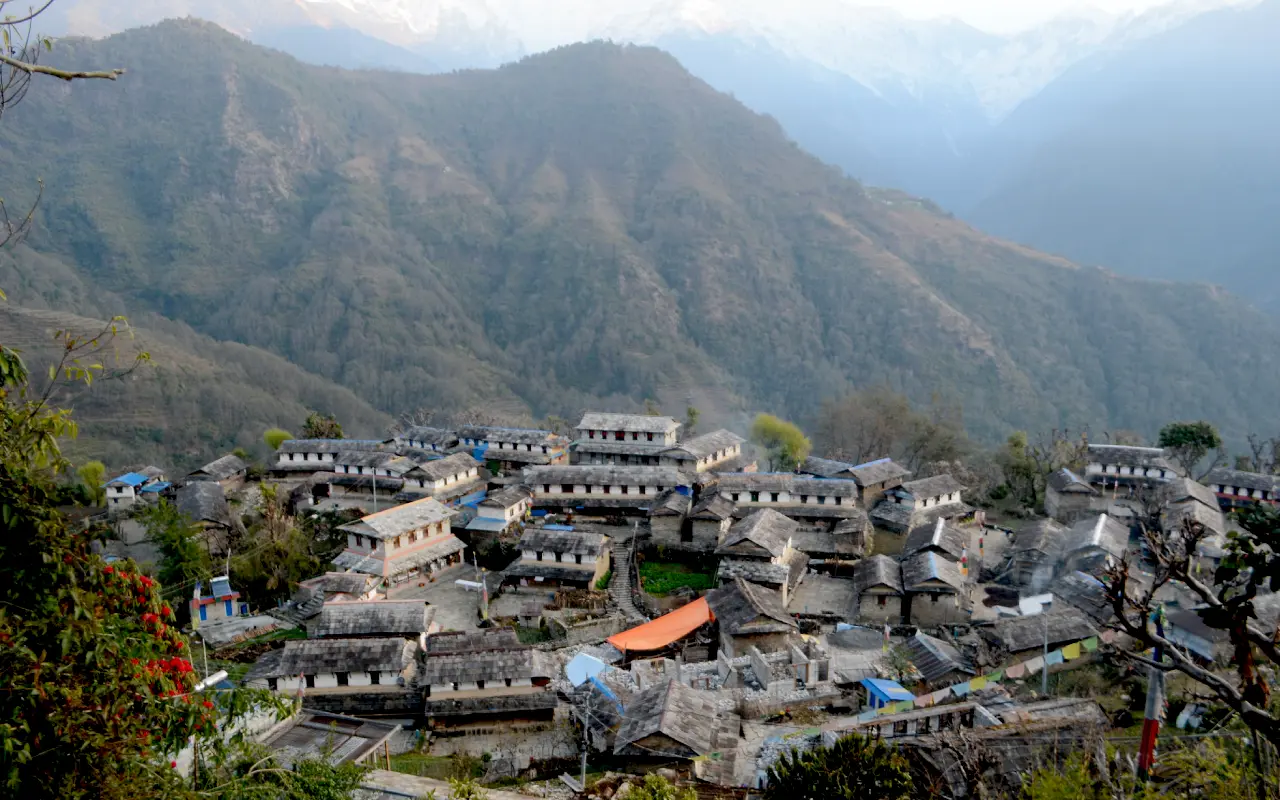
Ghandruk Village
Ghandruk Village

Trekking in Nepal for Beginners is about seeing new things and memorable landscapes. You start in lush forests and finish at impressive panoramas. Each day offers fresh sights. Even on easier and shorter treks, you’ll enjoy their remarkable Himalayan beauty.

The fact that makes Trekking in Nepal for Beginners” easy” is its moderate altitudes and trails that feature shorter routes. Every trekker is capable of completing these well-known routes. Most walking abilities and first-timers will feel at home on the paths.. You don’t need to dive into serious fitness preparation.

Follow along with Trekking in Nepal for Beginners to find your way through the magic of adventure in the mountains. Feel the confidence as you take your first steps on famous trails. Explore your dreams. Exploring Nepal begins here, one easy trek at a time.

What Makes a Trek Beginner-Friendly?

1. Trail Conditions and Safety

Trekking in Nepal for beginners is easy because the trails are well-marked, easy to follow, and the trail system is wellmaintained. Gentle inclines also help new trekkers feel safe while building their confidence and dealing with fewer obstacles. The established rescue plan with scheduled checkpoints on the trek is another part of making trekking for beginners safer.

Reliable guides help in traversing the trekking routes and trails with much less stress. You can just enjoy the beautiful scenery instead of worrying about losing your way on trails. It is safer for beginning trekking because the initial treks differ from technical trails, which have steep climbs and glacier terrain.

Supportive infrastructure makes a big difference for safety in trekking. Well-defined paths that are well-frequented mean there will always be assistance available if there is an emergency.

Beginner treks were purposefully selected because of the reliability of weather patterns, with low exposure and minimal natural hazards making these treks a safe introduction to mountain trekking for anyone.

2. Altitude

Trekking below 4,000 meters will reduce the risk of altitude sickness, which makes the trek safe and enjoyable. Lower elevation treks allow you to acclimatize safely. This way, a beginner can still feel the physical challenge of the trek while not having to deal with extreme physical stress.

Although a beginner trek may not include higher altitudes, they are usually still meant to minimize health-related issues associated with exposure to high altitudes. Trekkers at these elevations report better sleep, more overall energy, and a very small chance of experiencing headaches or nausea. This means trekking is enjoyable and provides lasting memories for beginners.

You don’t have to worry about your health and can freely enjoy the beauty of Nepal, local hospitality, and different ethnic cultures. You can fully take in the amazing scenic views and vibrant villages rather than dealing with discomfort and dangers.

3. Availability of accommodations

The plentiful teahouses available allow beginner trekkers to have much more comfort. Teahouses provide food and sleeping arrangements in the company of warm hosts and good local food. This means you no longer have to carry heavy camping equipment when sleeping in the mountains.

As a beginner, on easy treks, a good teahouse network means there is always a bed and cozy warm shelter somewhere to stay at the end of each day. With food and drink available, you will have more available social space to form new friendships or support each other as fellow travelers. This adds a sense of ease and pleasure to the whole experience.

Teahouses also provide some assurance regarding the unpredictable weather or when you feel fatigued, either pre-exhausted or otherwise. Beginners will appreciate having showers and charging stations, which add some comfort and convenience to their experience, becoming accustomed to multi-day trekking.

4. Duration

Trekking in Nepal for beginners is the best choice because it has several trekking routes that can be completed in 3 to 7 days. These shorter trails will allow trekkers to embrace Nepal’s beauty without too much exertion, making the trek interesting and enjoyable.

Itinerary essentials, such as daily rest days and acclimatization days, are built in. Shorter trails allow for possible increases in daily mileage, which gives individuals fair chances to stay together and enjoy the pacing of the trip. With moderate exertion and the absence of high amounts of preoccupation with distances or time, new trekkers can appreciate the trip without feeling fatigued.

5. Accessibility from major cities like Pokhara and Kathmandu

Trekking in Nepal for beginners can be found readily available from major cities such as Pokhara and Kathmandu, making travel issues minimal. Moreover, often the transportation is easy, allowing new trekkers to think less about logistics and concentrate more on preparing for the trek, not difficult transfers.

Accessing trailheads makes travel manageable as trekkers do not need to rely on bus transfers or flights, which may have made travel more exhausting and stressful. Getting on a trek so close to big cities also allows beginner trekkers to buy last-minute gear and equipment, as needed.

Top 5 Easy Treks in Nepal for Beginners

1. Ghorepani Poon Hill Trek

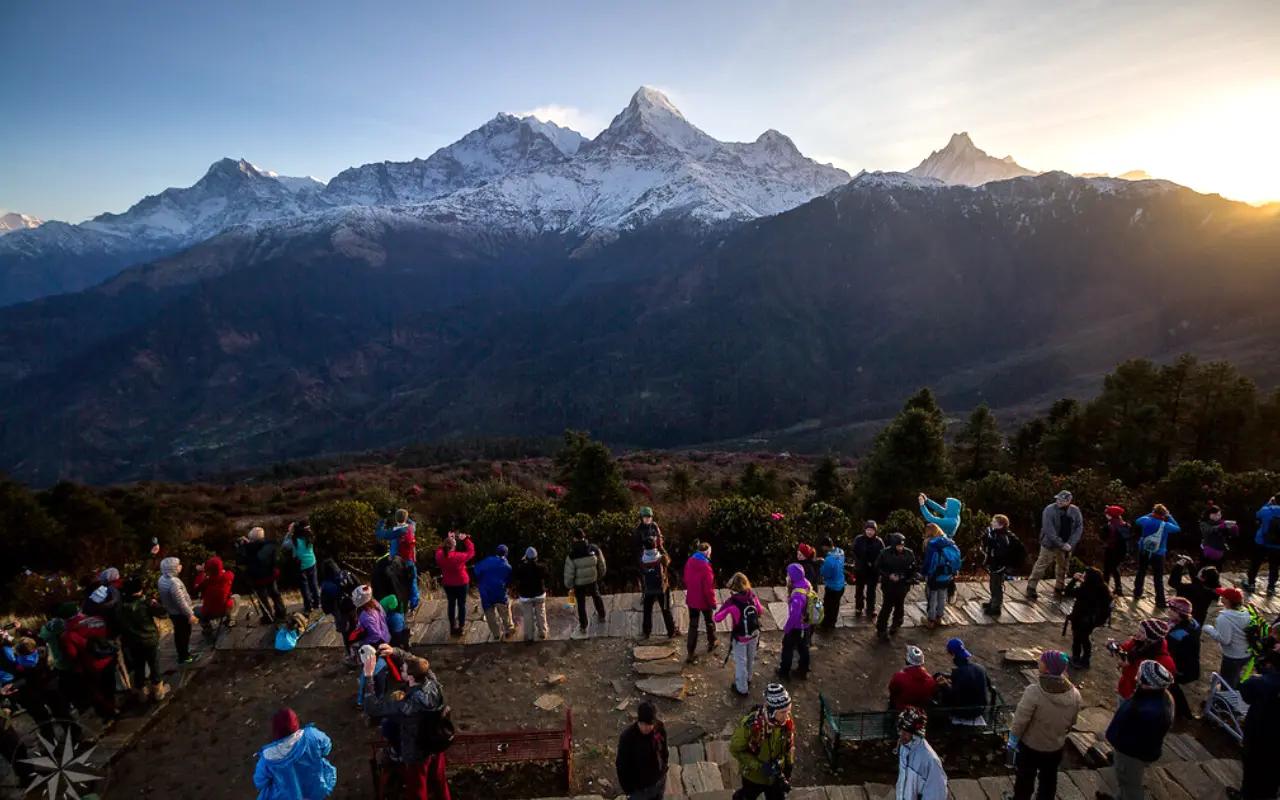
Crowd Enjoying Breathtaking Sunrise Views from Ghorepani Poon Hill

The Ghorepani Poon Hill Trek is known as one of the best trekking routes for Beginners in Nepal. This trek has become a great option for beginner trekkers because of its moderate duration and low altitude, which offer adventure and rich scenery.

This trek will take you 4 to 5 days to complete and begin after a drive from Pokhara to Nayapul. You will start trekking in Nayapul and move forward, enjoying the Magar and Gurung communities. You can enjoy these ethnic villages’ kind welcome and learn about their customs.

Another highlight of the trek is walking through forests of blossoming rhododendrons while they are blooming in the spring. The blooming rhododendrons make these trails colorful, and they offer a little magic in every step you take down the trail. this creates awesome opportunities for nature photography.

At Poon Hill, you will reach an altitude of 3,210 meters and get to see a spectacular sunrise of the Annapurna and Dhaulagiri range. It is the perfect ending to your trek.

2. Langtang Valley Trek

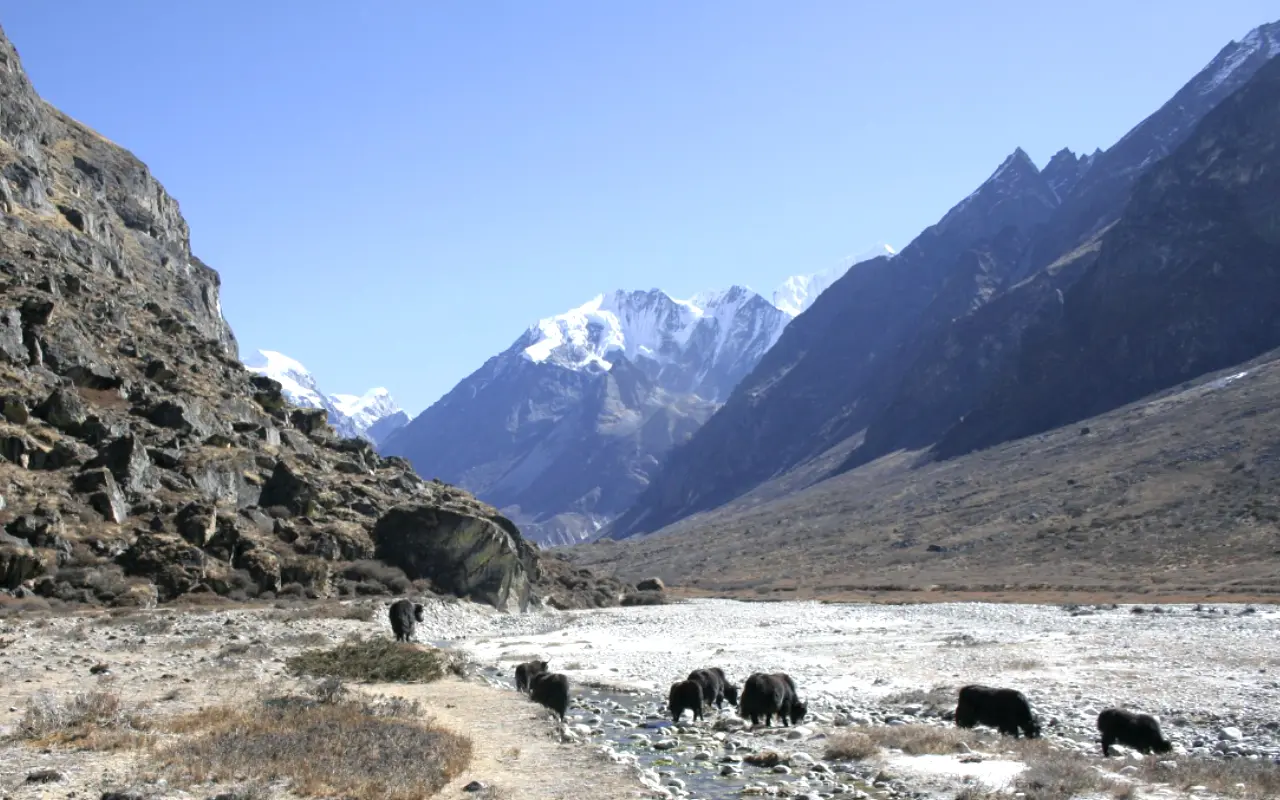
Langtang Valley
Langtang Valley

With 6 or 7 days, the Langtang Valley Trek represents a breathtaking opportunity to trek in the Himalayan beauty for all beginner trekkers without extreme altitude challenges. The day-by-day trekking route offers gradual acclimatization as well as the best reward one could ask for as an introduction to early or new trekkers.

You’ll start your journey from a scenic village nearby called Syabrubesi, just north of Kathmandu. To begin, you’ll take a bus or jeep and get to see rivers, hills, and local villages as you get yourself to the lovely village of Syabrubesi.

One of the main highlights of your journey to Langtang Valley is the glacier vista of Kyanjin Gompa and Langtang Lirung. If you are lucky enough, you will get an amazing view of mountain landscapes and rhododendron blooms along the way in spring.

During the trek, you will get an opportunity to immerse yourself in the vibrant Tamang Culture and the rich biodiversity of Langtang National Park. Trekking in Nepal as a beginner will make your journey meaningful and simple with traditional villages, Buddhist monasteries, and friendly teahouses.

3. Ghandruk Trek

Ghandruk: Where Tradition Meets the Mountains

Ghandruk trek is a short trek that can be completed in 2 to 3 days and is great in Nepal for beginners. The Ghandruk Trek offers a mild introduction to Nepali trekking culture and the splendor of the Annapurna region.

This trek begins in Kimche, which can be reached by road from Pokhara. You will then pass through trails featuring terraced fields and forests, which are accessible to people of different fitness levels.

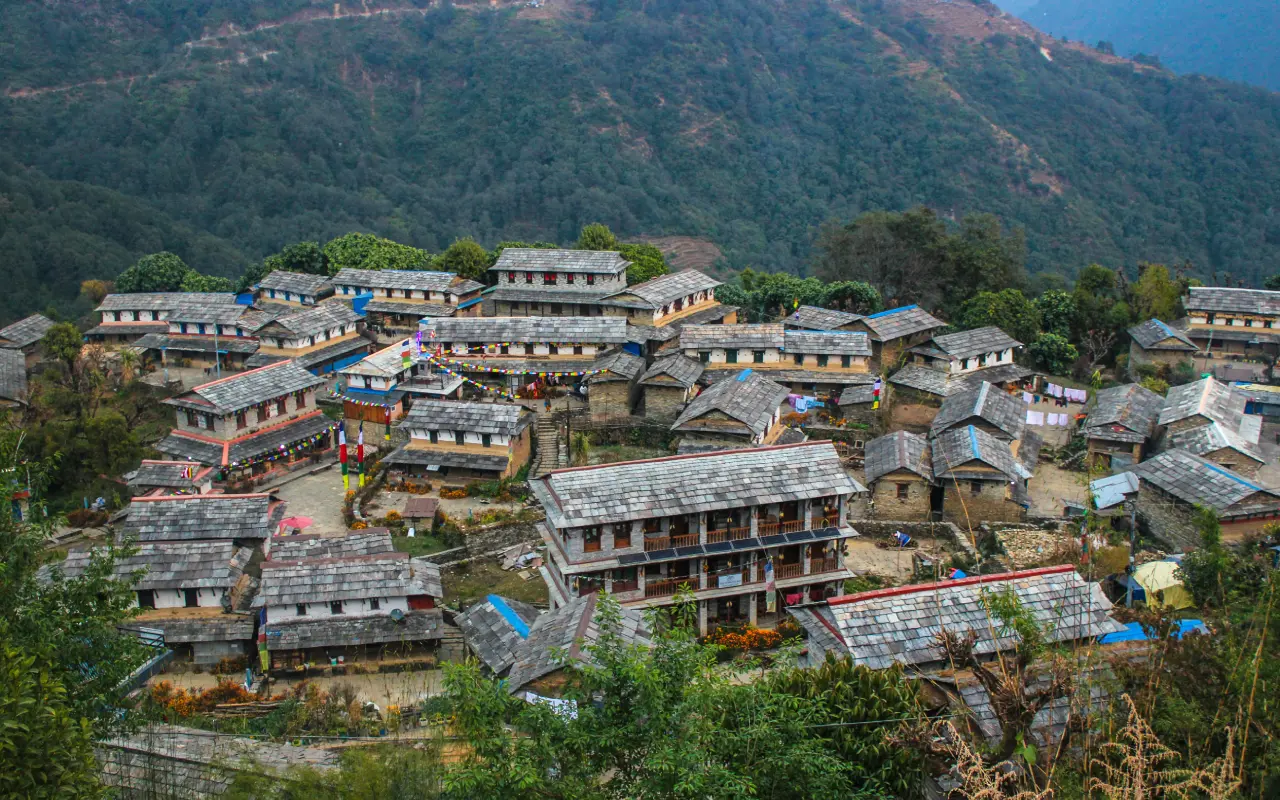
Ghandruk village is one of the cultural centers of the Gurung community, with some remarkably welcoming and friendly individuals. The authentic Nepal village experience is thorough in Ghandruk village, and you will find traditional houses, a culture museum, and beautiful mountain scenery.

At ~2,000 meters, any risk of altitude sickness is remote. The joys of trekking in Ghandruk are amazing views of Machapuchare (Fishtail) and Annapurna South, which result in a perfect blend of nature, culture, and the splendor of the Himalayan Mountains.

4. Everest View Trek (Short EBC Trek)

Everest View Trek
Everest View Trek

The Everest View Trek is an ideal introductory high-altitude trek, at a 5-7 day duration, with an easy/ moderate ascent that starts in Lukla. This trek will allow the beginner to trek in Himalayan scenery without lengthy or extreme ascents.

The route offers trekkers time in a number of Sherpa villages and through beautiful forests. It is an easy-going trek that ascends to a maximum elevation of approximately 3,867 meters in Tengboche.

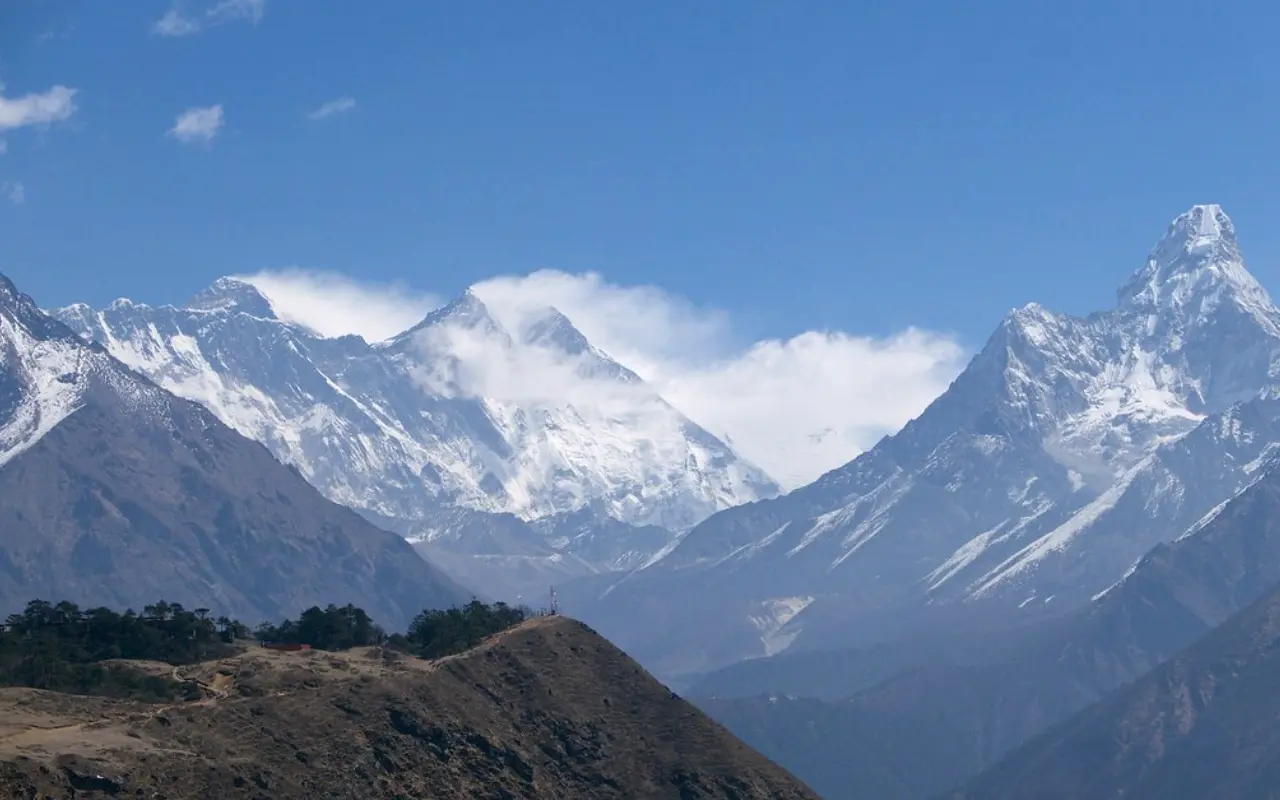
In addition to trekking through the tropical jungles, trekkers will have opportunities to experience the brilliant Sherpa culture, traditional monasteries, and the vibrant mountain communities. You will also get an opportunity to witness the towering Himalayas vistas of Mount Everest, Lhotse, Ama Dablam, and other iconic peaks.

The Everest View Trek is aimed at trekkers desiring to behold Everest from an elevated distance and experience trekking in the Himalayas, without being overly difficult. The duration is also easy to manage; in addition, the altitude is below challenging levels of above 5,000m.

The Everest View Trek is an excellent introduction to trekking in the mountain community of Nepal. It successfully satisfies the expectations of ambitious hikers by offering the Himalayan trekking experience.

5. Chisapani Nagarkot Trek

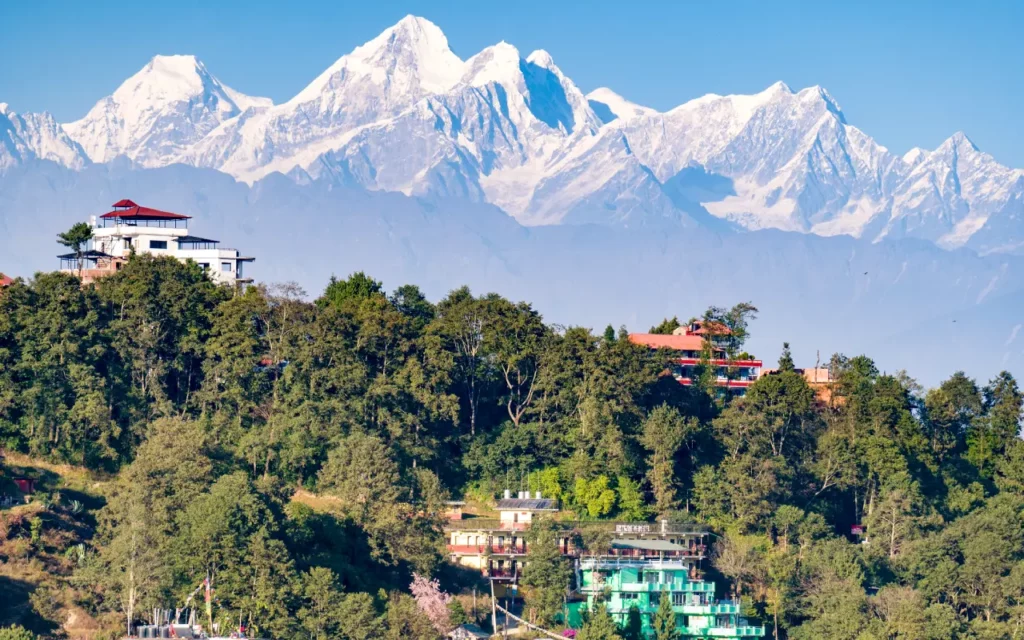
Nagarkot
Nagarkot

The Chisapani Nagarkot trek begins at Sundarijal and is completed in 3 to 4 days. You will get an opportunity to escape to the untouched nature with lush forests and rural settlements. This trek is good for you if you are seeking to experience trekking that combines nature and culture while being near a city.

This trek has a steep climb in Shivapuri National Park, and you will get panoramic views of the Himalayas, including Langtang, Annapurna, and Everest after reaching Chisapani. Chisapani offers a tranquil setting for taking in the scenery and has a remarkable regional diversity of natural features.

After reaching, you will continue your trek to Nagarkot, well-known for its sunrise views over the Himalayas. The trails to Nagarkot will take you through the terraced fields and rural villages, which provide valuable insights into locals’ lifestyles and natural scenery.

Nagarkot sits at the eastern edge of the Kathmandu Valley, providing a view back to the valley and mountain vistas. It was also rich in cultural sites such as the Changunarayan Temple. It is a good trek for beginner trekkers to visit because of its easy access from Kathmandu, with jaw-dropping views that offer layers of experience connecting with scenery and our common cultural outlook as humans.

Tips for First-Time Trekkers in Nepal

  • Employ a local guide or porter for added safety and assistance.
  • Prepare physically with routine moderate treks and cardio before your adventure.
  • Prepare for variable weather by planning for layering of clothes, and pack responsibly.
  • Stay hydrated and trek slower to lessen the potential for altitude sickness.
  • Respect local culture and protect the natural environment.

Best Time to Do These Easy Treks

Spring in the hillside of Nepal is exploding with blooming rhododendrons along the trails and amazing views of the mountains. This makes the trails vibrant with color across Nepal’s stunning landscapes, making an unforgettable experience for novice trekkers.

Autumn, on the other hand, is known as the season with exceptional weather and visibility because it has clear skies and mild temperatures, ideal for trekking. You can enjoy majestic mountain views; however, you can also stroll in comfortable walking temperatures through colorful villages along the same trails.

Winter is cool, but it’s still okay, particularly for low-altitude trekking. The daytime sun keeps the shoulders of the trails pleasantly warm, and you can comfortably walk the trails as there are only a few trekkers about. The guesthouses remain open; however, the trails will be quiet. Winter trekking provides a more sublime experience, but be aware that it is chilly at night and particularly so at higher altitudes.

You should avoid trekking during the monsoon season, from June to August. The mountains are hidden behind clouds, the trails are muddy and slippery, the leeches are at their peak, and unless you are prepared for challenging conditions, do not attempt these treks during this time.

Conclusion

Trekking in Nepal for beginners doesn’t require any previous experience. Any novice trekker can experience Nepal’s beautiful scenery, open-hearted culture, and the relatively easy nature of the trails, which make mountain experiences possible and enjoyable from day one.

Try some of these beginner treks to help you build confidence and learn about yourself. Each undertaken trek prepares you with invaluable experience and has its challenges and gratifying experiences as you learn to hike in the high mountains!

For added assistance, check out our helpful guides on area packing lists, trekking permits, and budgeting advice. Each of these resources can help you plan and stay organized so you can enjoy every experience trekking in Nepal!

Top 10 Hidden Places in Pokhara You Must Visit in 2025

Pokhara is known for its beautiful mountain views and tranquil lakes. Visitors come to Pokhara looking for both adventure and a place to relax and unwind in the Himalayas. However, Pokhara has much more to offer beyond these popular spaces.

In 2025, hidden places in Pokhara continue to offer peaceful, less crowded spaces, where a traveler may encounter peace and solitude amid the population of tourists. Hidden places tend to be the trace routes, or off-the-grid gems that are usually nothing fancy; however, it will be a more authentic experience when visiting a local village, community, or mountain.

By visiting hidden places in Pokhara, the traveler will be able to experience the natural beauty and culture of Pokhara without the crowds. The excursion to hidden, quieter places gives you personal insight into the soul of Pokhara, and indelibly adds the meaningful or memorable value associated with visits.

This guide seeks to encourage a curious and thoughtful traveler who wants to seek out the secret treasures of Pokhara. All the hidden places in Pokhara will facilitate a meaningful and original trip if the traveler is willing to consider new, unique destinations and experiences beyond the classic tourist locations in and around Pokhara.

Top 10 Hidden Places in Pokhara

Rupa Lake

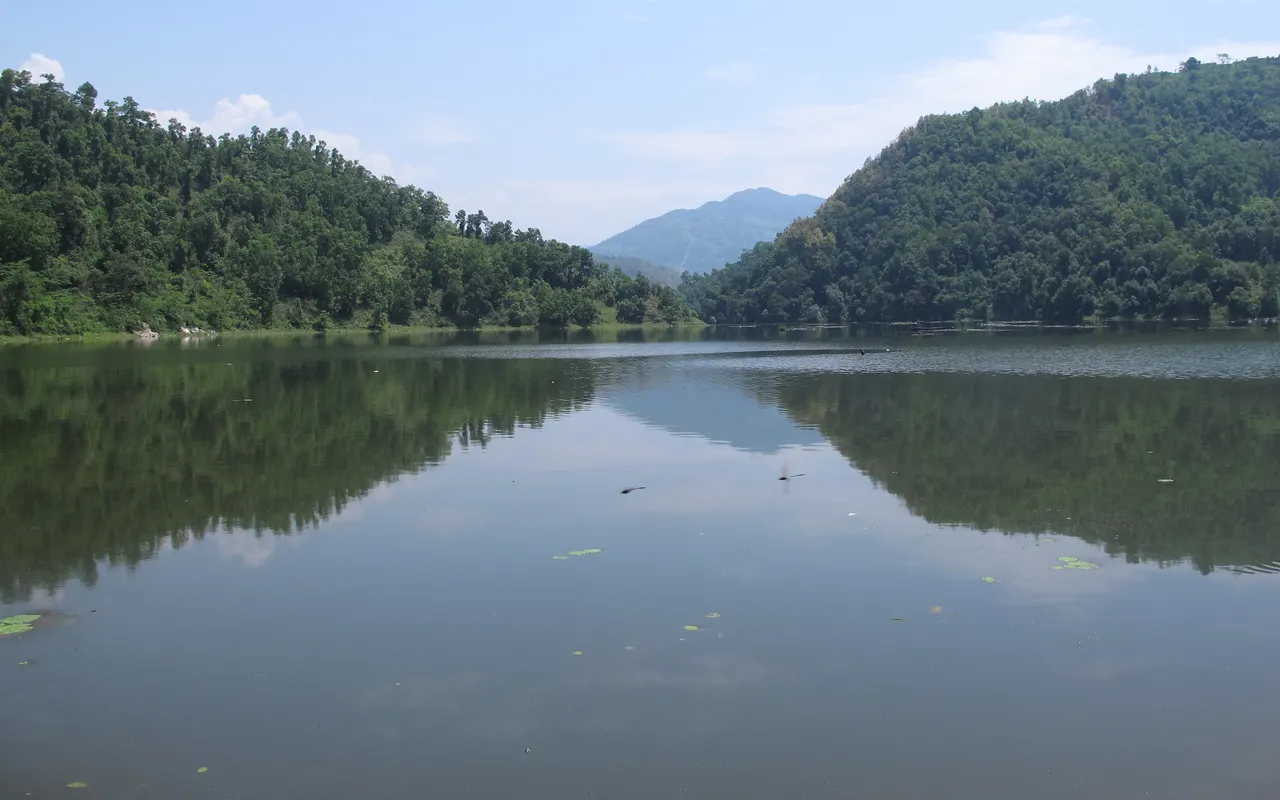
Rupa Lake is one of the hidden places in Pokhara, and it is tranquil, in contrast to bustling Phewa and Begnas lakes. It feels very natural, attracting more local life and fewer tourists.

You can enjoy boating in Rupa Lake and watching birds in the sky at dawn. This hidden place in Pokhara is for you if you want to go off the beaten path and into nature.

Rupa Lake
Rupa Lake

Along the lakeside, you can find fishing villages so visitors can get a sense of life here. These hidden places in Pokhara provide such interactions and a real sense of reflection.

Matepani Gumba

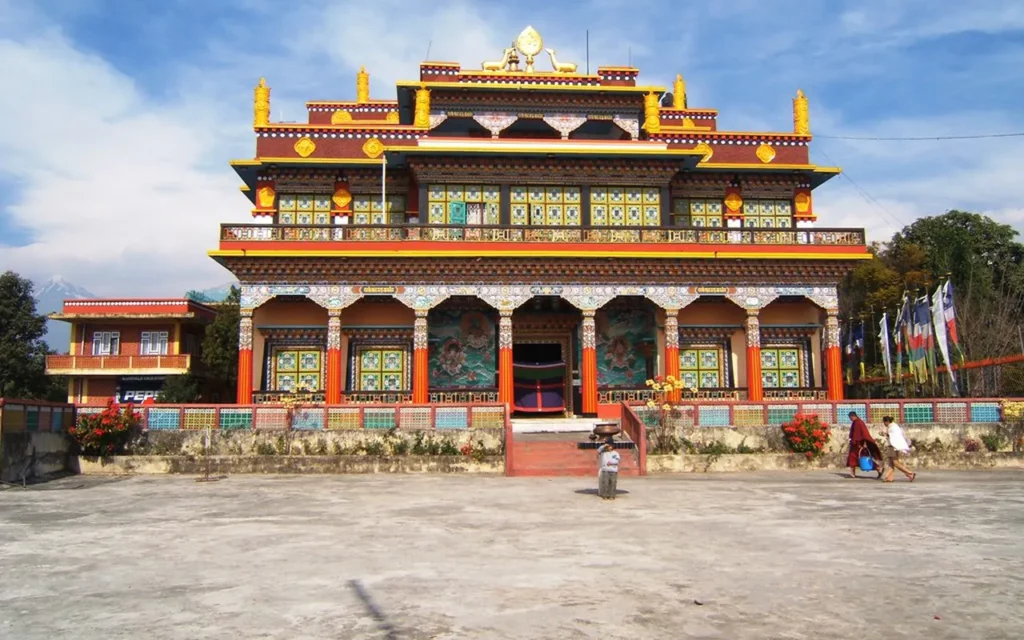
Matepani Gumba, located on a hilltop, is still a hidden place in Pokhara, where it is a serene sanctuary known for being quieter than other places. Visiting Matepani Gumba provides 360-degree views, which will wow you. These typically impress at sunrise or sunset. Inside, you can hear daily chants that put you in the environment of Tibetan Buddhism.

Matepani Gumba
Matepani Gumba

You will explore the interior or the top of Matepani Gumba, but it will be more about complete quietness, which is what hidden places in Pokhara are meant for, especially for spiritual or reflective travelers.

Pumdi Bhumdi Village

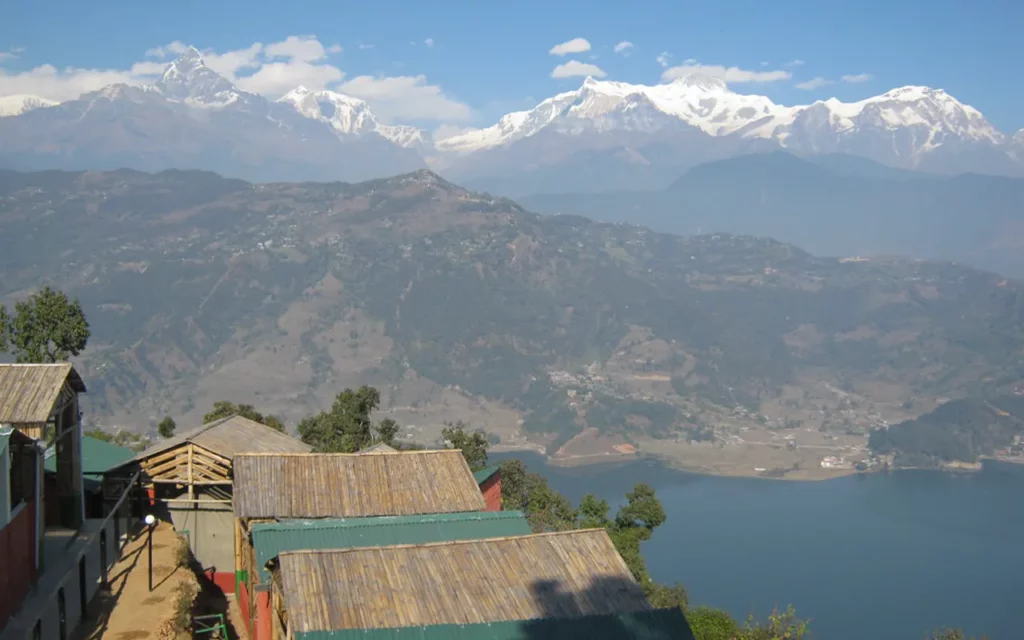
Pumdi Bhumdi Village is also one of the hidden places in Pokhara, situated above the city, and has breathtaking views of the Annapurna mountains, and gives a taste of the local culture.

Pumdi Bhumdi Village

This Gurung village offers trekkers a warm welcome to experience traditional ways of life. Its short treks are filled with forests and fields and reward everyone deeply with unique experiences. In these hidden places in Pokhara, travelers experience untouched hospitality and landscapes away from regular tourist trails.

The Royal Botanical Garden (Begnas Area)

This botanical garden is located near Begnas and is one of the hidden places in Pokhara. It features rare plants from the Himalayas and has hidden picnic places.

Families and nature lovers appreciate this garden for its peaceful and quiet atmosphere, far away from the busy lakeside areas in Pokhara. Shady trees and colourful flower patches light up any visit.

The hidden paths taking you through the garden create a space to stop, relax, or have conversations, making it one of the important hidden places in Pokhara.

Siddha Gufa (Cave)

You can visit Siddha Gufa on the way to Pokhara. To visit this Gufa, you can take a short hike up the hillside from Bimalnagar. Once you reach the Gufa, you will get an opportunity to roam around many grand chambers and contemplate ancient rock formations using hand-held torches.

You can also have the option to take a guide while visiting this Gufa. Visiting this Gufa is an adventure and a sense of self-discovery at the same time, and the hidden place in Pokhara is perfect for the curious and adventurous.

Methlang Hill

Methlang Hill presents a quiet alternative to watch the sunrise or sunset that is not overrun with tourists, and is also one of the hidden places in Pokhara.

Trekking to Methlang Hill gives visitors expansive views of the city and mountains. A serene pastoral image is produced by the nearby farmlands and herders.

The tranquil nature of Methlang Hill encourages people to be mindful and relish this hidden place in Pokhara that celebrates being peaceful observers.

Silence Stupa Trail (Alternative to World Peace Pagoda)

This treed trail joins with the famed World Peace Pagoda yet remains one of the hidden places in Pokhara simply because it is a low-key trail. The hiking provides both lakeside views and mountain views, it is less travelled by tourists, and you can have the soothing soundtrack of birds chirping and the rustle of leaves.

With the stop culminating at the stupa, travellers enjoy a solitary trek with worthwhile reward — a true hidden place in Pokhara, you see an untouched side here.

Begins at Kalika Ridge Trail

Trekking from Begnas Lake to Kalika Ridge brings hikers to one of the hidden places in Pokhara, with a remote path providing an outdoorsy entry. There are several small homestays along the route, exposing sustainable agricultural aspects against the dramatic ridge views.

There is huge demand for authenticity, and the ideas of adventure visit here, tired of the same; this is a hidden place in Pokhara valued for the landscape in the remote, and an everyday rural experience.

Bat Cave Forest Trails (Post-Cave Exploration)

After visiting Bat Cave, few will continue into the forested trekking trails behind the cave, which is why this path ranks very much among the hidden places in Pokhara.

This forgotten, overgrown jungle provides an absence of noise from the outside world, with dense foliage and nothing but the natural world surrounding you. The adventure of every step feels as if you are leaving the urban world behind.

The hidden places in Pokhara, like this experience, will enliven you, as you are refreshed by the discoveries of travel, which feed the insatiable heart of the wanderer’s wish. Ideal for adventurous travelers.

Hidden Waterfall near Dhampus or Astam

Both locals and homestay owners tell of a seasonal waterfall near Dhampus or Astam, a mystical jewel among the many hidden treasures of Pokhara. This location fully comes to life during or after any monsoon activity as sheets of water cascade through an unspoiled forest setting. There are quite a few outsiders who know the location of this waterfall

In arriving here, you are rewarded with solitude, natural beauty, and the amazement of discovering the best-kept secrets of Pokhara, which cements this location as one of the top hidden treasures in Pokhara.

Tips for Exploring Hidden Places in Pokhara

  • Be respectful and responsible with local people, and while traveling in holy places.
  • Hire a guide, especially for trekking trails and caves. Apart from security, the guide will provide you with the necessary information and insights.
  • Don’t visit the place in the monsoon season if you are planning to go for a hike. This seasons have slippery paths, and some of the paths are closed.
  • Visit early in the day to catch the best views and still avoid crowds at hidden places in Pokhara that have very few visitors until later in the day.
  • Carry plenty of water, staying hydrated in remote locations when hiking and visiting.
  • Carry cash, there may not be ATM’s in many of the hidden places of Pokhara and even rural areas.
  • Use offline mapping applications when you go to unknown/or less-traveled remote places without cell service.

Conclusion

By discovering the hidden places of Pokhara, visitors can venture past the already known and find authentic, peaceful experiences. These off-path locations will add to the originality of your exploration, with uniquely beautiful nature and cultural experiences that will never be included in ordinary travel guides.

Hidden does not have to mean impossibly out of reach. Hidden means there will only be you out there amongst the journey, and it won’t be easy to forget. You will find quiet paths, little villages, and open space views to enrich and engage your experience outside of the busy travelling community.

Frequently Asked Questions (FAQs)

What are the best hidden places in Pokhara to avoid crowds?

Rupa Lake, Matepani Gumba, Siddha Gufa, Methlang Hill, and Begnas to Kalika Ridge Trail are the best hidden spots in Pokhara to escape the crowds.

Is Rupa Lake worth visiting compared to Phewa or Begnas Lake?

Rupa Lake is a great option, since it’s a quiet alternative to Phewa and Begnas, as well as offering plenty of local village scenery.

How do I reach Matepani Gumba from Lakeside Pokhara?

After walking for about 30 to 40 minutes from Lakeside Pokhara, you can reach the Matepani gumba.

Are the hidden places in Pokhara safe to visit alone?

Hidden spots in Pokhara are probably safe to visit alone; however, we recommend hiring a local guide on trails and caves for your added safety.

Do I need a guide to explore these lesser-known places?

If you are exploring hidden places, you should have a guide to the caves, especially Siddha Gufa, and on the trails that are not frequented.

When is the best time to visit hidden spots in Pokhara?

The best time to visit hidden places in Pokhara is in the early morning for good views, and outside of monsoons for the best trekking conditions.

Which hidden places in Pokhara offer the best mountain views?

Hidden places in Pokhara with the best mountain views are Matepani Gumba, Pumdi Bhumdi Village, Methlang Hill, and the Begnas to Kalika Ridge Trail.

Are there any short hikes connected to hidden places in Pokhara?

Yes, there are a few short hikes that are linked to hidden places such as the Silence Stupa Trail, Begnas to Kalika Ridge Trail, and trails behind Bat Cave.

Can I visit these places using public transport, or do I need a private vehicle?

For some of the hidden sites, you can reach them by public transit or local buses, but private vehicles and taxis make for better access, and there is flexibility if something else catches your interest.

Are these hidden places suitable for families or kids?

Many hidden sites in Pokhara, like the Royal Botanical Garden and Rupa Lake, are family and kid-friendly options, as these are calm places where the kids are not in any danger.

Which hidden places are good for sunrise or sunset views?

The best hidden sites for sunrises or sunsets include Methlang Hill, Matepani Gumba, and the Silence Stupa Trail.

Are there cafes or homestays near these hidden spots?

Numerous hidden spots also feature nearby homestays and small cafes, especially in and around villages such as Pumdi Bhumdi, and from the Begnas to Kalika Ridge Trail.

Can I cover multiple hidden places in Pokhara in a single day?

Provided you plan your route and start early enough, yes, you can visit various hidden spots in Pokhara in one day.

Is it possible to bike or scooter to these offbeat locations?

There is also the option to bike or take a scooter to different off-beat locations like Matepani Gumba and Rupa Lake, a very popular option for many adventure travelers.

What should I pack when exploring hidden places in Pokhara?

Make sure you pack cash, comfortable shoes, modest clothing for sacred sites, a camera, and if an offline map makes you feel comfortable, definitely pack that if you’re thinking about venturing off to any of the hidden places in Pokhara.

Ghandruk Village, A Gateway to the Annapurna Himalayas

In the Annapurna region of Nepal, Ghandruk village is a quaint Gurung community. This village is known for amazing close-up mountain views and cultural interaction, making it a regular stop for trekkers who are trekking in the Himalayas.

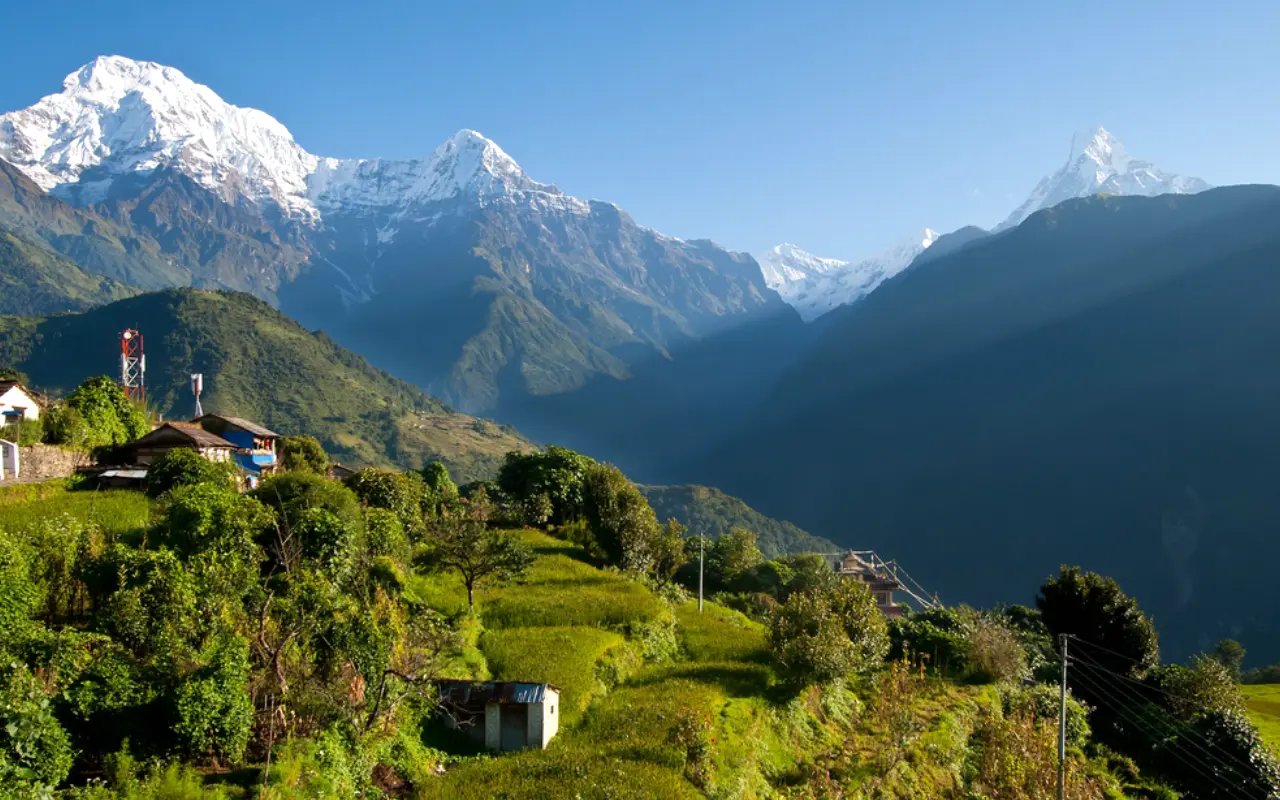
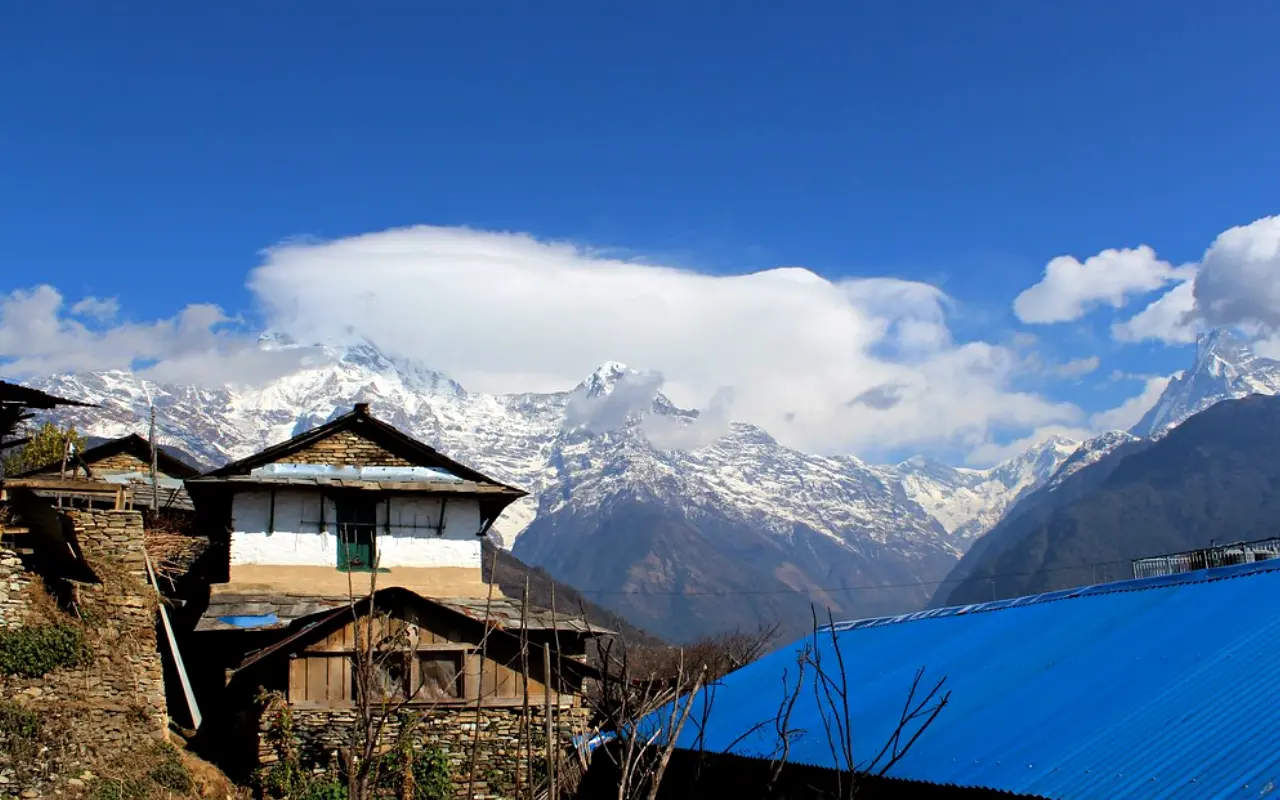
Ghandruk village represents the Gurung culture in beautiful houses, museums, cultural experiences, and temples. Here, visitors will enjoy the local hospitality and amazing views of Annapurna South, Machhapuchhre, and Hiunchuli peaks, which make Ghandruk village a top spot for tourists.

Scenic View from Ghandruk Village

Ghandruk village, which is roughly four to five hours distant from Pokhara, is fairly accessible. Numerous trekking trails in the Annapurna region pass through this settlement. In this area, there are many scenic hikes through forests, terraced fields, wrapped amongst the Annapurna Himalayas.

The purpose of this guide is to provide you with information about Ghandruk village. We will provide information related to the best time to visit Ghandruk, trekking options from Ghandruk, staying options in Ghandruk village, etc. After reading this blog, you will be able to know all the information to plan your trip to Ghandruk village.

Where is Ghandruk Village Located?

Ghandruk village is located in the Kaski District of the Annapurna region of Nepal. It is situated at a height of roughly 1,940 meters above sea level. This place offers a perfect blend of food and cultural heritage, reflecting its deep connection with natural beauty.

Ghandruk village sits near some of the amazing Himalayan peaks, including Annapurna South, Hiunchuli, and Machapuchare. These mountains provide you with spectacular views and panoramic backdrops, making them an important starting point for trekking in the Annapurna Sanctuary.

How to Reach Ghandruk Village

Ghandruk Village, a hidden gem in the Annapurna region

By Road from Pokhara

To travel to Ghandruk village by road from Pokhara, you will first need to travel by Road to Nayapul, which is 42km away and will take approximately 1.5 to 2 hours by bus/private vehicle. Nayapul is the main access point into Ghandruk and the surrounding treks.

From Nayapul, you have the option of renting a 4WD jeep, which will take you to Ghandruk, which is a further 23km away. The jeep ride will likely take 2 to 3 hours total, depending on the road conditions. Taking the jeep will be a faster and much more comfortable option than trekking the entire distance.

By Trekking

Generally, the walk from Nayapul to Ghandruk village will take around 4 to 5 hours as you are going 8.6 kilometers (5.3miles) along the trail through Birethanti, Chimrung, and Syauli Bazaar. In general, the trek will be a slow, gradual uphill to Ghandruk village, among rice terraces and forests, making it an easy trek for beginners and nature lovers.

The trek provides many beautiful views, from villages and the lush countryside, to close-up views of Annapurna South, Hiunchuli, and Machhapuchhre peaks. In addition to the views, the trek provides cultural experiences as you stay with the Gurung people and take in their hospitality in Ghandruk village, which is an important experience for adventure in the Annapurna region.

From Kathmandu

It takes about 25 to 30 minutes to fly from Kathmandu to Pokhara is the fastest and easiest option. There are multiple flights per day on this route, and prices start from around USD 104 for foreign tourists.

If you want to travel overland, there is a bus service that takes about 6 to 8 hours to travel from Kathmandu to Pokhara. Several tourist buses run from Kathmandu that offer comfortable and low-cost services. VIP and deluxe buses run daily from the bus parks in Kathmandu. Upon reaching Pokhara, you can take a bus or trek to Ghandruk village.

Why Ghandruk is the Gateway to the Annapurna Himalayas

Ghandruk village is referred to as “the gateway to the Annapurna Himalayas.” It is one of the most prominent trailheads for trekkers visiting popular treks of Annapurna region such as Annapurna Base Camp, Poon Hill, and Mardi Himal. Many trekkers either begin their journey from Ghandruk or use it as a resting point during longer treks through the Annapurna Himalayas.

Ghandruk is at the centre of the Annapurna trekking map, hence its location provides access for multiple routes. It also serves as a prime base for exploring multiple routes, as many of the trails interconnect at various points in the Base Camp region of Annapurna.

Ghandruk has easy access to wonderful views of Annapurna South, Hiunchuli, and Machapuchare, and the elevation presents the experience of seeing very high peaks without the risks associated with very high altitude.

Trekkers will have the benefit of trekking experiences of varying duration, distances, and experience levels to incorporate some points of interest into their trekking itinerary, along with superlative views of the Himalayan mountains.

Ghandruk village offers good access to the Annapurna region and brings with it its unique knowledge and experiences, such as Gurung culture and Gurung hospitality. Visitors can look forward to two cultural experiences of interest, displaying immense natural beauty and unique culture, which makes Ghandruk a gateway to the Annapurna Himalayas.

Culture and Tradition of Ghandruk Village

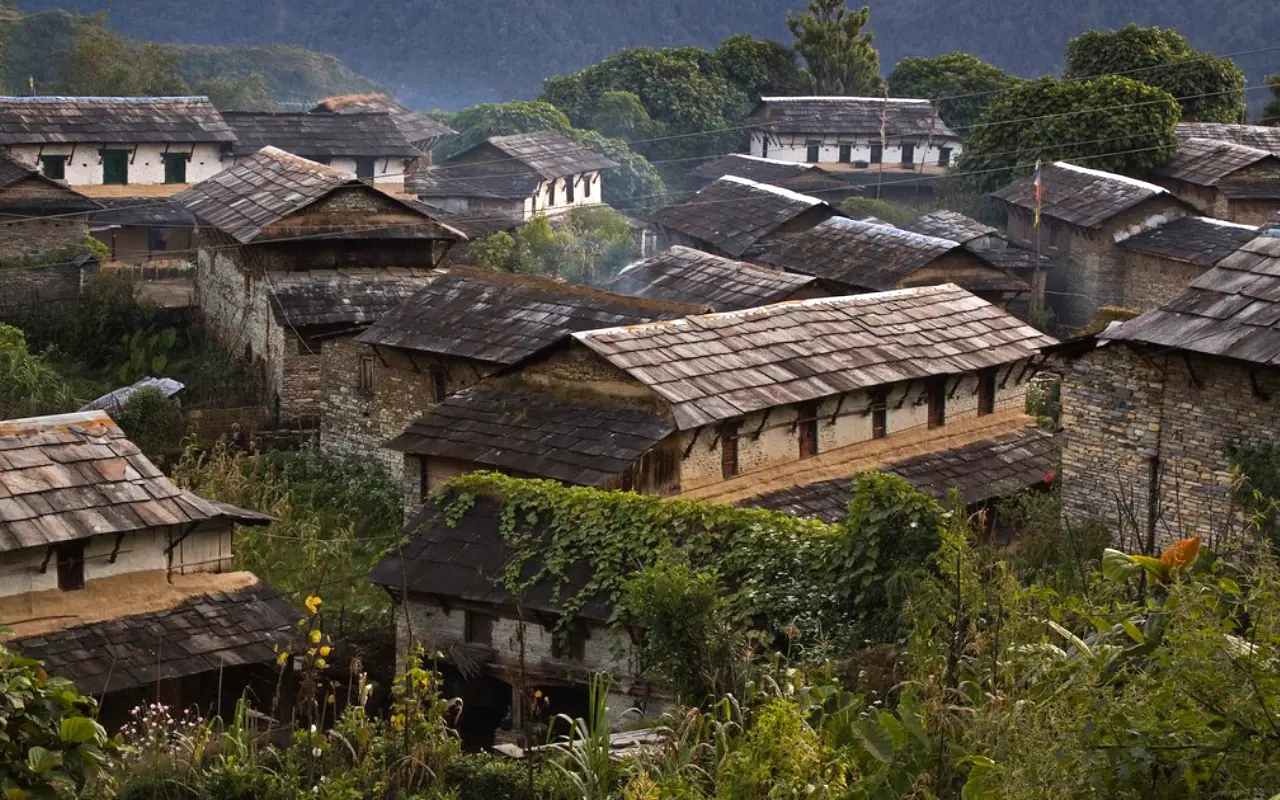
Ghandruk village is mainly a Gurung community, known for its cultural heritage and craftsmanship. The traditional Gurung houses are stylistically built in stone and are identifiable by their exquisitely carved wooden windows and doors.

You can visit the Gurung Museum in Ghandruk. You will find traditional clothes, agricultural tools, handicrafts, and relevant information on the value of Gurung vestiges. Visitors are also invited to join with the locals for participatory programs that include local traditions of warmth and hospitality, taking part in cultural programs, and opportunities to observe their traditional dances.

The women weavers of Ghandruk are adept at weaving intricate patterns on their woven looms to construct beautiful textiles that are directly linked to Gurung artistry. The Gurung continue to practice many customs passed down, from festivals to types of music and dance, including the Rodhi, which enriches your cultural experience.

When you stay in Ghandruk, you can experience the daily Gurung lifestyle if you elect to stay in homestays. You will have direct experience with local Gurung farming practices and local dishes, and engage with their local traditions of socializing. Despite the increasing presence of tourists in Ghandruk, the village continues to retain its identity as a culturally vibrant Gurung community.

Ghandruk village
Ghandruk village

Natural Beauty and Himalayan Views

Ghandruk village, situated in the Annapurna Region, provides unobstructed, awe-inspiring views of the iconic Himalayan peaks of Machapuchare (Fishtail), Annapurna South, and Hiunchuli. Their majesty creates allure for trekkers and lovers of nature to visit the village.

Also, the vegetation is comprised of lush forests, terraced farms, and the beautiful, bright colors of springtime, Rhododendron flowers. All of which makes for scenic, natural beauty in every direction.

The combination of the stunning mountain scenery and the peace and tranquility of rural life make Ghandruk a lovely place to visit in the Annapurna region.

Trekking Options from Ghandruk Village

Ghandruk village is the starting point of the popular Annapurna Base Camp trek. The route is amazing with beautiful scenery, and it passes the terraced fields, beautiful rhododendron forests, and other Gurung villages. It provides amazing mountain views along the trek route to the base camp while making a gradual ascent to the base camp.

If you are looking for combining Ghandruk with other short duration trek, then combining Ghorepani Poon Hill can be a good options. Ghorepani Poon Hill trek is shorter and less strenuous trek. This trek offers a spectacular sunrise view of Annapurna and the Dhaulagiri mountain range, perfect for travelers with less time.

Families with children, and those simply wanting to hike for a short time, have plenty of opportunities to hike to many cultural sites offered as a family-friendly trek from Ghandruk. The Ghandruk Loop Trek is a simple and easy trail at a very relaxed pace that would take approximately 5 days, with the trail passing through the nearby villages of Dhampus and Landruk.

With all of these trekking options available, Ghandruk can be a fantastic base for a myriad of options in the Annapurna region, whether that be for trekking for the trek to the Annapurna Base Camp, or enjoying a few gentle cultural walking treks. Ghandruk offers all of Nepal’s most beautiful landscapes, scenery, and the authentic experiences of life in the mountains.

Where to Stay in Ghandruk

Ghandruk village has several teahouses and homestays, providing comfortable accommodation to trekkers and travelers. You will obtain a traditional experience with modern facilities in Ghandruk village, and that will make the stay authentic and comfortable.

However, some lodges and homestays offer modern facilities, including hot showers and western food options. After a hard day trekking in the mountains, you will be happy to feast on a variety of meals and watch amazing traditional dances.

Some lodges and guesthouses have fabulous mountain viewpoints for guests to sit in their rooms and enjoy the views of Annapurna South, Hiunchuli, and Machapuchare peaks. Those views and warm hospitality make staying in Ghandruk worthwhile, as many travelers have discovered.

Best Time to Visit Ghandruk Village

Spring and autumn are the best times to visit Ghandruk village. These seasons offer the best weather conditions with blooming flowers and a colorful forest along the way. In winter, Ghandruk is cold but clear with beautiful mountain views.

If you are looking for solitude, then winter travel is for you. Avoid visiting Ghandruk village in the monsoon because of heavy rain, slippery trails, and poor visibility. Monsoon can ruin your trekking plan and opportunity to see the village and the surrounding area.

Essential Travel Tips

  • Don’t forget to secure the Annapurna Conservation Area Permit and the Trekkers Information Management System permit before you begin your trek.
  • Layer up in warm clothes to be comfortable during the chilly mornings and nights.
  • Bring enough money in cash form because there will be no ATMs in Ghandruk.
  • Put on Proper hiking shoes, which are good for the rough ground.
  • Follow local customs and treat locals with respect.

Frequently Asked Questions (FAQs)

How far is Ghandruk Village from Pokhara?

The distance from Pokhara to Ghandruk village is between 32 and 54 kilometers northwest. The duration is about 1.5 to 2 hours by road.

Is Ghandruk Village suitable for families or beginner trekkers?

Yes, Ghandruk is suitable for families and beginner trekkers because it offers cultural interaction with amazing surrounding scenery.

Do I need permits to visit Ghandruk?

Yes, you need to get an Annapurna Conservation Area Permit (ACAP) and a Trekkers Information Management System (TIMS) card to go to Ghandruk, including the Annapurna region.

Can I reach Ghandruk Village by jeep?

Yes, you need an Annapurna Conservation Area Permit (ACAP) and a Trekkers Information Management System (TIMS) card. The jeep journey from Nayapul to Ghandruk will last approximately 2 to 3 hrs, depending on the condition of the road.

What altitude is Ghandruk Village at?

About 1,940 meters above sea level is where Ghandruk is situated.

What are the main trekking routes from Ghandruk?

The primary pathways from Ghandruk are the track to Annapurna Base Camp, the Ghorepani Poon Hill trek, and several short cultural or family friendly trips around the village.

Is there a mobile network and Wi-Fi in Ghandruk?

Yes, in Ghandruk, several tea houses and lodges have WiFi and mobile network coverage. However, it is important to understand that it might be slower and less reliable than in the city.

What are the best months to visit Ghandruk Village?

The optimal period for a trip to Ghandruk is the spring season (March to May) and in the fall (September to November) when the sky is clear and the scenery is breathtaking.

Can I visit Ghandruk as a day trip from Pokhara?

Yes, it is feasible to make day trips from Pokhara to Ghandruk. However, it might be a bit challenging because of the travel time. The majority of tourist extend their stay in Ghandruk for at least one night so that they can have a complete experience of the village and the trek.

What kind of food and lodging is available in Ghandruk?

Ghandruk has many tea houses and homestays that serve local Nepali dishes, including Dal Bhat. They also have lodging, which usually means hot showers and Wi-Fi at the accommodations, providing trekkers with some comfort.

Conclusion

Ghandruk village is a Himalayan highlight, offering a unique combination of amazing mountain views, in particular Annapurna South, Hiunchuli, and Machapuchare, along with a variety of rich Gurung culture and hospitality set in the stunning Annapurna area.

Ghandruk is a good base for both short culturally rich experiences or for serious trekking adventures, including reaching Annapurna Base Camp or Poon Hill. In addition, it is easily accessible and has trekking opportunities that suit all traveler types, irrespective of your skill level and duration.

Don’t miss the chance to visit this enchanting village on your next trip to Nepal. Ghandruk offers magical experiences, which you do not want to miss – it is a must-see location while exploring the compelling Annapurna Himalayas!

Pokhara to Ghandruk Distance by Road and Trek A Complete Guide

Ghandruk is a trekking village in the Annapurna region that has gained popularity for its great Himalayan views and Gurung culture. This village is an essential stop on trekking routes such as the Annapurna Circuit but also a launching off point for treks of shorter duration, like the Ghorepani Poon Hill trek.

The route to Ghandruk from Pokhara is a good option for short treks because of its ease of access and variety of scenery. In just a few days, trekkers can visit cultural villages, wander through lush forests, and enjoy spectacular mountain views, which is ideal for trekkers with time limitations.

This guide will focus on the Pokhara to Ghandruk distance by road and trekking and will present the travel options by private vehicle, bus, and jeep ride as well as trekking routes, including the typical Nayapul to Ghandruk distance. The guide will also include some general advice to help trekkers have a safe and enjoyable trip.

By understanding the Pokhara to Ghandruk distance and methods of travel, trekkers can begin to prepare their treks better. Whether you take a Jeep ride, which is around 42 to 52 kilometers, or a multi-day trek to Ghandruk depends on your interests. With the information in this guide, you have everything you need to prepare for your trip.

Pokhara to Ghandruk Distance
Beautiful Ghandruk Village

Where Is Ghandruk Located?

Ghandruk is a traditional Gurung village, located in the Kaski District of Nepal, and it has the characteristics of Villages found throughout the Annapurna region. Ghandruk is about 32 kilometers northwest of Pokhara via road and represents a manageable distance from Pokhara, to help the traveler digest the Pokhara to Ghandruk journey.

Ghandruk is located at about 2,012 meters, which contributes to the initial cool mountain climate and also gives trekkers some time to acclimatize to the altitude of the Himalayas, viewing experience.

Ghandruk is known for its Gurung culture, unique stone-and-mud traditional houses, Gurung cultural museums, and thriving local traditions, providing trekkers with a cultural base to experience real mountain village life.

From Ghandruk, you can enjoy top scenic views of Annapurna South, Machapuchare (Fishtail), Gangapurna, and Hiunchuli; all of which give another reason to visit the village. Because of the easy distance from Pokhara, Ghandruk is a major destination for both short and cultural trekking options.

Distance from Pokhara to Ghandruk

The Pokhara to Ghandruk distance on the road is around 55 to 60 km in total, depending on road conditions. The jeep or private vehicle option takes about 1.5 to 2 hours, and buses take about 3 to 5 hours due to stops and slow progress.

For trekking distance, it would depend on where you start from. The trek generally starts at Nayapul and is about 9 to 15 km to reach Ghandruk. The trek from Nayapul to Ghandruk takes about 4 to 6 hours, depending on fitness and conditions.

There are different combinations of road and walking from Pokhara up to Nayapul or Kimche, which allows you the comfort of a Motor Vehicle with the adventure of starting a trek. You really can handle the Pokhara and Ghandruk distance in a day or two from Pokhara.

The Pokhara to Ghandruk distance will not be much different if you travel via road or trek. The jeep ride will give you access in a shorter time frame than the trek or foot, and give you the opportunity to observe some sense of nature and culture, so which option you select, the travel time is either 2 hours in a motor vehicle or a full day walking distance.

Pokhara to Ghandruk Distance by Road

Ghandruk is roughly 53 to 57 kilometers away from Pokhara via car. You will begin your journey in Pokhara and go to Ghandruk, Nayapul, and Kimche. This route is common among tourists going to the Annapurna region and has some nice mountain views along the road.

The road conditions vary. Access to the jeep to Kimche or Ghandruk depends on the weather and maintenance of the road. During monsoon or road construction, vehicles may only go to Kimche or Vikash Danda, which means you need to take a short trek into Ghandruk.

People crossing a man-made wooden bridge over the waterfalls in Ghandruk

Transport options are private jeeps, shared jeeps, and public buses. Private jeeps are a lot quicker and more comfortable to travel in and usually take about 1.5 to 2 hours. Buses are cheaper but slower, taking between 3 to 5 hours, as the buses have to make many stops, not always in the best road conditions.

The length of the journey depends on the vehicle and the condition of the roads. A private jeep usually takes about 1.5 to 2 hours from Pokhara to Ghandruk, while a public bus will take longer, about 3 to 5 hours.

Overall, the distance by road from Pokhara to Ghandruk provides a good variety of travel options. Whether you take a quick ride in a jeep or a slower journey on a bus, you will always have an excellent jumping point to visit Ghandruk, which highlights its cultural and natural attractions and is a perfect opening point for trekkers and travelers.

Pokhara to Ghandruk Trekking Route Distance

While the Pokhara to Ghandruk trekking route is relatively straightforward, there are two regular choices for reaching this beautiful Gurung village. The first is a convoluted hike that leads to Ghandruk via Birethanti and Nayapul. This option will have trekkers walking approximately 9 to 15 kilometers before reaching their destination.

On the other hand, the second option is to drive by jeep or vehicle from Pokhara to Kimche and then trek for 1 to 2 hours to reach Ghandruk. This option is great for trekkers who want less stress of carrying a heavier backpack or can plan their time more wisely to enjoy the natural scenic trek without the long-haul hike.

Both trekking options are relatively easy to moderate for beginner trekkers and families. In terms of the distance from Pokhara to Ghandruk, both routes have easy walking terrain and gentle uphills.

On both routes, trekkers will anticipate some great highlights such as natural cascading waterfalls, rolling terraced fields, and epic mountain views of Annapurna South and Machapuchare. The experience of walking through traditional villages and interacting with locals is appreciated too.

Finally, the Pokhara to Ghandruk distance by trekking is an amazing blend of culture, nature, and unbelievable landscapes. The longer trek from Nayapul or the Kimche route offers trekkers a memorable experience for sure when in the Himalayas.

Trekking Duration and Itinerary

The trek from Nayapul to Ghandruk takes 4 to 5 hours (8.6 kilometers in distance), and it is a pleasant trek for beginners and families. While trekking from Nayapul to Ghandruk you will see terraced fields, forests, and small villages along the way, and the trail is fun and interesting.

Trekking from Kimche takes less time and a maximum of 1 to 2 hours. Kimche is the closest point for a motorcycle ride to Ghandruk so many travelers will motorbike to Kimche and hike the remaining distance. This is a good option for those who want to enjoy a quick trek during the day with a light backpack.

You could also trek the Pokhara to Ghandruk distance in 2 days or 3 days as a short trek. This way you will have time to spend in Ghandruk village, enjoy the mountain views of the Annapurnas, and see how the local people live without feeling rushed. As a start for beginners or families wanting to go slow, this is a good option.

Overall, the Pokhara to Ghandruk distance trekking options are easy to moderate, and the trails are well-marked with beautiful views. It is also a nice combination of nature, culture, and manageable trek time. It is an ideal short trek for a popular destination in the Annapurna region.

Best Time to Visit Ghandruk

The ideal seasons to visit Ghandruk are the spring and autumn seasons, when the weather allows for clear, stunning views of the mountains. Since both seasons would be the best choices for the weather, depending on what overnight stays can be enjoyed the best, both seasons offer ideal weather conditions where trekking is pleasant and visitors can see nature.

Ghandruk: Where Tradition Meets the Mountains

Winter can still be a good time to visit for those who want to experience seeing Ghandruk covered in snow. Although winter can be cold, the crisp, conducive traveling air and beautiful snow can be an experience of its own for travelers.

It is not advisable to plan any trek between June to August based on the traction of trails and debris in the season, as it changes to journeys whereby the journey to Pokhara to Ghandruck looks like a potential risk.

Overall, spring and autumn are safe for trekking the Pokhara to Ghandruk distance, considering it is more than comfortable weather, the road conditions should remain stable, and witnessing the stunning views of the mountains is something for chirping visitors.

Where to Stay in Ghandruk

Accommodations in Ghandruk primarily consist of teahouses and guesthouses that are basic but comfortable for trekkers. Many of the teahouses and guesthouses in Ghandruk provide food, which is welcomed by trekkers.

Additionally, visitors can stay with the Gurung family through a local homestay program, where they can eat traditional local meals with the family and learn about the village traditions, and how to become engaged in village life, which enhances the trekking experience.

Firstly, nice and popular lodges like Hotel Gurung Cottage and Hotel Milan get excellent reviews for cleanliness, hospitality, and mountain views. Several lodges offer hot showers and cozy rooms after undertaking some of the Pokhara to Ghandruk distance trails.

If you are going trekking during peak seasons such as spring and autumn, it is highly advised to book your accommodation in advance to secure the lodging you want. Many teahouses and guesthouses will accept walk-ups, especially if you were to choose off-peak trekking, which allows for more flexibility for free-spirited travelers.

Permits Required for Ghandruk

To trek in the Annapurna region, including Ghandruk, you are required to obtain an Annapurna Conservation Area Permit (ACAP). This permit enables the conservation efforts and management of the area and is required for all trekkers entering the Annapurna Conservation Area (ACA).

In addition to the ACAP, trekkers must also obtain a Trekker’s Information Management System (TIMS) card. The TIMS card allows authorities to track the number of trekkers for safety and management purposes. Both permits are non-transferable and need to be on you throughout your trek.

You can obtain these permits in the Nepal Tourism Board office, the Department of National Parks and Wildlife Conservation, or the Tourism Board office. As permits can only sometimes be obtained at trekking entry points, it would be very strongly recommended to obtain permits before going on your trek, so there will be no delay or additional expenses.

At some trekking entry points, permits may be issued, but there will likely be an increased fee and an increased chance of delays. If we prepare documents such as passport copies, passport-sized photos, and the details of your trip, your application will be completed and submitted to facilitate the application for all routes in the Annapurna region.

Tips for the Journey to Ghandruk from Pokhara

As you set out on your journey from Pokhara to Ghandruk, don’t forget to take enough cash with you. There are a limited number of ATMs in Ghandruk and surrounding villages, so if you take enough cash with you, you won’t have to worry about paying for accommodation, food, or any permits.

Trekkers should travel light for maximum comfort along the way. Traveling in layers is a good option to be able to adjust for changes in temperature along the route. Warm clothing for cold mornings and evenings, and breathable short or long-sleeve shirts for during the day can be beneficial. Good trekking boots are also a good idea, along with a raincoat during unpredictable weather months.

Starting your travel early in the day is also recommended so you can avoid any possible delays because of traffic, unexpected weather, and poor road conditions. Early travel times will also ensure that you’ll arrive at your destination with enough daylight to continue your trek safely and enjoyably on the Pokhara to Ghandruk distance route.

Hiring a local guide or porter is optional but highly recommended for the added benefit of an enhanced experience on the trail. A local guide will share significant knowledge of the local Gurung culture and describe the local flora and fauna you will encounter. A porter is also recommended because they can help you carry some of your heavy loads, thereby allowing you to have an easier and much more comfortable trek.

Also, be sure that you take care of the weather considerations at a time of year when there may be significant showers, especially during the monsoon season when trails become slippery and potentially dangerous. Checking forecasts tells you what to expect, but planning your trek in the best trekking seasons will enhance your safety and enjoyment, which are much better in spring or autumn.

Finally, you should adhere to the practices of respect for local customs and for the environment. Ghandruk is a culturally rich village. It is important to respect the environment so that we preserve the natural state.

Conclusion

A traveler has a choice of whether to travel via road or trek in order to get to Ghandruk. The road travel will be quicker and more comfortable, as it will take around 3-5 hours to travel approximately 55-60 kilometers.

A traveler can also choose to travel via trekking, starting from Nayapul or Kimche. Trekking from Nayapul or Kimche provides a more immersive experience, and the various routes may range in distance from 9 km to 15 km, with the varying time being from several hours to all-day treks.

Ghandruk is a must-see and a must-experience place for people who love nature and culture. Ghandruk provides excellent views and the Gurung culture, which showcases everything this area has to offer. Nothing else compares to the unique scenic landscapes, the beauty of the architecture, and the authenticity of the Gurung community.

You will remember your experience with the exceptional hospitality and overall experience for a lifetime. Ghandruk is a great gateway to short treks and cultural experiences in the Annapurna region.

10 Religious Places of Nepal You Must Visit

Nepal is a country full of religious places including temples, monasteries, and a sacred mountain where spirituality melds with nature. Religious places of Nepal are deeply rooted in antiquity which offer travelers the opportunity to explore Nepal’s rich culture and spirituality. These sacred sites are often surrounded by stunning scenery, enhancing the appeal of exploring Nepal.

As a multi-religious country, Nepal has several important religious sites The beautiful Pashupatinath Temple and Bouddhanath Stupa are among them, which are sacred spaces rich in mythology and devotion. Religious places of Nepal represent many centuries of spiritual or religious practice and cultural exchange through the embodiment of their unique architectural spaces.

Exploring religious places of Nepal is a rewarding experience because it involves both cultural and spiritual engagement. Whether you see the beautiful array of rituals, architecture, or festivals, you will be cultivated with deep knowledge of the people and culture of Nepal. However, for many, these religious places of Nepal may open avenues of understanding about the faith and history.

The spiritual or cultural spaces of Nepal offer options for pilgrims, spiritual seekers, or simply those wanting to explore and reflect on meaning in life. Sacred and religious sites are waiting for people: whether trekking to remoteness, or experiencing ancient temple sites, the religious places of Nepal offer visitors incredible engagements with faith, tradition, and natural beauty.

1. Pashupatinath Temple (Kathmandu)

Pashupatinath Temple is one of the holiest religious sites in Nepal located in the center of Kathmandu valley. This temple is dedicated to lord shiva. This religious place in Nepal is said to be of great antiquity, as its establishment was around 400 CE. Pashupatinath is listed as a UNESCO World Heritage Site and is known to be the spiritual center of Hinduism in Nepal.

Pashupatinath is located on the riverbank of the Bagmati River, which also serves as a central space for funeral cremation practices for Hindus. These religious places of Nepal have over 500 shrines and are believed to bless those who visit with moksha.

Pashupatinath Temple

Moksha is liberation from the cycle of rebirth and implies that Pashupatinath holds special significance to Hindu followers as an important pilgrimage site among other religious places of Nepal.

Pashupatinath Temple has Nepalese pagoda-style buildings that display traditional gilding and woodcarving. Pashupatinath is one of the most significant religious places of Nepal as it draws thousands of devotees and visitors each year, especially during Maha Shivaratri.

Pashupatinath Temple in Nepal is viewed as a landmark and has retained its cultural significance for centuries. Pashupatinath Temple offers a true representation of religious places of Nepal for both pilgrims and travelers. The temple offers both a spiritual experience and a cultural context in the vicinity of Kathmandu.

2. Swayambhunath Stupa (Monkey Temple, Kathmandu)

This religious place of Nepal is situated at the top of a hill in the Kathmandu valley. Swayambhunath Stupa symbolizes enlightenment and peace and is a meeting place for Buddhists to improve harmony.

Swayambhunath self-emerged when the Kathmandu Valley emerged as part of pre-history, when a lotus flourished out of a primordial lake, creating one of the most sacred spaces in our world.

Swayambhunath Stupa, also known as Monkey Temple

This becomes suggestive of many forms of mythic and spiritual meaning in elevation and is what makes Swayambhunath distinct when compared to any of the other innumerable religious sites found throughout Nepal.

In addition to the magnificent view of the Kathmandu Valley, the stupa also represents the spiritual climb with a devotee who ascends the stairs surrounding the site.

Although this religious place of Nepal is often described as an excellent example of Nepalese and Tibetan architecture, the stupa collects, incorporates, and flourishes prayer wheels, shrines, and the iconic eyes of Buddha.

Swayambhunath represents the ties and balance between Hinduism and Buddhism and provides a site for pilgrimage, as well as a vision of spirituality, and an overview of one of the most meaningful religious places in Nepal.

3. Boudhanath Stupa (Kathmandu)

“Boudhanath Stupa,” located in Kathmandu, is one of the sacred religious places of Nepal and is an important pilgrimage location for Tibetan Buddhists because it supposedly contains remains of the “Kassapa Buddha.” The stupa has become a monumental structure symbolizing an embodiment of Buddhist faith and culture in the capital of Nepal.

Boudhanath Stupa
Boudhanath Stupa

The enclave of the Boudhanath stupa is an ancient stupa built as far as the 5th century CE. The structure is famous for being a large spherical sight. It is the size of a large mandala and a stupa. Like many religious places in Nepal, Boudhanath Stupa is still a place for believers to pray, meditate, or spin prayer wheels.

Boudhanath stupa is also a cultural center, Tibetan refugees have built monasteries, guest houses, and shops that have created a reinforcement of a semi-spiritual community. As a UNESCO World Heritage Site, it is still important to the lay of the sights called the religious places of Nepal. Tourists and pilgrims visit the Boudhnath stupa.

4. Lumbini (Rupandehi)

Situated in Rupandehi, Lumbini is one of the esteemed religious places of Nepal because it is the birthplace of Lord Buddha. Lumbini is visited by many pilgrims each year and is known as an important pilgrimage site. Additionally, Lumbini is an important, revered center of spirituality in the whole Buddhist world.

These religious places of Nepal include the sacred Mayadevi temple, where Queen Maya Devi gave birth to Siddhartha. This place is significant among various religious places of Nepal because of the tranquil temple and gardens.

Lumbini, the birthplace of Gautam Buddha

Lumbini has many monasteries built by different countries, demonstrating variations in Buddhist views and practices, as well as differences in architecture.

The establishment of the international monasteries has created a spiritual world in Lumbini, making it a special focal point amidst the countries of the world in this extensive sacred area in the religious places of Nepal.

Lumbini is often referred to as the “Mecca” for Buddhists throughout the world. People come here from all over the world to pray, meditate, and reflect which makes this place a deep spiritual location for spiritual seekers and travelers as one of the religious places in Nepal.

5. Muktinath Temple (Mustang)

Muktinath Temple is one of the holy religious places of Nepal for Buddhist and Hindu people. Hindus visit Muktinath Temple to worship Lord Vishnu, while Buddhists come to pray to Avalokiteshvara, which makes the temple a center of dual devotion and respect.

Many pilgrims visit this religious place in Nepal with the belief that bathing in 108 natural water spouts will cleanse their sins and purify their souls. This part of the temple signifies a holy and sacred site of religious renewal and cleansing among religious places in Nepal.

Muktinath Temple
Muktinath Temple

Muktinath Temple is presented with a flame that burns at the temple regardless of rain and snow. The eternal flame represents enlightenment. Its eternal flame represents the eternal quality of one’s soul. The existence of the flame helps solidify Muktinath as a place of devotion and worship among religious sites in Nepal.

Muktinath Temple is physically located at a high altitude and is a taxing pilgrimage. Muktinath is remote but offers a perfect blend of remote natural beauty and spiritual depth, making this devout religious temple in Mustang a stopping point for spiritual seekers to the religious places of Nepal.

6. Janaki Temple (Janakpur)

The Janaki Temple in Janakpur is one of the highly regarded religious places of Nepal and the place where Goddess Sita, the wife of Lord Ram, is said to be born. It has great religious significance and is visited by many devotees, mostly during festivals like Ram Navami and Bibaha Panchami.

Janaki Temple was built in 1910 AD (Bikram Sambat 1967). It is also called Nau Lakha Mandir and was created by the Queen of Tikamgarh Vrisha Bhanu. The temple has a great visual and cultural heritage that establishes it as an architectural jewel of Nepal’s Terai region among the religious places of Nepal.

Janaki Temple
Janaki Temple

The Janaki Temple is a reminder of love and virtue, in memory of Sita and Ram. Pilgrims come to Janaki Temple to receive blessings and participate in the rituals that display the commitment of the two, communicating the importance of Janaki Temple among the religious places of Nepal.

As a main pilgrimage site, Janaki Temple provides a place to find peace or solace in prayer, but also an important place to display the traditions of the Mithila region, and ultimately one of the most relevant highlights of faith and culture that we consider when talking about religious places of Nepal. It is an especially essential site to visit for both religious and tourist purposes when traveling to religious places in Nepal.

7. Manakamana Temple (Gorkha)

The Manakamana Temple in Gorkha, a famous religious place in Nepal, is built to the Goddess Manakamana. The site holds deep religious and historical narratives, and traditions associated with the 17th-century Gorkha royal family, along with local traditions.

Devotees visit Manakamana to benefit from the blessings, making it one of the most important spiritual sites among many religious places in Nepal. The temple serves priests from the family line of Lakhan Thapa; he is well-known for establishing the shrine because of divine signs, and his signs brought meaning to the cave.

Manakamana Temple
Manakamana Temple

Due to its elevation of 1,302 meters, Manakamana Temple unveils breathtaking views of the Annapurna and Manaslu mountain ranges. The experience is also more enjoyable because the temple can be accessed with a scenic cable car ride that connects the pilgrimage to the broader network of spiritual places of Nepal.

Its spiritual significance and historical importance, beautiful natural views, essence of beauty, and greatness lead to faith and devotion that continues to inspire hundreds of pilgrims and travelers while granting them divine grace in return for fulfilling their wishes.

8. Budhanilkantha Temple (Kathmandu)

One of the important religious places of Nepal for Hindus is Budhanilakantha Temple, which is known for its representation of Lord Vishnu resting in the coils of the serpent Shesha.

The temple is an open-air structure and has evolved into one of the most powerful places of worship, primarily devoted to Lord Vishnu, both to the local population and visitors to Nepal.

The structure depicts Lord Vishnu’s Ananta-shayana facial posture. Many devotees come to pray in what they believe is a space that removes obstacles and invokes blessings. The idea that the statue floats above the water is a significant spiritual attraction in terms of Budhanilkantha’s role as a spiritual site in the large community of religious monuments in Nepal.

Budhanilkantha (Lord Vishnu) Statue resting in the coils of the serpent Shesha

The temple is filled with myths resembling historical stories, one of them being that no Nepalese King has come to Budhanilkantha since the time of King Pratap Malla (the 17th Century) because of a fear of death foretold by their ancestors.

The legend built around the temple has helped create an element of mythology in the sacred space the temple holds as one of the notable religious sites of Nepal.

The statue sits in a serene pond that is naturally fed by the spring reputed to be connected to the sacred Gosaikunda Lake, providing the illusion that Budhanilkantha is floating on water, which is of great interest to researchers and visitors.

Overall, the Budhanilkantha Temple is an emblematic gathering space for religious places in Nepal and adds to the rich history of religiousness in the country.

9. Gosaikunda Lake (Rasuwa)

In the Himalayan region of Nepal, Gosaikunda in Rasuwa definitely ranks among the most sacred religious places of Nepal, believed to have been created by Lord Shiva to quench his thirst after swallowing poison.

Pilgrims visit Gosaikunda during the Janai Purnima festival. When devotees enter the cold waters of Gosaikunda Lake for ritualistic washing and bathing. Many believe even just dipping into the frigid water washes away one’s sins, and provides a significant site of purification among religious places of Nepal.

Gosaikunda, The Sacred Himalayan Lake

Gosaikunda is also a high-altitude experience. It provides pilgrims the opportunity to trek and hike to their place of worship, a challenging yet rewarding adventure that brings adventurous trekkers and spiritual seekers to the region.

Gosaikunda Lake and the surrounding areas present a vast and beautiful Himalayan landscape where people can pray and meditate while surrounded by the ice-cold mountain phenomenon.

Considered one of many religious places of Nepal, Gosaikunda is a prime spiritual destination, rich in scenic natural beauty and a sacred experience from a spiritual and cultural perspective.

10. Pathibhara Devi Temple (Taplejung)

Pathibhara Devi Temple in Taplejung is one of Nepal’s most important holy sites to worship Goddess Pathibhara, one of several powerful Shakti Peeths. Many devotees believe that she answers their prayers for children, wealth, and protection, among other things, so the temple is an important pilgrim destination for many, and thus an important part of the spiritual fabric of Nepal.

Pathivara is a popular destination for both Hindu and Limbu communities, although it holds a bigger cultural and religious significance to the Limbu community.

Pilgrims from Nepal and abroad visit Pathibhara as they seek to receive blessings and divine responses to prayers, which solidifies Pathibhara’s status as one of the many important religious places of Nepal.

Getting to Pathibhara involves trekking through the beautiful, lush green hills of Taplejung District, indicating the Hindi spiritual element of physical effort of devotion, and also locating the goddess in a religious place.

The journey of weaving physical activity and faith together, like sport in some subtle way, is part of the way many of Nepal’s religious places represent spiritual movements.

Although the holy atmosphere at Pathibhara is enhanced by the stunning views of the Himalayas, it’s still and sacred atmosphere offers pilgrims both the natural beauty and cultural richness of this part of Nepal, combined with its sacred energy, making it a must-visit religious place of Nepal.

Conclusion

The sacred sites of Nepal reveal the nation’s vast spirituality and cultural diversity. Visitors can scarcely understand the depth of spirituality and deep belief or the thousands of years of Hindu and Buddhist traditions embedded into each sacred site.

When visiting Nepal, it is a unique individual experience. As pilgrims, and during travel adventures, we are transformed, and able to connect spiritually, emotionally, and culturally, and belong even when not practiced as a faith. Therefore, meaning is expressed beyond just a practice.

Knowing and respecting local customs and traditions is important when visiting these areas. Responsible travel not only means preserving the sanctity of these sites; it also allows visitors to consciously engage with the sacred energy in Nepal’s religious places.

How Difficult is the Everest Base Camp Trek? A Realistic Guide for Trekkers

Everest Base Camp Trek is one of the bucket list treks in the world that brings you to the base of Mount Everest, located at a height of 5,364 meters. The trek is 12-14 days long and will take you about 130 kilometers through beautiful forests, Sherpa villages, and stunning alpine scenery.

View from Everest Base Camp
View from the Everest Base Camp

Although the trek offers amazing scenery and a rewarding experience, it has considerable difficulties during the hikes. Many trekkers describe the trek as accessible and demanding. The difficulty comes from the long day trek combined with the high altitudes, unpredictable weather, and rugged trails. There are also worries about altitude sickness and physical endurance to keep climbing in the tough conditions.

This blog is created for first-time climbers and for those wondering about the Everest trek. If you are physically fit and willing to prepare for the trek, then the Everest Base Camp trek is possible for you, even for beginners who have never hiked at altitude.

In this blog, we will break down the reasons why the Everest Base Camp is challenging, what you can expect on the trek on a day-to-day basis, and the preparation you need before and during the trek. Whether you are dreaming of the Himalayas or have already hatched a plan to trek to Everest Base Camp, this blog intends to provide practical and honest advice for trekkers.

Quick Answer: Is the Everest Base Camp Trek Difficult?

Although the Everest Base Camp trek is not a technical climb, it is considered moderately difficult. Trekkers don’t need mountaineering skills or technical gear, but good fitness and motivation are essential. Trekking on Everest can be strenuous as trekkers have to hike for a long day at high altitudes and rugged terrain; nevertheless, it is just a tough high-altitude walk.

Even beginners and average hikers can complete this trek with reasonable fitness and proper preparation. The best way to prepare for the trek is to train yourself before three to six months of the trek. To effectively finish the trek, you must improve your muscular endurance and cardiovascular fitness.

Mount Everest, also known as Sagarmatha in Nepali

The main challenge during the trek is the length of time you spend walking each day during the trail, which may range from five to eight hours per day. During the walk, you have to navigate steep ascents and high altitudes, which can make breathing difficult, resulting in fatigue. However, the acclimatization days worked into the itinerary along with a steady pace, enabling most of the trekkers to adjust throughout the trek.

Additionally, the trek up to Base Camp doesn’t require technical climbing skills and ropes; therefore, the trek is open to non-climbers. The success rate for reaching Everest Base Camp is high, varying between 85% and 90% for trekkers who are well-prepared and acclimatized.

Key Factors That Affect Difficulty

a. Altitude

During the Everest Base Camp trek, trekkers will gain a maximum altitude of 5,364 meters at Everest Base Camp and 5,545 meters at Kala Patthar, where the oxygen levels are extremely low. Getting up to the height is not easy even for the most experienced trekkers because the thinner air makes it difficult for your body to use oxygen efficiently.

Everest Base Camp Trek

You need to be aware of altitude sickness during the walk, which comes with symptoms like headaches, nausea, shortness of breath, and dizziness. So, acclimatization is important to adapt to changes in oxygen levels and for rest.

Namche Bazaar and Dingboche are two key acclimatization stops during the Everest Base Camp, which help to reduce the risk of developing more serious altitude sickness conditions like HAPE OR HACE.

b. Length & Duration

The typical Everest Base Camp trek takes about 10 to 12 days from Lukla and includes acclimatization stops. The slow ascent helps the body adapt to altitude, although it can still impact your overall fitness and energy levels.

You will walk on average between 8 and 20 kilometers per day, for a duration of about 5 to 8 hours per day. Although the distances are relatively short, and the duration doesn’t include time for resting, the daily time length and effort required on every trek day, especially at and above base camp altitude, is tiring.

c. Terrain and Trail Conditions

As you trek from Lukla, the trail will transition from wooden paths and stone steps to rocky moraines, glacier edges, and scree near the Base Camp. The steep ascents, especially near the Namche Bazaar and Tengboche, will test your leg strength and stamina.

At many points along the trail, you will be crossing suspension bridges, which span deep river gorges, making it an interesting adventure. As you hike higher, the trail may become rockier, steeper, and exposed. There may also be snow and ice, especially in winter months, to increase the challenge.

d. Weather & Season

The weather will significantly impact the difficulty of the trek. Biting winds, cold temperatures, and unforeseen snowstorms can make trekking risky and challenging. Trekking after the post-monsoon, in one of the pre-identified seasons of spring (March-May) and autumn (September–November) will make your trekking easier because there will be more stable conditions, sunlight, and improvements in visibility.

Wintertime weather, with snow and ice, can be hazardous. While in the lower altitudes, the rains associated with the monsoon periods can bring rain, mud, and leeches. Choosing the right staging season will significantly improve the discomfort and risks associated with the trek.

e. Fitness Level Required

Given that the journey consists of several days of climbing for hours at altitude, a respectable degree of cardiovascular fitness and leg strength is advised. Trekking is on trails, and even beginners can do the trek, provided that you have all prepared sufficiently in terms of stamina, hill walking, and endurance in the months leading up to the trip.

It is worth mentioning that although prior trekking experience is valuable, it is not detrimental if you train well and approach the trek with determination. Mental fitness is equally as important because sometimes it will be a long, cold day, and you will be living in basic conditions, but be sure that you consider taking the trek with the proper mindset. I think the EBC trek is achievable for all reasonably fit hikers.

Mental Challenges

Coping with mental challenges during the trek is equally challenging as the physical aspects of the trek itself. Because of basic rooms, amenities, and cold nights, you may find the trek difficult. After several long days of hiking in which even short days can be exhausting, fatigue can build up. Coupled with all of this is the often isolating nature of staying in remote villages in the Himalayas, where you may be the only Westerner for many kilometers.

Therefore, a positive mindset and motivation are important to overcome these mental difficulties. Mindfulness, meditation and even visualization techniques help to maintain focus and calm the mind. Setting achievable expectations will also help to maintain your mental energy and morale, especially when the trek seems long or mostly unchanging.

Managing discomfort is a matter of accepting the simple nature of life, paying attention to how beautiful the scenery is, and riding the assorted highs and lows of both the journey and your emotions. All of these feelings help to build mental endurance, which is a key mental preparation strategy before you start the trek.

Ultimately, it is mental toughness that will get you moving after fatigue is setting in, or you feel like your progress is very slow. Breaking the trek into mentally manageable parts, patience, and a sense of purpose will help you make sure that the mental difficulties overcome during your trek become a part of the overall experience, rather than an obstacle to achieving success.

Trek Logistics That Can Make It Easier or Harder

Choosing the correct itinerary plays a large role in minimizing the difficulty of the Everest Base Camp Trek. A good itinerary gives the trekker rest days, usually on the two acclimatization days in Namche Bazaar and Dingboche, to help lessen the chance of suffering altitude sickness. Most itineraries slot in between 10 -12 days total. This takes into account enough treks and acclimatization in between.

If trekkers hired a guide and porter, the trek would be less strenuous. The porter would lighten the load enough to be able to save physical endurance for the most difficult task, while the guide would offer assistance and support for navigation.

Accommodation opportunities will also impact difficulty as sleeping in a lodge offers a basic level of warmth, meals, and fellowship after a long day on the trail, which is important to recovery. If you want to sleep in a tent, then you have to be prepared to carry extra gear and bear the cold and discomfort. Although food and sleeping conditions can vary quietly, good food and sleep offer better endurance and acclimatization efforts.

Who Should Avoid This Trek?

In general, we advise individuals with serious heart or lung conditions not to undertake the Everest Base Camp trek. You will experience extreme altitude and sub-optimal oxygen when you go above about 3000m. At high altitudes and low oxygen levels, your cardiovascular and respiratory systems are under stress. Although you may feel fine once you start on medication, the risk of altitude sickness and other complications for these trekkers is significantly higher.

As a rule of thumb, absolute beginners with no hiking background are also advised not to attempt the trek. While the route is considered to be non-technical, it challenges your physical stamina. It takes a lot of effort, endurance, and strength to cope with continuous walking for about 10-12 hours per day for 9-14 days in unpredictable conditions over varying terrain. Inexperienced and beginner generally have a higher risk of injury and exhaustion.

Tips to Make the Trek Easier

Focused training is essential for an easier Everest Base Camp trek. Running and cycling will improve your cardiovascular fitness, while squat work will strengthen muscle power. The best way to ensure your body is accustomed to long physical days and altitude would be to practice hiking with a loaded backpack.

Packing light and smart is one way to lessen the fatigue factor associated with carrying a bag on your trek. While packing your bag, consider packing multi-use layered clothing, waterproof gear, and comfortable boots. Avoid unnecessary items as much as possible and carry essentials that will motivate you to move quicker while wasting little time and energy during the trek.

Stay hydrated by sipping water regularly and maintain a slow but steady pace during your trek. Ideally, being well hydrated will act as an aid for acclimatization and delay fatigue. Walking steadily and slowly saves energy and gives your body time to adjust to the higher altitude.

Alternative Easier Options

If you are looking for an easier option to do the full Everest Base Camp trek, the most popular option today is an Everest Base Camp trek with a helicopter return. This allows you to trek the trail on the way up, and fly back so you don’t have to endure the long and tiring return trek. This option gives you back some valuable time and energy for exploration at base camp.

Another option is the short Everest View Trek. This trek is perhaps the easiest option, and you will also be rewarded with spectacular views of the Himalayas without much of the strain that a full EBC route puts on your body. It is perfect for those who want to experience the Himalayas in a short amount of time or those who may not have as much fitness, as it gives you an impression of the grandeur of Everest, with less ascent and shorter walking distance.

gokyo lake
gokyo lake

Additionally, if you look at the Gokyo Lakes trek instead as an alternative to Everest Base Camp, this is a trek without the crowds, with equally majestic scenic value. This trek includes beautiful turquoise lakes and a panoramic view of the mountain ranges, including Everest from another angle. As well, the Gokyo Lakes trek is often considered to be less demanding, so it allows for a picturesque trek while getting away from the busy EBC trail.

Conclusion

The Everest Base Camp trek is certainly difficult, but doable for most healthy and prepared people. With a decent level of physical fitness, mental preparedness, and a thoughtful trekking itinerary, you will be able to trek to this symbolic base. The secret ingredient to success is respecting the altitude and paying attention to your body throughout the trek.

Preparation is vital – both physical and mental preparation to deal with the stresses of trekking long distances, rugged terrain, and altitude. The challenge along the trekking route is well worth it once you get the view of Everest, and encounter the truly unique culture of the Himalayas. Being at the base of the highest mountain in the world is a truly rewarding experience, and it is the adventure of a lifetime, worth the effort required to do it.

Is Nepal Safe for Solo Female Travelers? What You Need to Know

Female solo trekker

In recent years, the number of solo female travelers has been increasing globally, with more women seeking freedom and adventure on their own terms. This reflects the women’s wishes for a sense of self-discovery, cultural immersion, and empowerment through travel. Nepal, with its beautiful landscapes and rich culture, continues to be an attractive destination for many solo female travelers.

Nepal’s allure consists of amazing Himalayan views, lively, diverse culture, and local hospitality, along with trekking. There are places like temples and monasteries where trekkers can experience a combination of recreation and spirituality. Additionally, Nepal’s reputation as a safe and respectful place for women has kept it close to the top of countless bucket lists.

This blog will provide an honest and practical safety guide for female solo travelers to Nepal. This guide will address base fears, present honest stories, and provide practical tips for how to safely experience Nepal as a solo female traveler. We want to empower female travelers to discover Nepal using a safe approach and fully recognize the amazing magic that exists in this beautiful country.

This guide is intended to help solo female travelers prepare for their journey by combining information on cultural norms, safety considerations, and travel logistics. Whether you are trekking in the towering Himalayas or roaming around Kathmandu or Pokhara, being knowledgeable about what to expect and how to stay safe during the trek is an important step toward having an unforgettable adventure.

Quick Answer: Is Nepal Safe for Solo Female Travelers?

Yes, Nepal is safe for solo female travelers, whether you go for a trek in popular trekking areas and cities like Kathmandu and Pokhara. But you are required to dress accordingly and be aware of cultural provisions because Nepal is traditionally a conservative country. Dressing moderately and not wearing an exposed dress will help you to cut down unwanted attention.

Most female traveler reviews and other reports suggest there are few serious crimes against tourists in Nepal, although petty crimes such as pickpocketing and scams do occur. Therefore, you have to be alert to these types of people. Tourist precautions generally include not walking alone at night, securing bags and packs, being aware, and using transportation such as taxis that are trusted.

If you are planning to trek in areas like Everest and Annapurna, then they are completely safe for solo female travelers. Because these are the busier routes, there are so many trekkers and teahouses along the way, which adds an extra safety factor for you as a solo woman. For added security and trip navigation, we recommend you use a certified guide or consult a trekking agency.

Safety in Major Tourist Areas

a. Kathmandu & Pokhara

When comparing traveling in the daytime and nighttime, daytime visits in Kathmandu and Pokhara are safe and comfortable because the streets are busy with people and tourists, and you will see police officers nearby. However, nighttime travel can be cautious, so avoid walking alone after dark to ensure your safety and reduce the chances of petty crime and harassment.

Kathmandu city
Kathmandu city

Try to negotiate a price when you take transportation because street vendors and transport situations can be overwhelming sometimes. Be aware of scams and remember that scams usually happen in tourist areas like Thamel and Lakeside. Additionally, we recommend you take a taxi from a trusted transportation service to ensure a baseline standard of safety and reasonable pricing.

b. Trekking Regions (Everest, Annapurna, Langtang)

The trekking regions of Everest, Annapurna, and Langtang are regarded as safe, with treks in teahouses on major trekking trails much safer. Trekkers can stay with relative security and be social, which adds to the certainty of safety for female trekkers.

Mount Annapurna
Mount Annapurna

Guided treks allow you to find your way and have safety aspects to consider. Guided treks encourage safer and on-time travel, especially if you do not know the region you are visiting. Solo trekking is an option, but it requires a lot of preparation, knowledge of the local area, and being well aware of conditions, with particular emphasis on the weather in order to stay safe in remote areas.

Local Culture & Gender Norms

Nepal is known for its warm hospitality and conservative gender norms; therefore, solo female travelers are welcomed kindly; however, it’s important to uphold the traditional values. Understanding the cultural norms and positive interactions will reduce the unwanted attention you receive during your visit.

Similarly, dressing with moderately covered knees and shoulders, and avoiding tight and revealing clothing, is important when visiting the temples, villages, and cities in Nepal. Wearing long skirts or pants and scarves would be appropriate to adhere to cultural expectations and show respect.

Cultural rules stress humility and modesty. “Namaste” is a courteous greeting that is acceptable, but open expressions of affection are discouraged. Shouting and confronting, or challenging behavior are unwelcome. Personal space should be respected, as well. Follow the community’s propriety and etiquette to respectfully and safely experience Nepal.

Common Concerns for Solo Female Travelers

a. Harassment or Catcalling

Harassment or catcalling does happen in Nepal, but it’s much less common than in other countries. Harassment or catcalling is usually limited to verbal comments or staring, rather than physical actions. Solo female travelers have reported receiving unnecessary attention but have rarely faced serious harassment.

You have to follow some strategies to handle such conditions, such as staying calm and avoiding verbal confrontations with perpetrators by leaving the scene. You need to dress moderately in order to adhere to local customs and select authorized applications or transportation services in case you have to travel at night time.

b. Accommodation Safety

Be sure to choose accommodations that have good ratings in travel guides and utilize safety measures. We recommend guesthouses or hotels that are in areas of higher population density, and if you plan to trek, the teahouses on the trekking routes are usually safe and they have communal spaces for meals combined with the experiences of the local hosts who are accustomed to serving travelers.
Remember to occupy a room with secure locks and ask staff about the safety protocols. You can book the room in advance to prevent issues and stress that may arise from last-minute booking. Additionally, you can book a female dorm if you feel like requiring additional comfort and safety.

c. Transport Safety (Buses, Taxis, Domestic Flights)

Public transportation buses may be crowded and uncomfortable, and there have been reports of harassment. Avoid using them in the busiest hours whenever possible. It is safer to use registered taxis or rideshare apps for a more reliable transit in general, and at night.

When booking flights domestically, it is best to use a reputable domestic airline and then check your travel route at the time of booking, if an itinerary is provided. Secure personal belongings nearby and be vigilant when using public or shared modes of transportation. Trust your instincts and avoid accepting rides in cars from strangers if possible.

Trekking Alone: Is It Safe?

Solo trekking in Nepal is a very liberating and personal experience but with some risks. Solo trekkers face challenges such as difficulty in navigation, communications, and injuries if immediate assistance is not available.

Guides will provide valuable knowledge on navigation and offer emergency support. Additionally, many female solo travelers report a feeling of security and confidence while trekking with a guide, and it’s a great way to learn about local culture and traditions. Also, trekking with a guide or a group will provide great companionship and remove unwanted attention.

Many solo female trekkers have completed popular routes, like the Annapurna base camp trek and Everest base camp trek routes, and there are great stories of independence and empowerment among solo female trekkers. Many solo female trekkers who have hiked these routes emphasize the importance of preparation, local knowledge, their group trek, or the use of a guide to optimize their safety and establish cultural knowledge.

The Nepal government now requires a guide for trekking in restricted areas, like the Manaslu Circuit, to protect a fragile environment and also to protect the safety of travelers. In popular areas, even though a guide is not required, the support they provide improves the trekking experience, especially with emergencies and cultural insights and support, so guided is the best option for most solo trekkers.

Health & Emergency Services

There are recognized hospitals and clinics in Nepal, mainly in larger cities like the capital, Kathmandu, and Pokhara. There are other smaller health clinics along popular trekking routes, such as Annapurna, Manaslu, Everest, and Langtang that offer basic medical assistance and emergency services.

On arrival, solo female travelers are encouraged to obtain a local SIM card as this will help keep up communications, especially for independent travel, so it is always wise to purchase a local SIM. Local SIMs can help you with emergency calls, navigation, and communication with your guides or family. In general, mobile coverage is good in cities and trekking gateways, but coverage may be limited in remote locations; therefore, planning is important.

When trekking, travel insurance is essential if an injury occurs while trekking and will help cover medical emergencies, evacuations, and disruptions. Many hazards exist in Nepal, including exposure to altitude sickness, and insurance with helicopter evacuations is strongly suggested.

Many remote trekking locations can be and will be limited in medical facilities; therefore, it is wise to obtain full coverage to ensure your access to medical assistance in a timely manner and the appropriate standard of care in case of medical emergencies.

Safety Tips for Solo Female Travelers in Nepal

Traveling alone as a woman in Nepal can be a wonderful experience with the different terrains and inviting culture. Many women can give stories about the thrill of traveling alone abroad, but we presume you would like to be safe. The best way to stay safe is to consider a few practical tips specifically for the local environment and cultural context.

The first tip to stay safe in your solo trek is to dress modestly and respectfully. Nepal is a traditionally conservative country, and dressing modestly reduces unwanted attention and will help you blend in. This may be important when you are visiting temples, villages, and rural areas, where cultural norms are more readily enforced.

When you book with reputable tour companies or hire local guides, you increase your own safety and your own experiences. Certified tour guides can help with logistics, knowledge about current customs and unspoken cultural norms, and help to ease the anxiety of not knowing what you don’t know. When you decide your mode of transportation, try to call a registered taxi ride or a rideshare, rather than agreeing to a taxi from a random stranger.

Avoid walking at night in less crowded areas. If an emergency occurs, then always inform your trusted friend where you are going. Having a Nepali Local SIM will help you keep in touch with families and friends, which adds a level of safety and peace of mind.

Lastly, immerse yourself in the community of “solo female travelers”. Read reliable forums and social media groups for real-time information, support, and companionship. It is a good way to boost your confidence and feel more connected to your travels and engagement with others.

Testimonials from Female Travelers

Many female travelers report positive experiences in Nepal, citing the open culture and comparative safety. One traveler mentioned that even in the busy tourist city of Kathmandu, she experienced no unwanted attention, explaining that it was a blend of history, culture, and impressive scenery that made her trip unique, enjoyable, and without worries.

Travel blogs and forums such as Journey by Backpack can provide invaluable first-hand experiences and useful tips from women who traveled solo to Nepal. All of these sites provide useful insights into aspects of safety, cultural practices, and trekking logistics.

Each of these websites offers supportive communities where solo female travelers connect with other solo travelers and support them through shared experiences and encouragement, ultimately assisting others in successful trip preparation.

Conclusion

Nepal is a welcoming and stunning country to travel solo as a female because the varied geography of the country offers different types of landscapes and experiences. The amazing warmth of hospitality of the Nepalese people to their visitors and the well-known trekking paths for women traveling solo to Nepal only entice women even further to experience the beauty of Nepal.

As long as you are informed and ready, traveling alone in Nepal may be both safe and fulfilling. Traveling smart when you are visiting places to avoid unnecessary stress by dressing modestly, making sure you book the right place to stay, and avoiding walking alone, especially at night, will help make your journey much more pleasurable. Appropriate planning allows you to enjoy the Nepali atmosphere as long as you keep yourself safe as a solo female traveler.